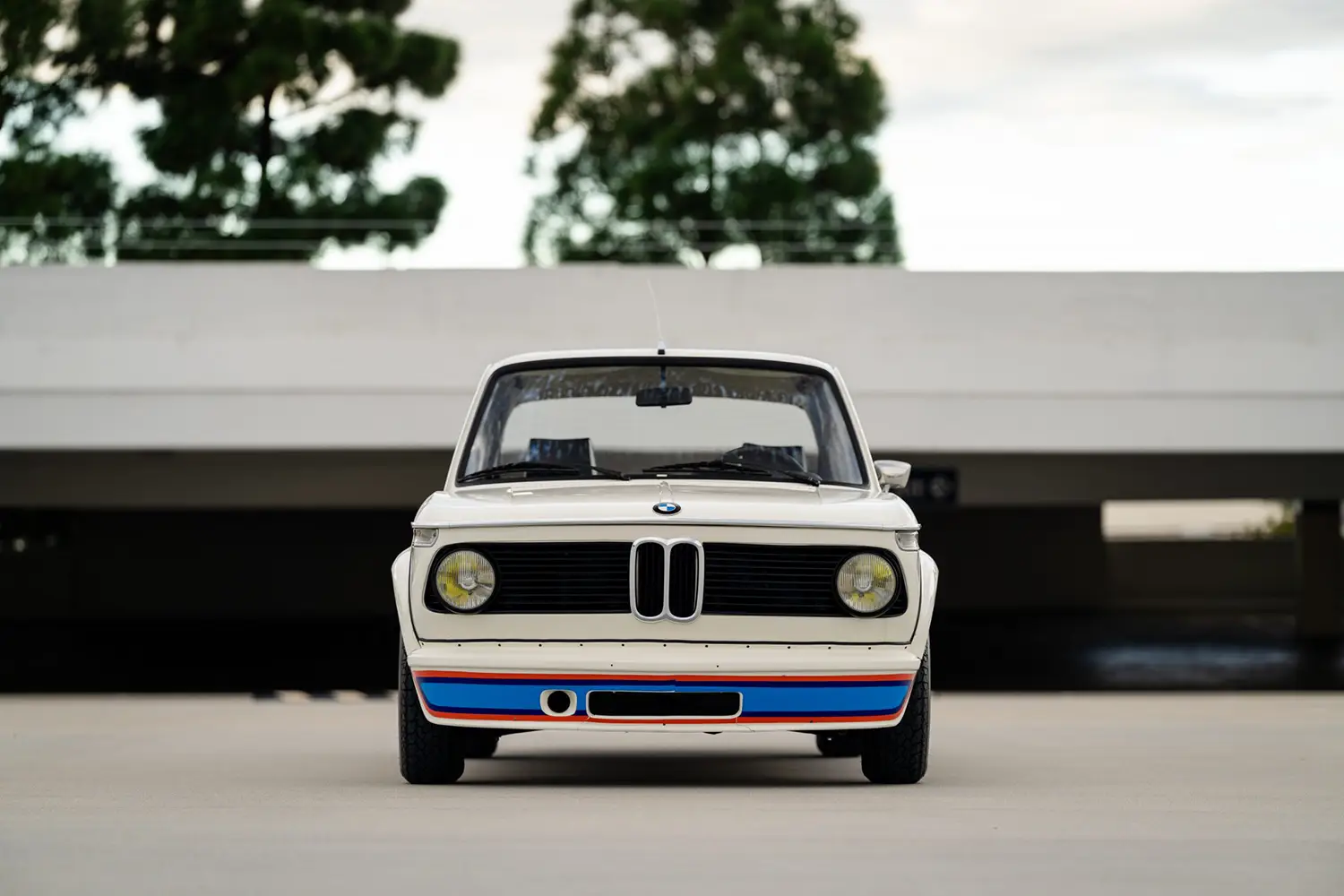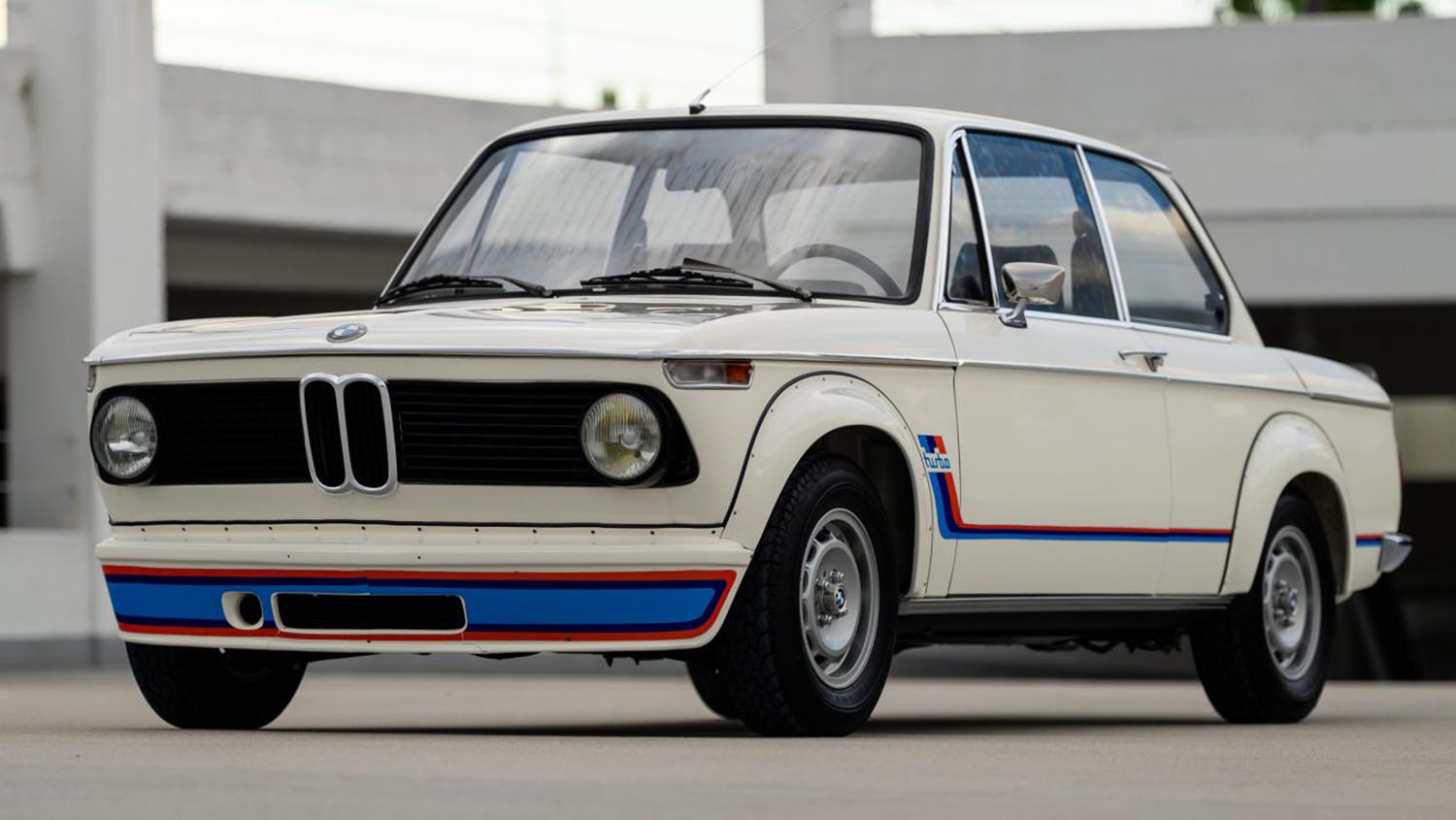
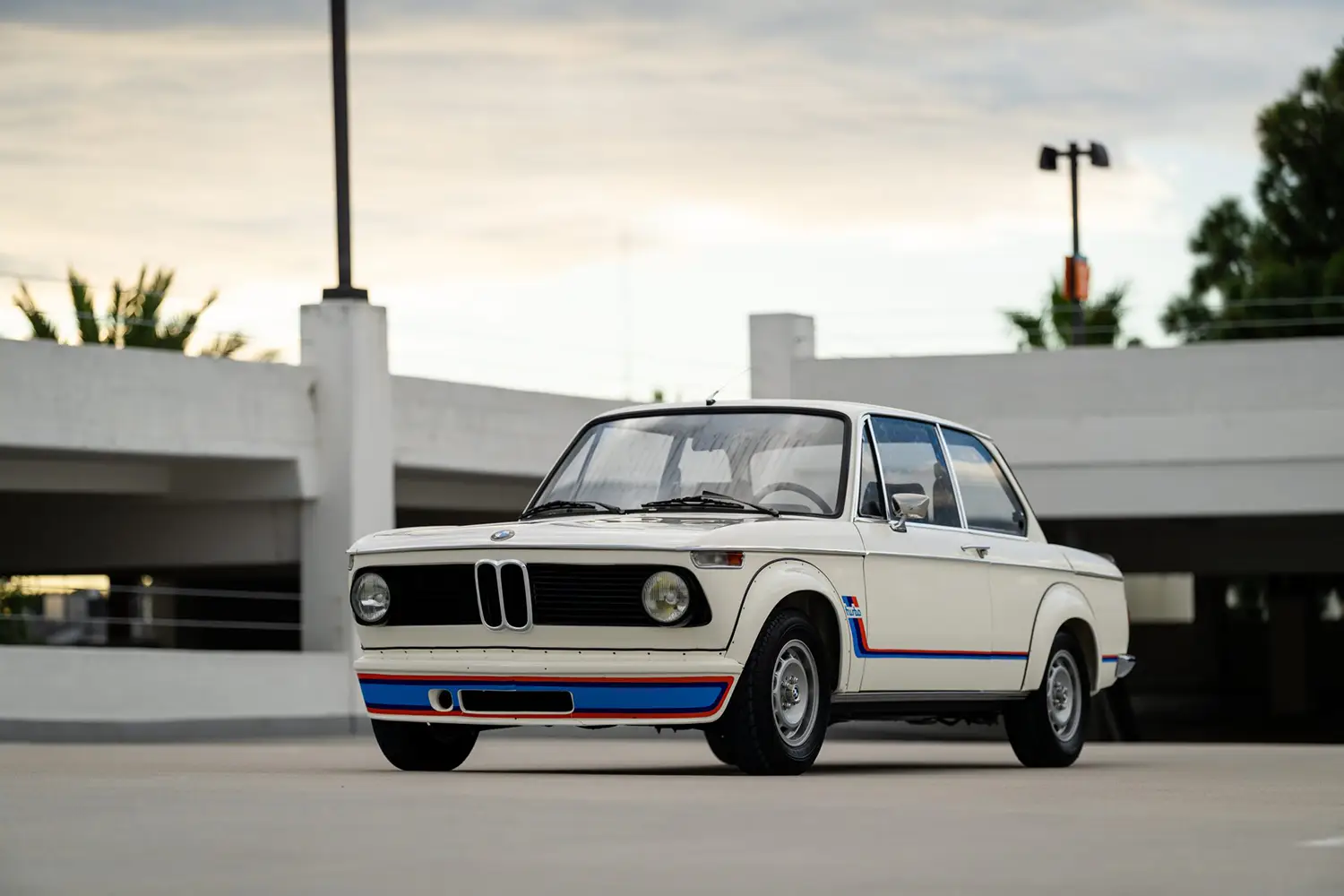
The 1974 BMW 2002 Turbo holds a sacred place in automotive history as the first turbocharged production car to emerge from Munich, debuting at the 1973 Frankfurt Motor Show. This specific example is one of only 1,672 units ever produced, representing a rare European-specification survivor that began its life in Italy before traveling through the Netherlands to its current home in the United States. Clad in the classic Chamonix paint with period-correct Turbo graphics, it embodies the “ultimate driving machine” ethos of the 1970s, offering a visceral and analog experience that defined the trajectory of BMW’s high-performance M division.
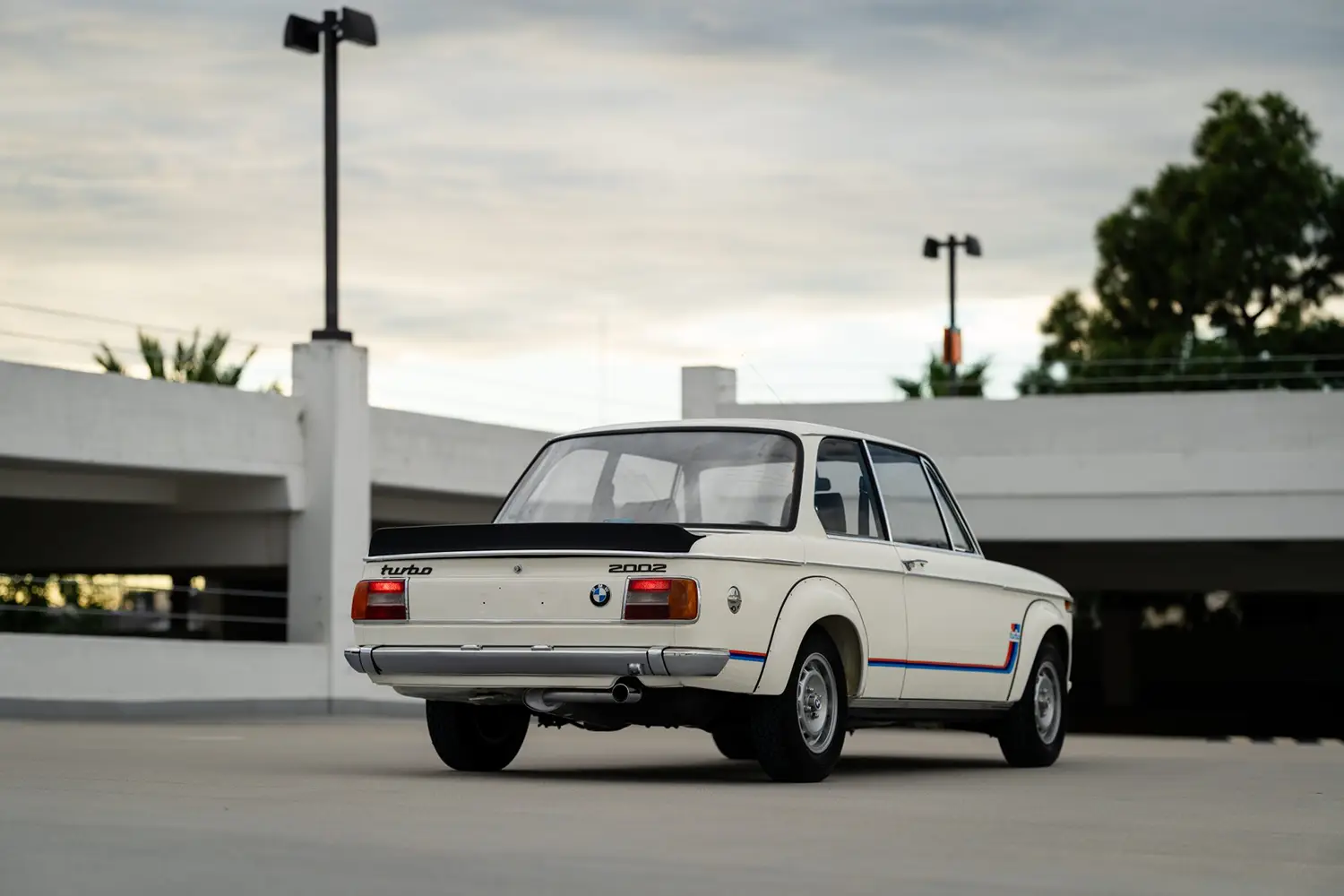
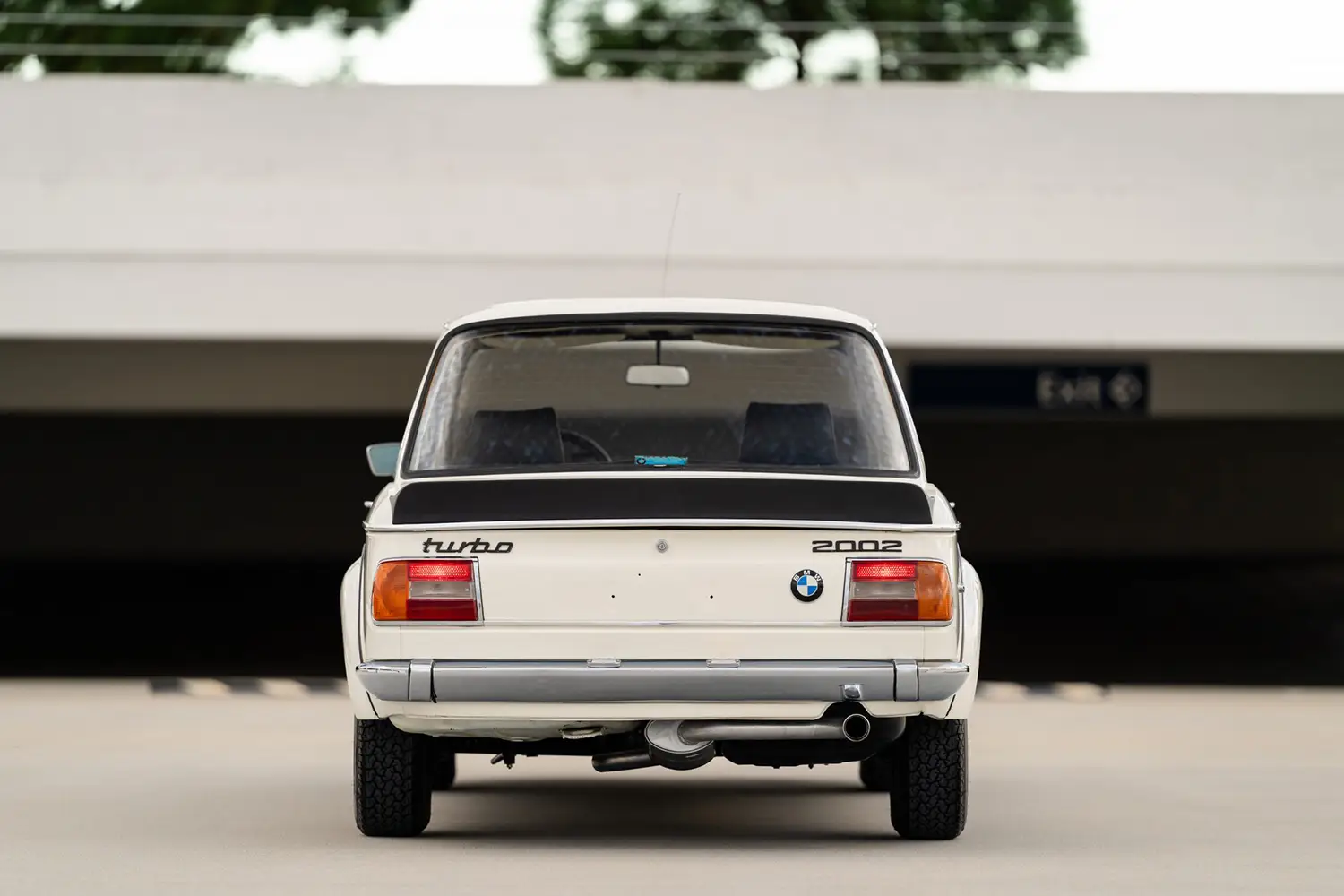
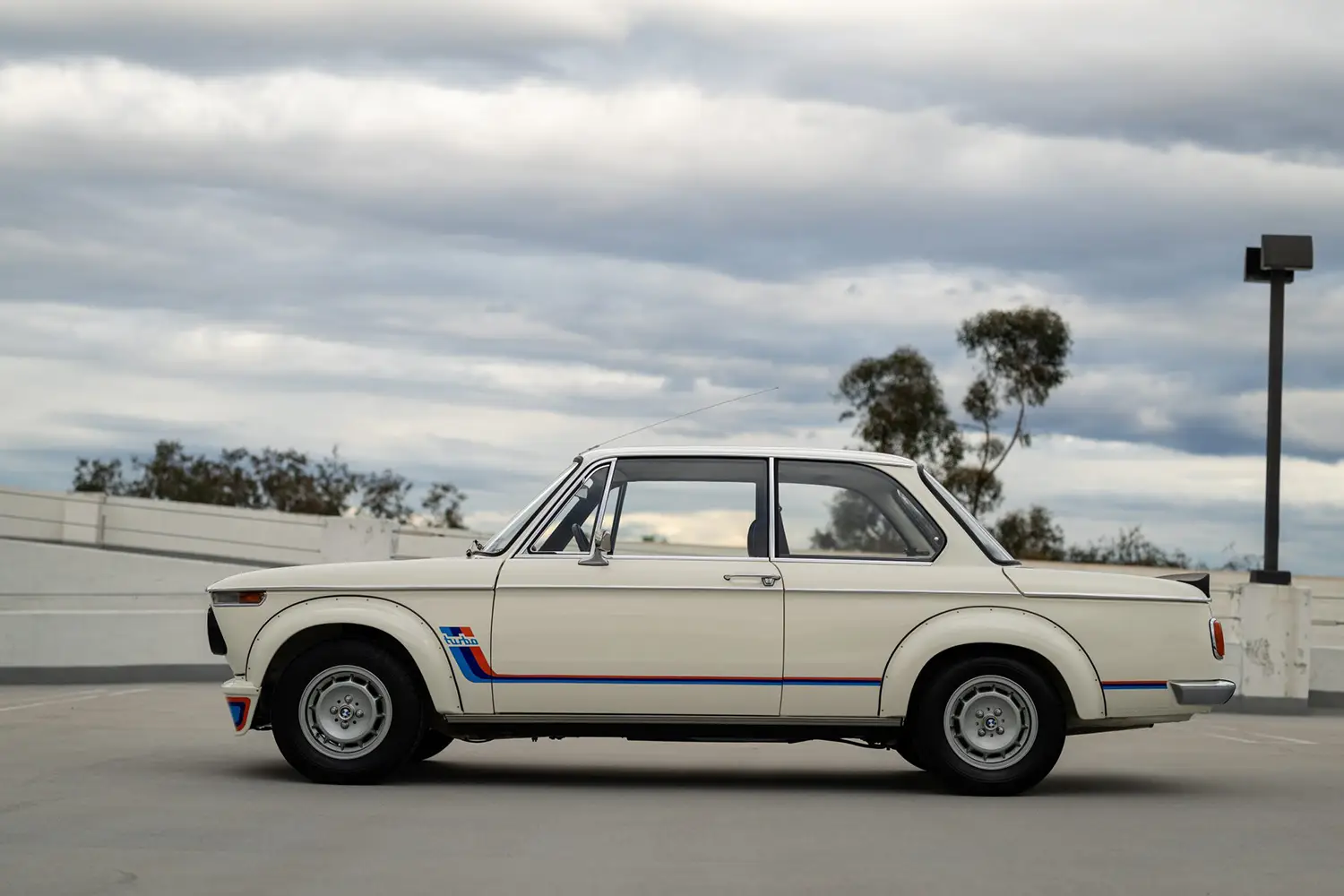
Chamonix White Finish and Aggressive Turbo Aero
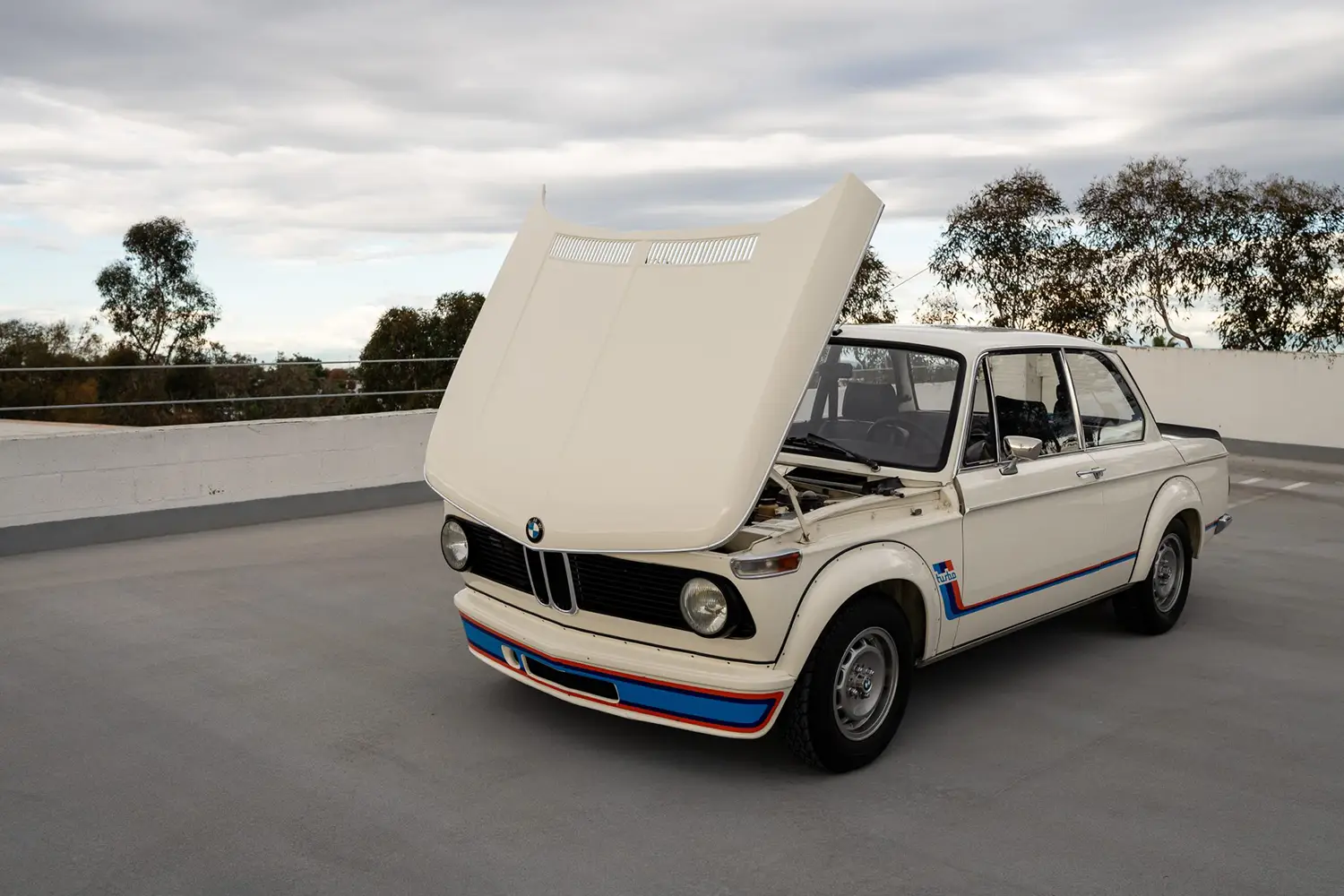
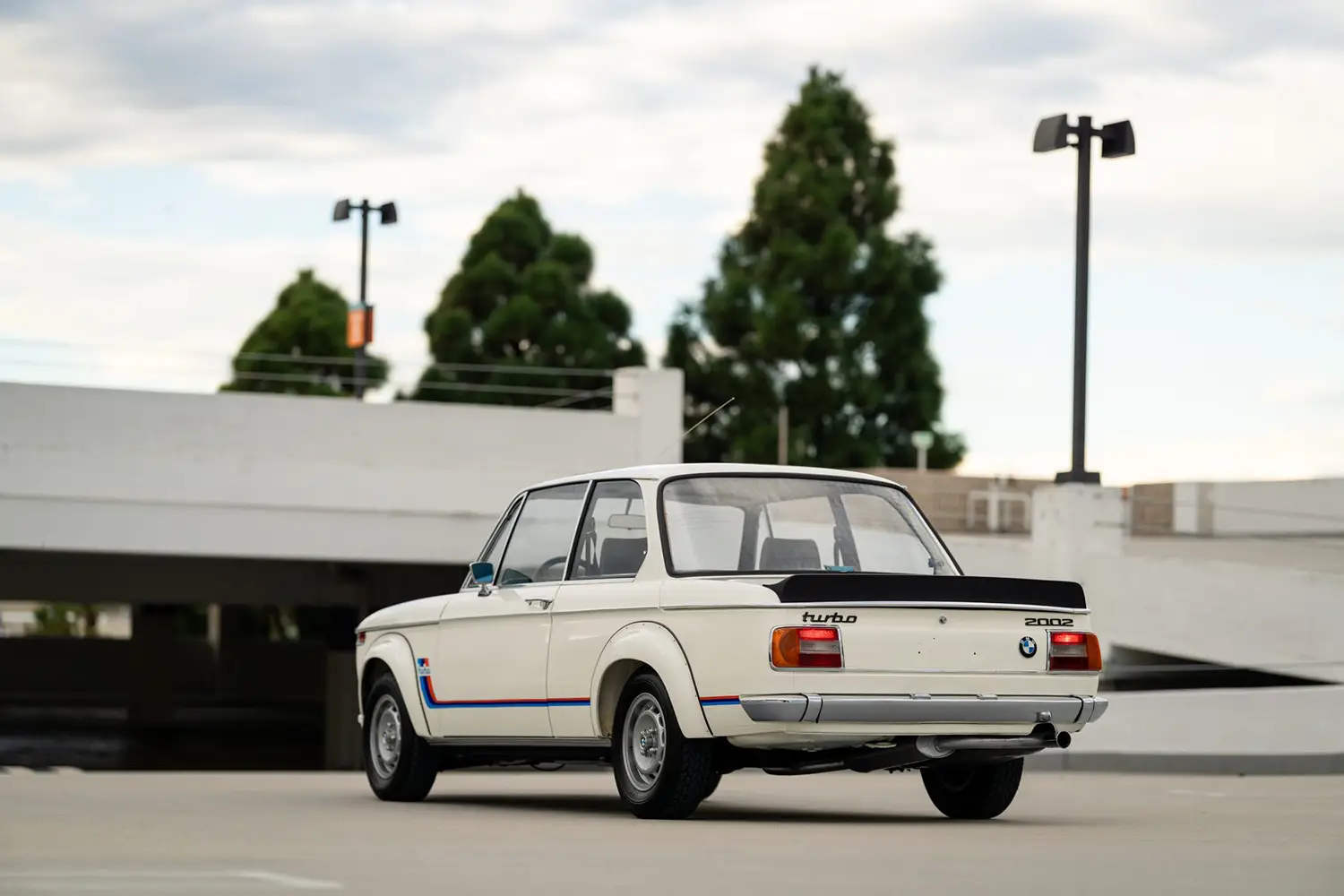
The visual character of the 1974 BMW 2002 Turbo is defined by its motorsport-derived body kit, featuring flared body-color fenders and a deep front air dam designed to channel air toward the radiator and oil cooler. Finished in Chamonix (085), the silhouette is further enhanced by yellow-lens Hella headlamps and a distinctive black rear spoiler. The car rides on 13-inch FPS alloy wheels wrapped in Michelin XDX tires, a setup that emphasizes the compact and athletic proportions of the E10 chassis. Under previous ownership, the lower bodywork was repainted to maintain its concours-level appearance, while the inclusion of a chrome rear bumper adds a touch of classic sophistication to its aggressive racing stance.
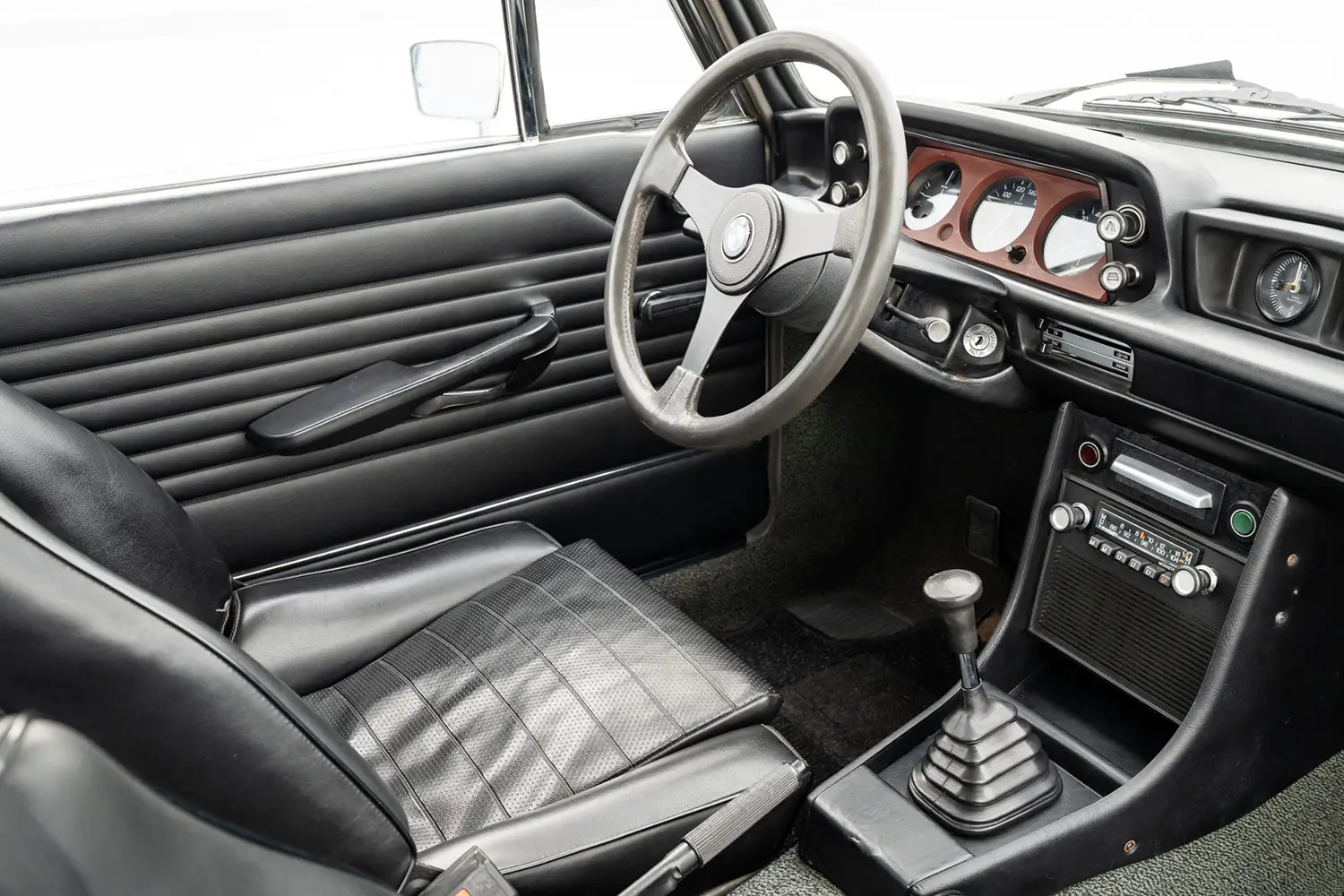
Black Skai Vinyl and the Iconic Red Instrument Cluster
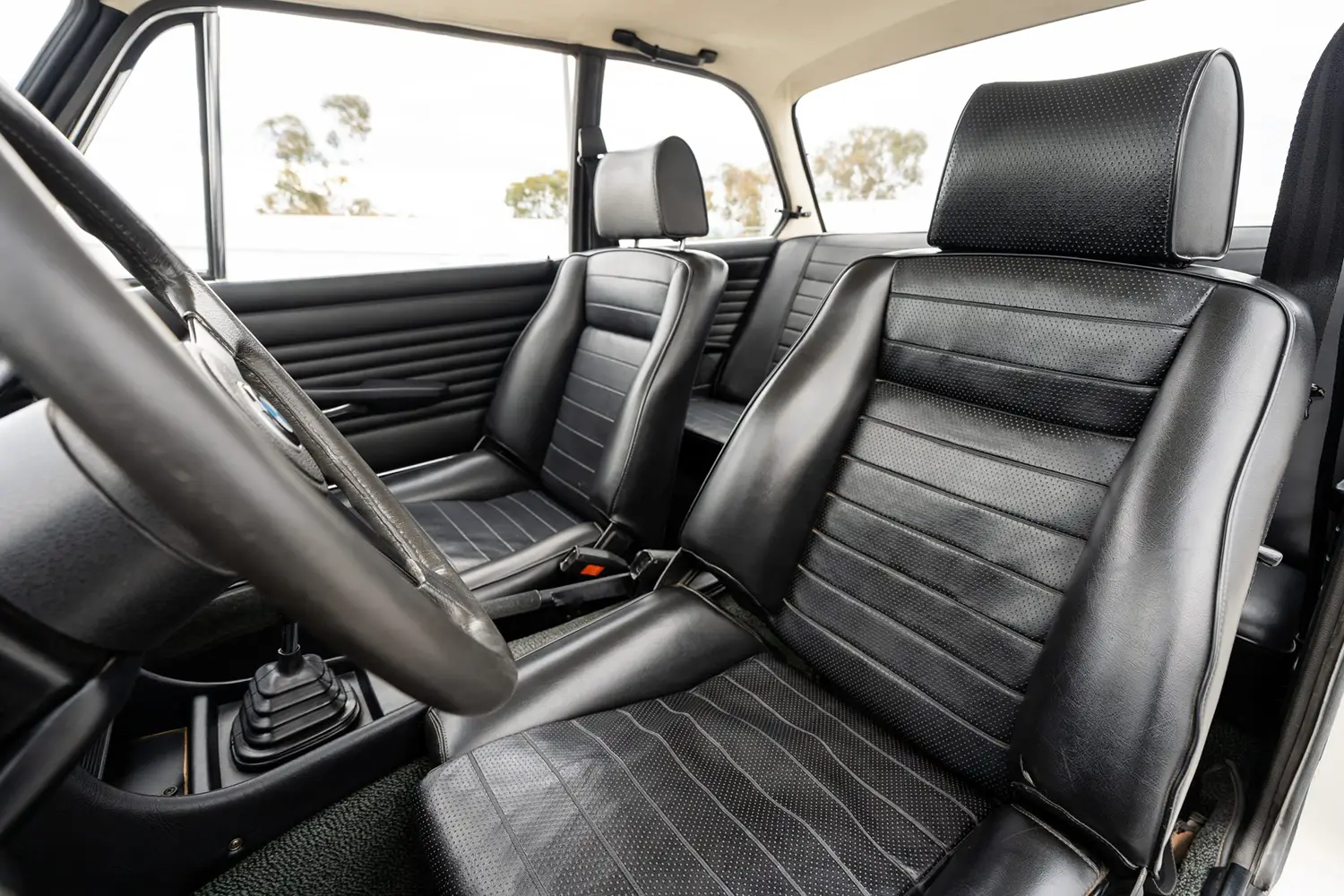
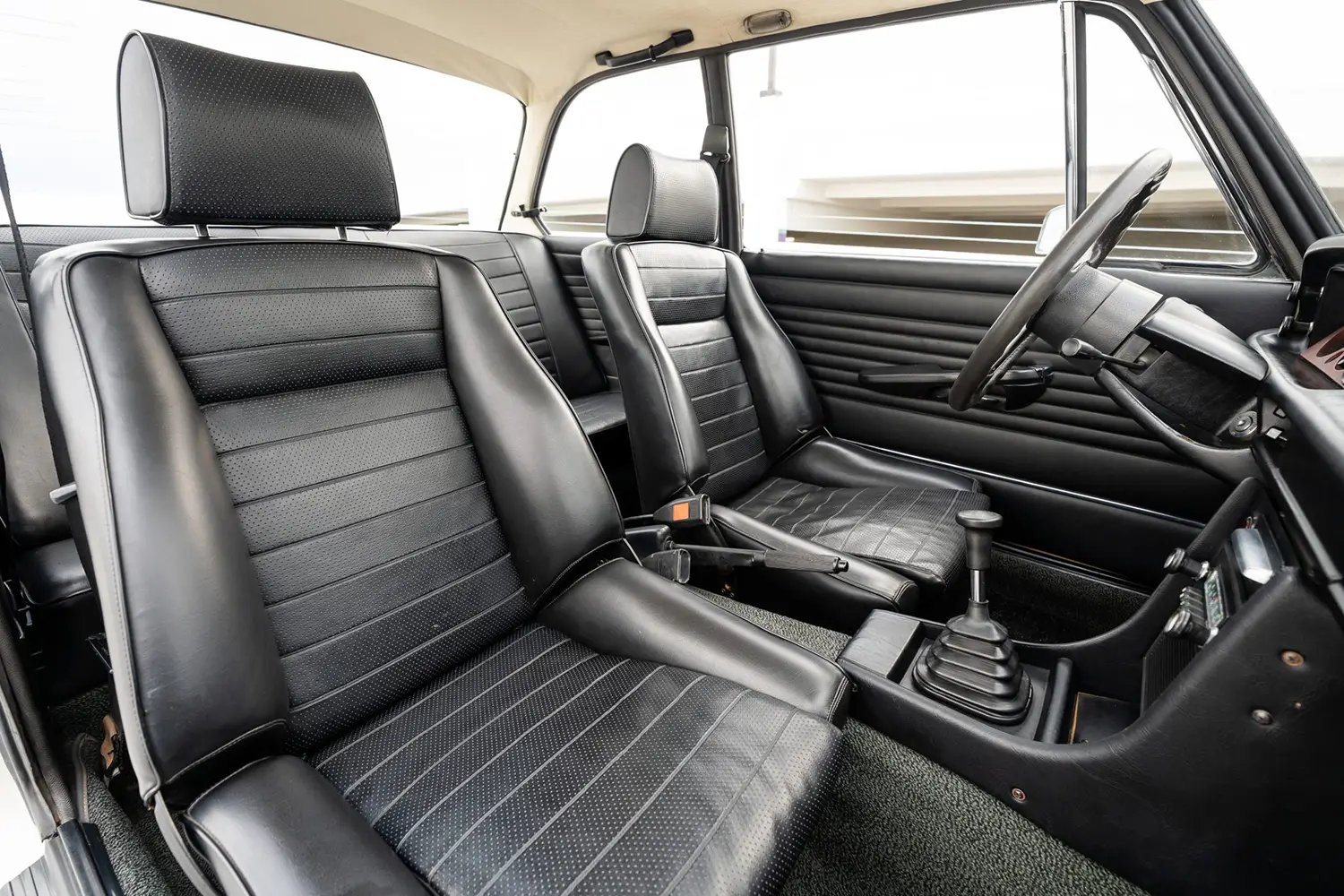
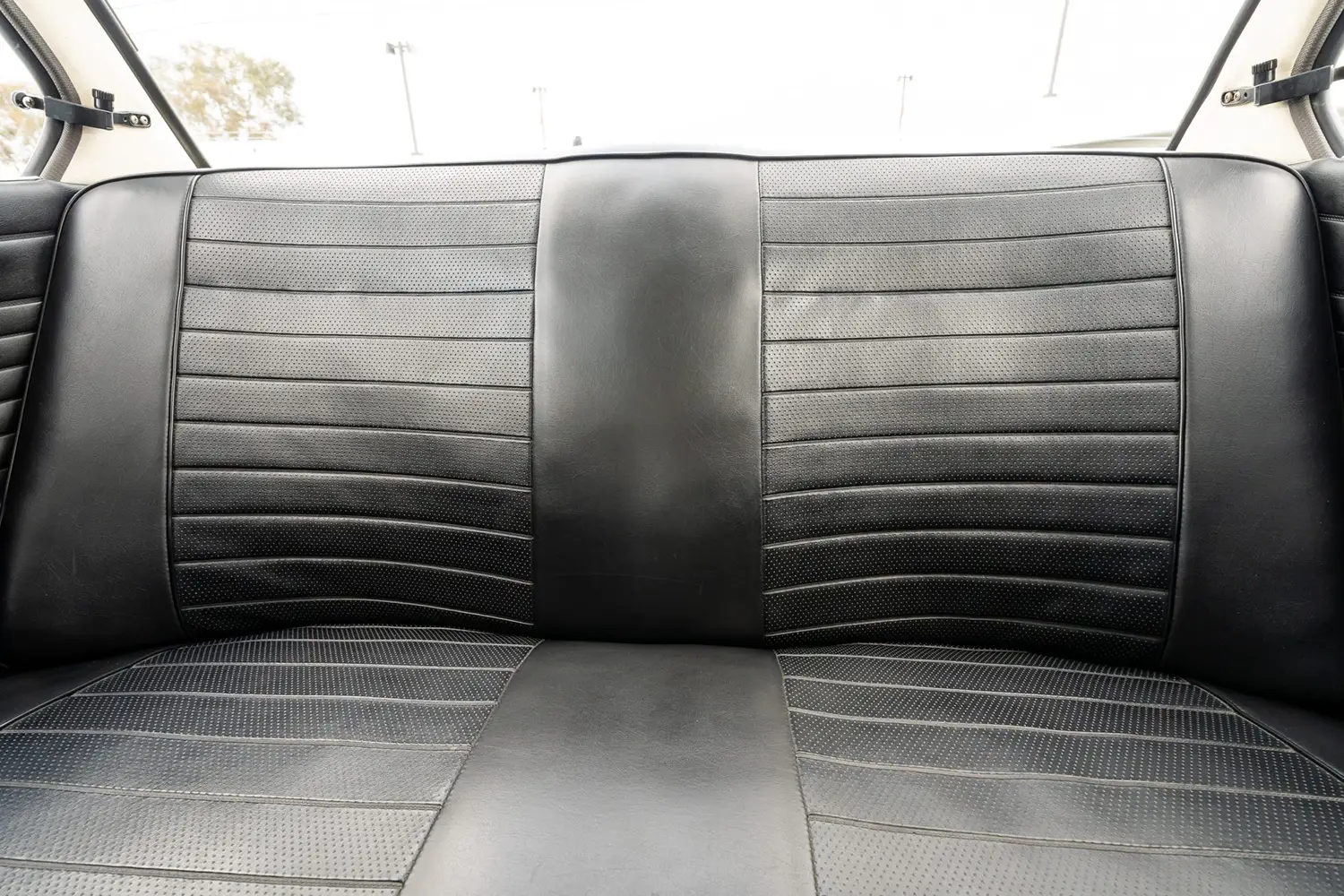
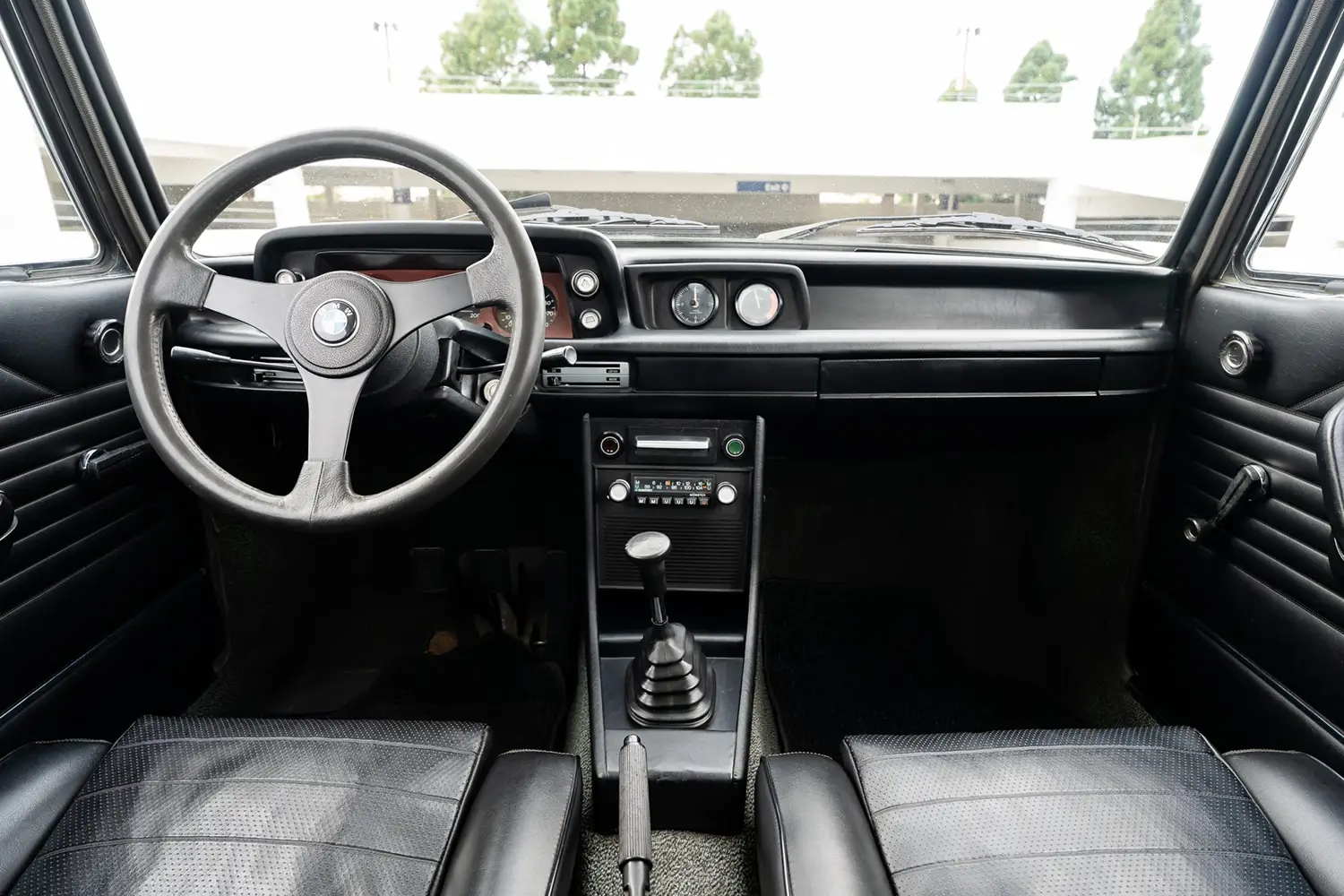
Inside, the cabin is a focused environment featuring bolstered front bucket seats trimmed in Black Skai vinyl, providing the lateral support necessary for spirited cornering. The interior retains its period-correct Blaupunkt Münster AM/FM radio and a leather-wrapped steering wheel that frames the iconic red instrument cluster bezel. This Turbo-specific detail houses VDO gauges, including a 240-km/h speedometer and a centrally mounted boost gauge that reminds the driver of the forced induction potential at hand. Recent work in 2025 saw a full refurbishment of the heater box, ensuring the cabin remains comfortable while the pop-out rear side windows provide the traditional ventilation favored by 2002 enthusiasts.
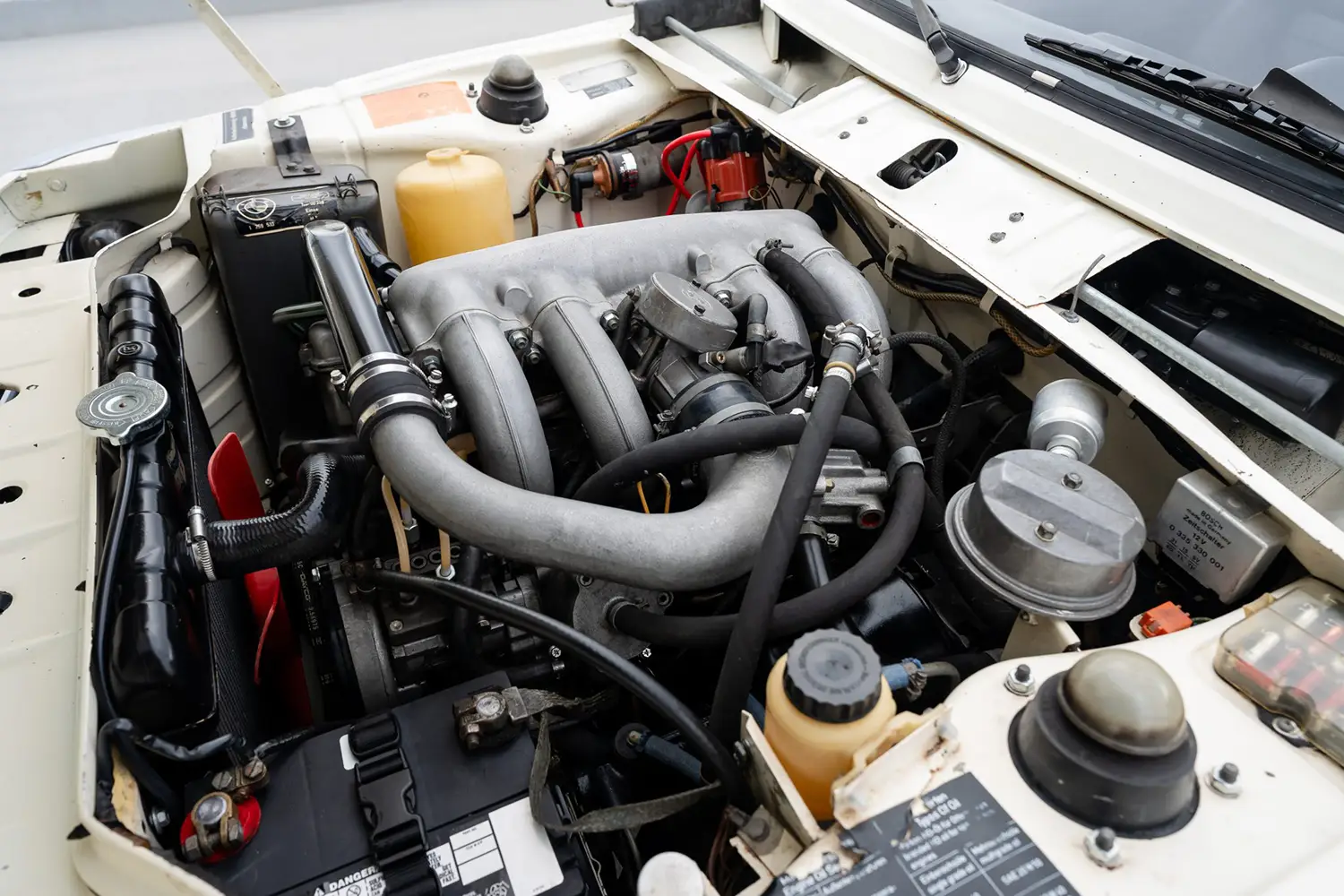
M10 Turbocharged Power and Dogleg Manual Precision
Under the front-hinged hood sits a replacement 2.0-liter M10 inline-four, which was factory-fitted with a KKK turbocharger and the sophisticated Kugelfischer mechanical fuel injection system. While official performance figures remain a factory benchmark, the engine’s delivery is characterized by the sudden surge of boost that made these cars legendary. Power is routed through a rare and desirable dogleg five-speed manual transmission and a limited-slip differential, allowing for precise control over the rear wheels. Extensive mechanical work in 2025 and 2026 included a full service of the injection system, a starter rebuild, and the installation of Bilstein rear shocks to sharpen the chassis response.
| Technical Specifications | |
|---|---|
| Engine Type | 2.0L M10 Turbocharged Inline-Four |
| Transmission | 5-Speed Dogleg Manual |
| Induction | Kugelfischer Mechanical Fuel Injection |
| Turbocharger | Kühnle, Kopp, & Kausch (KKK) |
| Differential | Limited-Slip (LSD) |
| Wheels | 13-inch FPS Alloy |
| Suspension | Independent w/ Bilstein Rear Shocks |
Rarity Benchmarks and the Turbo Collectibility Surge
In the current collector market, the 1974 BMW 2002 Turbo is frequently benchmarked against other early forced-induction icons like the Porsche 930 Turbo. However, with only 1,672 units built over two years, the BMW is significantly rarer and occupies a unique niche as a homologation-style road car. The inclusion of the dogleg five-speed transmission is a major unique selling point, as many examples were delivered with the standard four-speed unit. As values for 2002 Tii models continue to climb, the original Turbo remains the “holy grail” for BMW collectors, representing a peak of mechanical purity and a direct link to the brand’s 1970s touring car dominance.
Global Provenance and Meticulous 2025 Maintenance
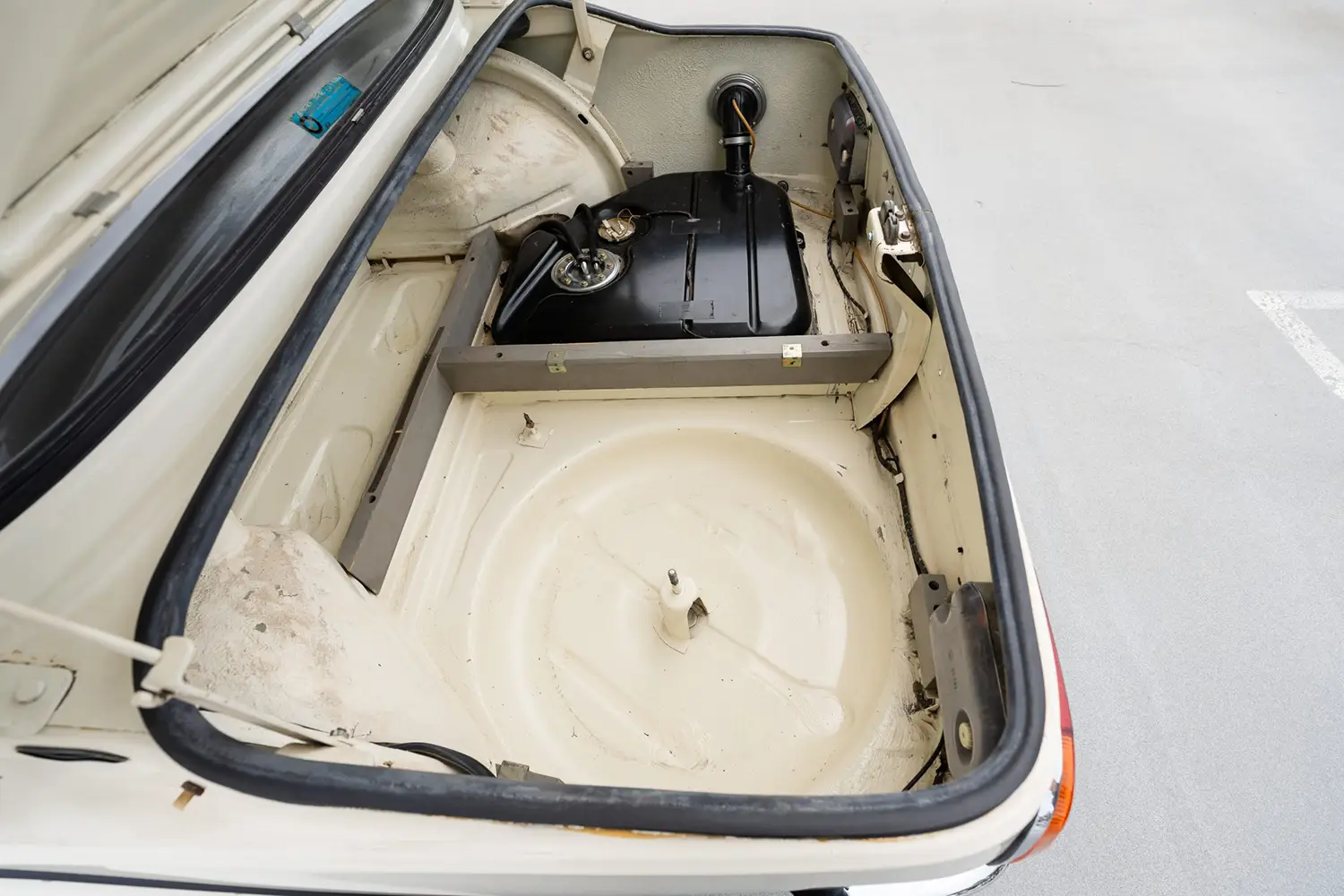
Ownership of this 2002 Turbo is supported by an extensive paper trail, including its original Italian warranty card for the replacement engine and Dutch registration documents. Since being imported to the US in 2014, the car has benefited from high-level care, including a recent 2025 refresh of the fuel system by Pacific Fuel Injection in San Francisco. The maintenance list is comprehensive, covering everything from a fuel tank cleaning to a brake master cylinder replacement and intake system resealing. Currently held on a clean Montana title, the car is offered with its factory manuals and a collection of spare parts, making it a turn-key investment for the serious European car collector.
A Masterclass in Early Turbocharged Engineering
The 1974 BMW 2002 Turbo is much more than a modified economy car; it is a meticulously preserved artifact from the dawn of the turbocharging era. Through its combination of Chamonix paint, KKK-boosted M10 power, and rare dogleg transmission, it offers a driving experience that is both challenging and immensely rewarding. This example’s global journey and recent mechanical investments ensure it is ready to be driven as intended or displayed at the highest level of BMW gatherings. It remains a definitive statement of Bavarian ambition, capturing the moment when BMW truly became a world leader in high-performance engineering.
Disclaimer: Content on this site is for informational and entertainment purposes only. Details, analyses, and opinions reflect current trends and personal views, not professional or financial advice. Always verify information with official sources before making any decisions.
Source: bringatrailer.com