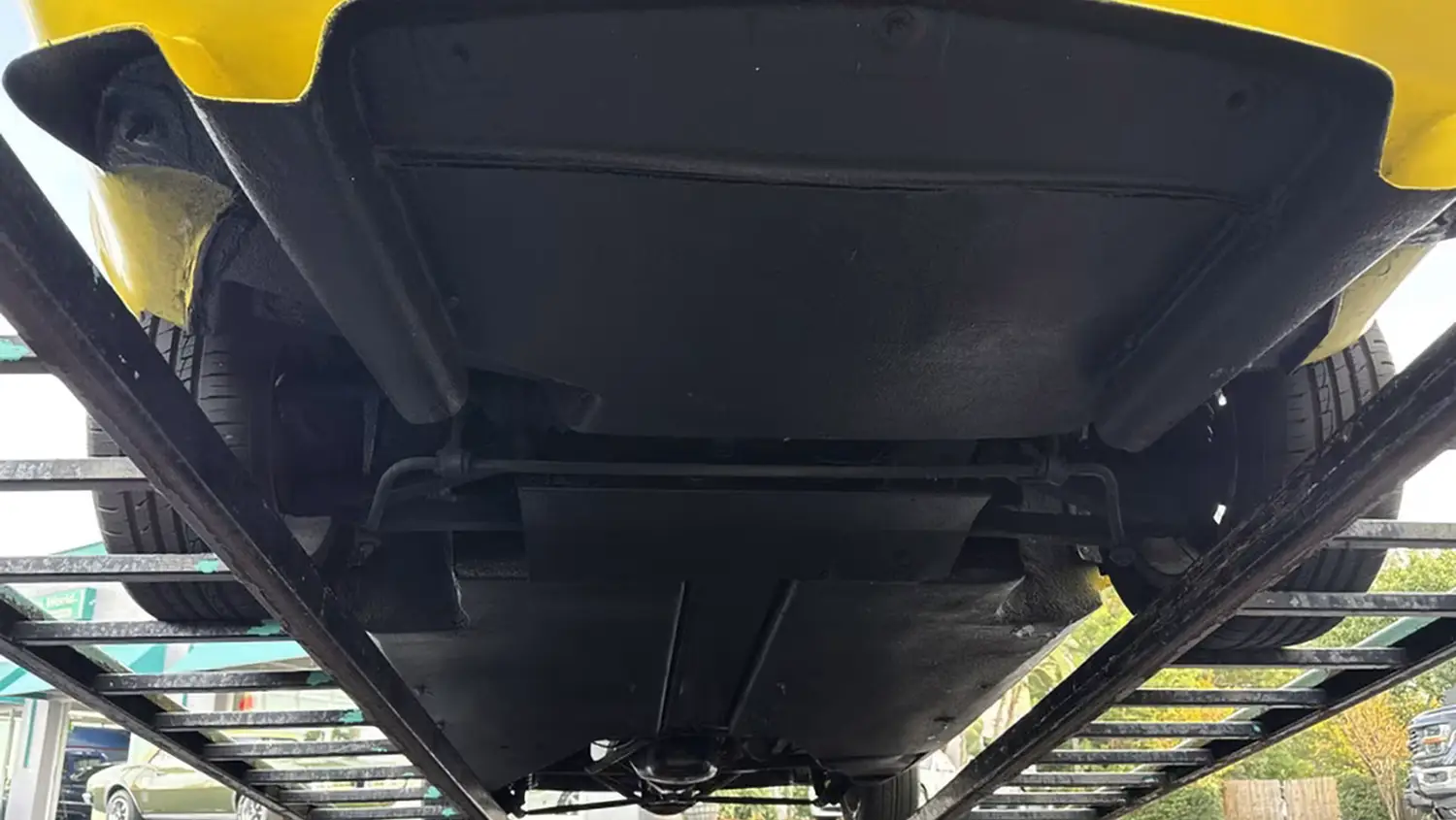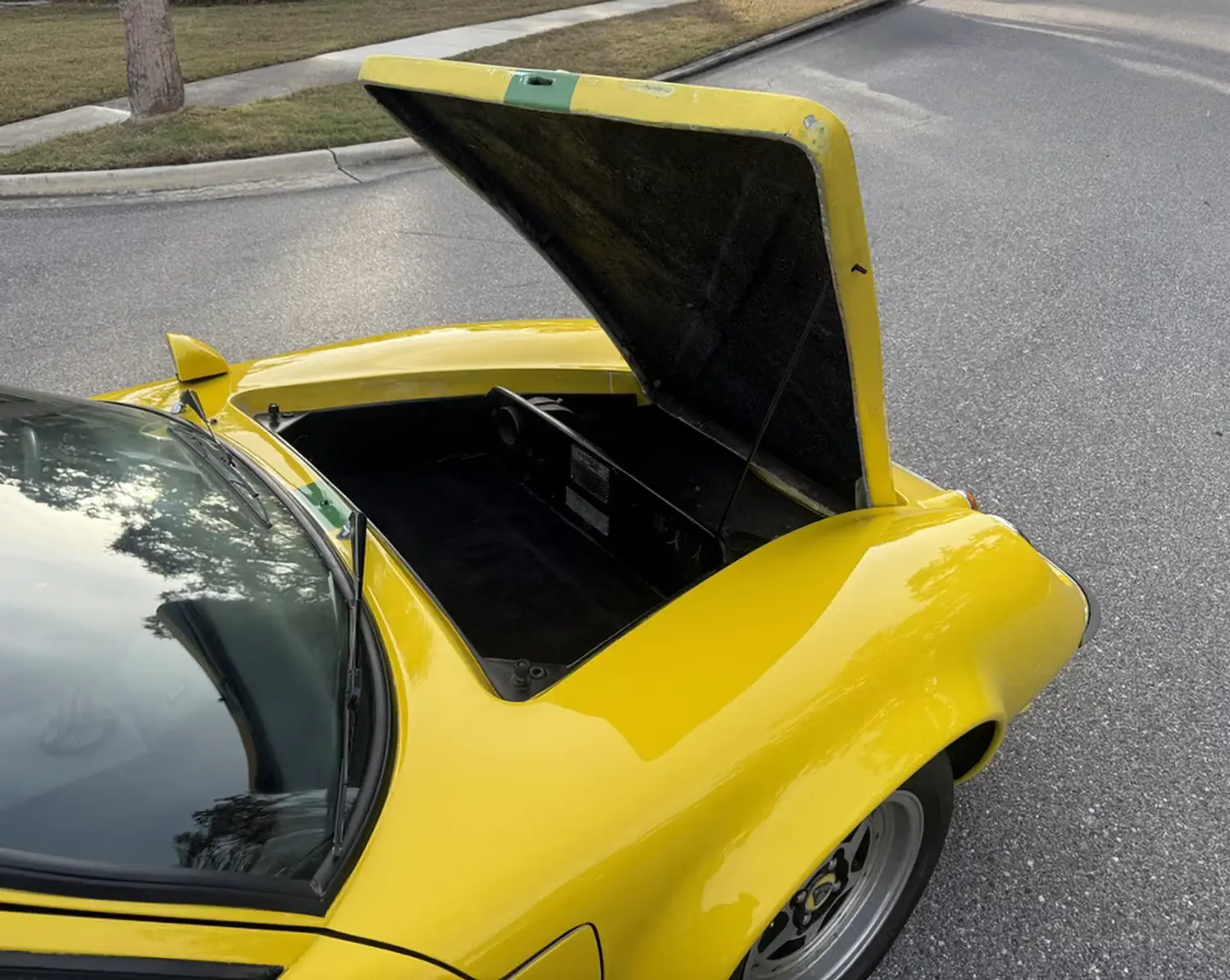
The 1969 Lotus Europa represents a pivotal moment when Colin Chapman’s “simplify, then add lightness” philosophy moved to a mid-engine road platform. This radical design provided handling capabilities that few other sports cars of the era could hope to match. This specific yellow example perfectly captures the avant-garde spirit of the late sixties with its distinctive “breadvan” silhouette. It is scheduled to cross the auction block at Kissimmee 2026 as Lot E48 on Thursday, January 8th. The car features the low profile and fiberglass bodywork that made the model a favorite for driving enthusiasts. Every line on this vehicle was drawn to reduce drag and optimize the center of gravity for the driver. For those who value cornering precision over straight-line muscle, this Europa offers a pure mechanical connection. It remains a rare survivor that showcases British innovation during a golden age of sports car production.
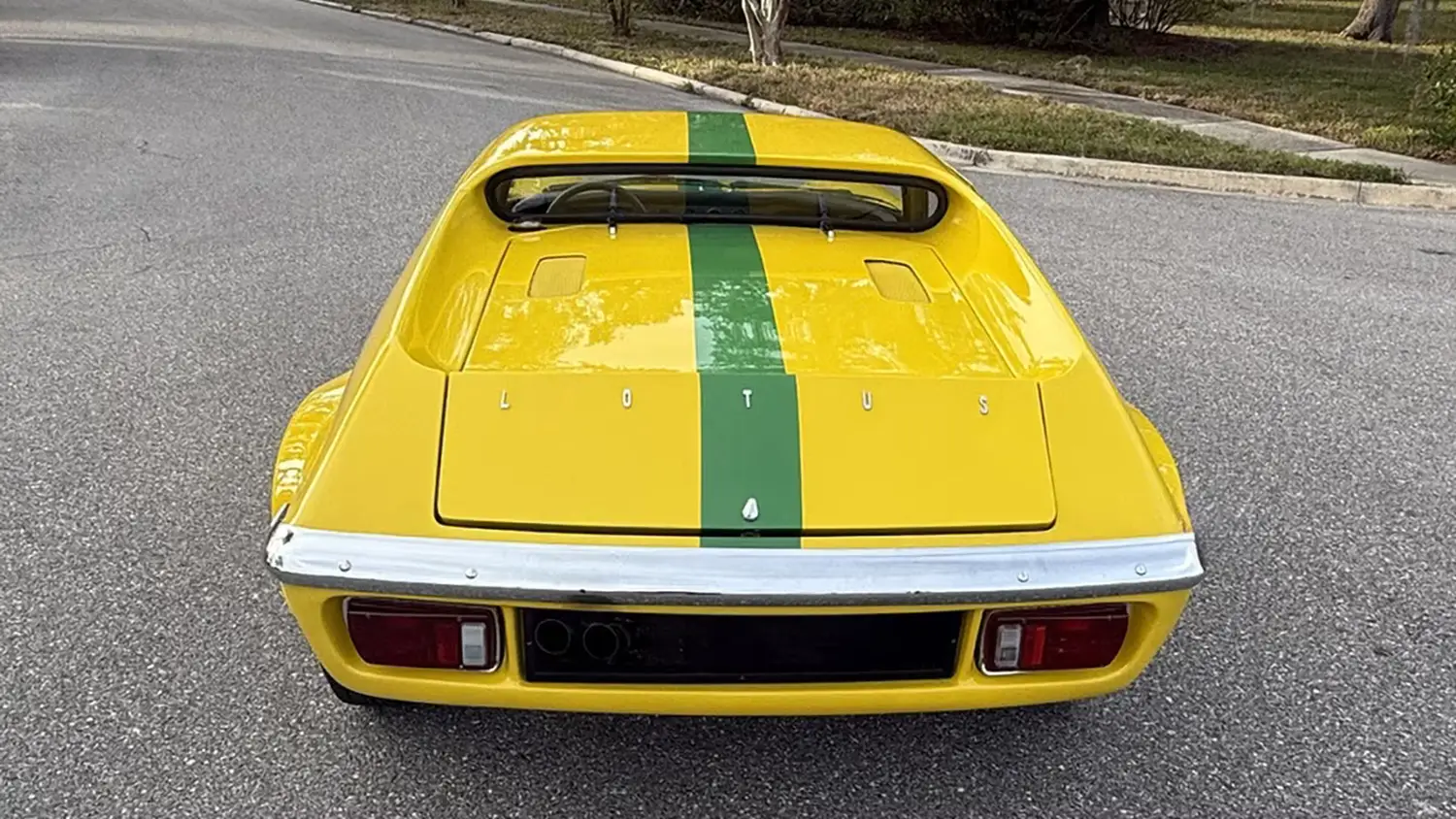
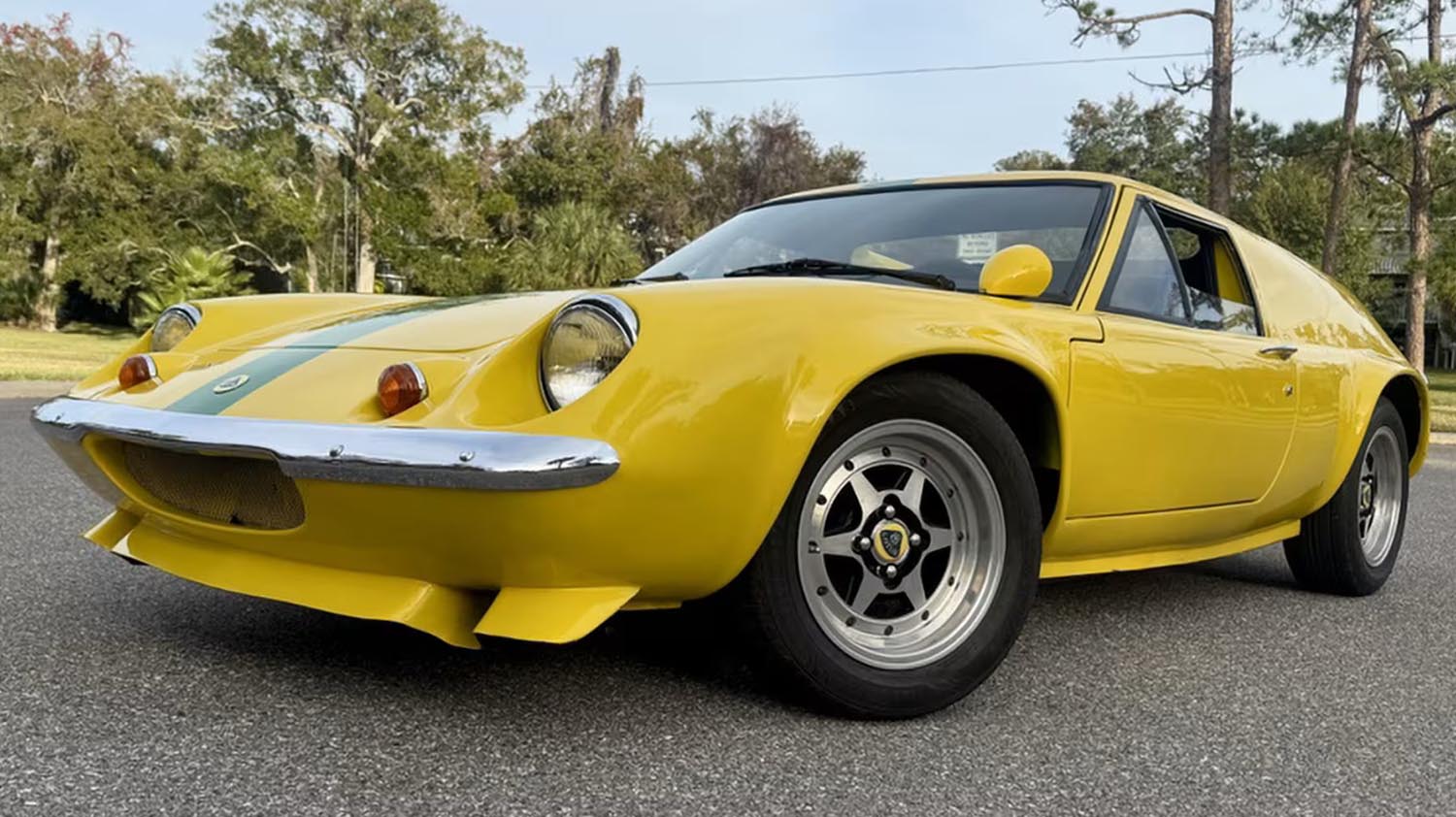
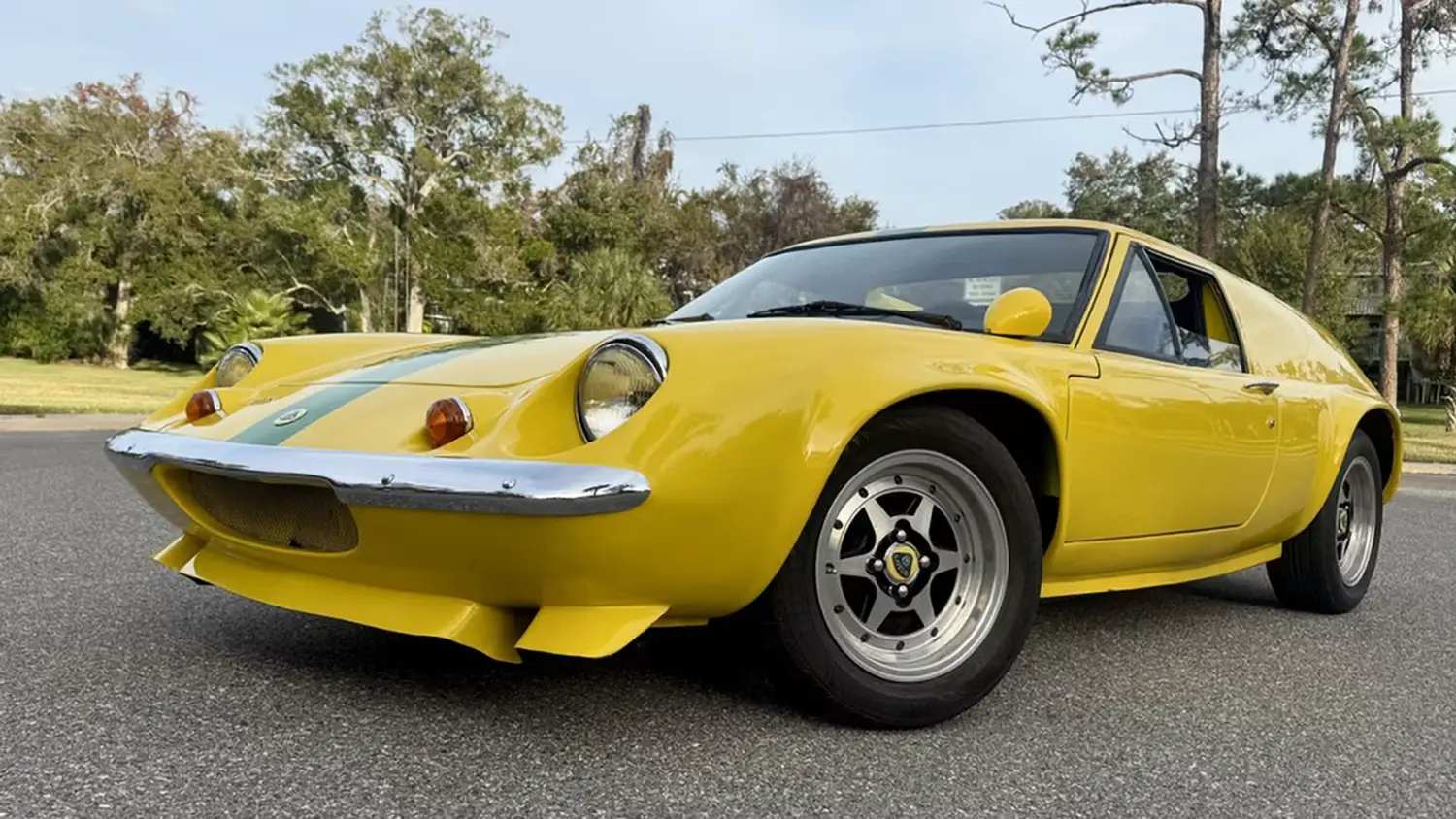
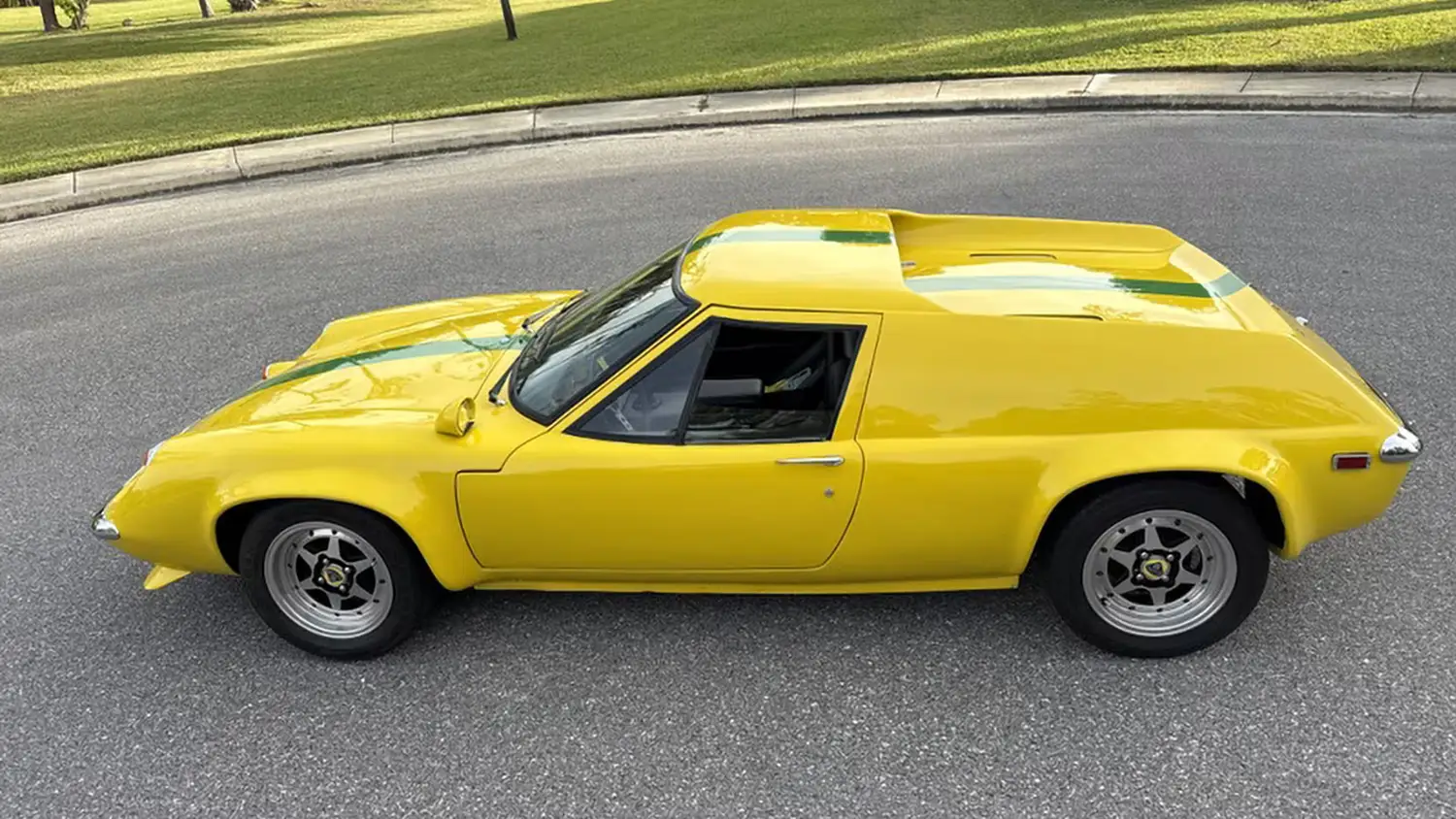
The exterior of this 1969 Lotus Europa is finished in a bold yellow that highlights its unique aerodynamic proportions. While the styling was polarizing during its debut, it has since aged into a highly respected piece of automotive sculpture. It rides on 14-inch alloy wheels that provide the car with a slightly more modern and aggressive stance on the road. These wheels complement the small body and allow for better tire choices to maximize mechanical grip in the turns. Furthermore, front disc brakes provide the necessary stopping power for such a lightweight and agile vehicle. The fiberglass panels appear well-preserved, maintaining the tight shut lines that are essential for these early hand-built cars. Minimal chrome trim and dual side mirrors keep the focus entirely on the car’s athletic and purposeful shape. This Europa is a striking machine that commands attention among much larger and more common classic exotics.

Yellow Exterior Aesthetics and 14-Inch Alloy Wheels
This 1969 Lotus Europa stands out immediately due to its vibrant paint and purposeful stance. The yellow finish serves to emphasize the car’s incredibly low roofline and unique rear sail panels. These features were designed to improve airflow, making the Europa one of the most aerodynamic cars of its time. The addition of 14-inch alloy wheels replaces the smaller standard units for a more planted look. These wheels work in harmony with the car’s independent suspension to deliver world-class feedback to the driver. Every corner of the car reflects the racing pedigree that Lotus established on tracks across the globe. The front disc brakes are visible behind the spokes, promising consistent performance during spirited drives. This combination of color and hardware makes the car a favorite for both collectors and active drivers alike. It is a visually honest presentation that prioritizes function without sacrificing its iconic sixties charm.
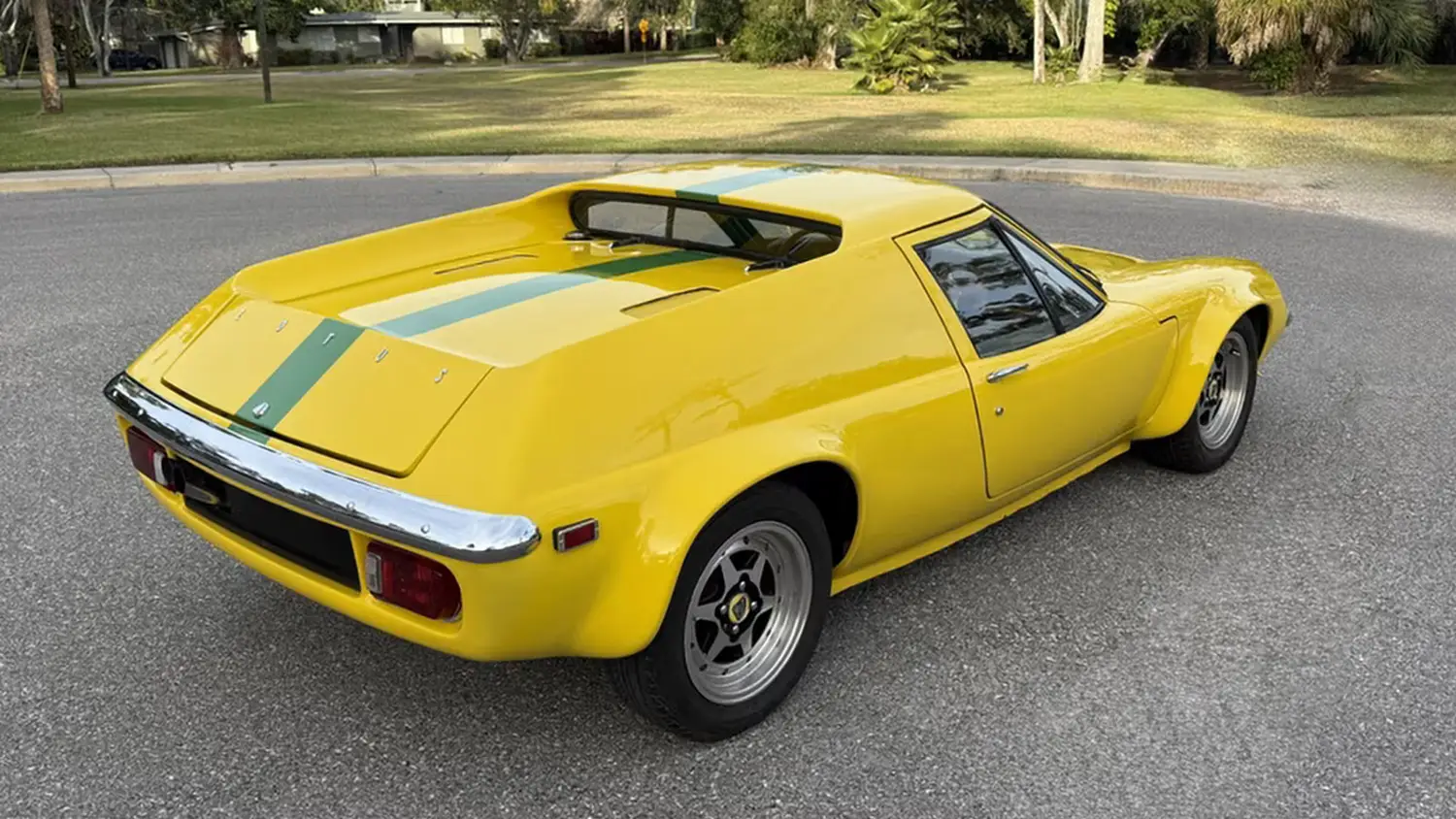
The side-exit orientation and compact dimensions allow the Europa to navigate tight spaces with ease. Its lightweight construction means that even small inputs result in significant changes in direction. This agility is the hallmark of the Chapman era and remains the car’s most compelling trait today. Every badge and trim piece is correctly placed to maintain the car’s historical accuracy for the next owner. The dual exhaust system hints at the rev-happy nature of the French-sourced engine located just behind the cabin. It is a clean and focused presentation that avoids unnecessary aftermarket clutter or modifications. For the buyer who wants an authentic Lotus experience, this car delivers on every aesthetic promise. It represents a time when European designers were not afraid to challenge conventional automotive shapes. This Europa is ready to be a standout participant at any local concours or vintage rally event.
Black Bucket Seat Interior with Smiths Gauges
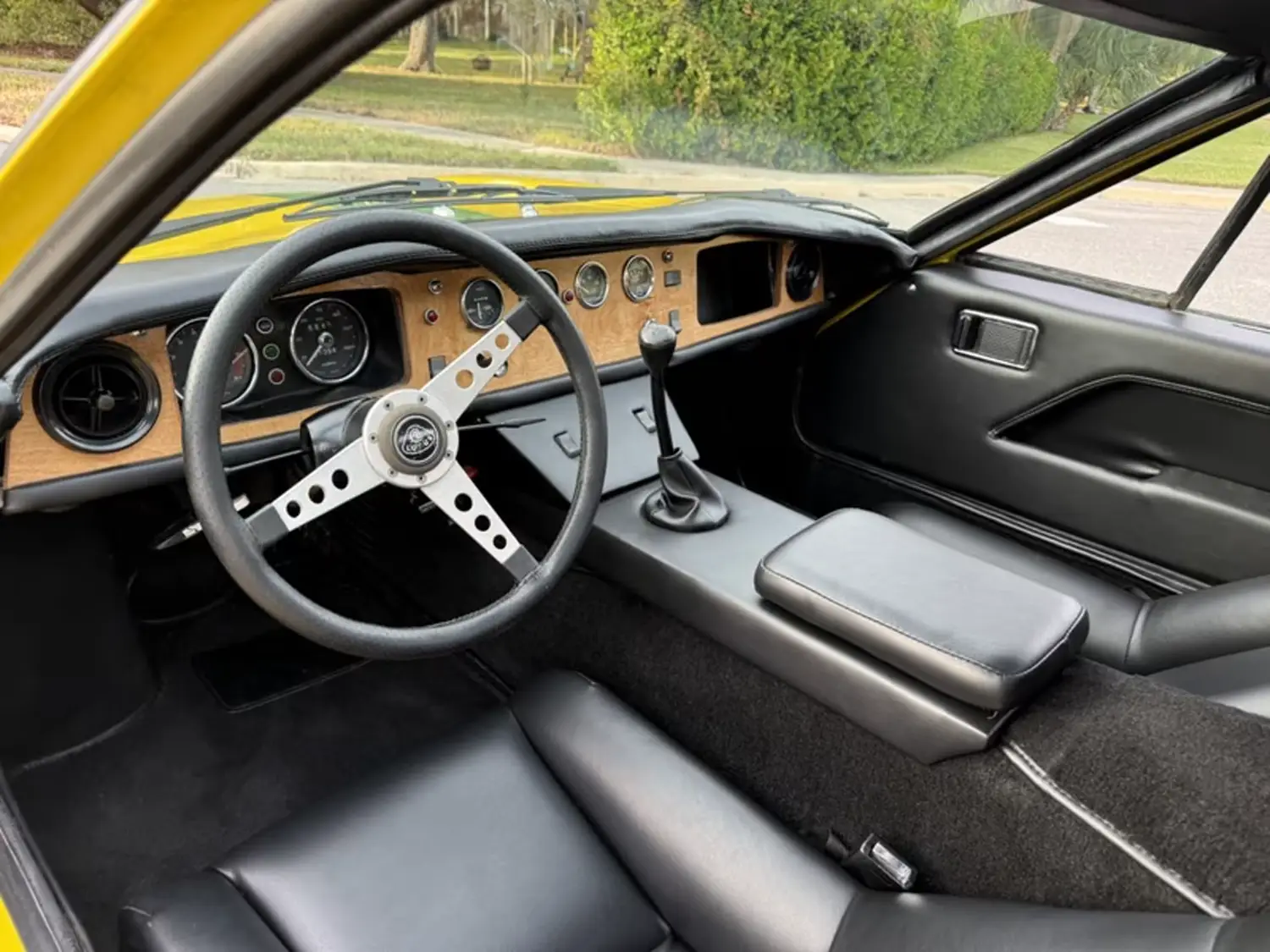
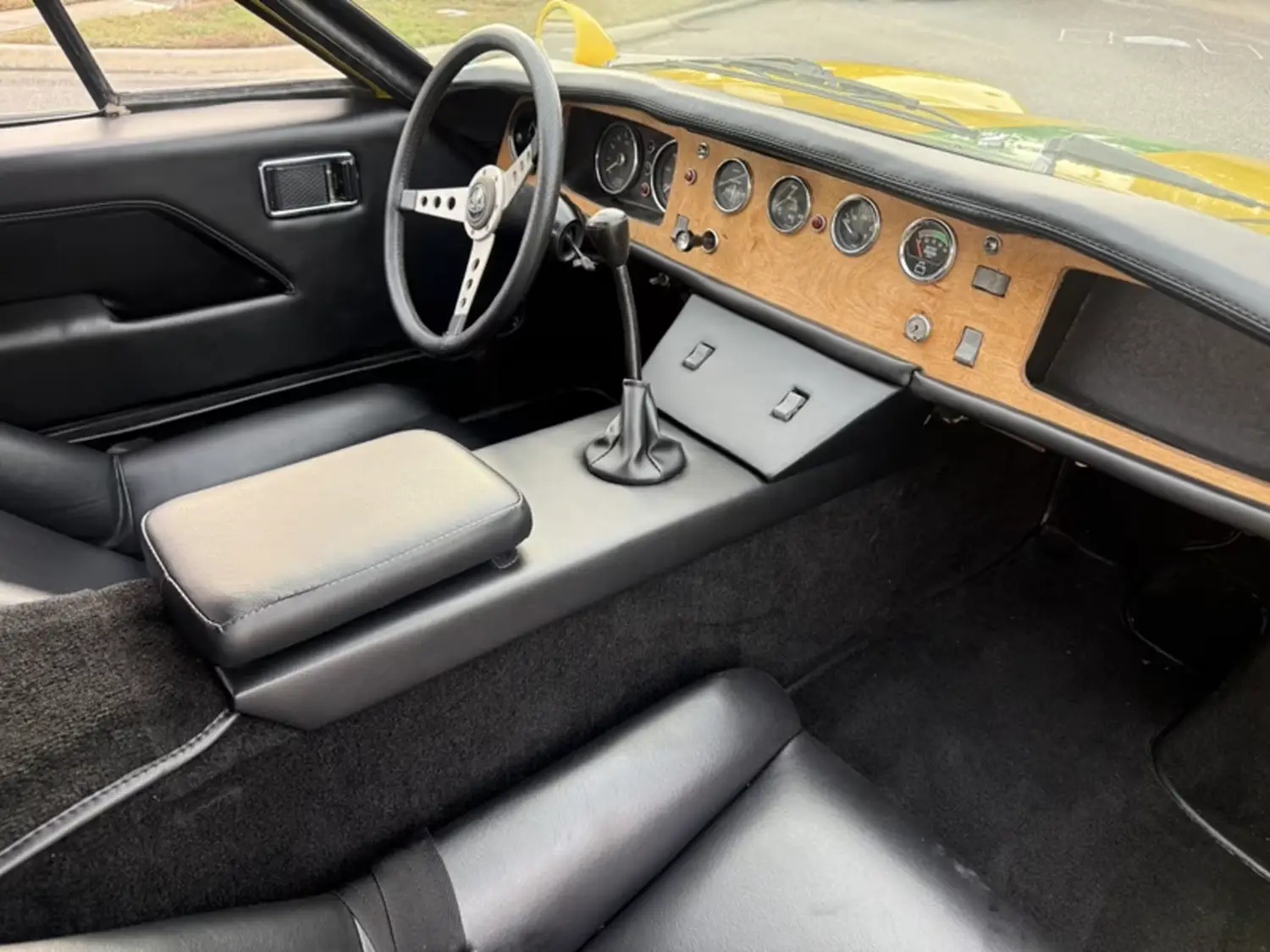
Inside the cabin, the 1969 Lotus Europa offers a focused and surprisingly intimate environment for two people. The black bucket seat interior features a center console that houses the shifter and primary switchgear. A 3-spoke leather-wrapped alloy steering wheel provides the pilot with a tactile connection to the front wheels. To monitor the engine’s health, a full suite of classic Smiths gauges is integrated into the dashboard. These instruments are a staple of British motoring history and offer vital data with a vintage aesthetic. Interestingly, this model comes equipped with power windows, adding a touch of convenience to the Spartan interior. The seating position is incredibly low, making the driver feel as if they are part of the car’s frame. It is a minimalist space that removes distractions to focus entirely on the act of driving. Every handle and dial feels mechanical and direct, reinforcing the car’s lightweight and analog nature.
The interior remains remarkably tidy, showing the care this vehicle has received over the past several decades. Its black upholstery provides a sharp contrast to the bright yellow exterior, creating a classic color combination. Despite the compact exterior, the cabin offers enough room for two adults to enjoy a weekend of touring. The large windshield provides excellent forward visibility, which is crucial given the car’s low height on the road. All the Smiths gauges remain clear and legible, serving as the functional heart of the dashboard. The presence of the power window switches on the console is a reminder of the Europa’s upscale aspirations. Every element within the cockpit is designed to be reached easily without the driver having to move their back. It is a masterclass in ergonomic efficiency for a vehicle produced in the late 1960s. This interior is a well-preserved sanctuary for those who love the Golden Era of British sports cars.
1.6L Renault Engine and 4-Speed Manual Performance
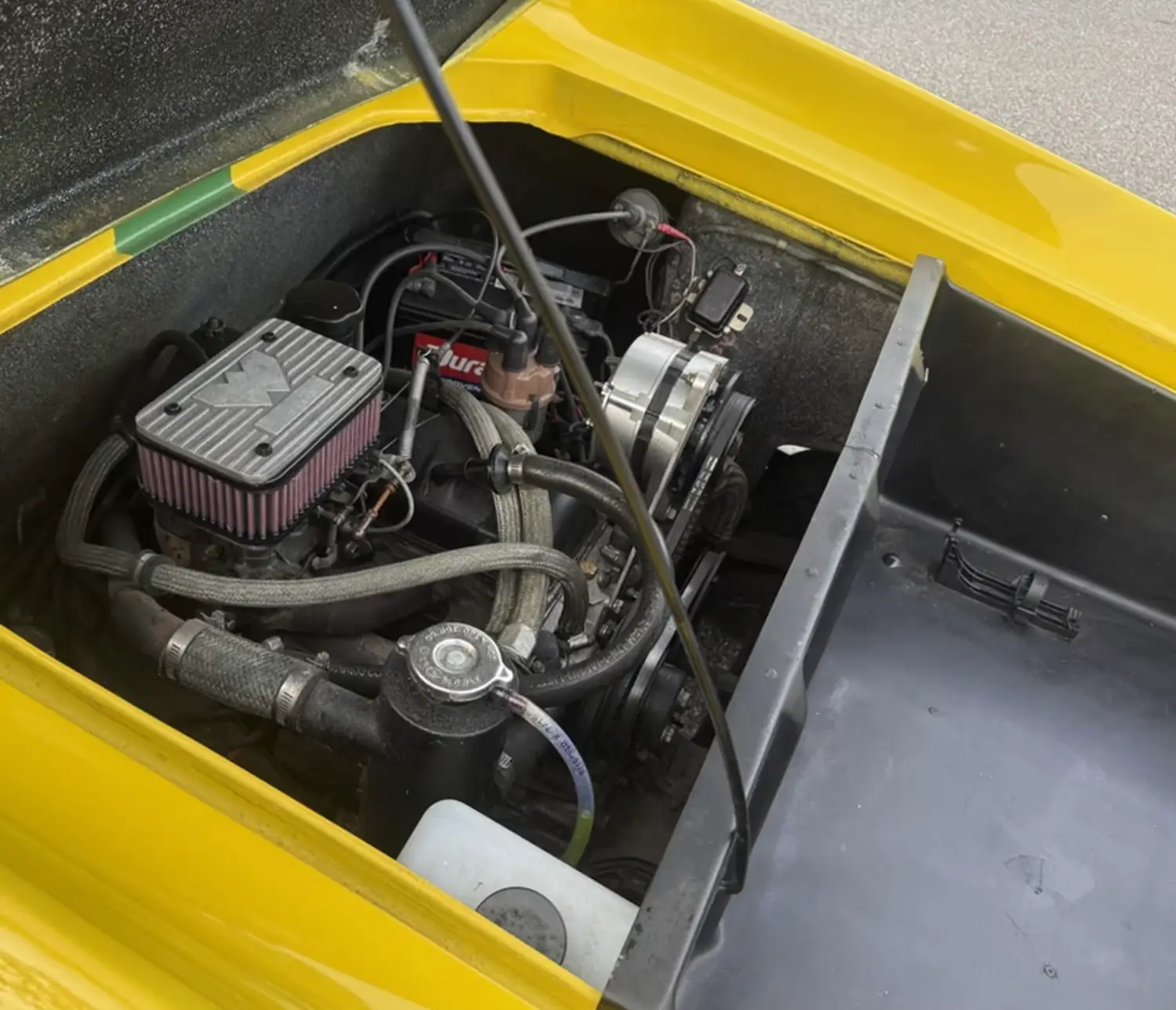
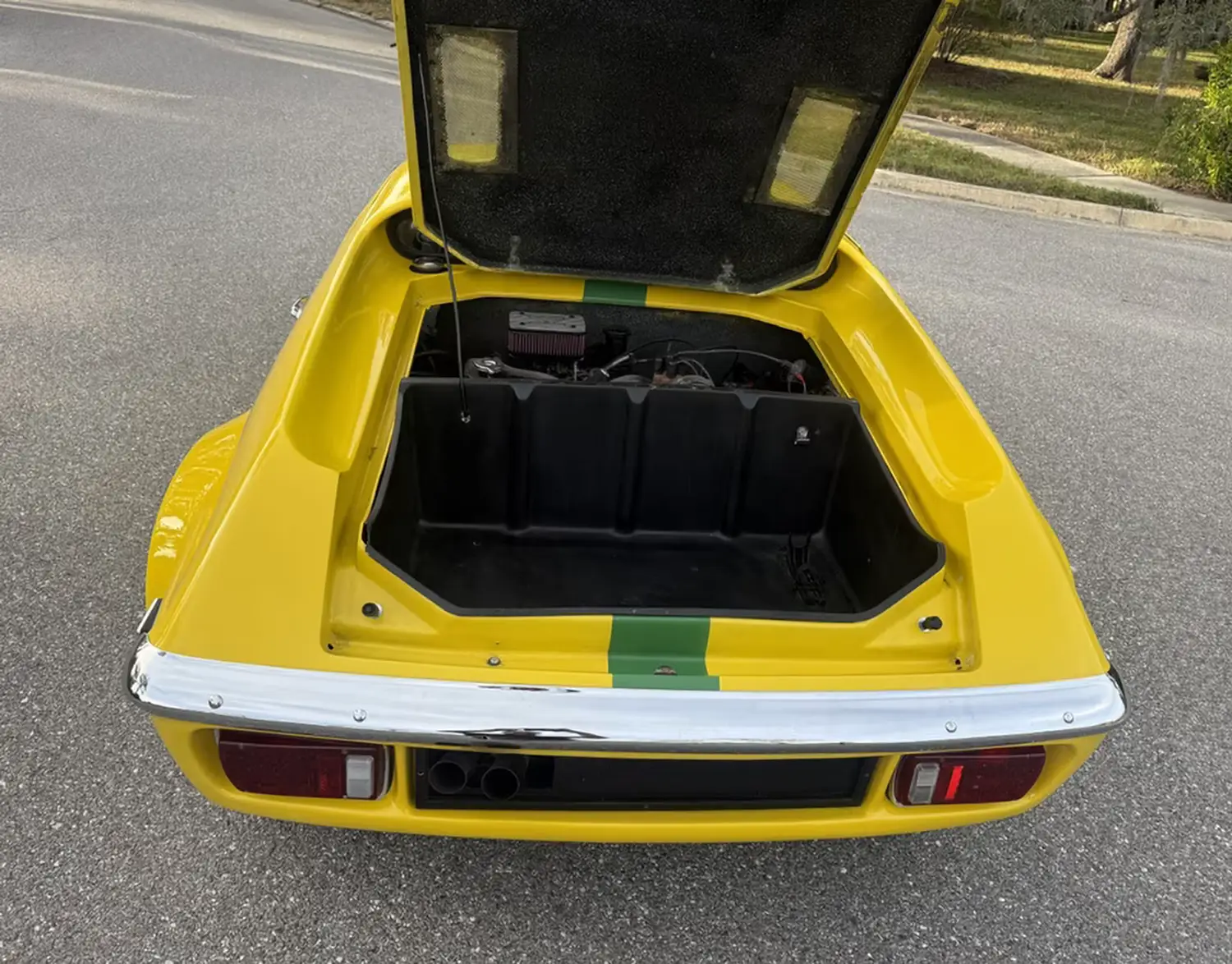
The mechanical specifications of this 1969 Lotus Europa are centered around a mid-mounted 1.6L Renault 807 inline 4-cylinder engine. This powerplant is equipped with Stromberg carburetors, providing the classic induction sound and snappy throttle response enthusiasts crave. While the displacement is modest, the car’s incredibly low curb weight ensures that it remains a formidable performer. A 4-speed manual transmission allows the driver to row through the gears and keep the engine in its powerband. The mid-engine layout provides a near-perfect weight balance, resulting in neutral handling characteristics through every corner. Front disc brakes ensure that the car can stop as quickly as it accelerates, providing confidence during track days. This drivetrain was praised for being more reliable and easier to maintain than the later twin-cam units. It offers a visceral driving experience where every mechanical vibration tells the driver exactly what the car is doing. This is a powertrain built for those who prefer the art of momentum over raw horsepower.
1969 Lotus Europa Summary
The 1969 Lotus Europa is a landmark vehicle that proved mid-engine layouts could work for the everyday road enthusiast. This yellow example at the Kissimmee 2026 auction offers a rare blend of iconic styling and accessible mechanicals. Its 1.6L Renault engine and Stromberg carburetors make it a dependable choice for those who enjoy active vintage motoring. The inclusion of Smiths gauges and power windows adds a level of character and comfort to this lightweight coupe. Because it is a 1969 model, it carries the purest expression of the original Europa vision. It remains a massive conversation starter at any event and a genuine weapon on a winding backroad. Bidders will surely appreciate the car’s honest presentation and the uncompromising mechanical purity it offers.
Ownership of a Lotus from this specific era is an entrance into a legacy of engineering brilliance. This Europa has been maintained to a standard that allows its next caretaker to enjoy it immediately. Its fiberglass construction ensures that it will remain a nimble and rust-free performer for many years to come. The vibrant yellow paint and alloy wheels ensure it stays a visual standout in any serious collection. Whether you are a dedicated Lotus collector or a newcomer to the brand, this car offers an unforgettable drive. It represents a time when a small team in Hethel successfully challenged the industry giants. This 1969 model is a testament to that history of innovation and speed. It is a true driver’s car that values the journey more than the destination. Do not miss the chance to bid on this British mid-engine pioneer this January.
Disclaimer: Content on this site is for informational and entertainment purposes only. Details, analyses, and opinions reflect current trends and personal views, not professional or financial advice. Always verify information with official sources before making any decisions.
Source: mecum.com