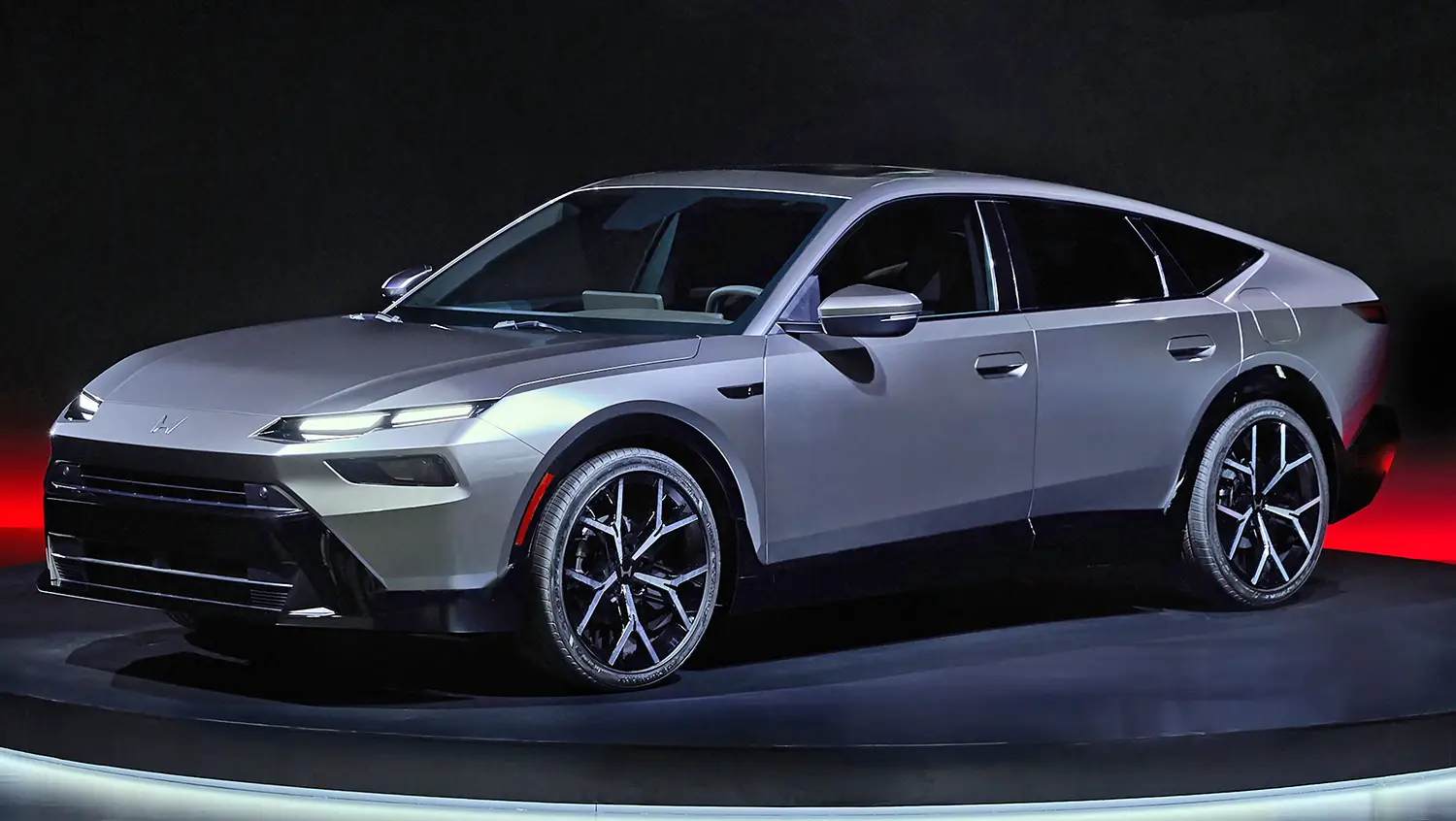
Revealed during a high-stakes global business briefing in Japan, the Honda Hybrid Sedan Prototype serves as a sophisticated blueprint for the brand’s electrified trajectory through 2030. This next-generation concept is the vanguard of 15 new hybrid models aimed primarily at the North American market, representing a strategic pivot to accelerate product launches ahead of schedule. Honda CEO Toshihiro Mibe emphasized that the brand is reallocating massive development resources to ensure these vehicles remain the primary tool for addressing environmental challenges. By leveraging a heritage of engineering excellence, the prototype showcases a future where high-efficiency mobility does not compromise the visceral “joy of driving” that has defined the marque for decades.
Sculpted Aerodynamics and Next-Generation Platform Architecture
The Honda Hybrid Sedan Prototype introduces a sleek, forward-leaning silhouette that prioritizes aerodynamic efficiency as much as visual impact. As the first vehicle to utilize a dedicated next-generation platform starting in 2027, the design emphasizes a low center of gravity and a wide, planted stance. While specific trim details remain under wraps, the prototype features a refined front fascia designed to minimize drag while housing the sensors required for future autonomous functions. This architecture is not merely about aesthetics; it is a functional evolution designed to accommodate a more compact hybrid unit. The clean lines and tapered rear suggest a premium D-segment presence that will eventually influence Honda’s larger production models.
Integrated ADAS Intelligence and Stress-Free Connectivity
The cabin of the Honda Hybrid Sedan Prototype is designed as a sanctuary of “stress-free mobility,” centered around an advanced Driver Assistance System (ADAS) planned for a 2028 rollout. This system will assist with acceleration and steering throughout an entire route, seamlessly transitioning between expressways and complex surface roads. While Honda has kept specific material choices private, the interior philosophy emphasizes a human-centric layout where technology supports rather than distracts the driver. The next-generation interface will leverage navigation inputs to automate routine driving tasks, allowing occupants to enjoy a more comfortable experience. This digital ecosystem is a core component of Honda’s plan to increase the compelling nature of their electrified lineup.
Enhanced Two-Motor Synergy and Electric All-Wheel Drive
Performance in the Honda Hybrid Sedan Prototype is defined by a significant evolution of the brand’s award-winning two-motor hybrid system. Engineers have expanded the engine’s peak efficiency range, resulting in a 10% improvement in fuel economy while simultaneously slashing production costs by 30%. The powertrain is expected to deliver a combined output of approximately 212 hp / 215 PS and 247 lb-ft / 335 Nm, though these figures remain factory benchmarks for the upcoming production cycle. A major highlight is the newly developed electric AWD unit, which provides highly precise motor control for superior grip and responsiveness. This setup ensures that the hybrid power delivery feels both linear and exhilarating, maintaining Honda’s signature engagement on twisting roads.
| Technical Specification | Detail |
|---|---|
| Powertrain Type | Next-Gen Two-Motor Hybrid |
| Drivetrain | Electric All-Wheel Drive (AWD) |
| Efficiency Gain | 10% Improvement (Target) |
| 0-60 mph | Estimated 6.5 Seconds |
| Top Speed | 115 mph (Factory Benchmark) |
| Curb Weight | Estimated 3,550 lbs / 1,610 kg |
Strategic Rivalry and North American Production Focus
The Honda Hybrid Sedan Prototype enters a fiercely competitive landscape, directly challenging rivals like the Toyota Camry Hybrid and the Hyundai Sonata Hybrid. Honda’s unique selling point is the combination of a 30% cost reduction in its hybrid units and the early adoption of high-level ADAS tech. To support this massive rollout, Honda is transforming its North American footprint, making all plants capable of hybrid production. Specifically, the Marysville and East Liberty plants in Ohio will see increased output to meet the surging demand for electrified D-segment sedans. This localized production strategy is designed to ensure price competitiveness while securing Honda’s market share in a region that remains the brand’s most critical volume driver.
Efficiency Benchmarks and Long-Term Value Trends
For prospective owners, the technology debuted in the Honda Hybrid Sedan Prototype promises a lower cost of entry and significantly reduced operating expenses. The targeted 10% increase in fuel economy directly translates to better long-term value at the pump, while the simplified and consolidated hybrid architecture suggests improved reliability over the vehicle’s lifespan. Honda’s pivot to high-volume hybrid production is also a move to protect residual values as global emissions regulations tighten. By providing a stress-free ownership experience backed by extensive factory warranties, Honda aims to transition its loyal customer base into electrified models without the “range anxiety” often associated with full battery-electric vehicles.
The Electrified Benchmark for the 2027 Model Year
Ultimately, the Honda Hybrid Sedan Prototype is a clear declaration that the internal combustion engine still has a vital, high-efficiency future when paired with cutting-edge electric motors. It represents a balanced approach to electrification that prioritizes consumer affordability and driving dynamics. By integrating advanced driver assistance and highly responsive electric AWD, Honda is moving beyond simple fuel savings toward a more holistic, premium experience. As the production version prepares to hit the market in 2027, this prototype stands as a testament to Honda’s ability to innovate under pressure, ensuring that the next generation of hybrids will be as compelling and fun to drive as any legendary Honda that came before.
Disclaimer: Content on this site is for informational and entertainment purposes only. Details, analyses, and opinions reflect current trends and personal views, not professional or financial advice. Always verify information with official sources before making any decisions.
Source: Honda