The 2027 BMW i3 arrives as the second cornerstone of the Neue Klasse family, representing a fundamental shift in how the BMW Group approaches vehicle development. Far beyond a simple electric drivetrain swap, the i3 embodies a holistic 360-degree sustainability strategy that targets carbon reduction from the supply chain through to end-of-life recycling. Built in the extensively modernized Munich plant, this sedan is designed to offer a clear environmental advantage, with preliminary forecasts suggesting the i3 50xDrive can offset its production carbon footprint against a comparable combustion vehicle within just one to two years of operation.
Circular Design and Maritime Plastic Integration
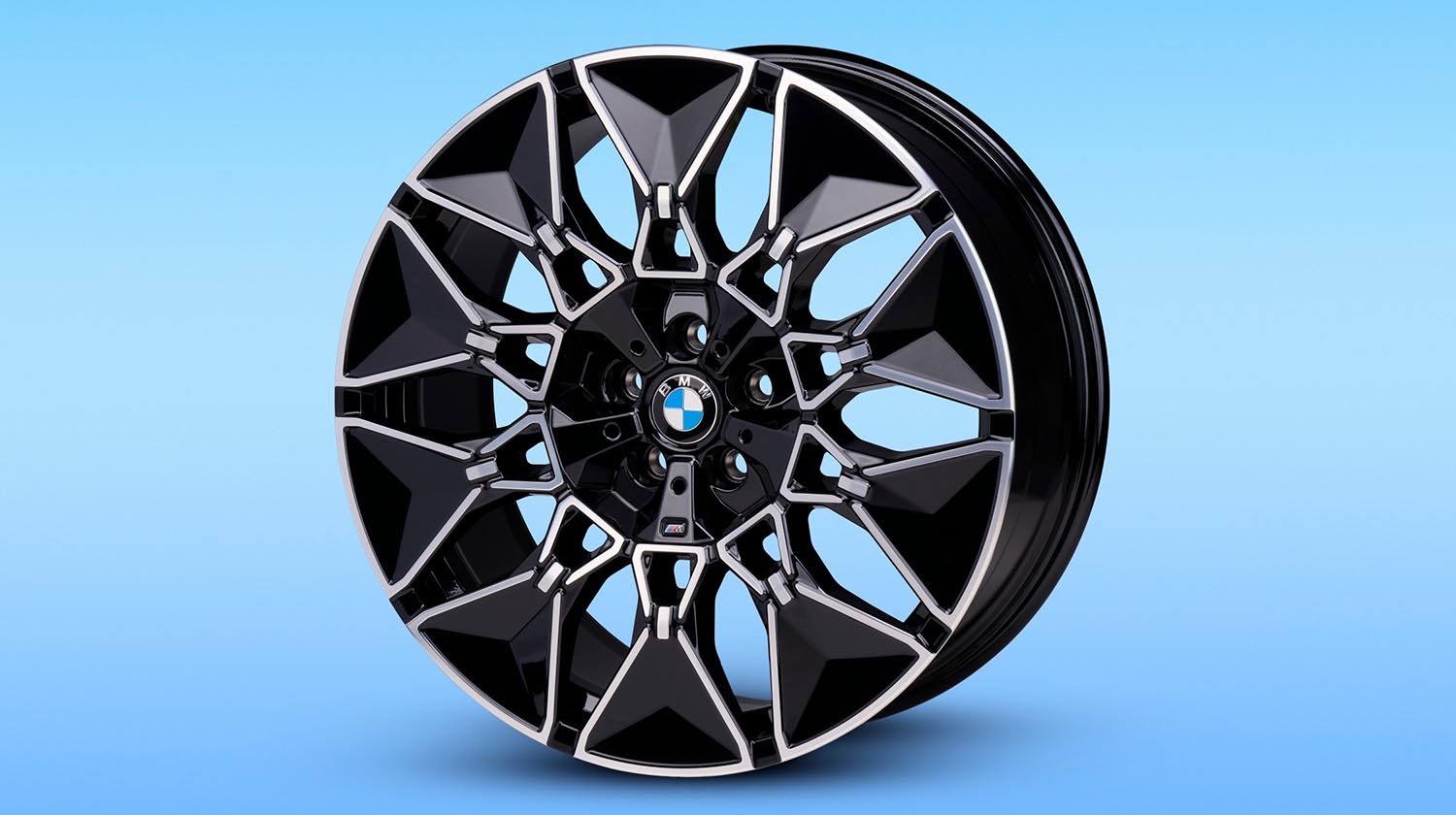
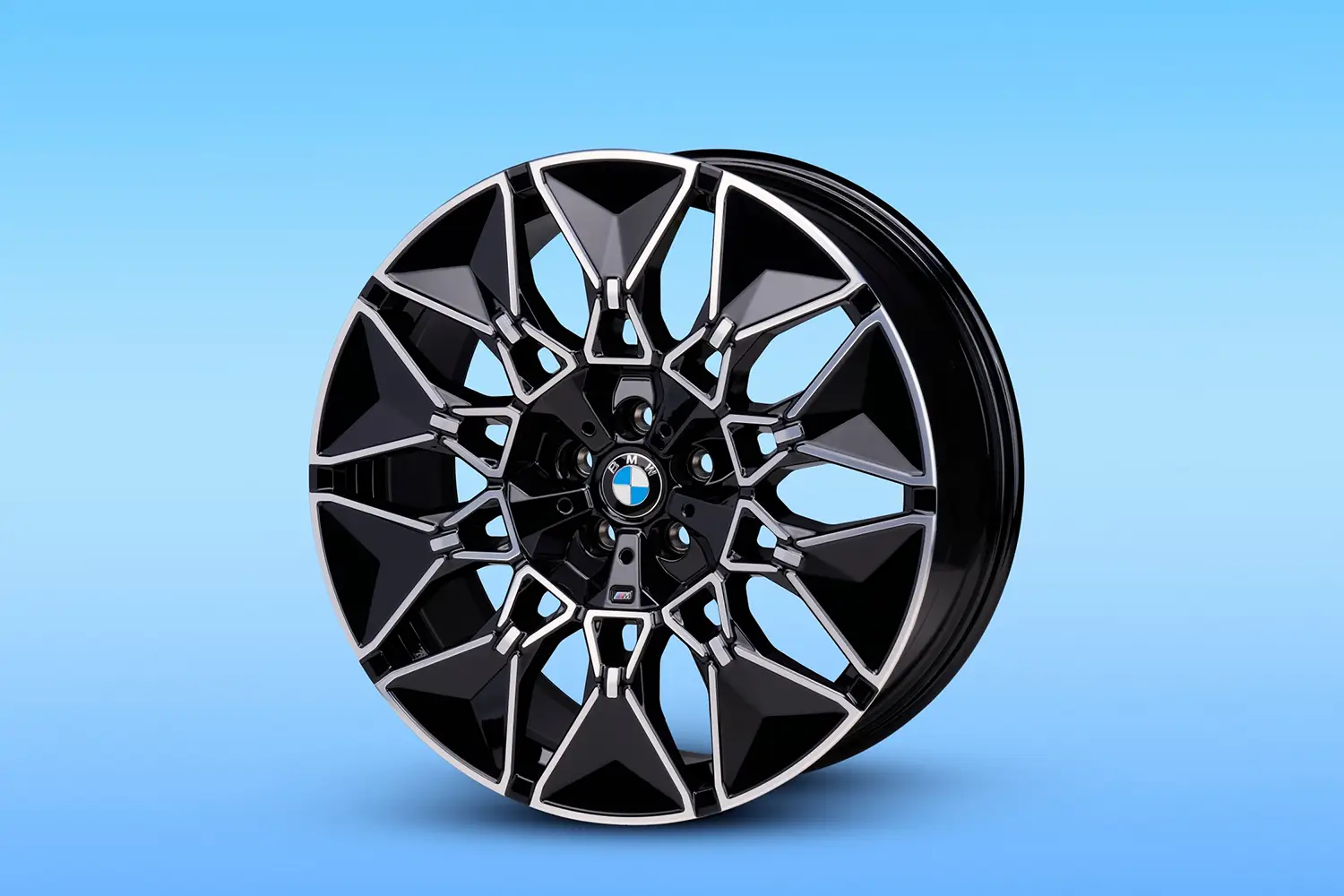
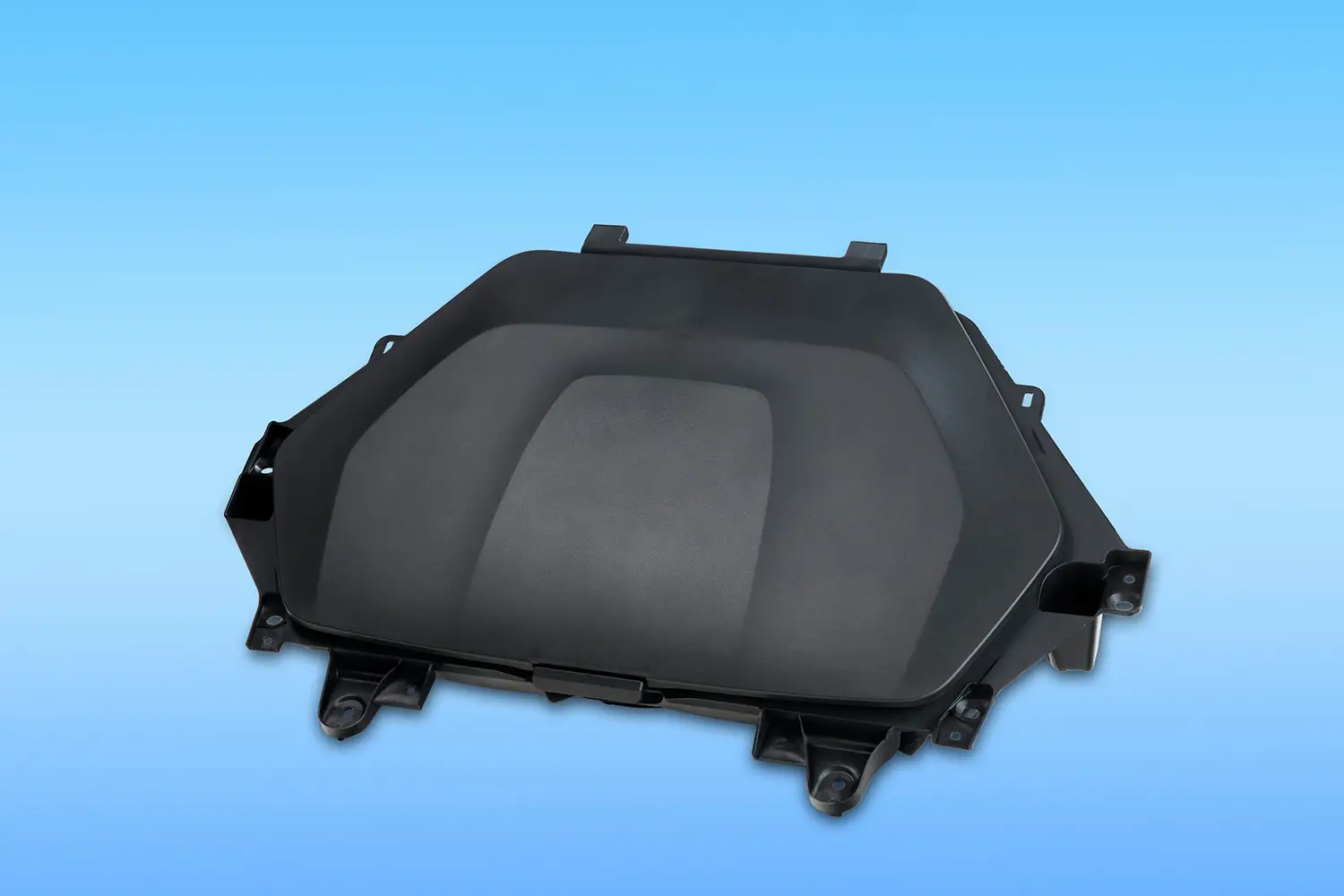
The exterior of the BMW i3 is a physical manifestation of the brand’s “Design for Circularity” principle, prioritizing resource efficiency and ease of dismantling. In a significant leap for the compact premium segment, the front bumper trim consists of 30 percent recycled plastic, while the total number of different materials used in the assembly has been halved to simplify future recycling. Strategic use of secondary materials extends to the wheels and structural components, which utilize up to 70 percent secondary aluminum. Even hidden elements, such as the engine compartment cover, incorporate up to 30 percent recycled maritime plastic sourced from used fishing nets and ropes.
Eco-Conscious Materials and PET Textile Innovation
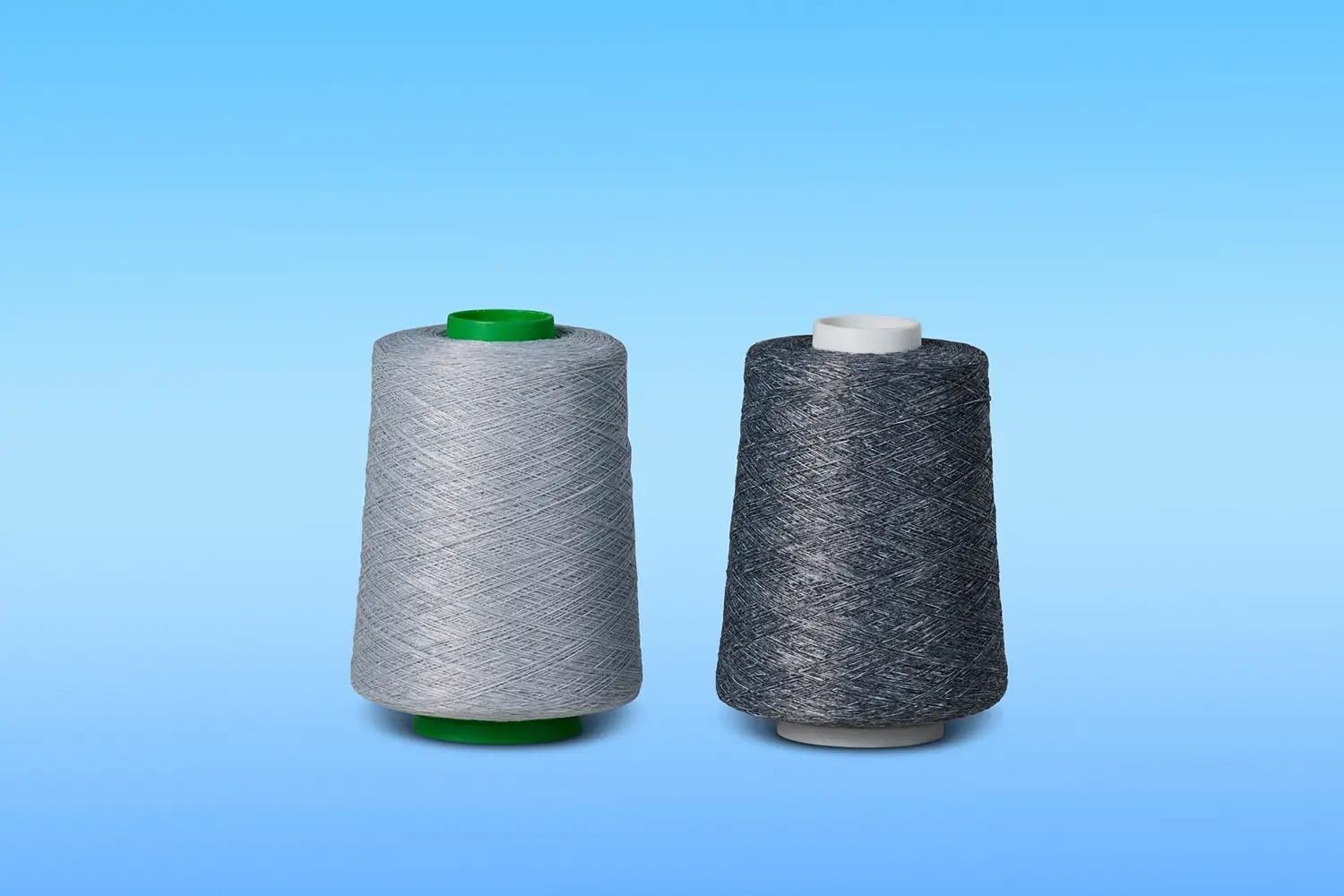
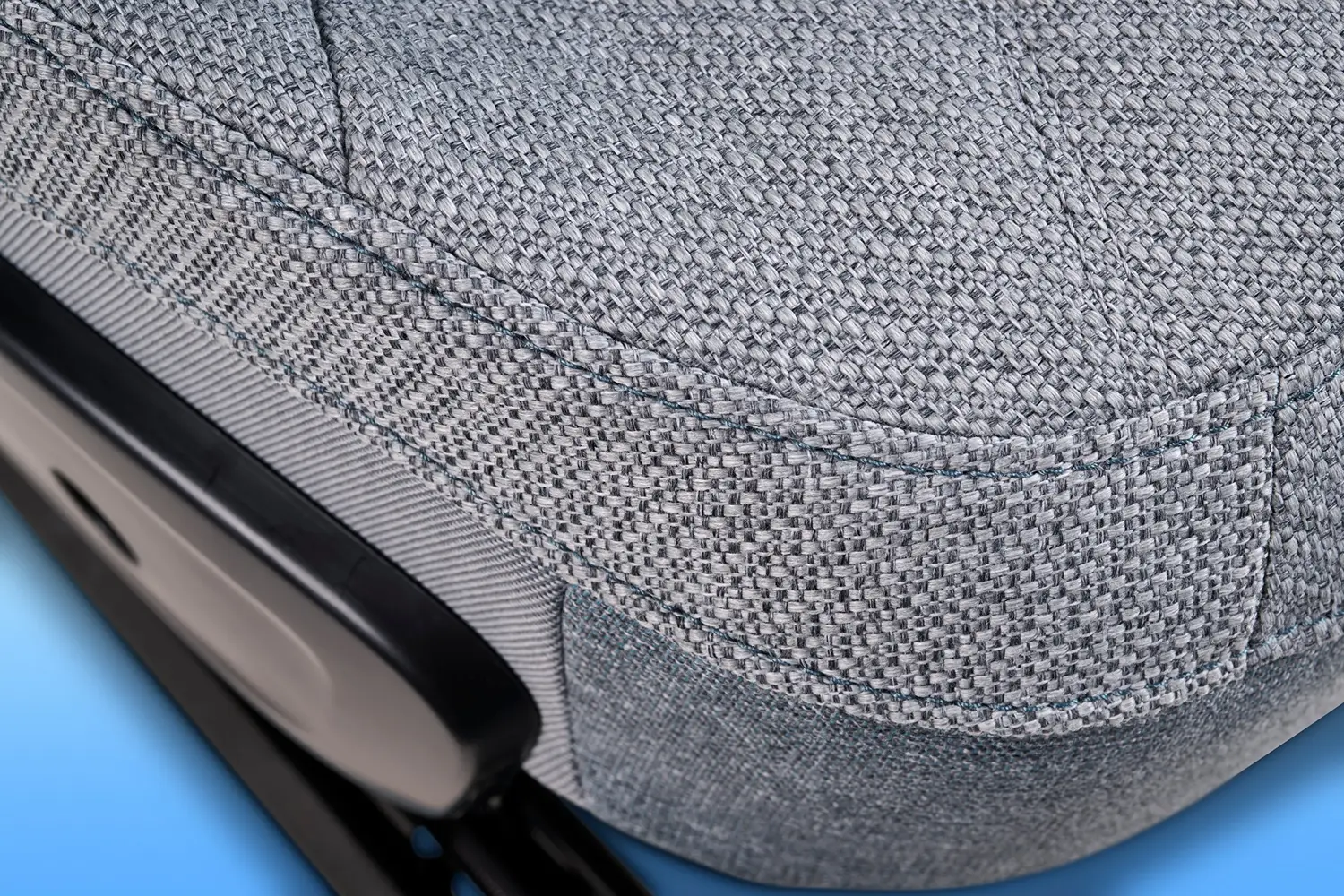
Inside the cabin, the BMW i3 introduces the “Econeer” equipment line, featuring seat covers crafted from a 100-percent recycled PET textile composite. This innovative material significantly reduces water consumption and CO2e emissions during the manufacturing phase compared to primary polyester yarns. The commitment to recycled content continues throughout the cockpit, where the headliner, A-pillars, and parcel shelf are wrapped in textiles made entirely from recycled base materials. By reducing material complexity and improving dismantling capability, BMW ensures that the interior components can be efficiently separated by type at the end of the vehicle’s lifecycle to facilitate high-quality recyclates.
Gen6 Battery Efficiency and 50xDrive Dynamics
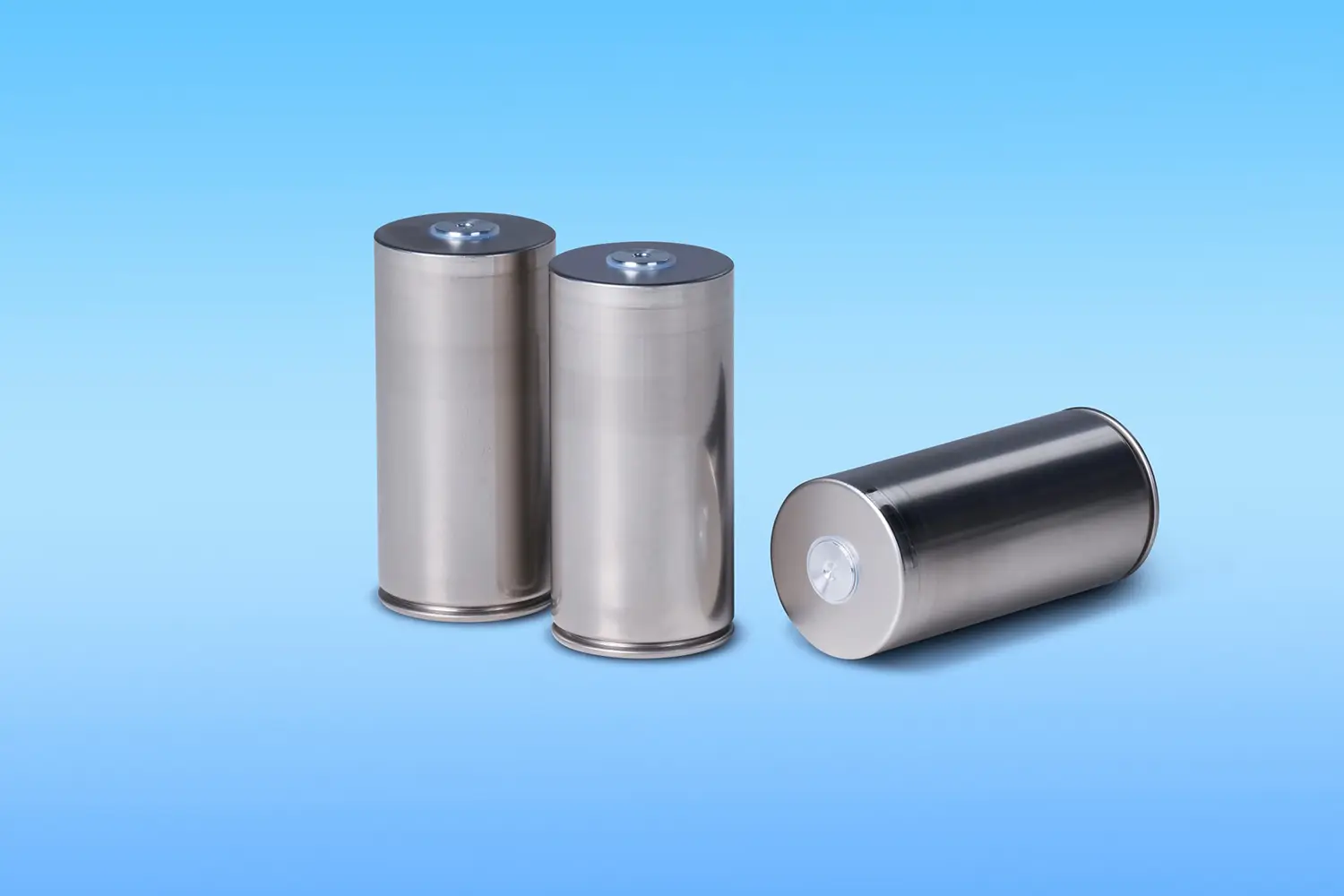
Performance in the new BMW i3 is driven by the highly anticipated Gen6 battery technology, which sees a 33 percent reduction in CO2e emissions per watt hour compared to the previous generation. This high-voltage system utilizes secondary cobalt, lithium, and nickel, while the cells themselves are produced using 100 percent renewable energy. While the car is not yet fully released, the 50xDrive variant leverages BMW’s EfficientDynamics package to optimize aerodynamics, rolling resistance, and energy management. The housing for the rear electric motor, cast with two-thirds secondary aluminum, supports a dual-motor setup that delivers the confident, all-wheel-drive traction expected from a premium electric sedan.
| Technical Specifications | |
|---|---|
| Vehicle Architecture | Neue Klasse |
| Battery Technology | Gen6 High-Voltage Cell |
| Secondary Material Content | Approximately 30% (Total Vehicle) |
| Aluminum Content | 70-80% Secondary (Wheels/Knuckles) |
| Interior Fabric | 100% Recycled PET (Econeer Line) |
| Production Site | BMW Group Plant Munich |
| SOP (Start of Production) | 2026 |
Benchmarking Decarbonization and Transparency
The BMW i3 differentiates itself from primary competitors like the Tesla Model 3 and Mercedes-Benz CLA EV through its extreme focus on supply chain transparency and lifecycle data. BMW’s systematic approach has reportedly lowered supply chain CO2e emissions by roughly one-third compared to industry averages. By publishing a validated Product Carbon Footprint via the “Vehicle Footprint” report, BMW provides a level of accountability that is rare in the segment. This transparency regarding secondary material percentages and production energy sources positions the i3 as a unique selling proposition for environmentally conscious buyers who prioritize the total ecological impact of their purchase.
A Sustainable Benchmark for the Electric Era
The 2027 BMW i3 is more than a new model; it is a proof of concept for the future of the BMW Group. By integrating recycled maritime plastics, Gen6 battery innovations, and a circular design philosophy, it sets a new standard for how premium vehicles can reduce their environmental footprint without compromising on brand heritage. As production begins in the fully modernized Munich plant, the i3 serves as the gateway to an exclusively fully-electric future for BMW’s home facility. It stands as a sophisticated, efficient, and transparent option for the modern driver, proving that luxury and sustainability can exist in perfect mechanical harmony.
Disclaimer: Content on this site is for informational and entertainment purposes only. Details, analyses, and opinions reflect current trends and personal views, not professional or financial advice. Always verify information with official sources before making any decisions.
Source: BMW