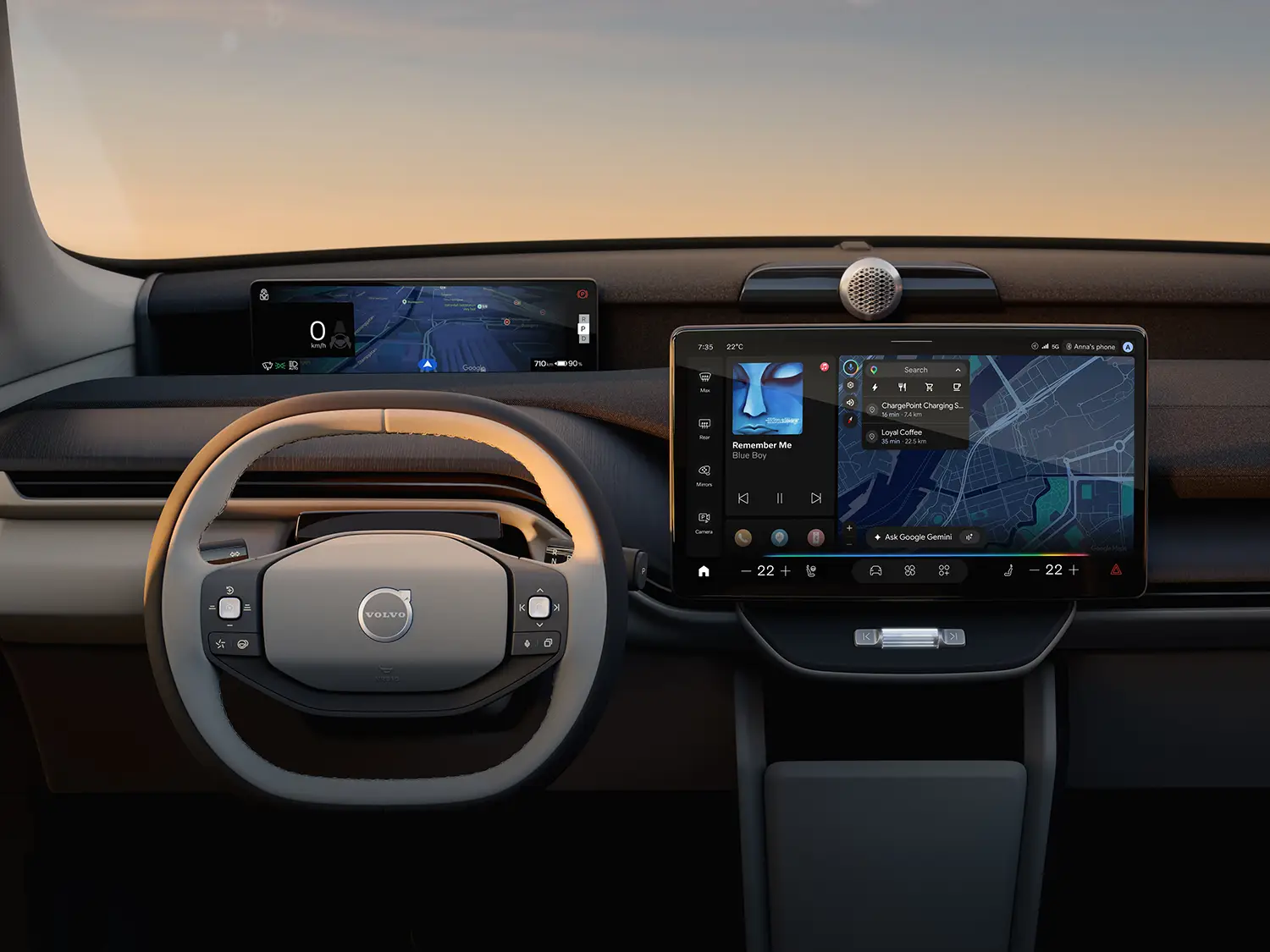
Volvo Cars and Google today marked a historic step change in automotive connectivity with the official rollout of Google Gemini to millions of vehicles worldwide. Moving beyond the era of rigid, fixed voice commands, this integration introduces an intuitive, intent-based experience where the vehicle understands natural conversation and context. By prioritizing the driver’s needs through next-generation AI, Volvo Cars is ensuring that life on the road is both easier and more enjoyable. The rollout begins with customers in the United States before scaling globally, allowing owners of vehicles dating back to 2020 to experience a more helpful and less distracting way to interact with their car’s software.
Seamless Connectivity and Over-the-Air Architectural Protection
The visual character of the modern Volvo line-up remains anchored in Scandinavian minimalism, but the functional tech beneath the surface has been radically modernized. This software-driven evolution is delivered via over-the-air (OTA) updates, ensuring that even older models receive the latest defensive and communicative tools without a visit to the dealer. The integration is supported by the Volvo Car UX, an intuitive user interface designed to reduce driver distraction by placing critical AI interactions within a natural field of view. Whether it is the sleek EX90 or the versatile XC40, the hardware is now optimized to support the high-load electrical requirements of Google’s advanced AI assistant, reinforcing Volvo’s commitment to tech-forward safety.
Human-Centric Cabin Intelligence and Natural Interaction
Inside the cabin, Volvo Cars has focused on developing technology that adapts to people, rather than forcing drivers to learn complex menus. With Google Gemini, the interior becomes a conversational hub where drivers can brainstorm family holidays or find specific snacks along a route using Google Maps. The AI can summarize incoming text messages or translate outbound responses into different languages on the fly, keeping the driver’s attention on the road. Premium materials and ergonomic seating are now complemented by a curated media experience; a simple request to “play something calming” allows Gemini to select tracks that match the driver’s current mood. This digital refinement transforms the cabin into a space that truly understands the nuances of the driver’s daily life.
Software-Driven Dynamics and Intelligent Trip Planning
Performance in a modern Volvo is no longer measured solely by mechanical thrust, but by the efficiency of its software-driven trip management. The system leverages Google Gemini to optimize journeys, finding highly-rated stops with easy parking or calculating ETAs with surgical precision. For electric models like the EX30 or the flagship ES90, this AI integration ensures that charging stops are harmonized with the driver’s personal preferences and meal cravings. While specific horsepower and torque vary across the diverse fleet, the shared digital architecture ensures every model from the 60-series to the 90-series delivers 100% of its potential through an intelligent, intent-based interface. The result is a driving feel that is significantly more responsive to the human element.
| Specification | Detail |
|---|---|
| System Architecture | Google Built-In / Volvo Car UX |
| AI Assistant | Google Gemini |
| Model Compatibility | 2020 and Newer (Select Models) |
| Update Method | Over-the-Air (OTA) |
| Primary Market | United States (First Wave) |
| Curb Weight | 4,000 – 6,000 lbs / 1,814 – 2,721 kg (Estimated) |
A Lead Development Partnership in the AI 4×4 Segment
Volvo Cars occupies a unique position in the global market as a lead development partner for Google’s in-car features, a role that gives them a direct hand in shaping automotive AI. This partnership provides a significant unique selling point against rivals like BMW or Audi, who are also racing to integrate advanced generative AI into their infotainment systems. While many competitors offer fixed voice assistants, the intent-based nature of Gemini in a Volvo provides a more seamless and less frustrating user experience. It positions the brand as the premier choice for the tech-savvy professional who values a car that can brainstorm, translate, and curate in real-time. This digital edge is becoming as critical to the market as safety ratings and build quality.
Investment in Longevity and Next-Generation Reliability
The introduction of Google Gemini represents a massive leap in value for existing owners, as Volvo Cars continues to evolve vehicles that are already on the road. By providing comprehensive software updates to models dating back six years, the brand is significantly bolstering the resale value and longevity of its internal combustion and electric fleets. This commitment to “future-proofing” ensures that a 2020 XC90 remains as technologically relevant as a brand-new model, a rare feat in the rapidly aging world of automotive electronics. As the rollout expands into additional markets throughout 2026, Volvo’s reputation for human-centric engineering is further solidified. This is an investment in a smarter, safer future where the car finally speaks the driver’s language.
Disclaimer: Content on this site is for informational and entertainment purposes only. Details, analyses, and opinions reflect current trends and personal views, not professional or financial advice. Always verify information with official sources before making any decisions.
Source: Volvo