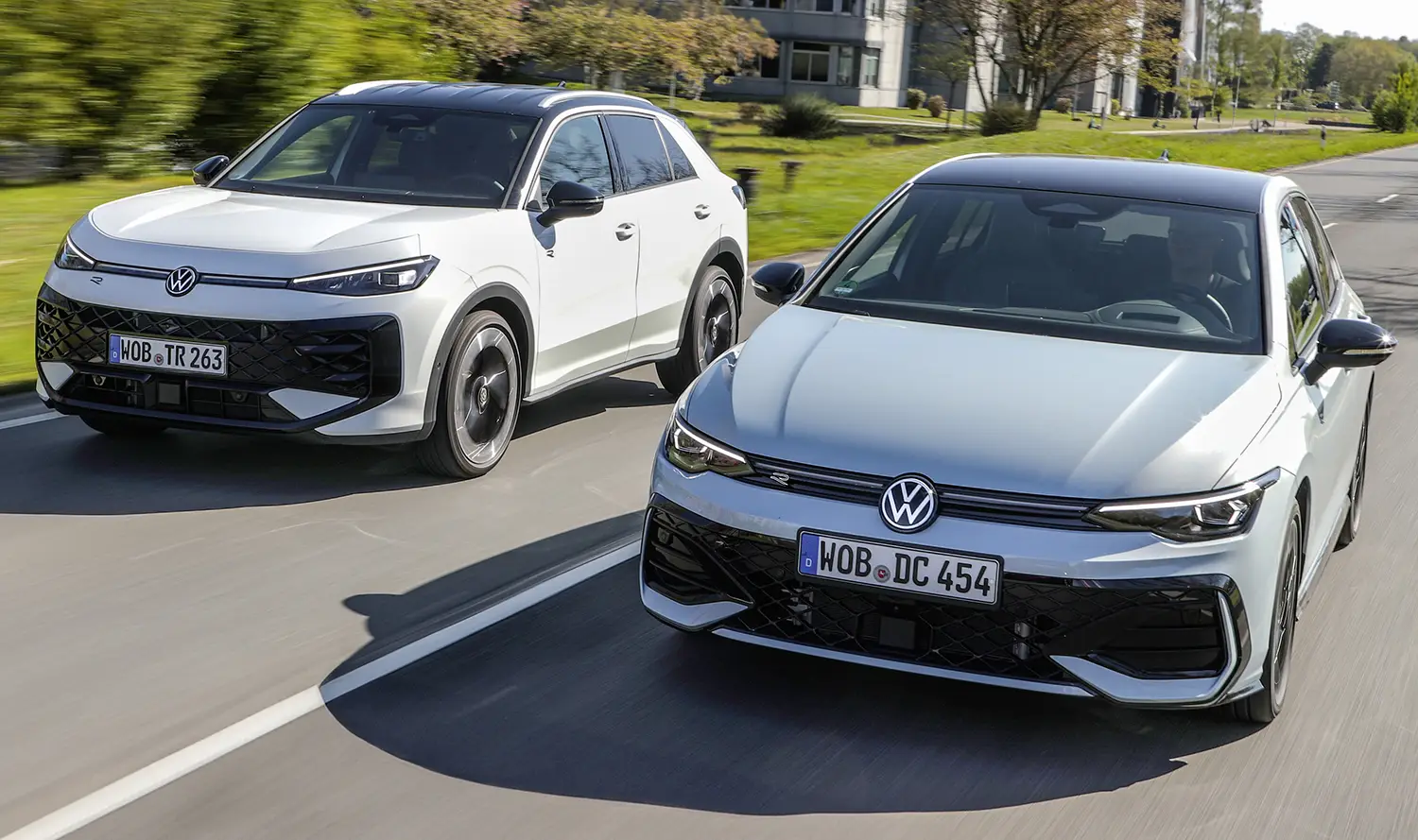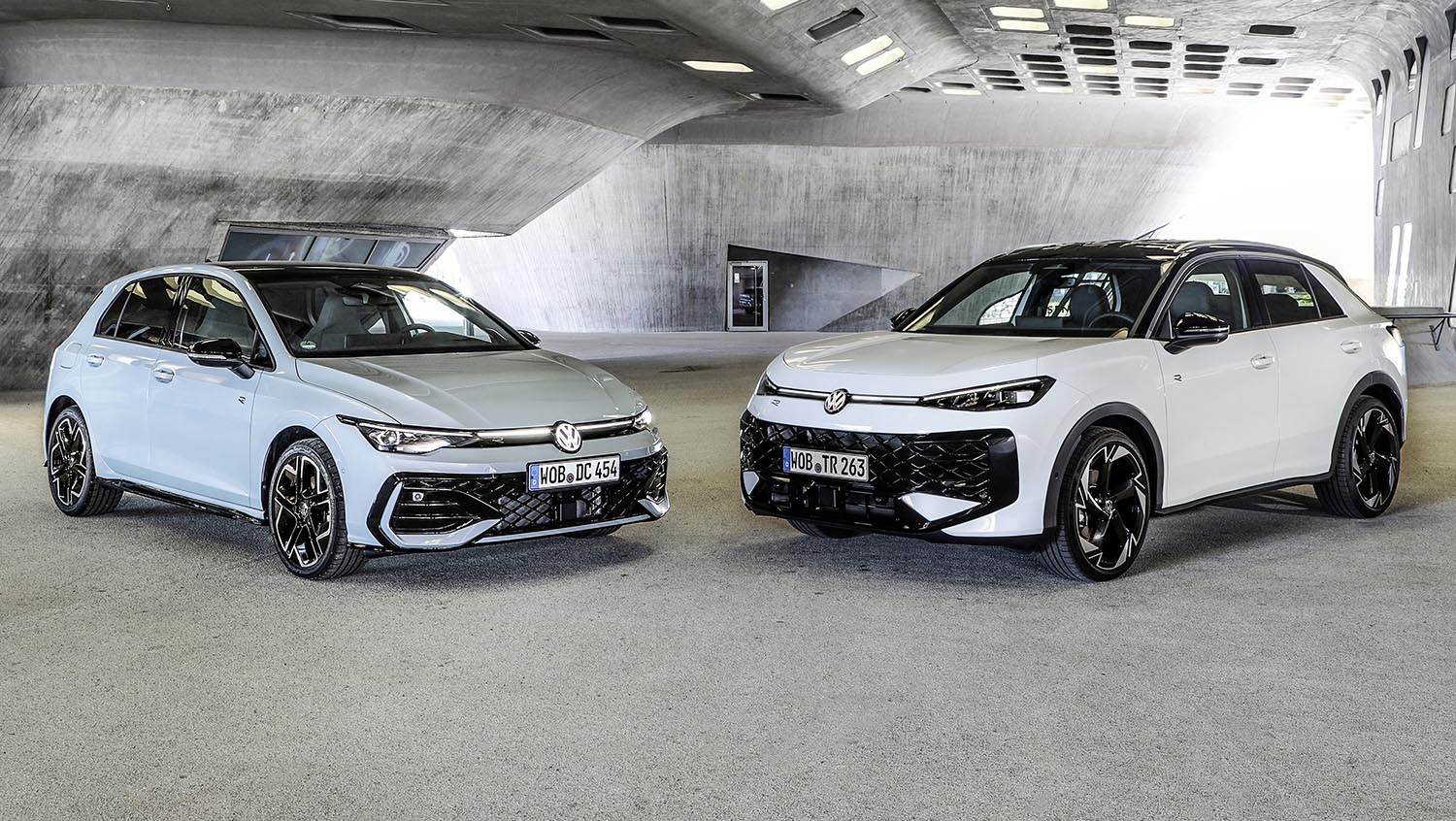
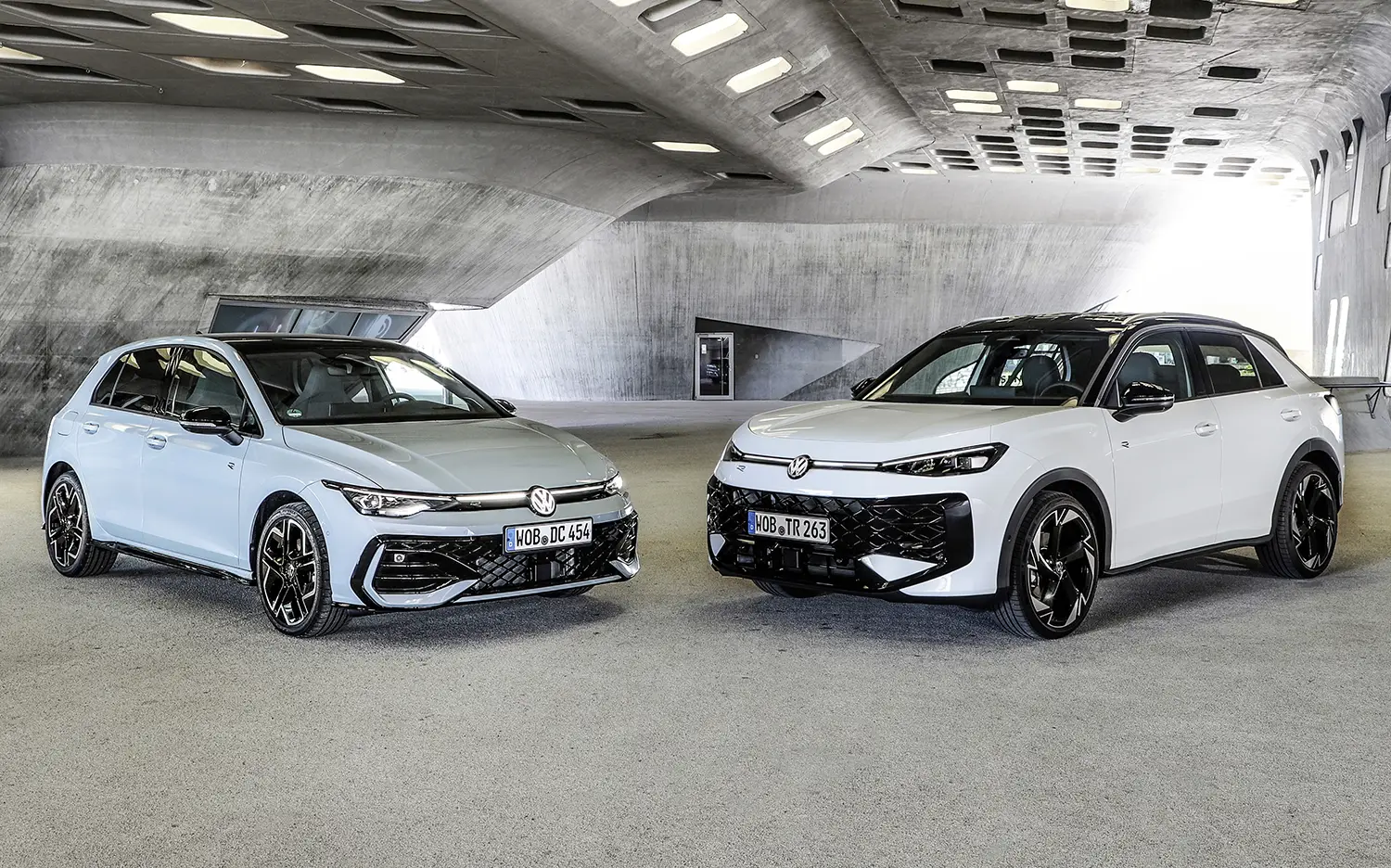
The Volkswagen Golf Hybrid is set to redefine the brand’s mid-range electrification strategy as it prepares for a market launch in the fourth quarter of 2026. Unveiled at the International Vienna Motor Symposium, this new full hybrid (HEV) system addresses a critical niche for drivers who desire the efficiency of electric propulsion without the logistical requirements of home charging or public infrastructure. By integrating two electric motors with a refined internal combustion engine, Volkswagen has created a powertrain that consumes less fuel than traditional mild hybrids while offering a significantly more accessible price point than flagship plug-in models.
Advanced Dual Motor Configuration and 1.5 TSI evo2 Power
The core of the new drive system is an innovative hybrid module designed specifically for high-volume front-wheel-drive platforms. It pairs a 1.5 TSI evo2 turbocharged petrol engine with a sophisticated module containing both a primary drive motor and a dedicated generator. This setup allows for seamless transitions between purely electric travel at low urban speeds and a boosted parallel mode for motorway overtaking. The system utilizes an electronically controlled multiplate clutch to decouple the engine when not needed, while a 1.6 kWh NMC lithium-ion battery housed in the vehicle floor stores energy captured through onboard recuperation and generator output.
| Technical Specifications | |
|---|---|
| Engine Type | 1.5 TSI evo2 Turbocharged Petrol |
| Hybrid Configuration | Full Hybrid (HEV) with Dual Electric Motors |
| Battery Capacity | 1.6 kWh (Gross) NMC Cells |
| Drive Layout | Front-Wheel Drive |
| Transmission | One-Speed Hybrid Gearbox |
| Operating Modes | Electric, Serial, and Parallel |
Intelligent Energy Management and Triple Drive Profiles
Volkswagen has engineered the drive to be intuitive, offering three distinct operating modes that activate automatically based on real-time usage. In urban environments, the vehicle prioritizes electric propulsion to minimize local emissions and noise. When the battery requires a buffer, the system enters serial mode, where the TSI engine acts primarily as a generator to feed the drive motor. For country roads and motorways exceeding 60 km/h, parallel drive engages the petrol engine as the primary source, assisted by electric boosting. Drivers can further tailor the experience via Eco, Comfort, and Sport profiles, with the Eco setting limiting system output to 70 per cent to maximize fuel economy.
Strategic Positioning Against Mild and Plug-In Competitors
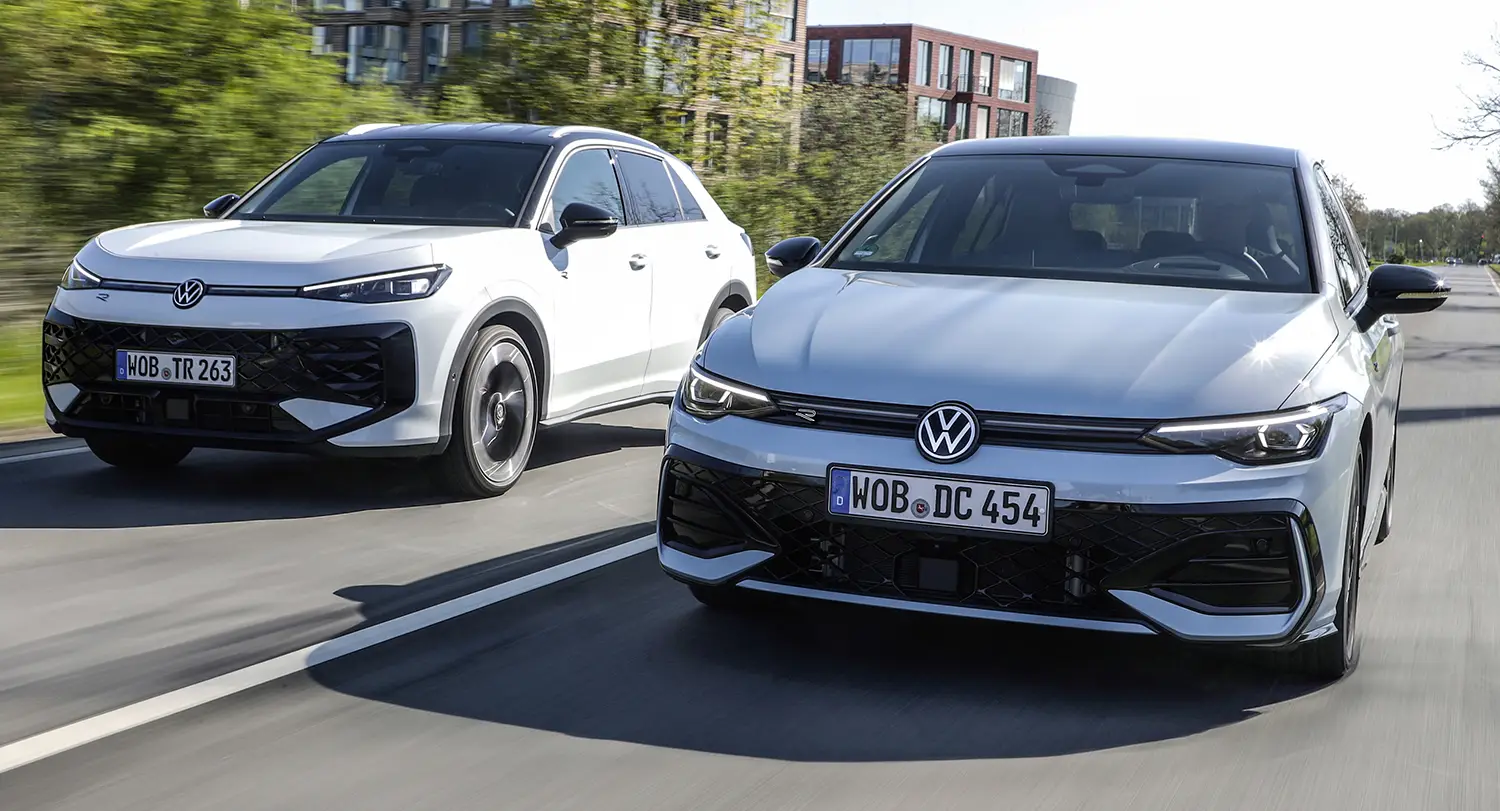
The introduction of the Volkswagen Golf Hybrid and T-Roc Hybrid creates a vital bridge between the entry-level eTSI mild hybrids and the premium eHybrid plug-in variants. In the current market, this HEV solution competes directly with established full hybrids like the Toyota Corolla and Honda Civic, offering a unique selling point through its turbocharged torque and European driving dynamics. By avoiding the heavy batteries and costly charging hardware of a PHEV, Volkswagen can offer these models at a competitive price while delivering lower running costs than a standard petrol engine. This flexibility is essential for the brand’s BOOST 2030 strategy to capture customers in regions with developing charging networks.
A Practical Evolution of the Modern Bestseller
Volkswagen’s latest hybrid evolution proves that electrification does not always require a cable to be effective. By optimizing recuperation and generator technology, the Golf and T-Roc hybrids provide a high proportion of silent, electric-only driving that feels natural in modern traffic. The system’s ability to generate its own energy on board simplifies the transition for traditional owners while significantly slashing fuel consumption and CO2 output. As these models prepare for their late 2026 debut, they stand as a practical, human-centric solution for sustainable mobility, ensuring that two of the world’s most popular vehicles remain relevant in an increasingly electrified landscape.
Disclaimer: Content on this site is for informational and entertainment purposes only. Details, analyses, and opinions reflect current trends and personal views, not professional or financial advice. Always verify information with official sources before making any decisions.
Source: Volkswagen