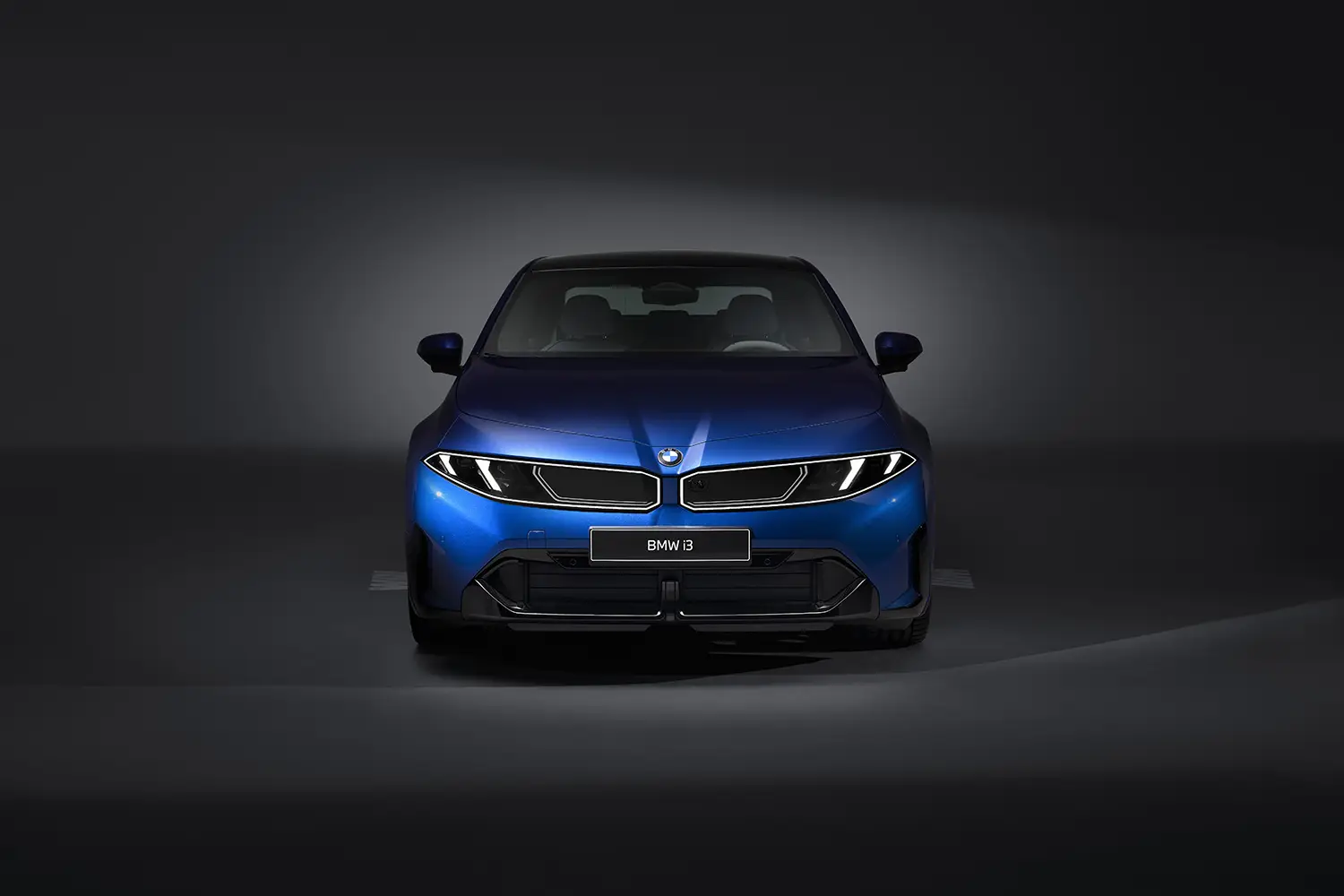
The BMW i3 arrives as the second cornerstone of the Neue Klasse era, representing a definitive technological quantum leap for the iconic 3 Series lineage. For five decades, the 3 Series has served as the heartbeat of the BMW brand, and this all-electric successor seeks to enhance that sporty character with sixth-generation BMW eDrive technology. Built on a dedicated 800-volt architecture, the sedan integrates the new Heart of Joy high-performance computer to deliver processing speeds ten times faster than previous systems, ensuring that the transition to electromobility remains rooted in precise, driver-centric dynamics.
A Modern Interpretation of the Heritage Silhouette
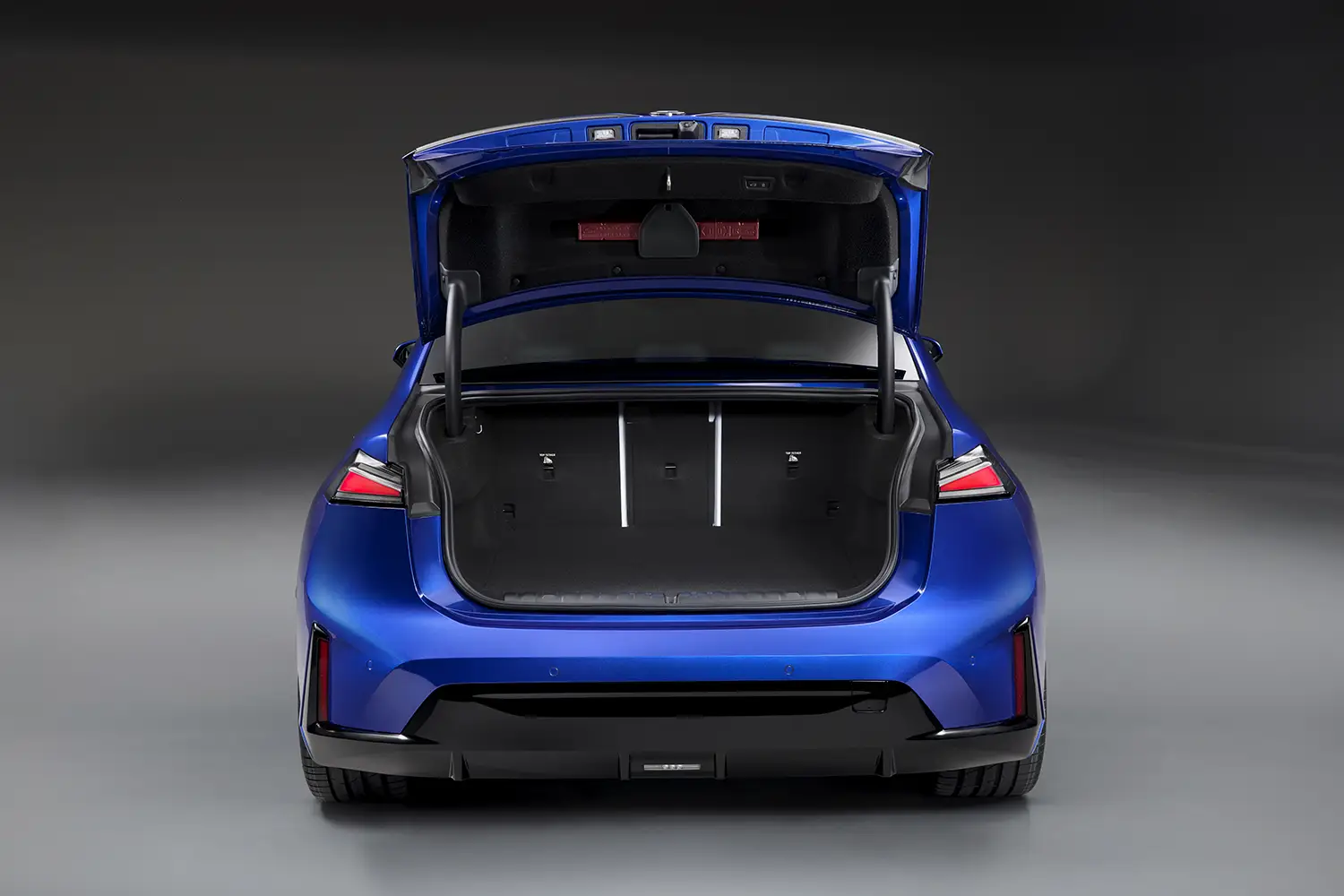
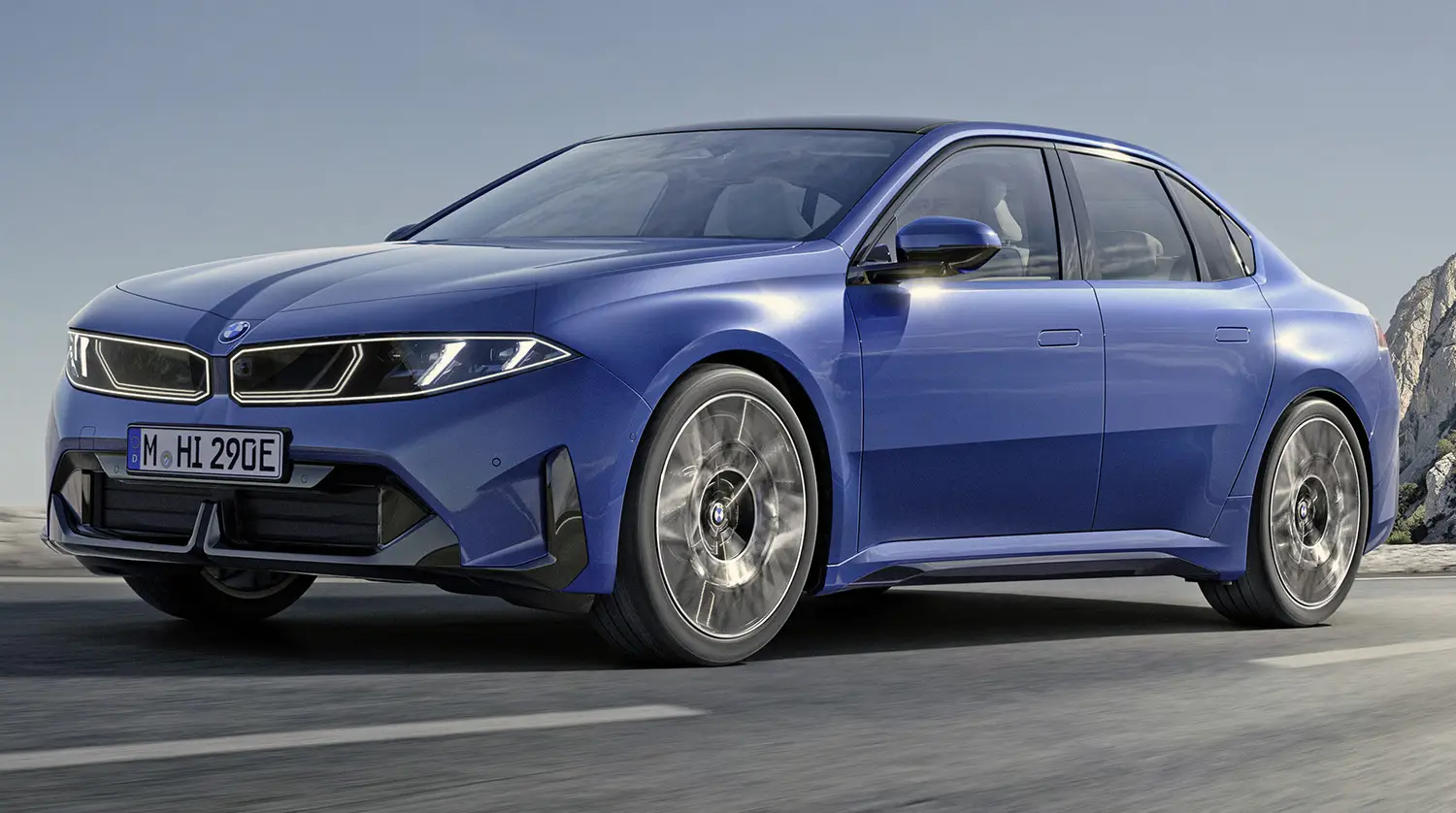
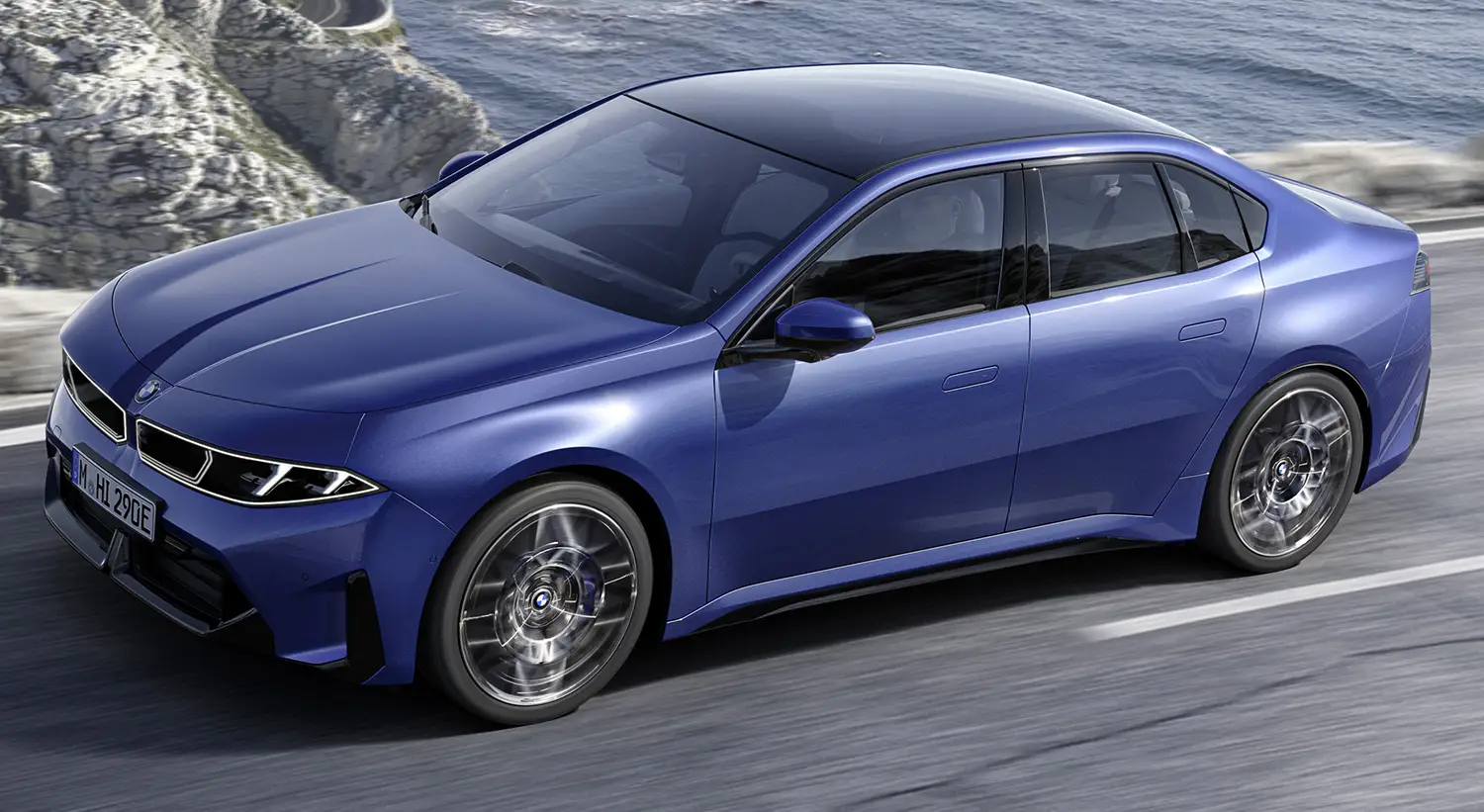
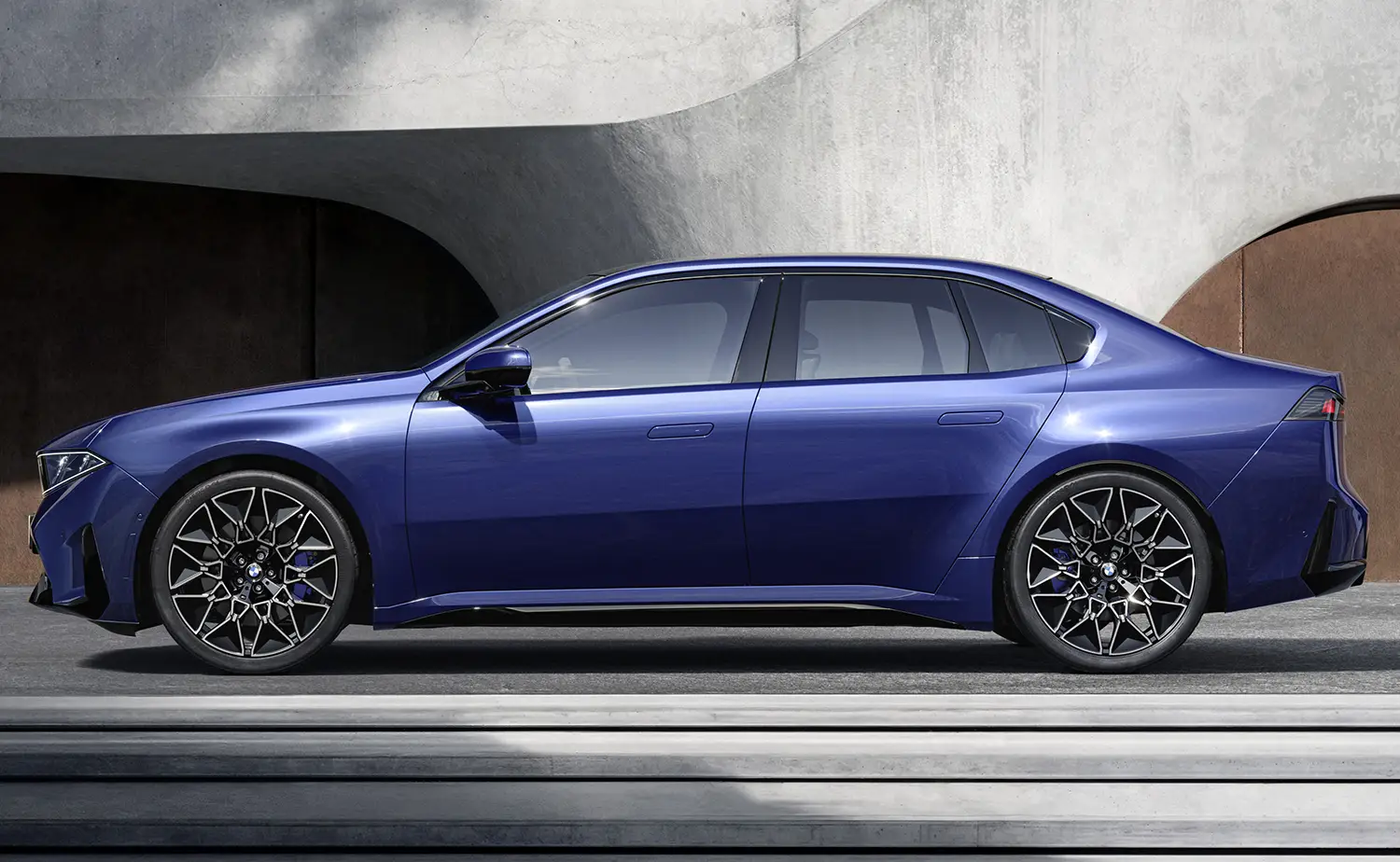
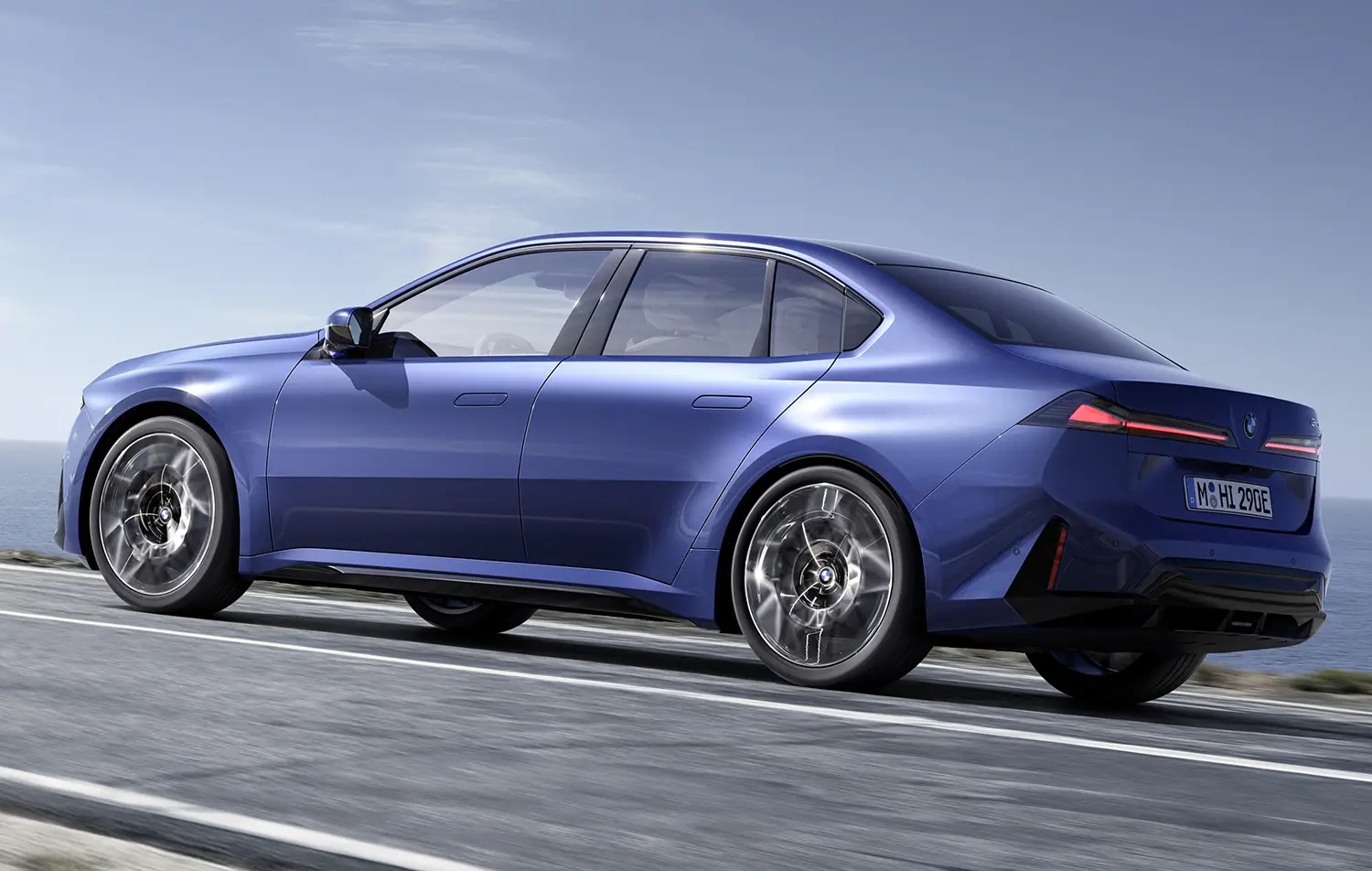
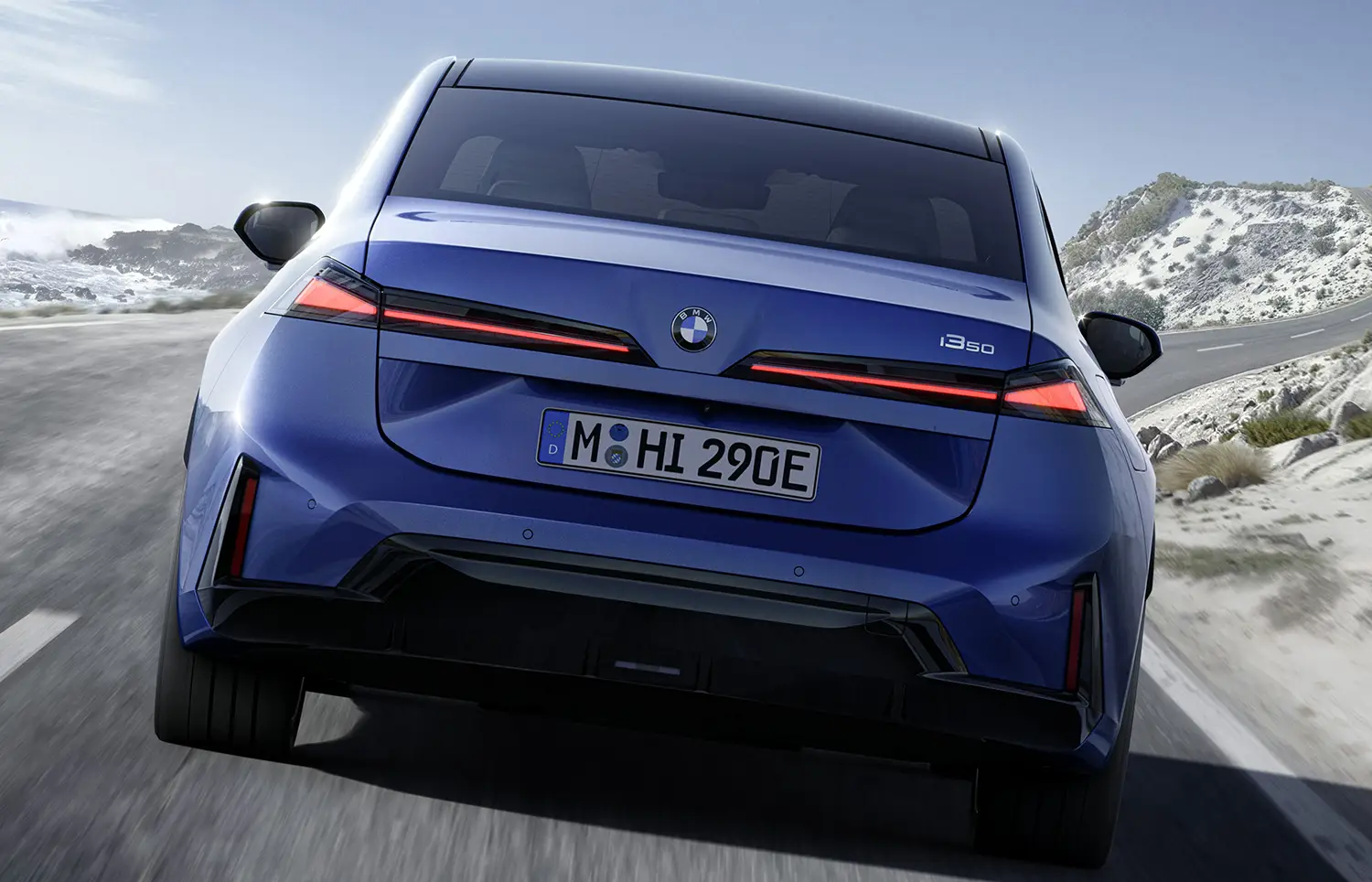
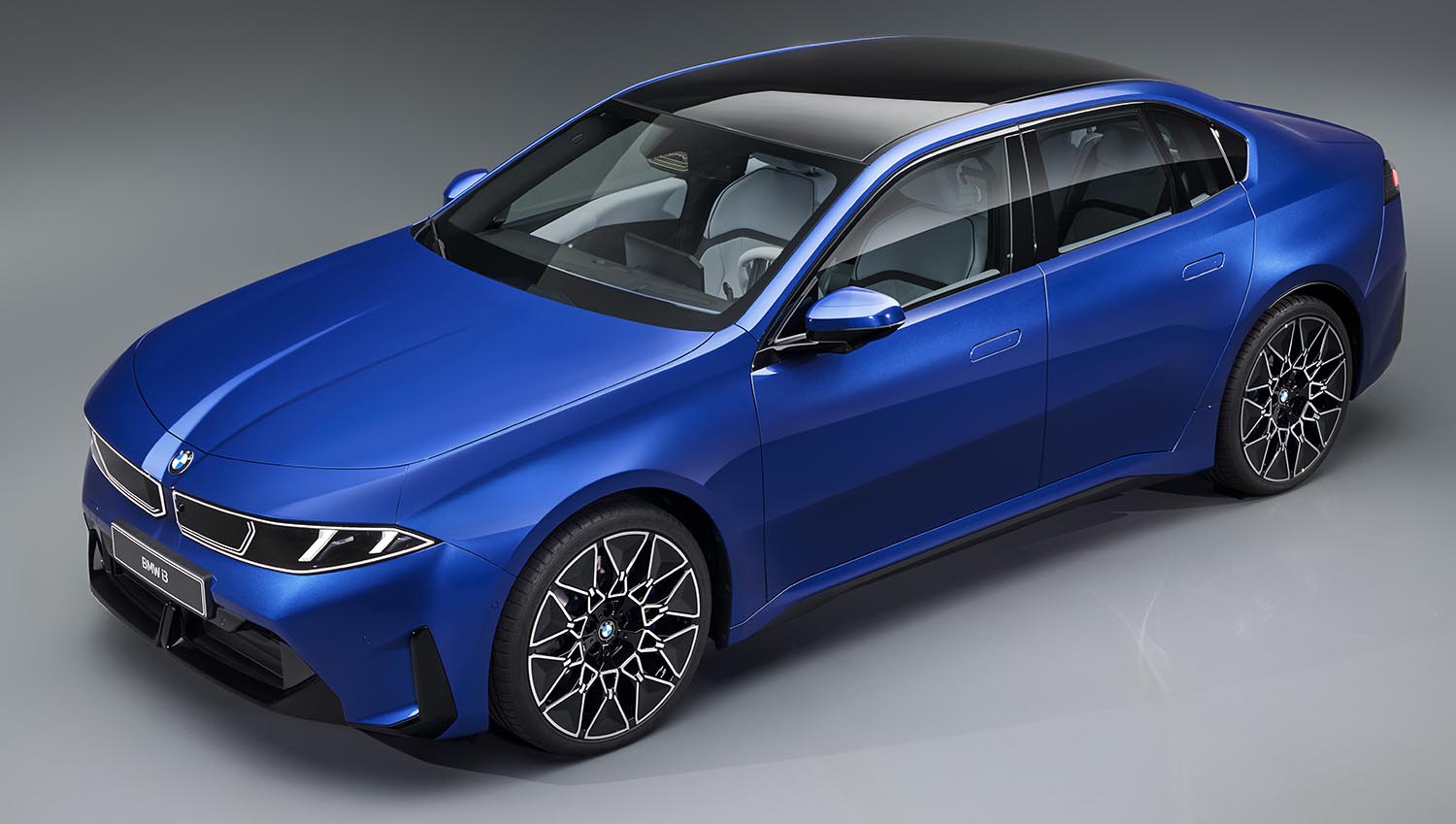
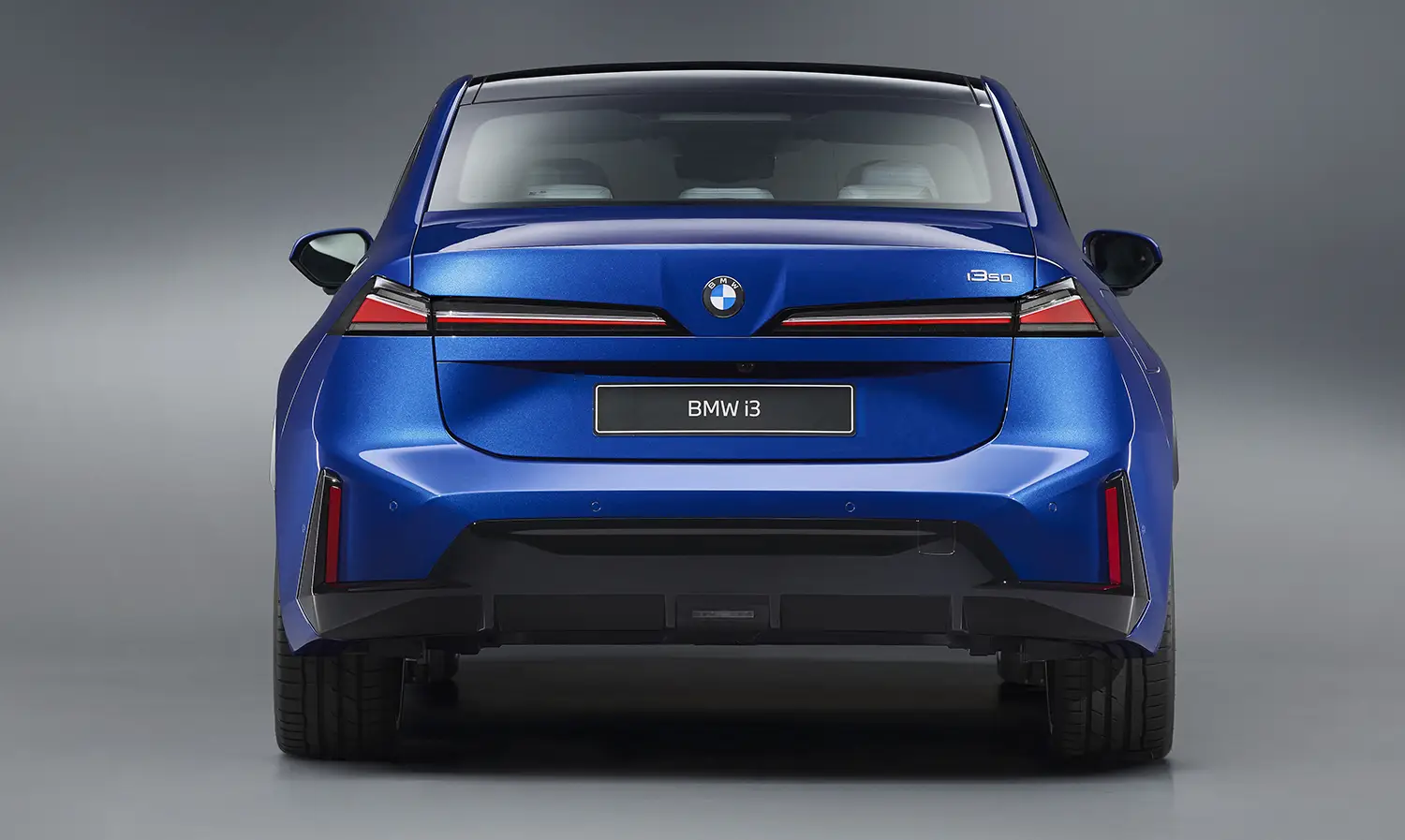
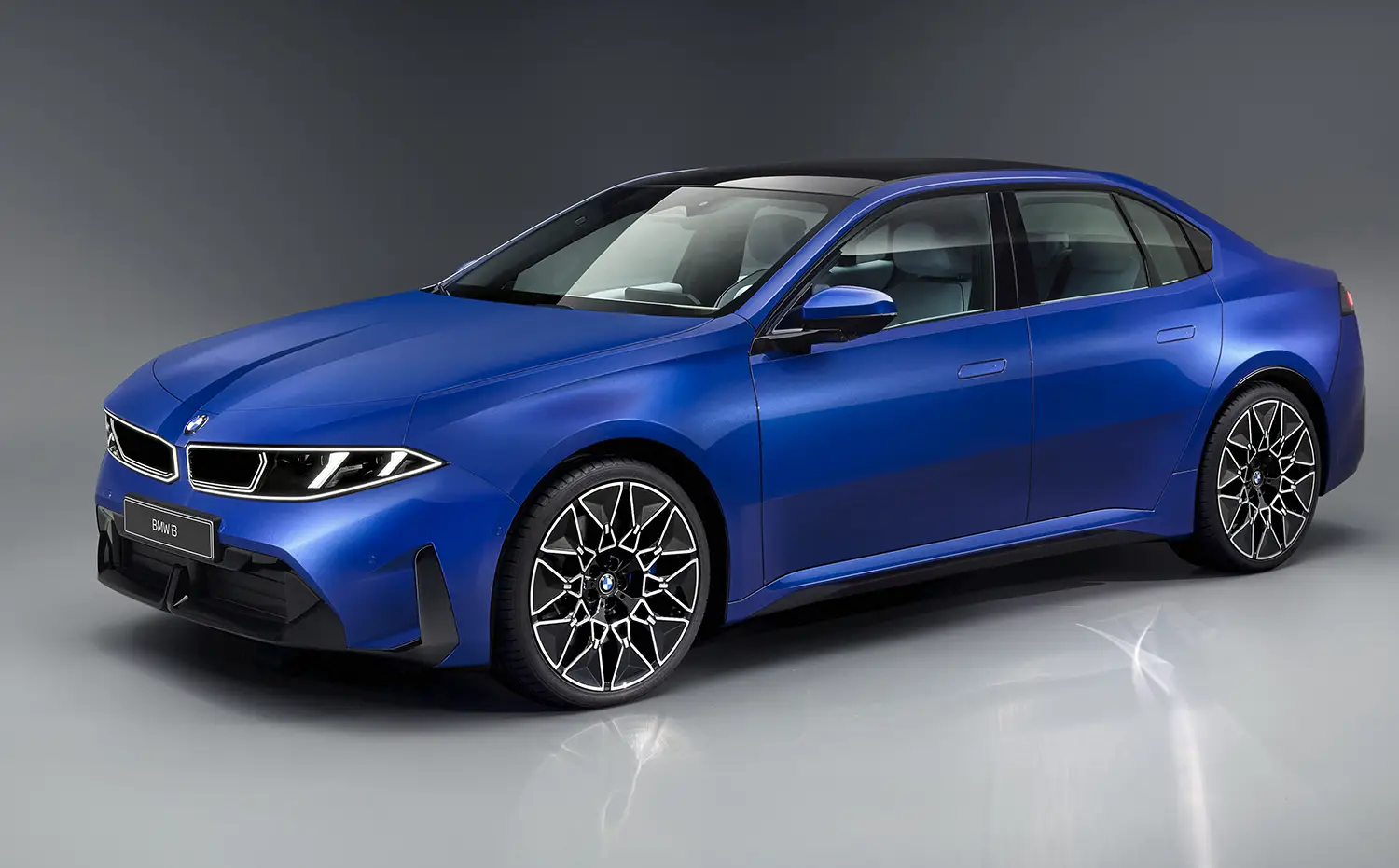
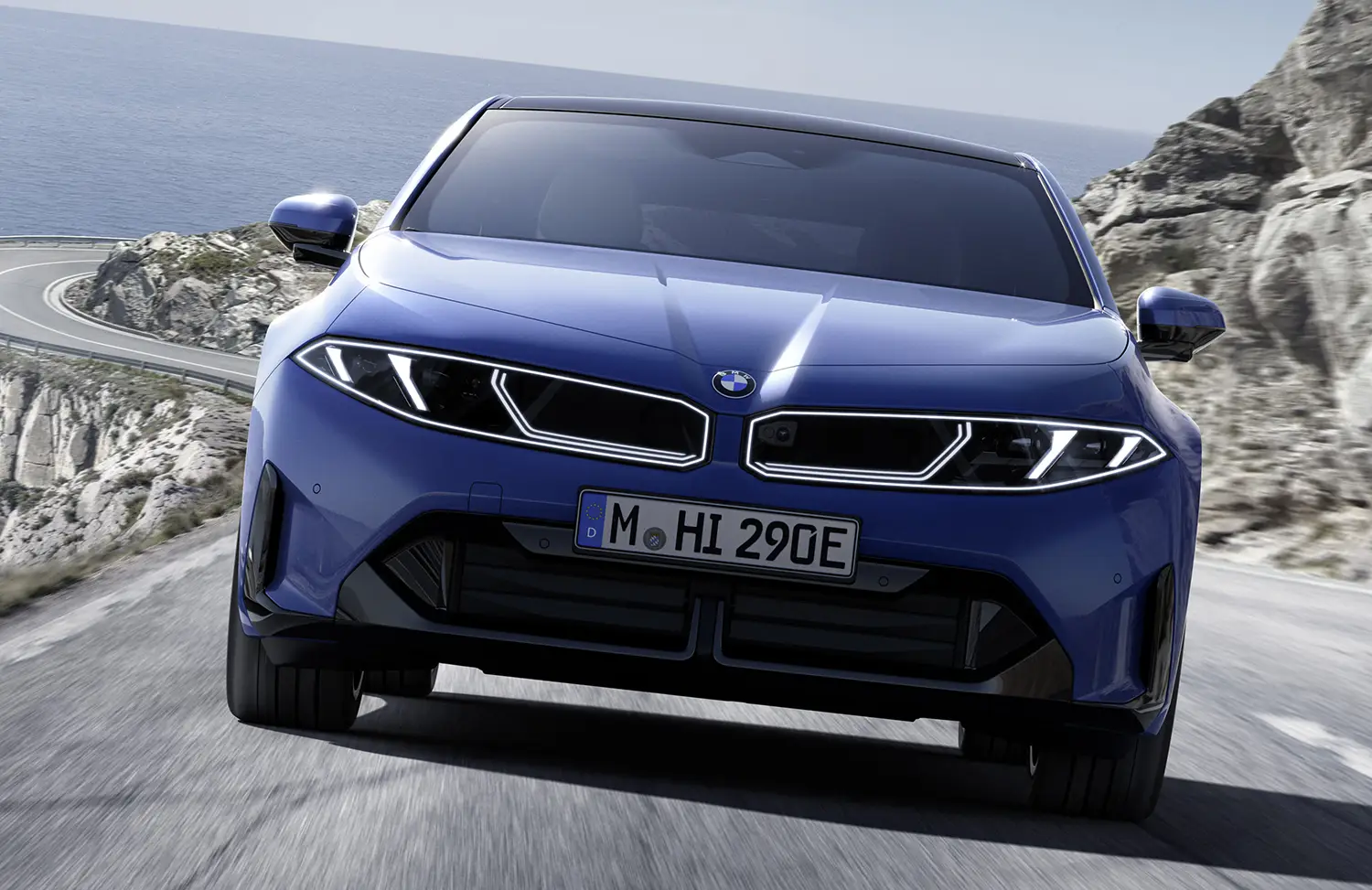
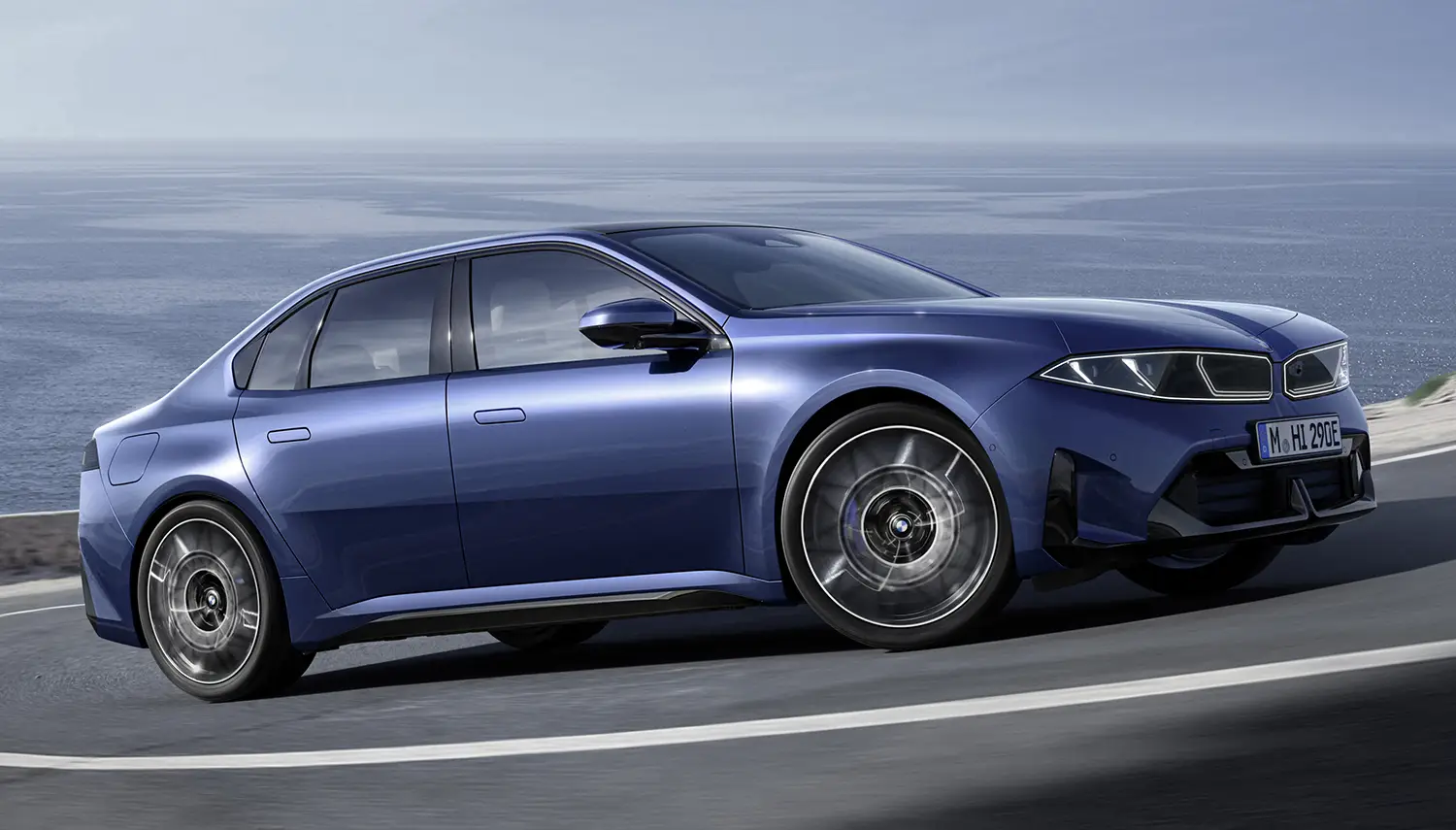
The exterior design of the BMW i3 introduces a fresh 2.5-box language that remains immediately recognizable through its hallmark sporty proportions and long wheelbase. Short overhangs and a greenhouse that slopes gracefully toward the rear maintain the classic sedan profile, while prominently flared wheel arches emphasize a wide, athletic stance. At the front, the traditional four-eyed face is reimagined as the radiator grille and twin headlights merge into a singular, innovative light signature. The rear continues this theme of precision with horizontal light units, while the overall aerodynamic form supports the vehicle’s quest for maximum efficiency and range.
Digital Immersion and Panoramic Human Machine Interface
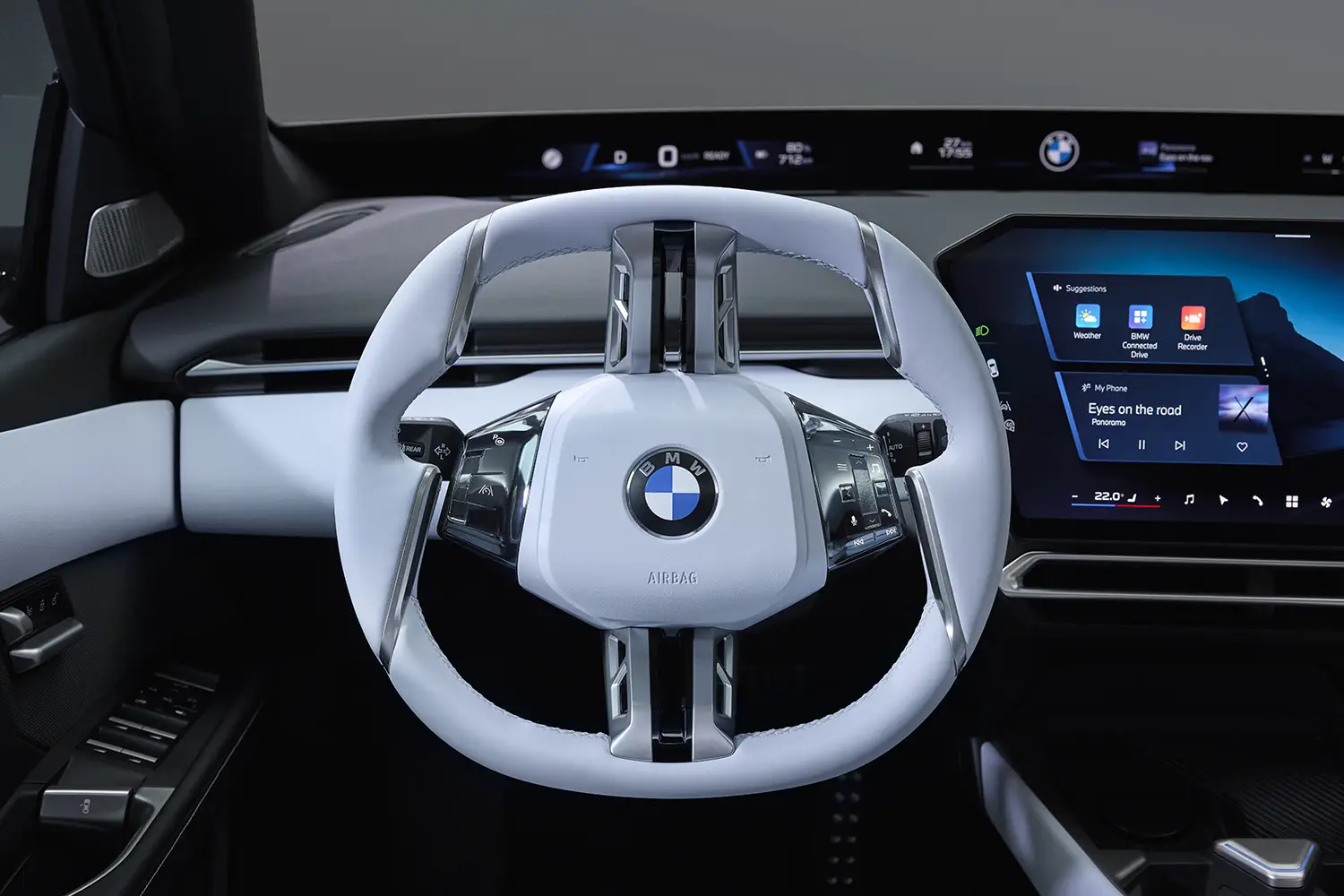
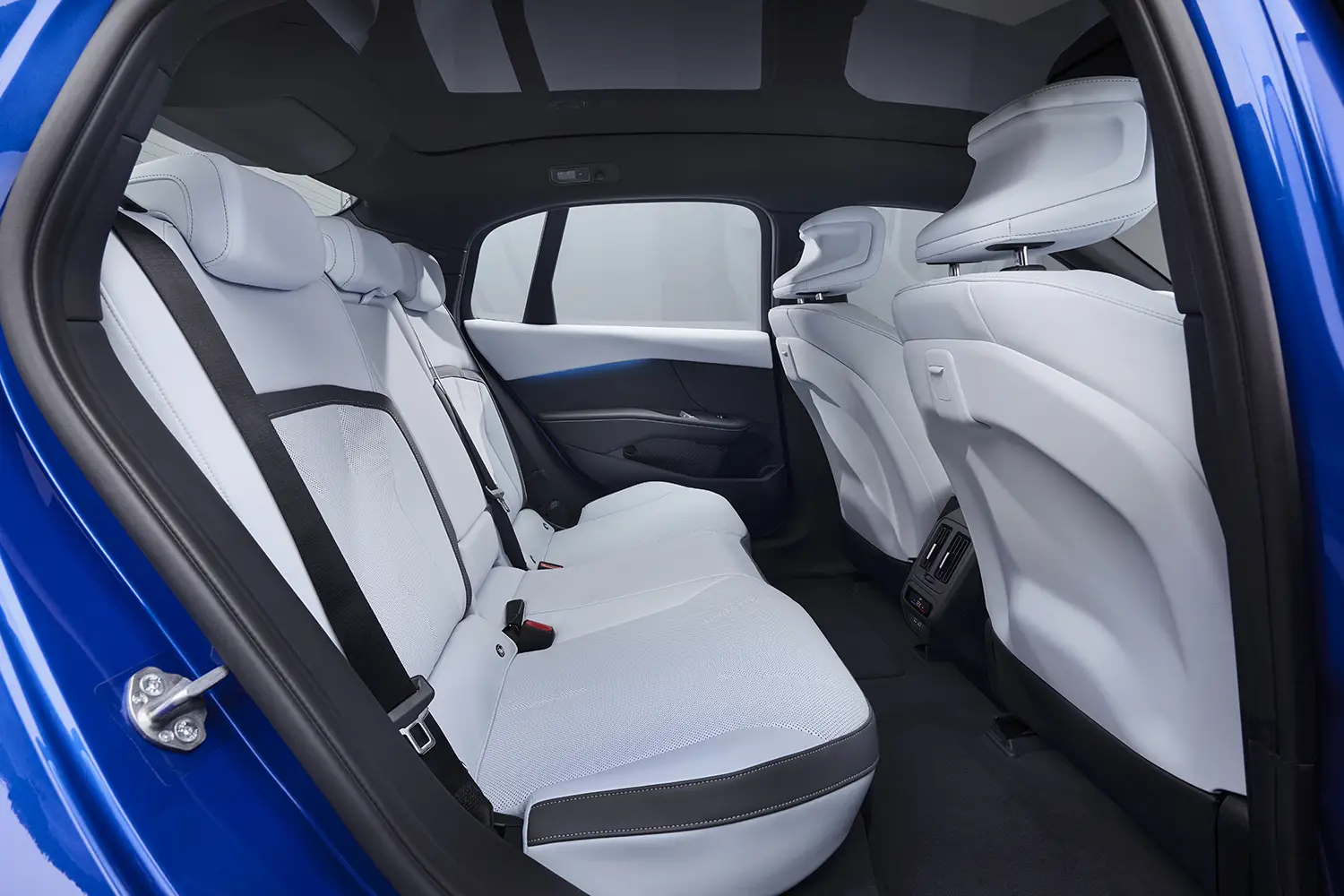
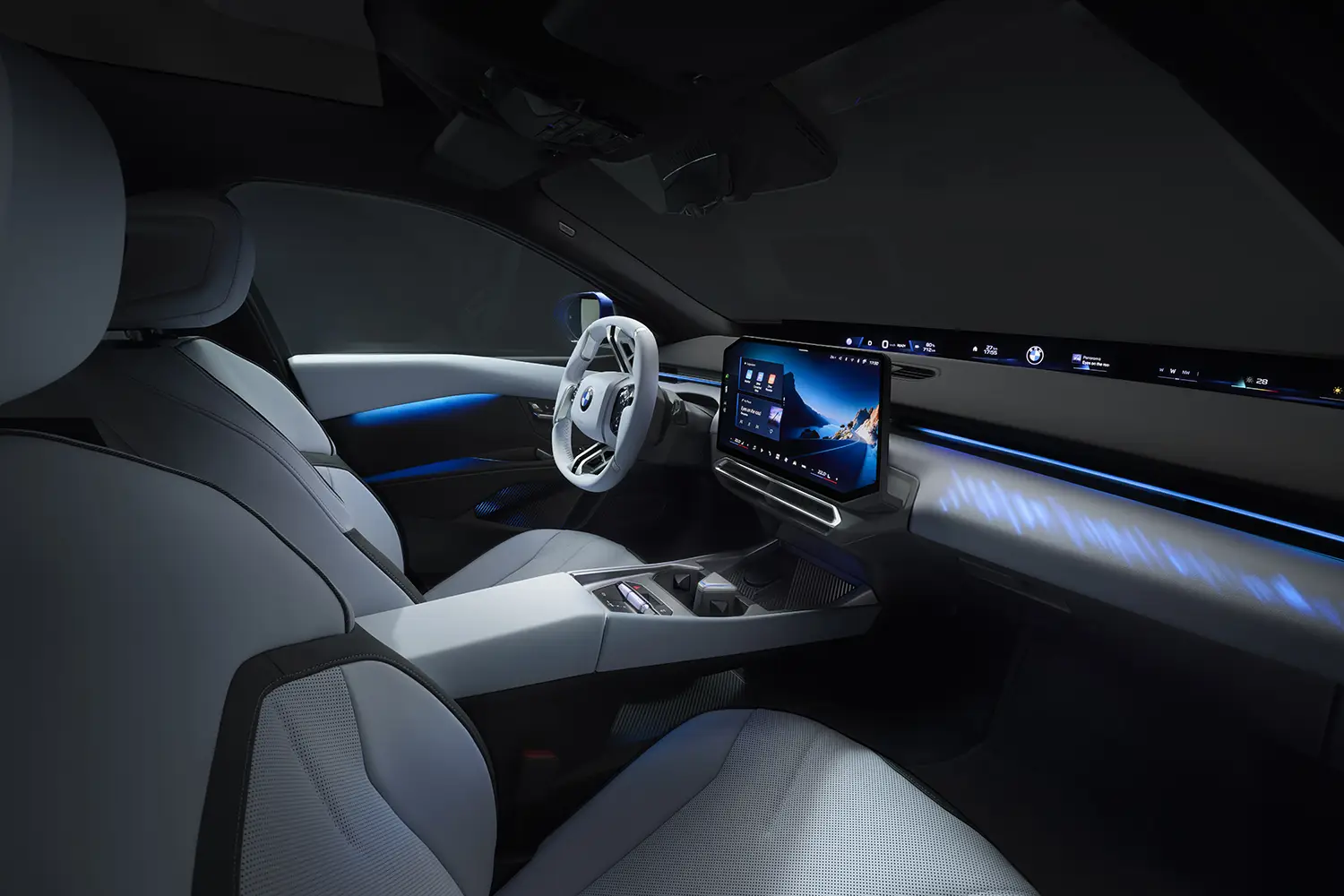
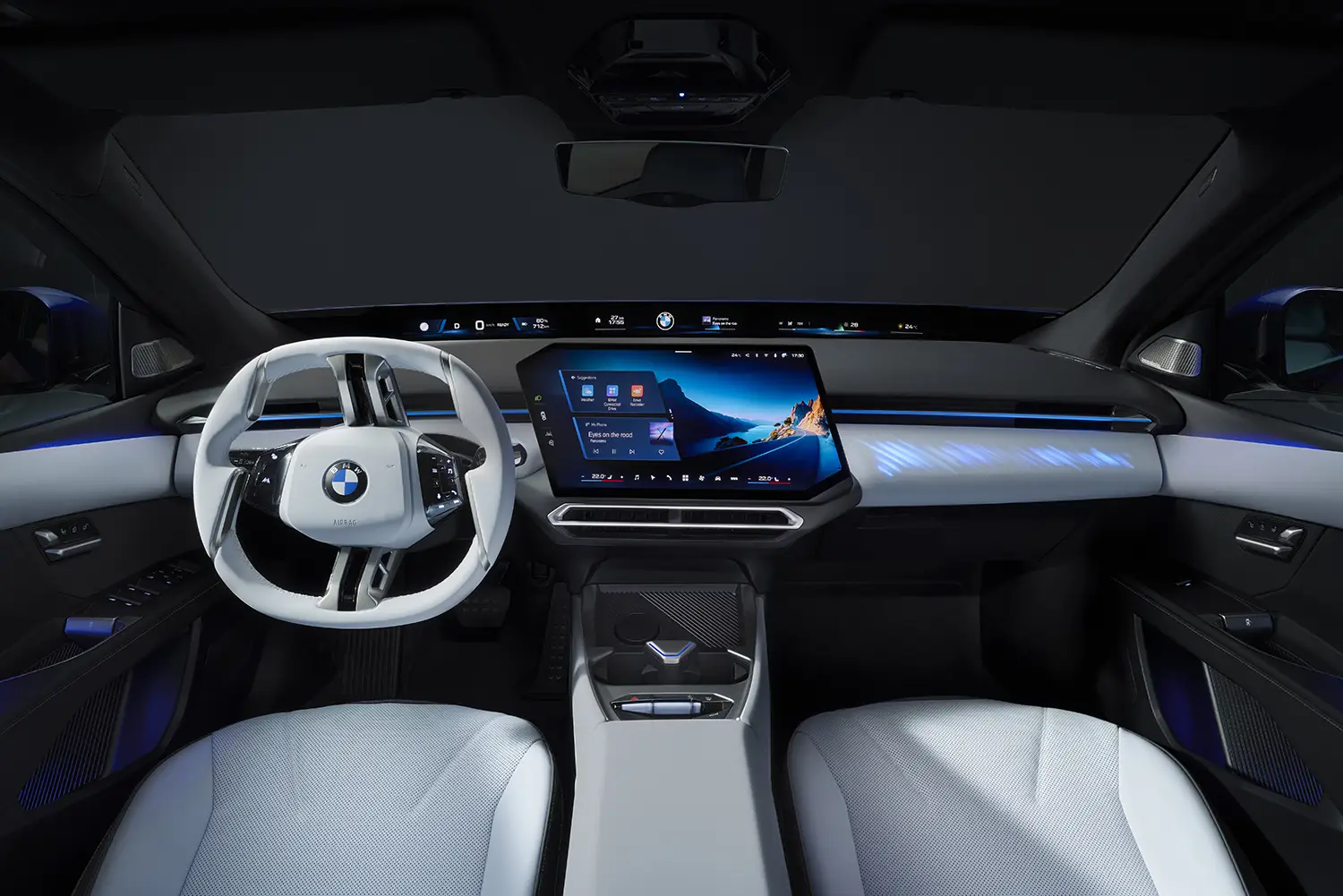
The interior of the BMW i3 is consistently geared toward the possibilities of a dedicated electric vehicle concept, offering a level of spaciousness that exceeds traditional internal combustion counterparts. Central to the cockpit experience is the new BMW Panoramic iDrive, which utilizes a massive display area to usher in a new era of hallmark driver orientation. The cabin environment is modern and inviting, prioritizing a clean aesthetic that hides complex technology behind intuitive speech recognition and seamless software integration. With the Symbiotic Drive system, the interaction between the car and driver enters a collaborative phase, enhancing both safety and the assisted driving experience.
The Heart of Joy and 800 Volt Efficiency
Launching in the 50 xDrive configuration, the BMW i3 utilizes an electric motor on both the front and rear axles to provide sure-footed all-wheel drive performance. The combined system output delivers a factory benchmark of 469 hp/345 kW, while the maximum torque is rated at 645 lb-ft/Nm in a single, potent sentence. This power is managed by the Heart of Joy superbrain, which coordinates energy delivery from new high-density round cells. The 800-volt system allows for staggering DC charging capacities of up to 400 kW, enabling the battery to recover up to 400 km of range in just 10 minutes at compatible fast-charging stations.
Technical Specifications
| Technical Specifications | |
|---|---|
| Powertrain Configuration | Dual-Motor xDrive All-Wheel Drive |
| Maximum Range (WLTP) | 900 km (Factory Benchmark) |
| System Architecture | 800-Volt Neue Klasse |
| DC Charging Capacity | 400 kW |
| Charging Speed | 400 km in 10 Minutes (Factory Benchmark) |
| Computing Architecture | Heart of Joy High-Performance Computer |
| Battery Technology | Gen 6 eDrive Round Cells / Cell-to-Pack |
| Bi-Directional Functions | V2L / V2H / V2G |
| Design Style | 2.5-Box Neue Klasse Sedan |
| Infotainment | BMW Panoramic iDrive |
Strategic Evolution Against Global Luxury Rivals
In the current market, the BMW i3 positions itself as a direct technological counter-offensive to rivals like the Tesla Model 3 Performance and the upcoming electric Audi A4 e-tron. Its unique selling point is the blend of a 900-kilometer range and the heritage-driven handling characteristics that competitors often struggle to replicate. By utilizing the Munich home plant for production, BMW ensures that the i3 benefits from over a century of manufacturing expertise, now modernized for a fully electric portfolio. This strategic pivot allows the brand to maintain its premium compact segment dominance while setting new benchmarks for charging speed and software integration.
Advanced Integration and Future Proofing
Ownership of the BMW i3 is defined by its versatility and forward-thinking utility, including bidirectional charging functions such as Vehicle-to-Home and Vehicle-to-Grid. This allows the car to act as a mobile energy storage unit, potentially powering household appliances or feeding energy back into the network during peak times. With production scheduled to commence in August 2026 and initial deliveries following in autumn, the i3 represents a sustainable long-term investment. The move toward an exclusively all-electric production portfolio at the Munich plant by 2027 further underscores the vehicle’s role as the definitive future of the BMW brand’s core segment.
The New Essence of Driving Pleasure
The BMW i3 successfully translates the soul of the 3 Series into a digital, emission-free future without losing the dynamic edge that defines the marque. Through the Neue Klasse platform, BMW has created a vehicle that is not just an electric alternative, but a superior technological successor capable of meeting the demands of long-distance travel and enthusiast driving alike.
Disclaimer: Content on this site is for informational and entertainment purposes only. Details, analyses, and opinions reflect current trends and personal views, not professional or financial advice. Always verify information with official sources before making any decisions.
Source: BMW