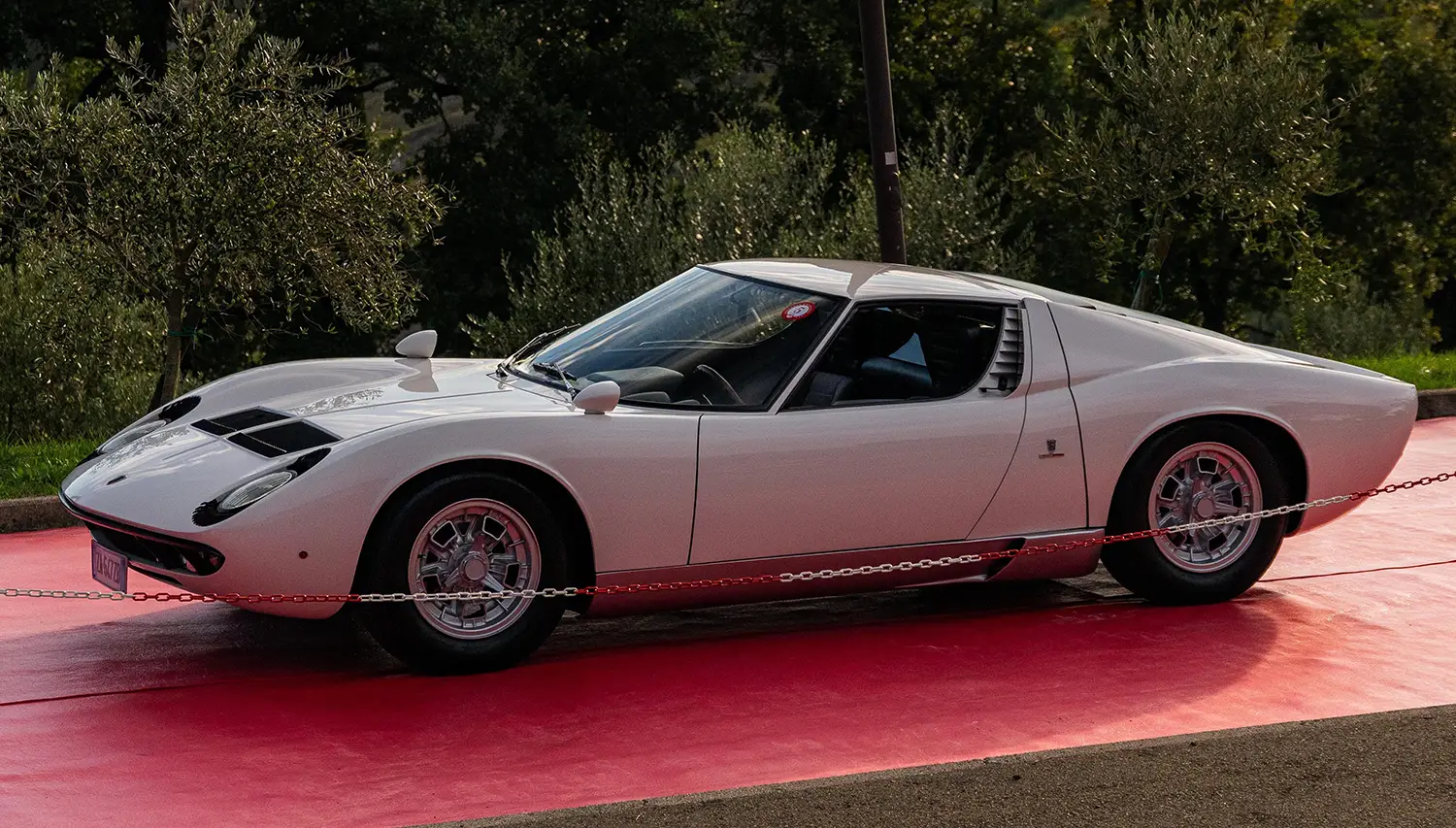
On March 10th, 1966, the Lamborghini Miura debuted at the Geneva Motor Show and effectively rewrote the rules of high-performance engineering. By placing a transversely mounted V12 engine behind the driver, a young team led by Gian Paolo Dallara and Paolo Stanzani created the world’s first mid-engine production supercar. This radical architecture broke with the front-engine GT traditions of the era, offering a motorsport-inspired layout for the road. Now, 60 years later, Automobili Lamborghini celebrates this “Auto Icon” with a global tour, honoring a machine that transformed the brand from a niche manufacturer into a visionary leader of the supercar industry.
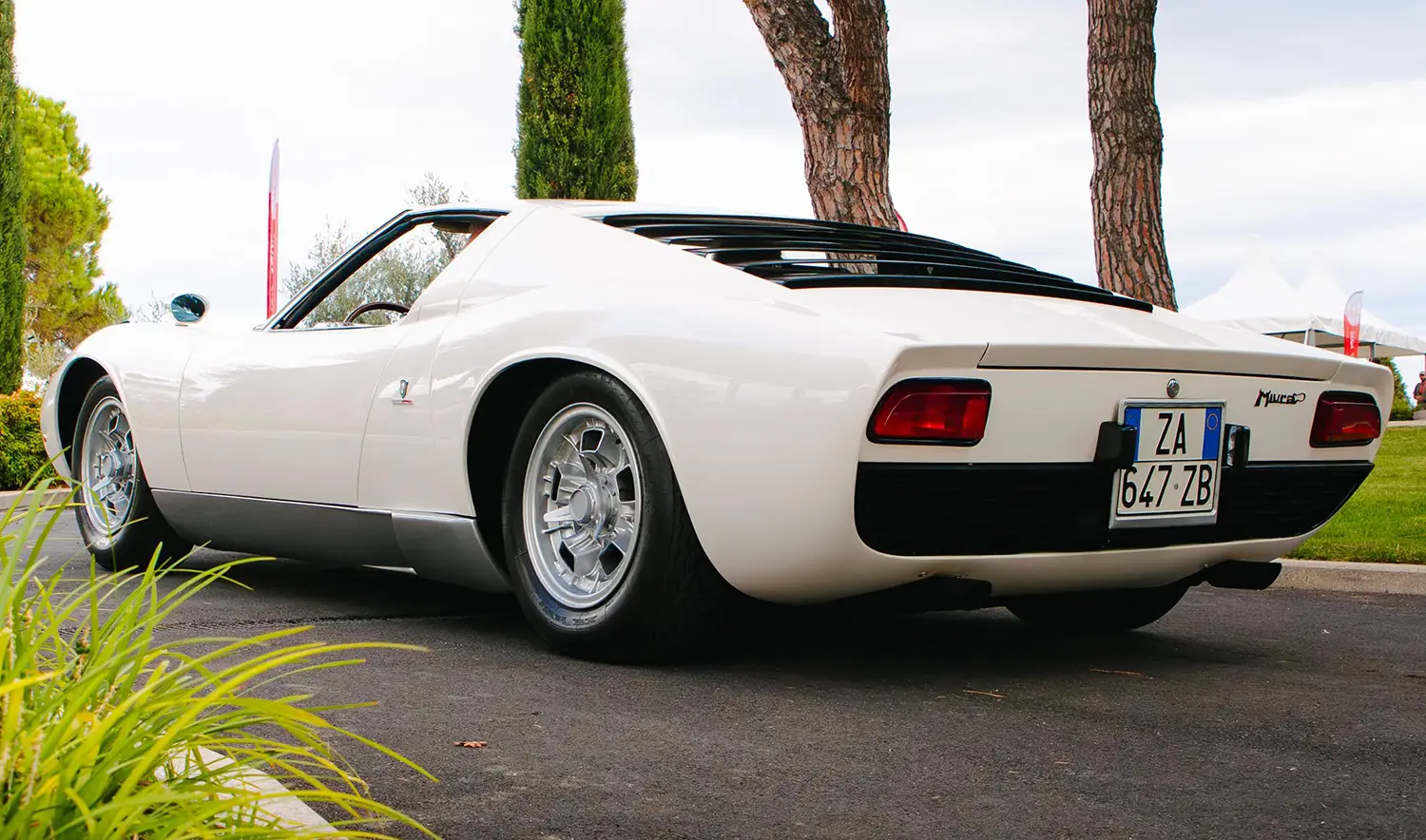
Bertone’s Masterpiece and the Evolution of the Eyelash
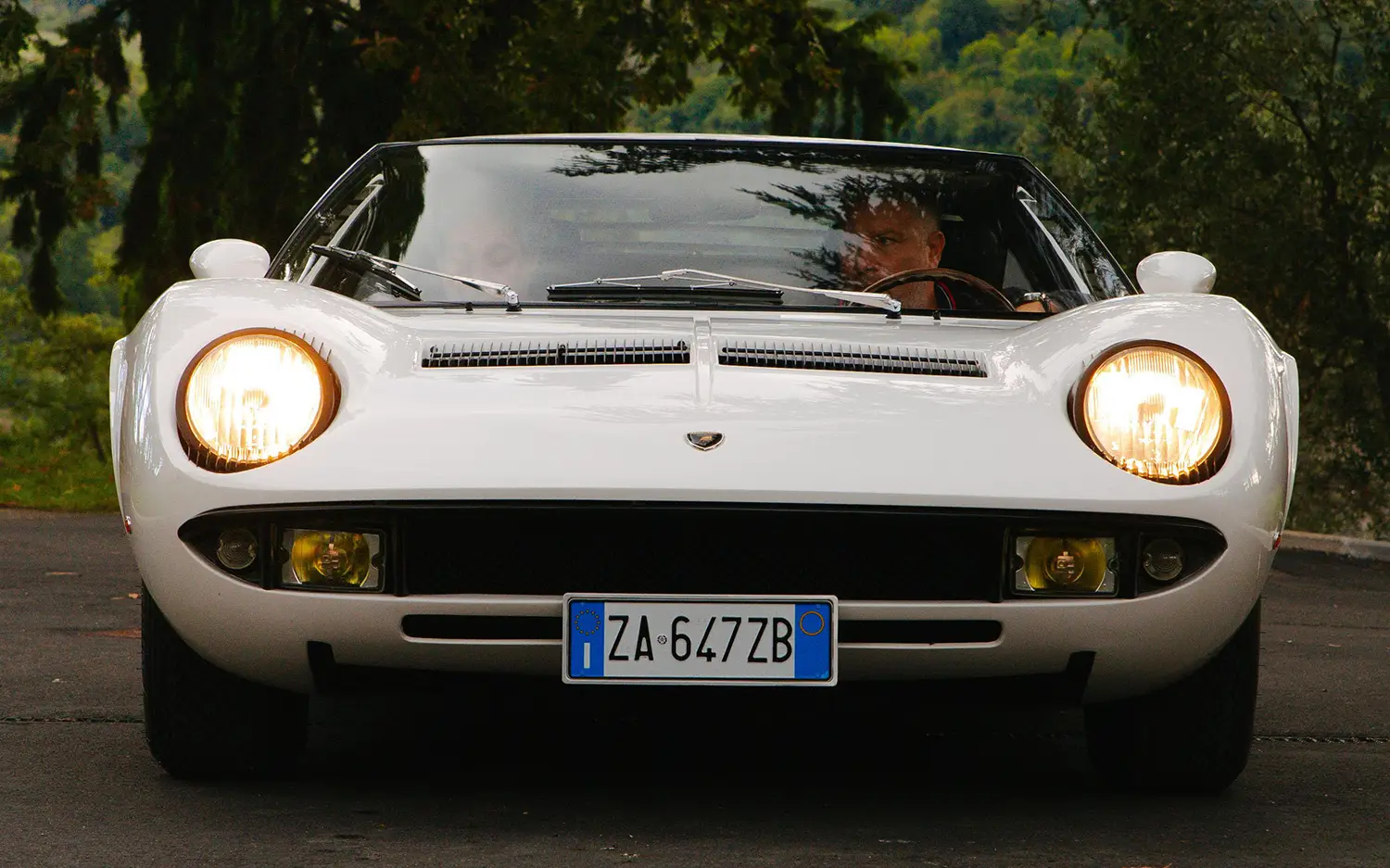
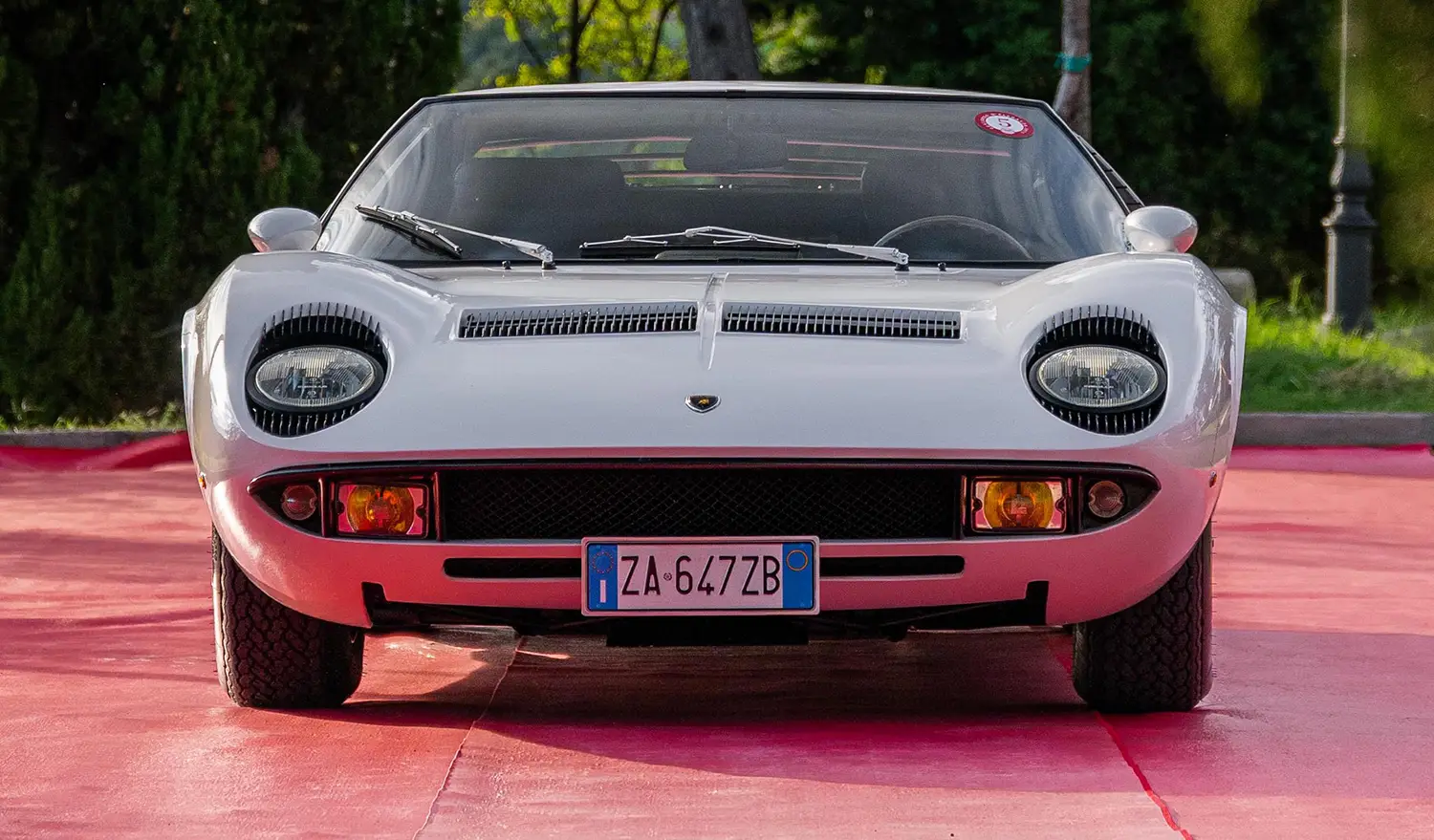
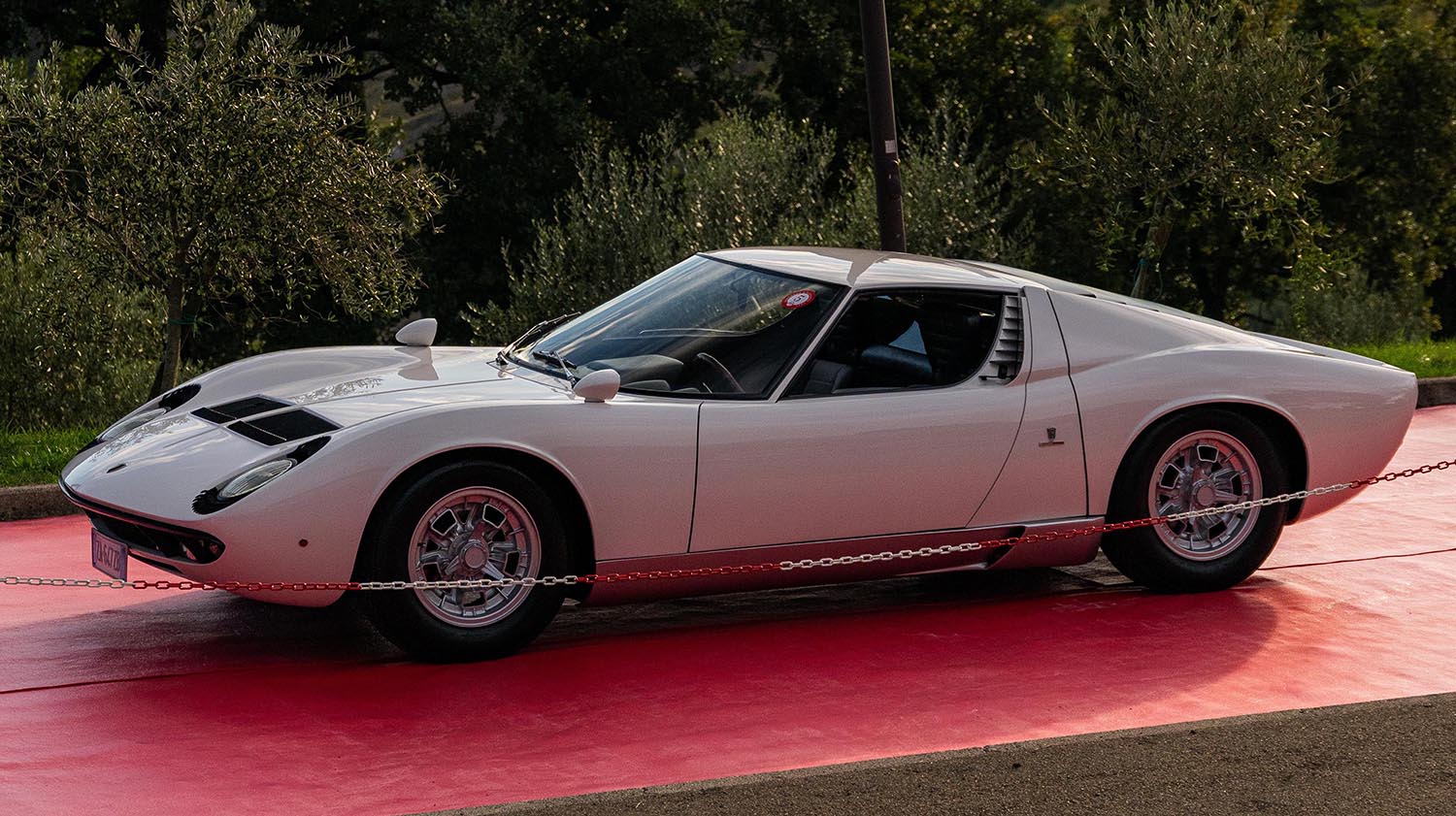
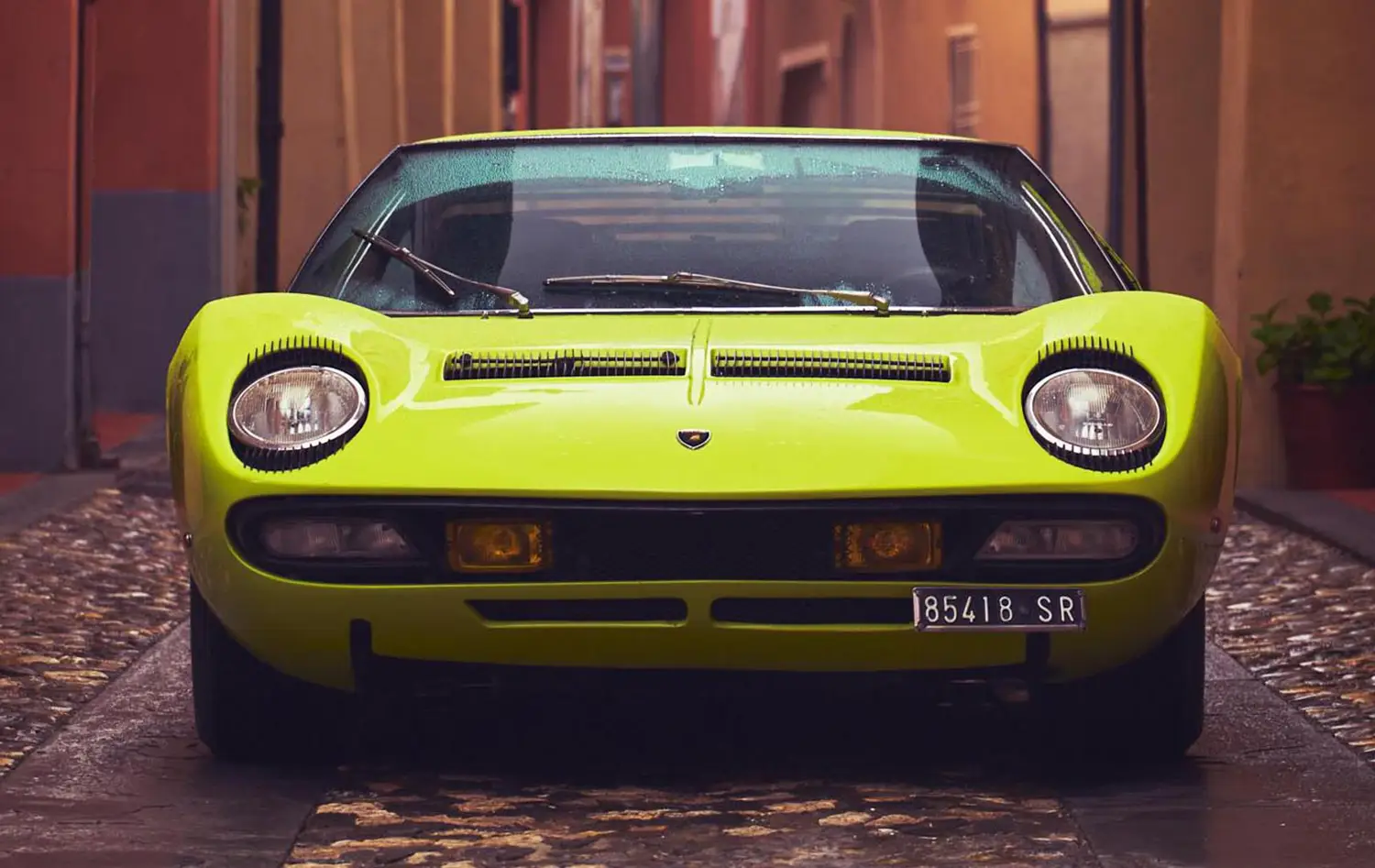
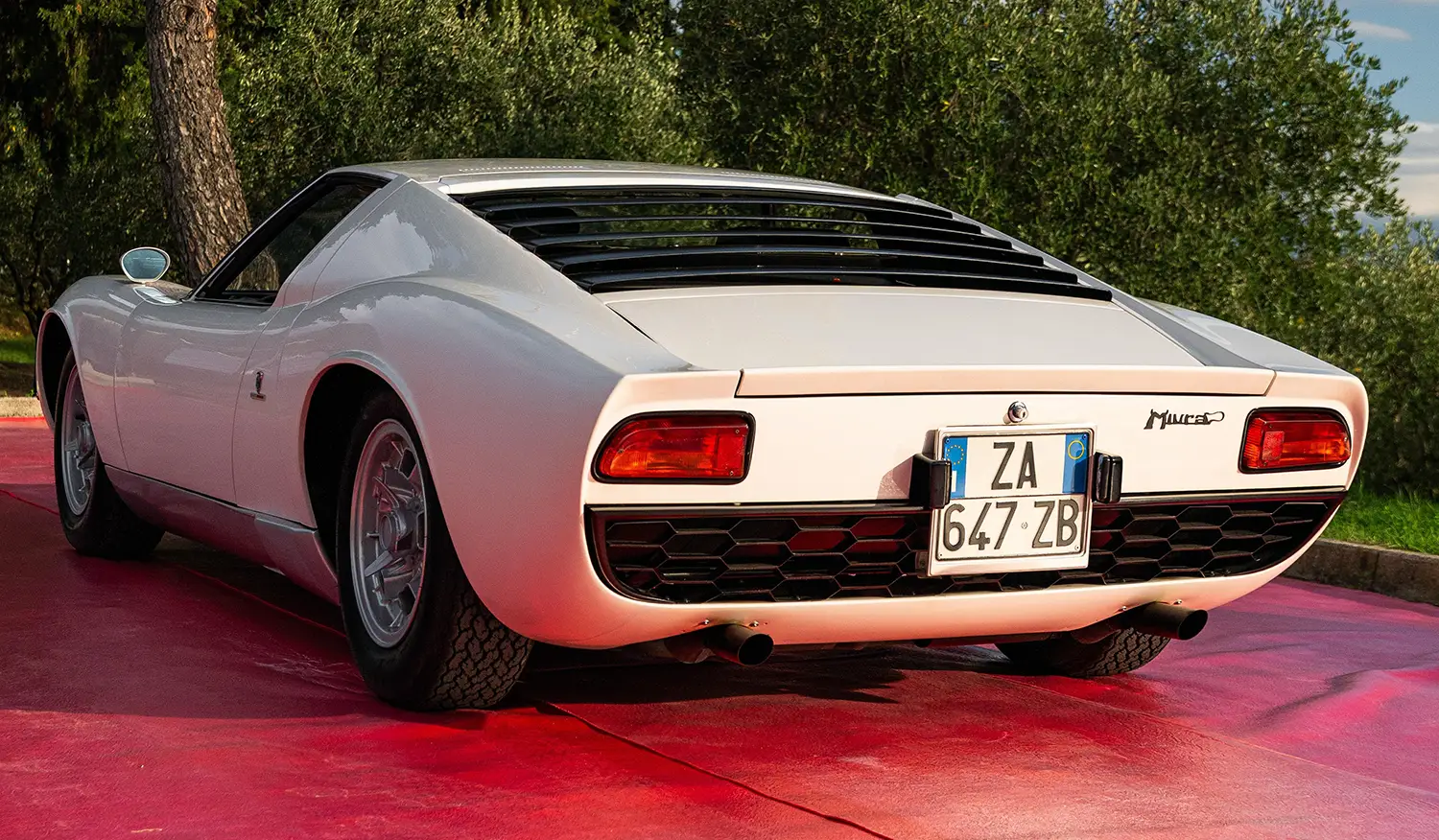
The visual identity of the Lamborghini Miura was forged through a historic collaboration with Carrozzeria Bertone and designer Marcello Gandini. Standing only 105 centimeters tall, its silhouette is defined by aggressive air intakes and the famous “eyelash” headlights that gave the P400 its unmistakable face. While the original design focused on pure, flowing lines, the later P400 SV saw the removal of these eyelashes and the addition of wider rear fenders to accommodate larger wheels. Throughout its production, the Miura was offered in a bold array of colors like Giallo Fly and Arancio Miura, proving that a supercar’s aesthetic should be as loud as its engine.
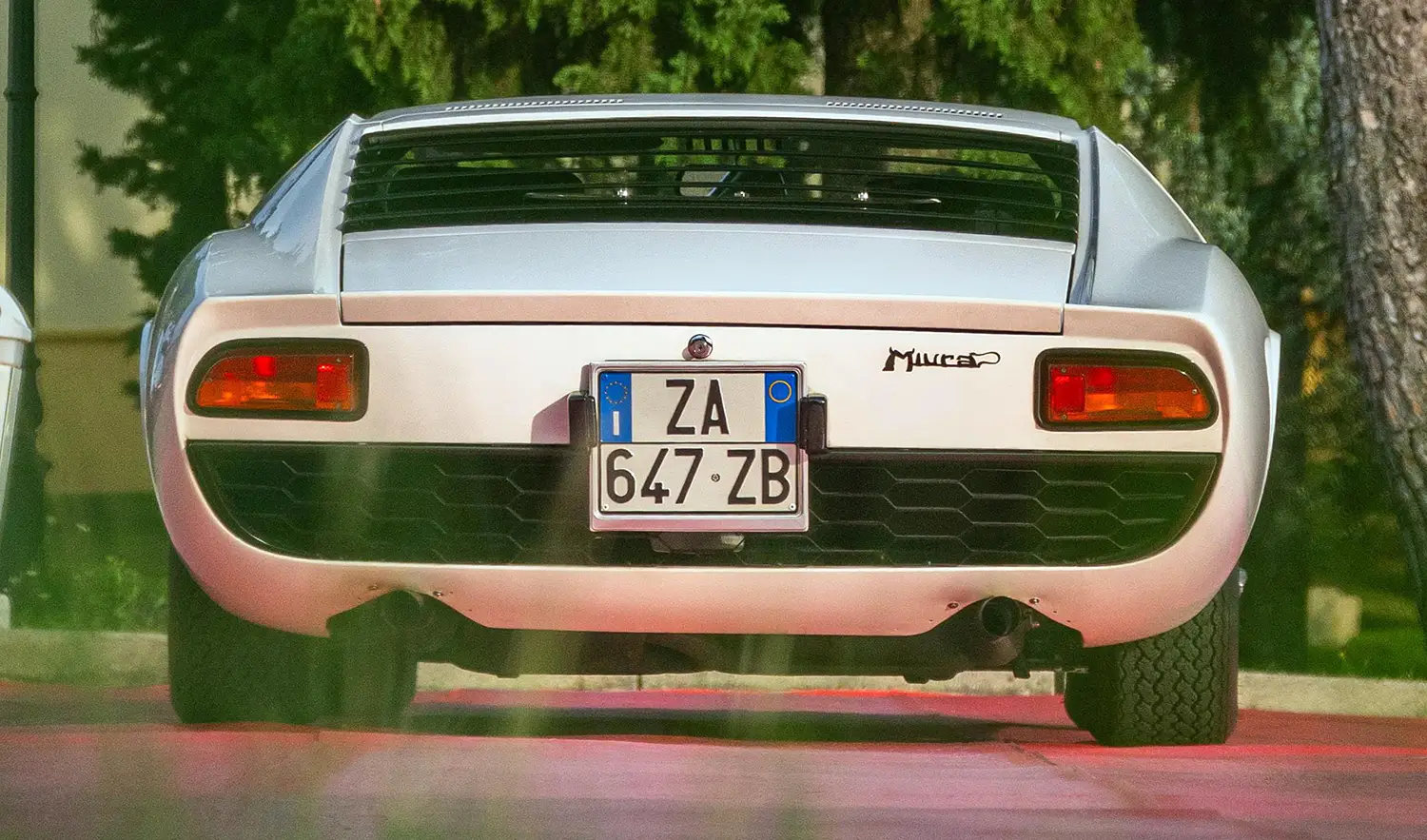
A Cockpit Defined by Mechanical Connection and Refinement
Inside, the Miura transitioned from a focused, minimalist cabin to a more refined environment as the “S” and “SV” models arrived. The original P400 featured black anodized trim and a driver-centric layout that prioritized mechanical feedback. With the introduction of the P400 S, Lamborghini added luxuries such as power windows, a lockable glovebox, and optional air conditioning, reflecting its growth into a sophisticated grand tourer. The final SV models refined the cabin further, moving the ignition to the steering column. Despite these comforts, the Miura remained a visceral machine, demanding total driver concentration to manage its five-speed manual transmission and open shift gate.
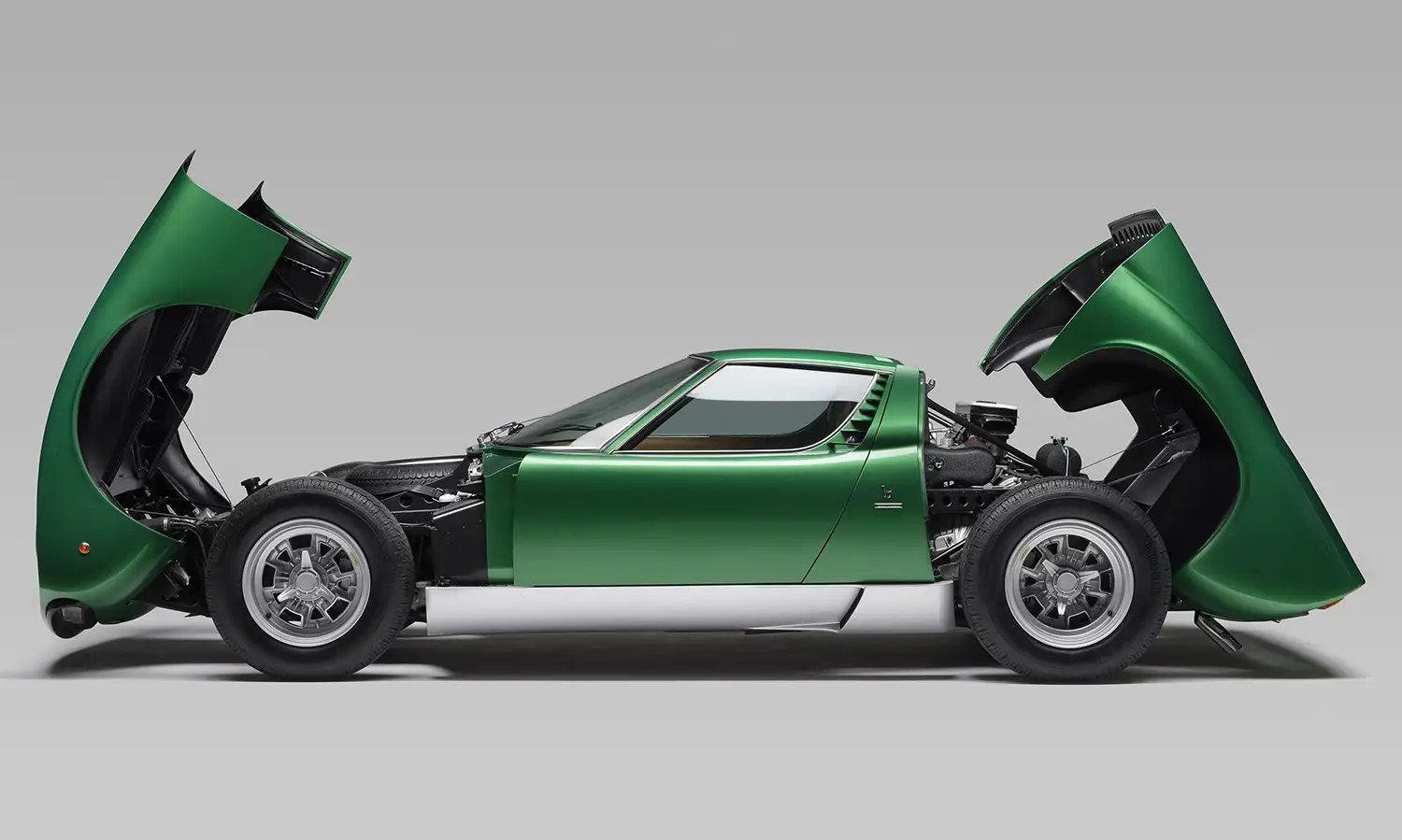
The V12 Heart: From the Original P400 to the Split-Sump SV
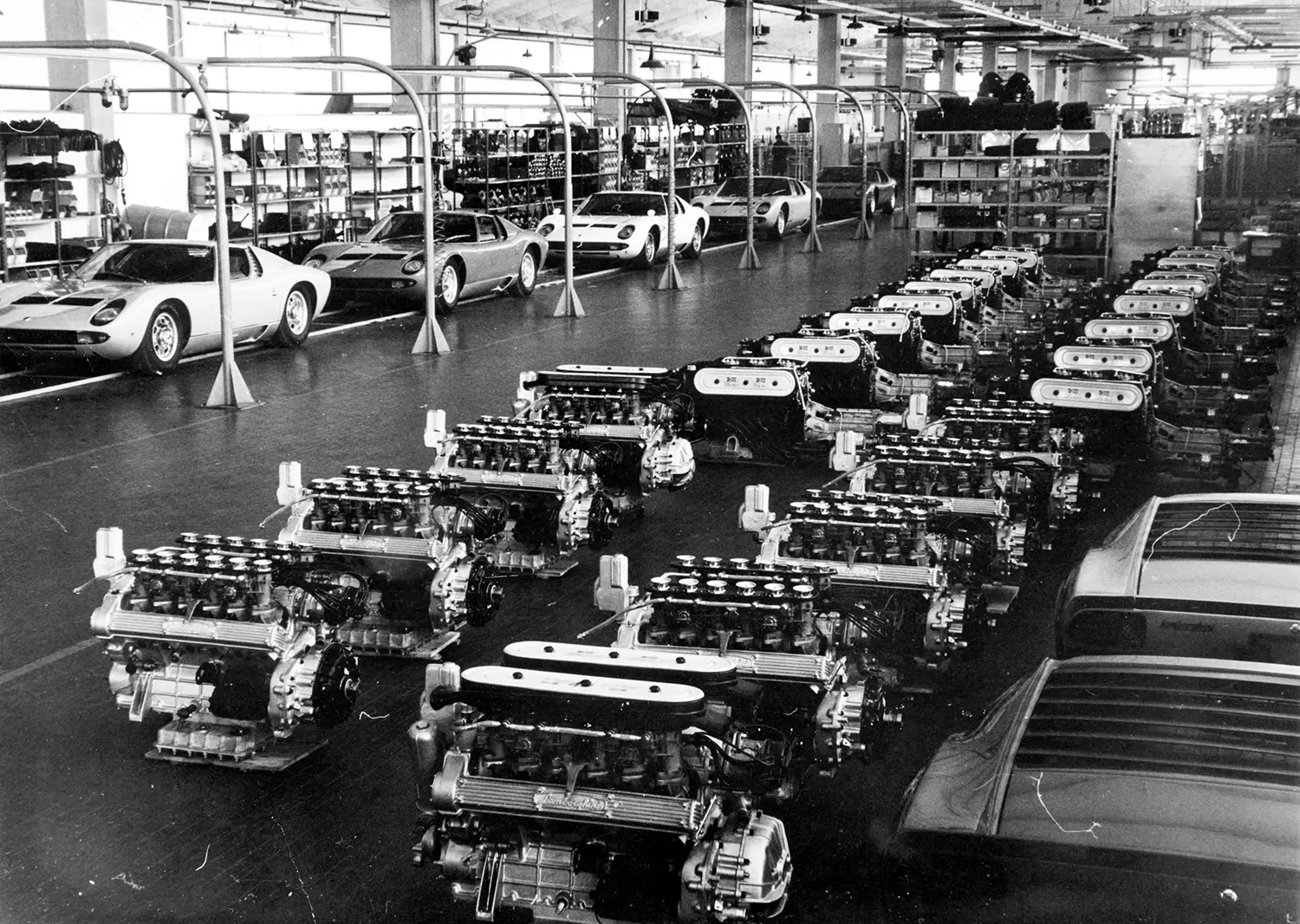
At the center of the Miura legend is the 3.9-liter V12, which evolved significantly across three main variants. The original P400 launched with 350 hp/355 PS, while the P400 S increased output to 370 hp/375 PS through larger intake manifolds and new camshaft profiles. The ultimate evolution, the P400 SV, reached 385 hp/390 PS and 286 lb-ft/388 Nm, featuring a technically vital split-sump system that separated engine and gearbox lubrication. This engine was not just about raw speed; its counter-rotating crankshaft and quartet of Weber carburetors created a mechanical soundtrack that remains a benchmark for automotive emotion six decades later.
| Technical Evolution: Miura P400 vs. S vs. SV | |||
|---|---|---|---|
| Feature | P400 (1966) | P400 S (1968) | P400 SV (1971) |
| Engine | 3.9L V12 | 3.9L V12 | 3.9L V12 |
| Horsepower | 350 hp/355 PS | 370 hp/375 PS | 385 hp/390 PS |
| Torque | 262 lb-ft/355 Nm | 288 lb-ft/390 Nm | 286 lb-ft/388 Nm |
| Top Speed | 174 mph/280 km/h | 174 mph/280 km/h | 180 mph/290 km/h |
| 0-100 km/h | 6.7 Seconds | 6.4 Seconds | 5.5 Seconds |
| Curb Weight | 2,171 lbs/985 kg | 2,601 lbs/1,180 kg | 2,744 lbs/1,245 kg |
| Lubrication | Common Sump | Common Sump | Split Sump (Late) |
Benchmarking the Miura Lineage in the Modern Market
When comparing the Miura variants, collectors today prioritize the SV for its improved handling and separate lubrication system, which solved early reliability concerns. While the P400 is the purest expression of Gandini’s original vision, the P400 S represents the most balanced “daily-driver” of the era. The unique selling point of the Miura remains its status as the “first” supercar; while contemporary Ferraris of the time like the Daytona were still front-engined, the Miura looked toward the future. This historical seniority ensures that all 763 units produced remain among the most valuable assets in the automotive world, with the SV frequently setting records at international auctions.
Sixty Years of Visionary Engineering
The Lamborghini Miura is more than a classic car; it is the physical embodiment of the courage to challenge convention. From its revolutionary transverse V12 to the timeless beauty of its Bertone-designed body, it set a path of fearless innovation that Lamborghini still follows today with models like the Revuelto. As the Lamborghini Polo Storico Tour kicks off in May 2026, we honor the engineering artistry of Stanzani and Dallara. The Miura’s legacy is not found in its top speed alone, but in the way it transformed dreams into a radical reality, forever changing the course of automotive history.
Disclaimer: Content on this site is for informational and entertainment purposes only. Details, analyses, and opinions reflect current trends and personal views, not professional or financial advice. Always verify information with official sources before making any decisions.
Source: Lamborghini