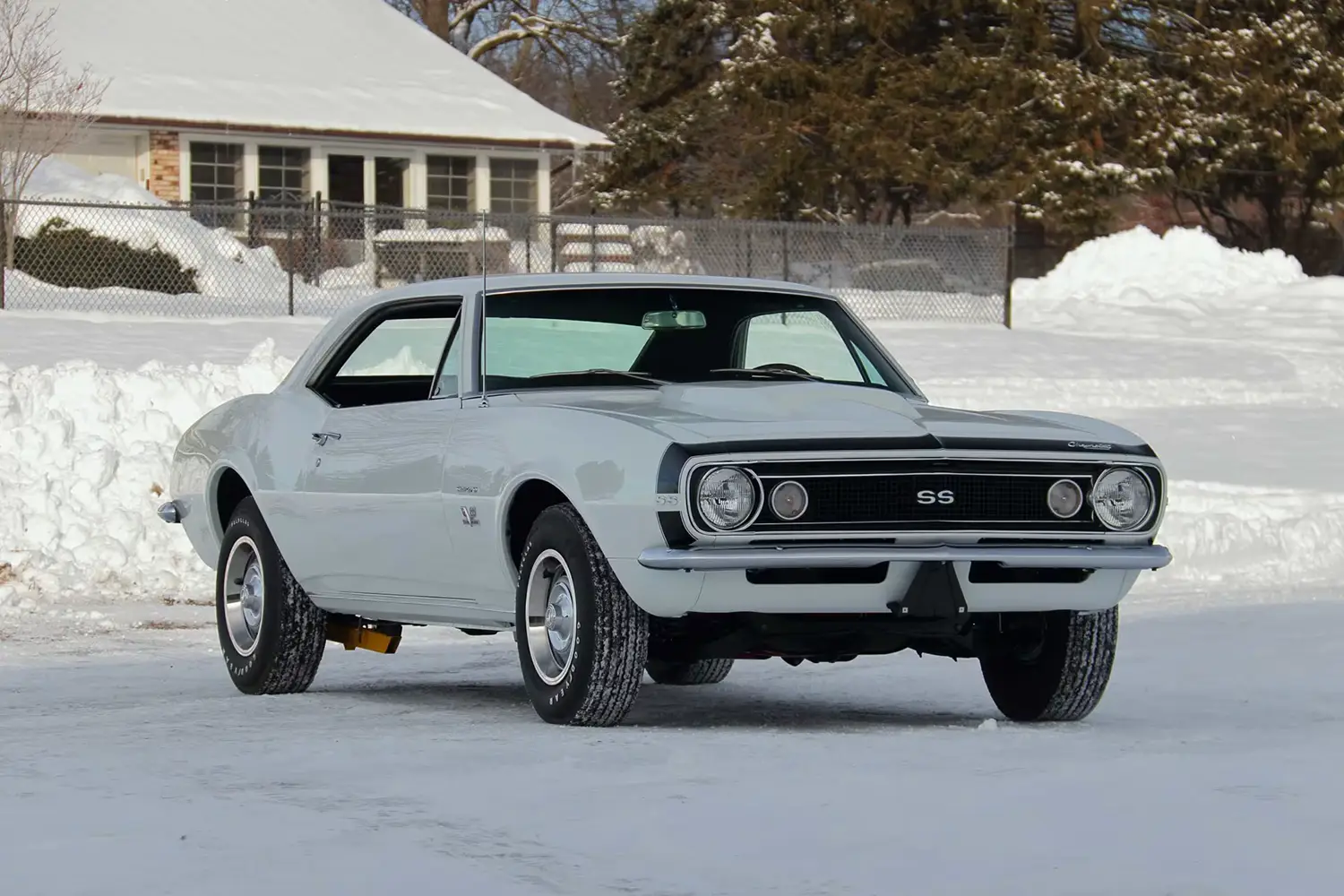
The 1967 Chevrolet Camaro 427 occupies a unique space in automotive history because the factory never officially offered this engine. In the first year of Camaro production, General Motors strictly limited the pony car to engines no larger than 396 cubic inches. However, visionary dealers like Don Yenko and Fred Gibb realized the chassis could handle significantly more power. This specific vehicle, Lot F340 at Kissimmee 2026, is a rare artifact from that high-performance underground. It carries the elusive “K-” notation on its trim tag, identifying it as a special fleet-ordered car. This Camaro was delivered directly to Don Yenko’s shop before being shipped to Fred Gibb Chevrolet in August 1967. Such documentation links the car to two of the most influential figures in the Chevy supercar movement. It represents the very beginning of the 427 Camaro legend before COPO became a household name.
A meticulous frame-off restoration has returned this coupe to its pristine, mid-sixties glory. Every component has been refinished to show standards, ensuring it remains a centerpiece for any serious collection. The white exterior is contrasted by a sharp black nose stripe, a classic look for early big-block Camaros. Because it was ordered through fleet channels, the car bypasses many of the standard retail restrictions of the time. This allowed performance-minded dealers to create “turn-key” racers that were technically sold as new vehicles. Today, these early dealer-prepped cars are among the most sought-after variants in the muscle car market. This 1967 Chevrolet Camaro 427 stands as a testament to the ingenuity of the performance renegades of the era. It is a rare chance to own a vehicle with verified ties to the Yenko and Gibb dynasties.
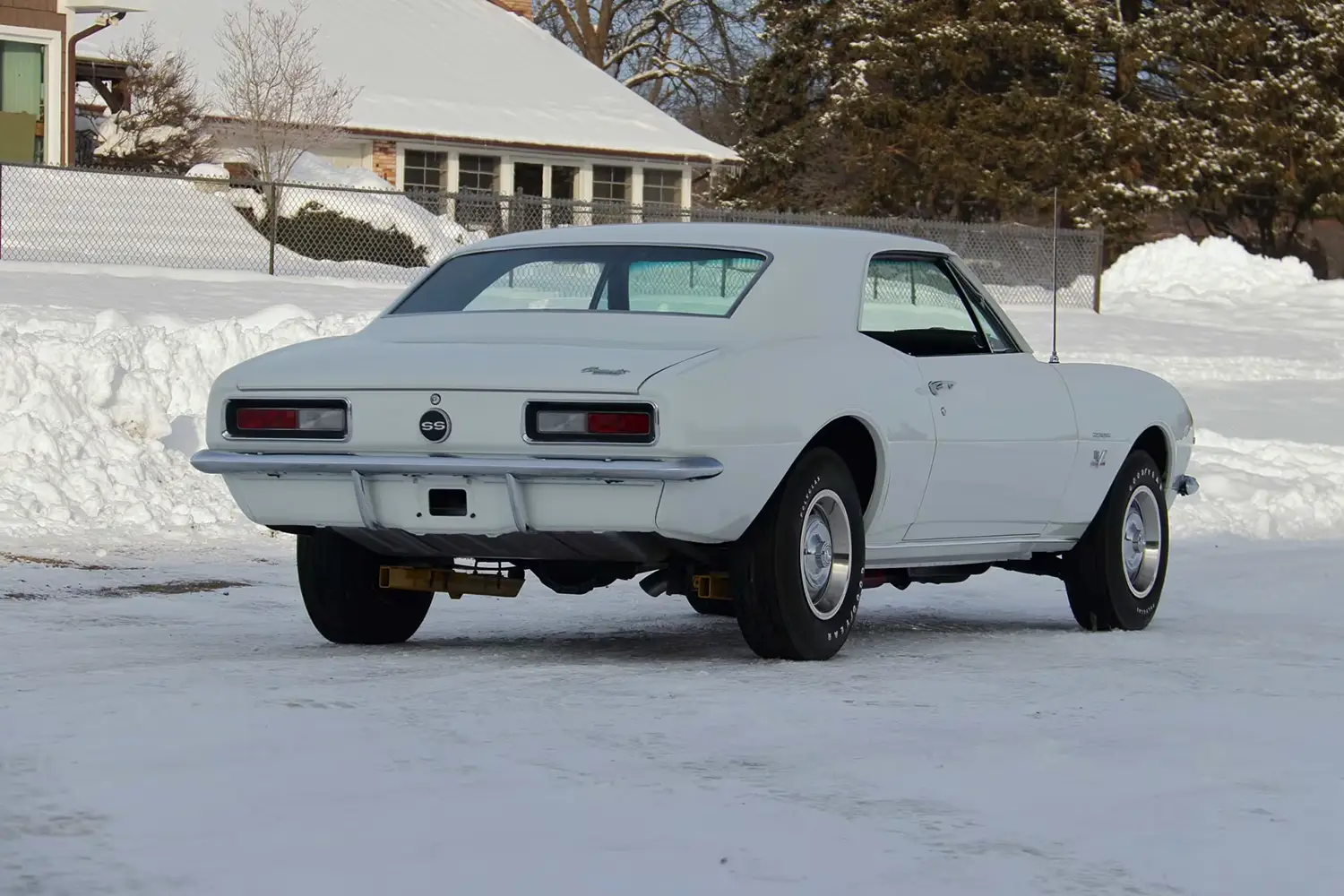
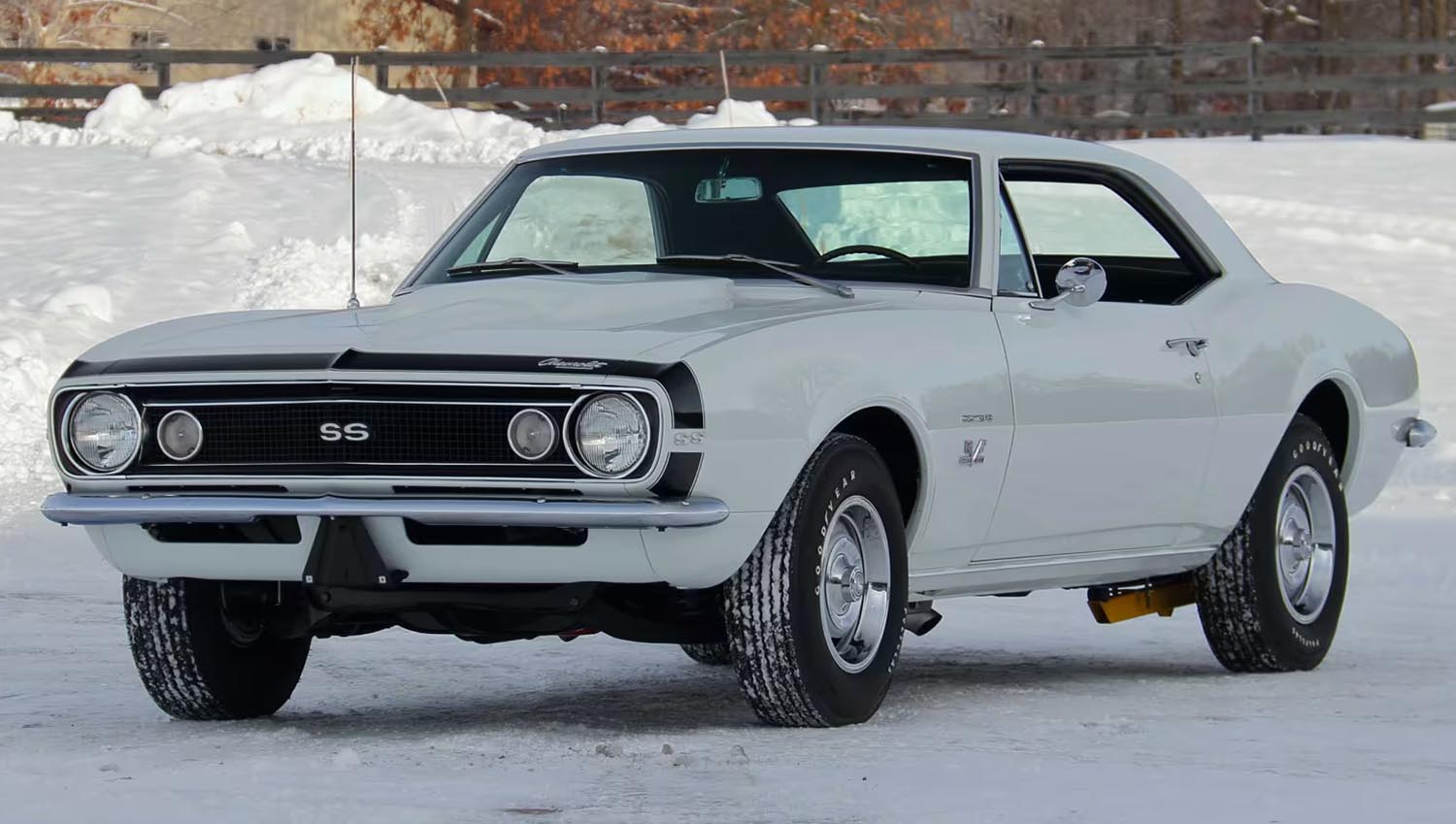
White Exterior with Black Nose Stripe and Rally Wheels
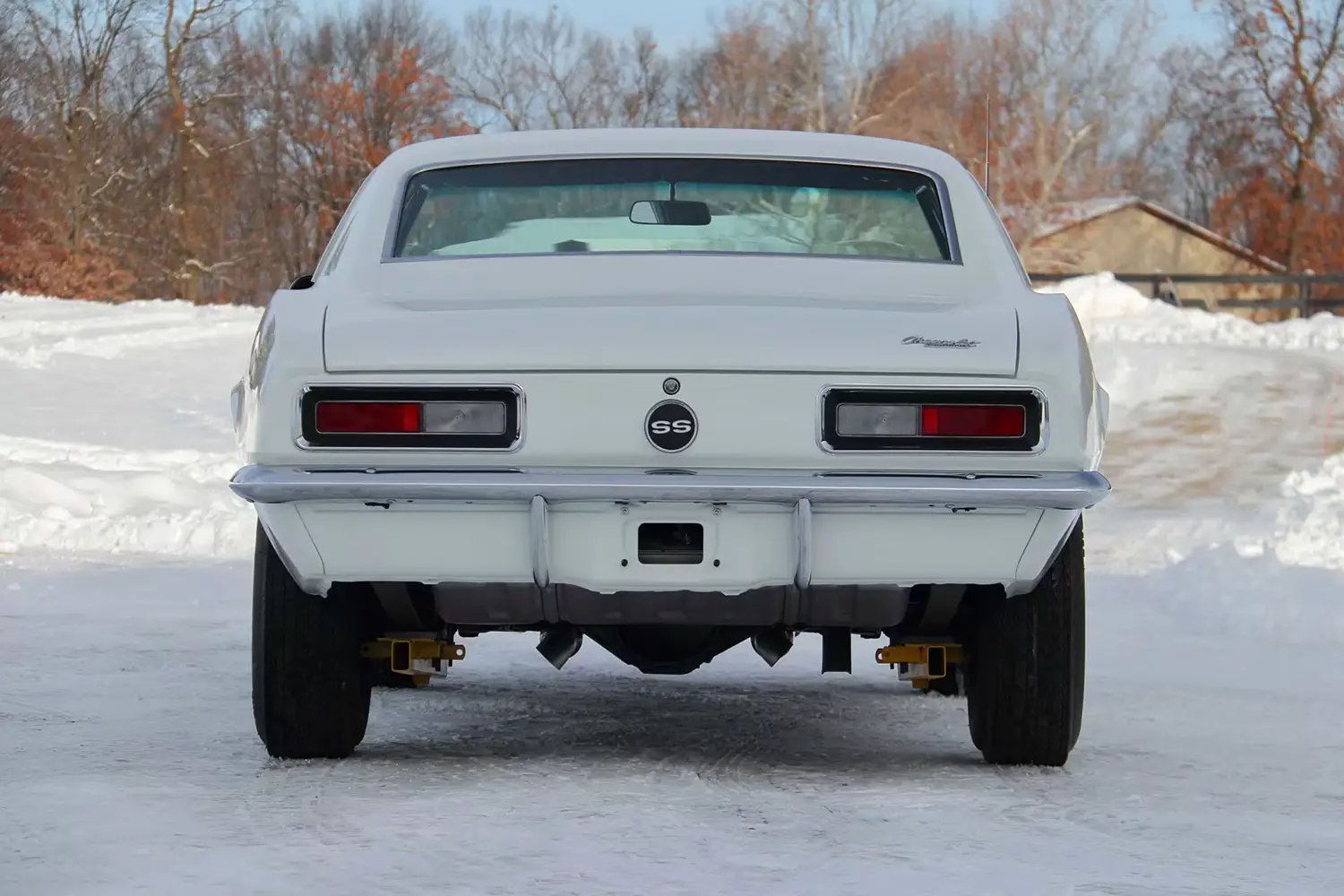
The exterior of this 1967 Chevrolet Camaro 427 is a masterclass in understated muscle car aesthetics. The Ermine White paint provides a clean, surgical look that makes the black “bumblebee” nose stripe pop. Chrome bumpers and brightwork have been restored to a mirror finish, highlighting the car’s first-year styling. This was the only year for the Camaro to feature vent windows, adding a specific vintage charm to the profile. It rides on classic Rally wheels with polished trim rings and center caps for a period-correct stance. These wheels are wrapped in tires that provide a balanced look between factory stock and street brawler.
Subtle details like the lack of excessive badging contribute to its “sleeper” personality on the road. The mid-chassis exit exhaust system provides a hint of the massive displacement hidden under the hood. Rear ladder bars are visible beneath the tail, signifying that this car was built to handle serious straight-line acceleration. These bars were essential for preventing wheel hop when the massive big-block torque hit the rear tires. The body lines are laser-straight, a result of the high-quality frame-off restoration process. Every panel gap and shut line has been adjusted for better-than-factory precision. It is an honest and beautiful representation of the 1967 model year’s iconic design. This car looks just as fast standing still as it does on the track.
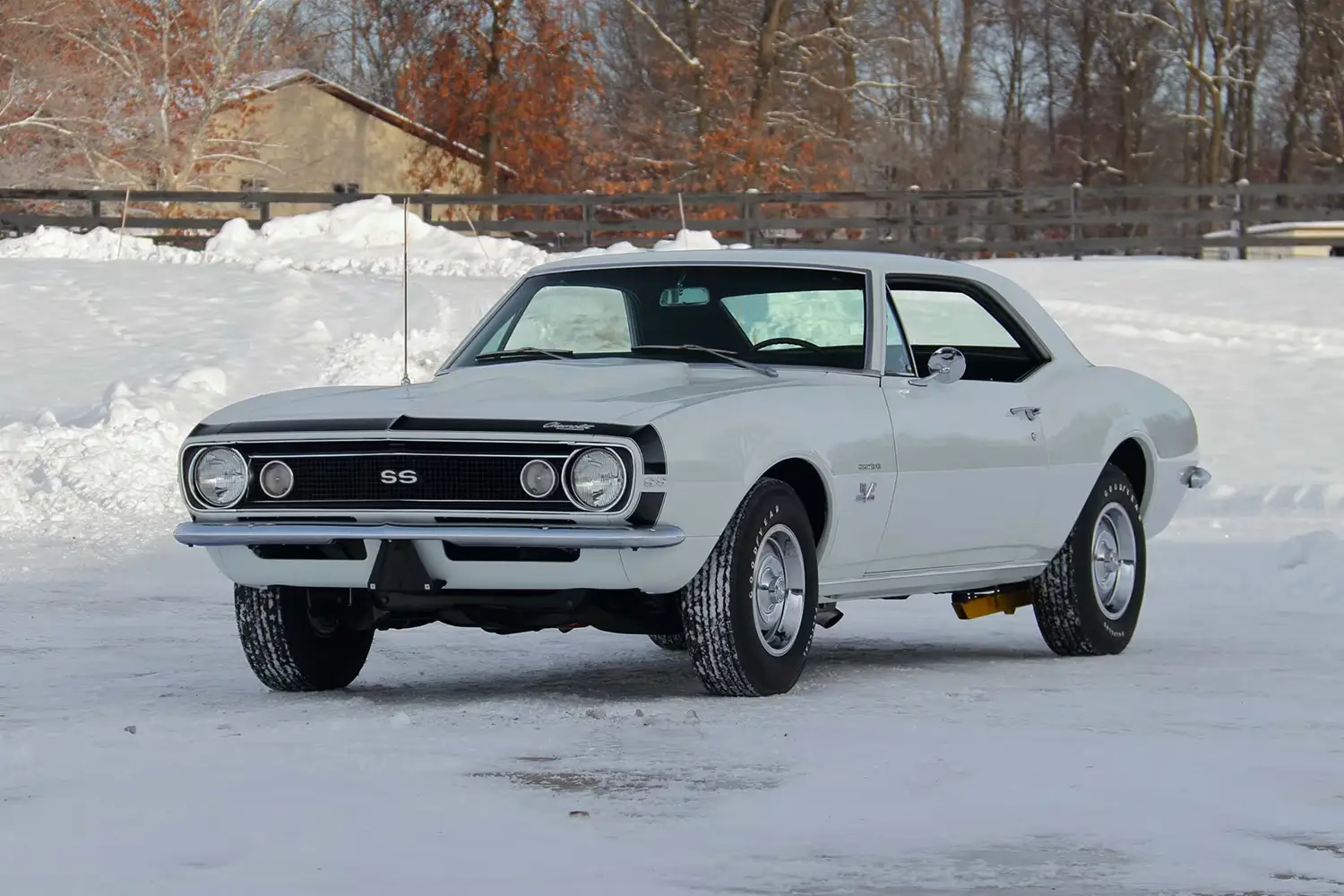
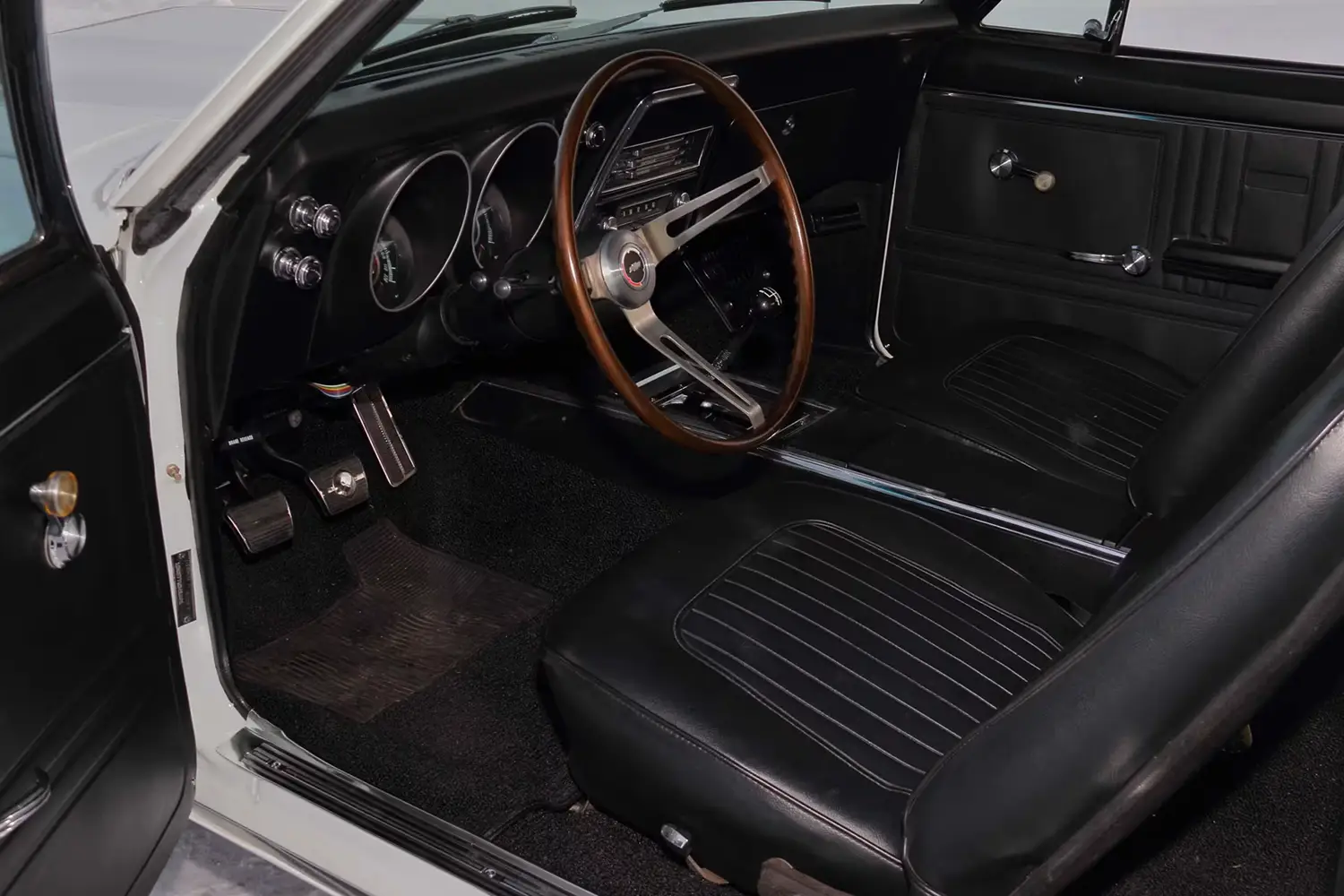
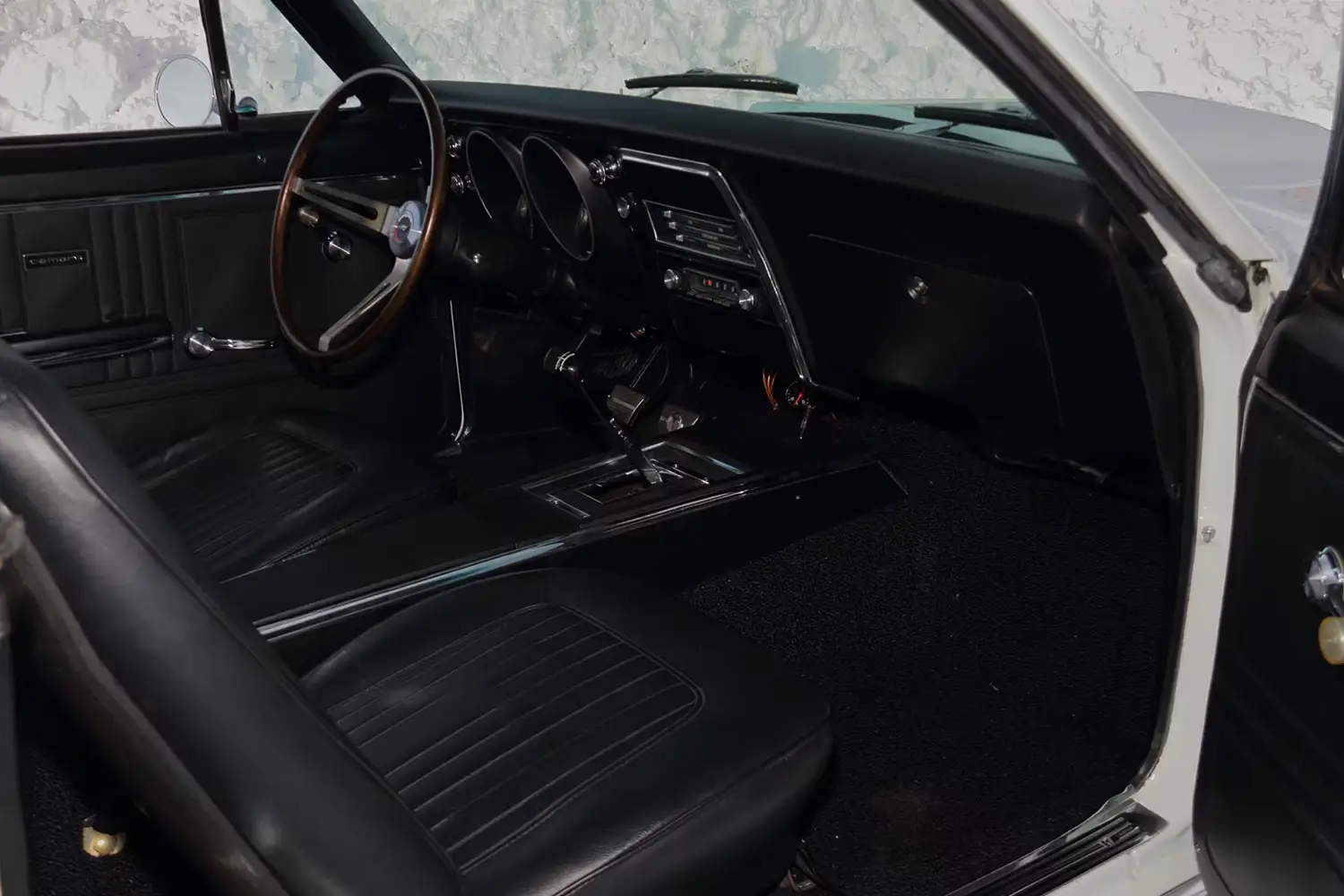
Black Bucket Seat Interior with 4-Speed Manual Controls
The interior of this 1967 Chevrolet Camaro 427 remains faithful to its performance-first mission. It features a black vinyl bucket seat configuration that looks as fresh as the day it was installed. The dashboard is clean and free of modern clutter, retaining the original gauge layout and switchgear. Between the seats sits the floor-mounted shifter for the four-speed manual transmission. This setup provides the visceral, analog driving experience that modern enthusiasts crave. Because this was a fleet-ordered car, the interior reflects a focus on speed rather than luxury options.
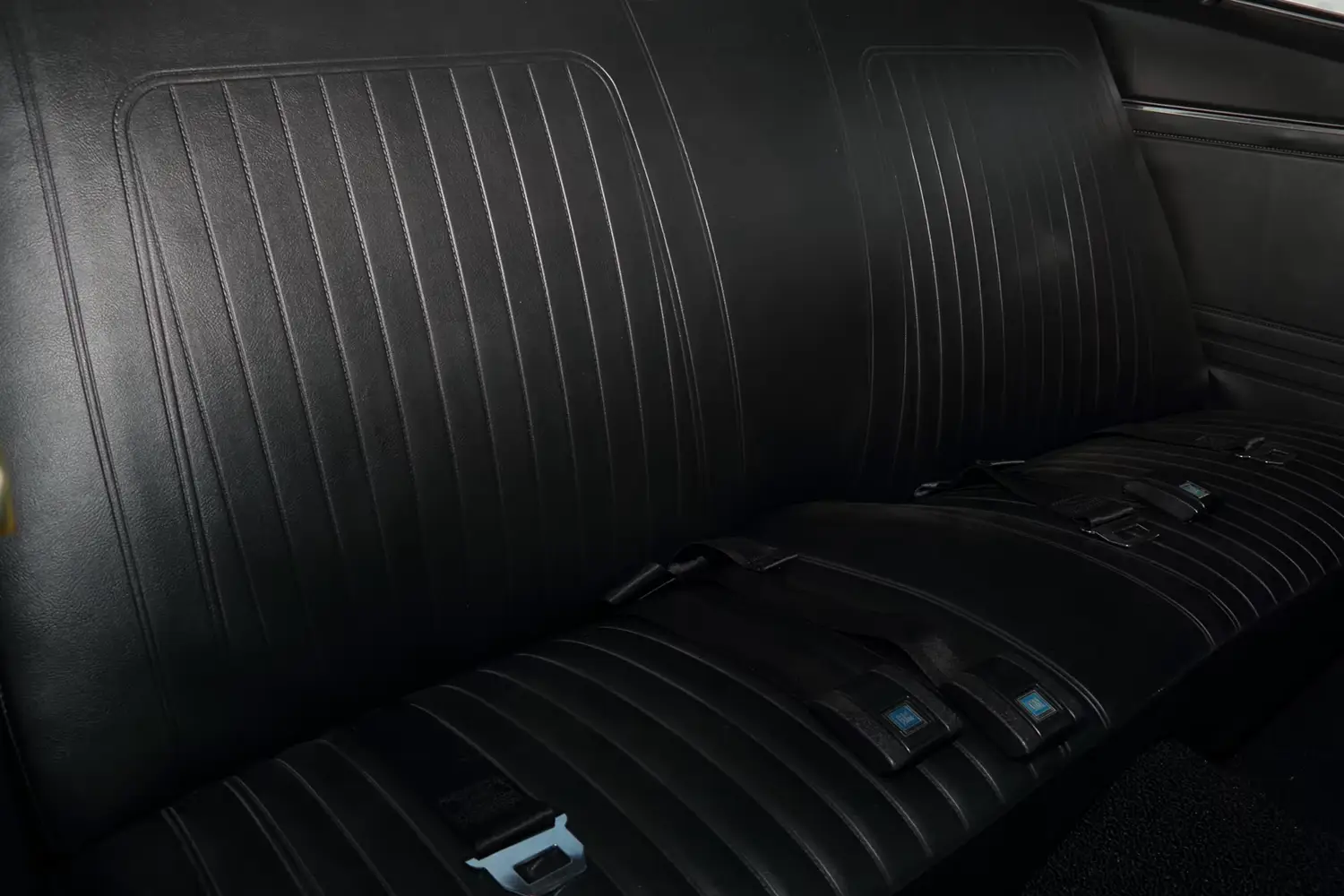
Every interior surface, from the headliner to the carpeting, has been meticulously restored or replaced. The thin-rimmed steering wheel and simple door panels remind the driver of the car’s lightweight, minimalist roots. There are no distracting electronic screens or modern sound systems here to break the 1967 spell. Instead, the cabin is filled with the mechanical sounds of the 427 V-8 and the manual gearbox. The upholstery shows no wear, reflecting the car’s status as a well-kept collector piece. This cockpit serves as a functional command center for one of the most powerful Chevrolets ever built. It offers a nostalgic environment that perfectly captures the spirit of the late sixties drag racing scene. Every handle and knob feels solid and mechanical, built for a lifetime of use.
427/425 HP V-8 Engine and High-Performance Drivetrain
The heart of this 1967 Chevrolet Camaro 427 is a legendary big-block V-8 engine. This 427 cubic-inch unit was factory-rated at an impressive 425 horsepower, though many believe that figure was conservative. This engine features high-flow heads and a performance intake manifold to maximize its breathing capabilities. Power is routed through a rugged 4-speed manual transmission that allows the driver to exploit the full powerband. To handle the massive output, the car is equipped with a heavy-duty 12-bolt rear end. Rear ladder bars help plant the power to the pavement, minimizing the risk of traction loss during hard launches. The mid-chassis exit exhaust ensures that the big-block’s roar is heard clearly by anyone nearby. This powertrain combination was the pinnacle of what a dealership could offer in 1967. It provides a raw, physical driving experience that is increasingly rare in today’s digital world. This is a machine built for speed and documented to prove its elite performance heritage.

1967 Chevrolet Camaro 427 Summary
This 1967 Chevrolet Camaro 427 is a landmark vehicle that represents the birth of the dealer supercar era. Its documented history with Don Yenko and Fred Gibb makes it one of the most significant Camaros at the Kissimmee 2026 auction. The “K-” fleet code and extensive paperwork provide the provenance that high-level collectors demand. With its frame-off restoration and 425-hp engine, it is ready for both the show field and the open road. It carries the weight of two legendary names while maintaining a clean, classic appearance in white. This is a rare opportunity to own a piece of the foundation upon which the Yenko legend was built.

Bidders will appreciate the rarity of a 1967 model equipped with such a potent big-block drivetrain. As the market continues to favor documented survivors and high-quality restorations, this Camaro stands out as a blue-chip asset. It tells a story of a time when the factory said “no” and the dealers said “yes” to performance. Every detail, from the 12-bolt rear end to the Rally wheels, has been handled with historical reverence. This car is a turn-key entrance into the highest tier of the muscle car hobby. It remains a powerful symbol of American performance and dealership ingenuity. Lot F340 is truly a highlight of the Friday block that should not be overlooked. This Camaro is prepared to make a major statement in its next collection.
Disclaimer: Content on this site is for informational and entertainment purposes only. Details, analyses, and opinions reflect current trends and personal views, not professional or financial advice. Always verify information with official sources before making any decisions.
Source: mecum.com