The 1978 Ford Mustang II Mach 1 often sits at a unique crossroads of automotive history, representing the final year of the second-generation body style. This specific example has moved far beyond its factory roots thanks to a detailed refurbishment completed between 2020 and 2024. By blending vintage aesthetics with more modern Ford mechanicals, the previous owners created a pony car that feels significantly more capable than a standard survivor.
Visual Transformation and Cobra Styling
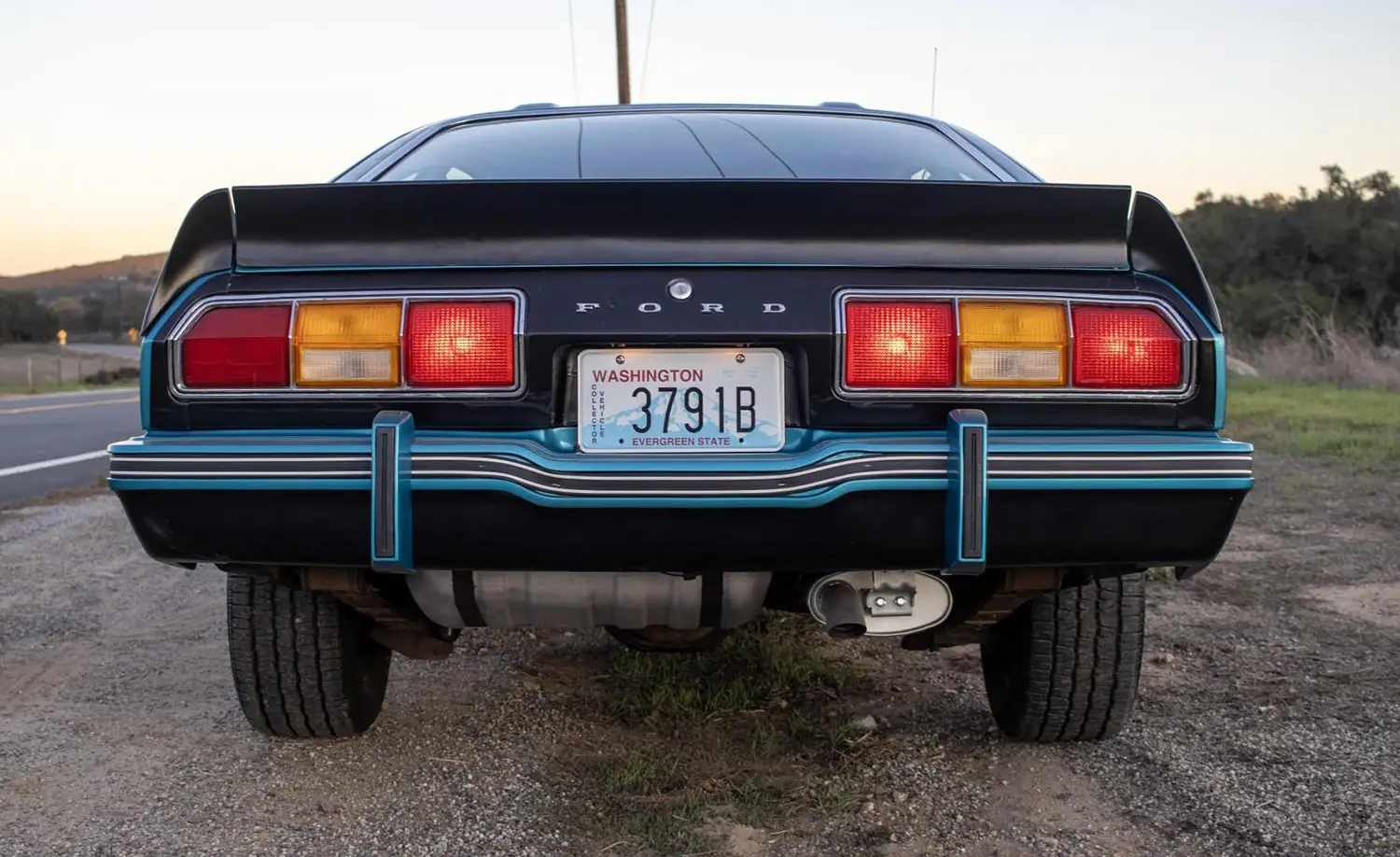
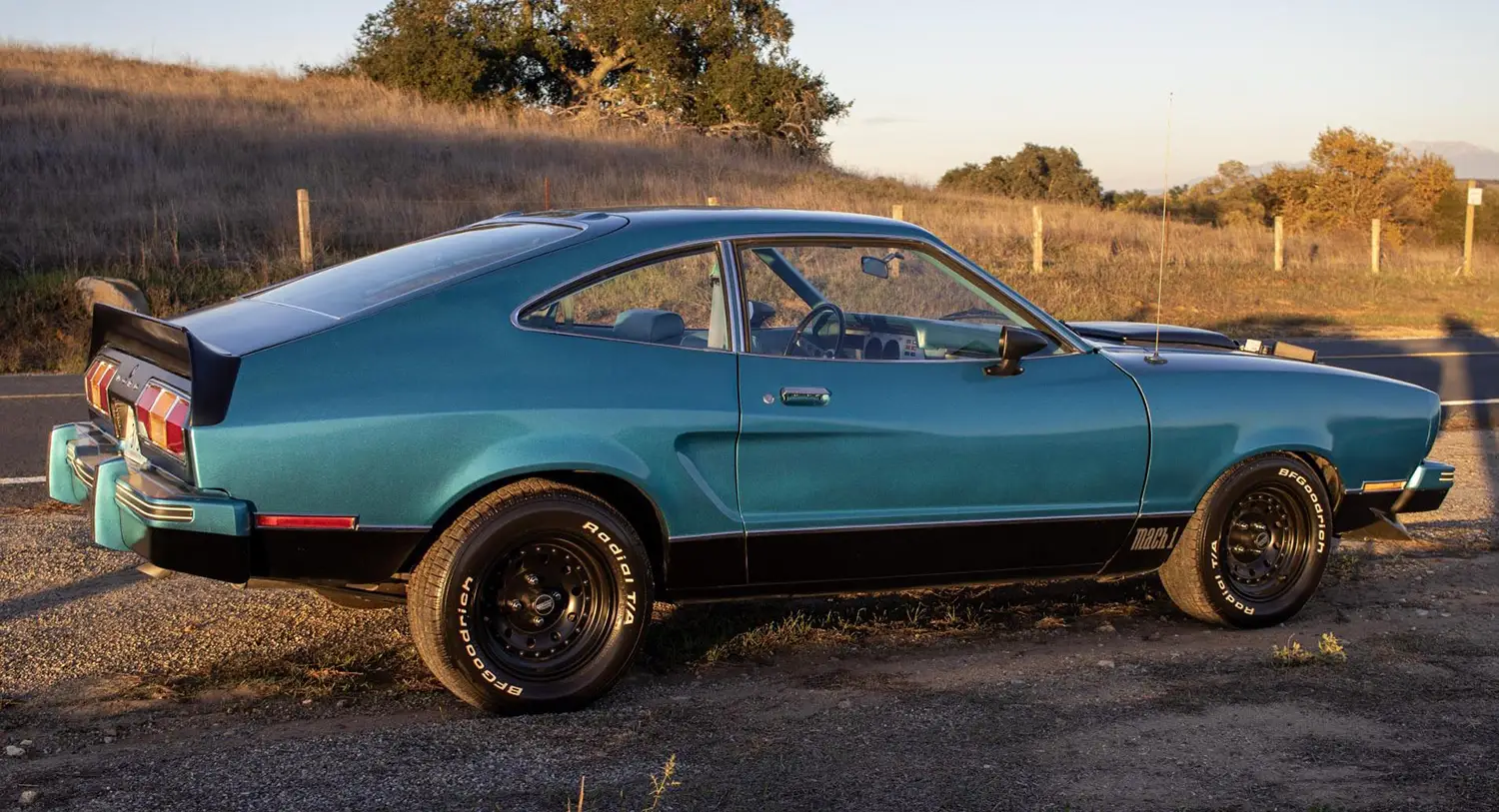
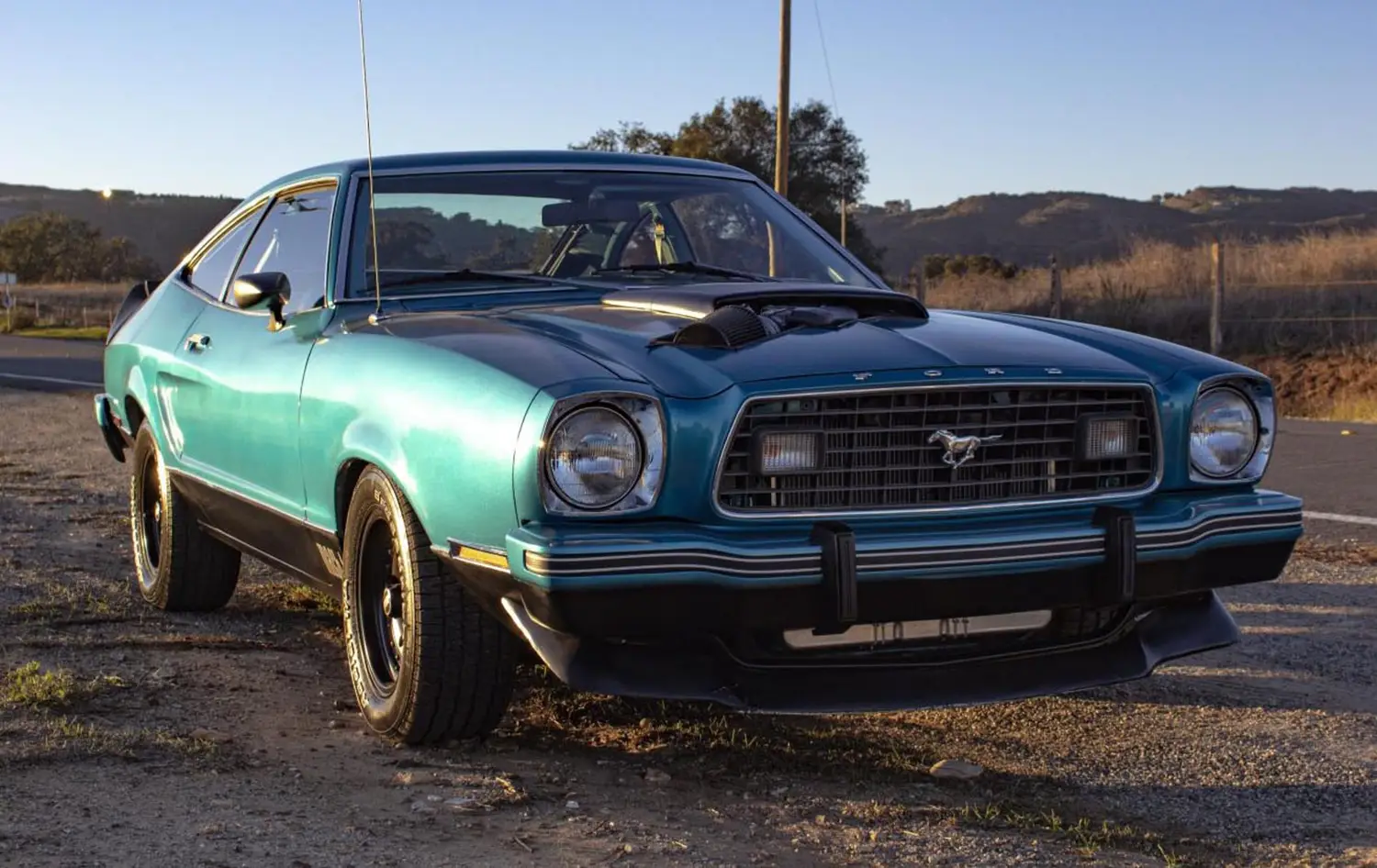
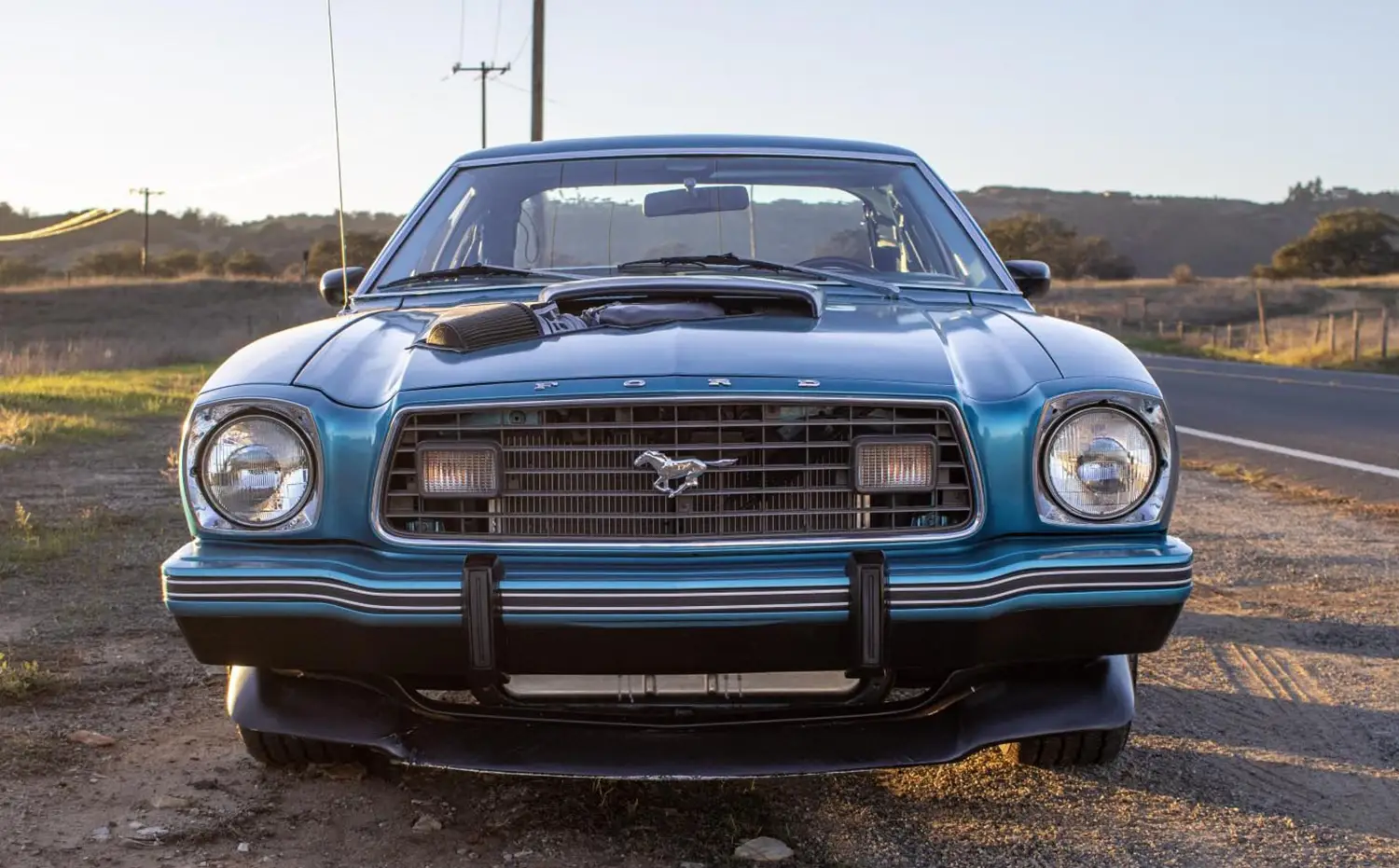
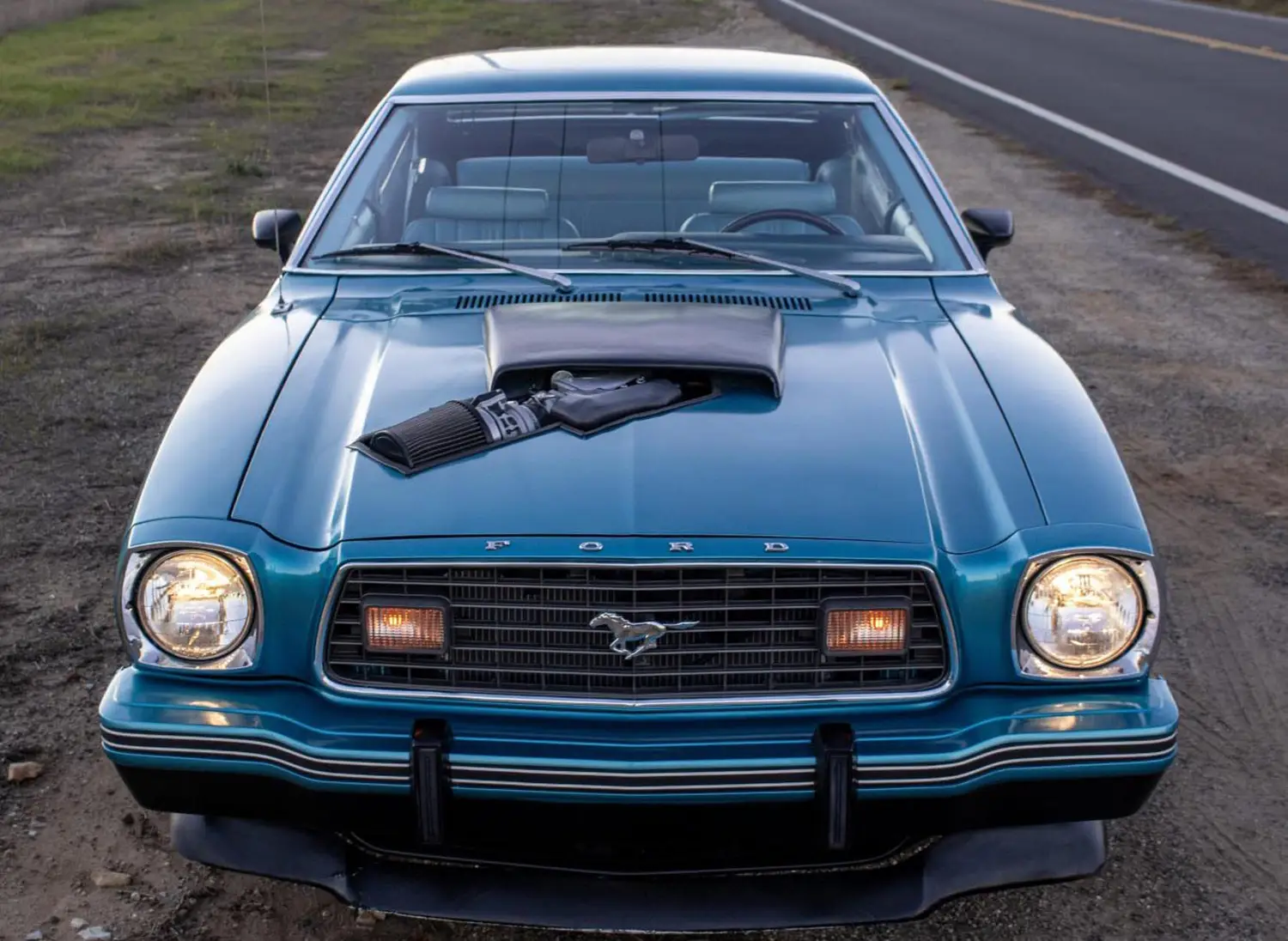
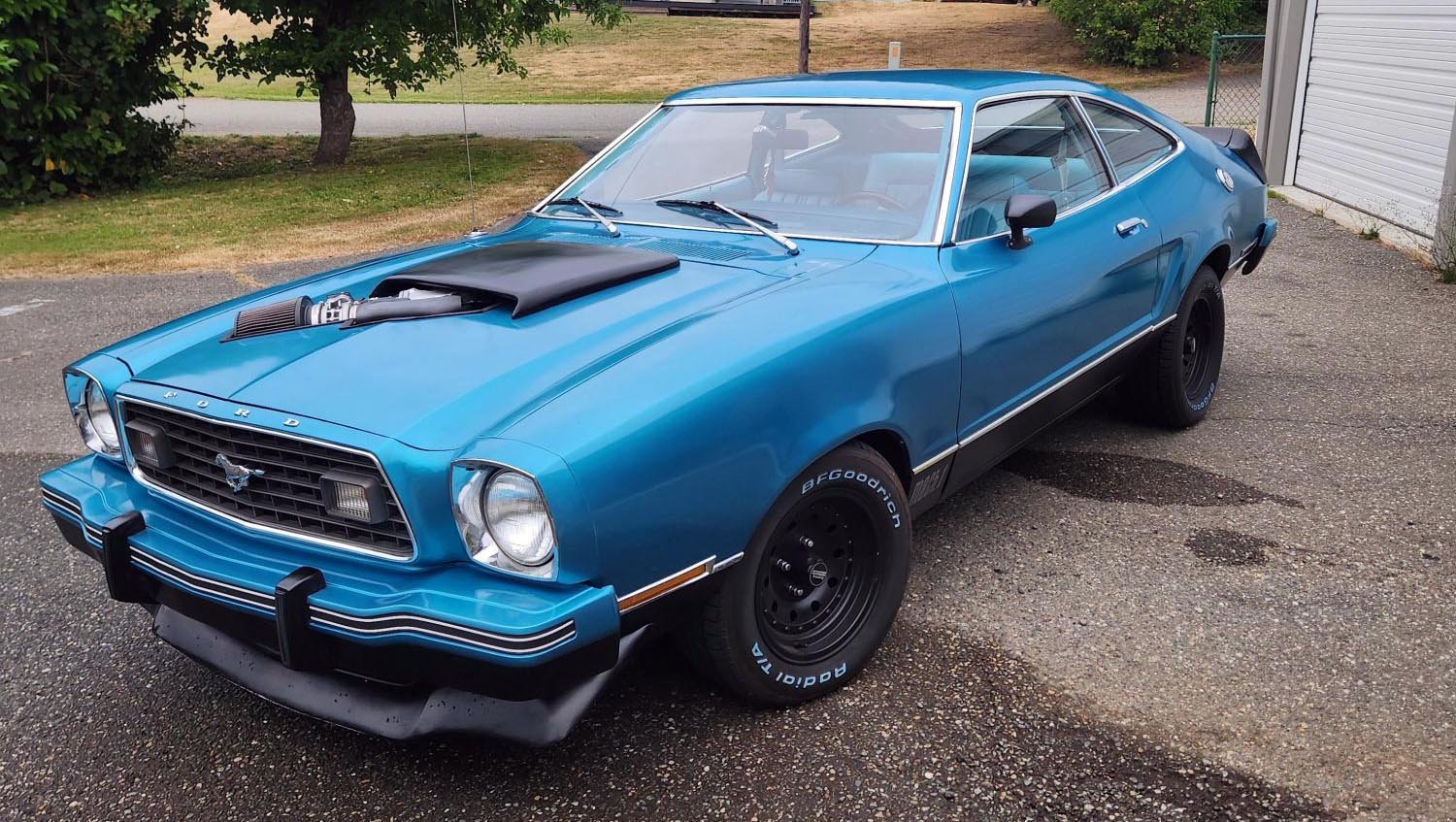
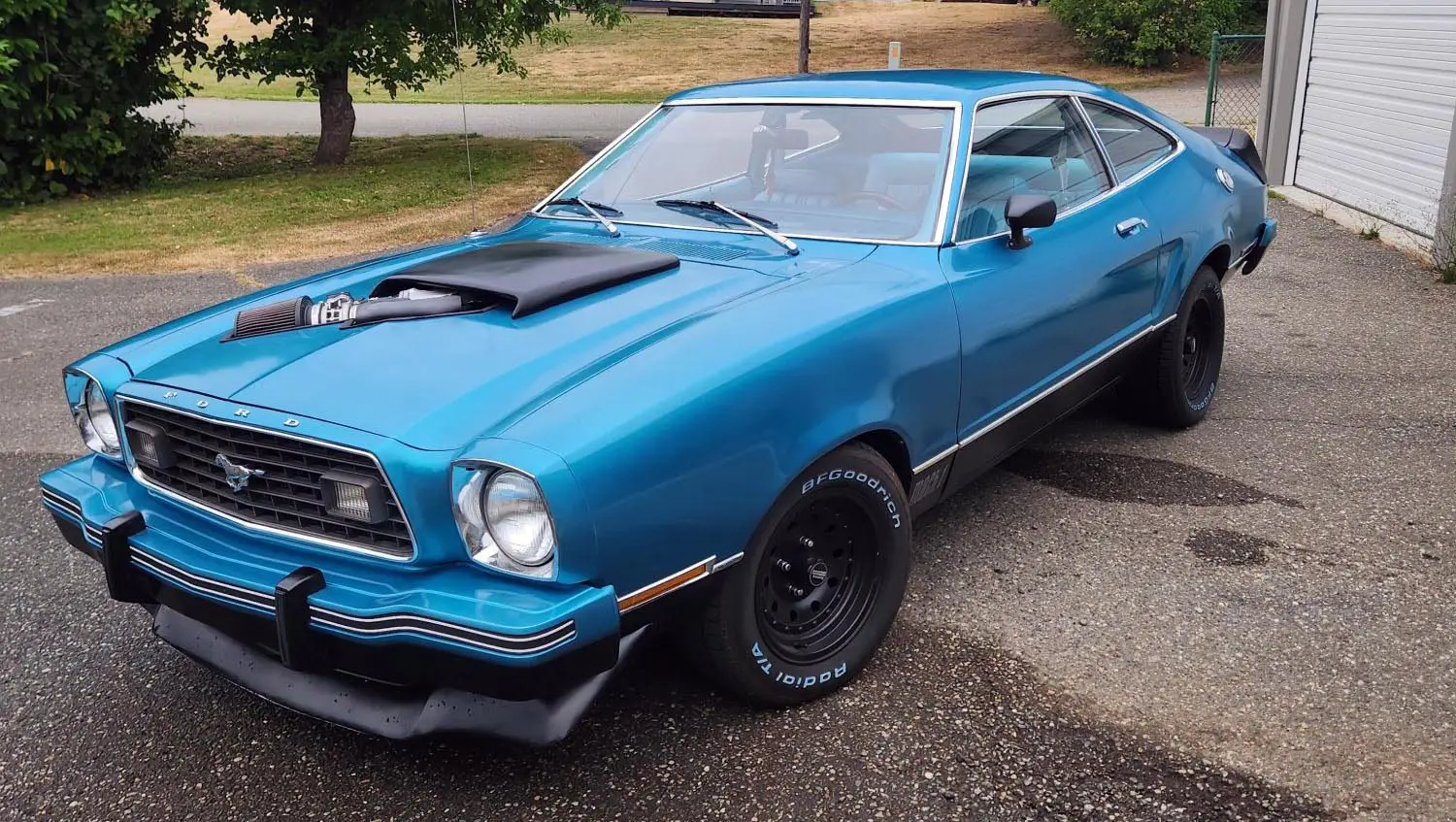
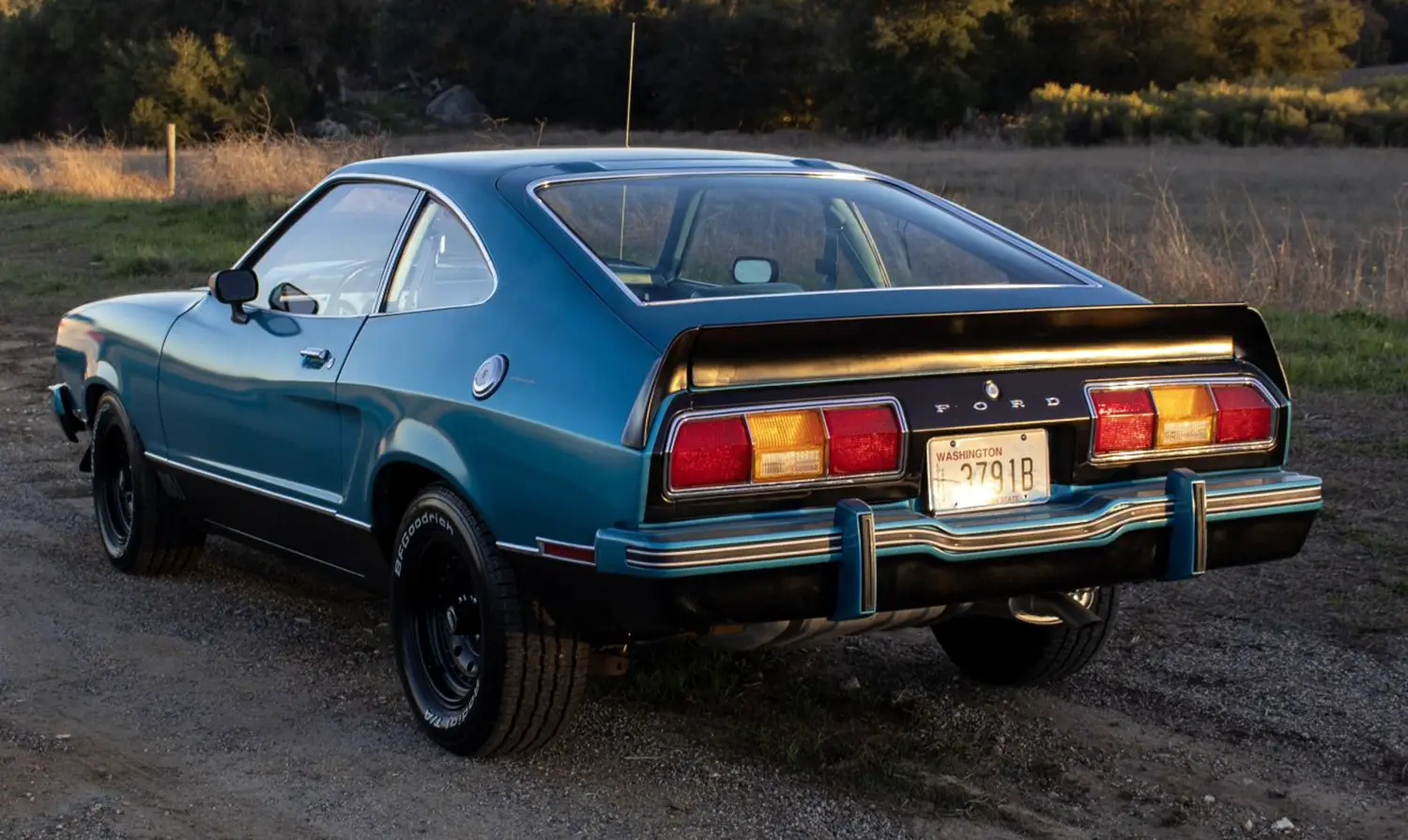
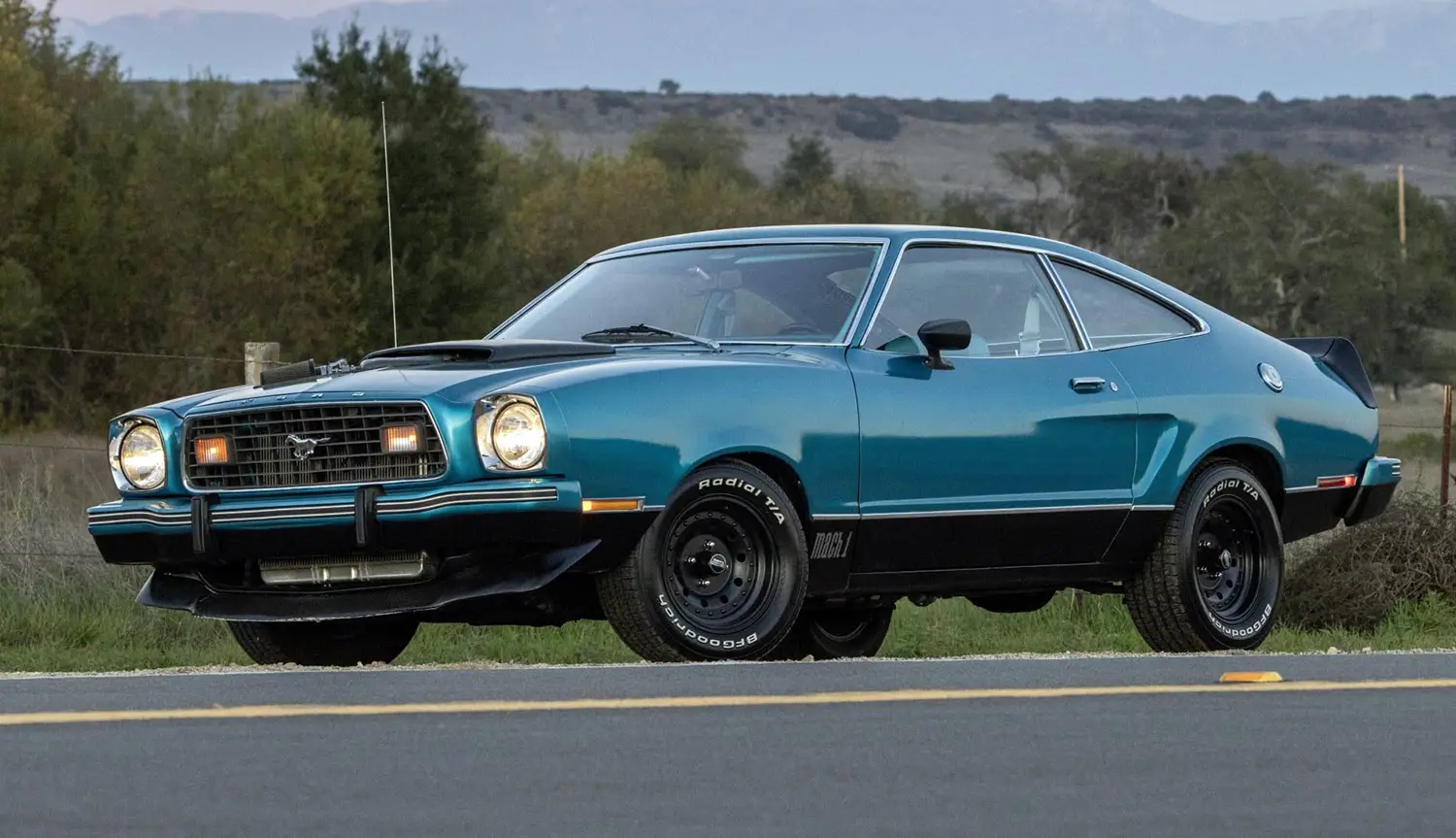
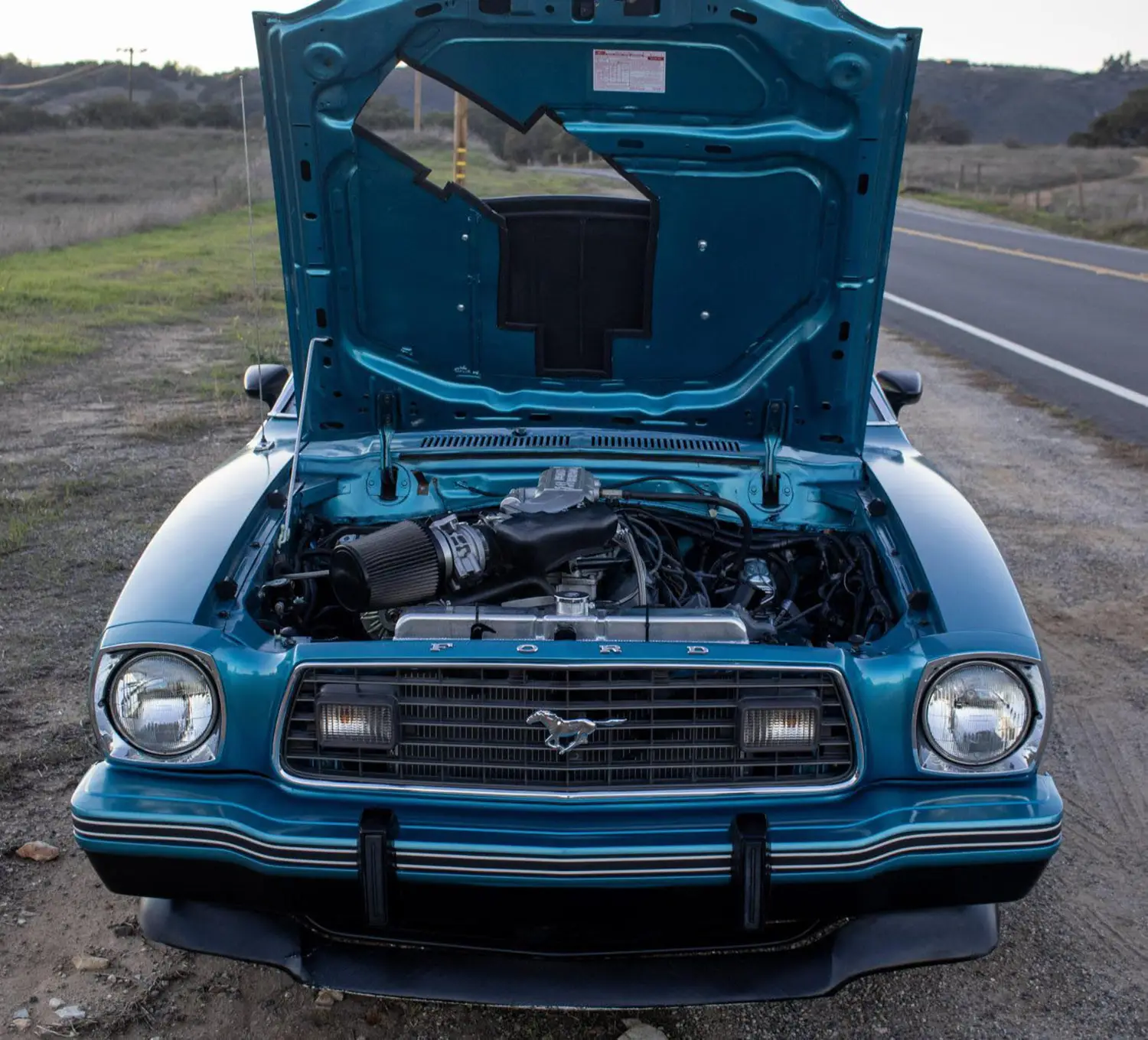
The body was refinished in a striking metallic turquoise in 2024, giving the car a fresh and vibrant presence. Builders added Cobra II-style spoilers to the front and rear to enhance the aerodynamic profile. A notable custom cutout in the hood was required to clear the intake for the replacement engine. Black lower panels and Mach 1 badges provide a classic contrast against the bright primary paint.
Chassis and Handling Upgrades
The front suspension underwent a total overhaul in 2020 to sharpen the car’s steering response. A thicker aftermarket sway bar was integrated to reduce body roll during cornering. Black-finished 14-inch American Racing wheels add a contemporary touch while housing power-assisted front disc brakes. These updates ensure the car handles with more precision than its original 1970s configuration allowed.
Refreshed Blue Vinyl Interior
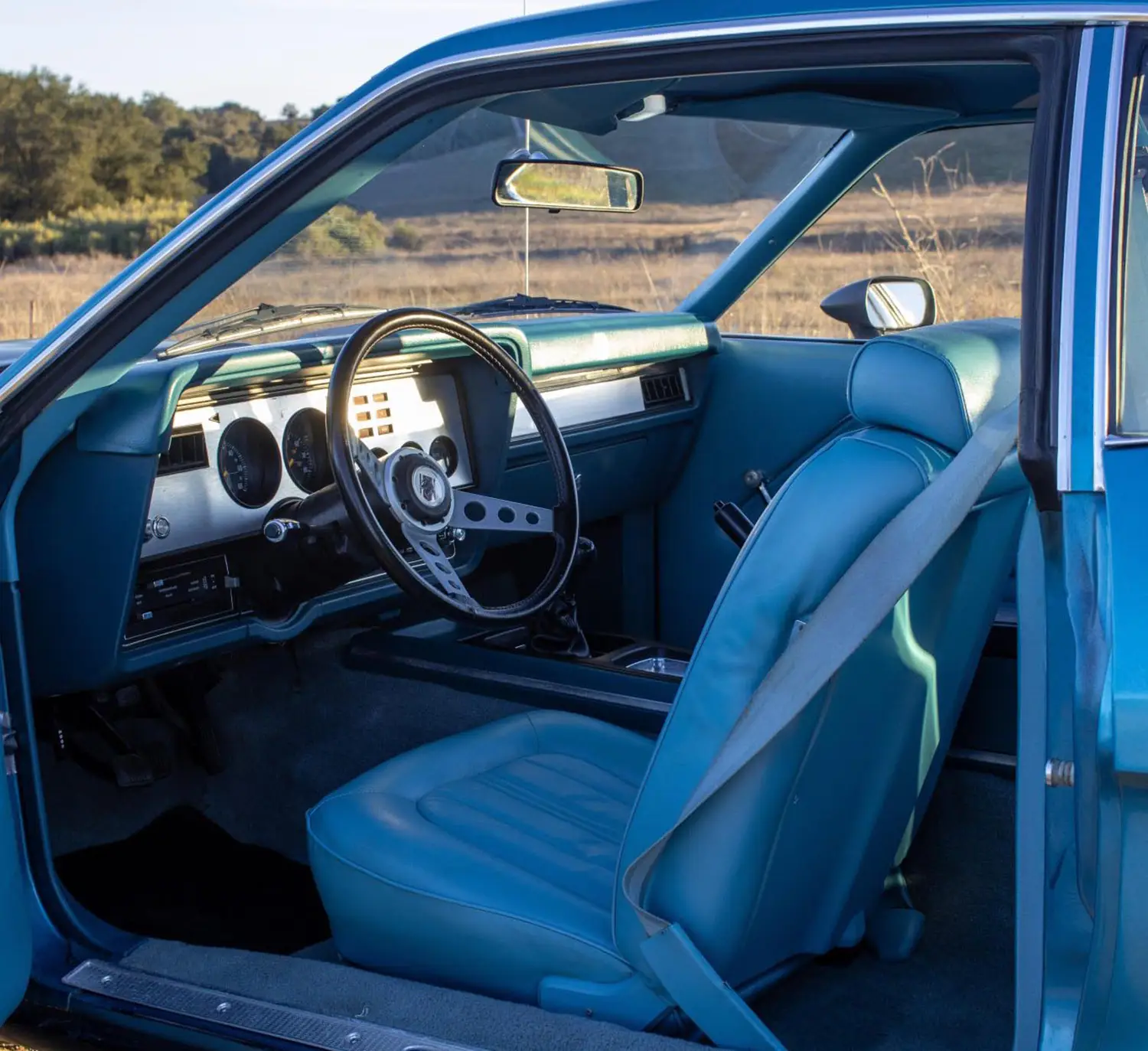
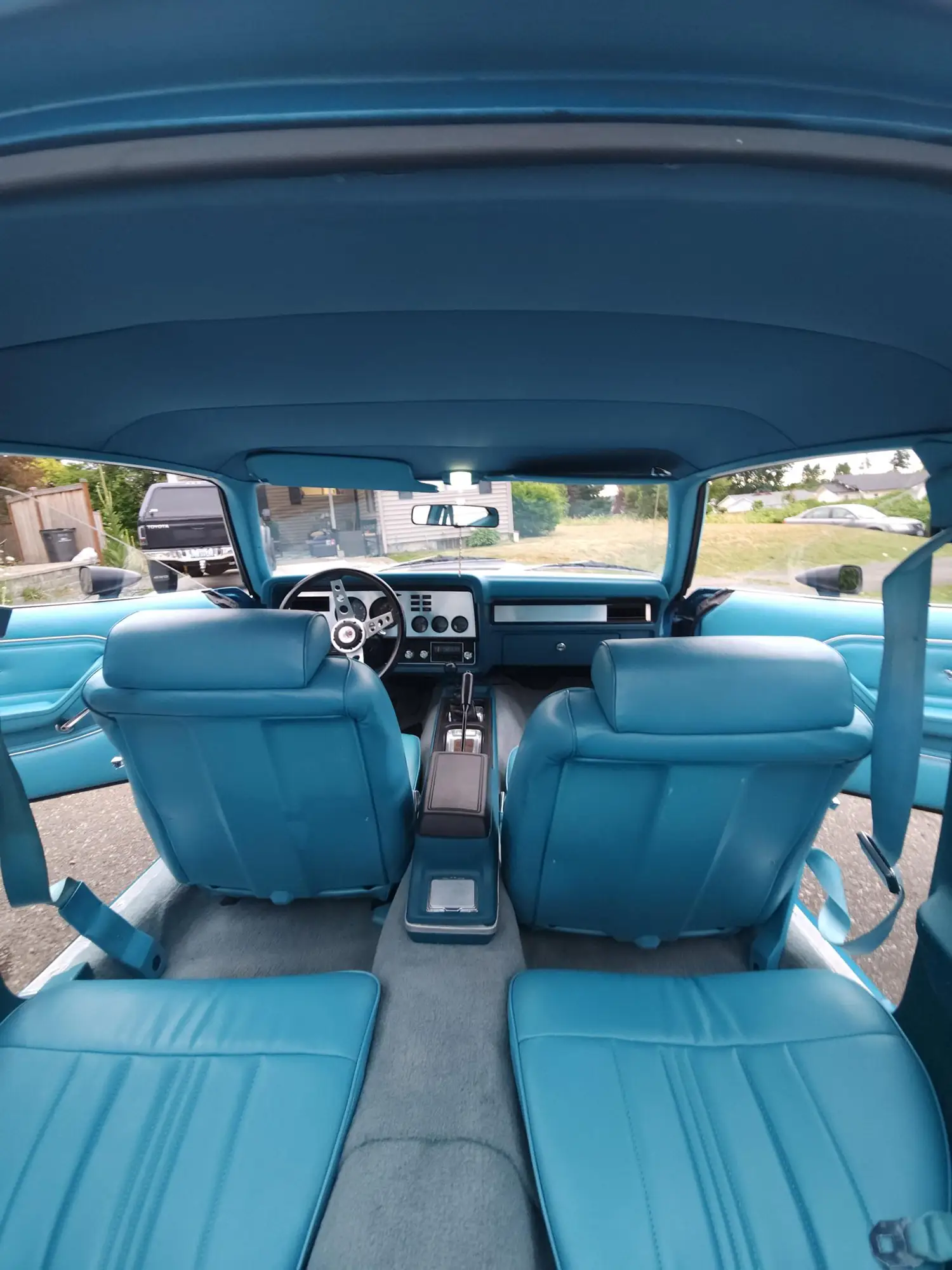
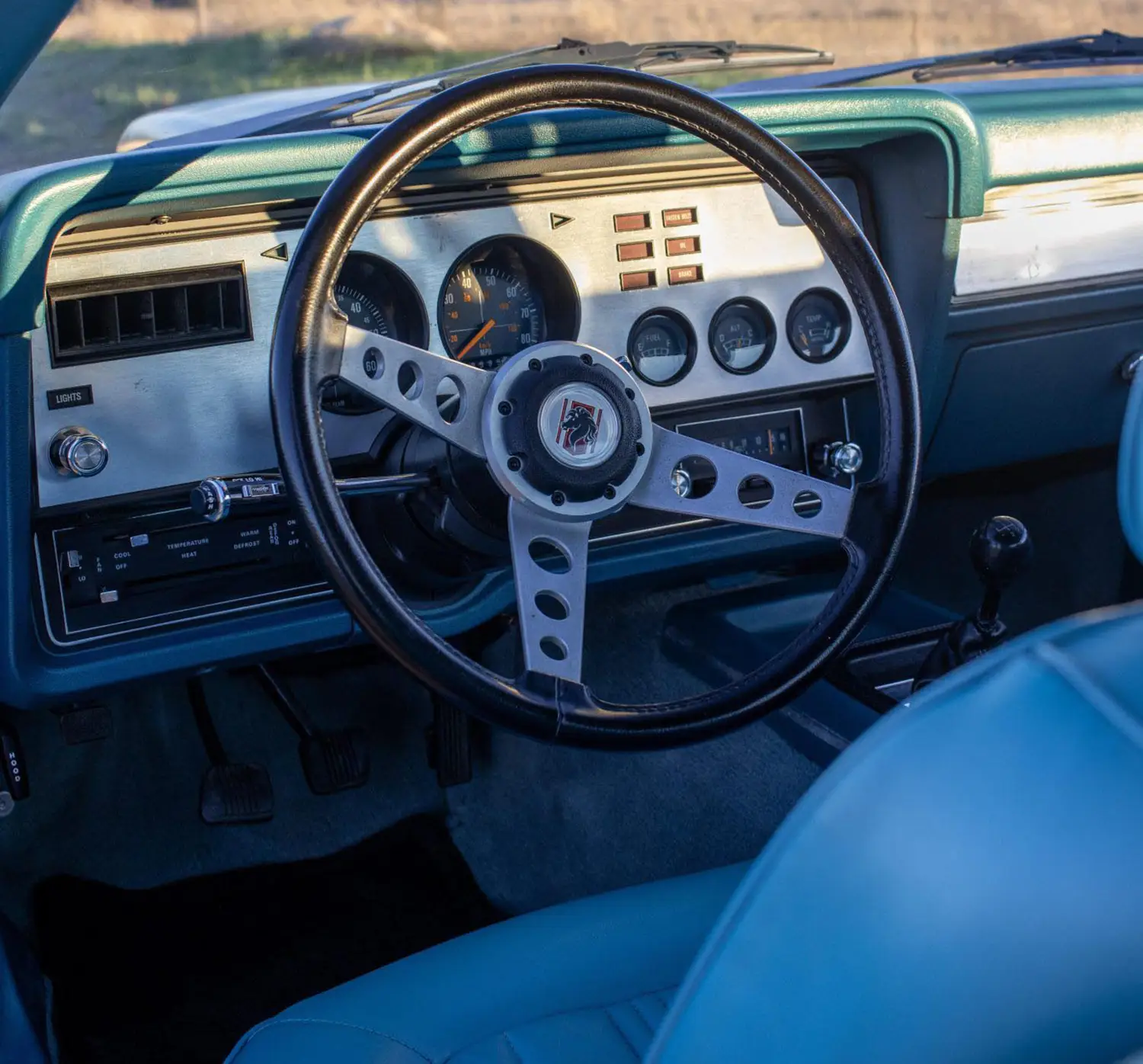
Inside the cabin, the color palette remains consistent with the exterior theme. Front bucket seats and the rear bench were re-trimmed in light blue vinyl for a clean and cohesive look. The restoration included a new headliner and gray carpeting to freshen the entire environment. A center console and the original push-button AM radio maintain a sense of period-correct charm for the driver.
Instrumentation and Driver Interface
A three-spoke steering wheel sits ahead of a functional gauge cluster. The dashboard houses an 86-mph speedometer and a tachometer for monitoring the engine’s vitals. Additional gauges track fuel level, alternator charge, and coolant temperature accurately. While the five-digit odometer shows 50,000 miles, the car’s mechanical health is largely defined by its more recent heart transplant.
Engine Specifications and Performance
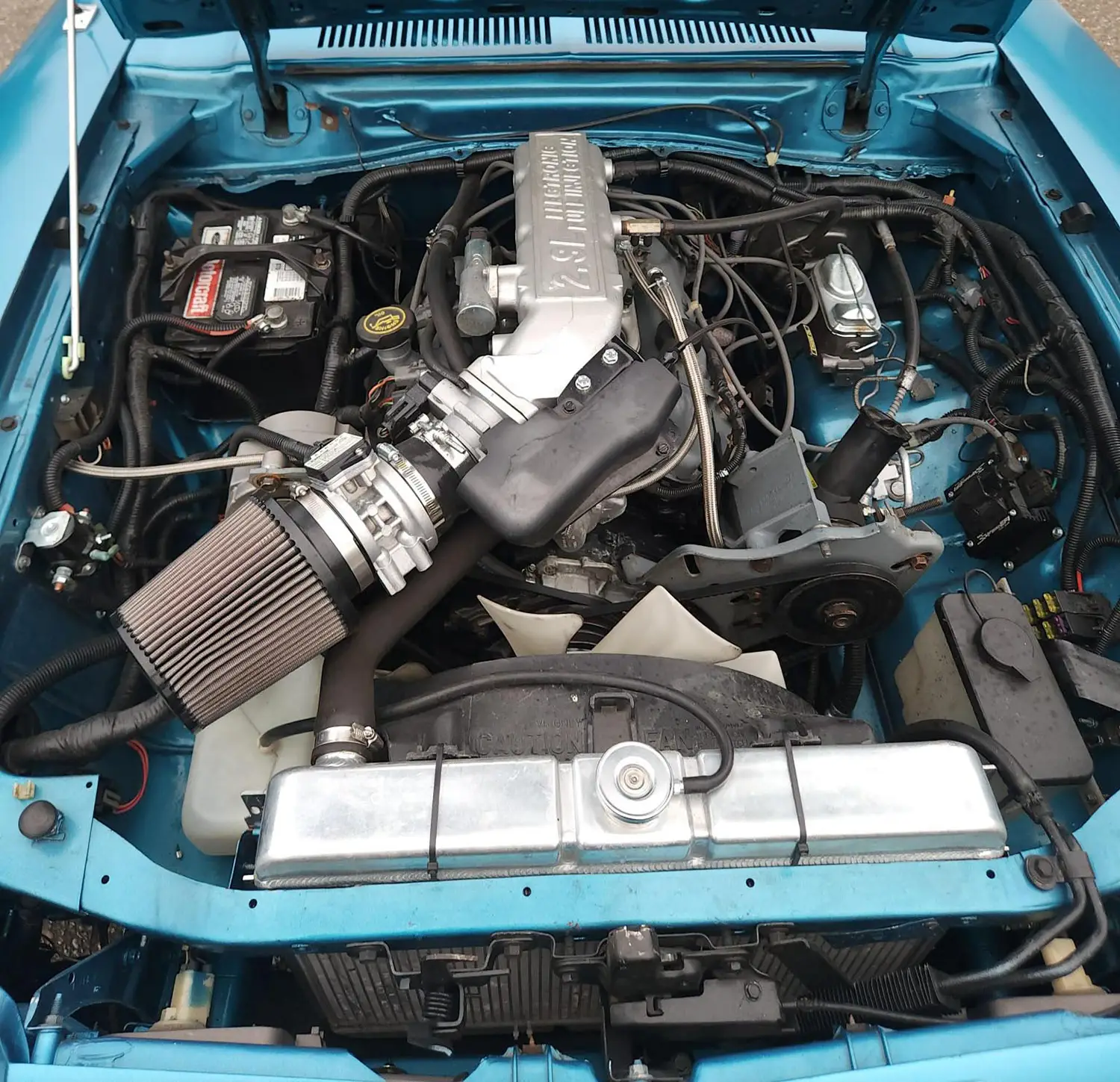
Performance is driven by a later-model 2.9-liter V6 engine featuring electronic fuel injection for improved reliability. This unit was rebuilt in 2020 and features an aftermarket camshaft and a 5.0-style mass airflow sensor. An aluminum radiator helps manage temperatures during extended drives. The fuel-injected V6 is paired with a four-speed manual transmission, offering the driver a high level of engagement and control.
Mechanical Integration and Drivetrain
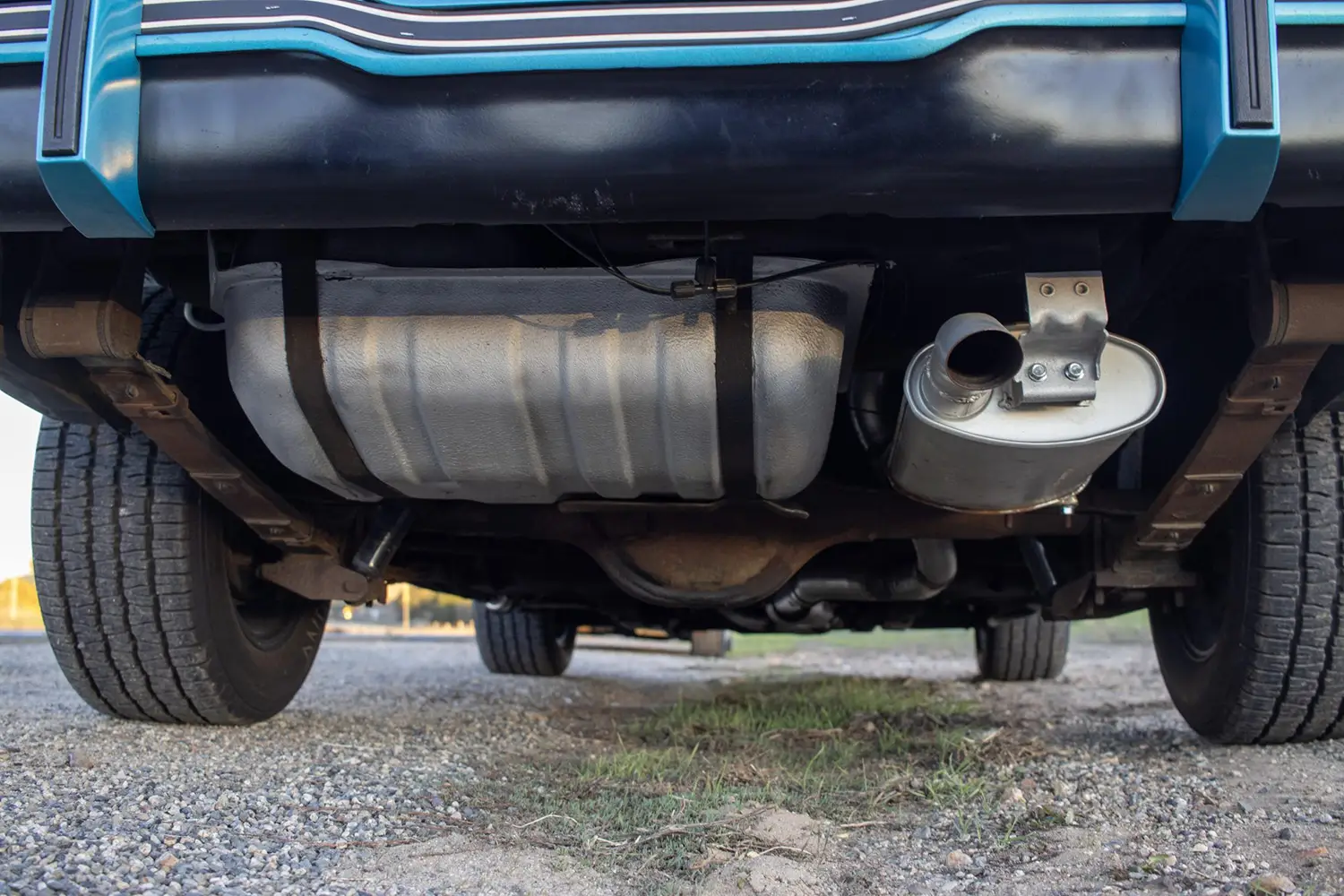
The engine swap required careful integration, including a custom intake assembly that protrudes through the hood. Power reaches the rear wheels through a traditional four-speed manual gearbox. This setup provides a much more spirited driving experience compared to the smog-era engines originally found in these models. Modern EFI technology ensures smoother power delivery across the entire RPM range.
Reflecting on the Mach 1 Build
This 1978 Ford Mustang II Mach 1 stands as a creative interpretation of a frequently overlooked era of American performance. It utilizes a mix of classic Mach 1 identity and more modern Ford V6 components to stay relevant on today’s roads. The inclusion of power rack-and-pinion steering and updated suspension makes it a usable enthusiast vehicle. It remains a distinctive choice for those who appreciate the Mustang II silhouette.
Disclaimer: Content on this site is for informational and entertainment purposes only. Details, analyses, and opinions reflect current trends and personal views, not professional or financial advice. Always verify information with official sources before making any decisions.
Source: bringatrailer.com