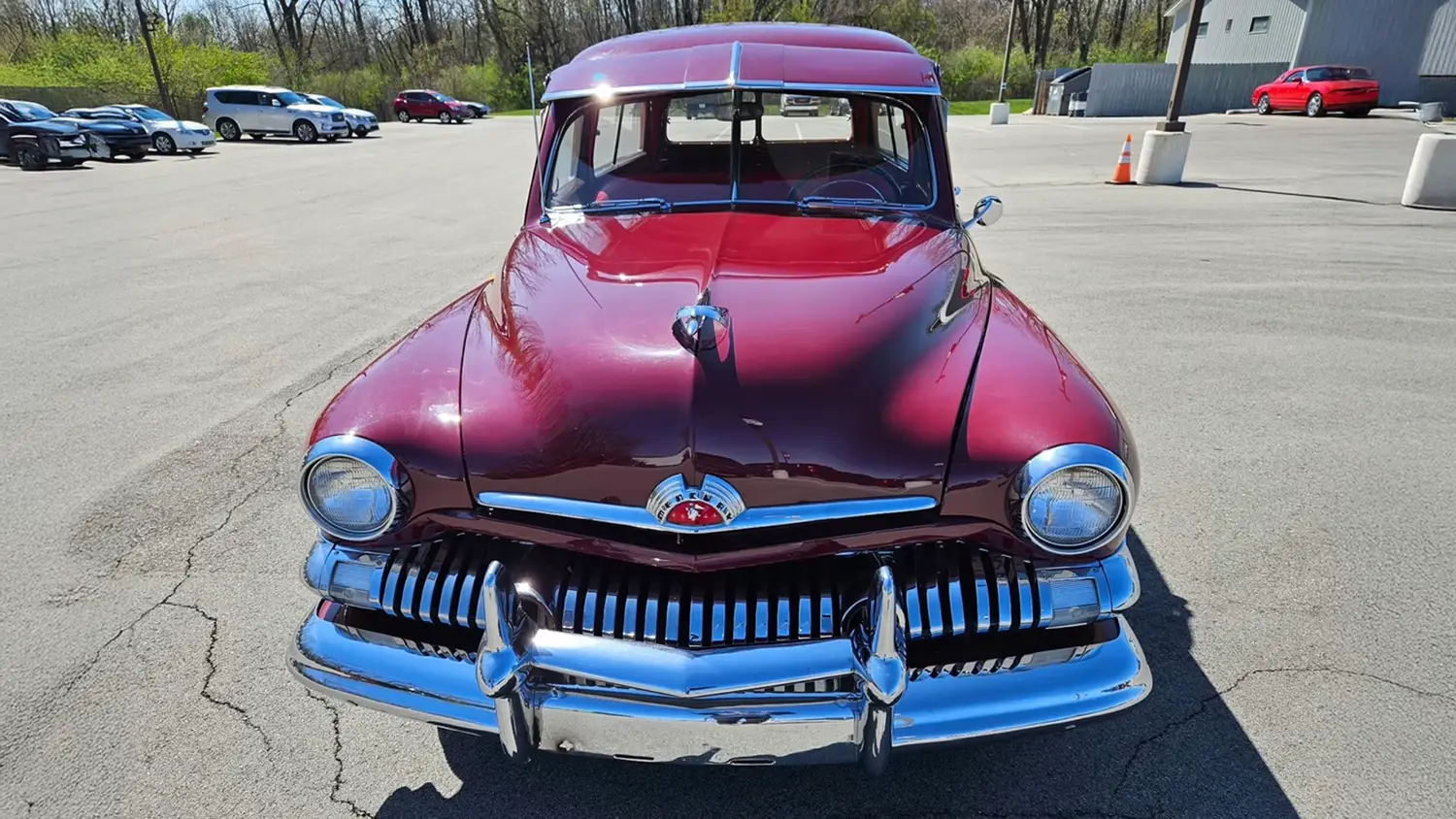
The 1951 Mercury Woody Wagon stands as a rolling testament to an era where automotive manufacturing was as much about carpentry as it was about metalwork. As the final year of the iconic “bathtub” styling era, this particular wagon represents a high-water mark for Mercury’s post-war design language. By integrating organic materials with a streamlined steel chassis, Ford’s upscale division created a vehicle that felt equally at home at an elite country club or a sun-drenched surf break. This Burgundy example, scheduled for the Indy 2026 auction on Saturday, May 9th, remains a centerpiece for enthusiasts who value the disappearing art of hand-crafted wood paneling.
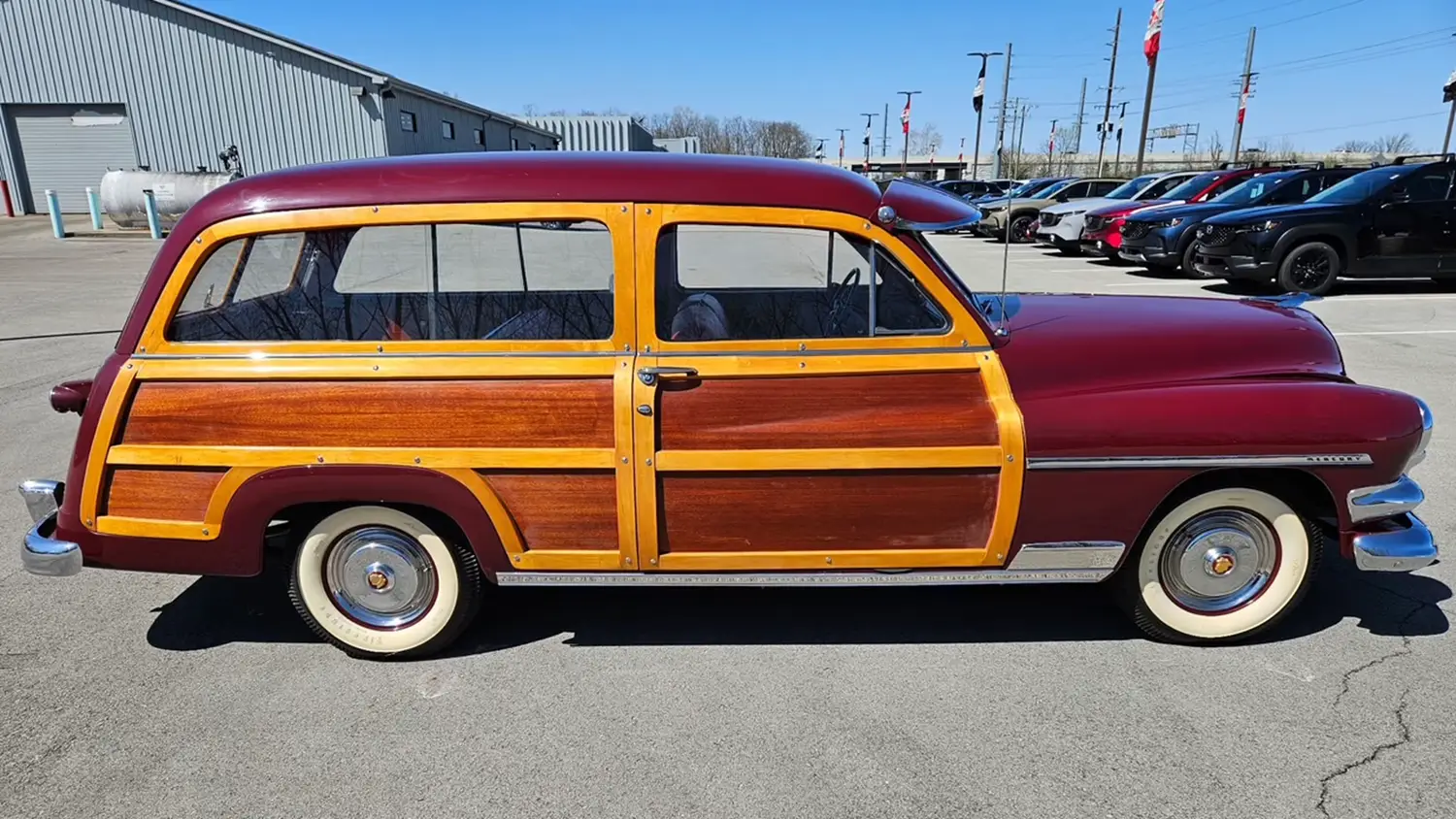
Hand-Crafted Timber and Burgundy Sophistication
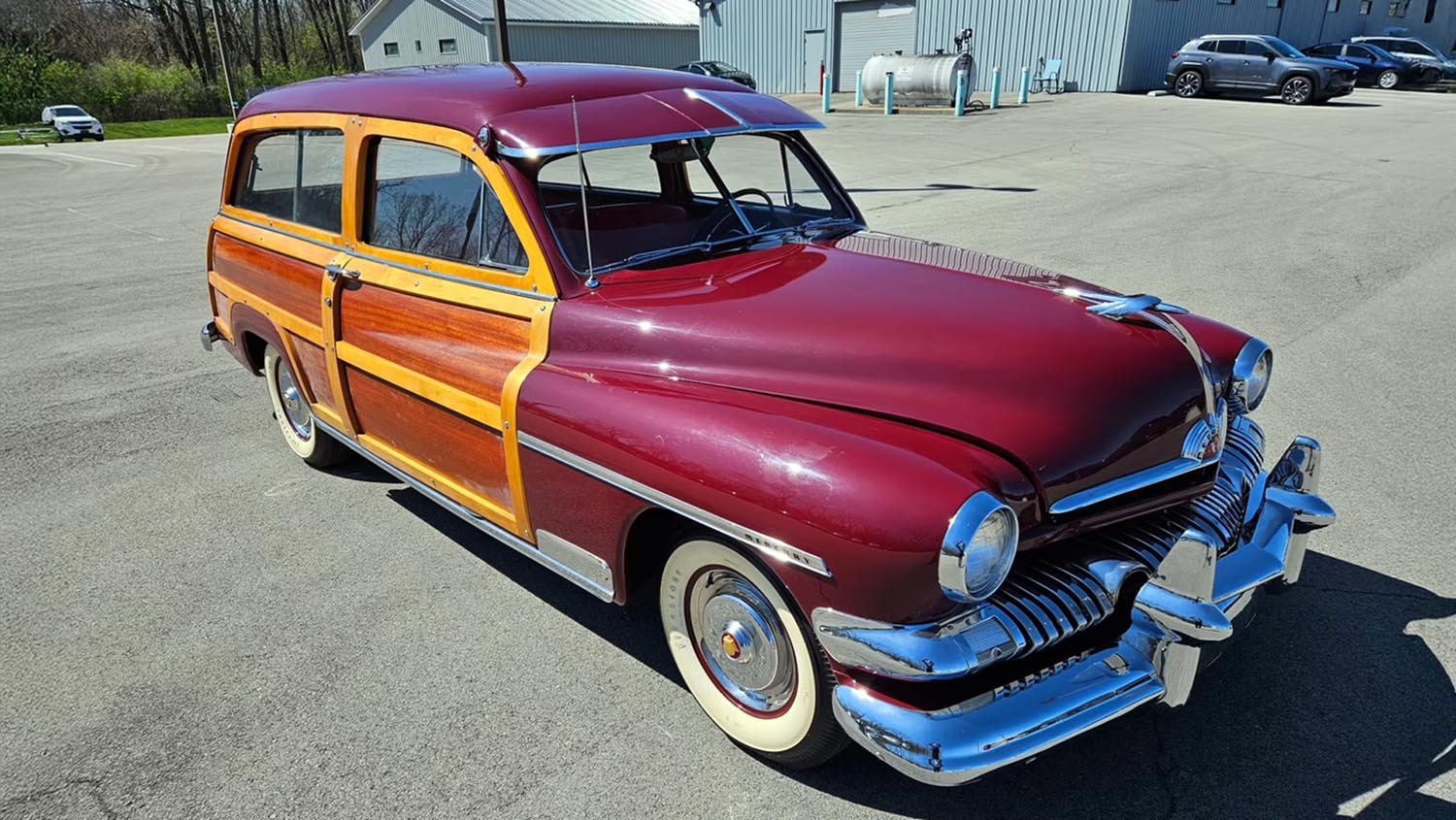
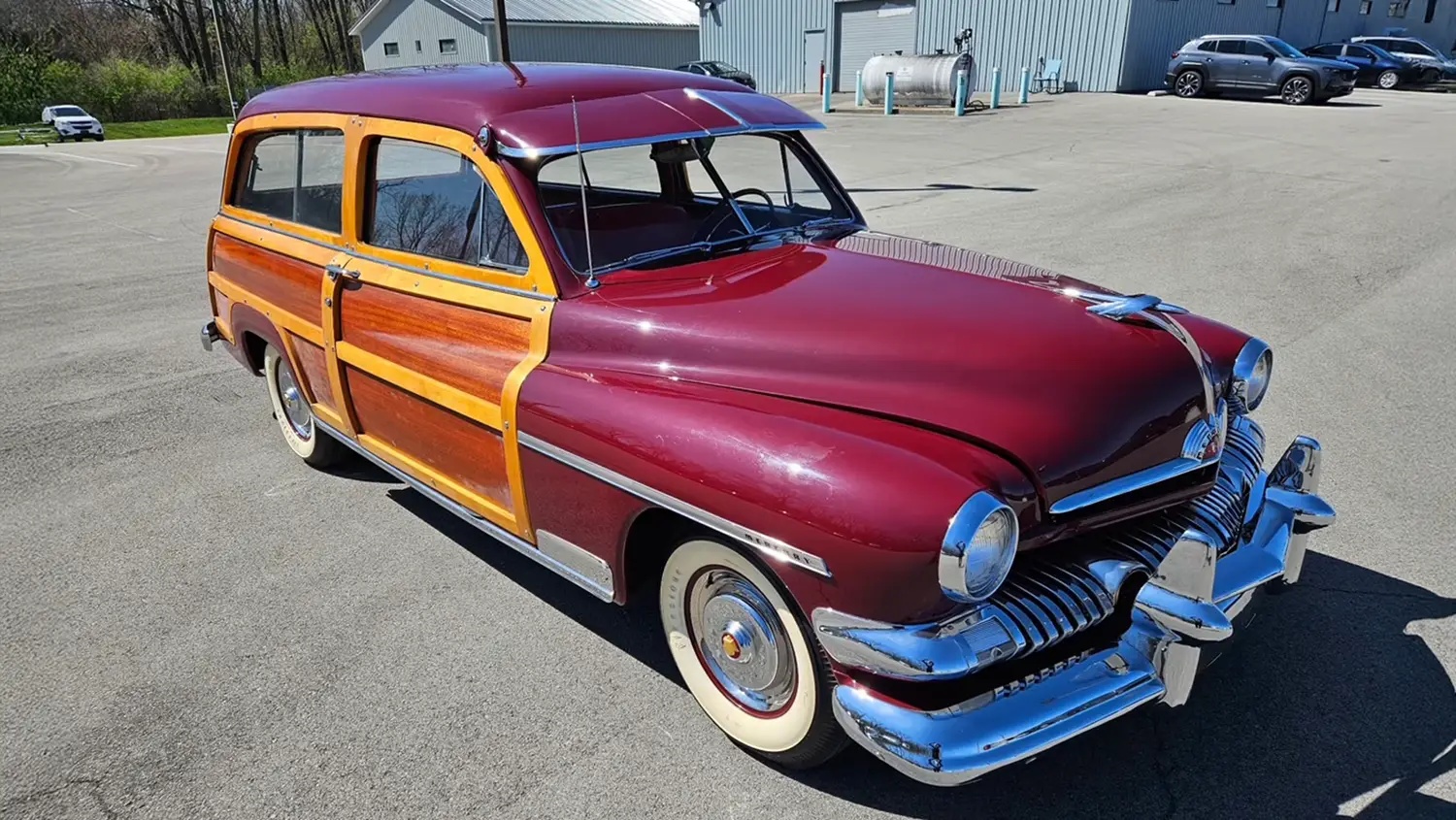
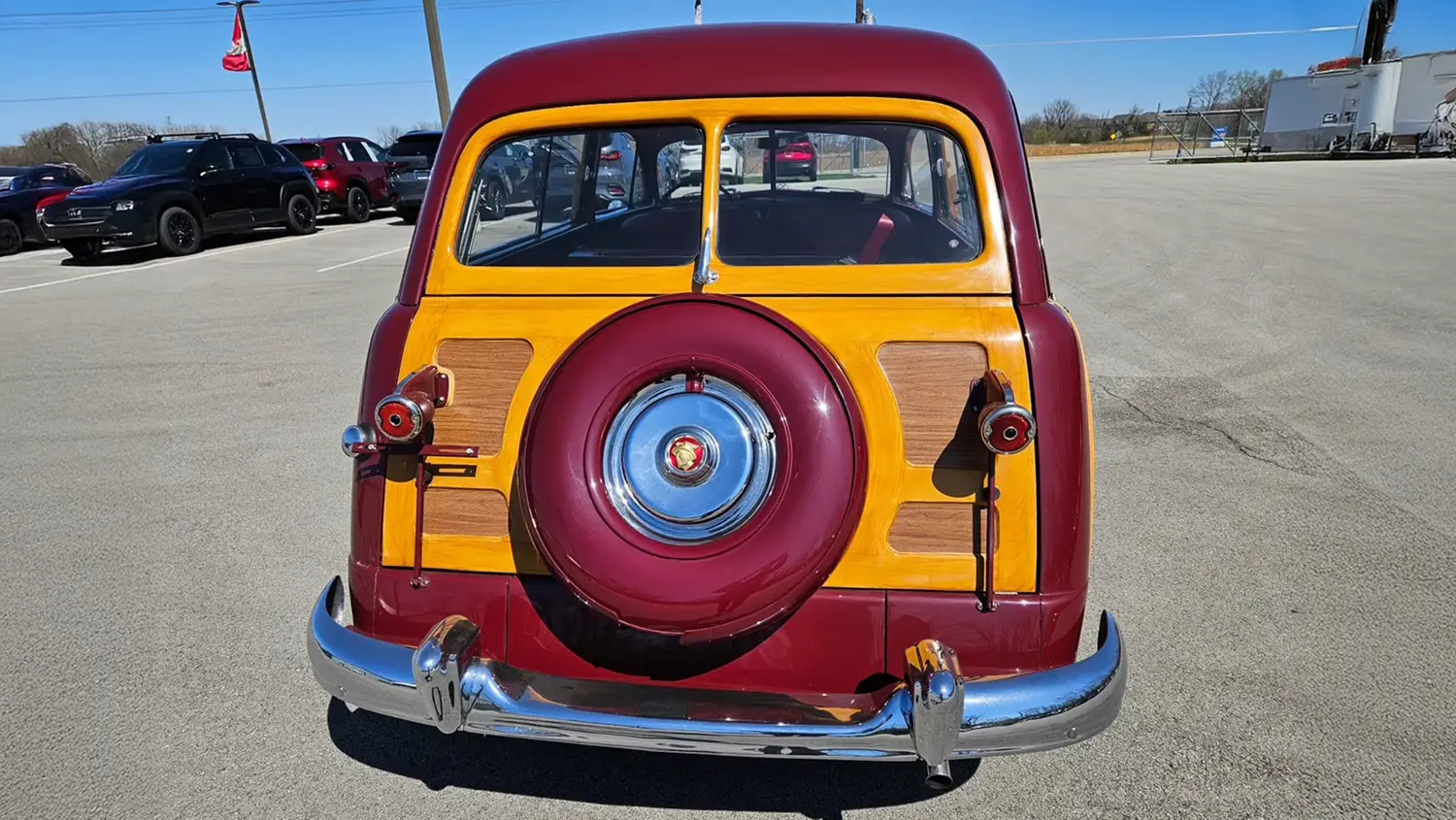
The visual character of the 1951 Mercury Woody Wagon is dominated by its sprawling, hand-finished wood panels that contrast beautifully against the deep Burgundy paintwork. Unlike later “Di-Noc” vinyl imitations, this authentic woodwork provides a rich, tactile silhouette that defines the classic American station wagon. The exterior is further elevated by a period-correct sun visor and full-size wheel covers wrapped in traditional whitewall tires. At the rear, a metal shell case houses the spare tire, completing a functional yet stylish profile. This aesthetic effectively bridged the gap between pre-war tradition and the jet-age optimism that would soon dominate Detroit’s drafting boards.
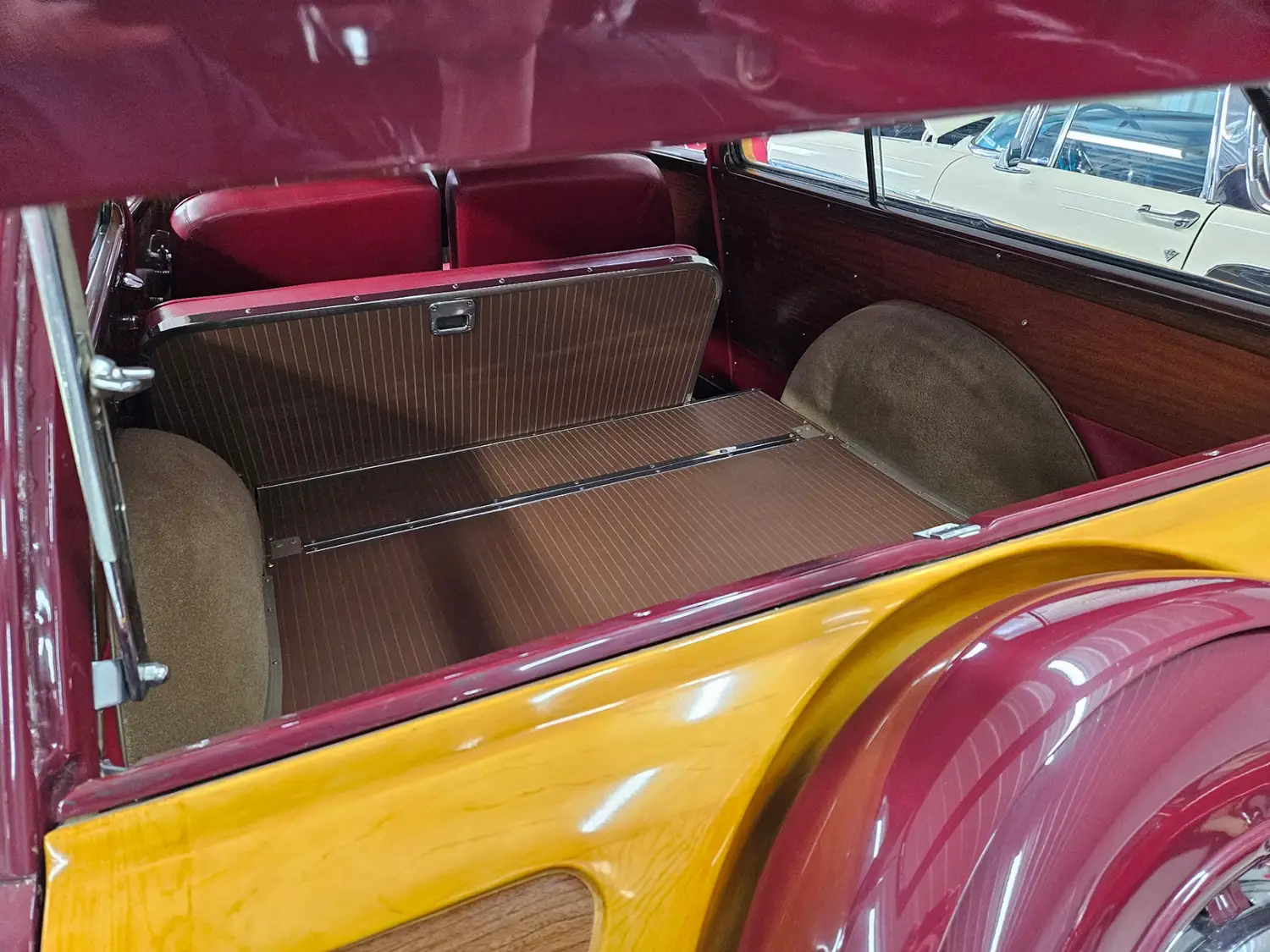
A Spacious Sanctuary of Mid-Century Burgundy Vinyl
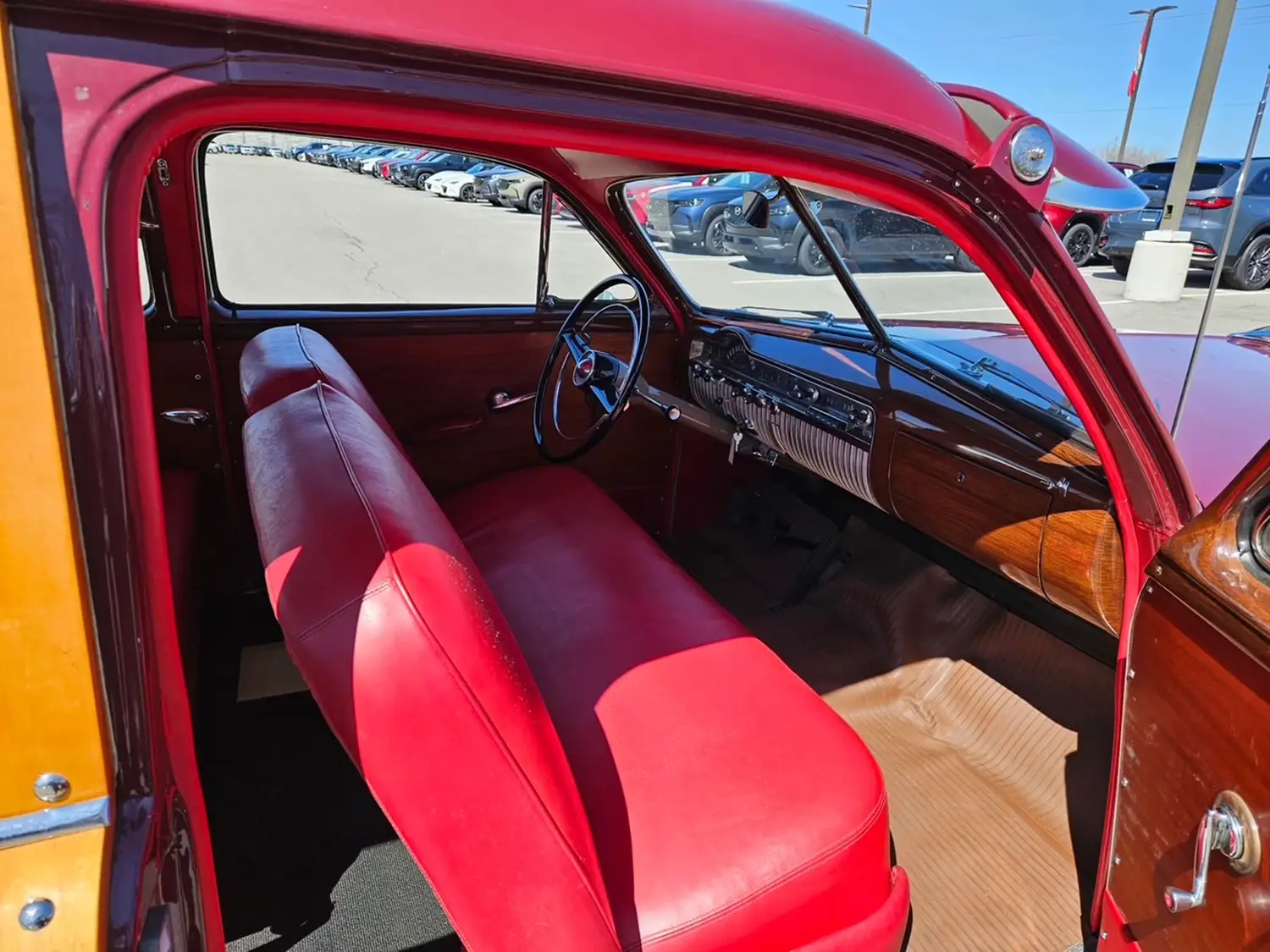
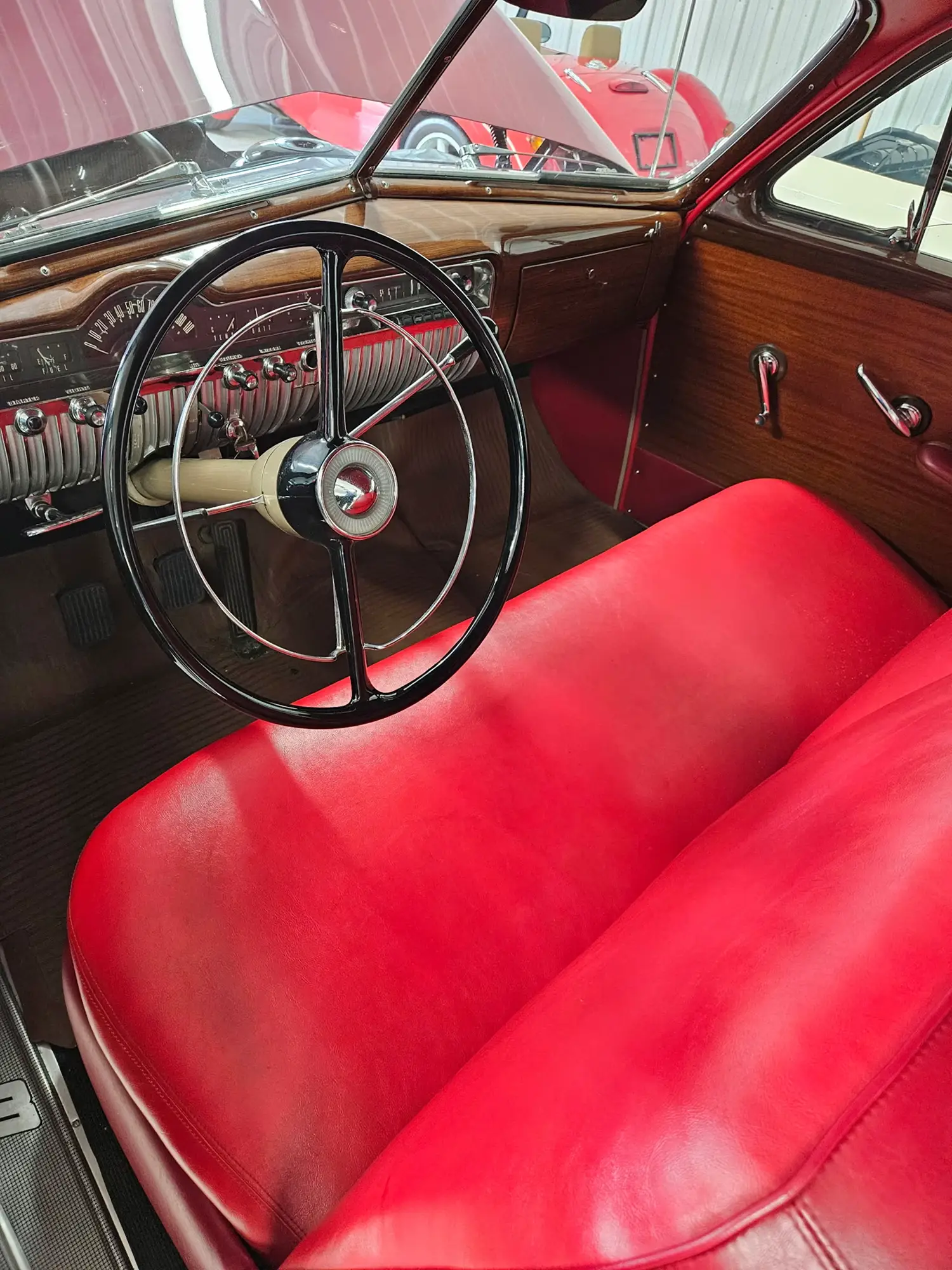
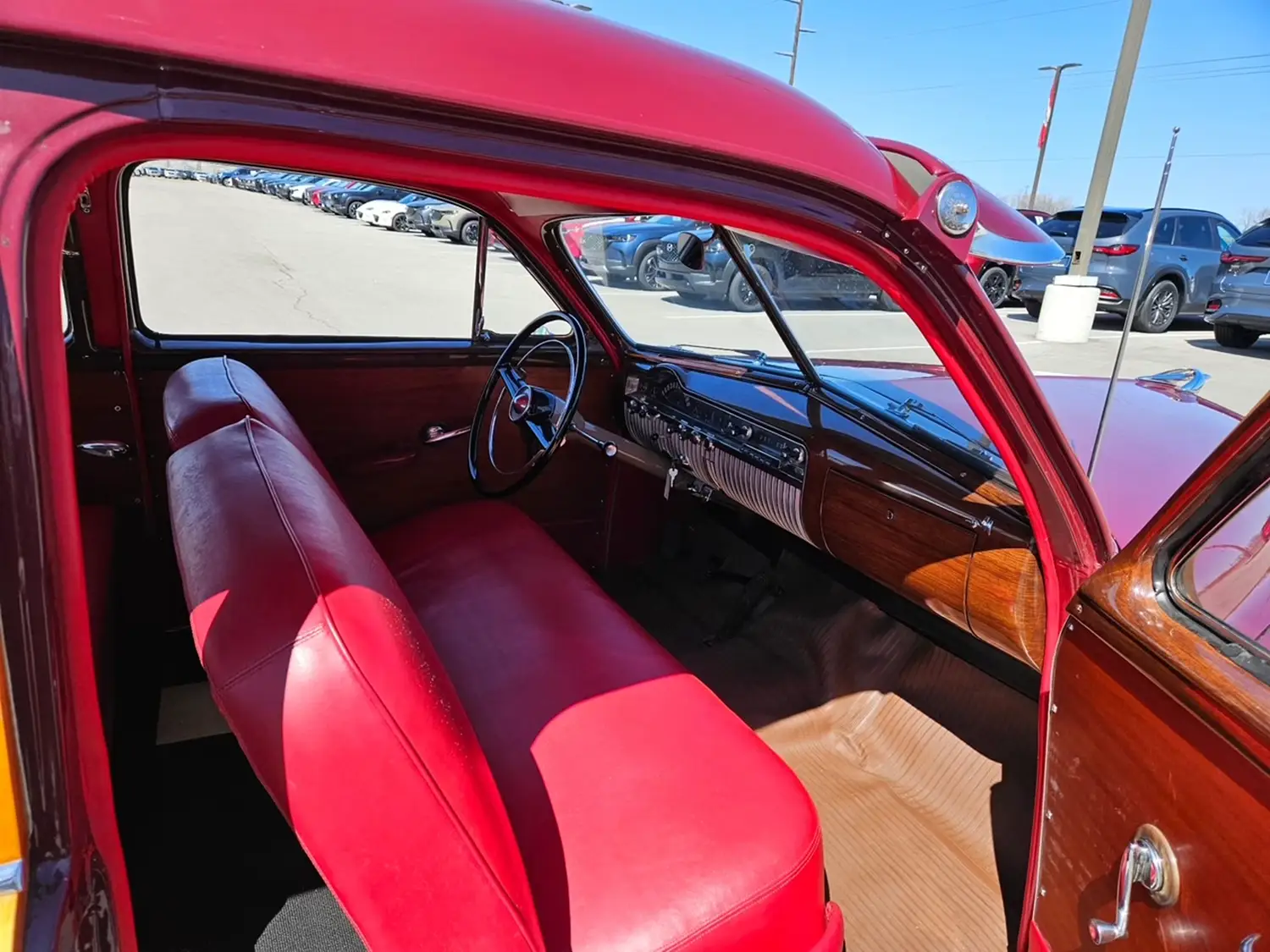
Inside the cabin, the Burgundy theme continues across a spacious and inviting split bench seat configuration. The interior environment is a masterclass in mid-century utility, offering enough room for the whole family while maintaining an air of upscale Mercury refinement. Simple yet elegant instrumentation faces the driver, while the presence of the floor-mounted controls serves as a reminder of the mechanical era this vehicle represents. Every surface, from the dashboard to the door caps, reflects a time when interiors were designed for longevity and ease of use, providing a cozy, nostalgic atmosphere that modern SUVs simply cannot replicate.
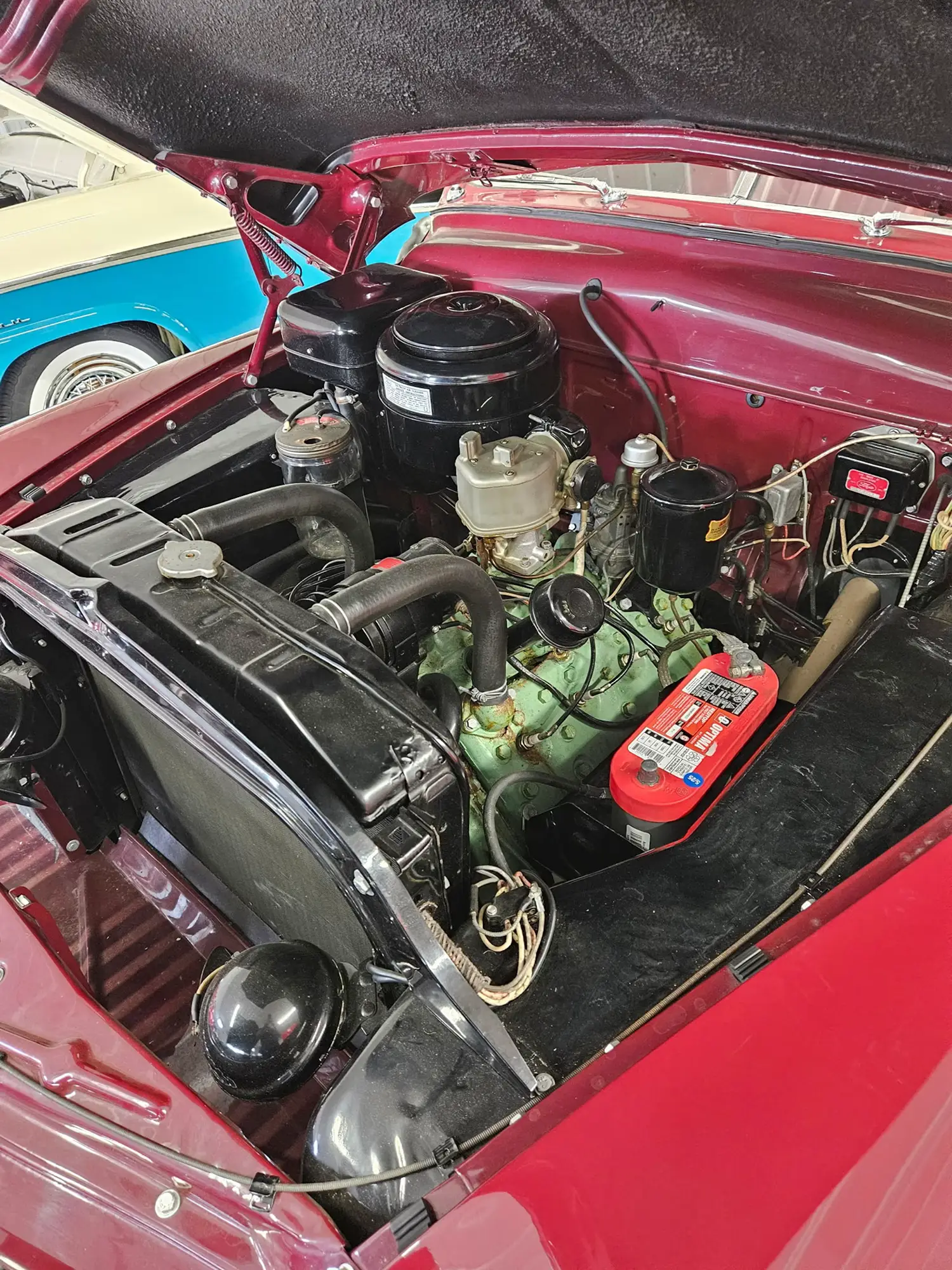
Flathead V-8 Power and Manual Engagement
Under the heavy steel hood lies the heart of many a hot-rodder’s dreams: the legendary Ford Flathead V-8 engine. This powerplant provides the smooth, rhythmic idle and reliable torque that made Mercury a favorite among long-distance travelers in the 1950s. The engine is mated to a traditional 3-speed manual transmission, offering a tactile driving experience that requires the pilot to truly engage with the machine. While this wagon prioritized comfortable cruising over raw speed, the V-8 engine and 3-speed manual combination ensured it had enough spirit to handle highway inclines or heavy loads with ease, all while emitting that signature low-frequency Flathead burble.
| Technical Specifications | |
|---|---|
| Engine | – Flathead V-8 – Front-Mounted Longitudinal |
| Transmission | – 3-Speed Manual – Column or Floor Configuration |
| Exterior Trim | – Hand-Finished Wood Panels – Metal Shell Spare Case – Whitewall Tires |
| Body Style | – 2-Door Station Wagon – Burgundy over Burgundy |
| VIN / Serial | – 51LA11364M |
A Rare Collectible in the Evolving Woody Landscape
The market for authentic woody wagons has remained remarkably resilient, as these vehicles are increasingly viewed as pieces of fine furniture as much as automotive history. Compared to the more common Ford counterparts, the Mercury variant offers a higher level of prestige and rarity, making it a unique selling point in today’s auction climate. This specific lot benefits from its classic color combination and the presence of the original V-8 architecture. As younger collectors enter the market, the 1951 Mercury Woody Wagon continues to represent an investment-grade asset that serves as a conversation starter at any concours event or local gathering.
Preserving the Legacy of Natural Materials
Ownership of a 1951 Mercury Woody Wagon is a commitment to stewardship, requiring a balance of mechanical maintenance and specialized care for the exterior woodwork. This example, with its hand-finished panels, represents a level of restoration that respects the original craftsmanship of the era. For the modern collector, this vehicle offers a “turn-key” gateway into the world of 1950s luxury cruising. Its simplicity, lack of complex electronics, and robust V-8 drivetrain make it a reliable choice for the enthusiast who wants to actually drive their investment to events, ensuring that the legacy of natural materials on the open road continues for another generation.
The Sunset of the Real Wood Era
The 1951 Mercury Woody Wagon remains one of the most evocative vehicles ever to leave a Detroit assembly line. It captures a fleeting moment in time when natural wood and industrial steel lived in perfect harmony. With its Flathead V-8 heart and meticulously restored Burgundy finish, this wagon is a stunning reminder of why the “Woody” has such an iron grip on the American imagination. As it heads to the block at Indy 2026, it stands ready to offer its next owner a visceral connection to the golden age of the American family road trip.
Disclaimer: Content on this site is for informational and entertainment purposes only. Details, analyses, and opinions reflect current trends and personal views, not professional or financial advice. Always verify information with official sources before making any decisions.
Source: mecum.com