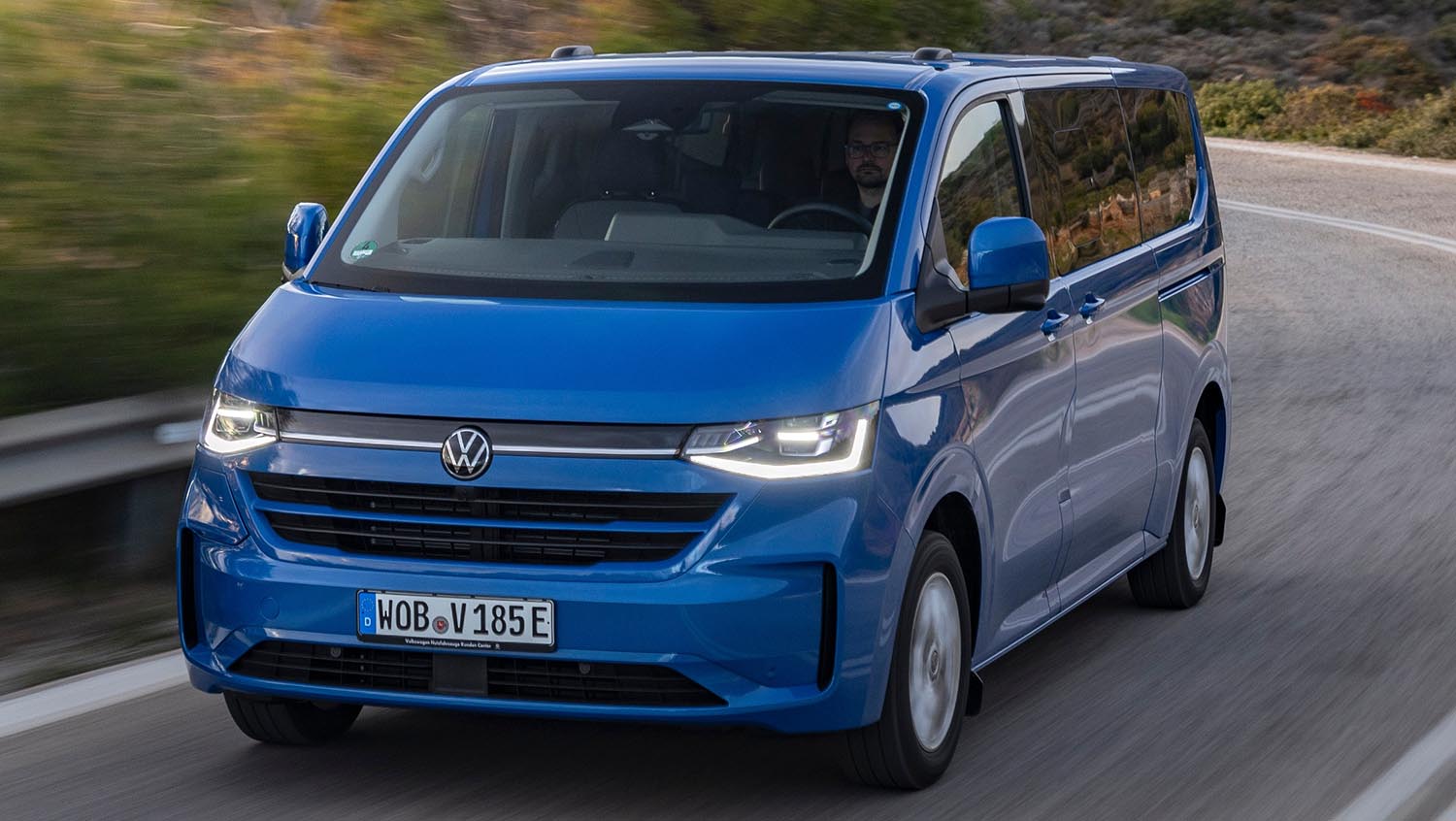
The Volkswagen e-Transporter is stepping up its game to meet the demanding needs of modern commercial fleets in 2026. Volkswagen Commercial Vehicles has focused on practical improvements that directly impact daily operations for business owners. These updates address the core requirements of range, charging speed, and versatile traction for various working environments. It marks a steady evolution for a vehicle that has long been a staple in the logistics world. The focus remains on making the transition to electric power as seamless as possible.
Enhanced Battery Capacity for the Volkswagen e-Transporter
Engineers have increased the usable battery capacity of the latest model from 64 kWh to a more robust 70 kWh. This change allows the van to achieve a respectable driving range of up to 380 kilometers on a single charge. Compared to previous versions, this represents a notable thirteen percent increase in total distance capability. Such an improvement is vital for drivers who operate across larger metropolitan areas during a single shift. It provides a much-needed buffer for unpredictable traffic or heavy payloads.
Optimized Charging Performance
Time spent at a plug is time away from the road, which is why charging speeds have been improved. The Volkswagen e-Transporter now supports DC fast charging at rates of up to 125 kW at compatible stations. You can now replenish the battery from ten to eighty percent in approximately thirty minutes. Practically speaking, a brief ten-minute stop provides enough energy for another one hundred kilometers of travel. This efficiency ensures that delivery schedules remain on track throughout a busy workday.
Introducing 4Motion All-Wheel Drive Technology
A significant addition to the lineup for 2026 is the optional intelligent 4Motion all-wheel drive system. This setup pairs the standard rear motor with a secondary electric unit located on the front axle. Because these units are not mechanically linked, the system distributes torque instantly where it is needed most. This feature is particularly useful for those visiting muddy construction sites or driving in slippery winter conditions. It adds a layer of confidence that was previously missing from many electric commercial vans.
Stability and Handling on the Road
The all-wheel drive system works in perfect harmony with the electronic stability control to maintain grip. By managing braking force and torque at each wheel, the van resists understeering when navigating tight corners. This level of technical sophistication keeps the vehicle planted even when carrying a full load of cargo. Drivers will notice a more composed feel on wet asphalt or unpaved terrain. Safety remains a primary focus as Volkswagen refines its electric drivetrain technology.
Power Delivery and Performance Specifications
The updated Volkswagen e-Transporter is available in three distinct power outputs to suit different business needs. Customers can choose between 100 kW, 160 kW, and a flagship 210 kW version for maximum performance. This top-tier variant provides 286 PS, ensuring plenty of punch for highway merging while fully loaded. The 70 kWh net battery capacity ensures that this power does not come at the cost of usability. Each configuration is designed to offer a balance of efficiency and reliable daily workhorse capability.
Summary of the 2026 Updates
In conclusion, the latest enhancements to the Volkswagen e-Transporter make it a much more versatile tool for commercial use. The combination of a larger battery and faster charging directly addresses the primary concerns of electric vehicle adoption. With the new 4Motion all-wheel drive, the van can now tackle environments that were once off-limits for battery-powered fleets. These technical steps show a clear understanding of what professional drivers actually need. It remains a top choice for businesses looking to lower their carbon footprint without sacrificing utility.
Disclaimer: Content on this site is for informational and entertainment purposes only. Details, analyses, and opinions reflect current trends and personal views, not professional or financial advice. Always verify information with official sources before making any decisions.
Source: Volkswagen Commercial Vehicles