The Lamborghini Miura is rightly considered the world’s first supercar, setting a standard for performance and design that endures today. Yet, the story begins not with a sleek finished automobile but with a raw, exposed mechanical structure. At the Turin Motor Show in November 1965, Lamborghini unveiled what is usually kept hidden. It was a revolutionary mechanical layout that clearly anticipated the shape of a true legend.
The Radical Declaration of Intent
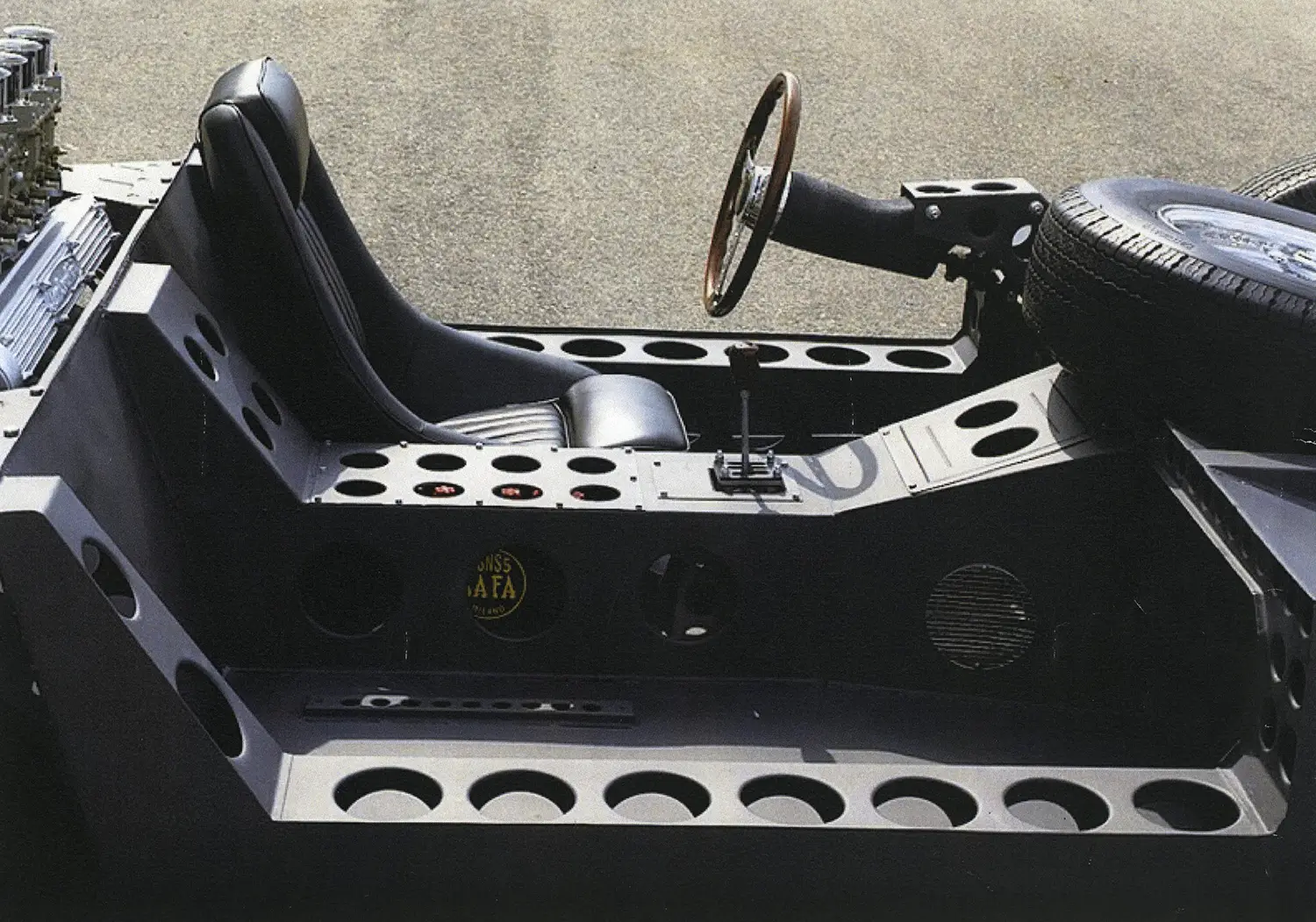
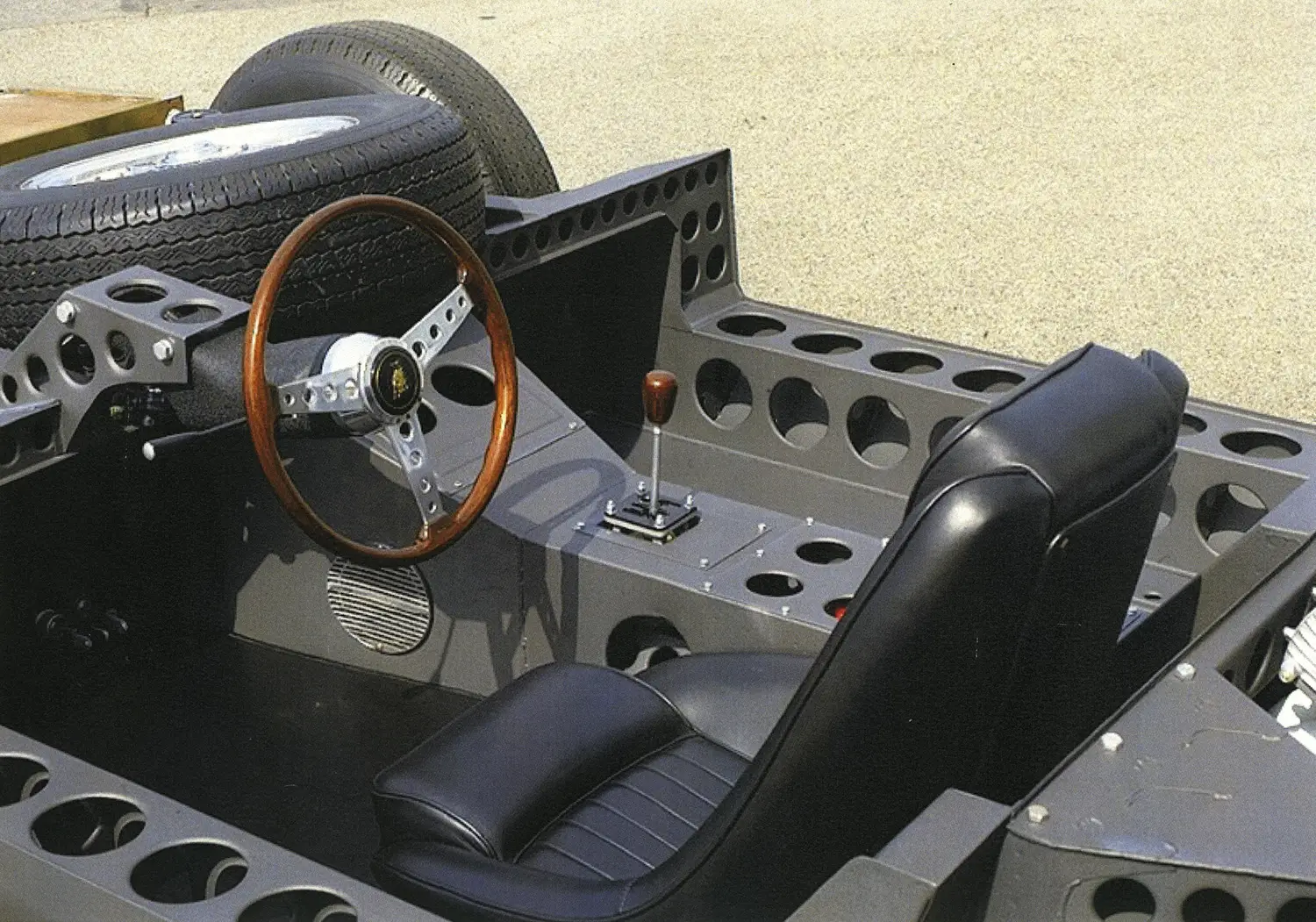
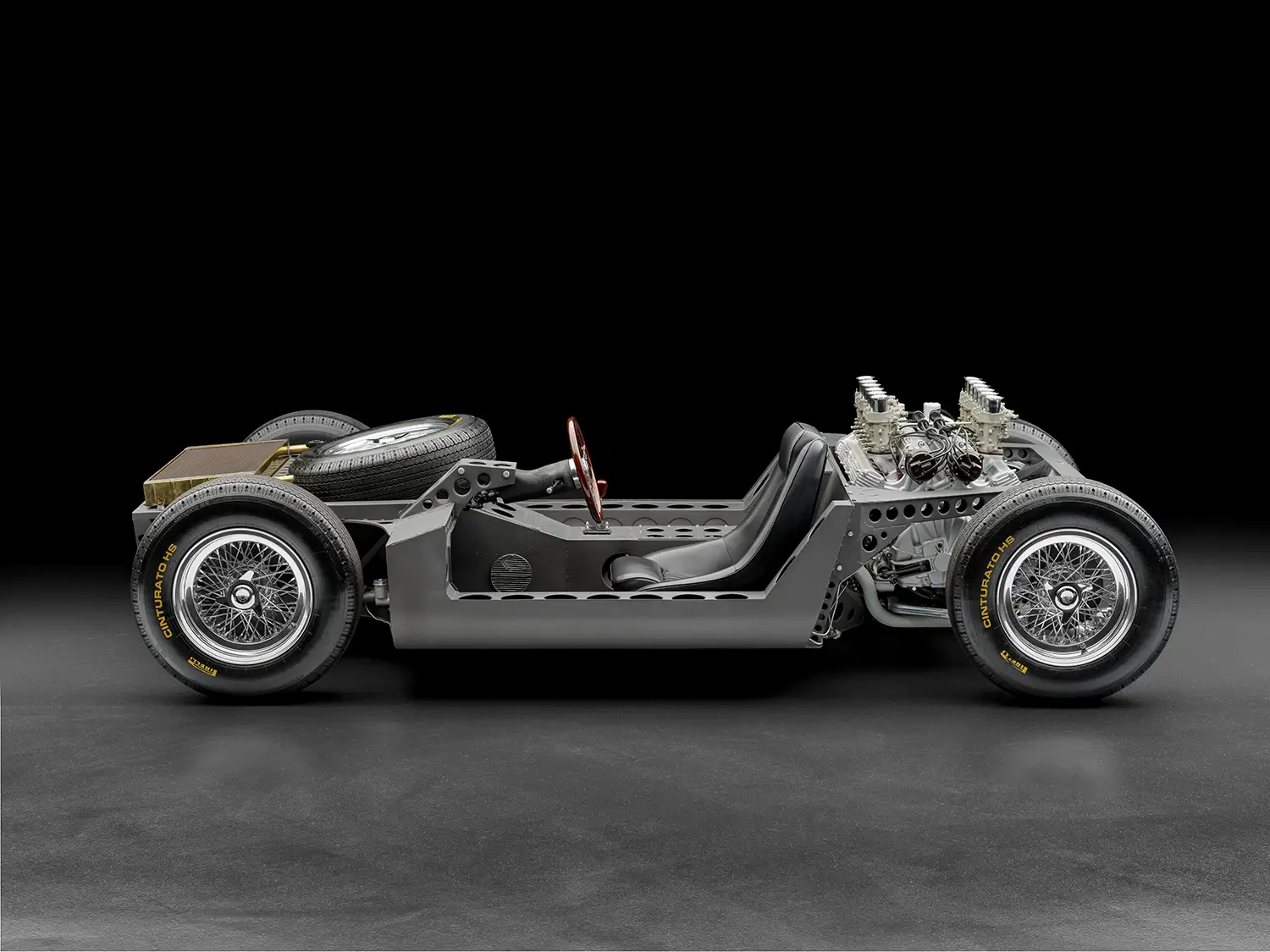
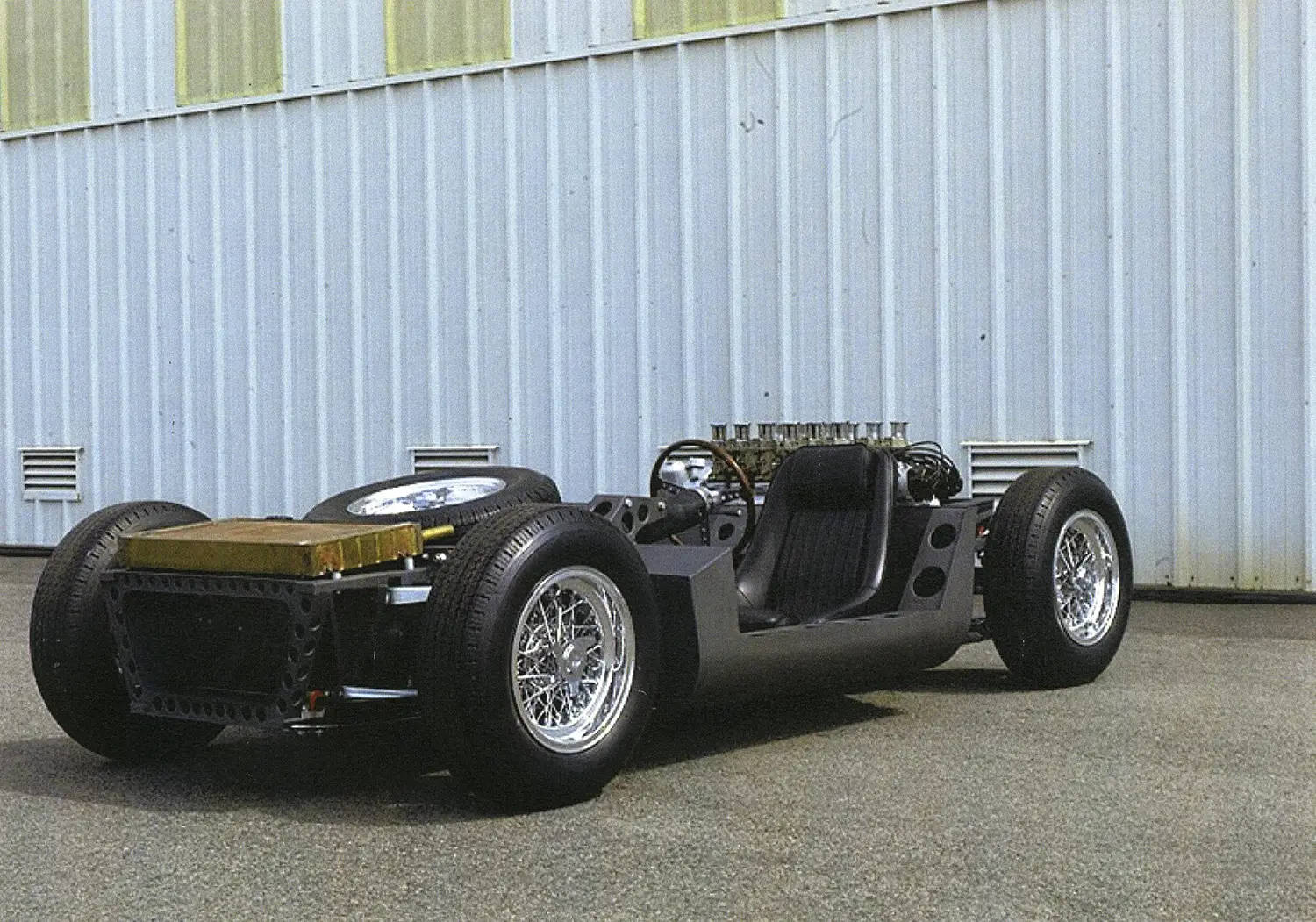
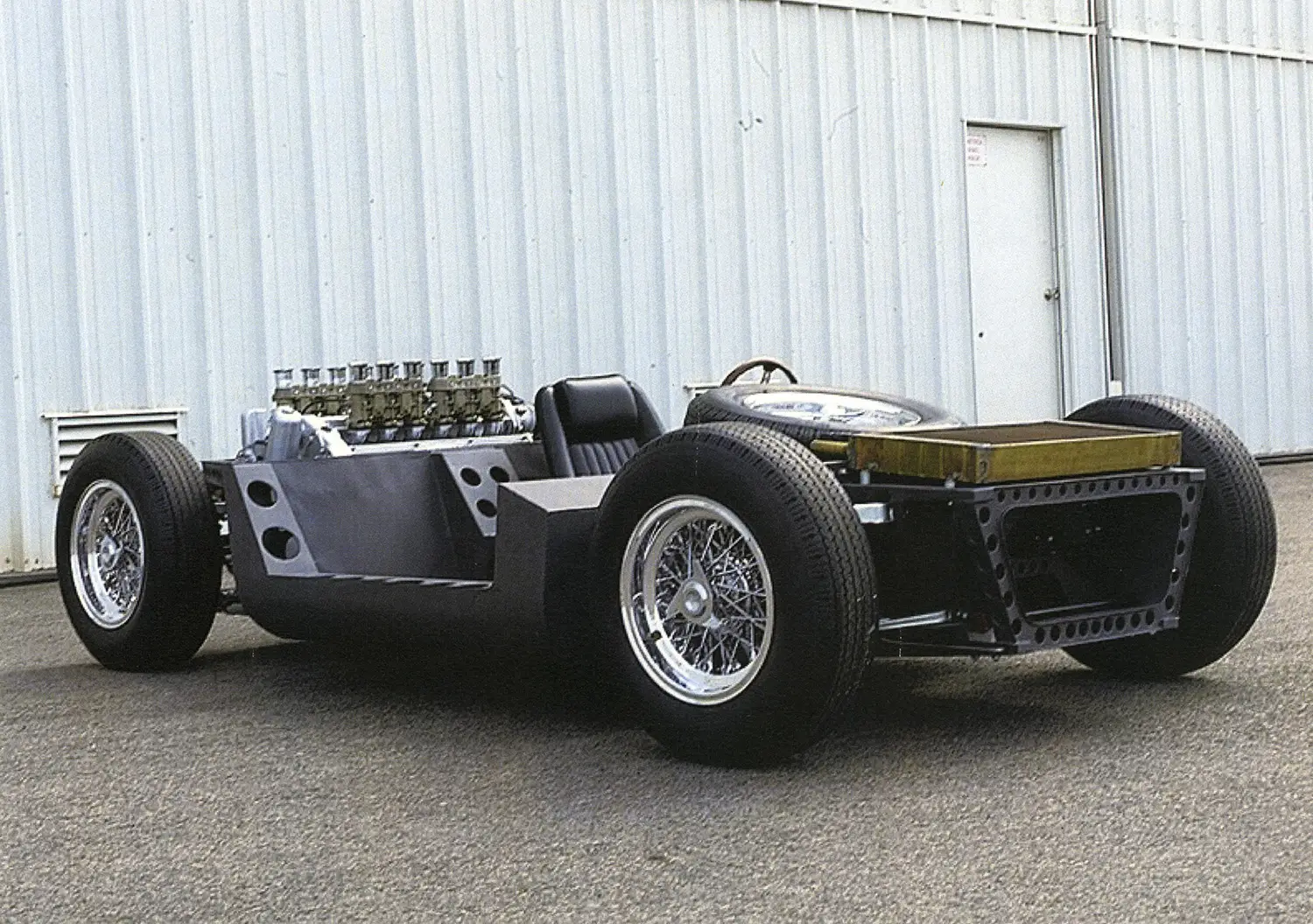
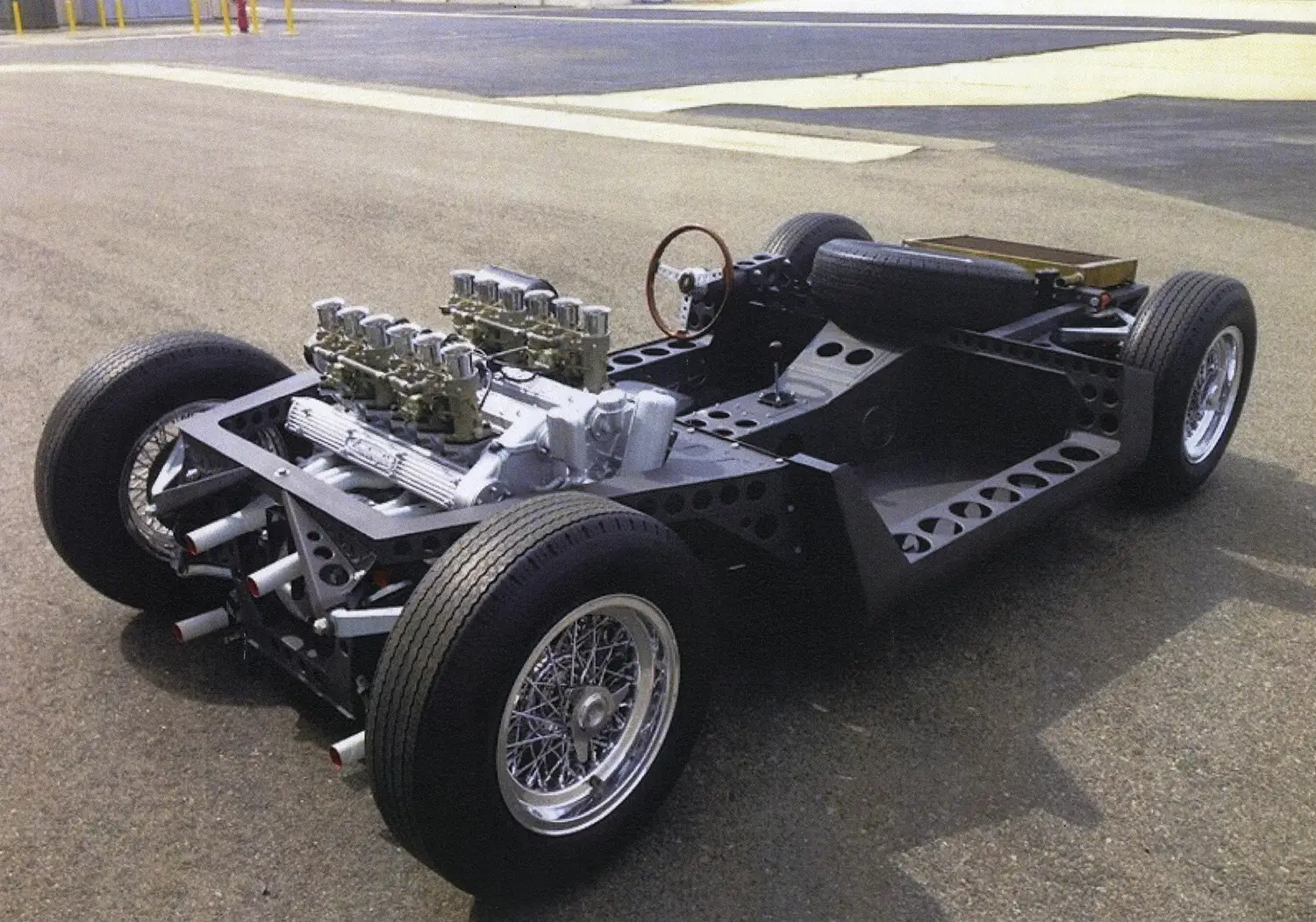
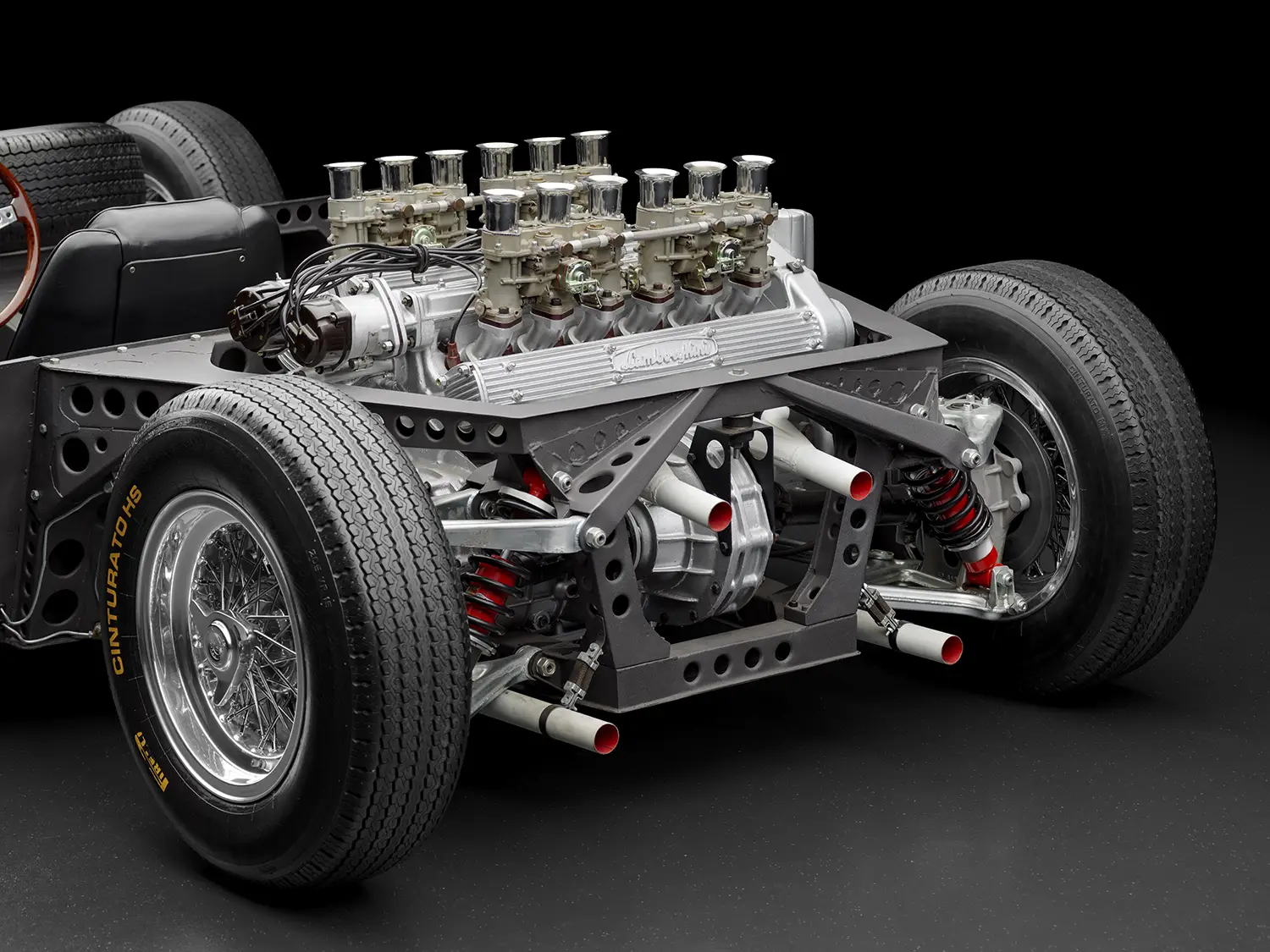
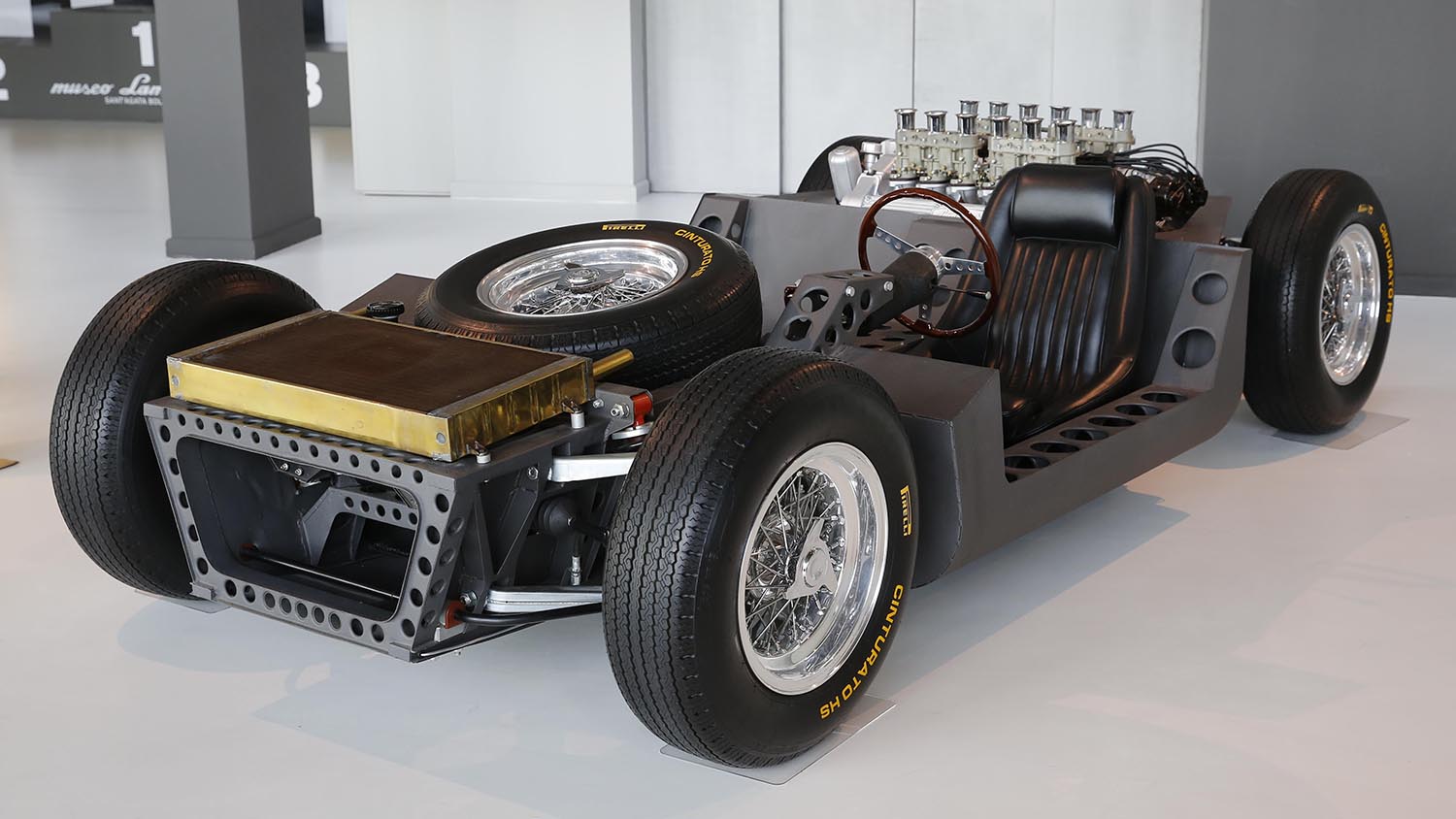
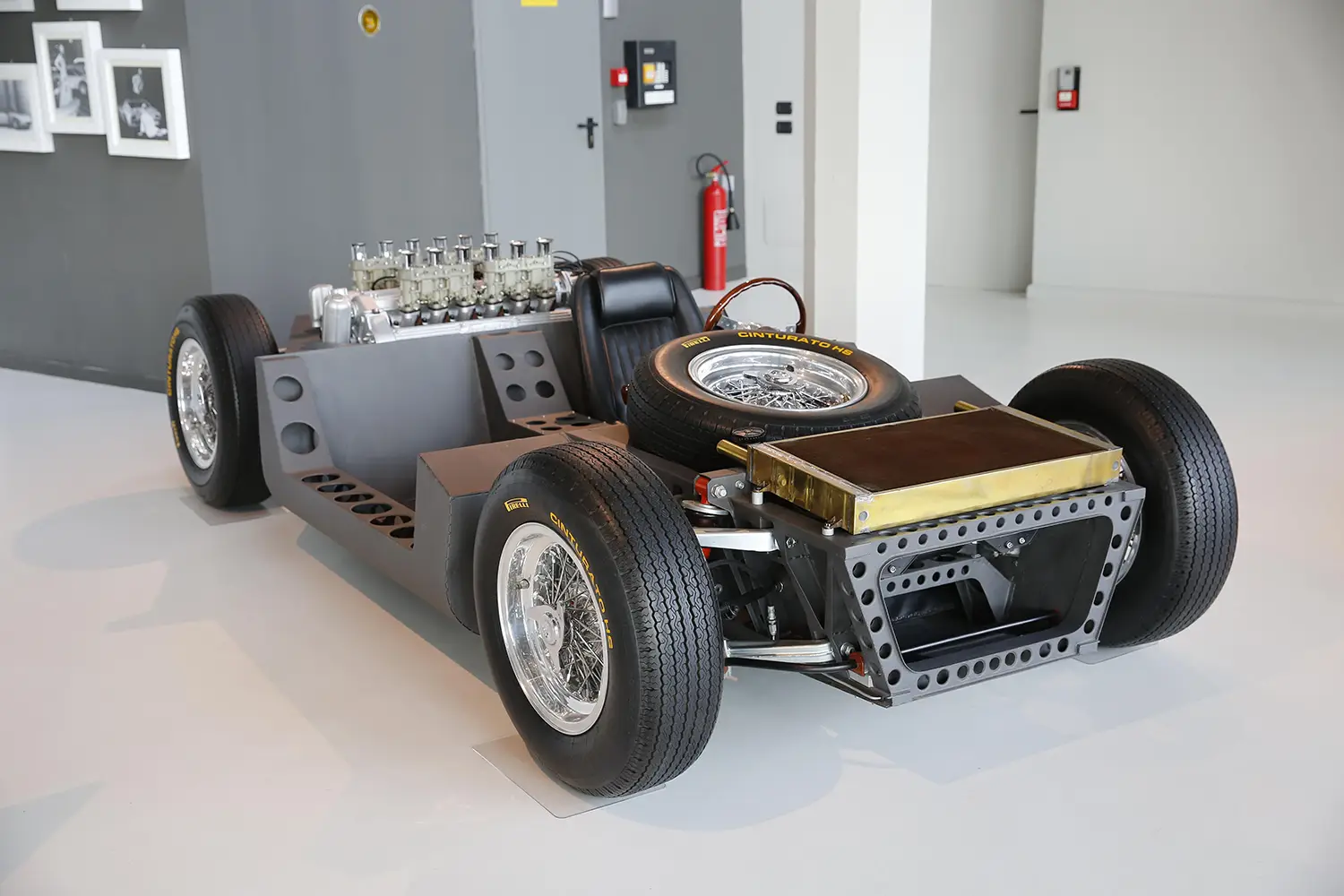
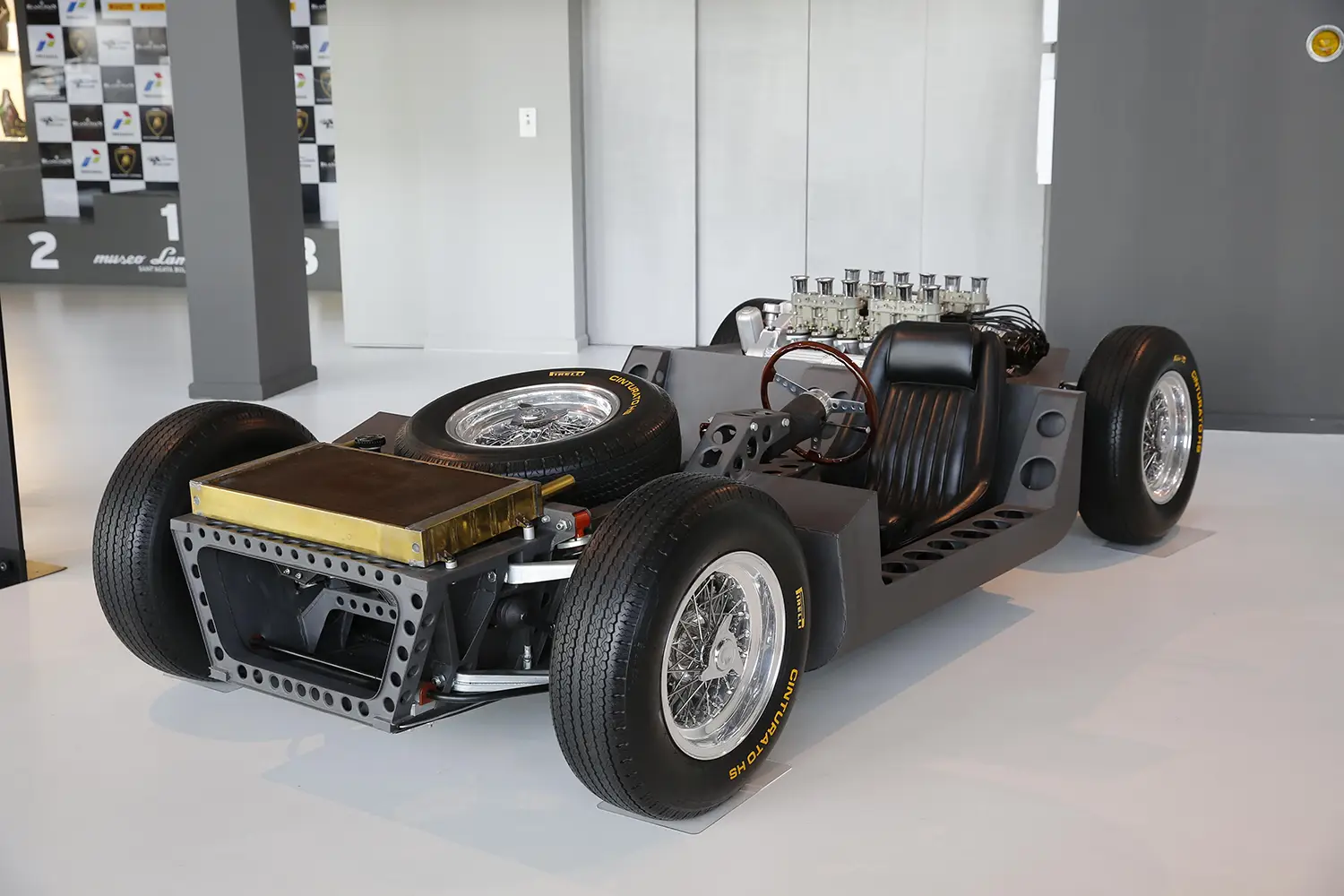
In Turin, the attention of the public and press focused not on a complete car but on a bare, essential chassis. This foundation was made of folded sheet metal lightened by numerous drilled openings. Crucially, it sat with a 4-litre V12 engine mounted transversely in the rear. It looked like a pure racing prototype, yet it was the foundation from which the Miura would be born. Displayed at the Lamborghini stand, this P400 chassis revealed the mechanical essence of the next car from Sant’Agata Bolognese. It was a radical, audacious gesture marking the beginning of a new automotive era.
The P400 Chassis Takes Form
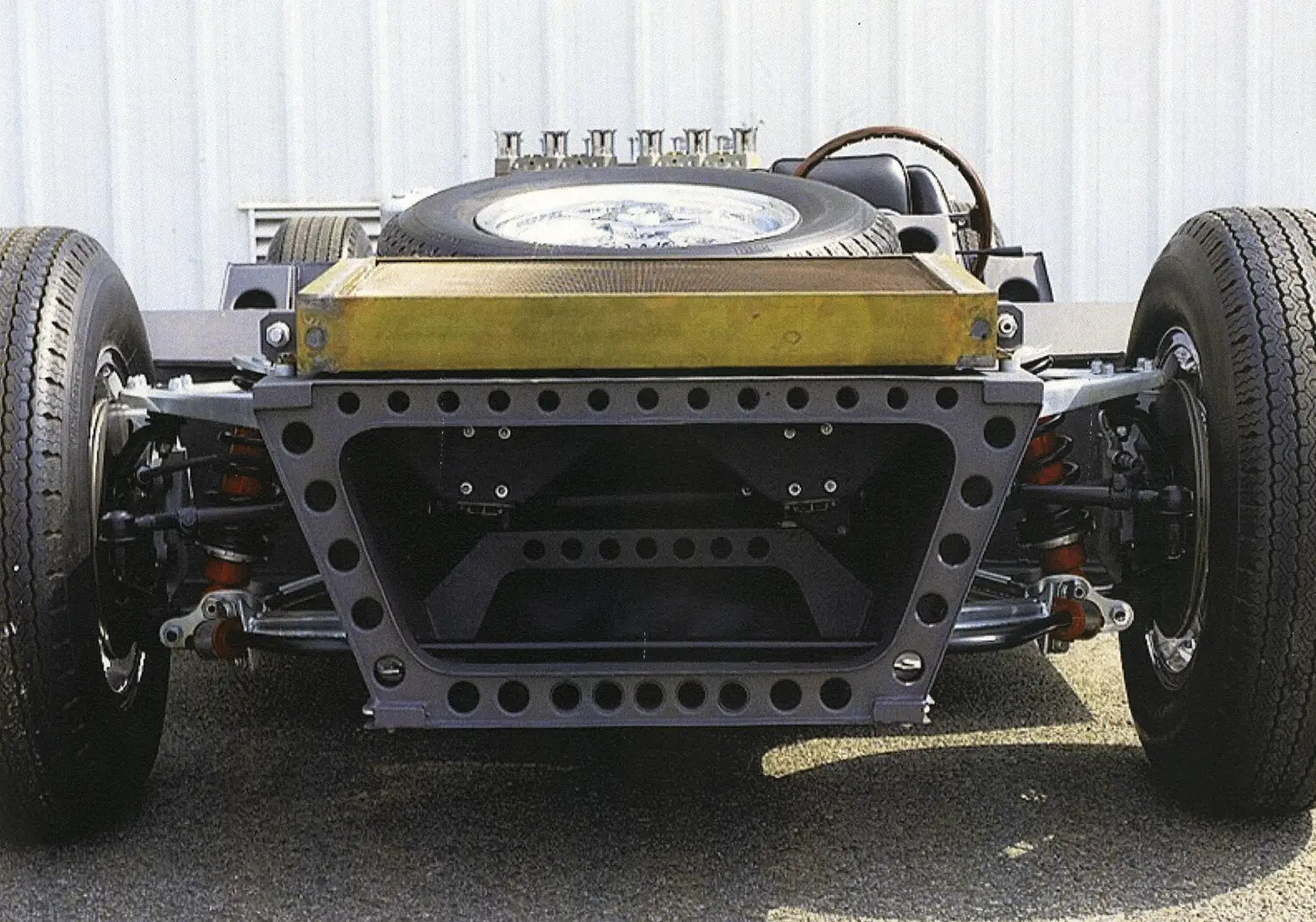
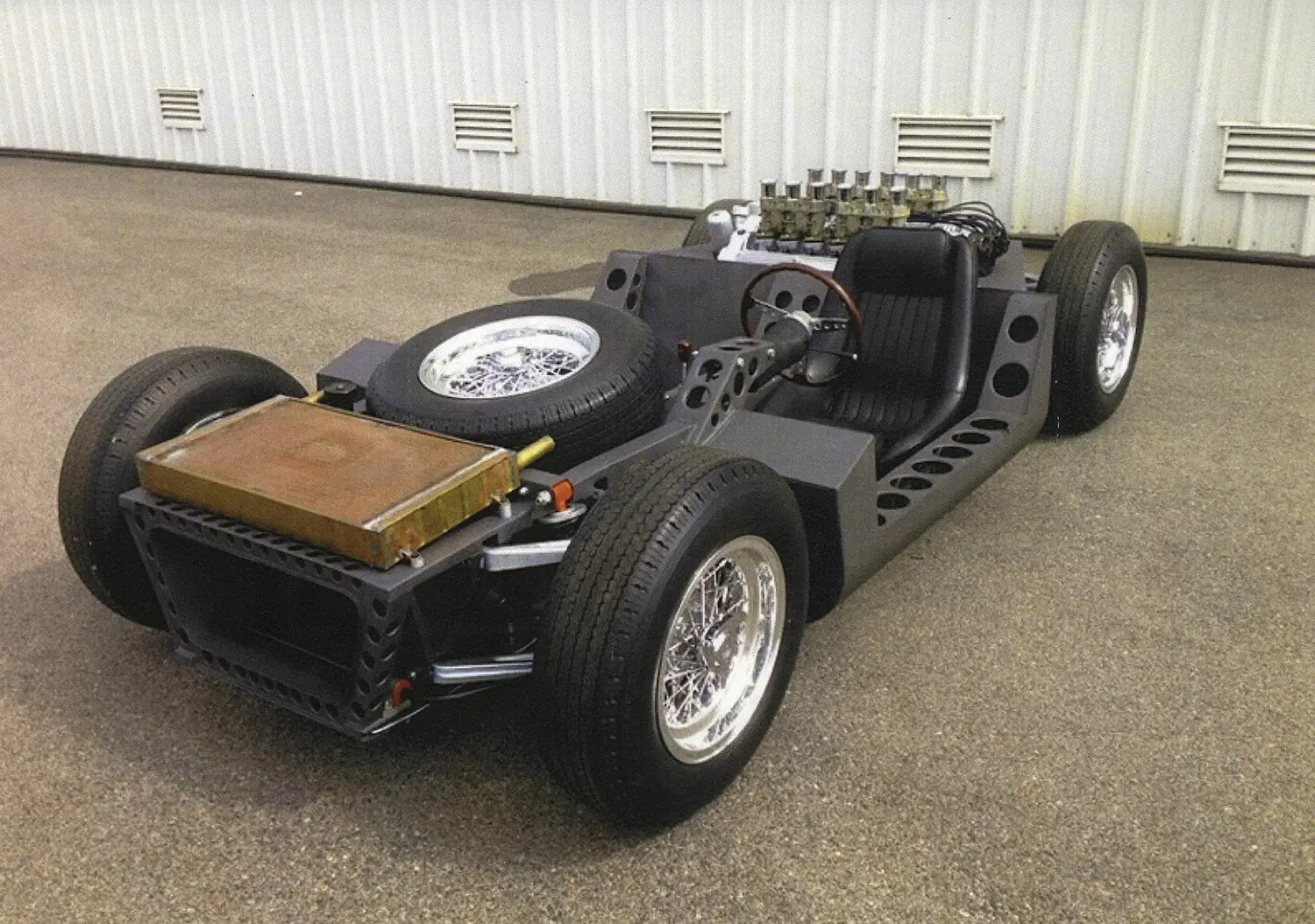
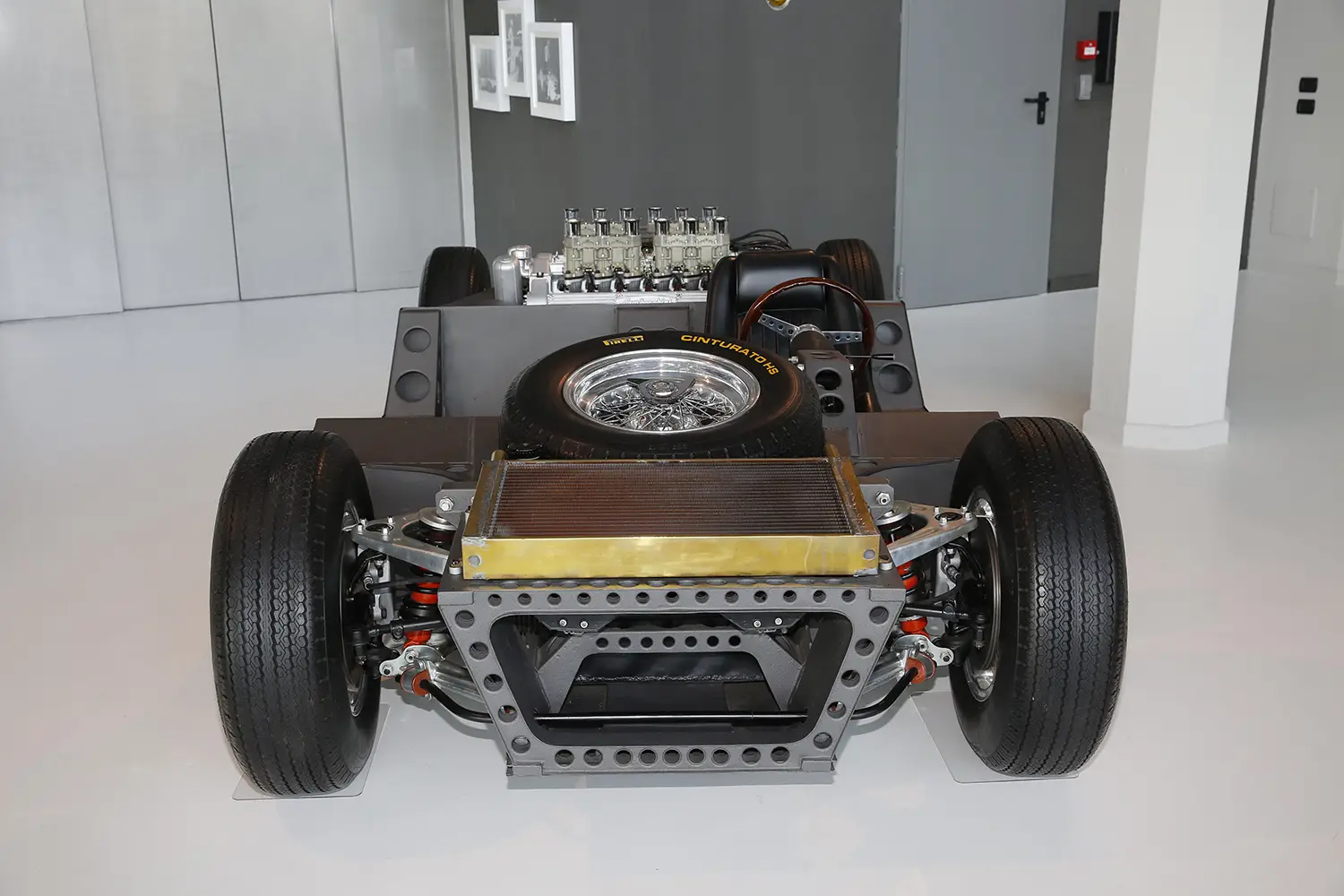
The structure itself was built by Marchesi of Modena. It used 0.8-millimetre steel sheet, folded and drilled strategically to ensure lightness and rigidity. The total weight did not exceed 120 kilograms, which was a remarkable result for the era. A central tub served as the load-bearing element. This tub was also the mounting base for the suspension components. Two auxiliary front and rear subframes supported all the mechanical components and accessories.
The Idea Born from Rebellion
The first idea for the Miura’s architecture emerged in the summer of 1964. It was born from the vision of three young Lamborghini team members. Giampaolo Dallara, Paolo Stanzani, and test driver Bob Wallace were all just over twenty years old. They shared a secret dream of bringing Lamborghini into the competitive world of racing. Since Ferruccio Lamborghini rejected racing plans, they decided to bring track performance to the road cars instead. This ambitious idea gave shape to project L105.
A Chassis Manifesto of Avant-Garde
Project L105 first took form as a light and compact chassis. It was ready to host an extreme and revolutionary grand touring body. Initially sceptical, Ferruccio Lamborghini chose to trust his young engineers. The resulting P400 chassis and engine became a manifesto of creative freedom and technical avant-garde. It made its public debut alongside the established 350 GT and 350 GTS models.
The Distinctive Powertrain Architecture
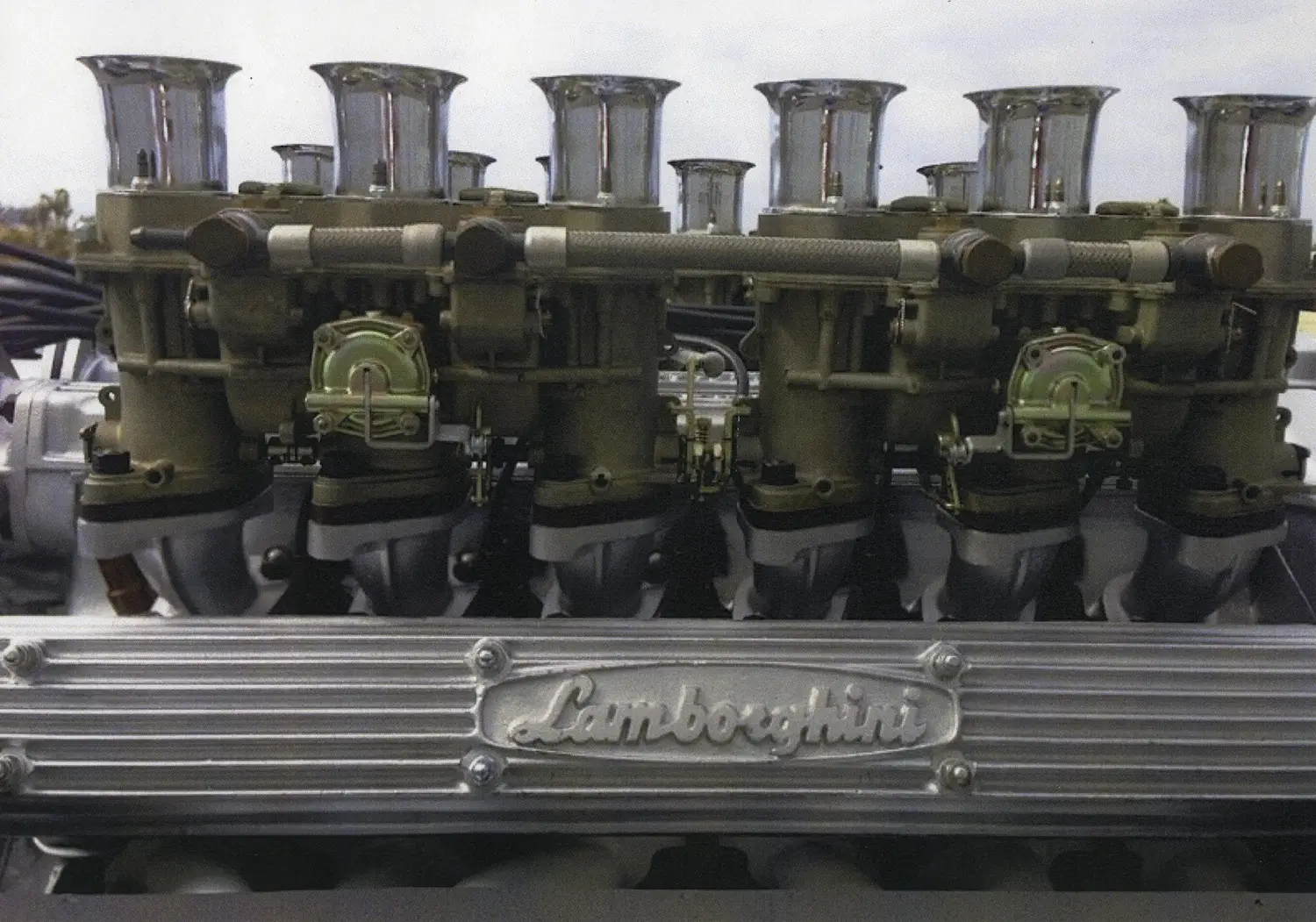
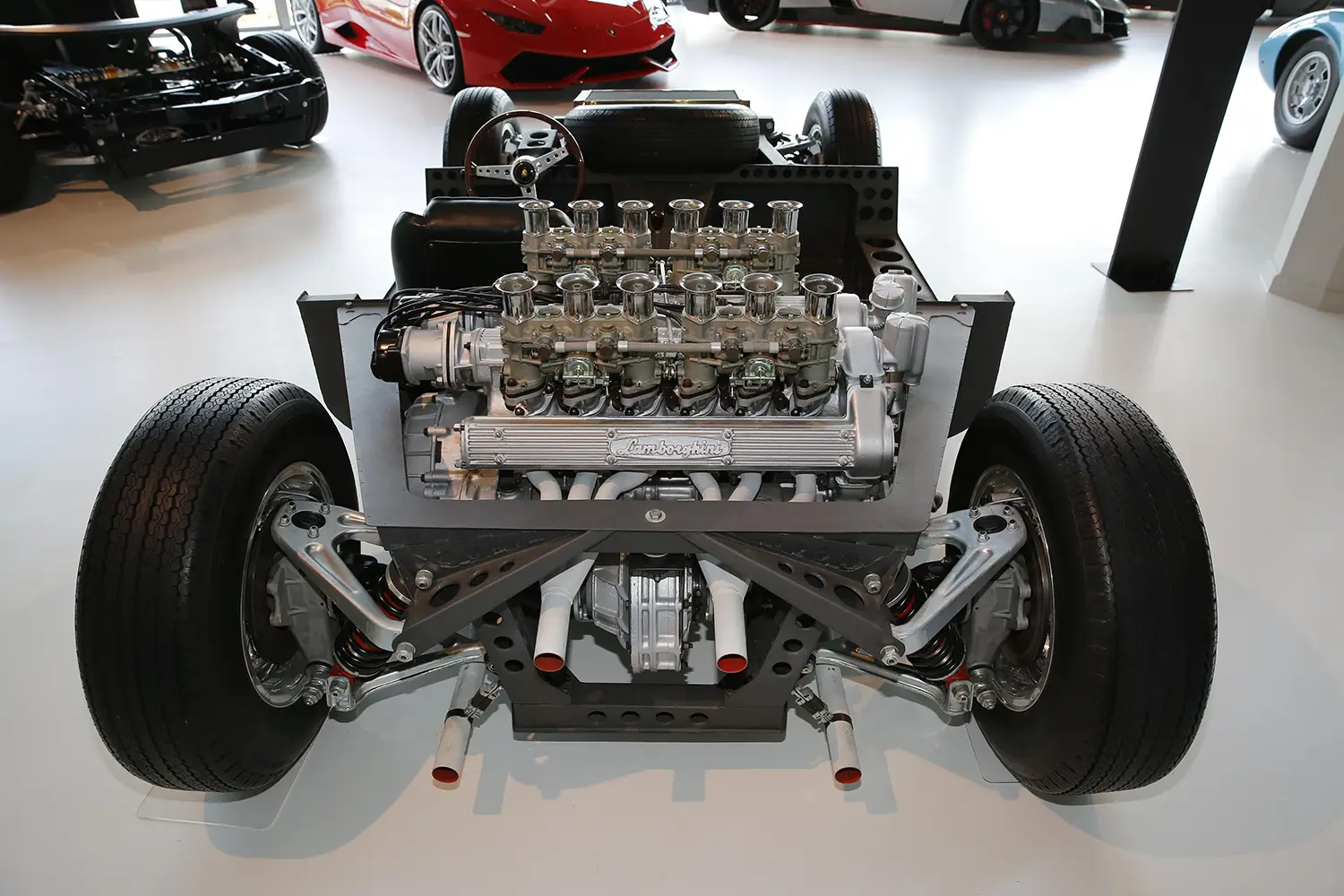
The most distinctive feature was the unprecedented integration of the engine and gearbox. They were combined into a single, compact unit. This unit was mounted transversely directly behind the cabin. This specific solution dramatically reduced size and defined a completely new powertrain architecture. Completing the technical spectacle were the twelve vertical inlet trumpets of the Weber carburetors. This was a powerful visual statement of an engineering concept pushed to the extreme.
Performance, Engine Specs, and Technical Package
The chassis displayed a 4-litre V12 engine mounted in the revolutionary transverse position. Independent double-wishbone suspension was used on all four corners. The technical package included Girling disc brakes for stopping power. Borrani wire wheels completed the setup. These solutions were borrowed directly from racing. They were never-before seen on any road-going car of the period. This Lamborghini Miura foundation promised incredible power and performance potential.
From Bare Metal to Bertone’s Art
The bare chassis captivated both the public and the motoring press. A static, engineless prototype became the central focus of the entire motor show. Carrozzeria Touring initially saw the project as “Tigre” before the public reveal. Touring proposed a design, but financial issues clouded future collaboration. Pininfarina could not commit to the Sant’Agata marque due to existing ties. The opportunity was swiftly seized by Nuccio Bertone.
The Perfect Shoe for the Wonderful Foot
The legend states Bertone greeted Ferruccio with a confident reply after examining the chassis. Bertone vowed his atelier would create “the perfect shoe for this wonderful foot.” This story, whether completely accurate or not, highlights the immediate synergy between them. The encounter led to entrusting Bertone with the bodywork. During the Christmas holidays, the first sketches were approved immediately for the definitive design. In March 1966, the P400 chassis shown in Turin finally became the legendary Miura at the Geneva Motor Show.
Summary of a Supercar’s Birth
The 1965 Turin Motor Show revealed the fundamental brilliance of the Lamborghini Miura P400 chassis. The satin-black structure, with its transverse V12 engine layout, showcased a declaration of engineering excellence. This moment transformed an audacious idea held by three young engineers into a powerful reality. The Miura went on to create a new language of style and performance. It was a car so revolutionary that it was the first machine an English journalist specifically coined the term “supercar” to describe. This foundation paved the way for a legend that continues to define the automotive world sixty years later.
Disclaimer: Content on this site is for informational and entertainment purposes only. Details, analyses, and opinions reflect current trends and personal views, not professional or financial advice. Always verify information with official sources before making any decisions.
Source: Lamborghini