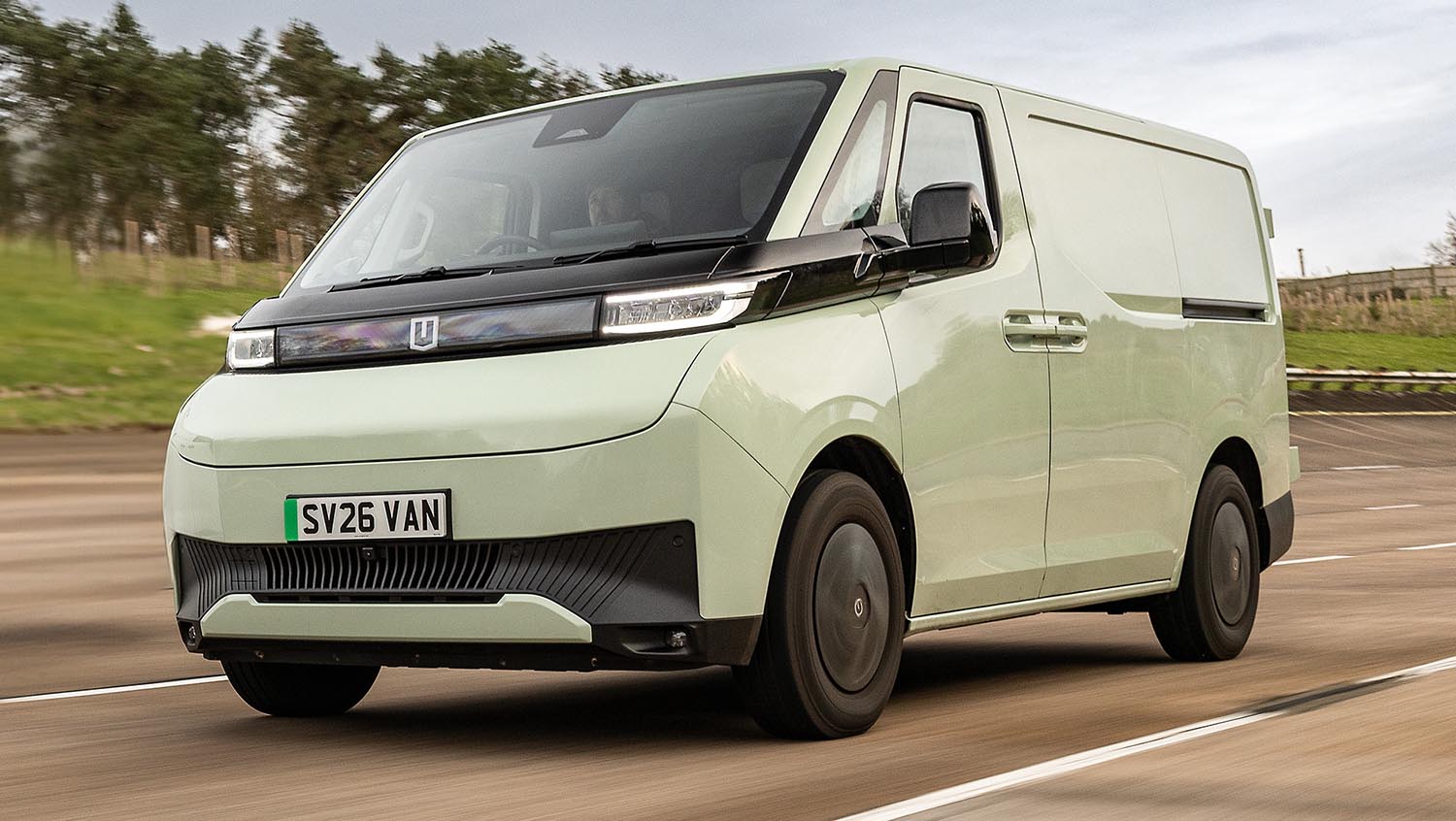
The New Farizon SV enters the market with sharper pricing, broader choice, and meaningful upgrades where working drivers notice them most. A new Core trim lowers the cost of entry, while the wider range keeps previous pricing despite added equipment. For fleets and sole traders, that combination gives the electric large van stronger appeal in a fast-moving commercial market.
A Functional Shape Built Around Daily Work
The Farizon SV keeps its clean, upright silhouette with purpose-led proportions. Short overhangs and a tall roofline maximize usable cargo space, while wide-opening access points improve loading efficiency. An ultra-low 550 mm loading height remains a standout advantage, helping drivers reduce strain during repeated stops. It looks modern, yet every line serves utility first.
Body choices continue to widen the van’s usefulness. Buyers can choose L1 H1, L2 H2, L2 H3, and L3 H3 layouts depending on route demands. That range allows city operators, regional delivery firms, and trade users to select the right footprint. As rivals grow more specialized, Farizon answers with flexible configurations.
Cabin Upgrades That Matter on Every Shift
The biggest gains appear inside. All models now receive a six-way driver’s seat with lumbar support, while the steering wheel adds reach and rake adjustment. Those changes improve comfort during long shifts. Heated seats and a heated multifunction wheel remain available, giving the cabin a premium touch uncommon in working vans.
Technology also moves forward. Wireless Android Auto now joins wireless Apple CarPlay, improving compatibility across mixed-driver fleets. Drivers can schedule climate pre-conditioning through the touchscreen, then start each morning with a ready cabin. Charging times can also be programmed, helping operators use cheaper overnight electricity with less effort.
Electric Torque Meets Real Commercial Ability
The all-electric drivetrain continues unchanged, which is sensible because it already delivers strong results. Output stands at 231 hp/PS and 248 lb-ft/336 Nm, giving the van brisk response when loaded. Power delivery is immediate and smooth, making urban traffic easier to manage. Farizon offers 67 kWh, 83 kWh, and 106 kWh battery options.
Range reaches up to 247 miles on the WLTP combined cycle, placing the SV firmly in serious fleet territory. DC charging from 20 to 80 percent can take as little as 36 minutes. Payload reaches 1,365 kg, while cargo volume climbs to 13 m3, reinforcing its role as a practical business tool.
| Technical Specifications | Data |
|---|---|
| Battery Options | 67 kWh / 83 kWh / 106 kWh |
| WLTP Range | Up to 247 miles |
| Payload | Up to 3,009 lbs / 1,365 kg |
| Load Volume | Up to 13 m3 |
| Loading Height | 550 mm |
| Charge Time | 20-80% in as little as 36 minutes |
Electronic aids remain a major selling point. Core models still include a 360-degree surround-view system and a comprehensive ADAS package. Physical buttons for climate control, drive modes, and energy recovery also remain in place. That balance between digital tools and tactile controls improves ease of use under pressure.
A Smarter Play Against Established Rivals
The new Core trim is the headline move. Starting from £39,000 plus VAT, it undercuts many established electric large van rivals while retaining strong standard equipment. Buyers still receive heated features, camera support, and safety systems. That pricing strategy could attract operators comparing Ford E-Transit, Mercedes eSprinter, and Maxus alternatives.
Farizon also resists the common facelift tactic of charging more for incremental upgrades. Standard 2026 models keep previous pricing despite comfort, software, and security improvements. In today’s market, where costs rise quickly, holding price while adding value is a rare and useful competitive edge.
Lower Running Stress for Business Buyers
Security improvements developed with Thatcham should lower insurance ratings and reduce ownership costs. That matters greatly for fleet budgeting. Every SV now also includes four years of AA Roadside Assistance, replacing the previous single year. Those changes improve confidence for businesses that cannot afford downtime.
Vehicle-to-Load becomes standard across the range except Core models, adding useful flexibility for mobile trades. Operators can power tools or equipment directly from the van. Combined with scheduled charging and low running costs, the SV presents a thoughtful long-term ownership case.
Why the 2026 Farizon SV Feels Like a Serious Market Threat
The 2026 Farizon SV does not rely on hype. Instead, it adds lower pricing, smarter ergonomics, stronger security, and proven electric practicality. With a new Core trim opening the door to more buyers, Farizon strengthens its position as one of the most compelling electric large vans now on sale.
Disclaimer: Content on this site is for informational and entertainment purposes only. Details, analyses, and opinions reflect current trends and personal views, not professional or financial advice. Always verify information with official sources before making any decisions.
Source: Farizon