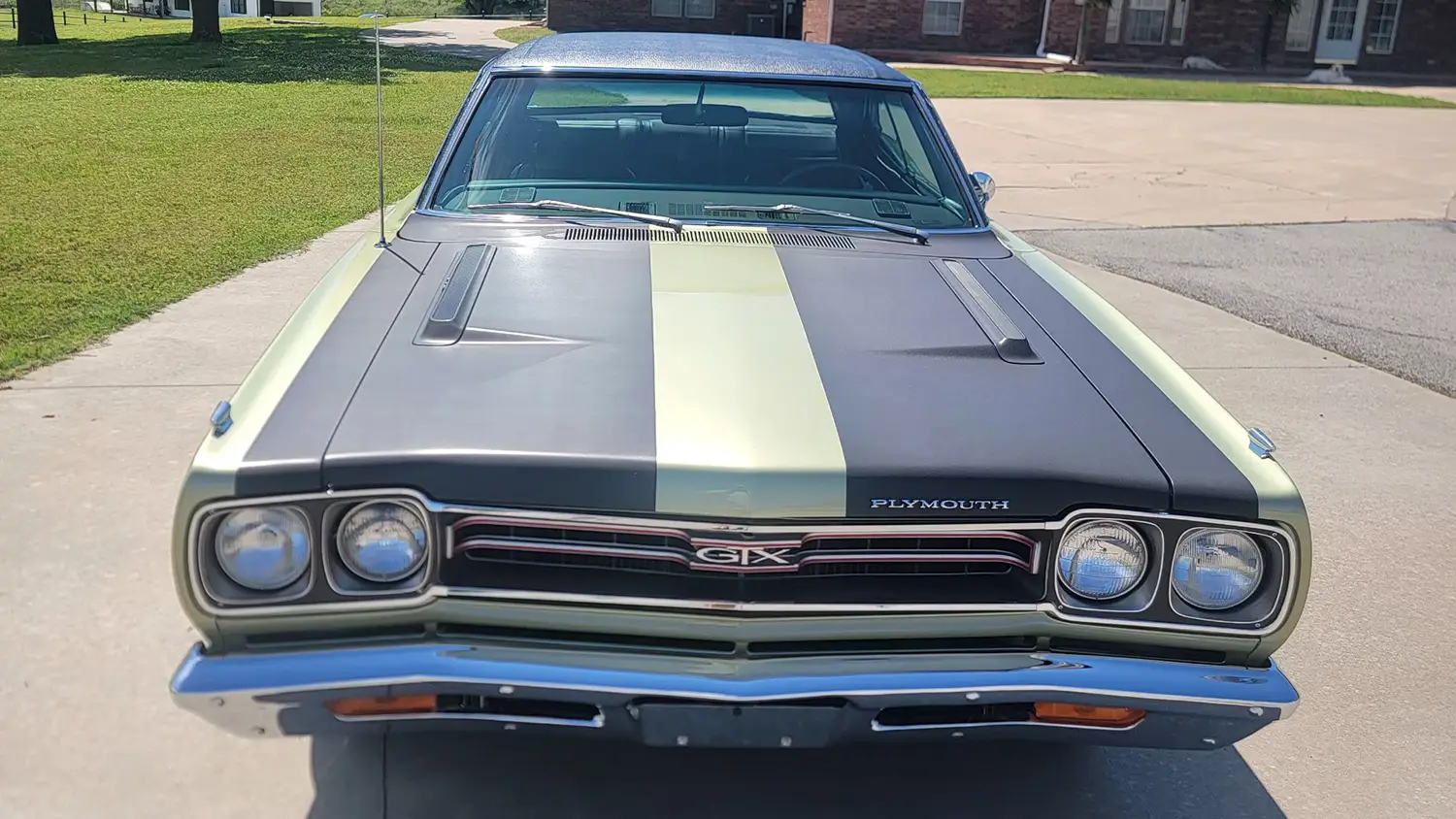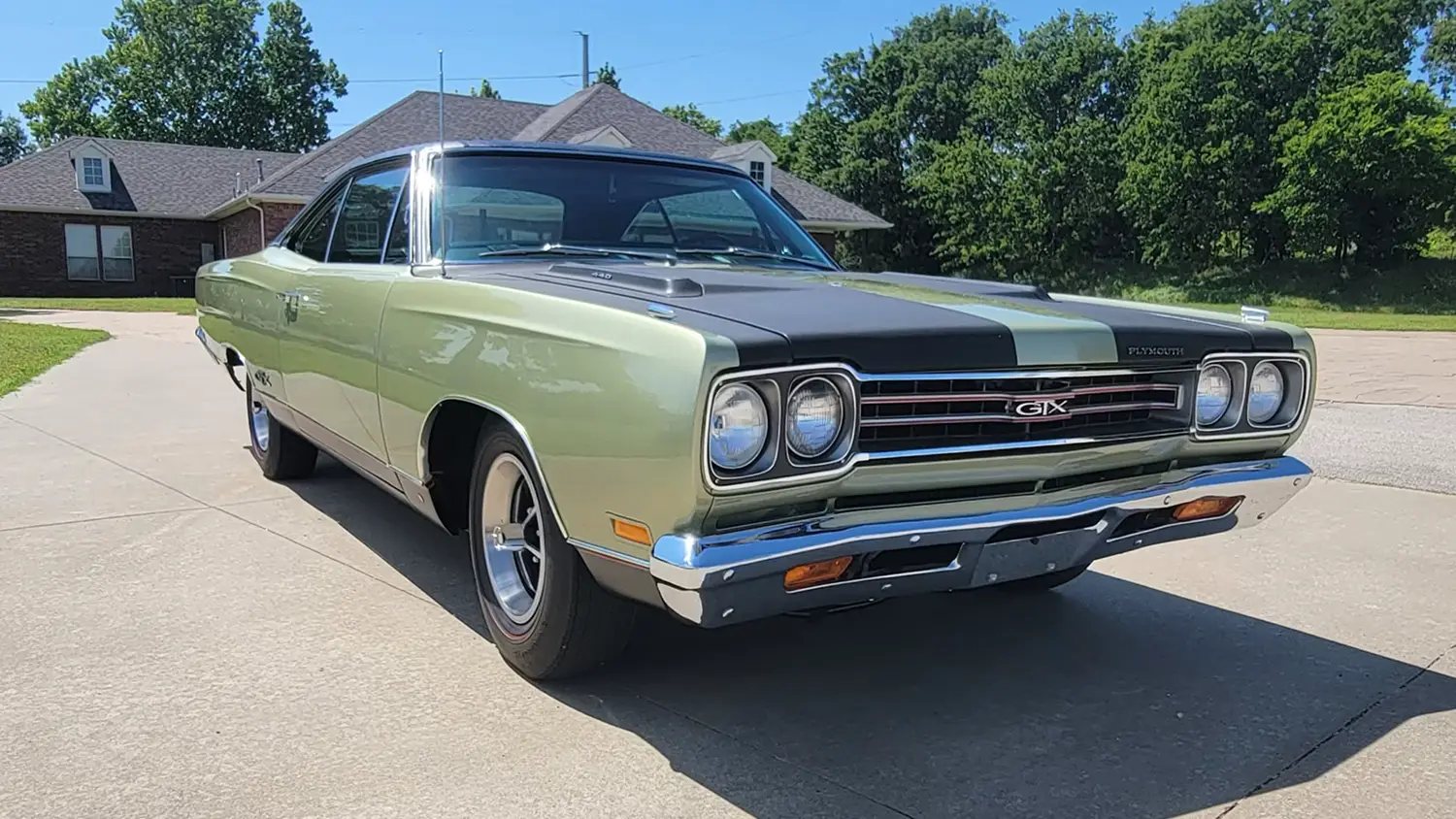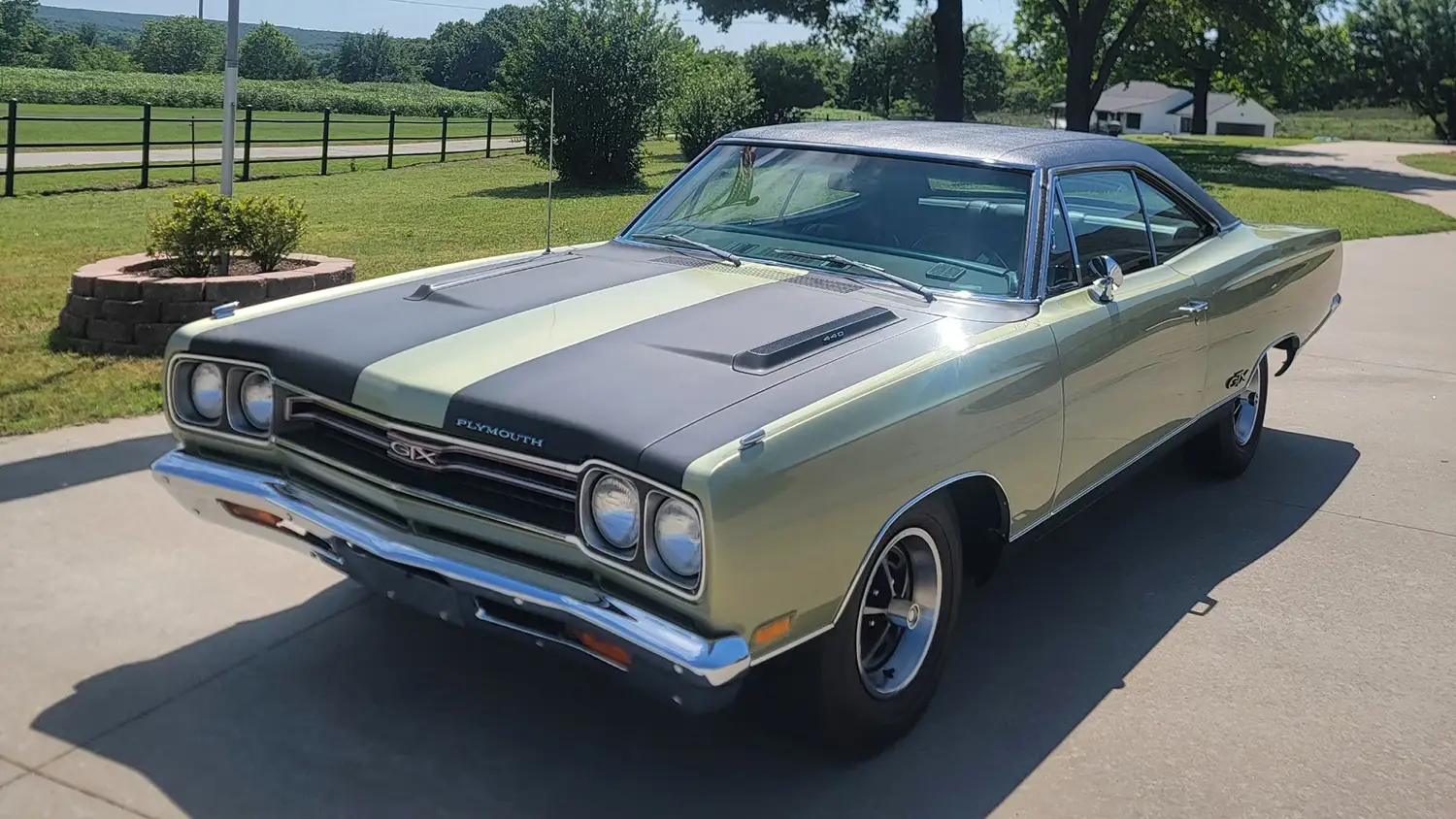
The 1969 Plymouth GTX remains the definitive “gentleman’s muscle car,” offering a sophisticated alternative to the more stripped-down Road Runner. This specific example, a documented Arizona car, has undergone a meticulous nut-and-bolt rotisserie restoration completed in 2014. Finished in a rare and elegant Light Green Metallic, it perfectly encapsulates the era where raw power met upscale trim. As it prepares to cross the block at the Tulsa 2026 event, the vehicle stands as a testament to the golden age of Mopar engineering. With its original broadcast sheet preserved, this GTX offers collectors the rare trifecta of provenance, performance, and concours-level presentation.
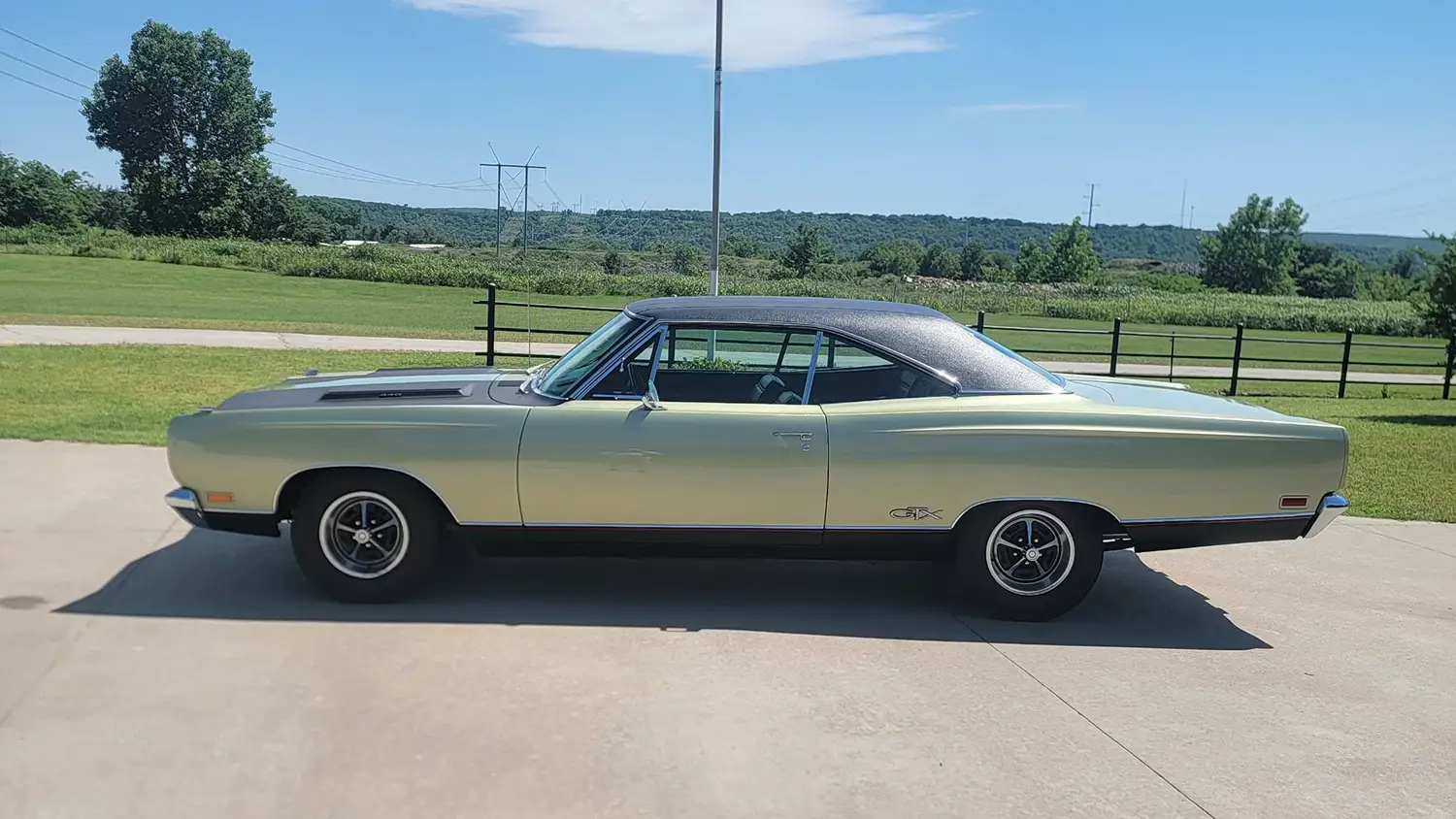
Metallic Green Tones and High-Gloss Rotisserie Detail
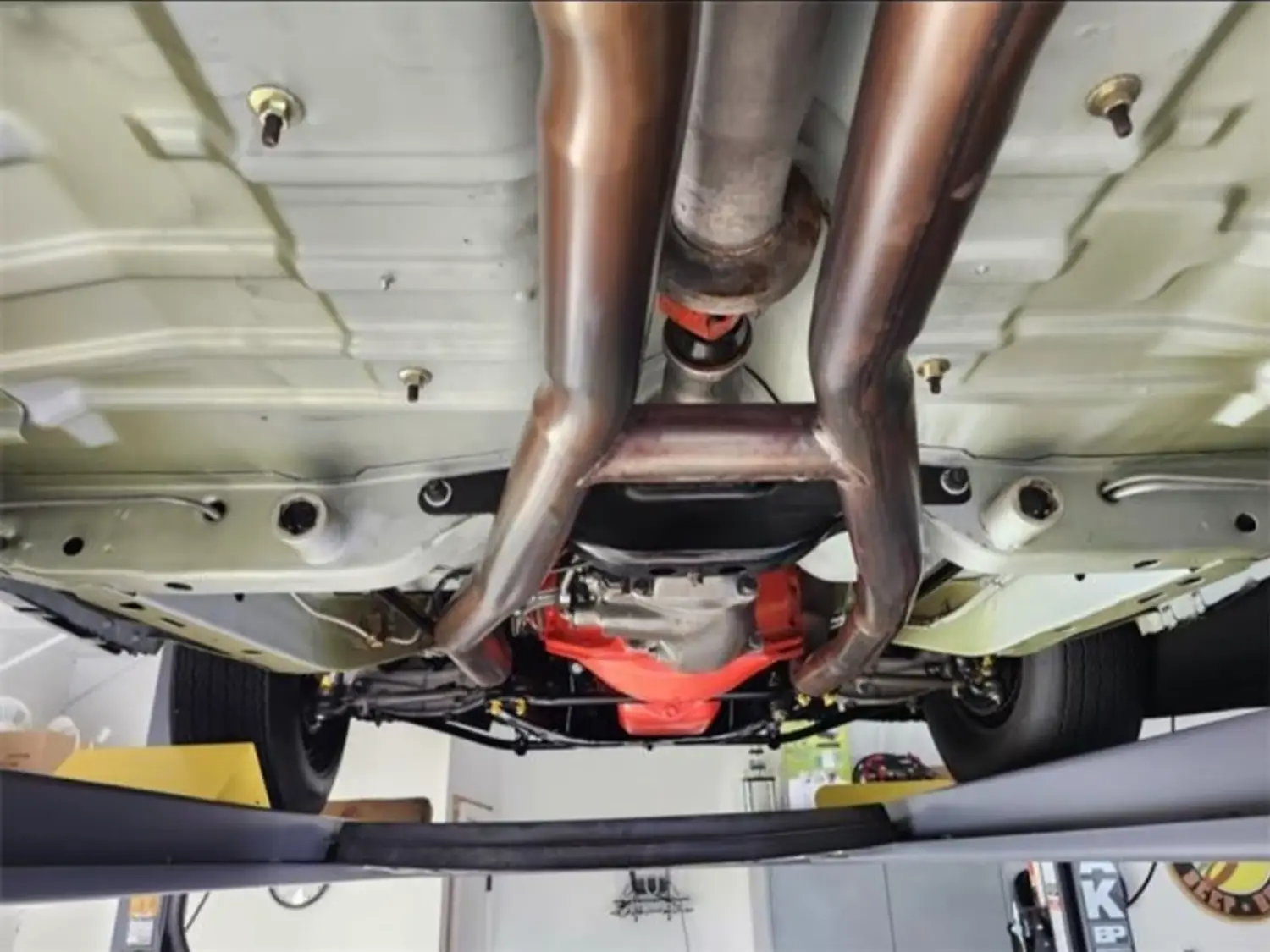
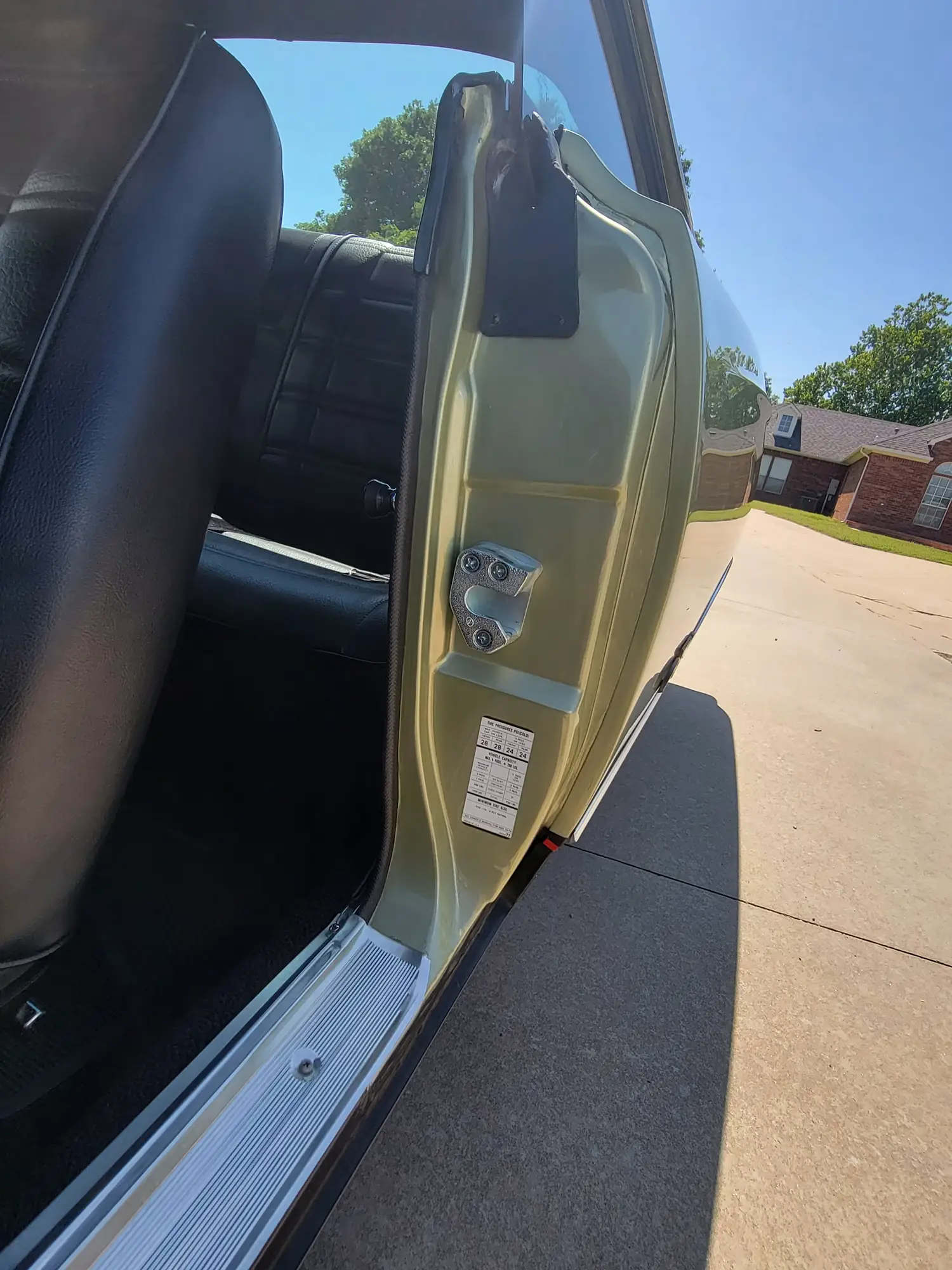
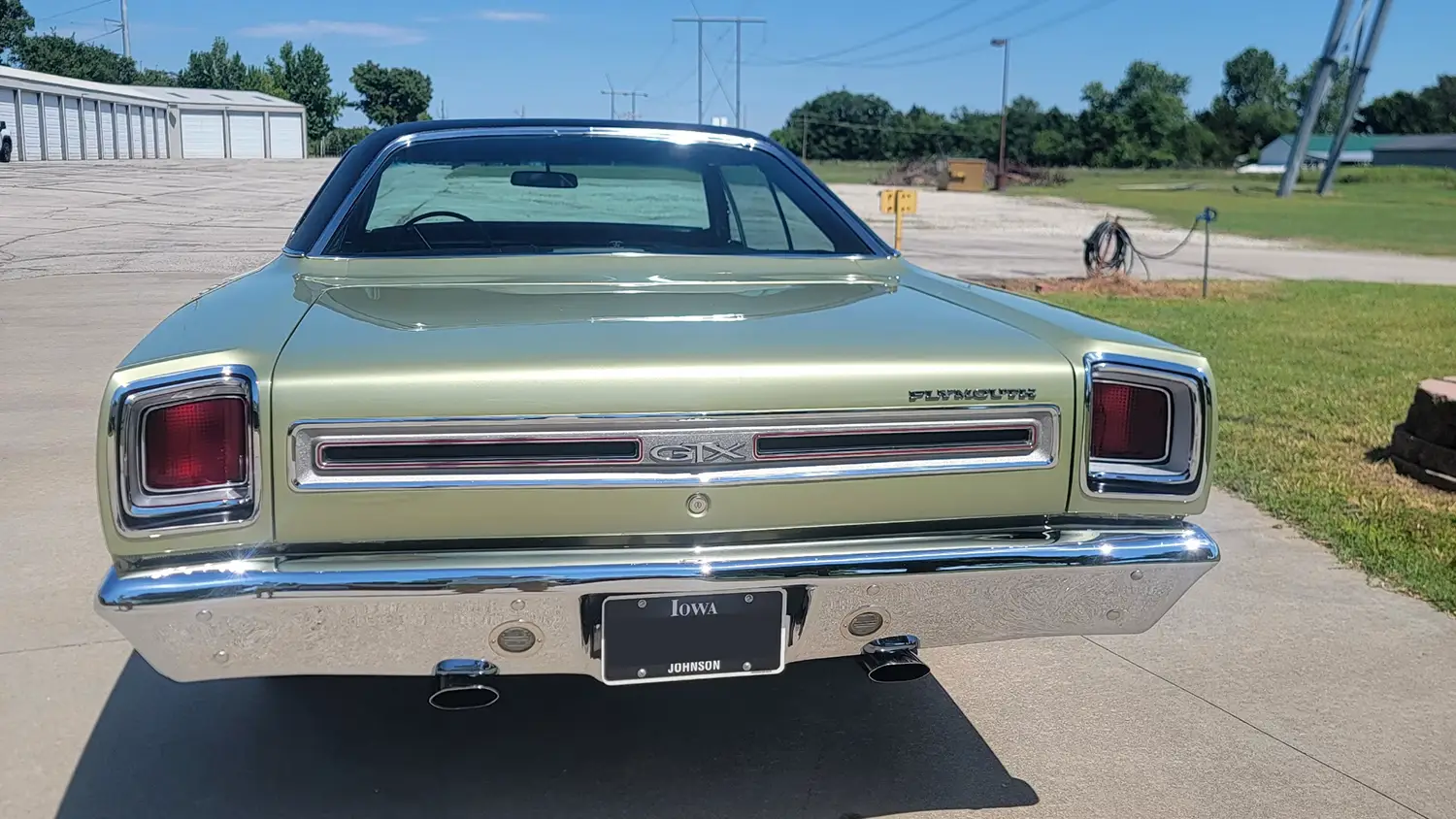
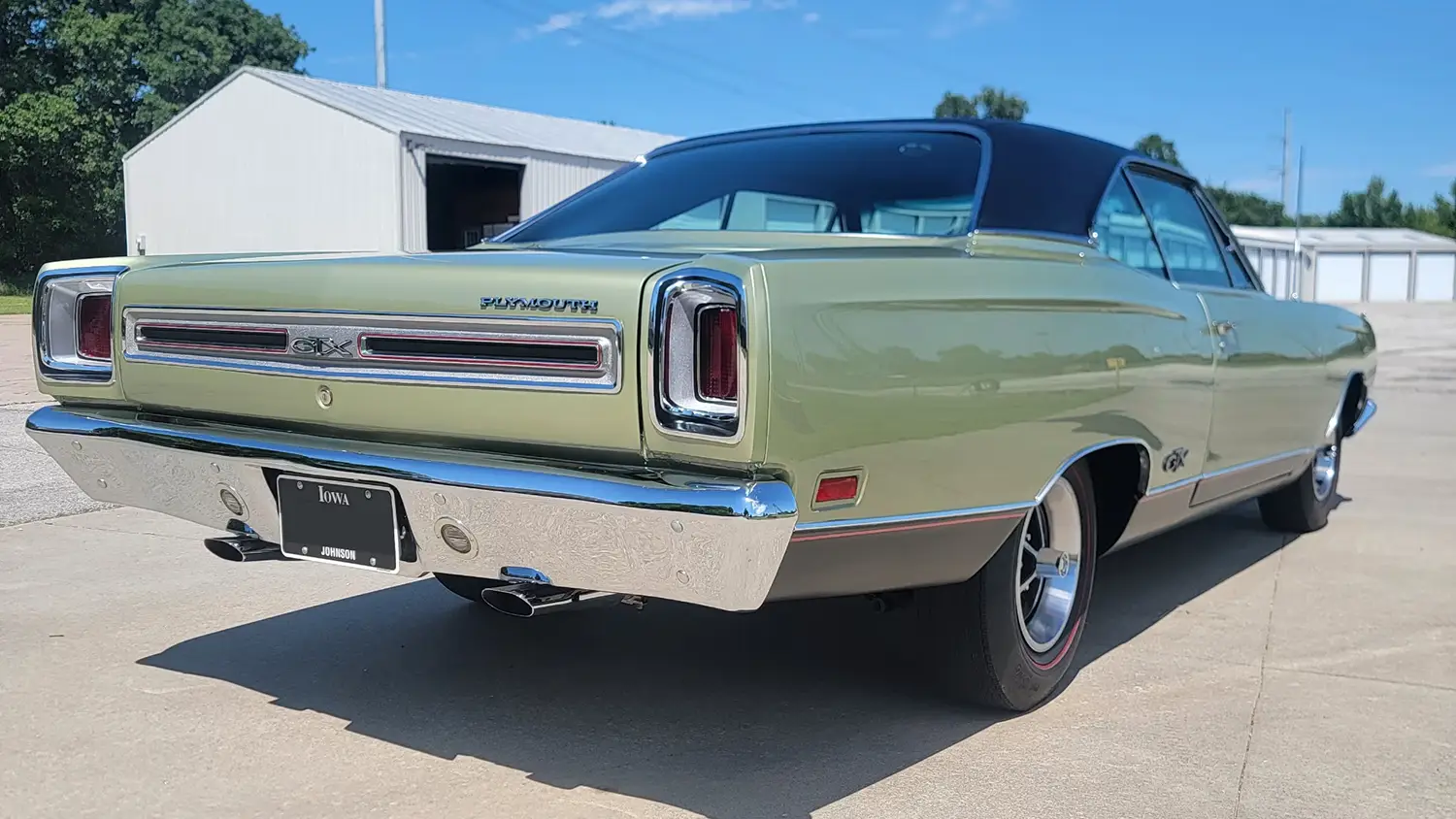
The visual character of this 1969 model is defined by its clean, linear silhouette and the lustrous Light Green Metallic paintwork. Because this was a rotisserie restoration, the undercarriage is as pristine as the topside, showcasing the factory-correct overspray and hardware. A crisp black vinyl roof provides a sharp textural contrast, emphasizing the formal roofline that distinguished the GTX from its Plymouth siblings. Classic brightwork surrounds the wheel wells and rocker panels, while the dual exhaust tips hint at the big block thunder waiting under the hood. It maintains a period-correct stance that feels both authoritative and timeless, representing a high-water mark for Chrysler’s late-sixties design language.
Black Vinyl Buckets and Woodgrain Console Refinement
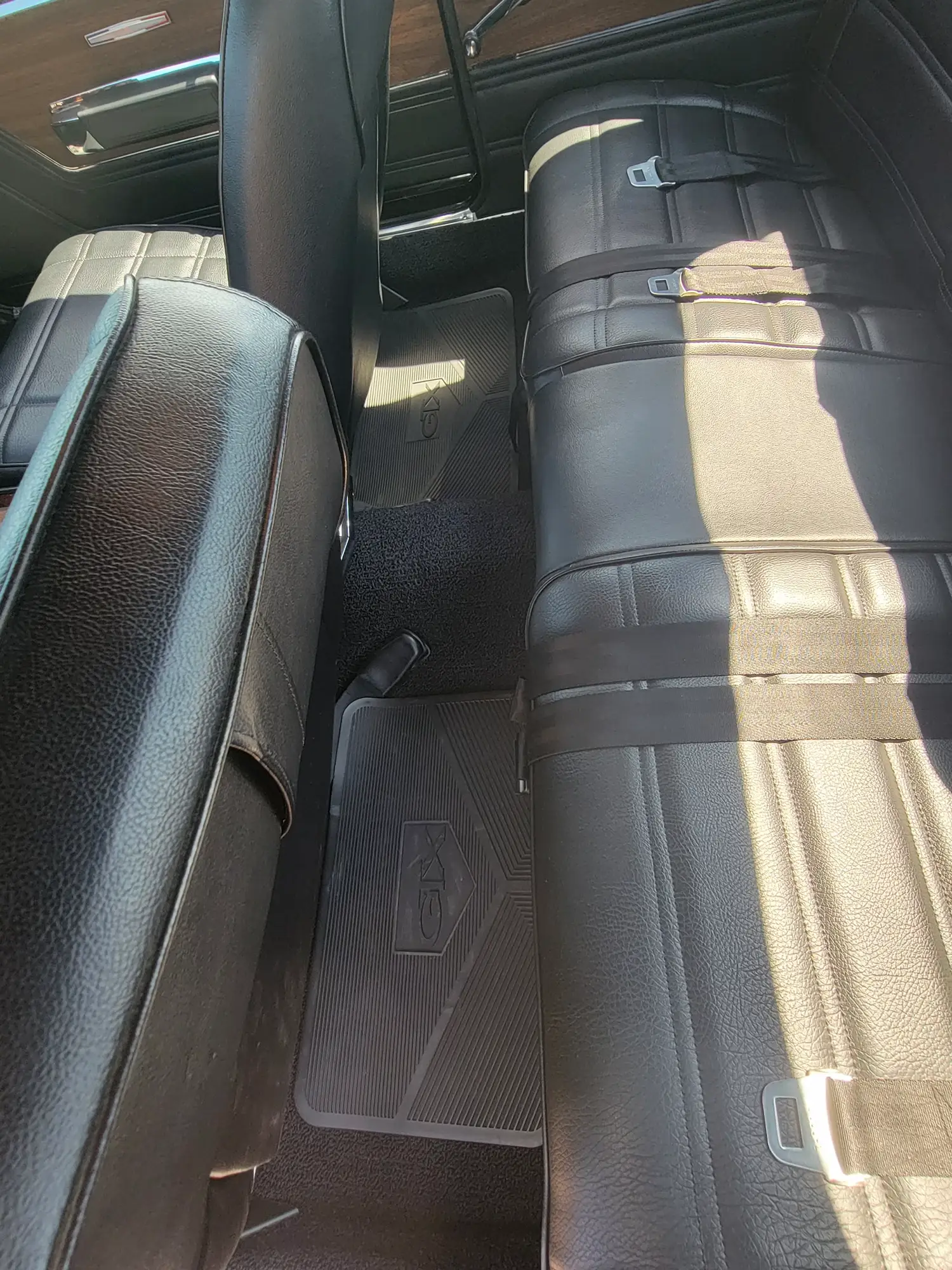
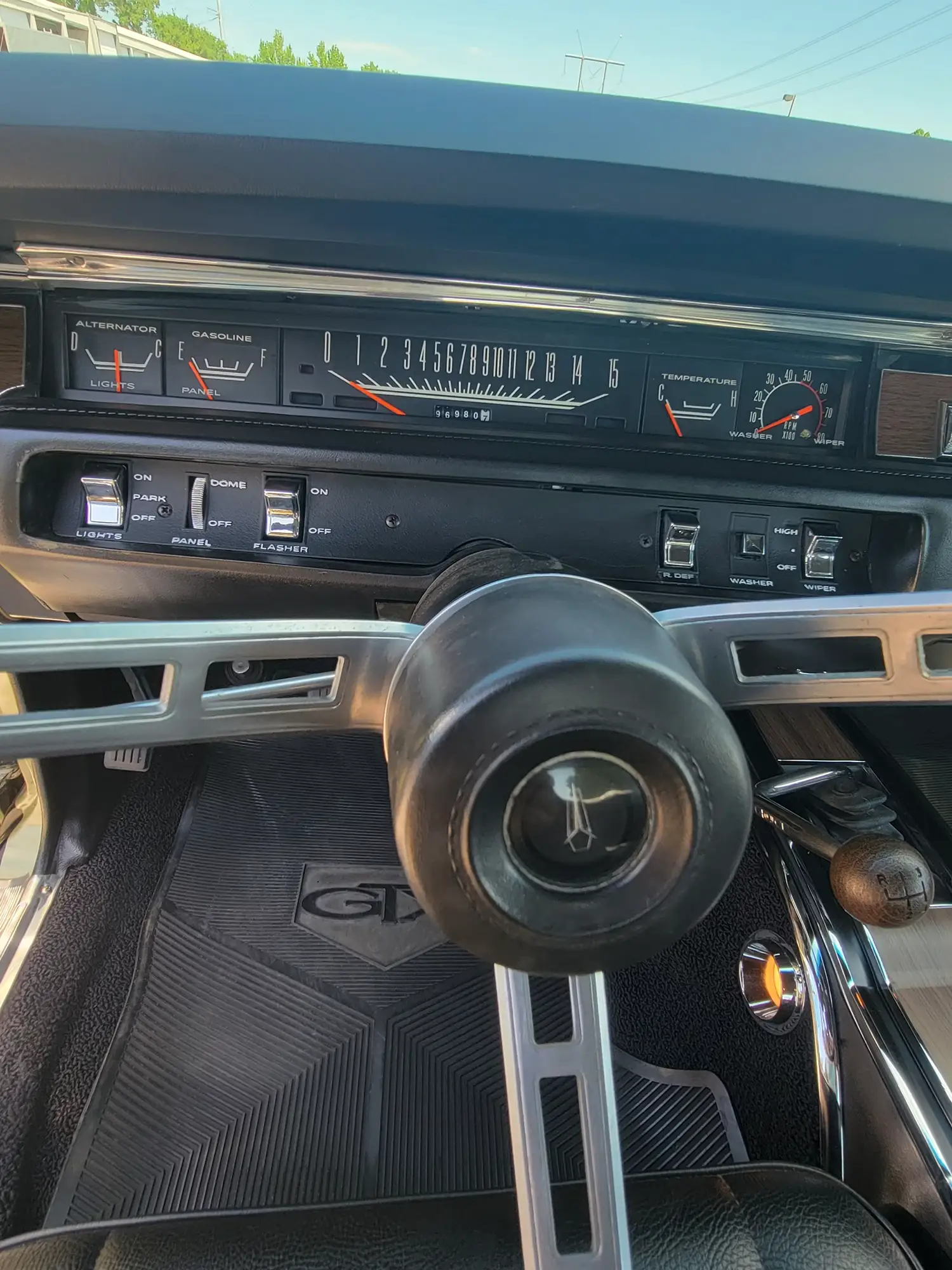
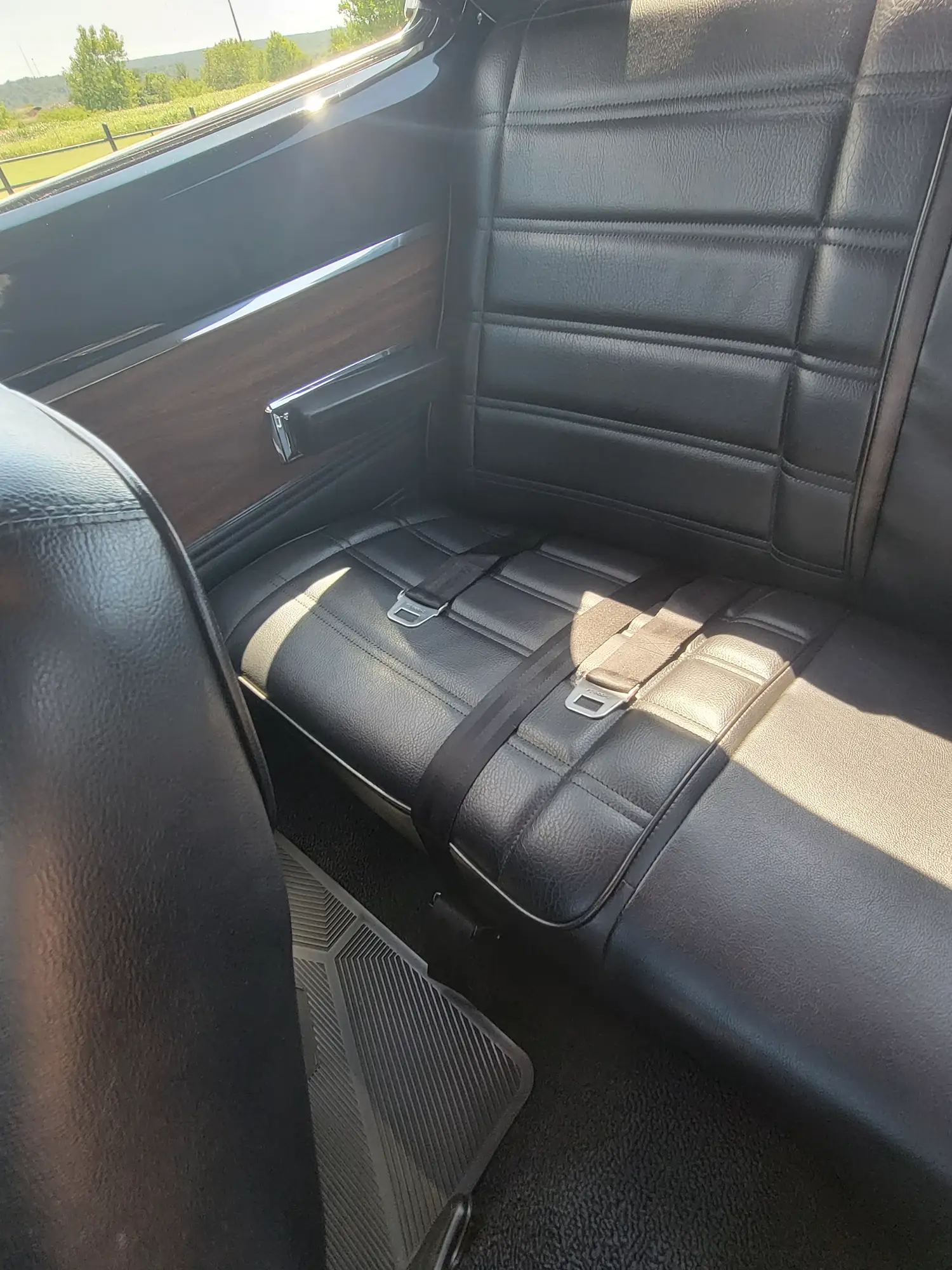
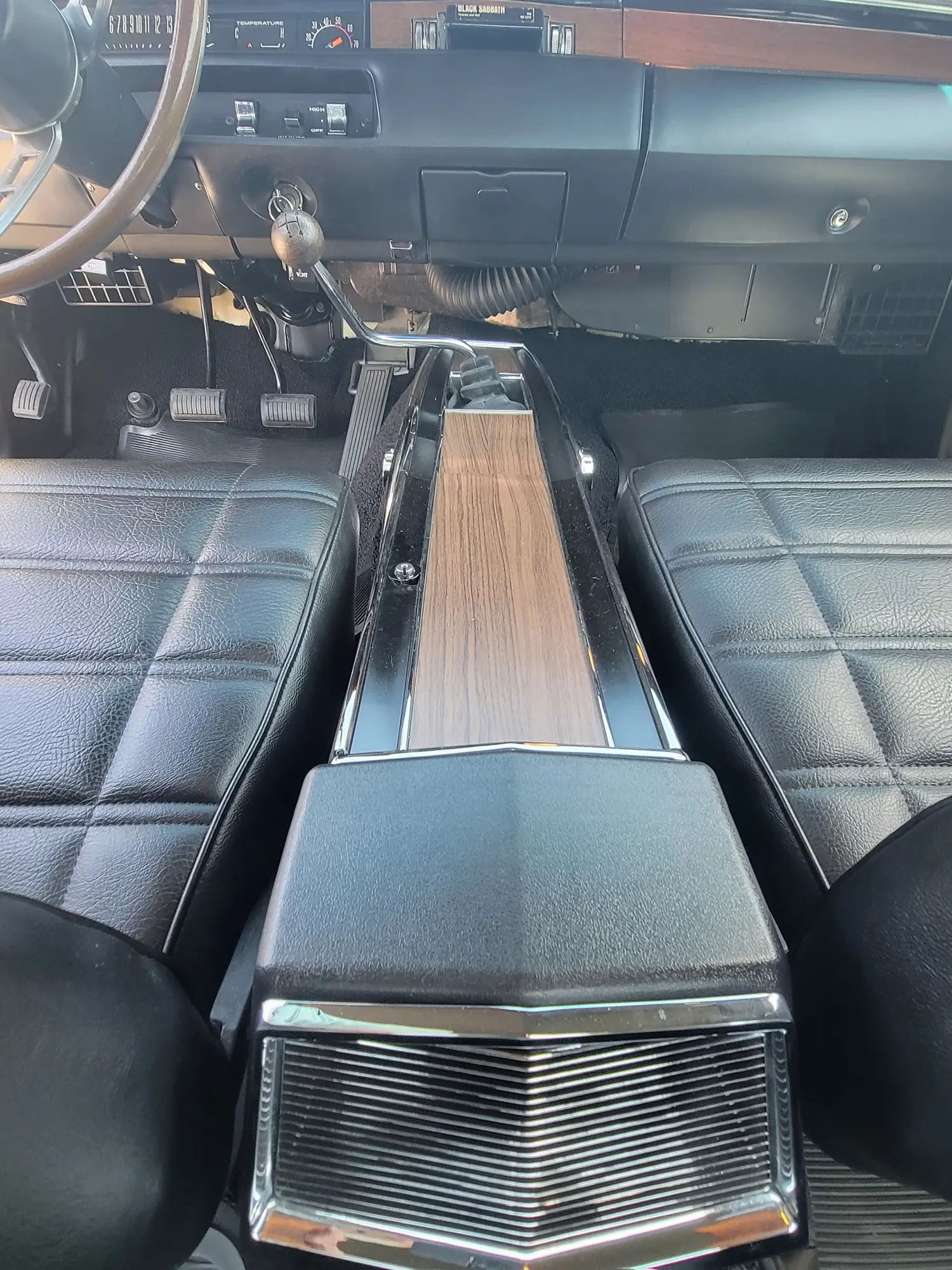
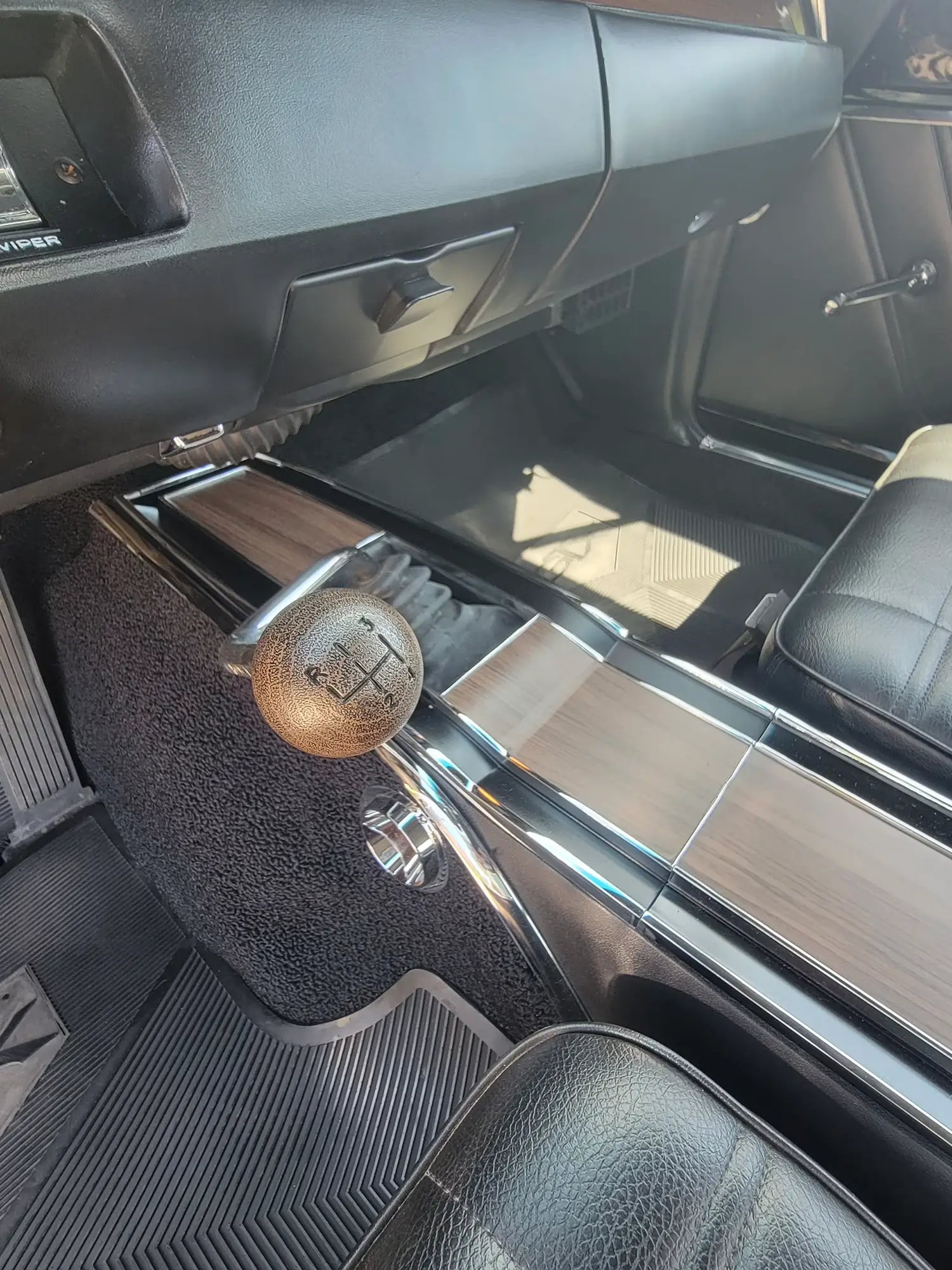
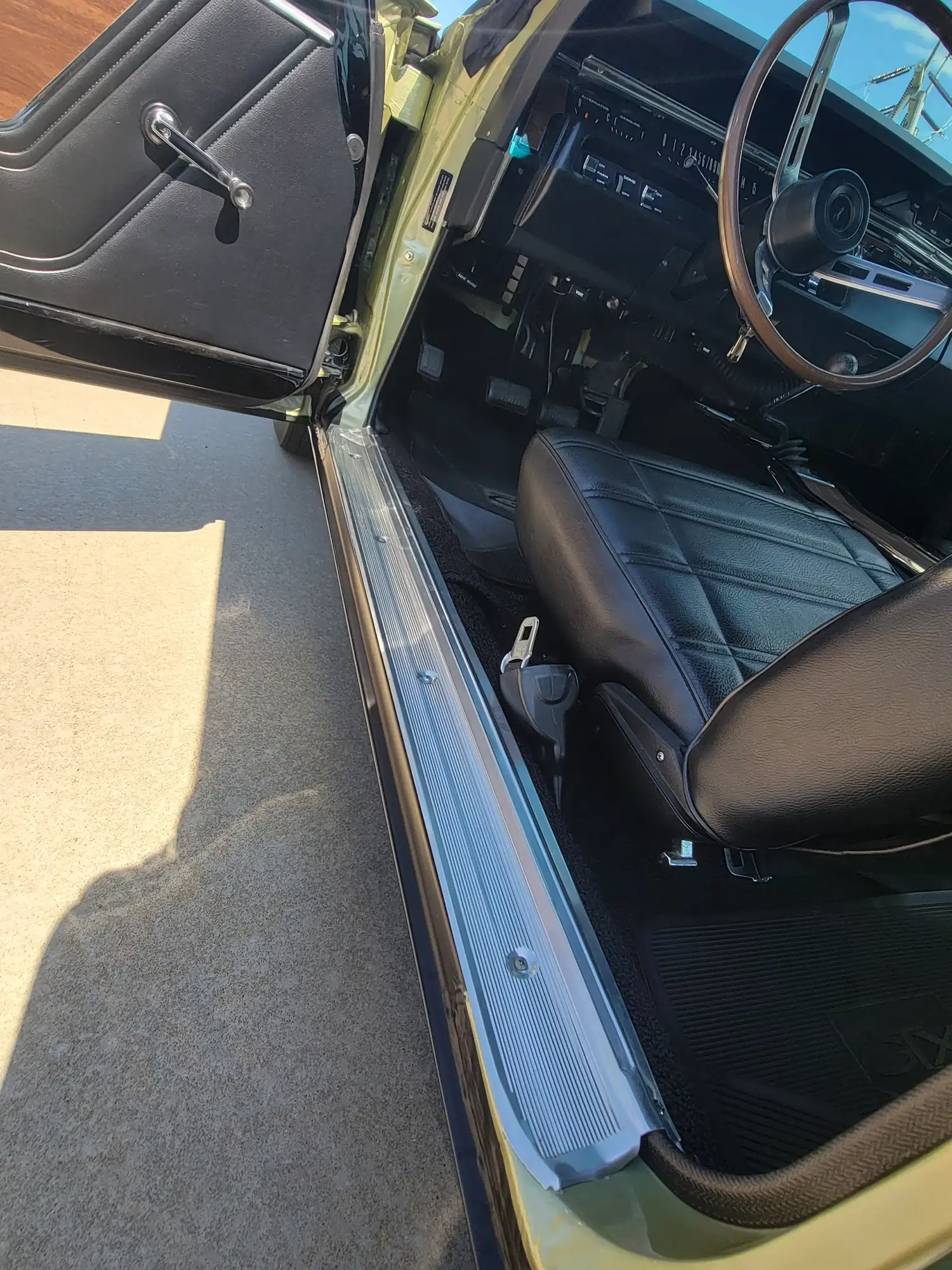
Inside the cabin, the GTX lives up to its premium billing with a full Black vinyl interior featuring deep-bolstered bucket seats. The driver is greeted by a center console adorned with woodgrain paneling, a signature touch that elevated the GTX above the standard muscle car fray. An AM radio with a cassette player remains in the dashboard, maintaining the authentic 1969 atmosphere for long-distance cruising. The floor-mounted shifter for the four-speed manual transmission serves as the centerpiece of the cockpit, promising a tactile connection to the drivetrain. Every surface, from the headliner to the carpeting, reflects the uncompromising quality of the 2014 restoration effort.
Super Commando 440 V-8 and Four-Speed Manual Control
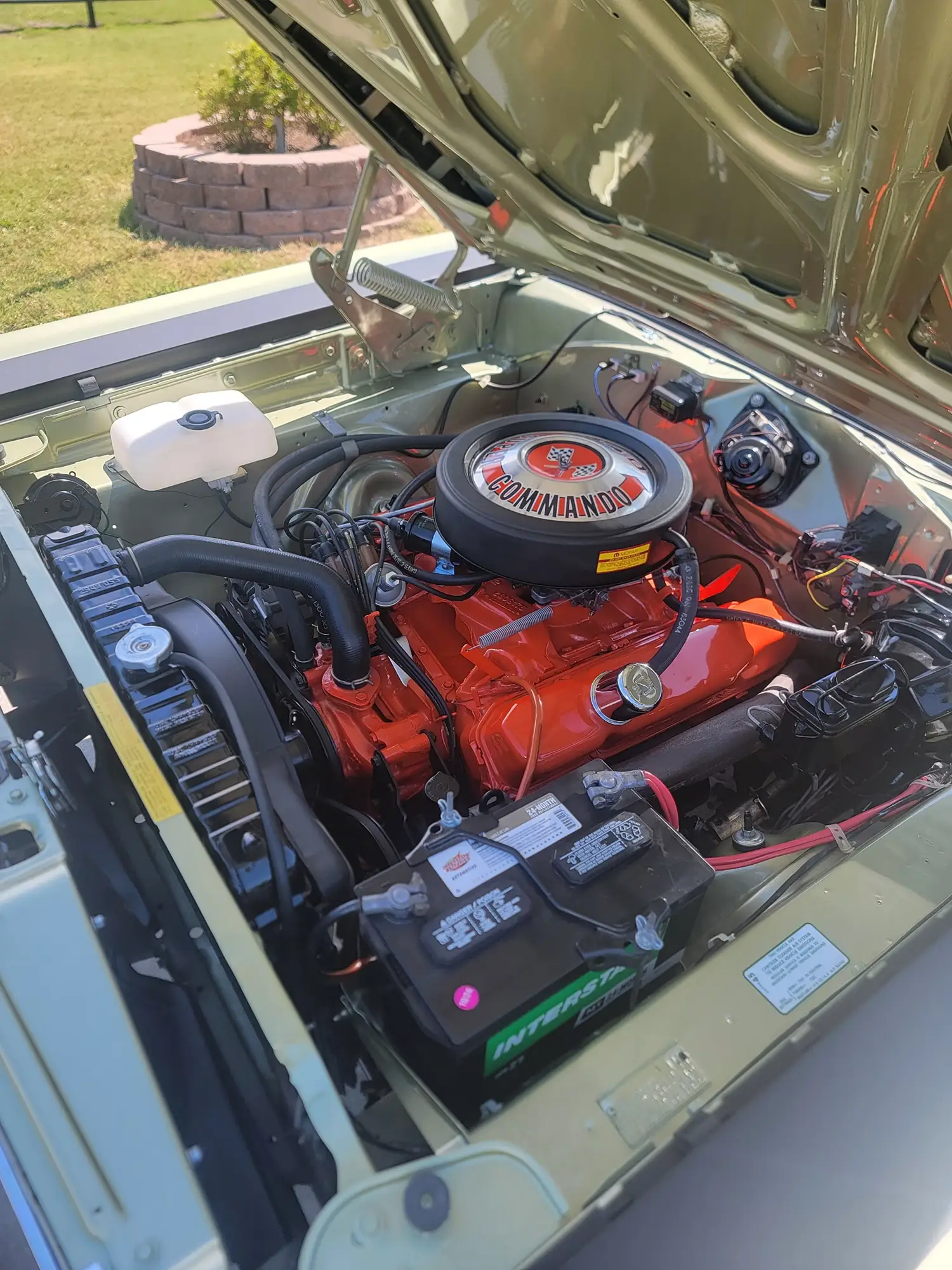
Performance is spearheaded by the legendary 440 CI V-8 engine, equipped with a 4-barrel carburetor for reliable, neck-snapping acceleration. This Super Commando powerplant generates 375 hp / 380 PS and 480 lb-ft / 651 Nm. Power is managed through a traditional 4-speed manual transmission, allowing the driver to fully exploit the engine’s massive torque curve. Braking duties are handled by a power-assisted system, providing necessary stopping force for the substantial 1960s steel chassis. The mechanical feel is heavy and purposeful, offering the kind of raw, analog feedback that modern performance cars simply cannot replicate. It is a drivetrain built for the open road and the quarter-mile alike.
| Specification | Detail |
|---|---|
| Engine Type | 440 CI V-8 |
| Induction | 4-Barrel Carburetor |
| Transmission | 4-Speed Manual |
| Brakes | Power Assisted |
| Restoration Type | Nut-And-Bolt Rotisserie |
| Original Province | Arizona (Dry Climate) |
A Blue-Chip Contender in the Mopar Collector Space
In the global muscle car market, the 1969 Plymouth GTX is often overshadowed by the Hemi-powered variants, yet the 440-4bbl models offer superior real-world drivability. Its unique selling point is the combination of the Arizona “dry car” history and the exhaustive rotisserie restoration, which significantly lowers the risk of hidden structural issues. While the Road Runner sold in higher volumes, the GTX remains the rarer and more desirable option for the enthusiast who values interior luxury. Compared to rivals like the Pontiac GTO or Oldsmobile 442, the GTX provides a more aggressive mechanical character that Mopar fans find irresistible. It continues to be a staple of high-end auction catalogs due to its high floor for investment value.
Documented Provenance and Long-Term Value Trends
Investing in a vehicle with a documented broadcast sheet is a vital safeguard for any serious collector, as it verifies the factory-born specifications of this 440 beast. The 2014 restoration has aged gracefully, indicating that the work was performed to a standard that prioritizes longevity and structural integrity. Since this car originated in the dry Arizona climate, the sheet metal integrity is likely superior to that of East Coast survivors. As the market for classic muscle shifts toward high-quality, turn-key restorations, this GTX represents a solid hedge against inflation. It is a vehicle that commands respect on the show field and delivers a visceral, high-torque experience every time the key is turned.
Disclaimer: Content on this site is for informational and entertainment purposes only. Details, analyses, and opinions reflect current trends and personal views, not professional or financial advice. Always verify information with official sources before making any decisions.
Source: mecum.com