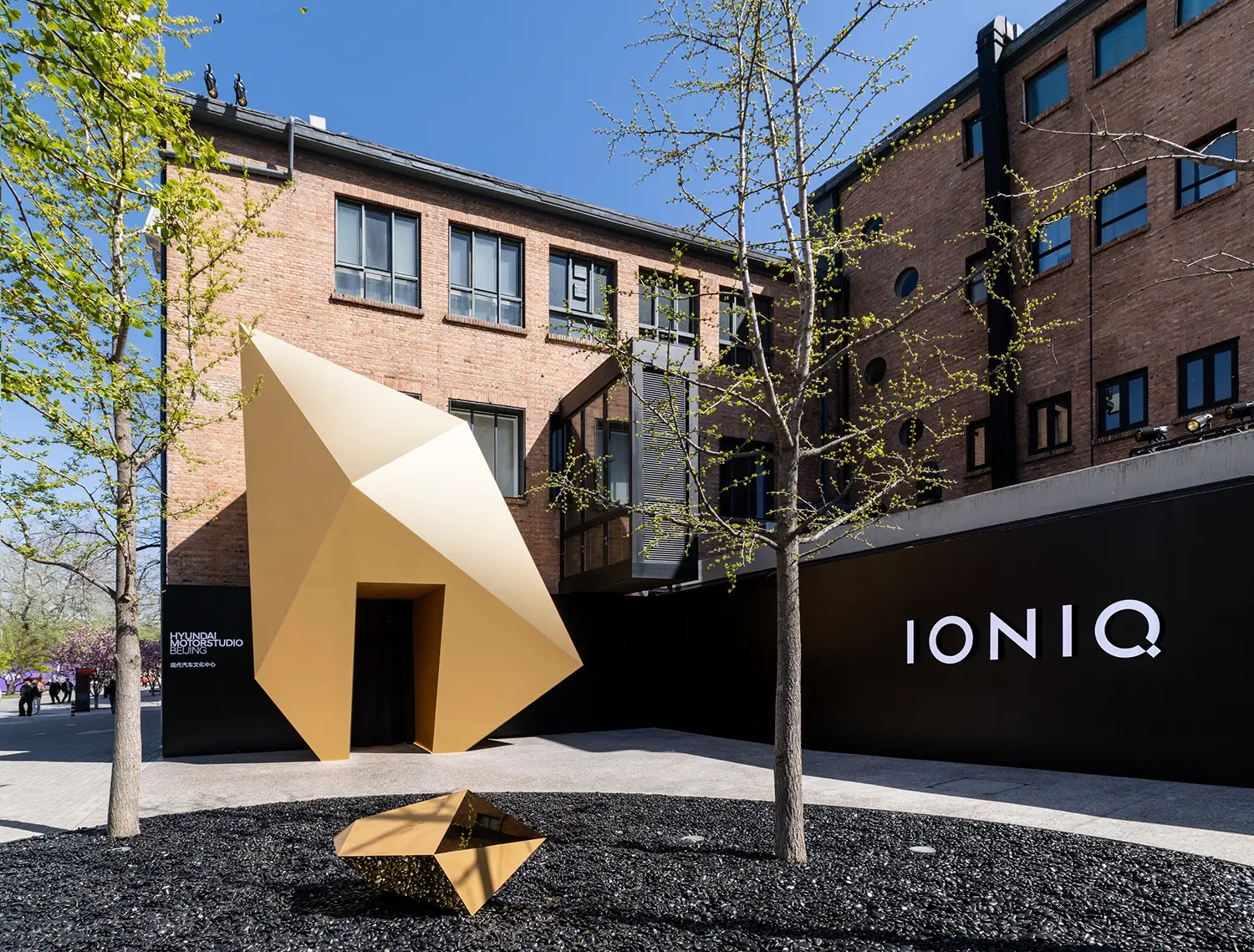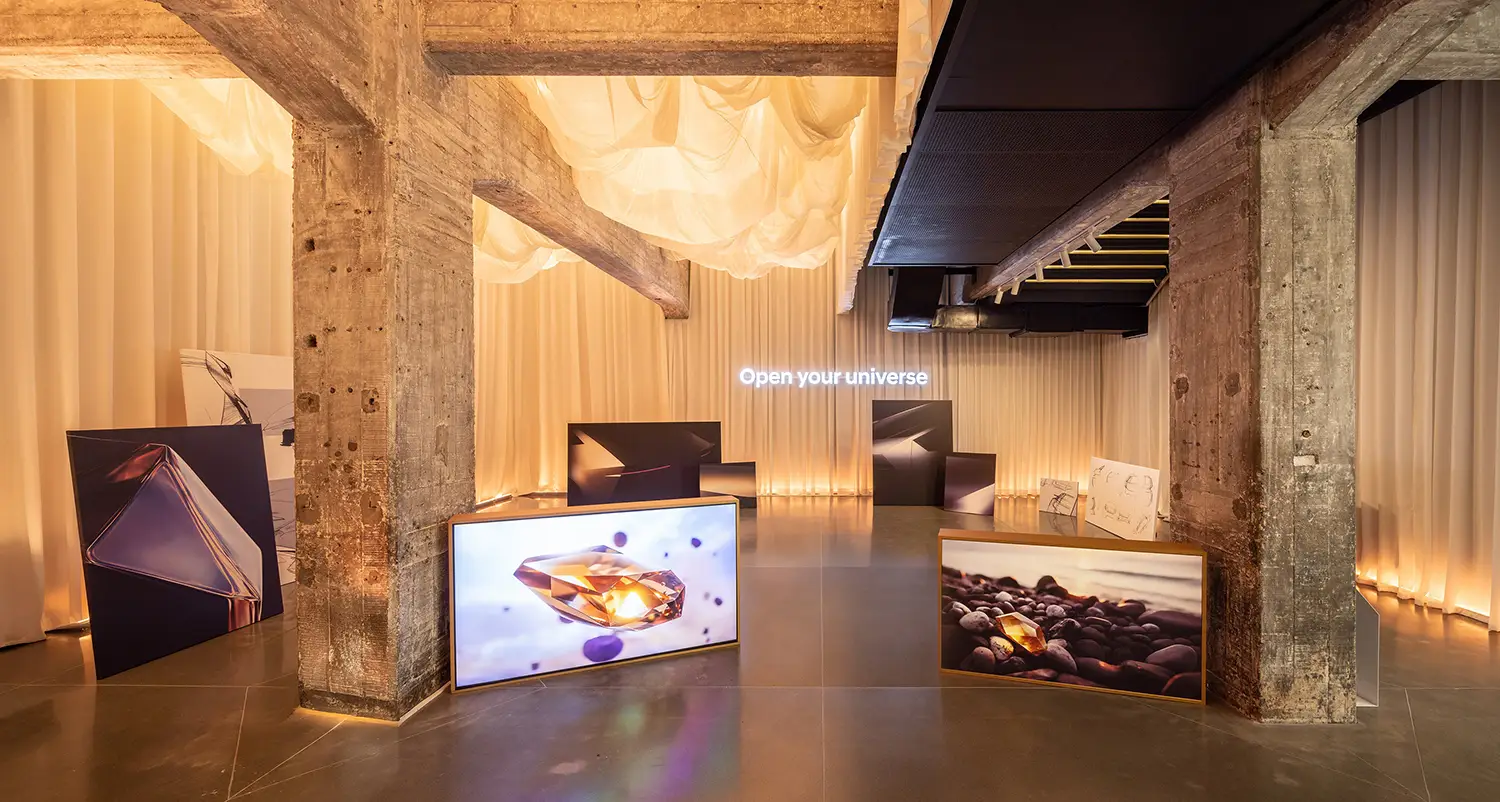
Hyundai Motor has officially introduced the Hyundai IONIQ lineup brand to the Chinese market, marking a significant pivot in its global electrification strategy. Unveiled in Beijing ahead of Auto China 2026, the launch is centered around a new “universe” philosophy where future models are named after planets to symbolize their customer-centric focus. This localized approach aims to move beyond simple product offerings, integrating a broader mobility ecosystem that combines the brand’s global quality standards with market-specific autonomous driving solutions and extended-range electric vehicle technologies.
Radiant Gold and Aurora Shield Design Identities
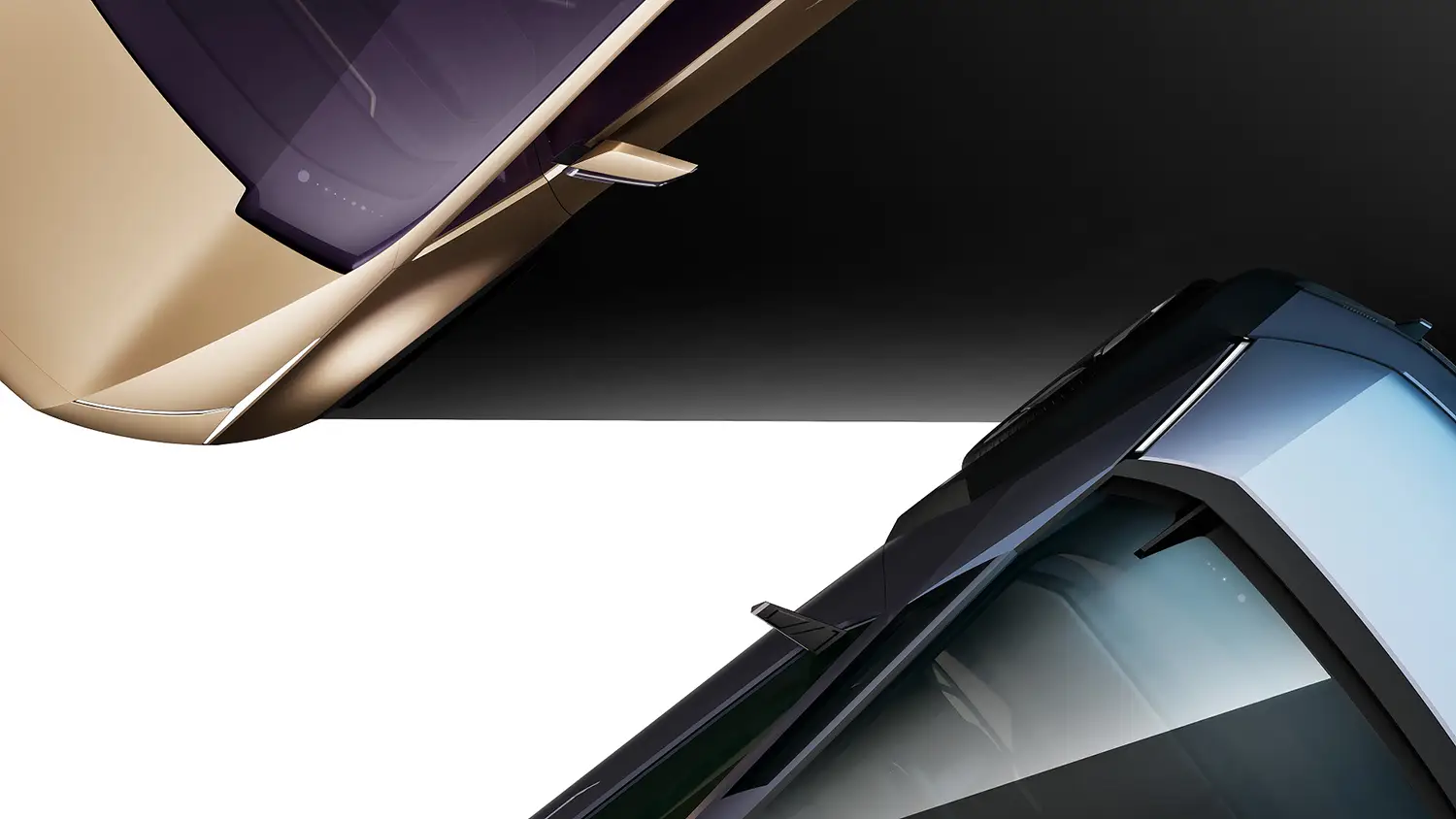
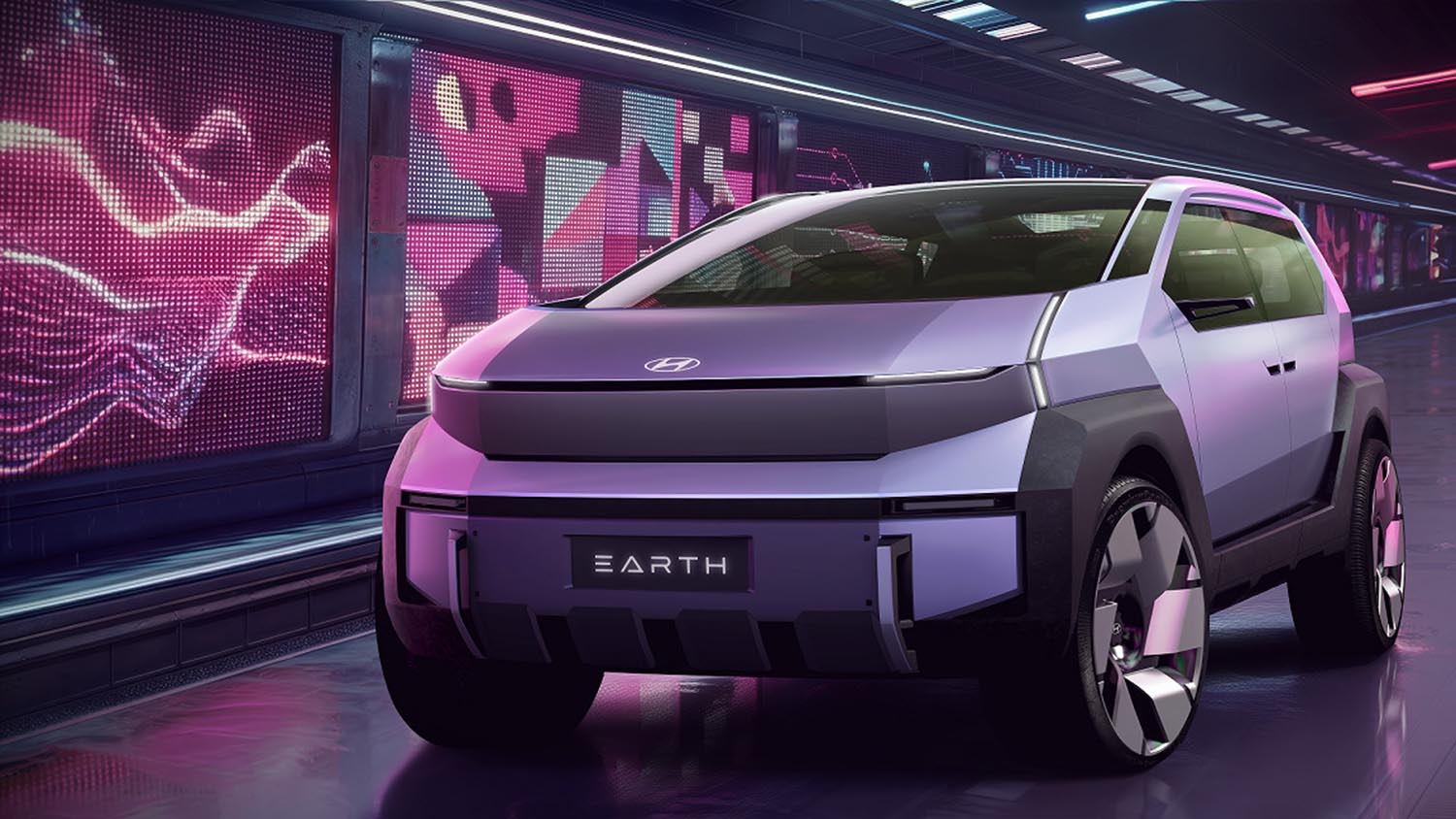
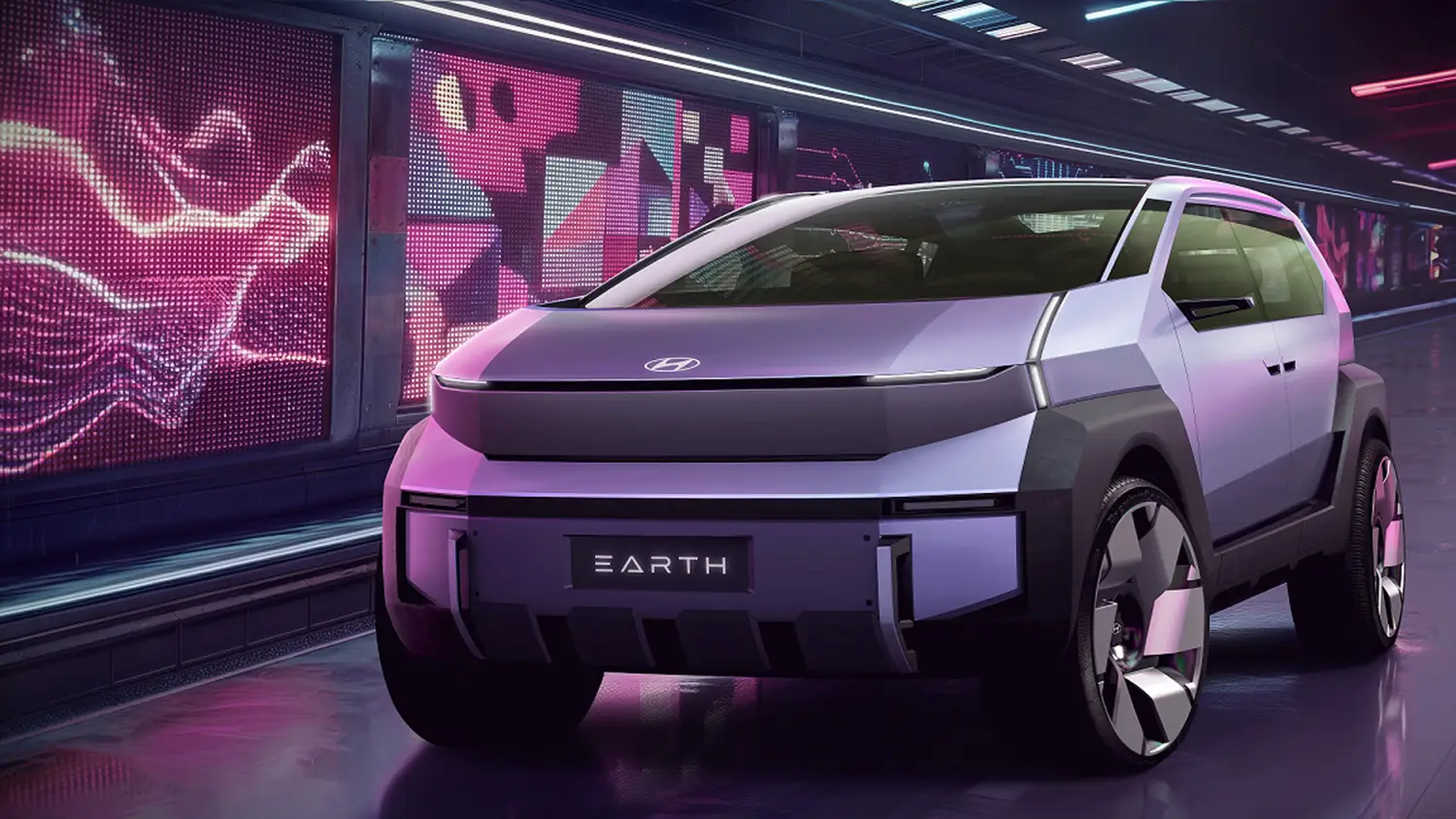
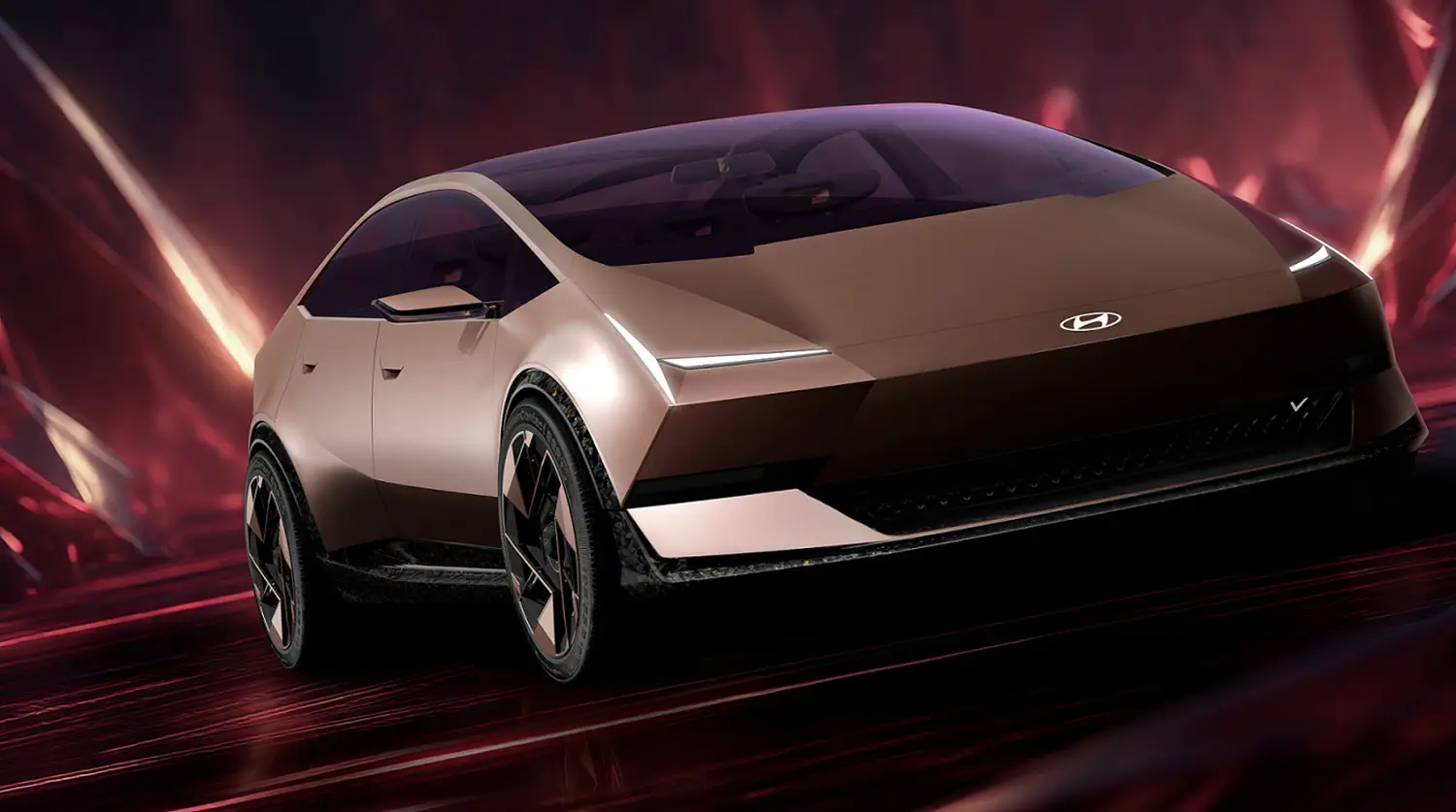
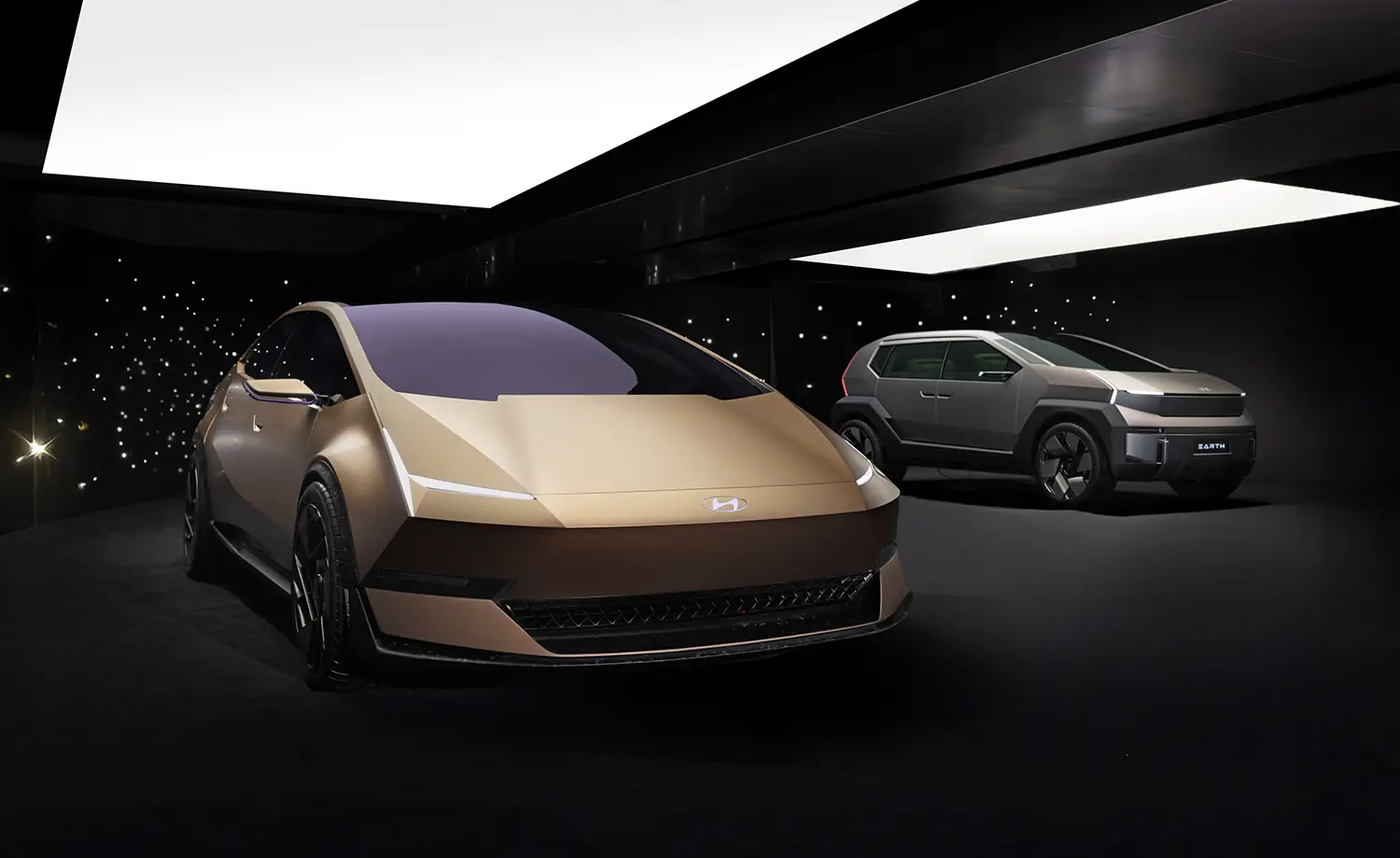
The design direction for the new Chinese lineup is led by two distinct silhouettes that prioritize emotional impact through a single-curve ethos. The VENUS Concept sedan is finished in Radiant Gold and features a frame-structured roof combined with a transparent spoiler to emphasize a lightweight, high-tech character. In contrast, the EARTH Concept SUV utilizes an Aurora Shield finish, balancing sharp edges with sculpted volumes. This powerful family SUV incorporates robust skid plates and exposed bolt accents to create a futuristic, durable image that contrasts with the sleek, iconic profile of the sedan.
Lumi Characters and Air Hug Cabin Innovations
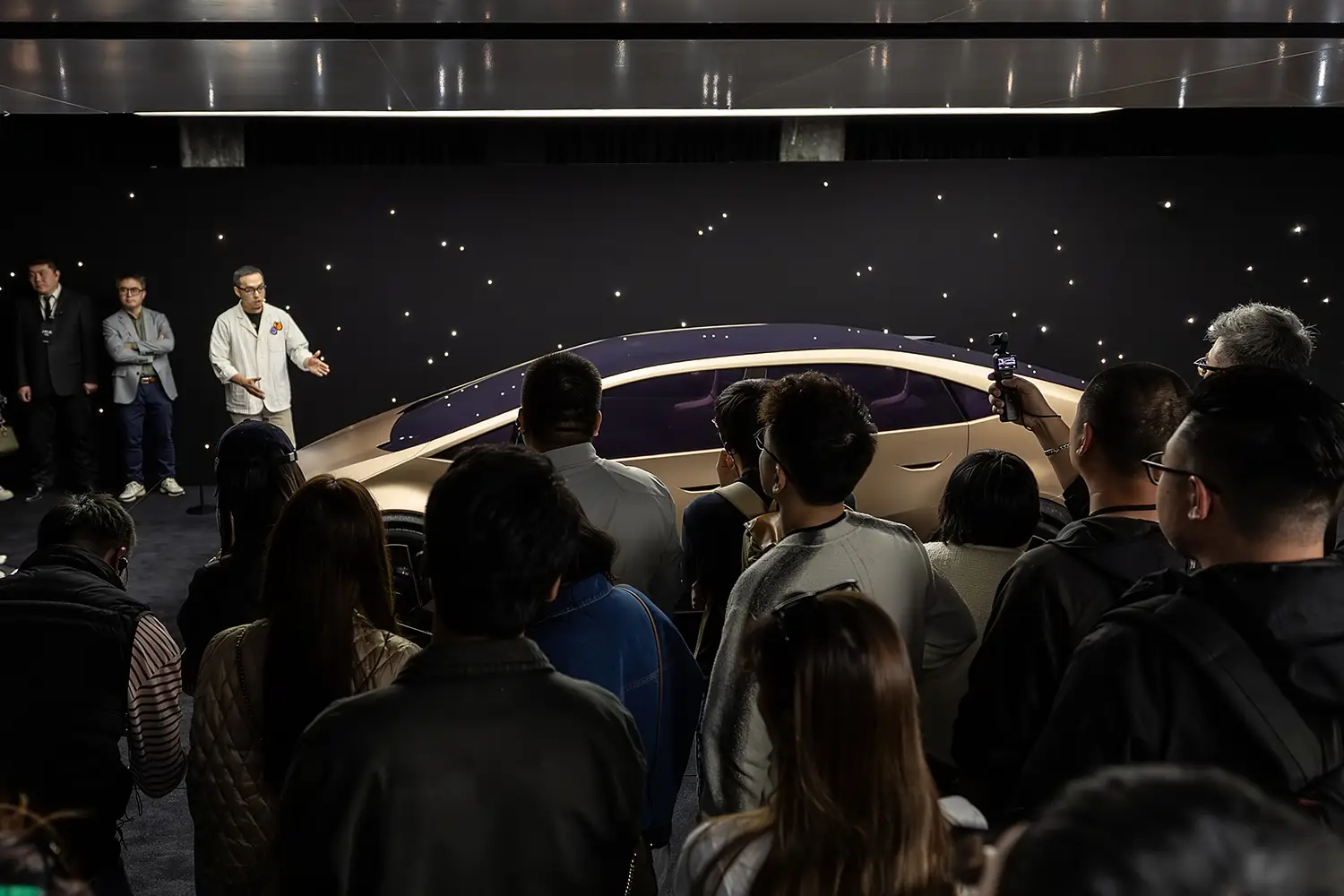
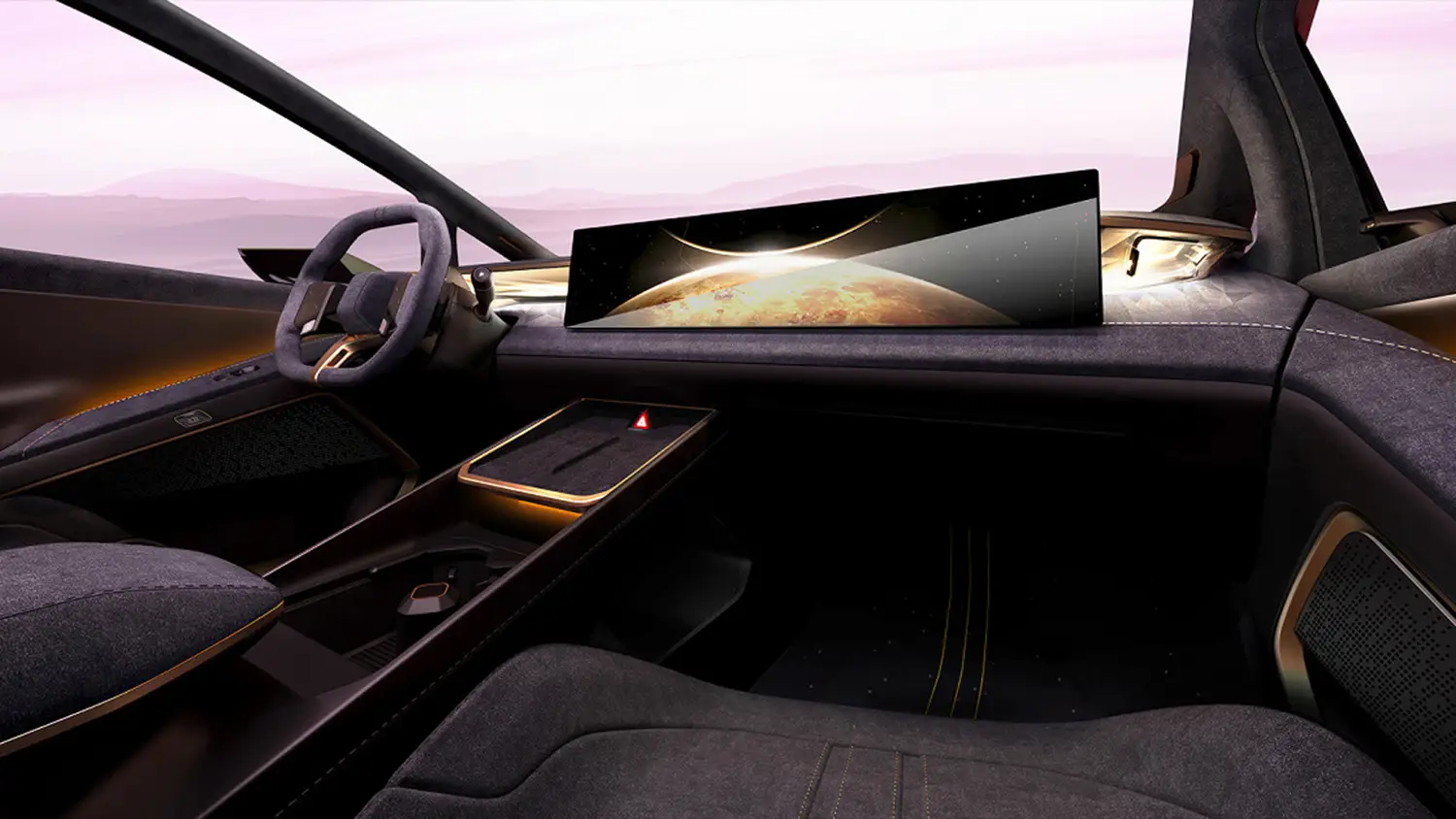
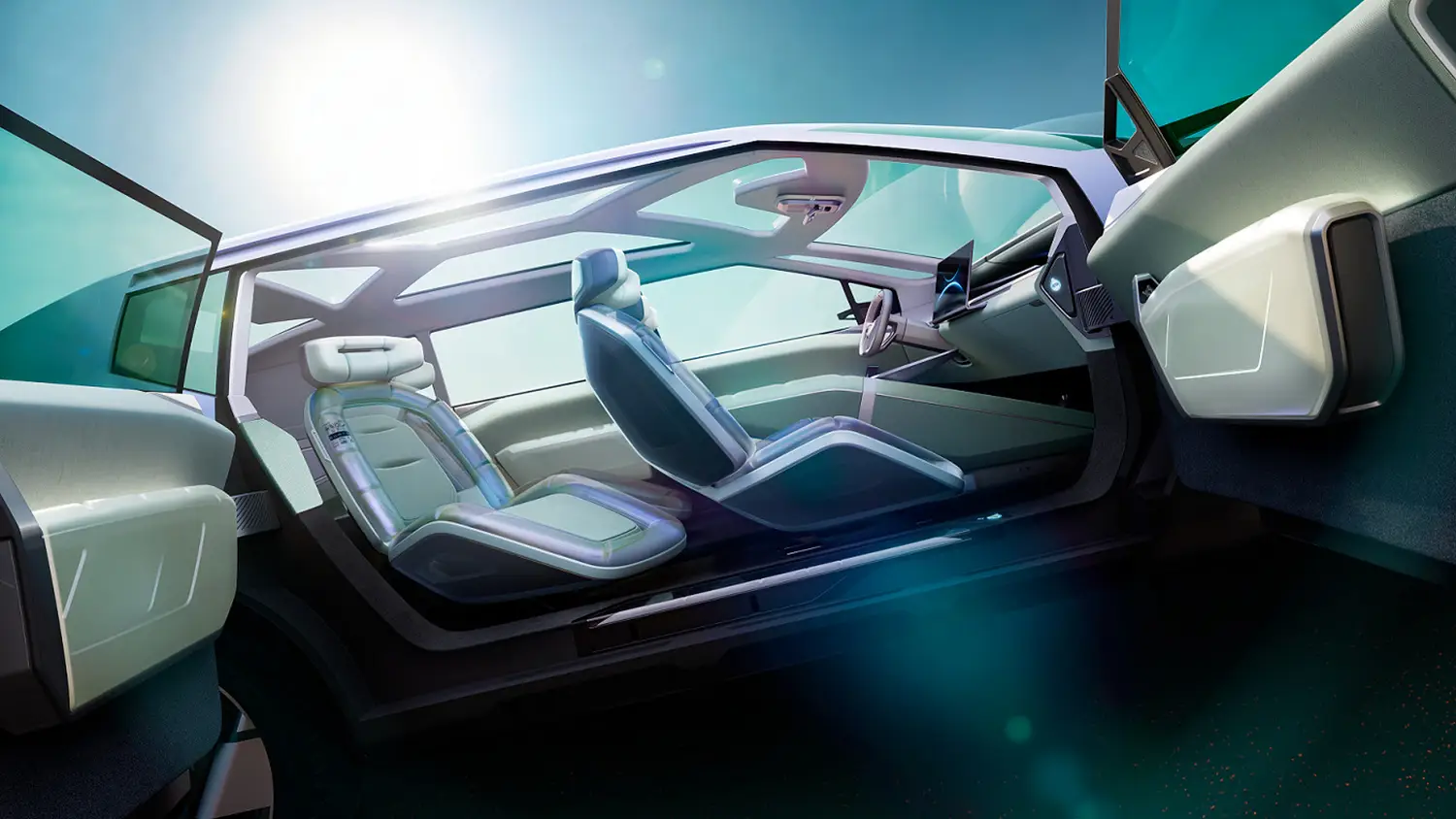
The interior spaces of these concepts transition from driver-focused cockpits to serene family retreats. Inside the VENUS, a wrap-around layout uses layered mood lighting and a contrast of soft suede against chrome-gold seatback covers to evoke a premium atmosphere, featuring the interactive Lumi character. The EARTH SUV introduces a “small Earth” concept, debuting innovative air-hug seats made of soft air modules. This cabin focuses on a breathable environment with tree-shadow mood lighting and “shy-tech” elements, alongside a hidden map pattern of Beijing to foster a sense of local discovery.
Localized Powertrains and Autonomous Driving Integration
While specific technical output remains under wraps until the Beijing Auto Show, the Hyundai IONIQ brand in China will leverage proprietary modular platforms optimized for the region. Performance narratives for these “planet” models focus on a seamless blend of smart driving and smart cabin experiences. Hyundai has confirmed that these vehicles will adopt market-specific solutions, including Extended Range Electric Vehicle (EREV) systems to address range requirements and autonomous driving hardware developed in collaboration with local Chinese technology partners.
Strategic Pivot in the Competitive Chinese NEV Sector
This brand launch signals Hyundai’s “Lead, Don’t Follow” declaration within the world’s most competitive New Energy Vehicle market. By introducing the VENUS and EARTH concepts as a barometer for production, Hyundai is positioning itself against established local EV giants through a narrative of world-class safety and superior first impressions. The strategy involves redefining the brand as a premium mobility experience rather than a traditional manufacturer, utilizing the global momentum of the award-winning IONIQ 5 and IONIQ 6 to establish immediate credibility with tech-savvy Chinese consumers.
Setting a New Orbit for Electric Mobility
The premiere of the VENUS and EARTH concepts marks the point from which Hyundai’s new movement in China begins. These models represent a genuine commitment to reflecting deep insights into Chinese customer preferences while maintaining the core principles of the global IONIQ brand. As the company prepares for the official press conference at Auto China 2026, the “Open Your Universe” message serves as a clear indicator that Hyundai is ready to occupy a central role in the future of intelligent, human-centric electric mobility in the region.
Disclaimer: Content on this site is for informational and entertainment purposes only. Details, analyses, and opinions reflect current trends and personal views, not professional or financial advice. Always verify information with official sources before making any decisions.
Source: Hyundai