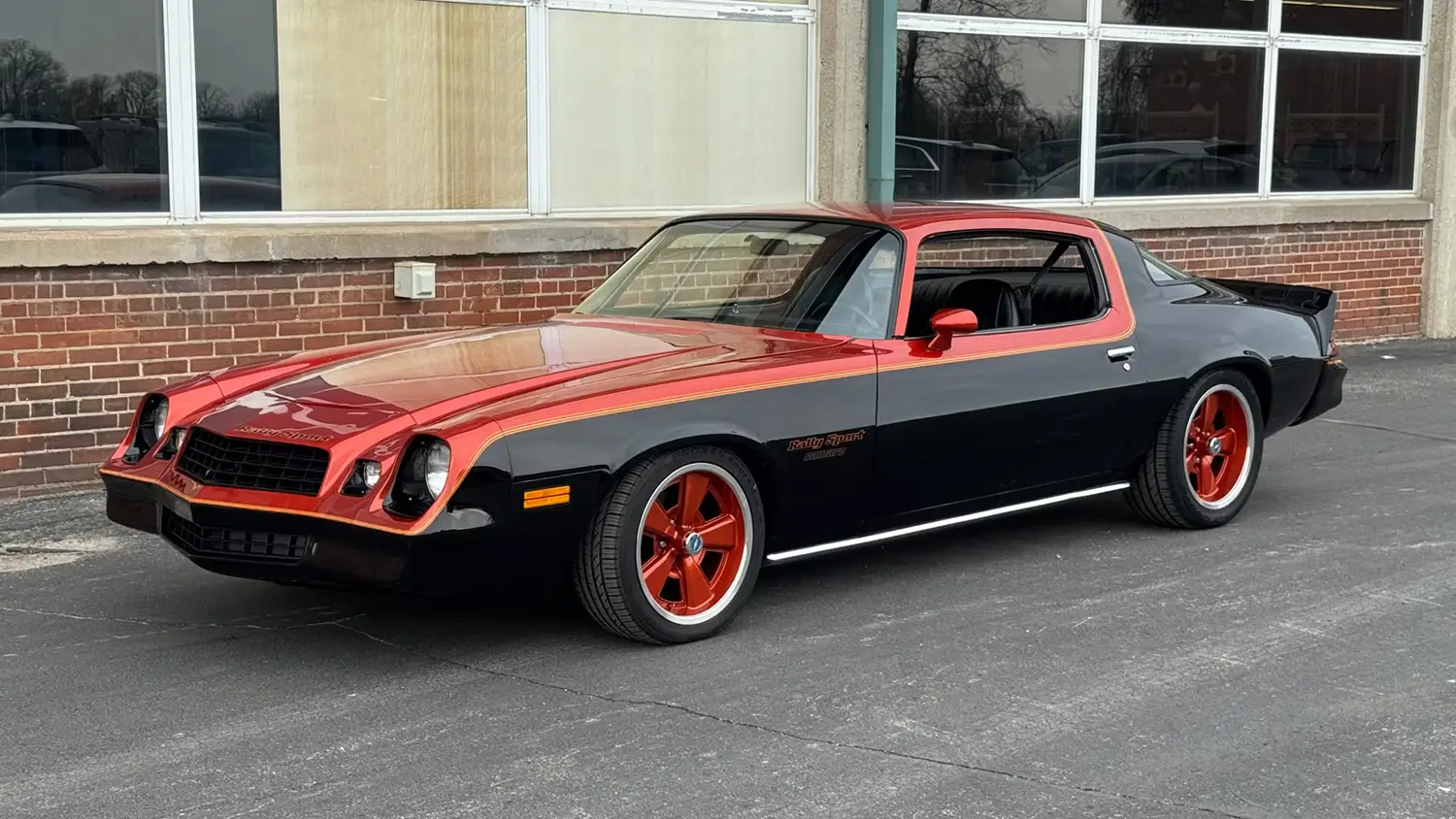
The 1979 Chevrolet Camaro represents the high-water mark of the second-generation’s popularity, a year that saw record-breaking sales and cemented the model as a cultural icon of the disco era. This specific example, finished in a high-impact Black and Orange two-tone scheme, captures the flamboyant spirit of late seventies muscle while offering the mechanical engagement of a four-speed gearbox. Crossing the block at the Houston 2026 auction, the car serves as a bridge between the classic pony car silhouette and the emerging resto-mod culture. It is a well-sorted cruiser that combines the timeless appeal of the F-body platform with tasteful modern wheel choices, making it a definitive target for enthusiasts who value both style and a tactile driving connection.
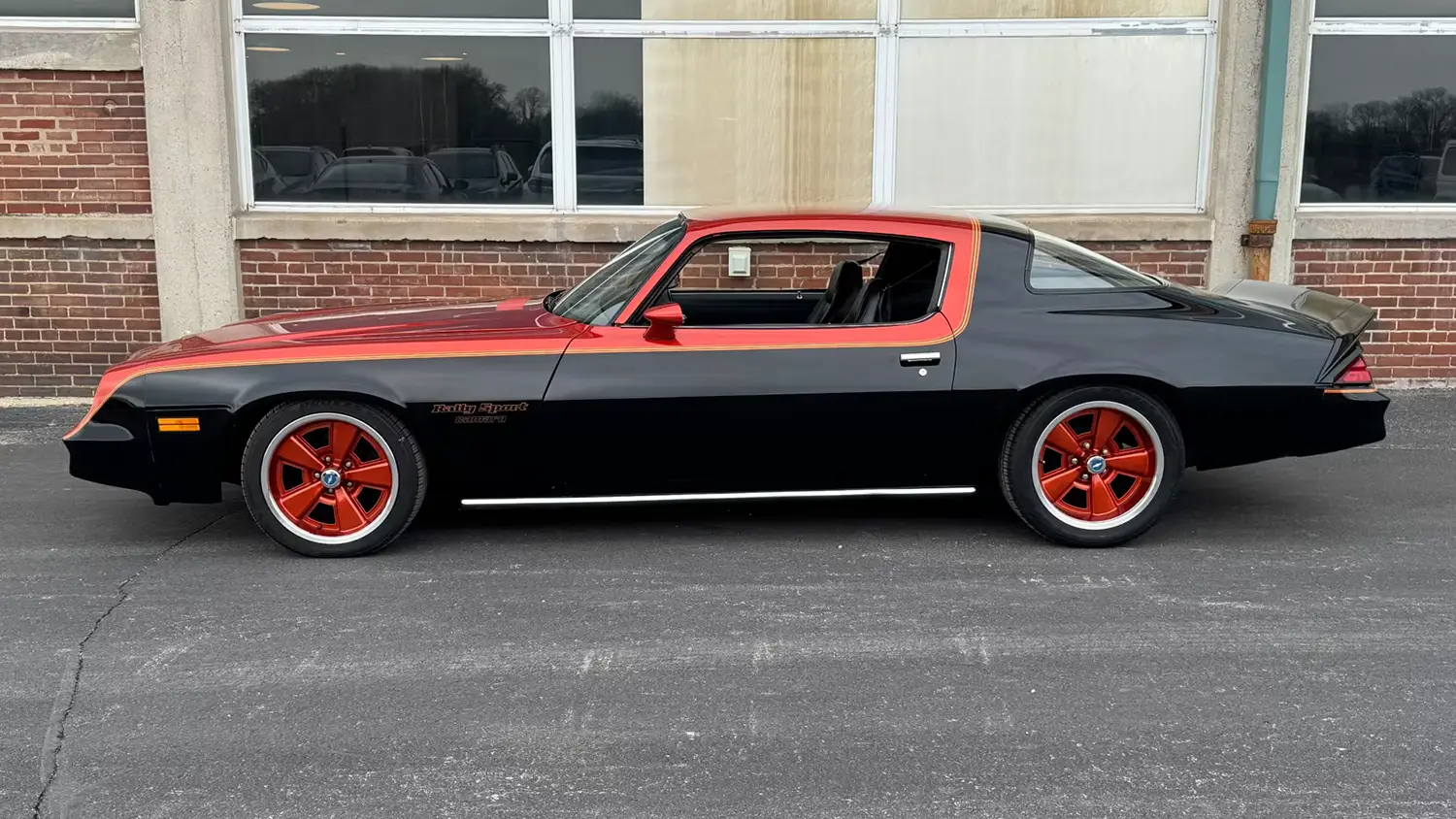
Two-Tone Silhouette and Retro-Modern Stance
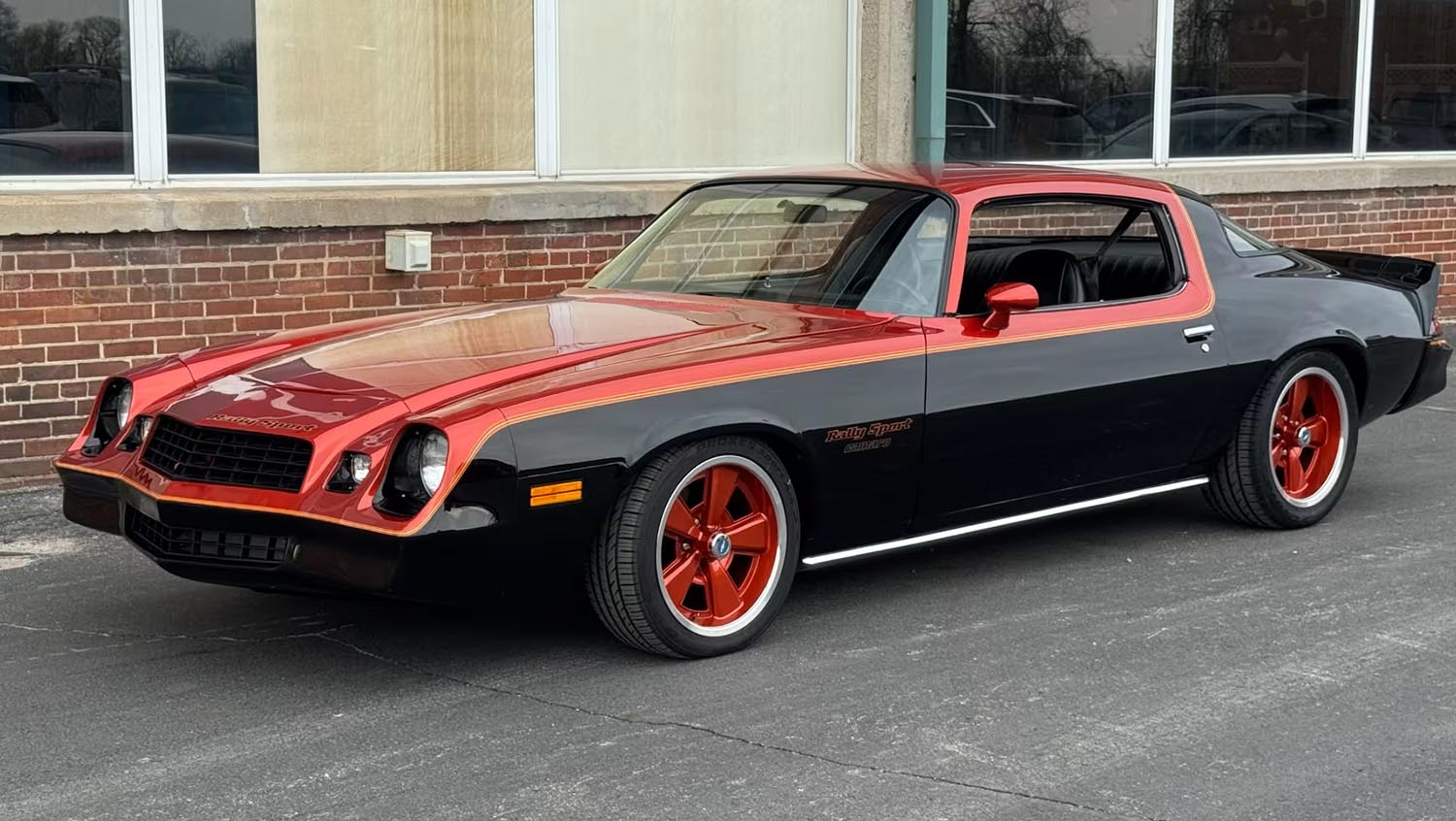
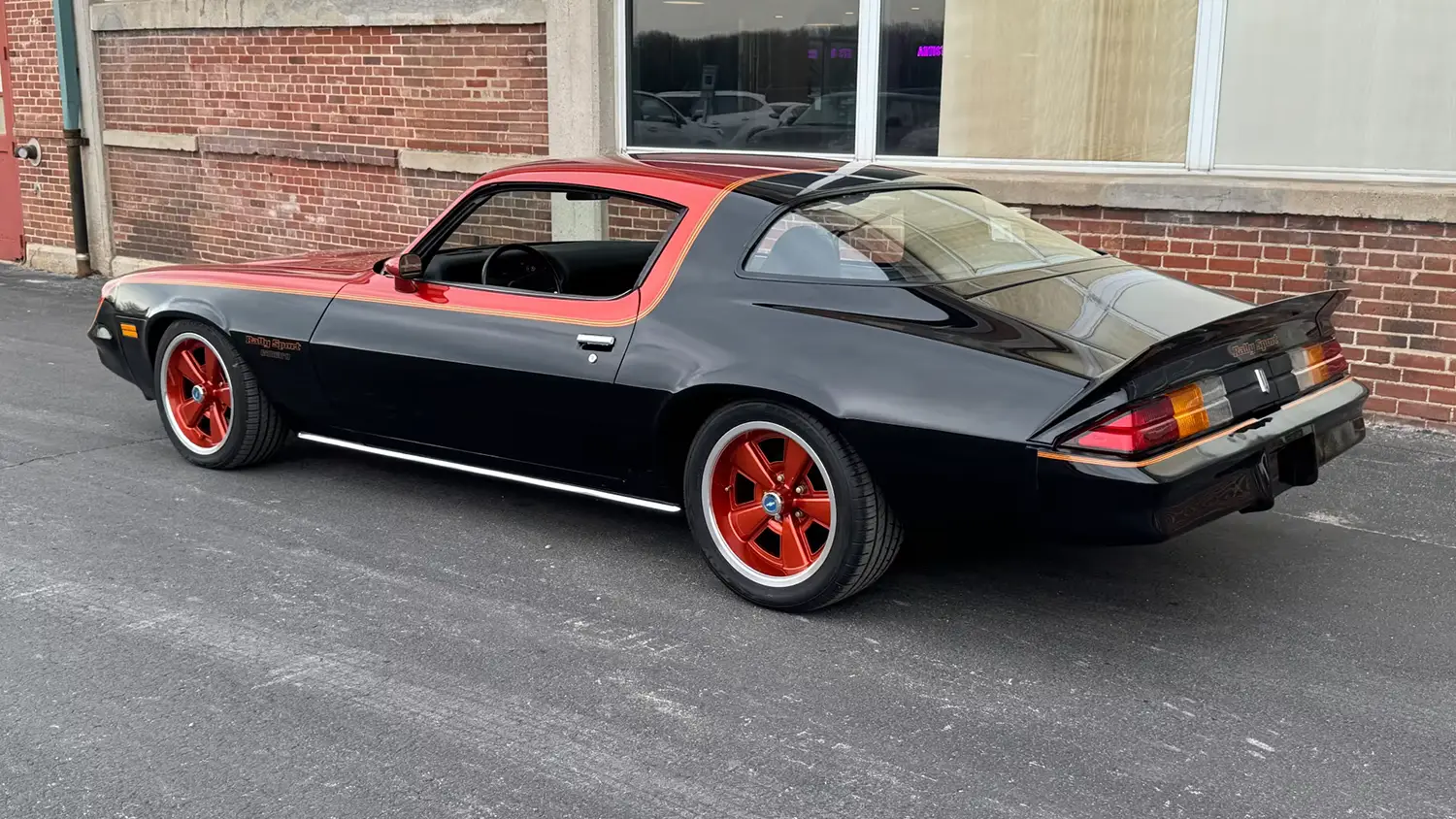
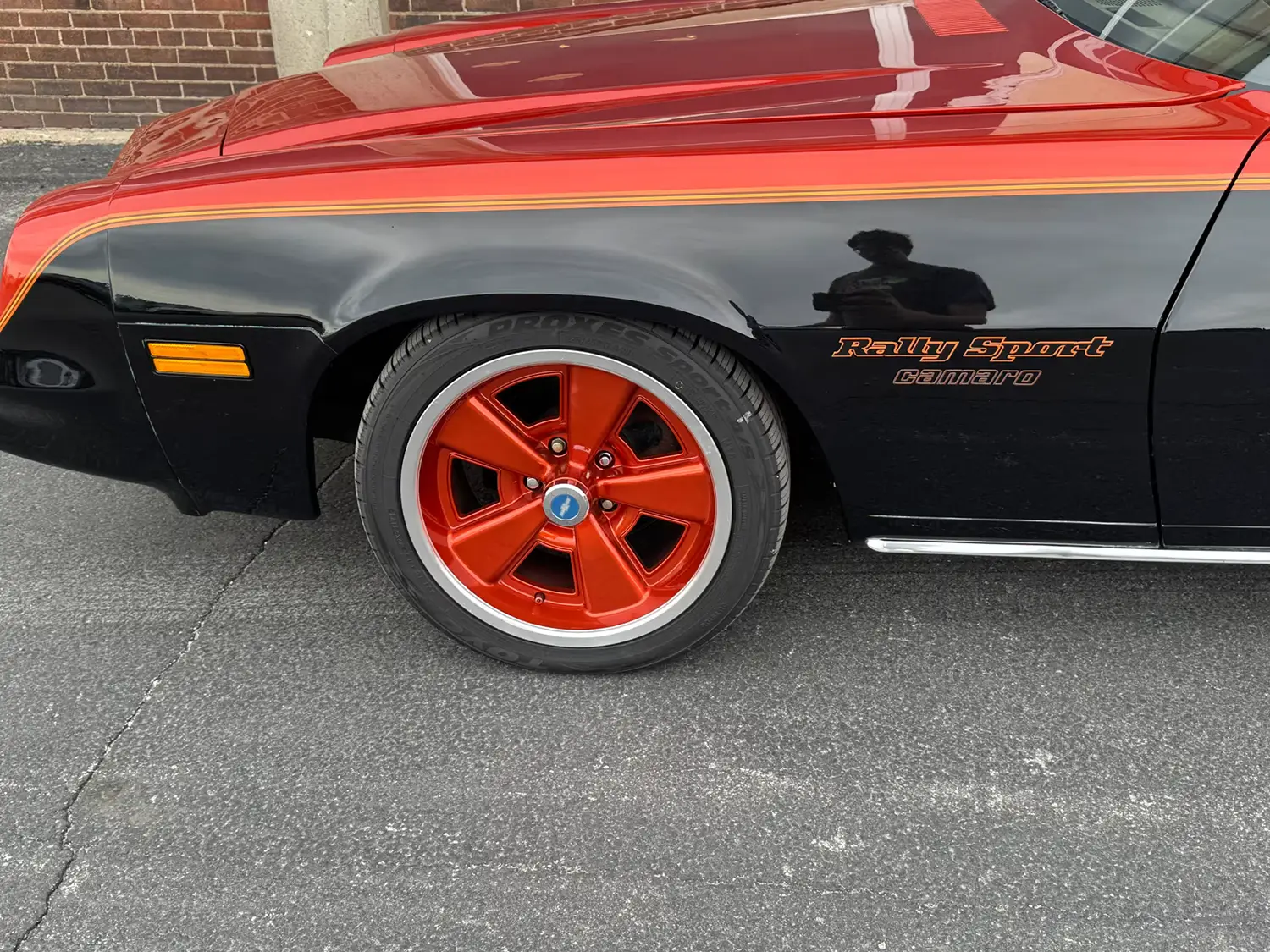
The exterior of this 1979 Chevrolet Camaro is defined by its bold two-tone paint job, featuring a Black base accented by Orange highlights that emphasize the car’s sweeping body lines. Its visual character is further sharpened by an integrated rear spoiler and the iconic soft-nose front end that became a signature of the late second-generation builds. The stance is modernized through a set of 17-inch retro-style wheels, which provide a contemporary contact patch while honoring the classic five-spoke designs of the era. Chrome trim remains present on the glass surrounds and door handles, providing a bright contrast to the dark primary finish. It is a silhouette that prioritizes presence and era-correct flair, ensuring it remains a standout piece in any gathering of American muscle.
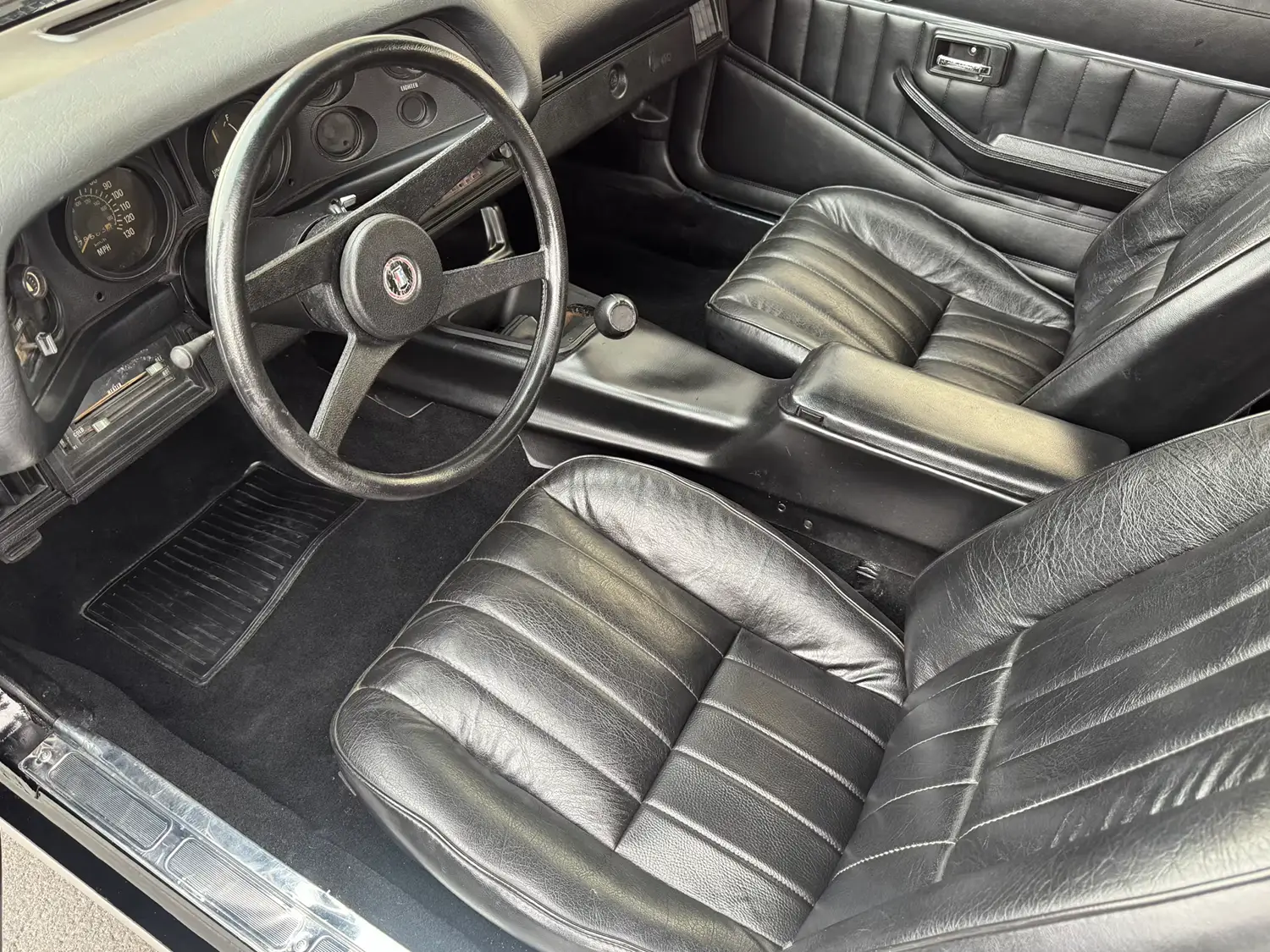
Black Vinyl Cockpit and Console Precision
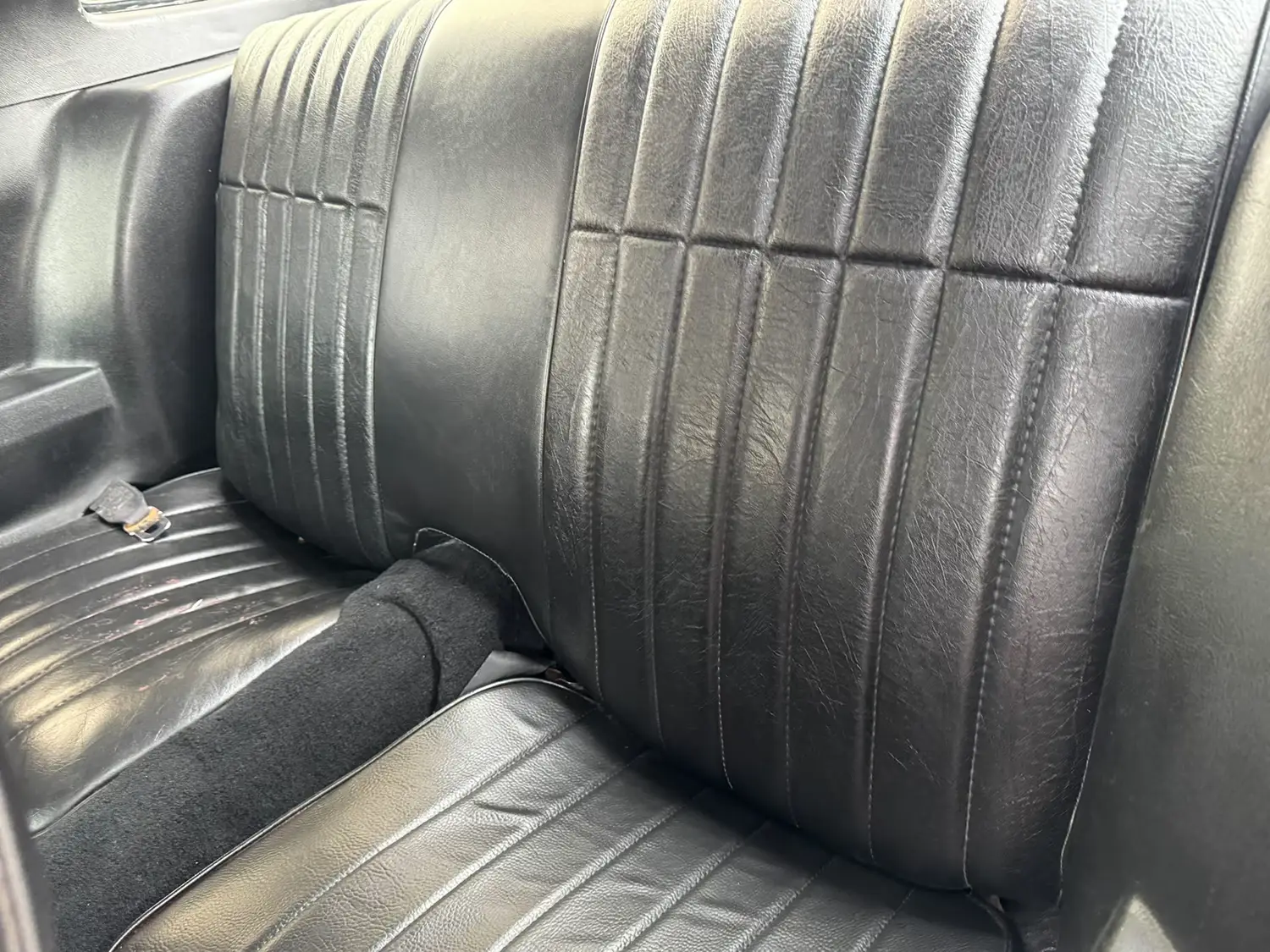
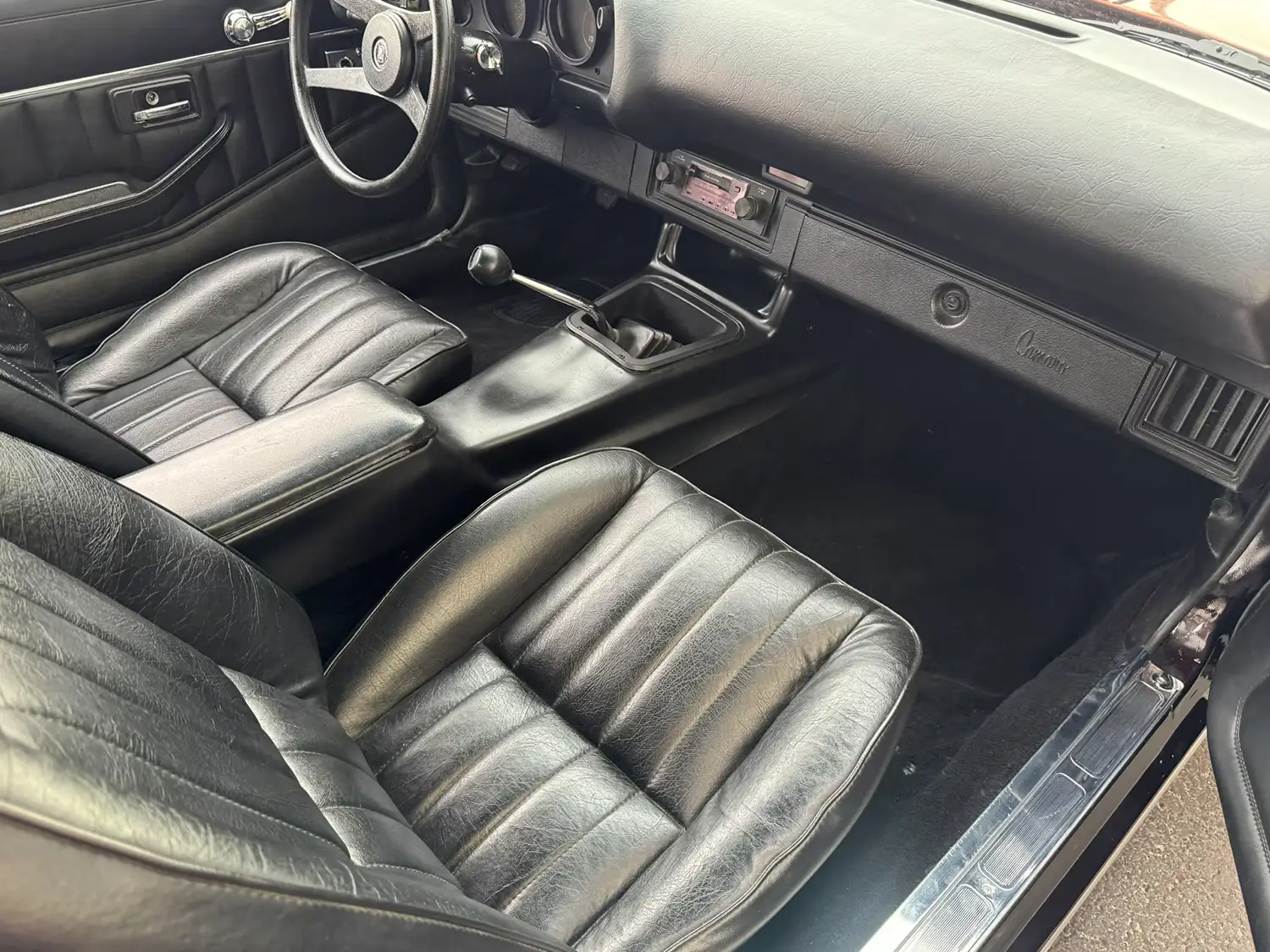
Inside the cabin, the 1979 Chevrolet Camaro features a driver-centric environment trimmed in classic Black vinyl. The interior configuration includes high-back bucket seats and a full-length center console, which houses the floor-mounted shifter for the four-speed manual transmission. This cockpit layout was designed to offer a balance of sporty engagement and grand touring comfort, a theme that continues with the inclusion of power steering and power brakes. The dashboard retains its factory-oriented ergonomics, positioning the primary controls within easy reach of the driver. Every tactile surface, from the steering wheel to the gear knob, underscores the analog nature of this classic, offering a focused environment that is increasingly rare in the age of digital displays and automated systems.
Small-Block 305 Force and Four-Speed Engagement
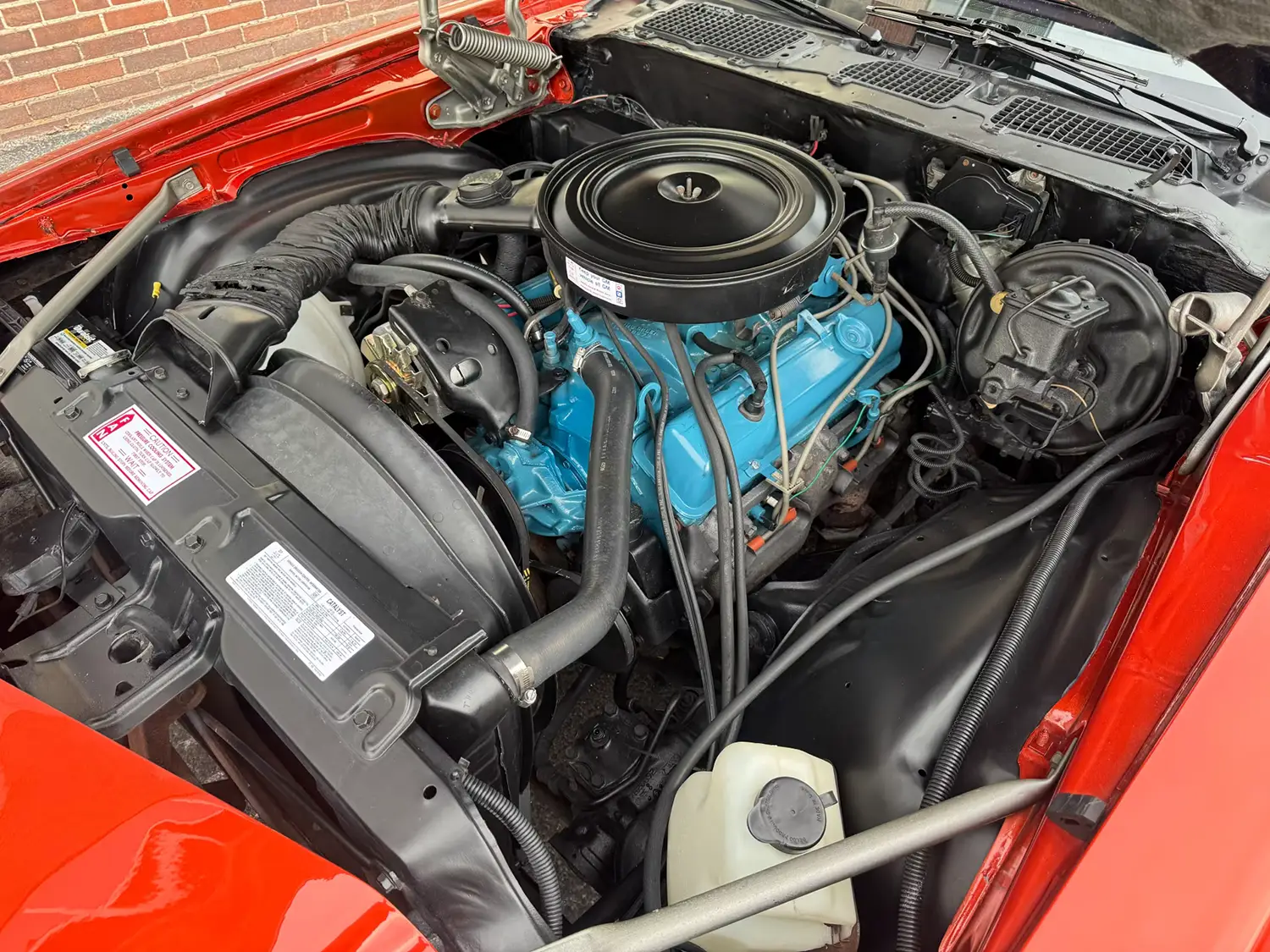
Performance is generated by a 305 CI V-8 engine, a powerplant known for its smooth delivery and mechanical durability within the Chevrolet small-block family. While specific output figures of the late seventies were measured by factory benchmarks, this V-8 is paired with a desirable 4-speed manual transmission that allows the driver to extract every bit of character from the powertrain. Handling is aided by factory-equipped power steering, while the power braking system provides confident deceleration for this mid-sized coupe. The engine bay remains tidy, showcasing a setup that is both accessible for the weekend mechanic and ready for immediate street use. It is a visceral drivetrain that rewards the driver with a classic exhaust note and the mechanical feedback that only a manual-shift F-body can provide.
| Technical Specifications | |
|---|---|
| Engine | 305 CI V-8 |
| Transmission | 4-Speed Manual |
| Steering | Power Assisted |
| Brakes | Power Assisted |
| Wheels | 17-Inch Retro-Style Alloys |
| Interior Color | Black |
Late Second-Gen Desirability and Market Context
In the current collector market, the 1979 Chevrolet Camaro is seeing a significant surge in interest as younger enthusiasts seek out the more stylized and approachable muscle cars of the late seventies. Compared to its earlier “split-bumper” predecessors, the 1979 model offers a more refined aerodynamic profile and a cabin that was considerably more comfortable for long-distance cruising. The unique selling point of this example is the combination of the four-speed manual and the striking two-tone finish, which benchmarks favorably against standard single-color automatics that often flood the market. As values for Trans Ams and Z28s continue to climb, well-presented base-platform Camaros with performance upgrades like the 17-inch wheels represent an excellent entry point into high-visibility muscle car ownership.
A Defined Piece of American Pony Car History
This 1979 Chevrolet Camaro is a visceral reminder of a time when the American highway was dominated by long hoods and short decks. It offers its next owner a rare combination of striking aesthetics and the mechanical purity of a manual V-8 drivetrain. Set to cross the block on Friday, April 10th, at the Houston 2026 auction, this Black and Orange icon stands as a turnkey solution for those looking to experience the late second-generation legacy. From the roar of its small-block V-8 to the tactile engagement of its four-speed shifter, every aspect of this Camaro has been preserved to provide a driving experience that remains as incomparable today as it was in 1979.
Disclaimer: Content on this site is for informational and entertainment purposes only. Details, analyses, and opinions reflect current trends and personal views, not professional or financial advice. Always verify information with official sources before making any decisions.
Source: mecum.com