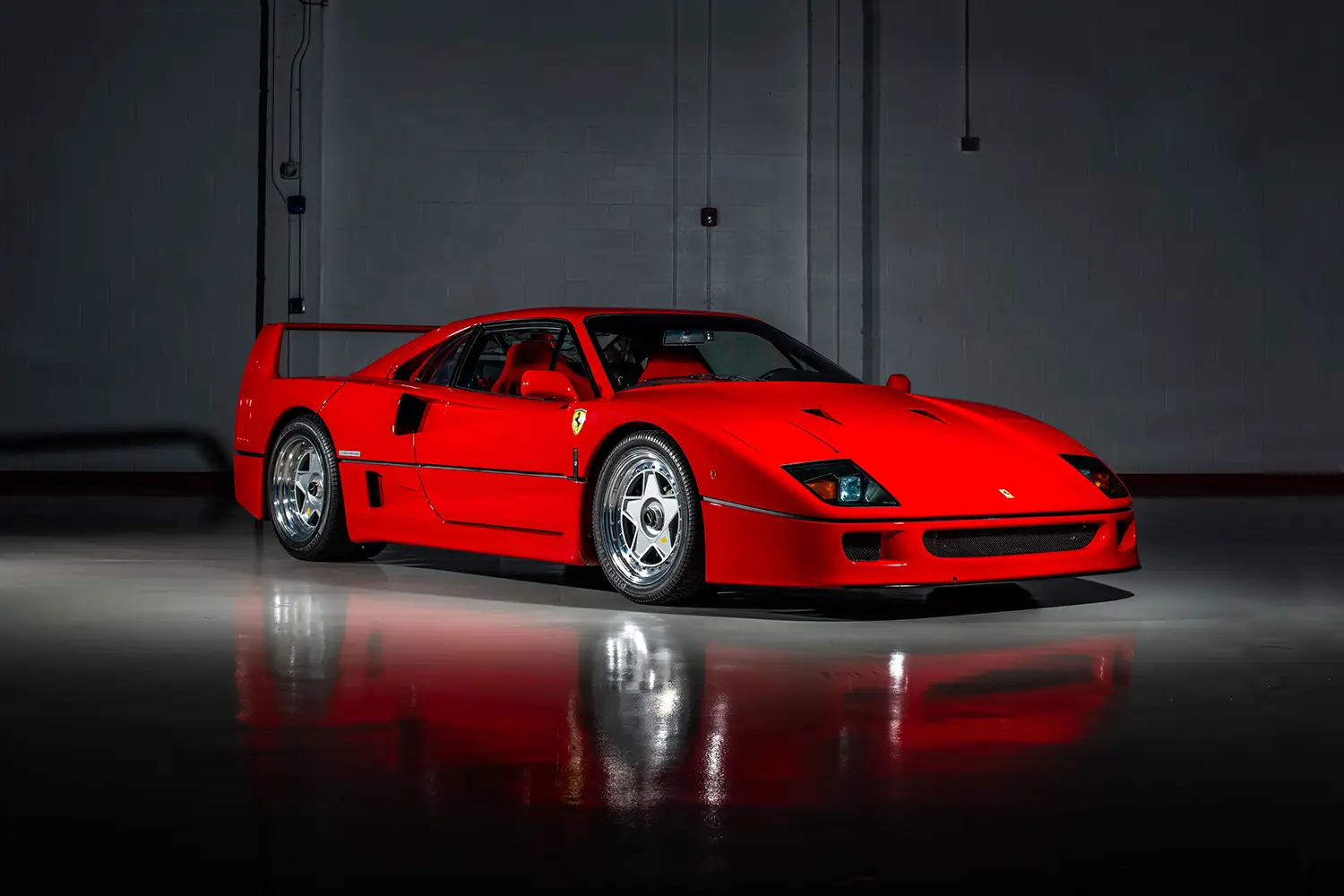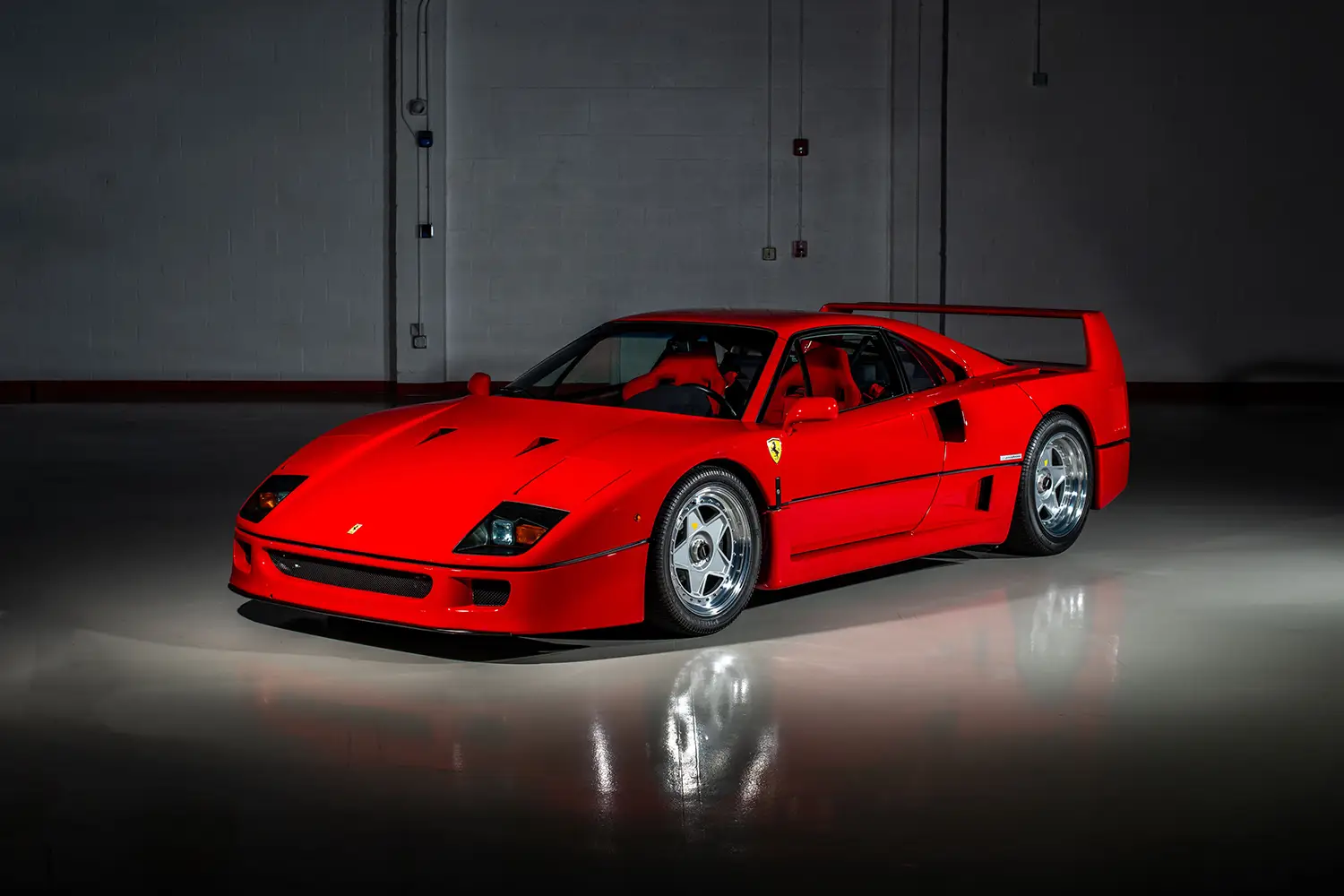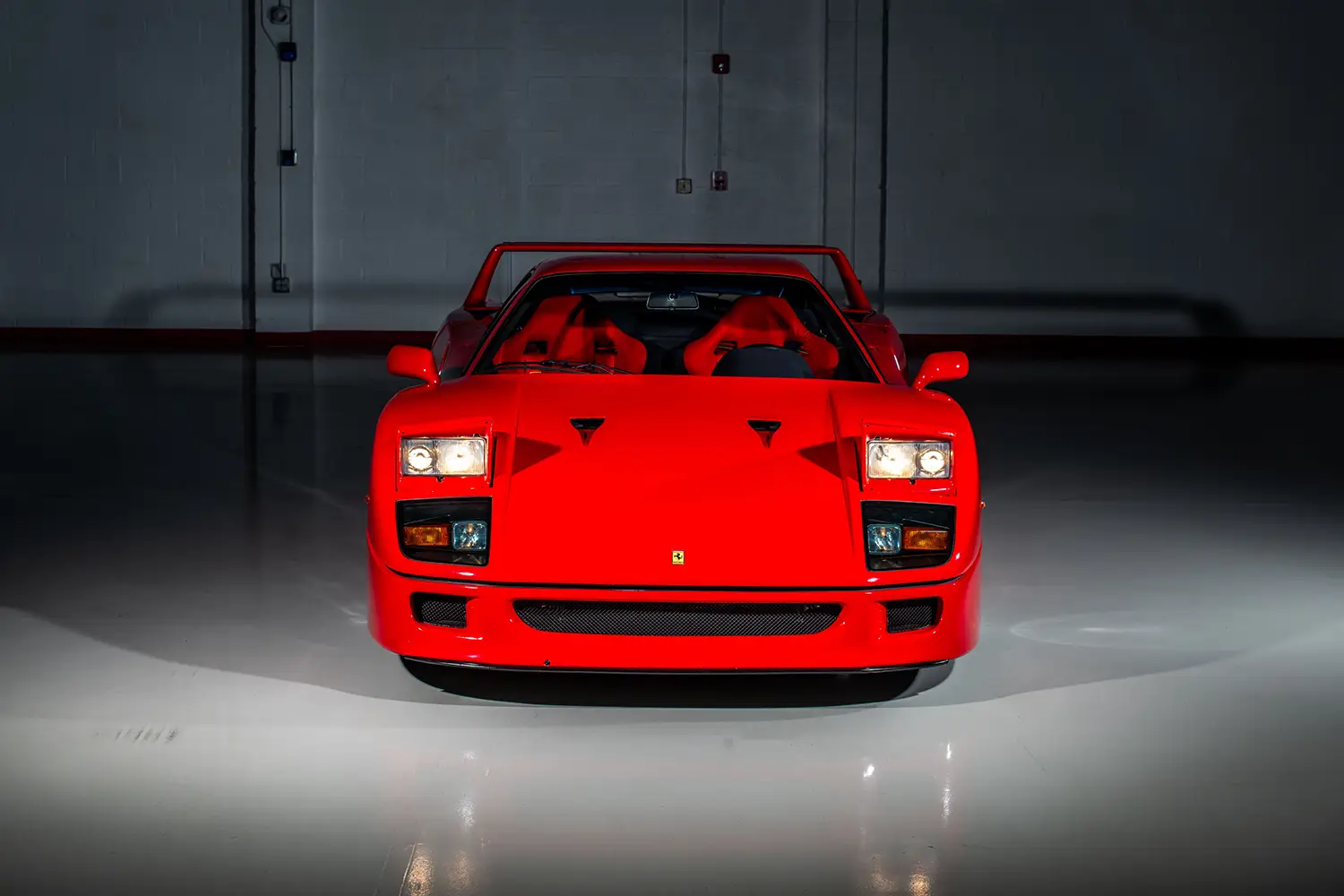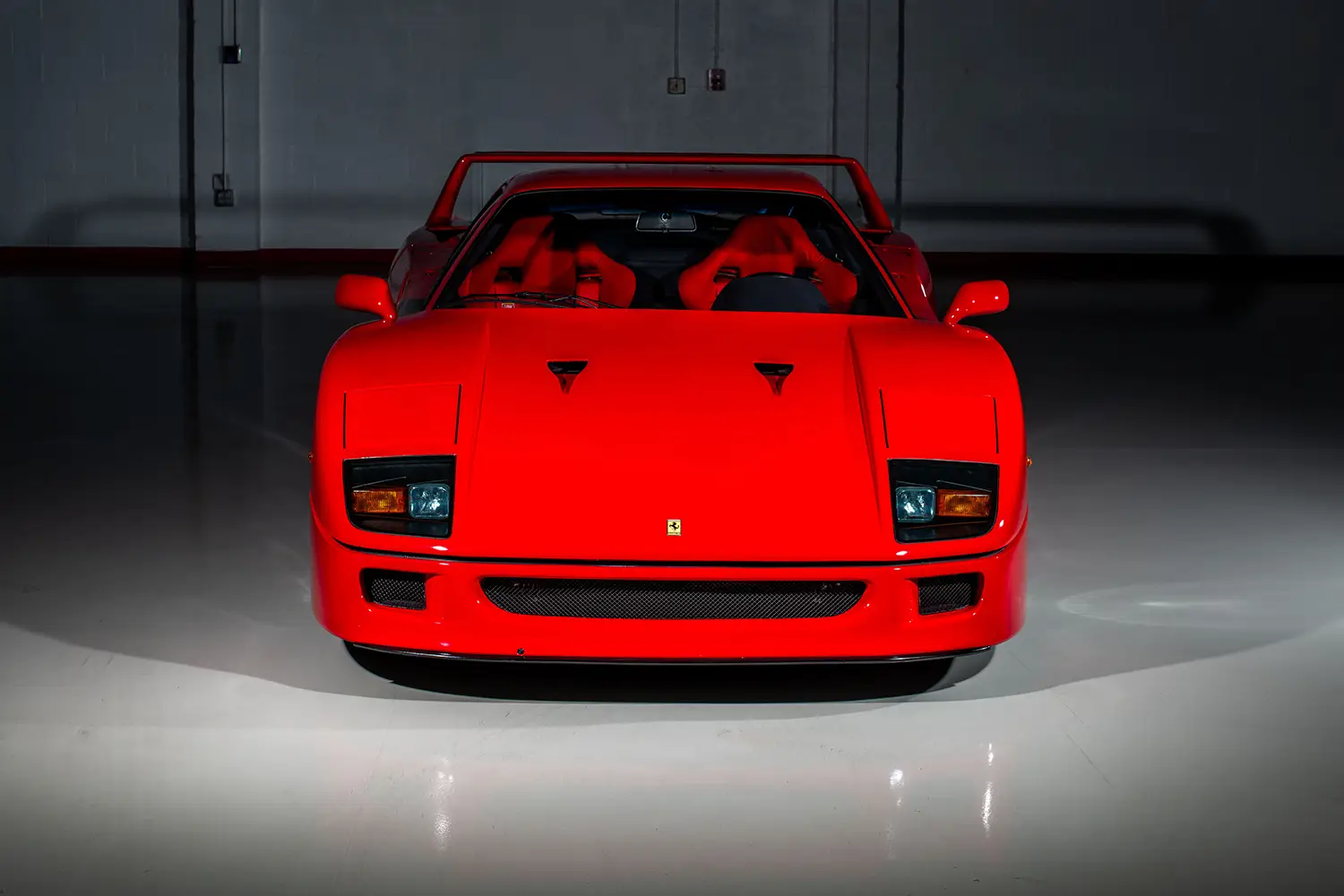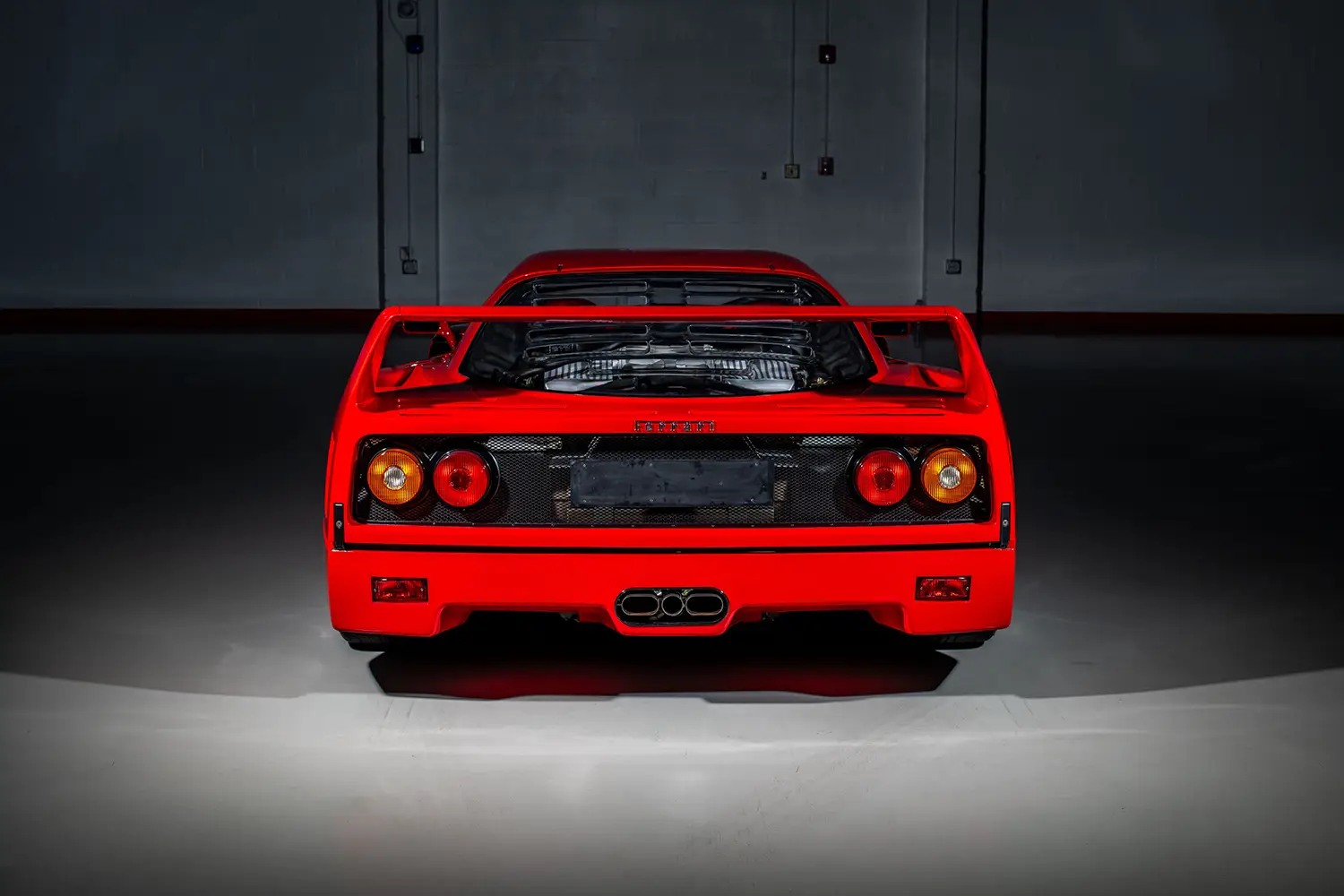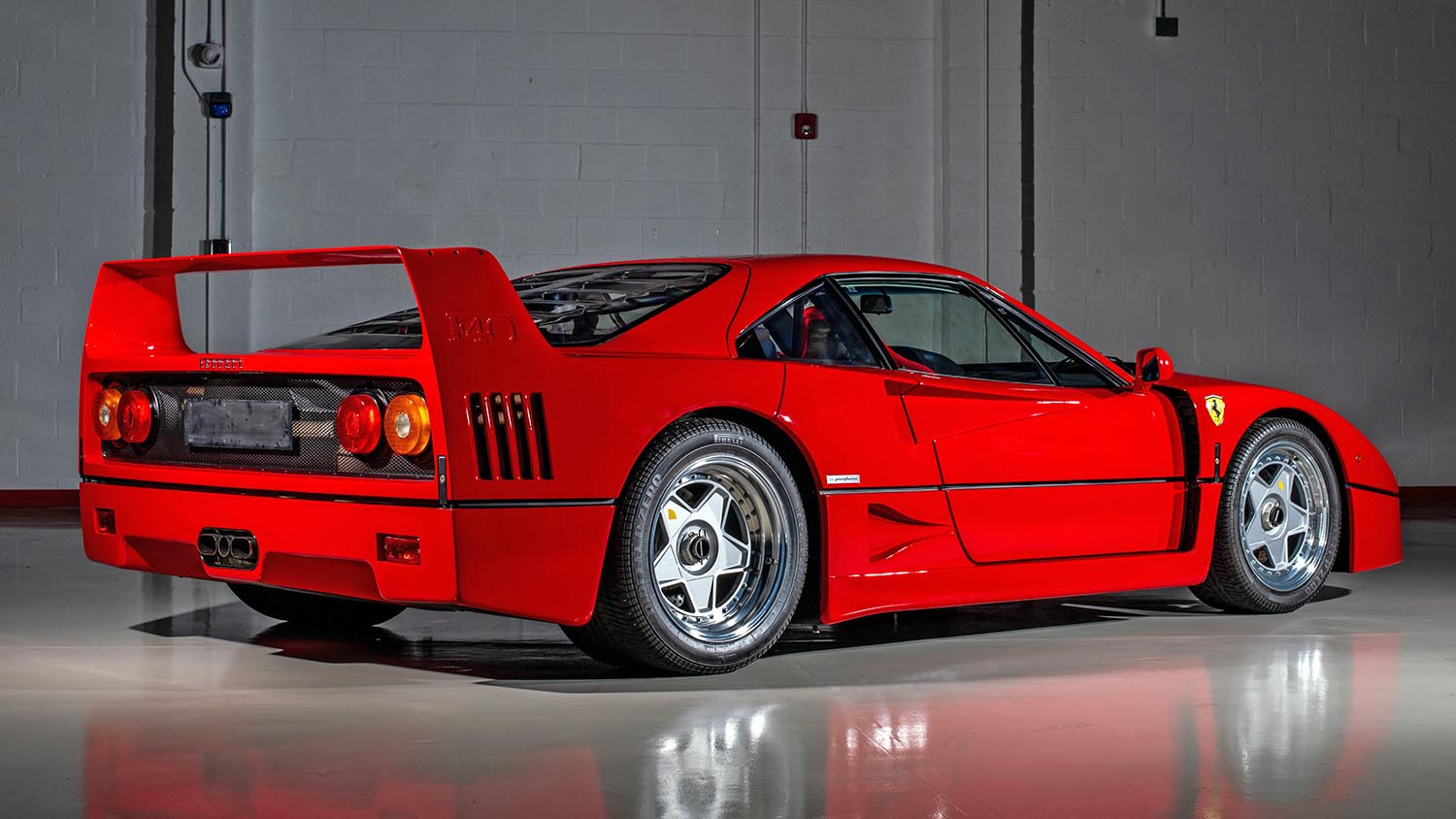
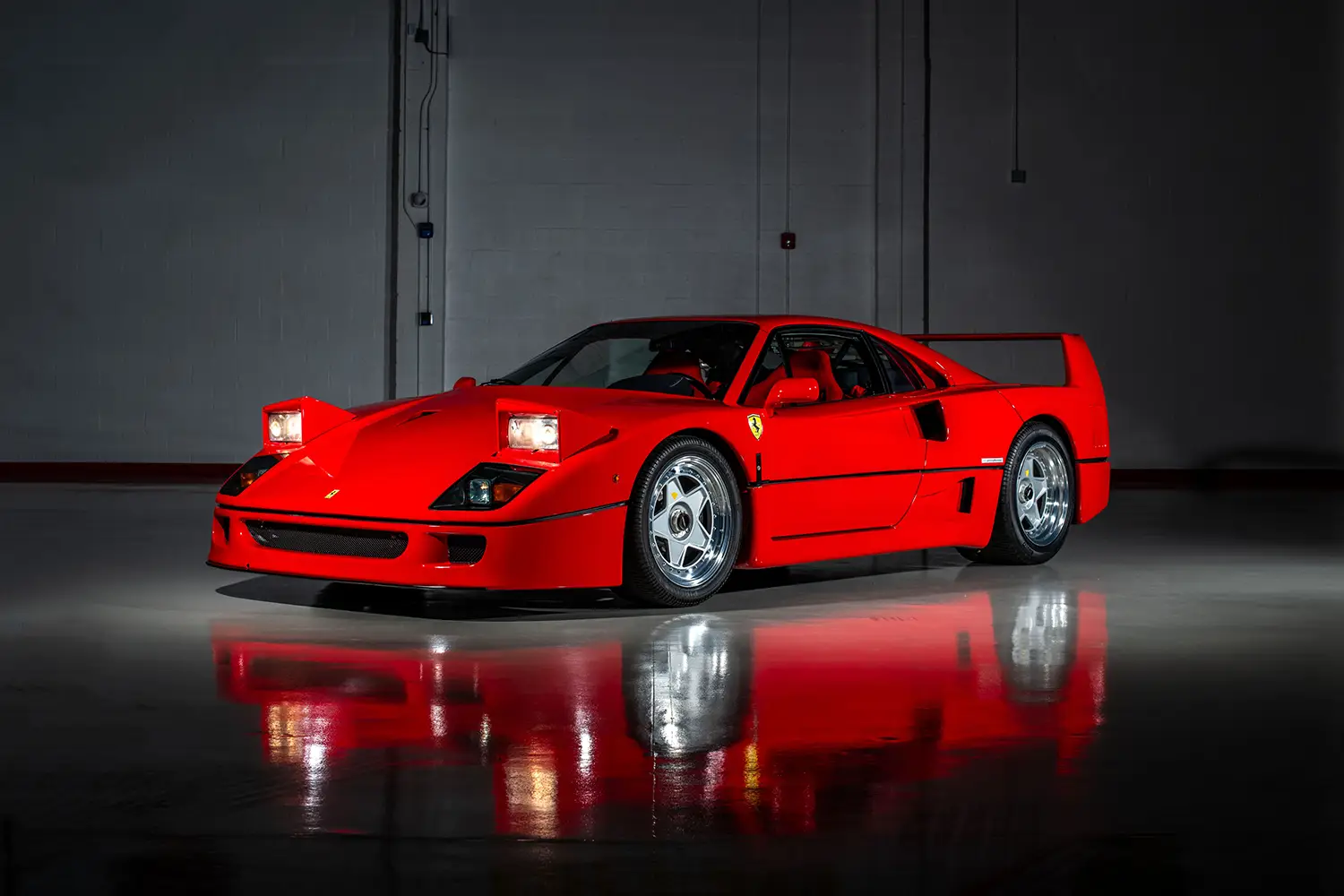
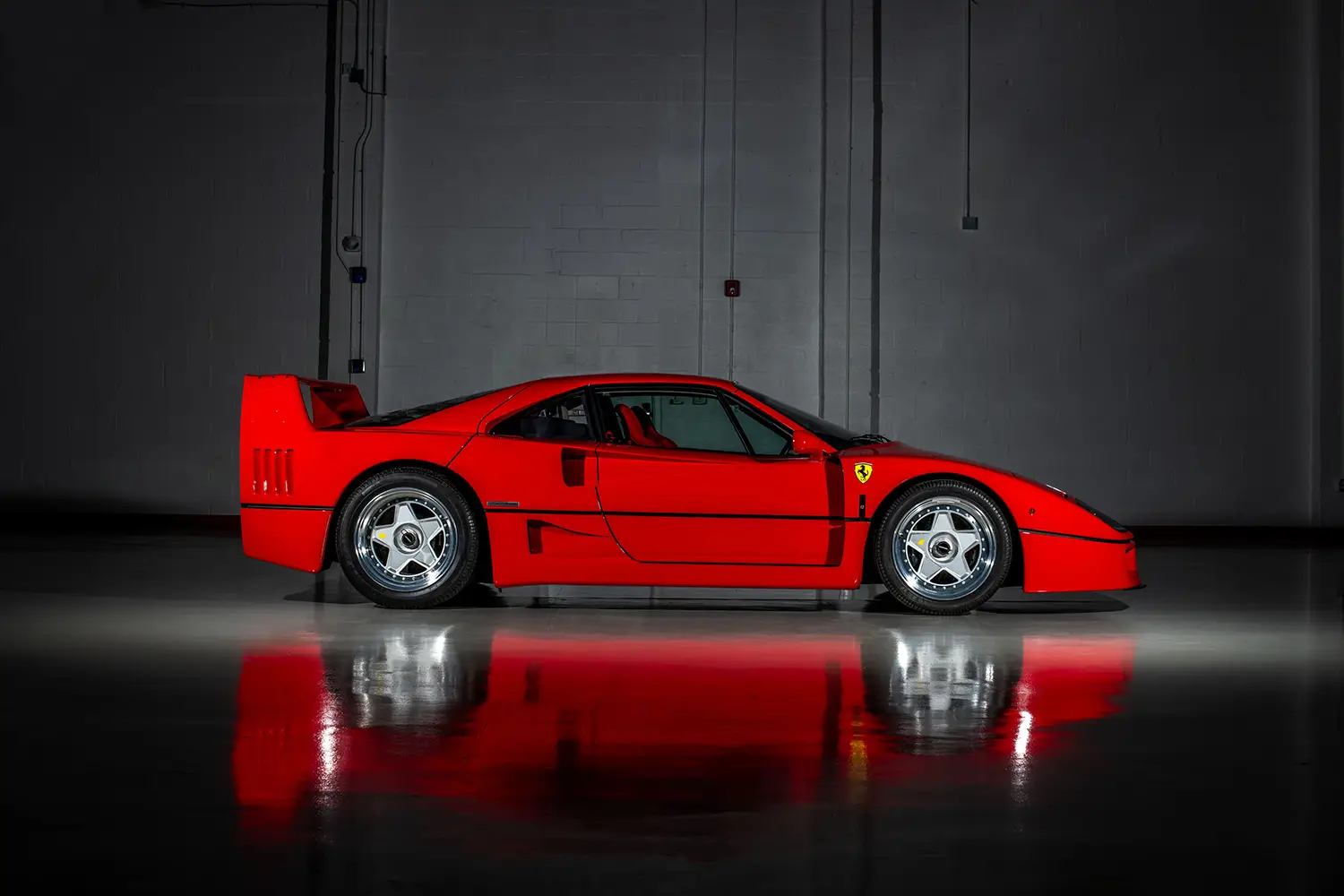
The 1992 Ferrari F40 remains the definitive benchmark for what a supercar should be: raw, loud, and entirely focused on the mechanical connection. As the final project personally approved by Enzo Ferrari, this machine skipped the era’s growing trend toward comfort. Instead, it used carbon fiber and Kevlar to create a featherweight chassis that demanded total attention from the driver. This specific example, offered from the Drift Capital Collection, serves as a time capsule for one of history’s most visceral motoring icons.
Late Production Excellence and Originality
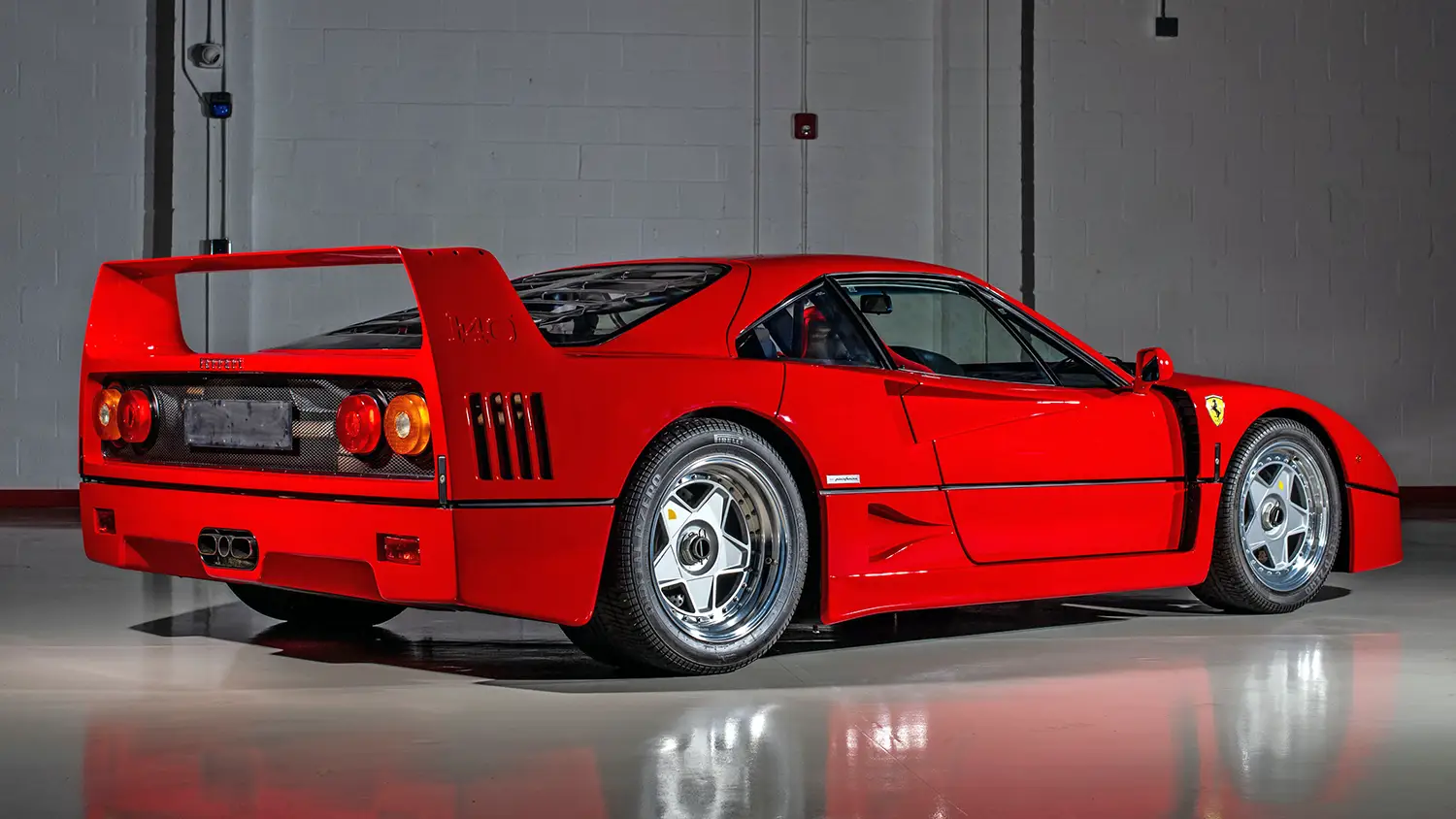
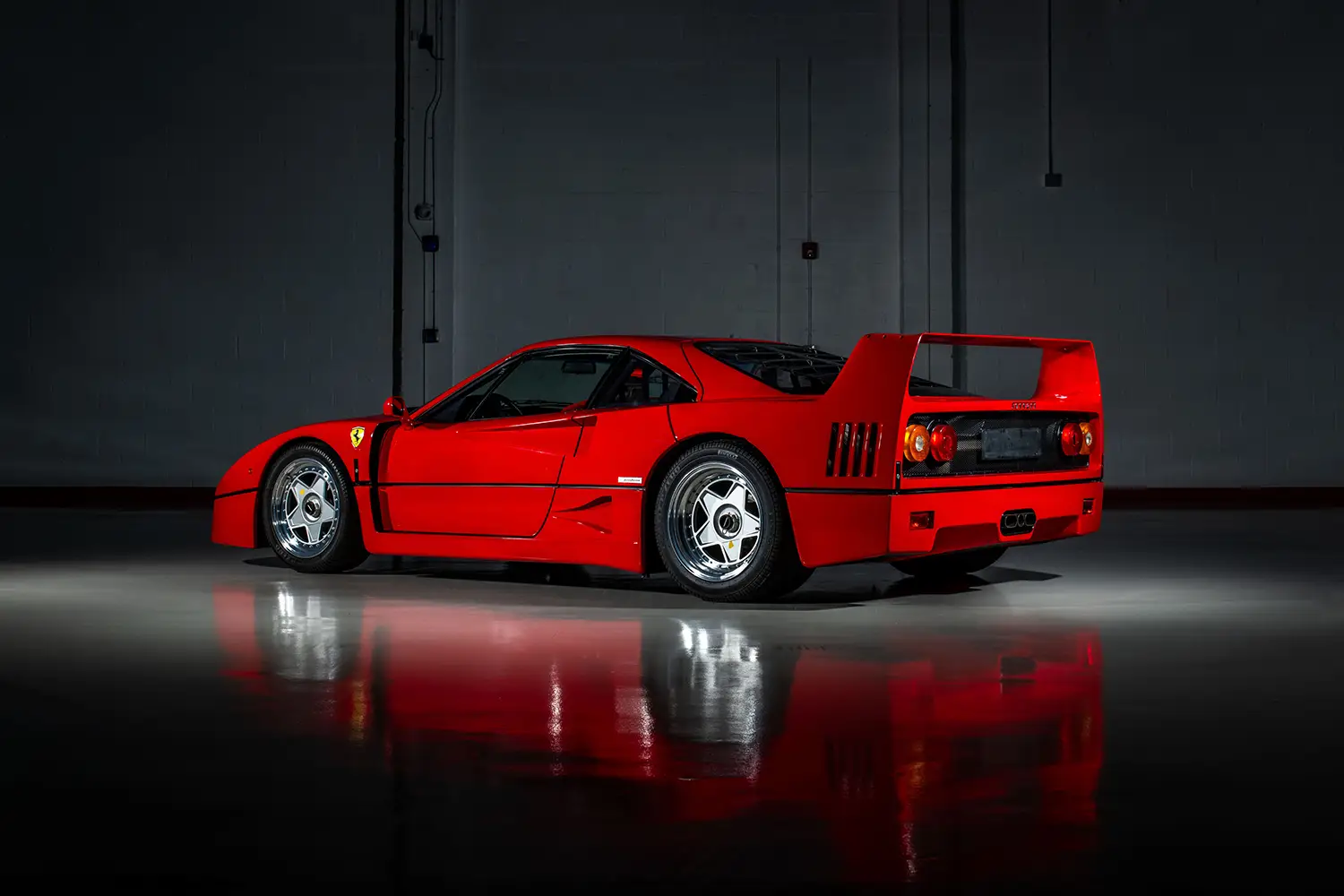
This 1992 Ferrari F40 is an ultra-late production unit that captures the model in its most refined yet brutal form. Completed in May 1992, it was originally delivered to the prestigious Sa.Mo.Car dealer in Rome. Because it was an Italian market car, it retains the pure European specification that collectors highly prize. With only 1,418 kilometers on the odometer, every surface reflects a level of preservation that is rarely seen in surviving examples today.
Preservation Details and Factory Markings
What sets this chassis apart is the abundance of factory witness markings and visible carbon fiber weave throughout the body. These details confirm that the car has never been subjected to the heavy restorative work that masks original character. It even retains what are reported to be the factory-installed Pirelli P-Zero tires from its birth in Maranello. These elements earned the car the Cavallino Platinum Award at the 2025 Palm Beach Cavallino Classic, proving its world-class status.
Engineering Purity Without Electronic Nets
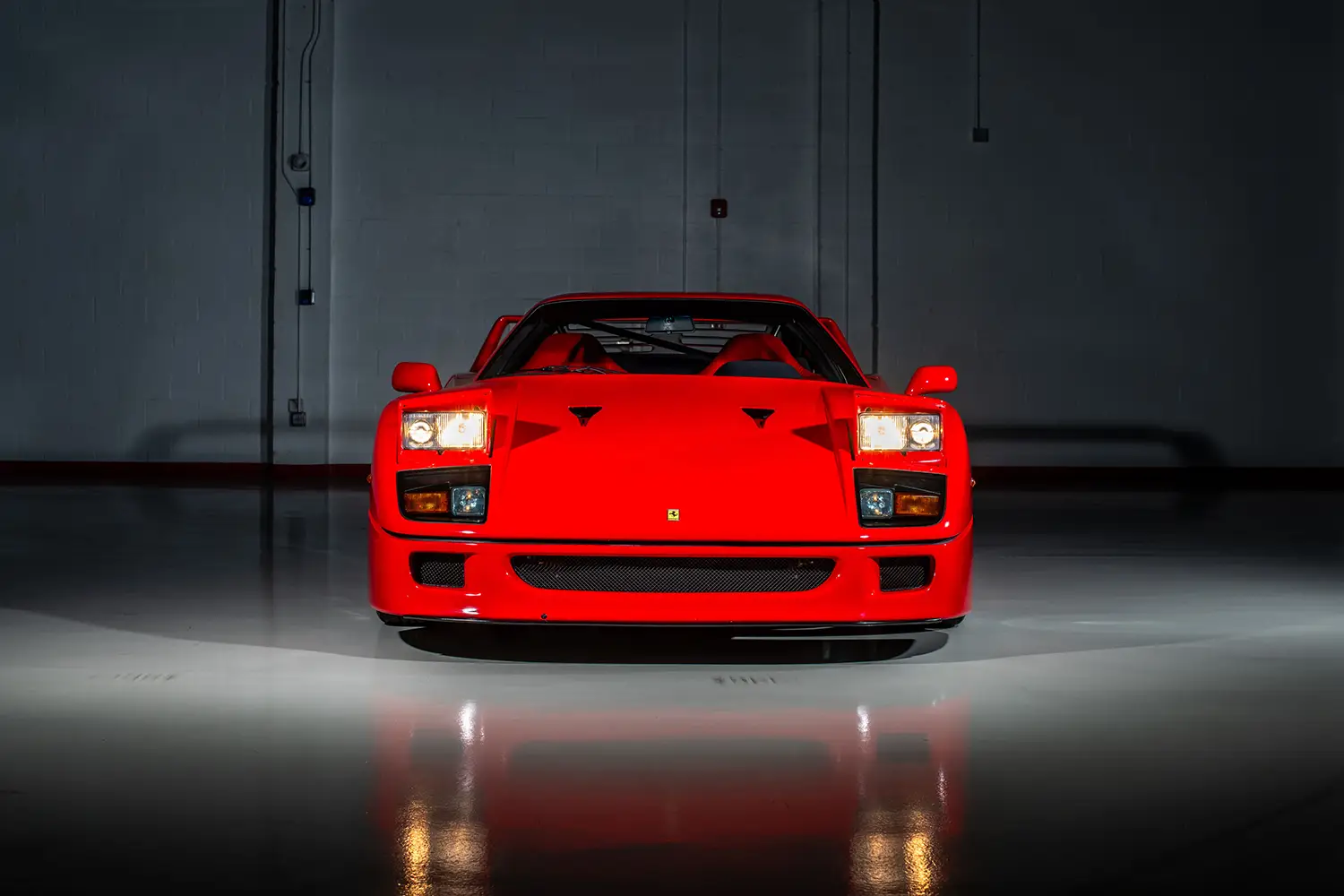
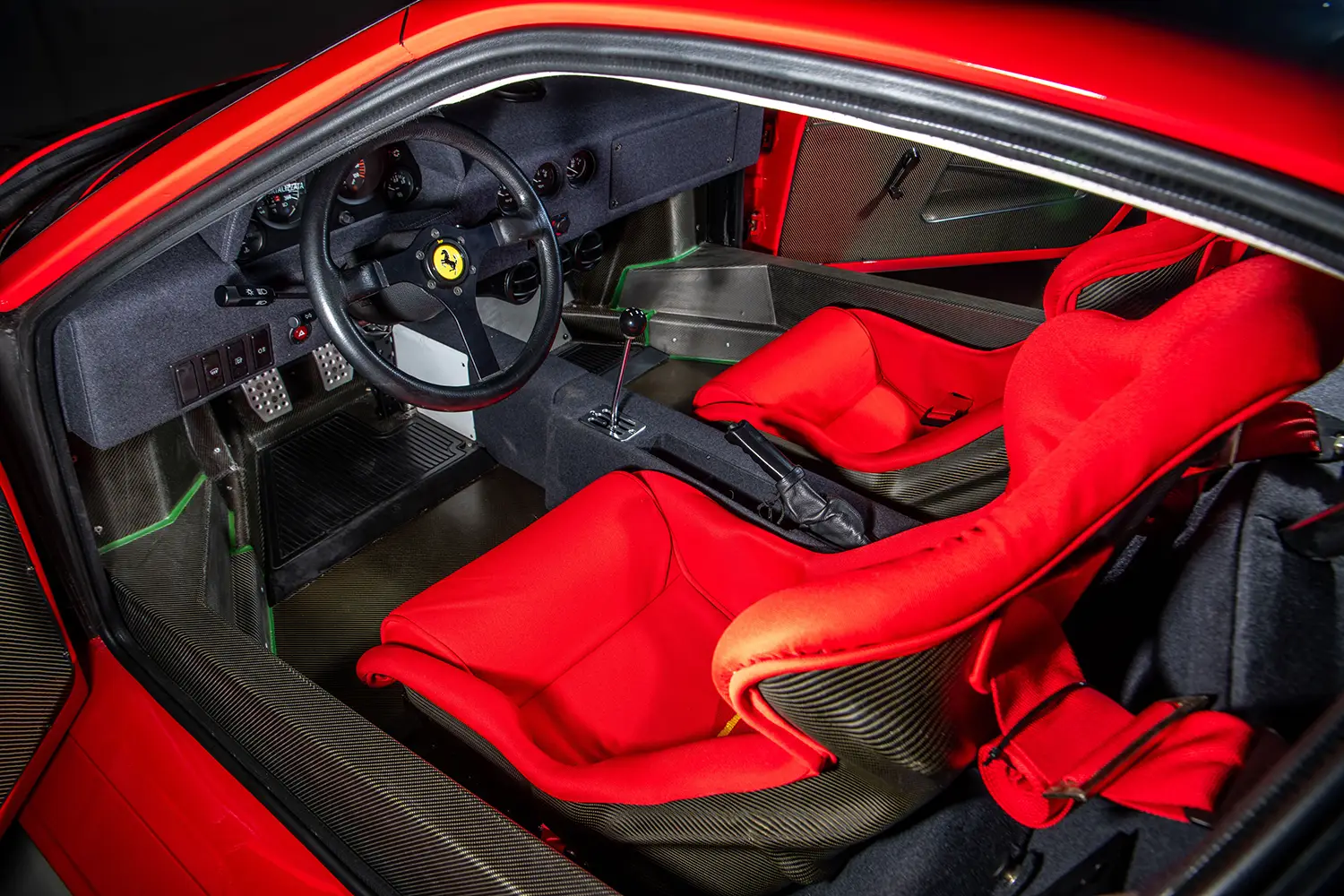
The philosophy behind the 1992 Ferrari F40 was to strip away everything that stood between the pilot and the pavement. You will find no power steering, no ABS, and no traction control inside this spartan cabin. Weight was saved by using fabric pull straps for door handles and removing all carpets or sound deadening. This lack of refinement was intentional, turning every gear change into a physical event that resonates through the carbon-shell seats.
Documentation and Numbers Matching Authenticity
Owning a car of this magnitude requires impeccable provenance, and chassis 93892 delivers with numbers-matching chassis, engine, and gearbox. It comes with the original Schedoni leather pouch, warranty manuals, and even the Agip tire inflator kit. The car has recently been submitted for Ferrari Classiche certification to further cement its place in history. Every piece of documentation suggests a life of careful climate-controlled storage under the eyes of dedicated Ferrari enthusiasts.
Technical Specifications and Turbocharged Power
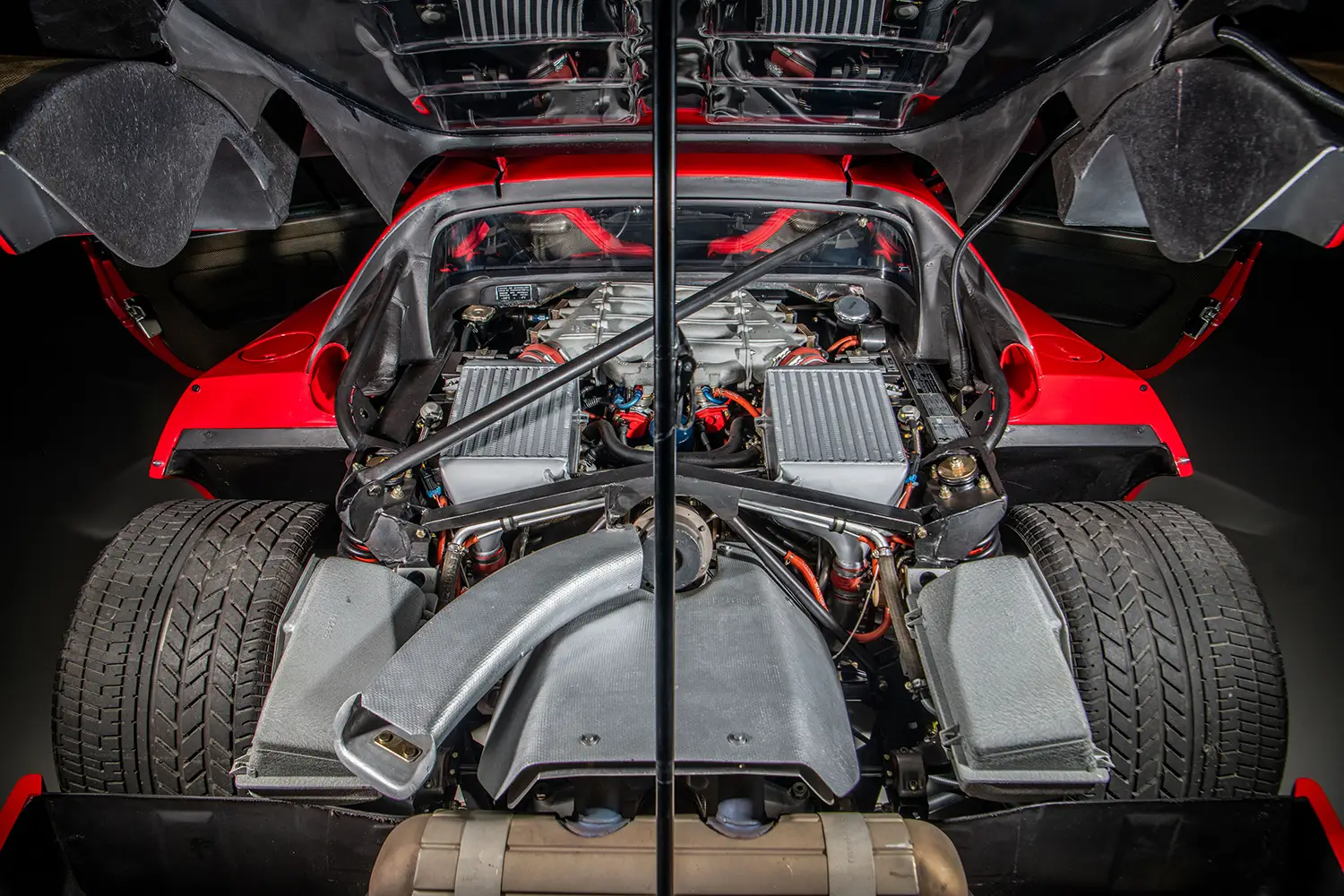
The heart of this 1992 Ferrari F40 is a mid-mounted 2.9-liter twin-turbocharged V-8 engine that defines the era of forced induction. This powerplant generates 478 horsepower and 425 pound-feet of torque, which was staggering for a car weighing just over 2,400 pounds. Power is sent to the rear wheels via a gated five-speed manual transmission that requires deliberate and precise movement. On a clear stretch of road, this combination allows the F40 to surpass a top speed of 200 mph.
Summary of the Maranello Masterpiece
As the F40 nears its fourth decade, its status as a cornerstone of any serious automotive collection only continues to grow. This 1992 Ferrari F40 offers a rare chance to acquire a late-production example with incredible low mileage and recognized award-winning condition. It serves as a permanent reminder of a time when the driver was the only safety system on board. For those who value mechanical honesty, this Italian home-market legend remains the ultimate acquisition in the supercar world.
Disclaimer: Content on this site is for informational and entertainment purposes only. Details, analyses, and opinions reflect current trends and personal views, not professional or financial advice. Always verify information with official sources before making any decisions.
Source: rmsothebys.com