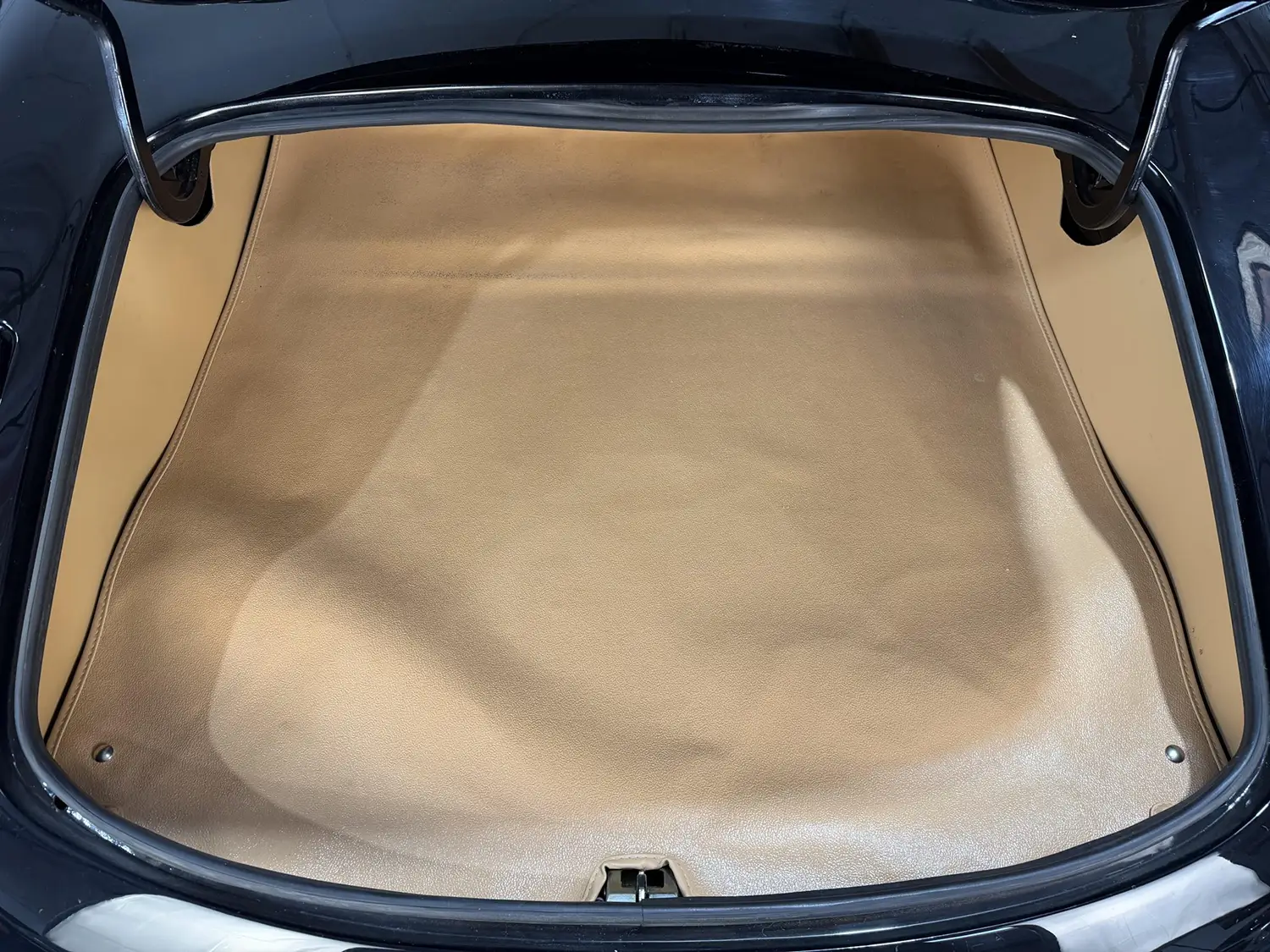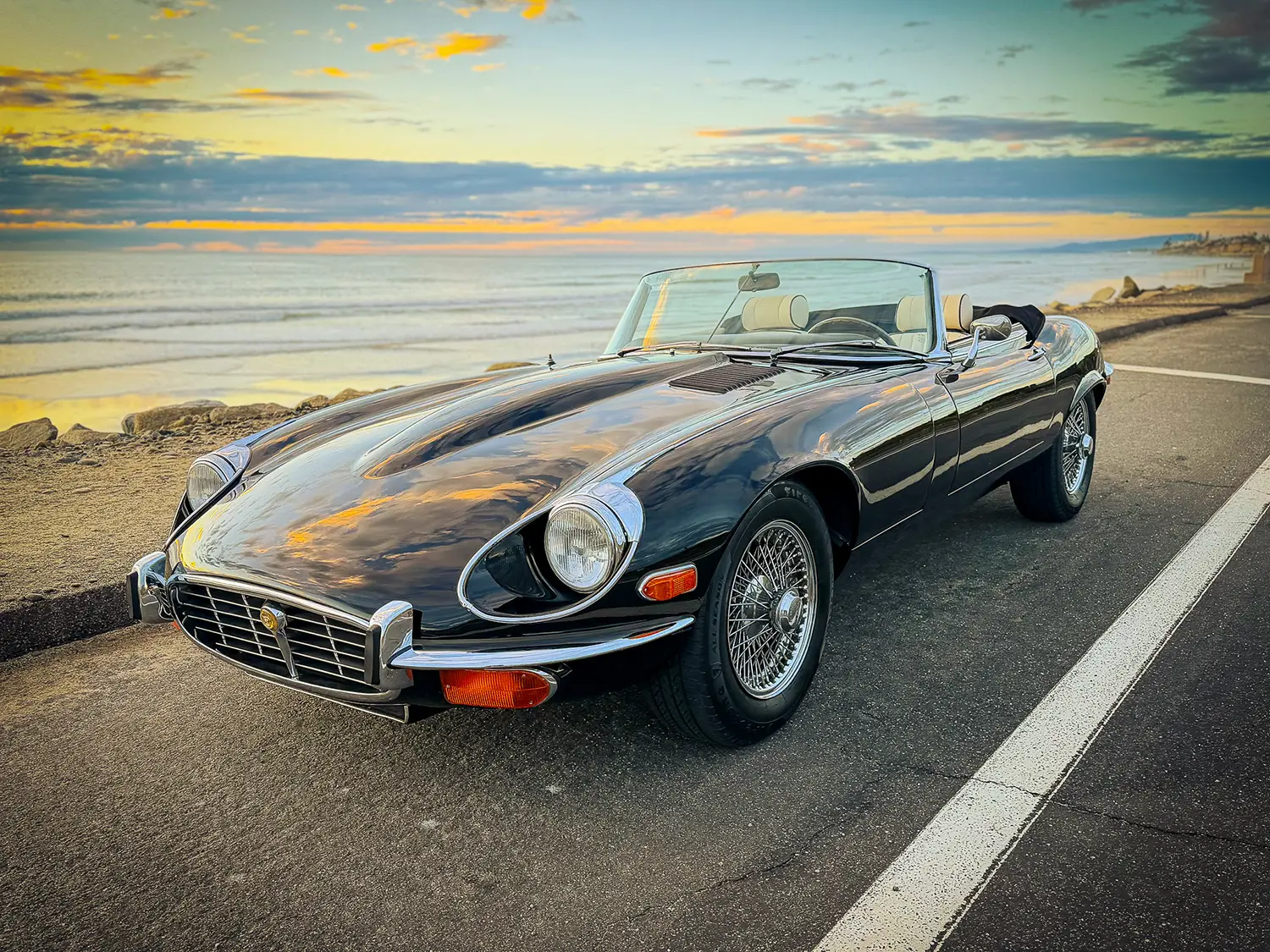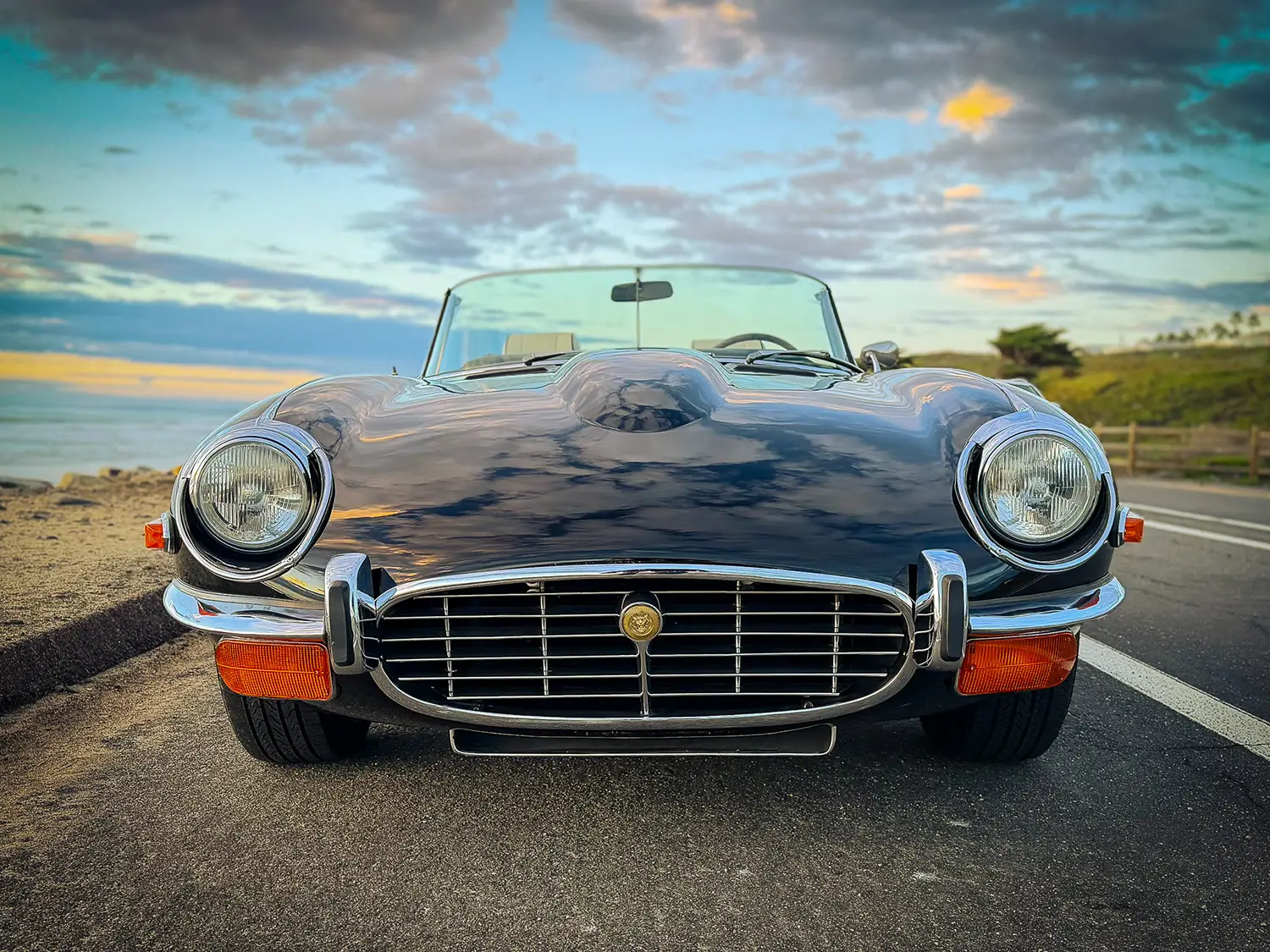
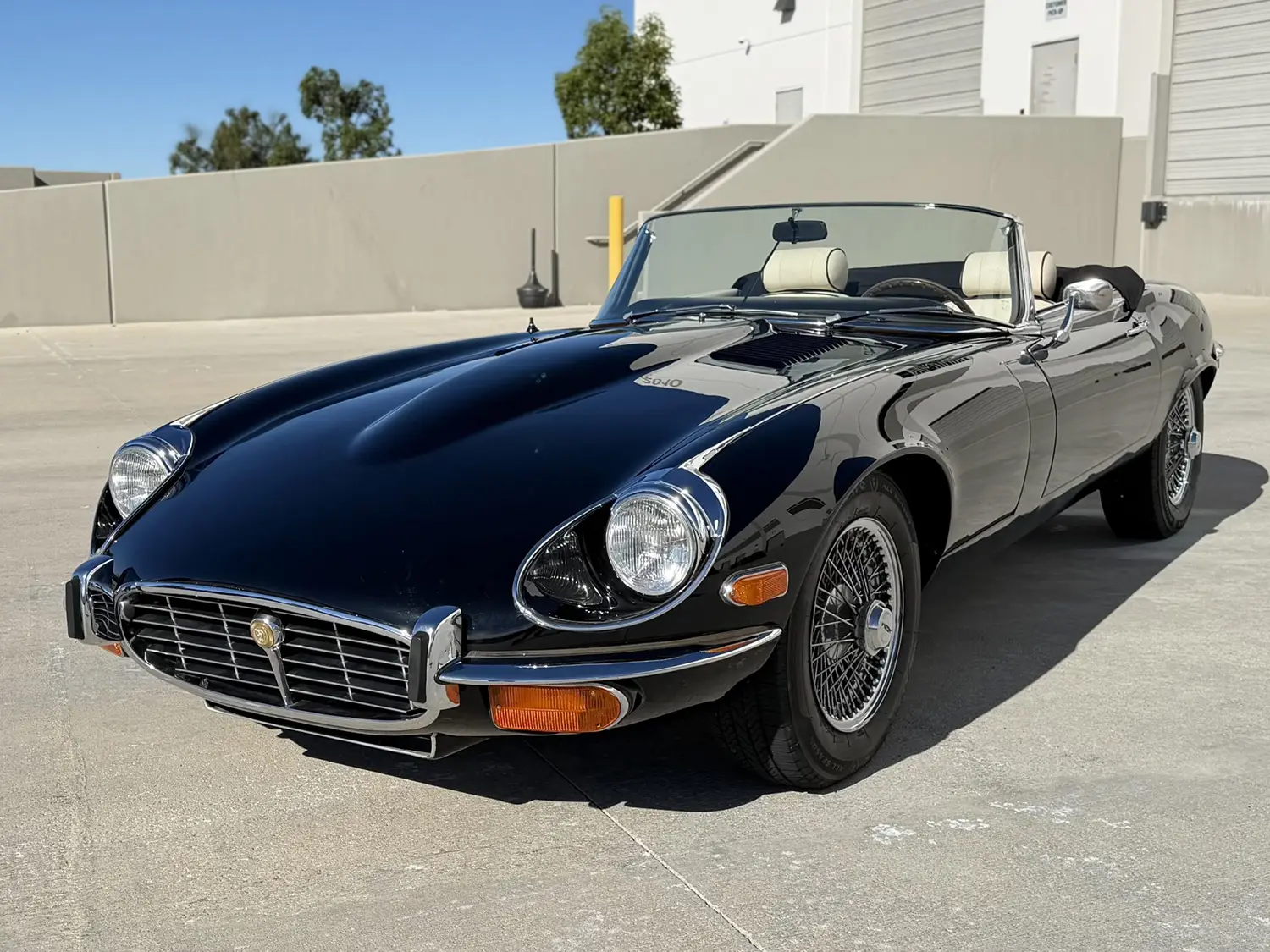
The 1972 Jaguar E-Type Series III Roadster Conversion is a captivating example of British motoring history brought to life through dedicated preservation. Originally leaving the factory as a 2+2 coupe, this vehicle underwent a professional transformation to its current open-top configuration. A comprehensive refurbishment between 2020 and 2025 has left the car in a striking state of mechanical and aesthetic health. Finished in a deep, lustrous black, the car sheds its original yellow skin for a more commanding and timeless appearance. It remains a definitive symbol of the 1970s grand touring era, combining luxury with a massive twelve-cylinder heart. For the enthusiast, it offers the quintessential Jaguar experience of effortless speed wrapped in incomparable style.
Exterior Refinement and Roadster Aesthetics
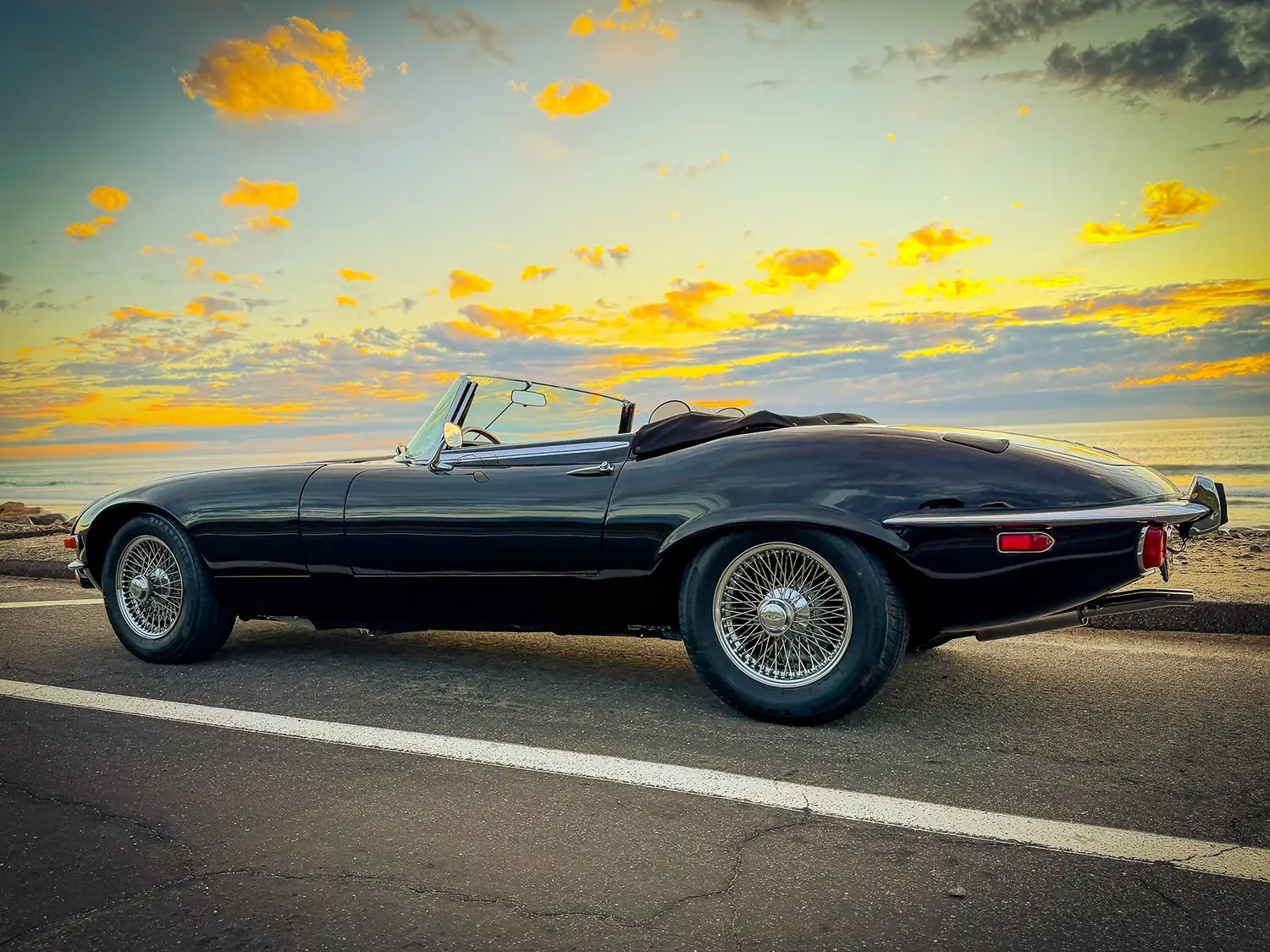
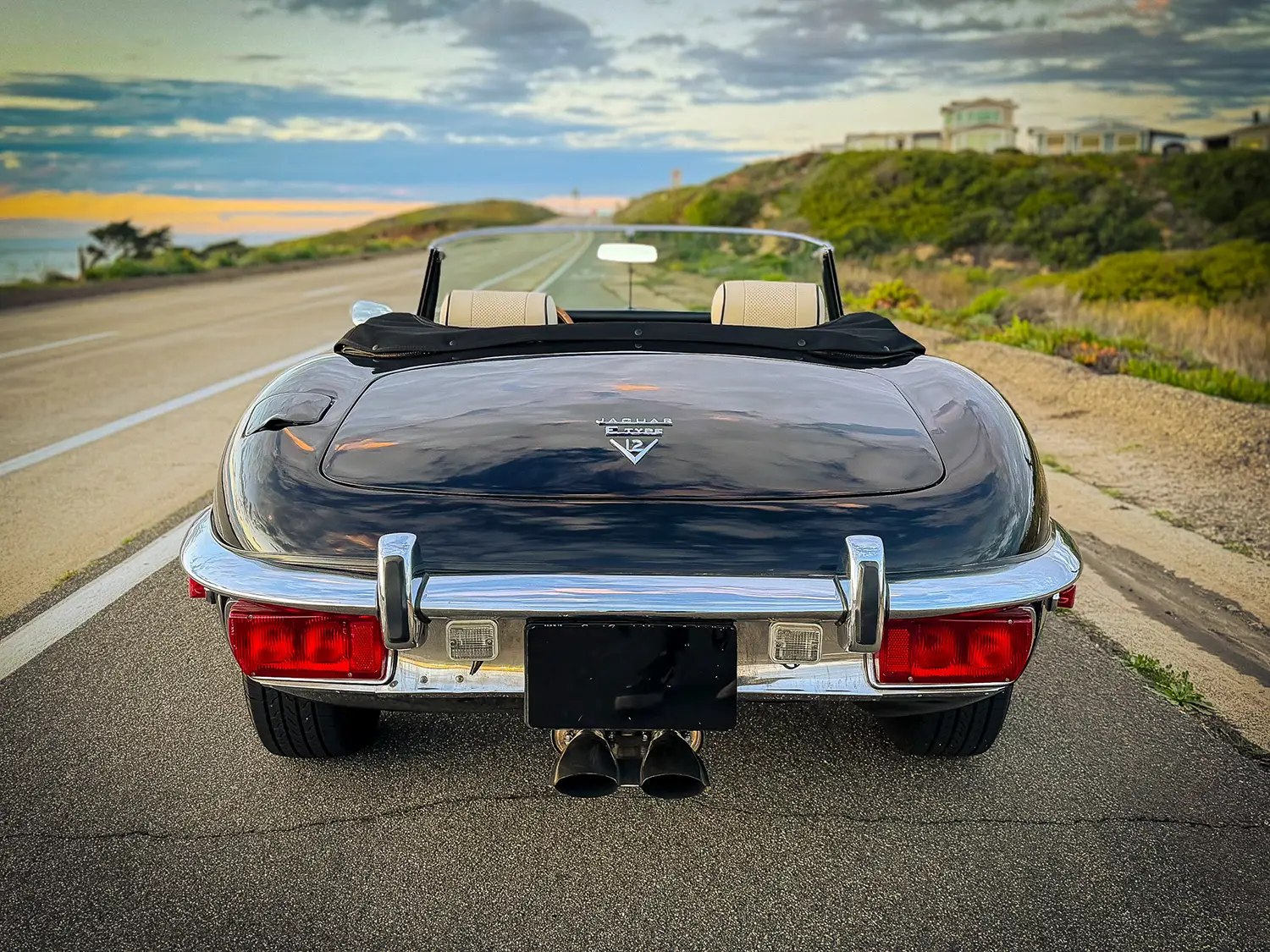
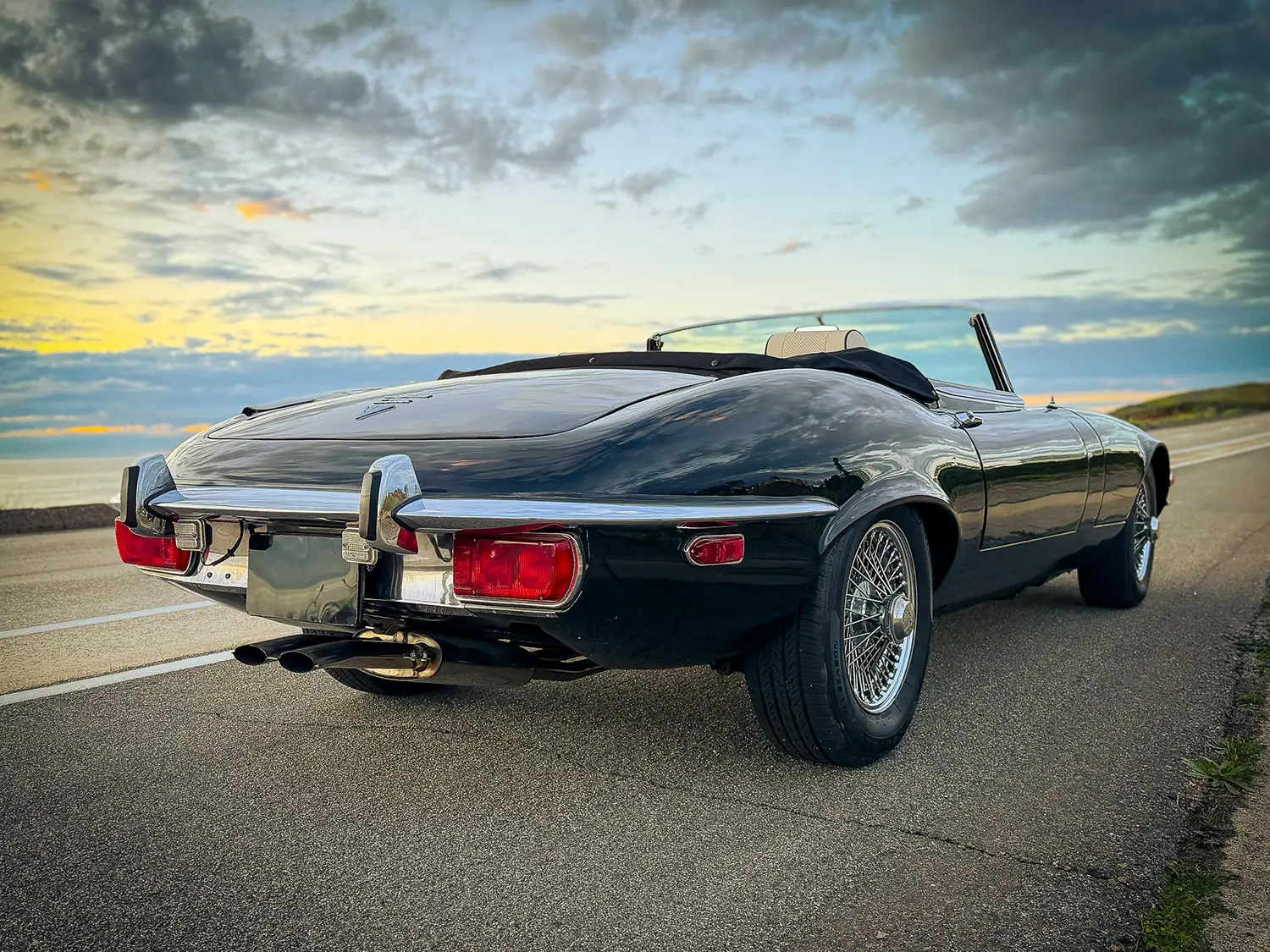
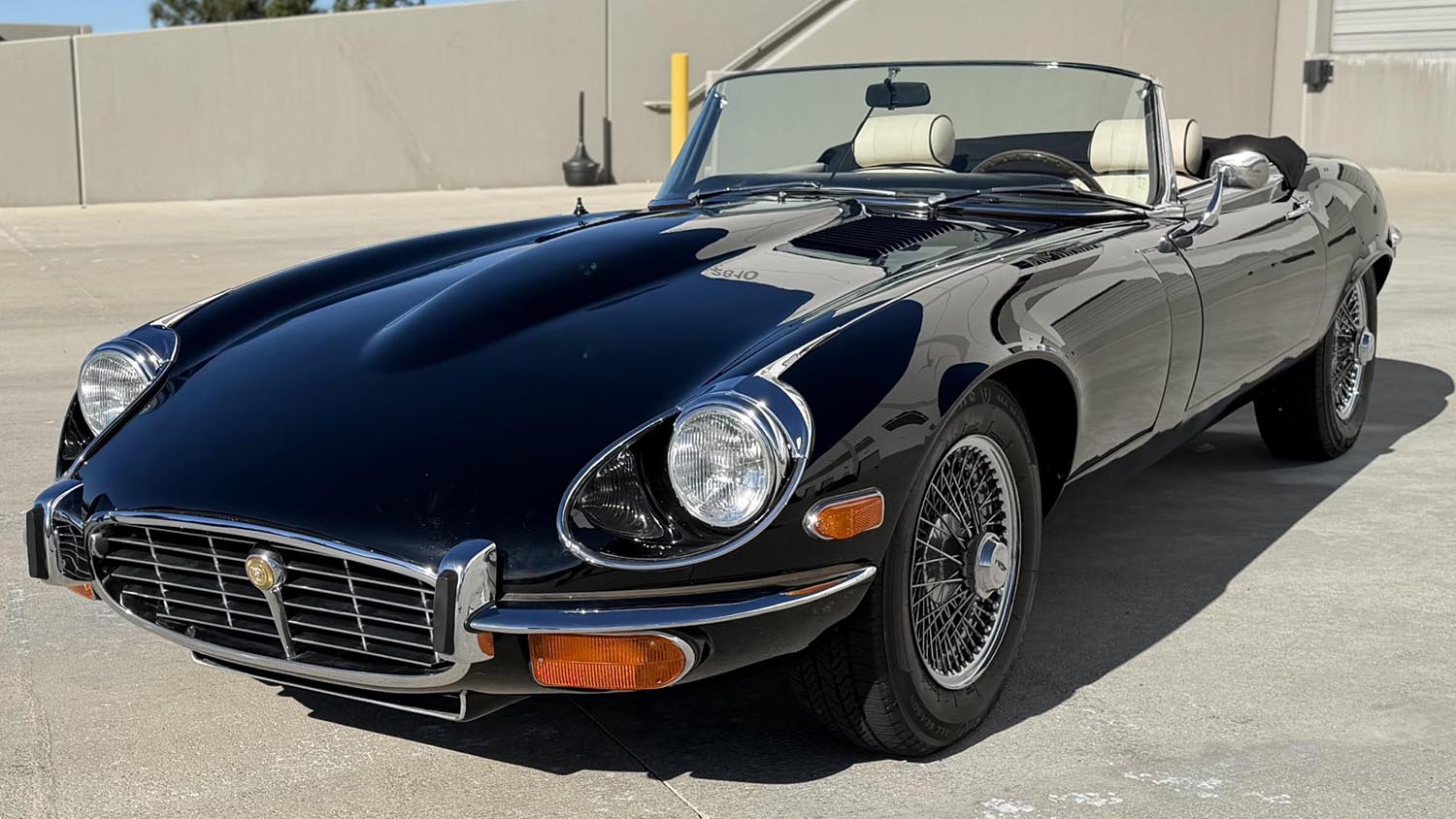
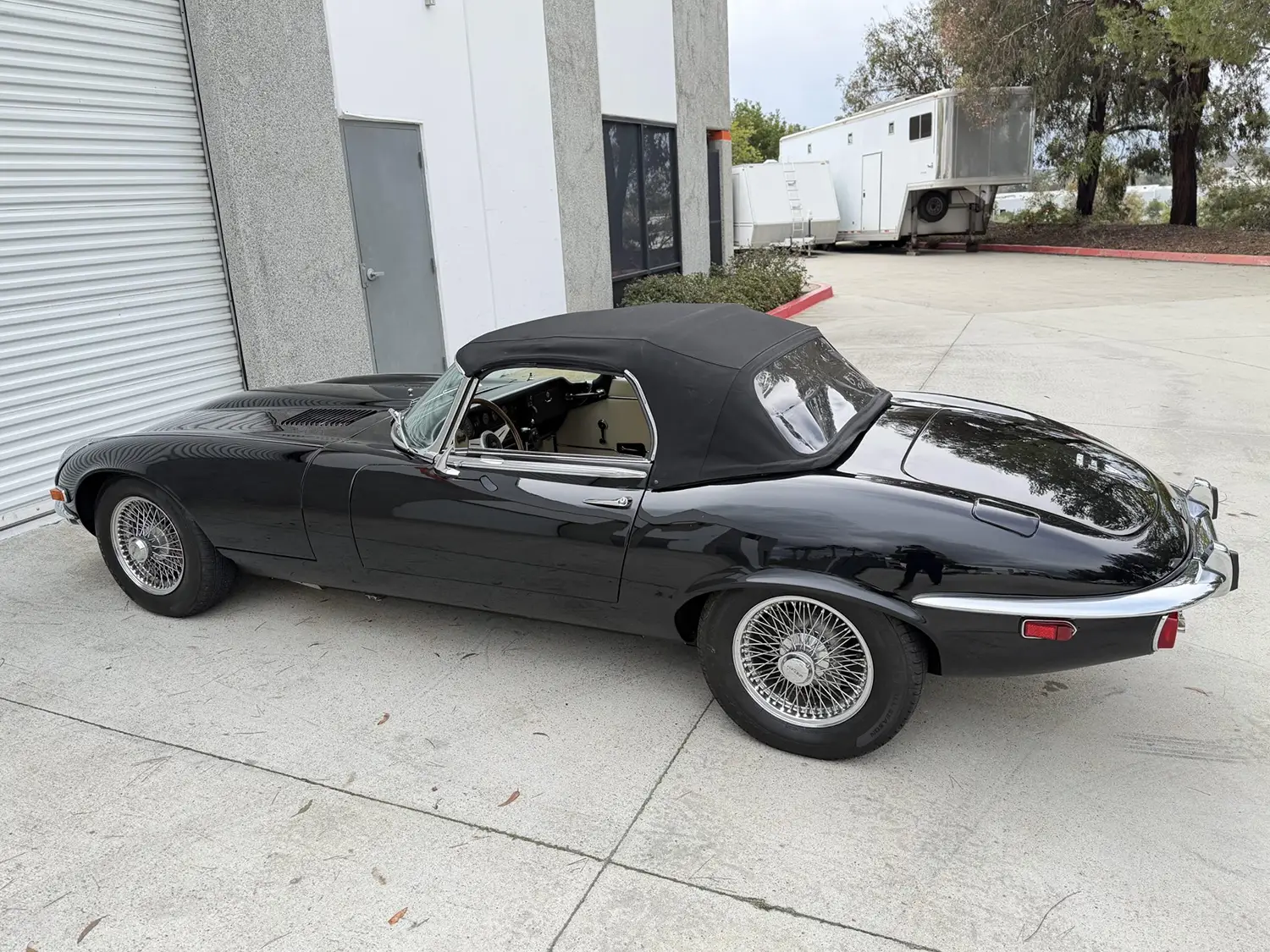
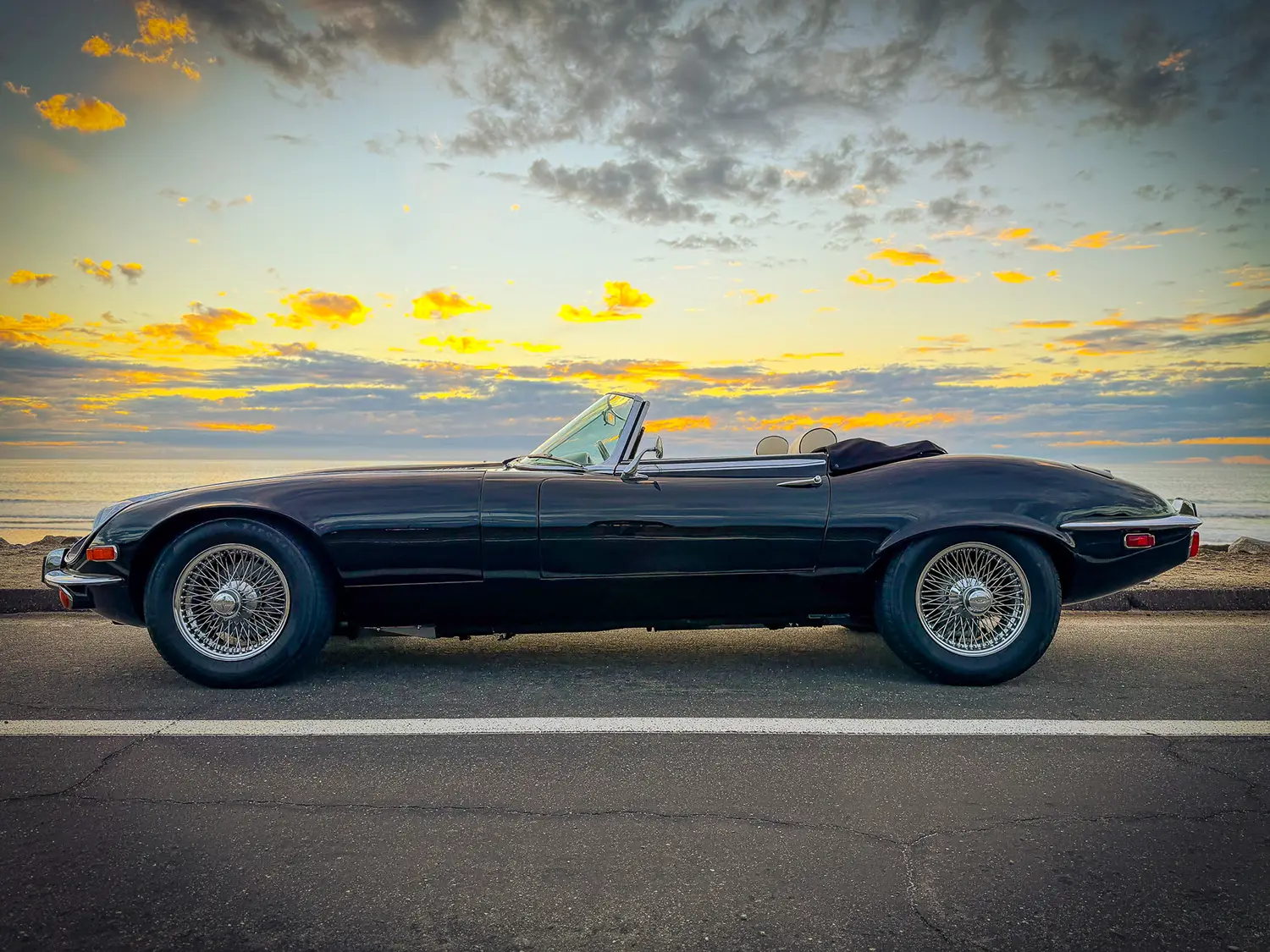
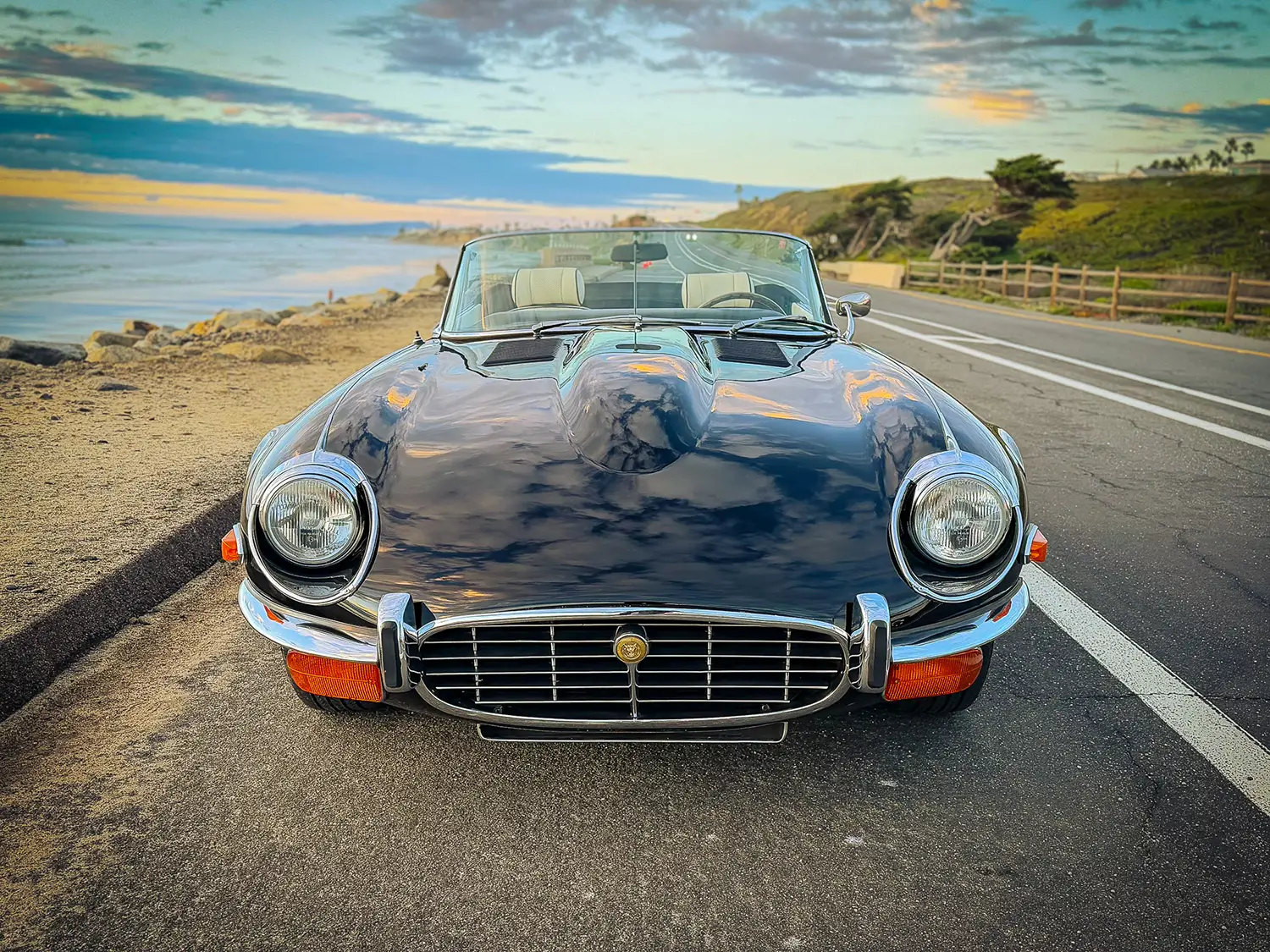
The exterior of the 1972 Jaguar E-Type Series III Roadster Conversion showcases a high-quality black finish that accentuates its legendary long-hood proportions. During the recent refurbishment, every detail was addressed, from the forward-hinged louvered hood to the gleaming chrome bumpers with overriders. A black soft top and matching boot provide a seamless look when the weather turns, while uncovered headlights maintain the Series III identity. Chrome-finished 15-inch wire wheels with knock-off spinners add a necessary touch of vintage flair to the side profile. Consequently, the car commands a significant presence, standing as a polished tribute to Jaguar’s engineering past. Dual exhaust outlets exit the rear, hinting at the mechanical sophistication lying beneath the sleek metalwork. It is a design that continues to inspire awe decades after its debut.
Chassis Dynamics and Power Steering
The 1972 Jaguar E-Type Series III Roadster Conversion utilizes a chassis designed to handle the weight and torque of its large powerplant. Factory-equipped power steering ensures that the car remains manageable and precise during slow-speed maneuvers or spirited coastal drives. Braking is handled by a four-wheel disc system, featuring the iconic inboard-mounted rear rotors to reduce unsprung weight. The suspension setup provides a supple ride that remains a hallmark of the E-Type’s reputation as a world-class grand tourer. Firestone All-Season tires are mounted to the classic wire wheels for a reliable and comfortable connection to the road. This combination of traditional design and well-maintained hardware results in a driving experience that is both engaging and refined. Every component reflects the high standards of the recent five-year refurbishment process.
Cream Leather Interior and Cabin Amenities
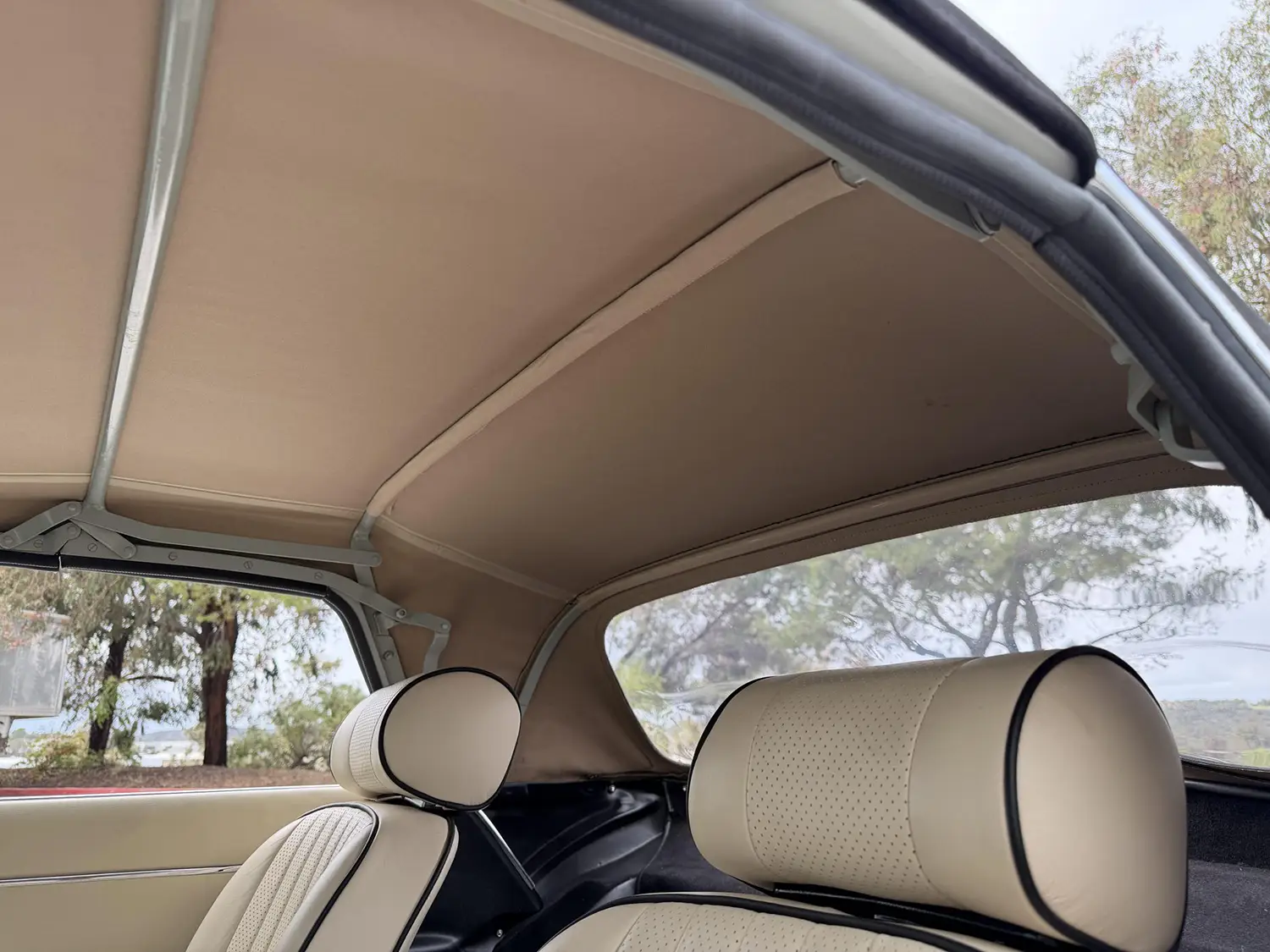
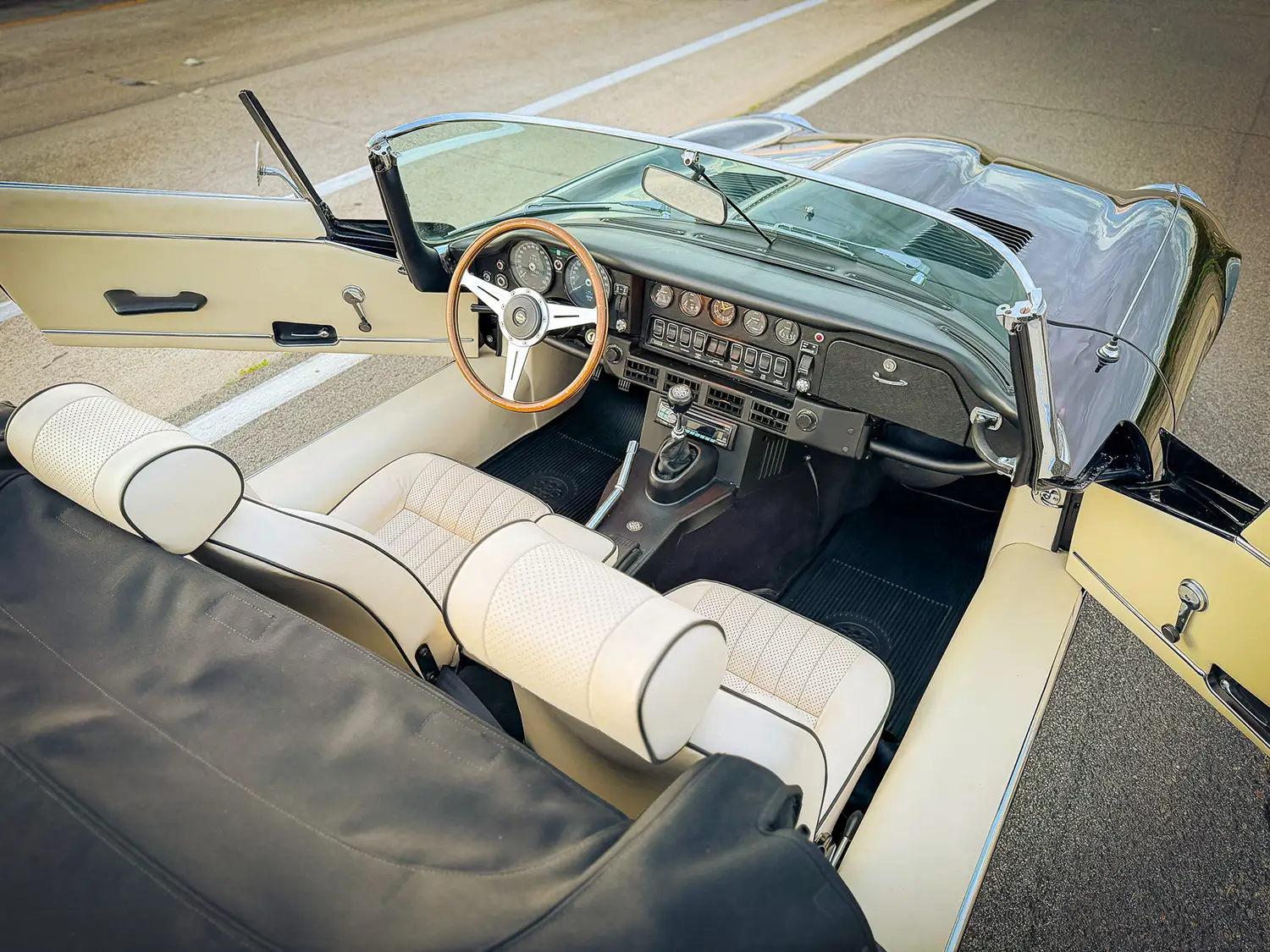
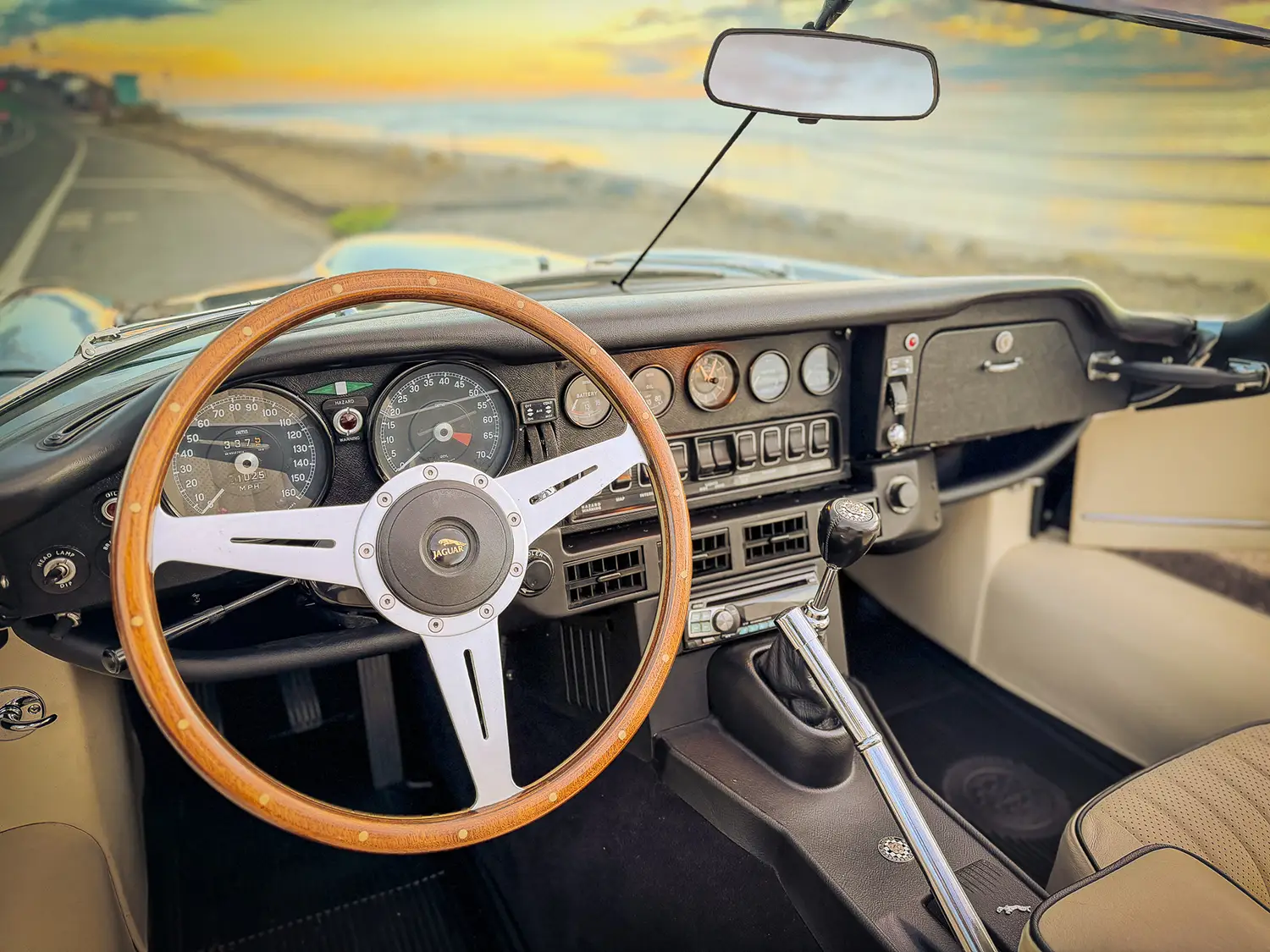
Inside the 1972 Jaguar E-Type Series III Roadster Conversion, the cabin is a sanctuary of cream-colored leather with contrasting black piping. The reupholstered seating surfaces are complemented by color-coordinated door panels and deep black carpeting for a sophisticated two-tone effect. A wood-rimmed steering wheel provides a tactile link to the car’s heritage, framing a classic set of Smiths instrumentation. Modern amenities like air conditioning and an Alpine CD stereo have been integrated to improve the usability of this vintage machine. Centrally located auxiliary gauges monitor the battery, oil pressure, and coolant temperature with traditional analog precision. A passenger-side grab handle and a locking glovebox add to the functional charm of the right-hand-drive oriented layout. It is a cockpit that invites long-distance journeys under the sun.
Instrumentation and Center Stack Details
The driver of the 1972 Jaguar E-Type Series III Roadster Conversion faces a 160-mph speedometer that speaks to the car’s high-speed pedigree. A tachometer with a 6,500-rpm redline allows for careful monitoring of the V12’s power delivery through the gears. Stationed in the center stack, an analog clock and fuel level gauge provide essential information at a glance. Every switch and dial carries the mechanical weight that defines the tactile experience of a classic Jaguar. The five-digit odometer shows 71,000 miles, representing the journey of a car that has been cherished across decades. These period-correct details ensure that the interior feels as authentic as the day it was first manufactured in Coventry. It remains a masterpiece of ergonomic simplicity and British artisanal craftsmanship.
V12 Engine Performance and Technical Specs
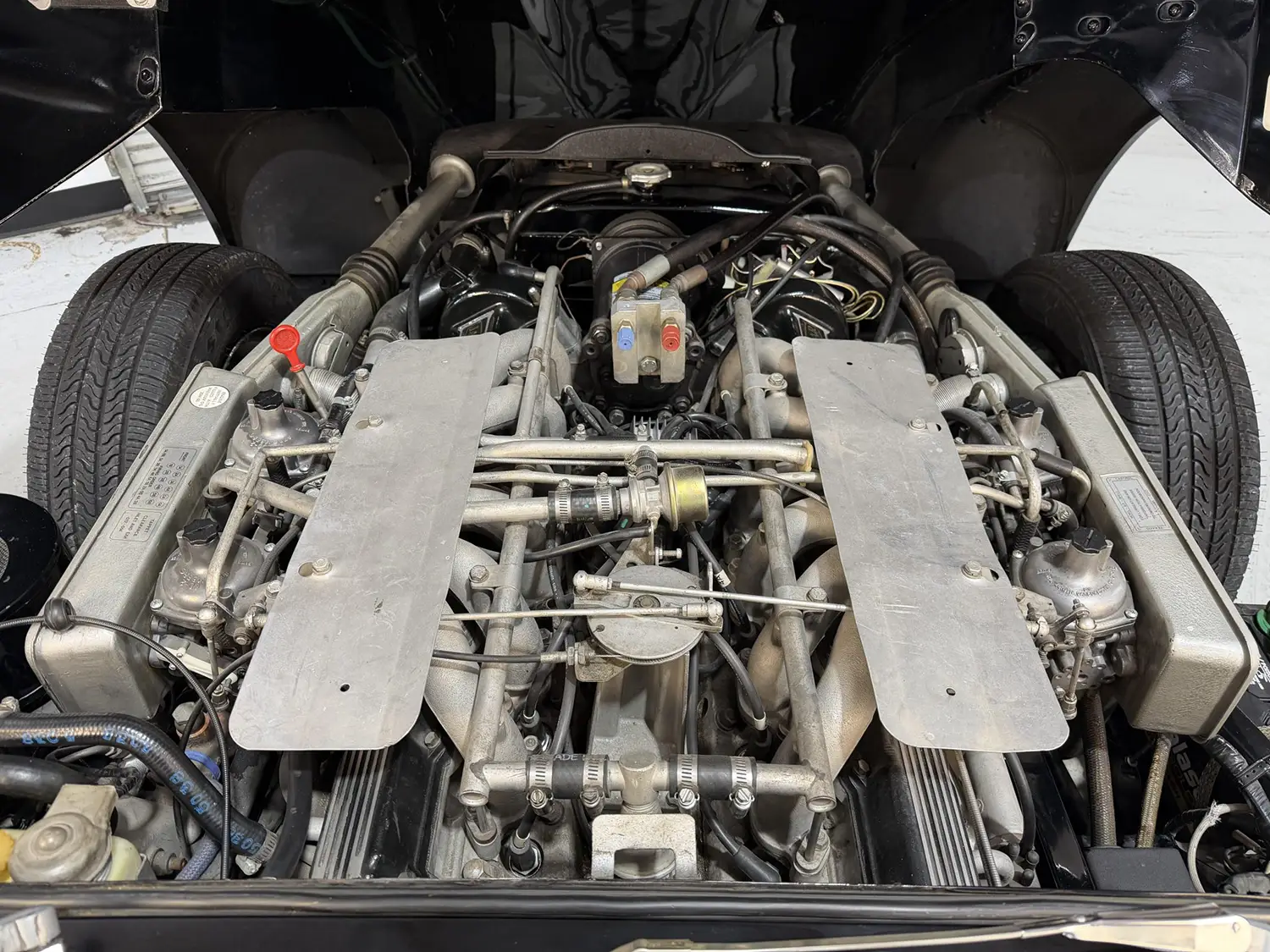
The 1972 Jaguar E-Type Series III Roadster Conversion is powered by its original-style 5.3-liter V12 engine. Equipped with quadruple Zenith-Stromberg carburetors, this powerplant was factory rated at 241 net horsepower and 285 lb-ft of torque. Power is routed to the rear wheels via a four-speed manual transmission, offering a level of engagement rarely found in later luxury models. A limited-slip differential helps manage the delivery of power to the pavement for improved traction during acceleration. A Bell stainless-steel muffler has been installed to provide a crisp, melodic exhaust note that highlights the engine’s smooth character. This V12 was one of the first mass-produced twelve-cylinder engines, setting a new benchmark for smoothness and prestige in the market. It remains a mechanical marvel that defines the soul of this legendary roadster.
Final Summary
The 1972 Jaguar E-Type Series III Roadster Conversion is an exceptional vehicle that represents the peak of Jaguar’s classic production. Its conversion from a coupe to a roadster provides the most desirable body style paired with the formidable V12 engine. The recent refurbishment has ensured that this car is ready for immediate enjoyment on the road or the concours lawn. With its four-speed manual transmission and limited-slip differential, it offers a rewarding and authentic driving experience. The combination of black paint and cream leather is a timeless choice that will never go out of style. As a well-documented and serviced example, it stands as a premier choice for any serious collector of British icons. This E-Type is ready to continue its story with a new steward who appreciates mechanical excellence.
Disclaimer: Content on this site is for informational and entertainment purposes only. Details, analyses, and opinions reflect current trends and personal views, not professional or financial advice. Always verify information with official sources before making any decisions.
Source: bringatrailer.com