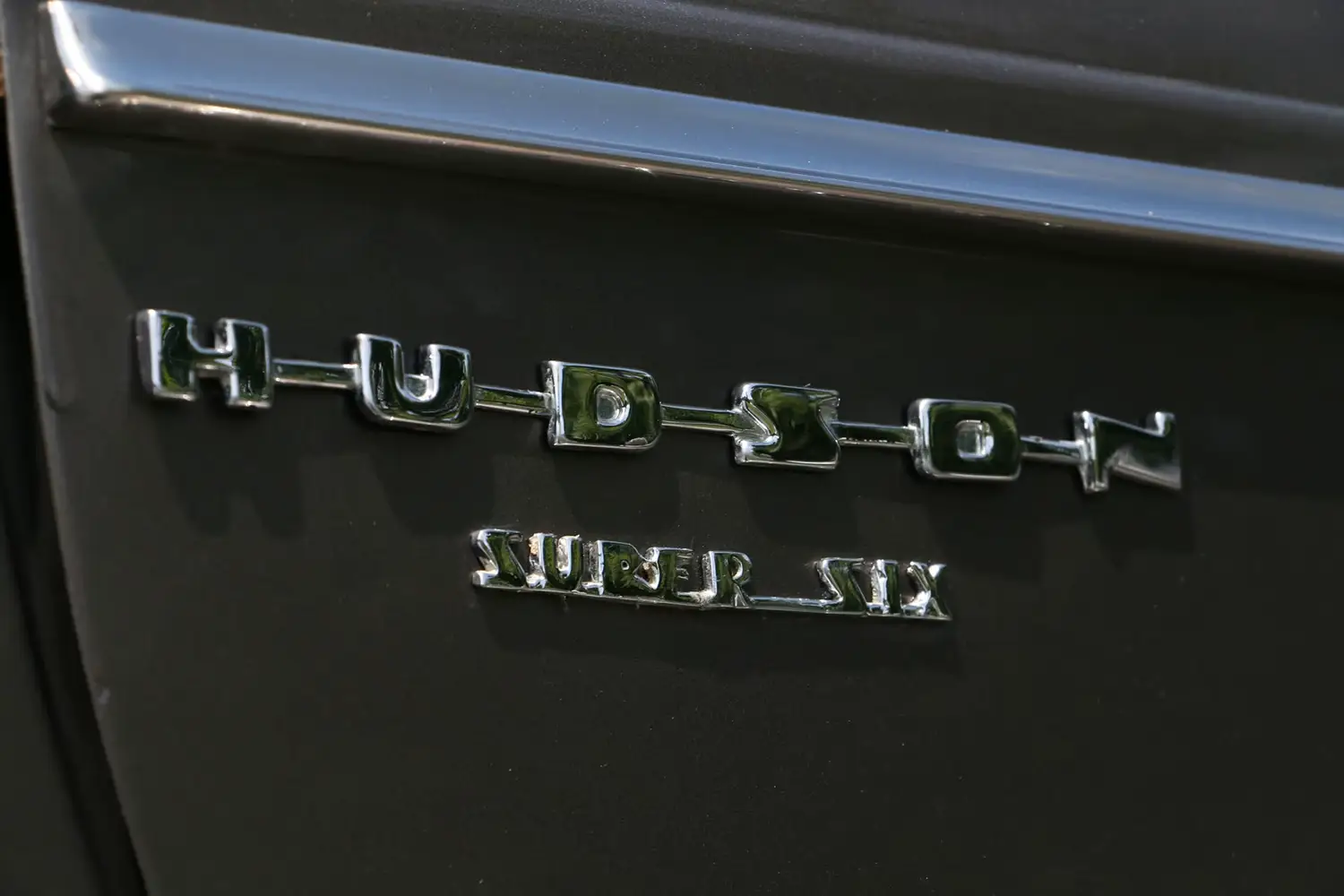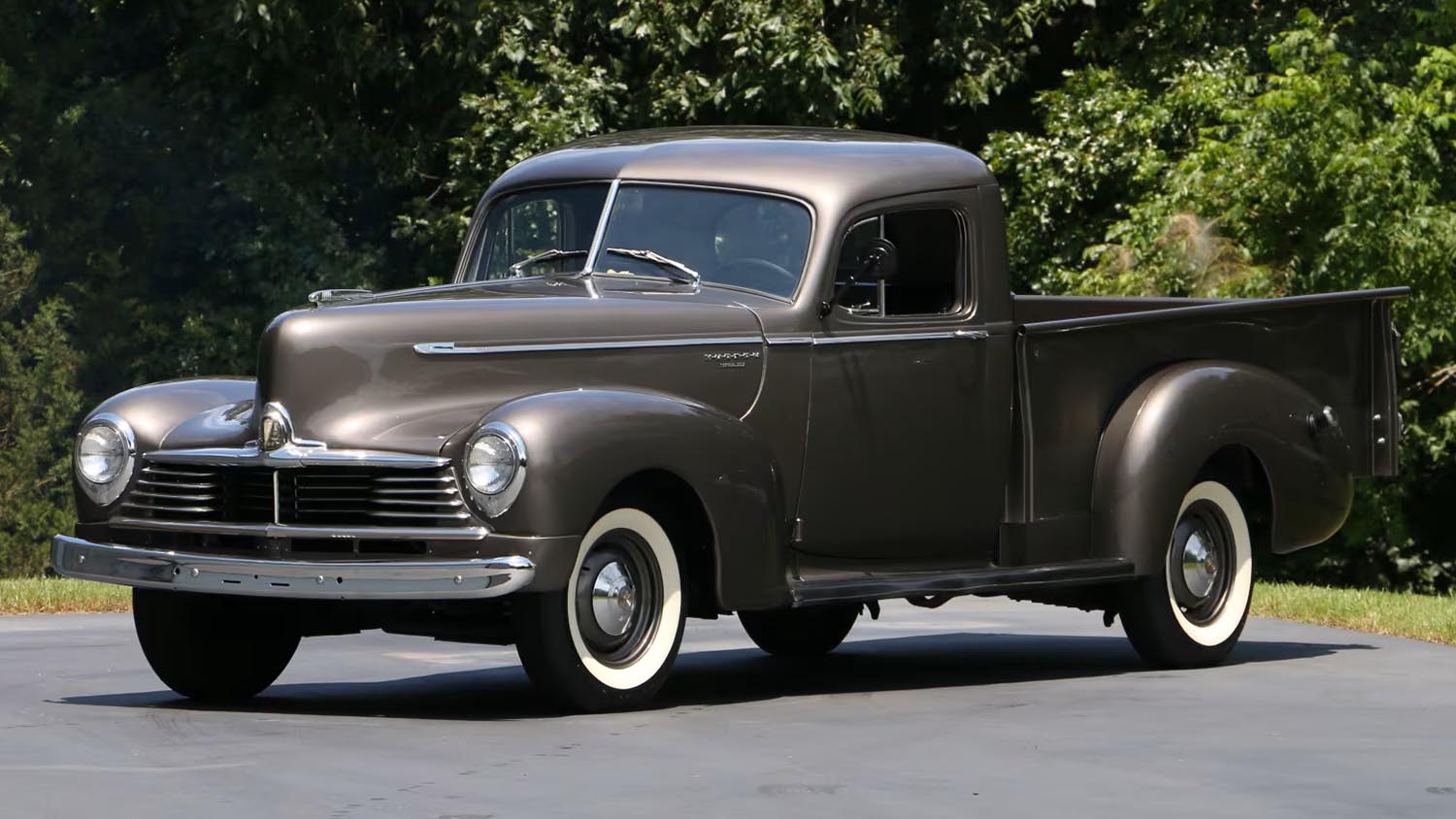
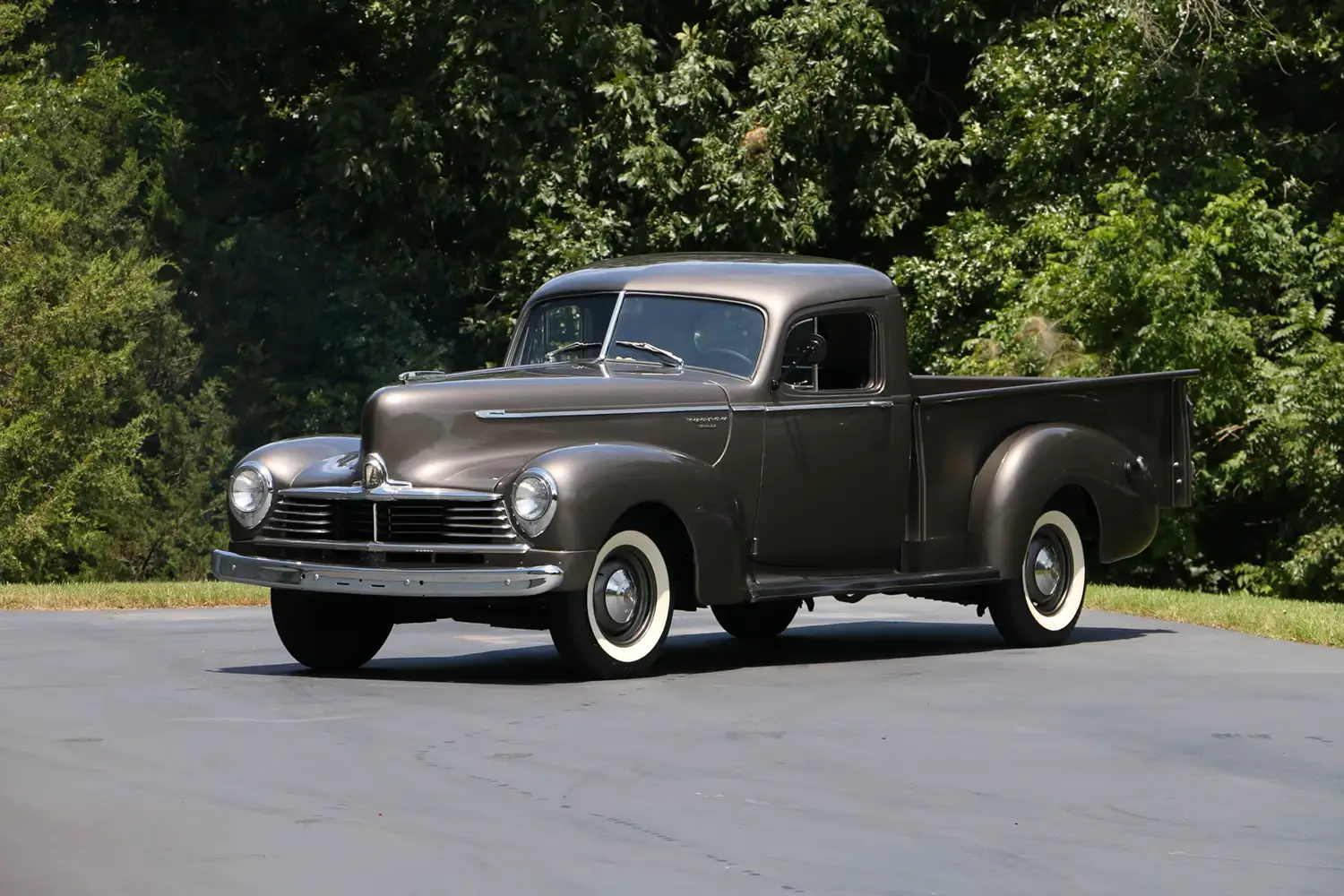
The 1947 Hudson 1/2 Ton Pickup holds a special place in automotive history as the final year of truck production for the legendary brand. Unlike many contemporaries, Hudson built their trucks on passenger car chassis to ensure a smoother ride. This specific gray example highlights the unique car-like styling that made these pickups stand out in a crowded post-war market. Collectors prize these machines today for their scarcity and their distinct streamlined appearance. It remains a sophisticated alternative to the more common utility trucks of the late forties.
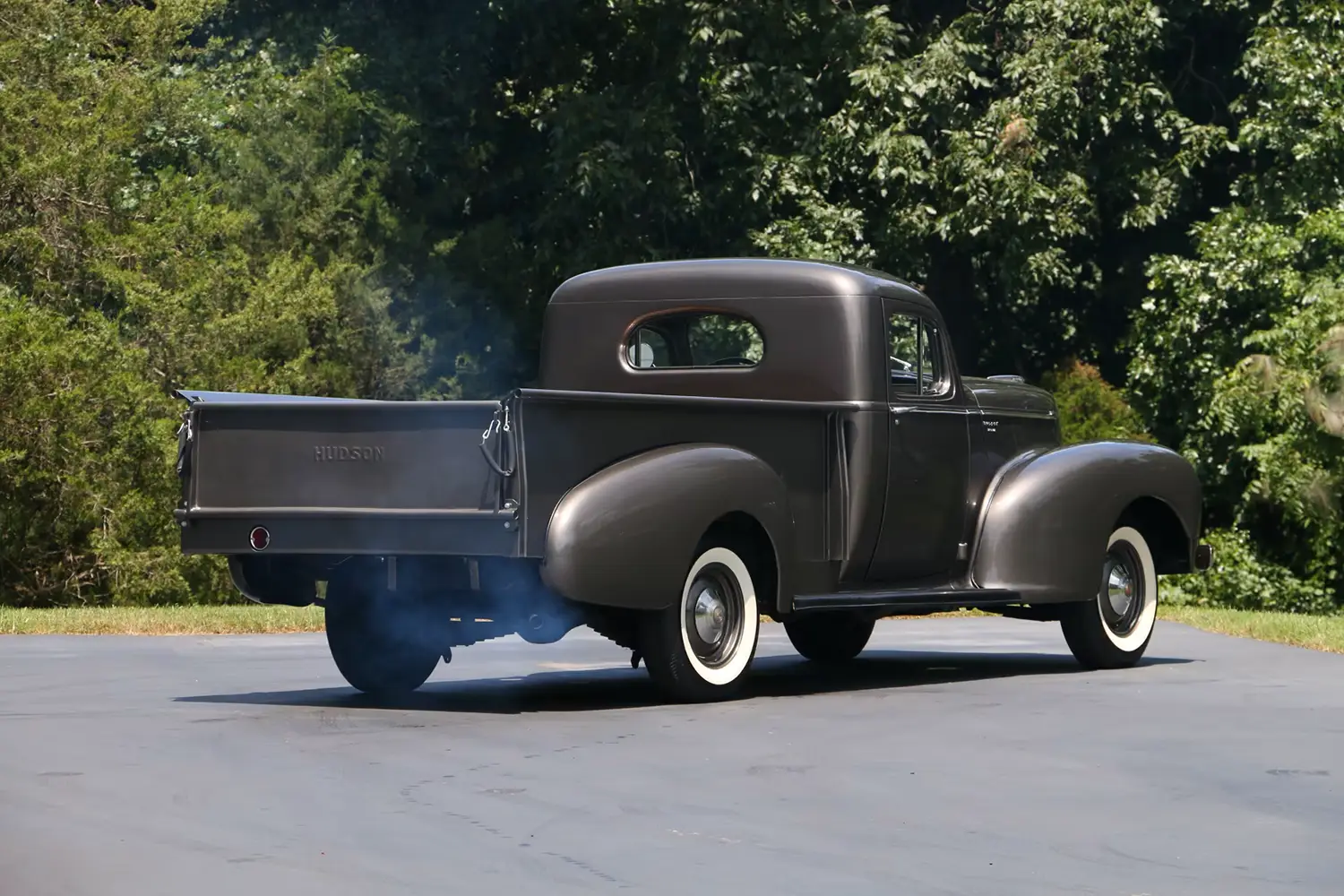
Distinctive Exterior Design
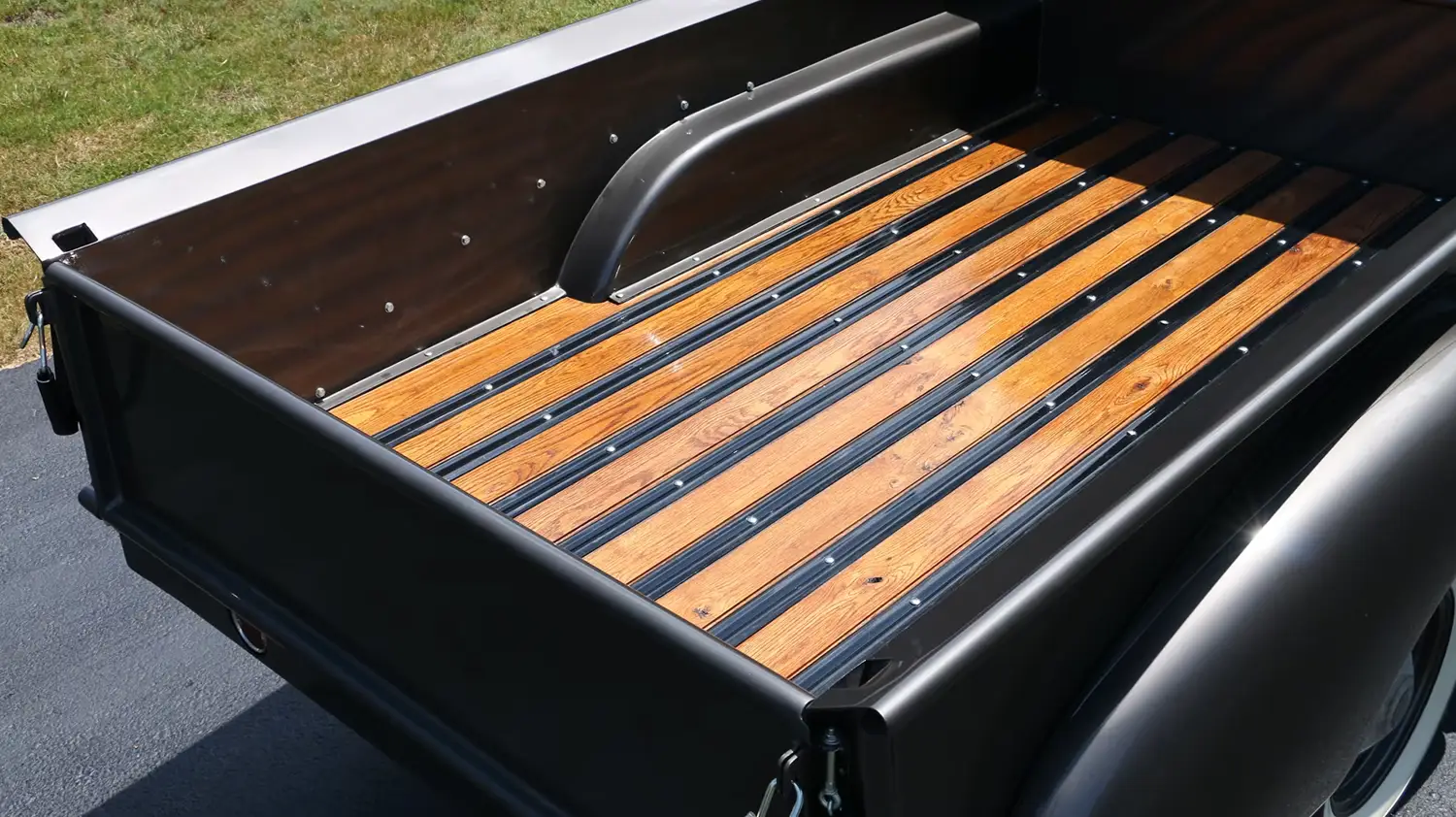
The exterior of the 1947 Hudson 1/2 Ton Pickup features a subdued gray paint that emphasizes its elegant, flowing fenders. Color-matched wheels with bright hubcaps and whitewall tires provide a dignified stance on the road. A bright front bumper adds a touch of chrome contrast to the industrial aesthetic of the front end. The bed showcases finished wood planking held together with neatly painted hardware for a polished, clean look. Every detail suggests a vehicle that was designed with both work and style in mind.
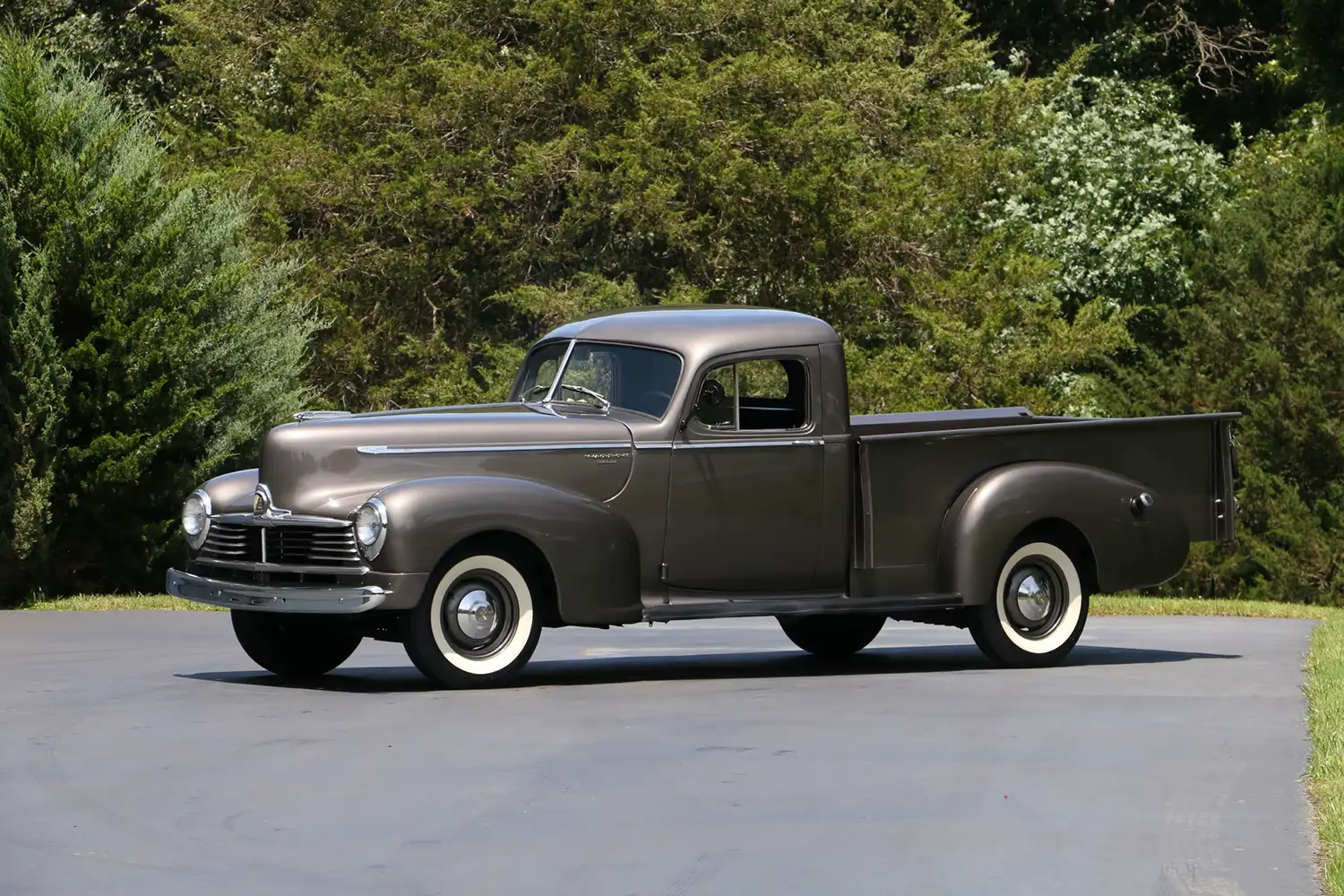
Advanced Chassis and Suspension
One of the most notable features of the 1947 Hudson 1/2 Ton Pickup is its independent front suspension system. This engineering choice provided a level of comfort and handling precision that few rival trucks could match at the time. It allowed the pickup to navigate uneven surfaces without the jarring feedback typical of solid axle designs. This forward-thinking approach to ride quality helped Hudson maintain a loyal following among independent owner-operators. The chassis remains a testament to the brand’s innovative spirit during its final years.
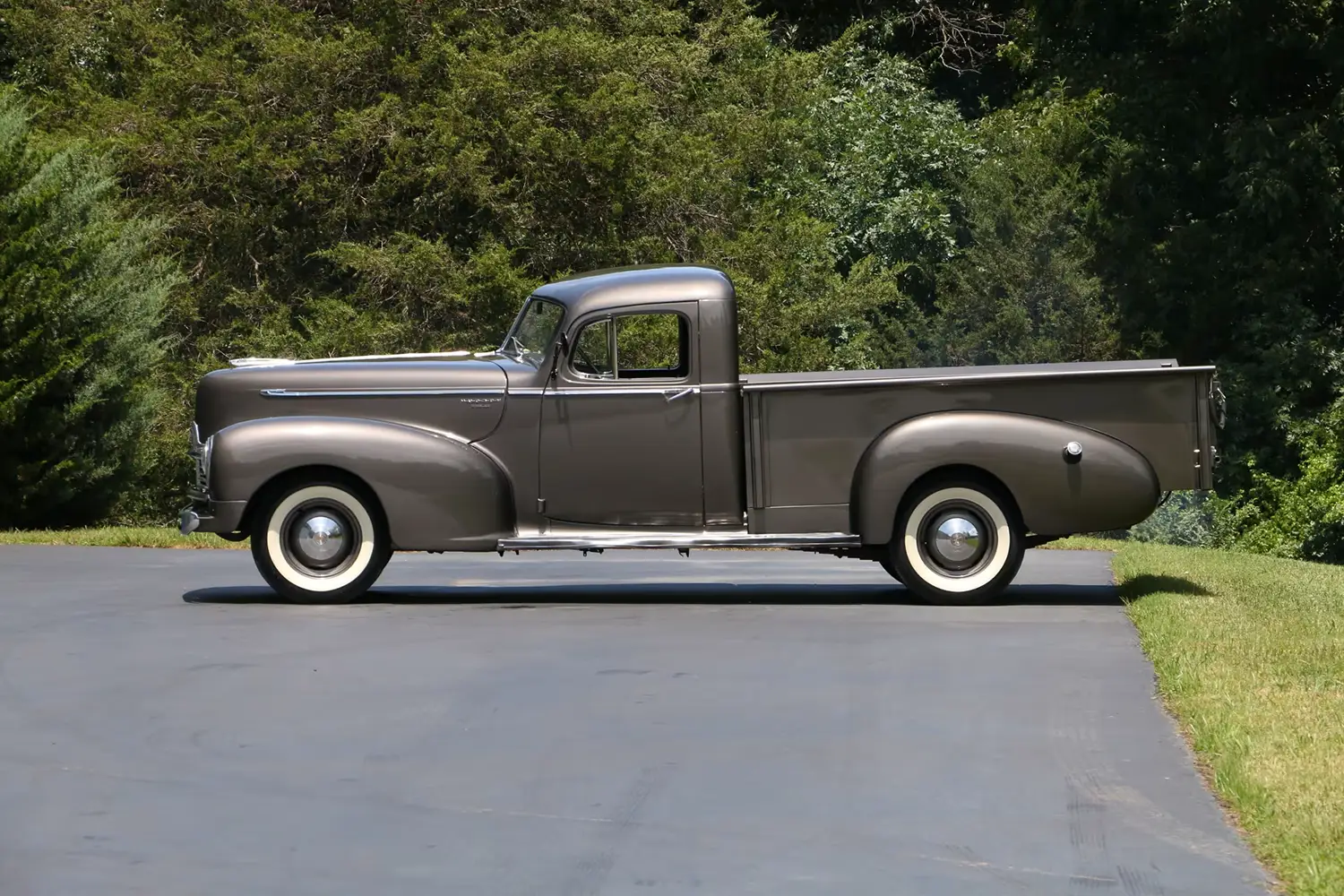
Refined Interior Comforts
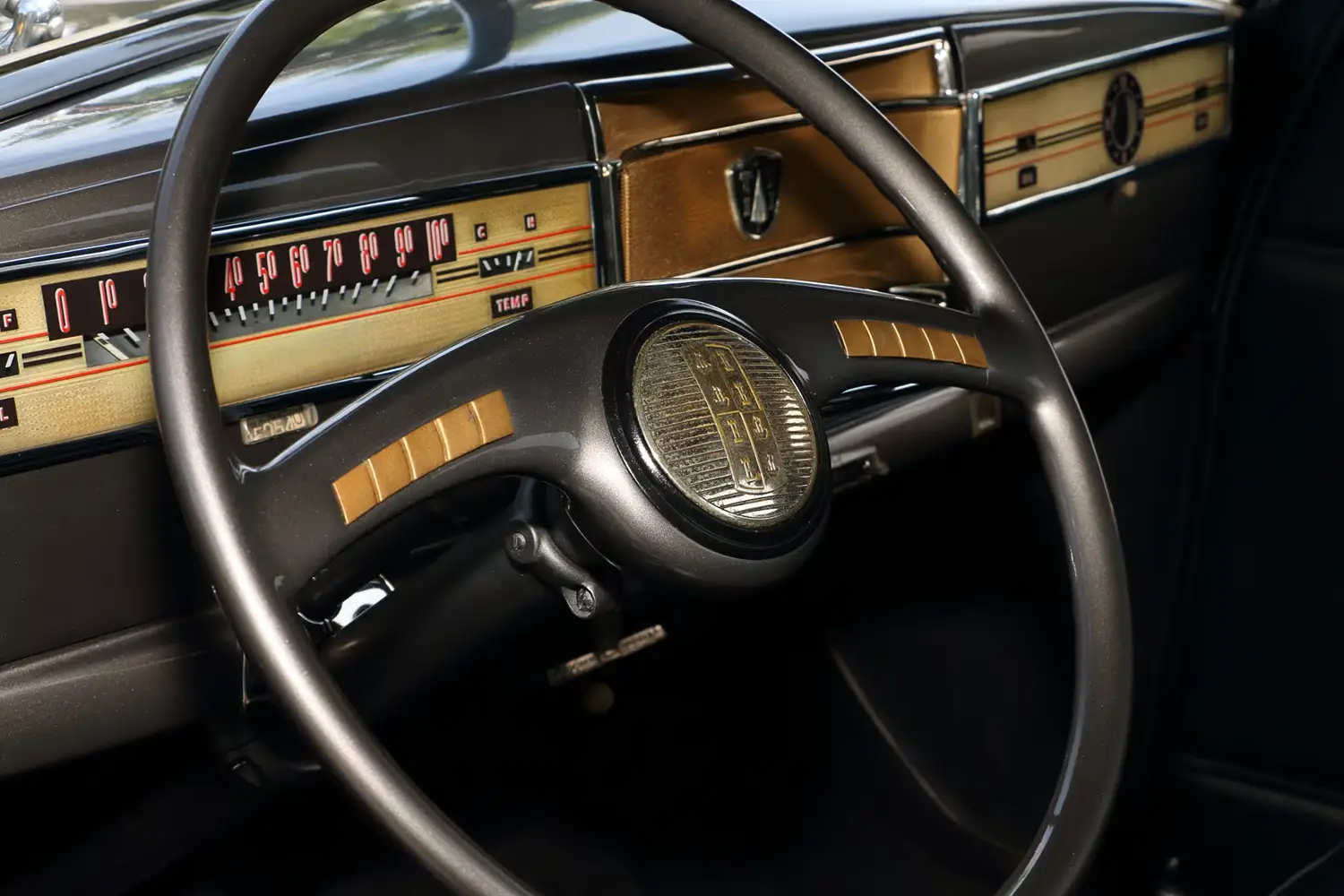
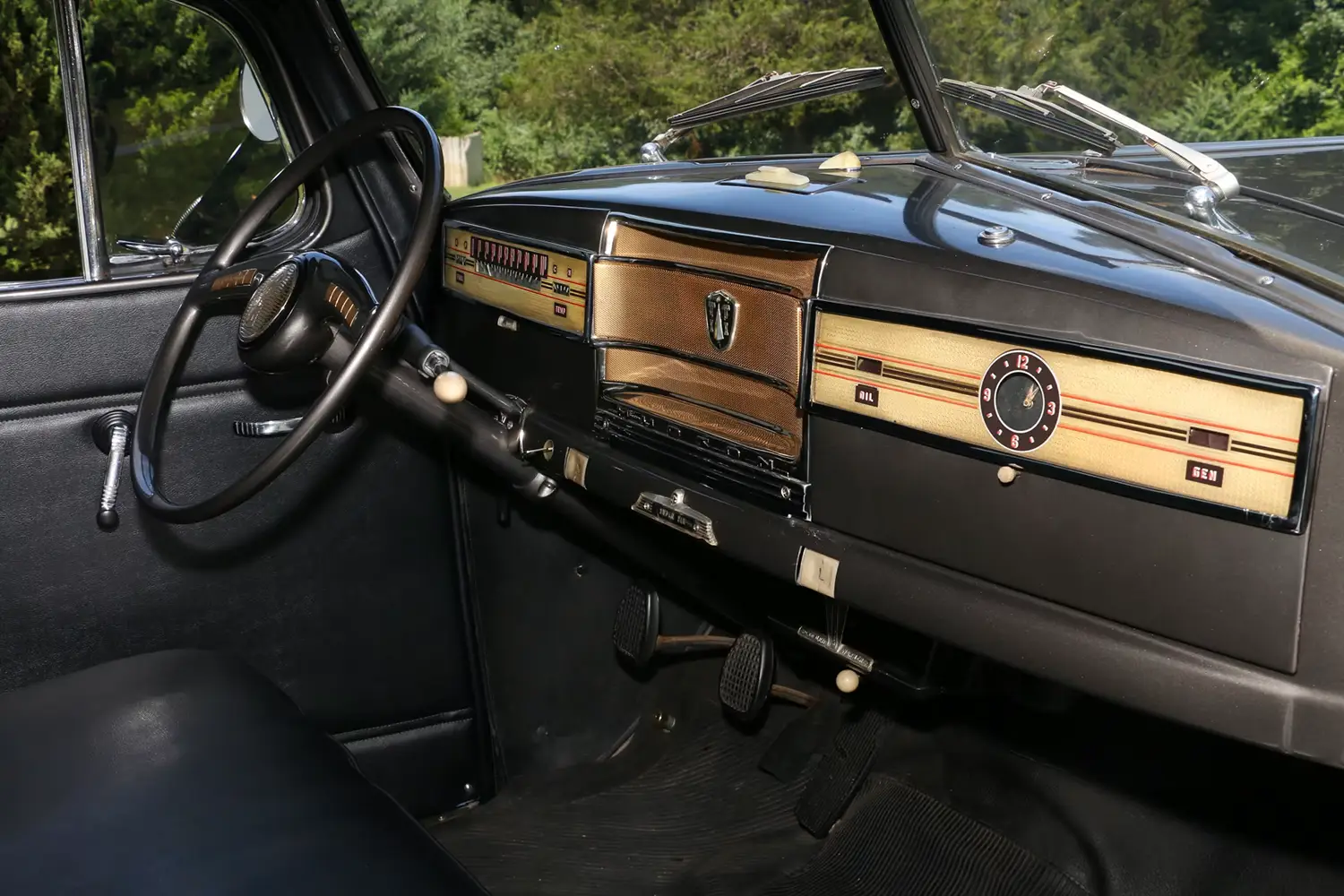
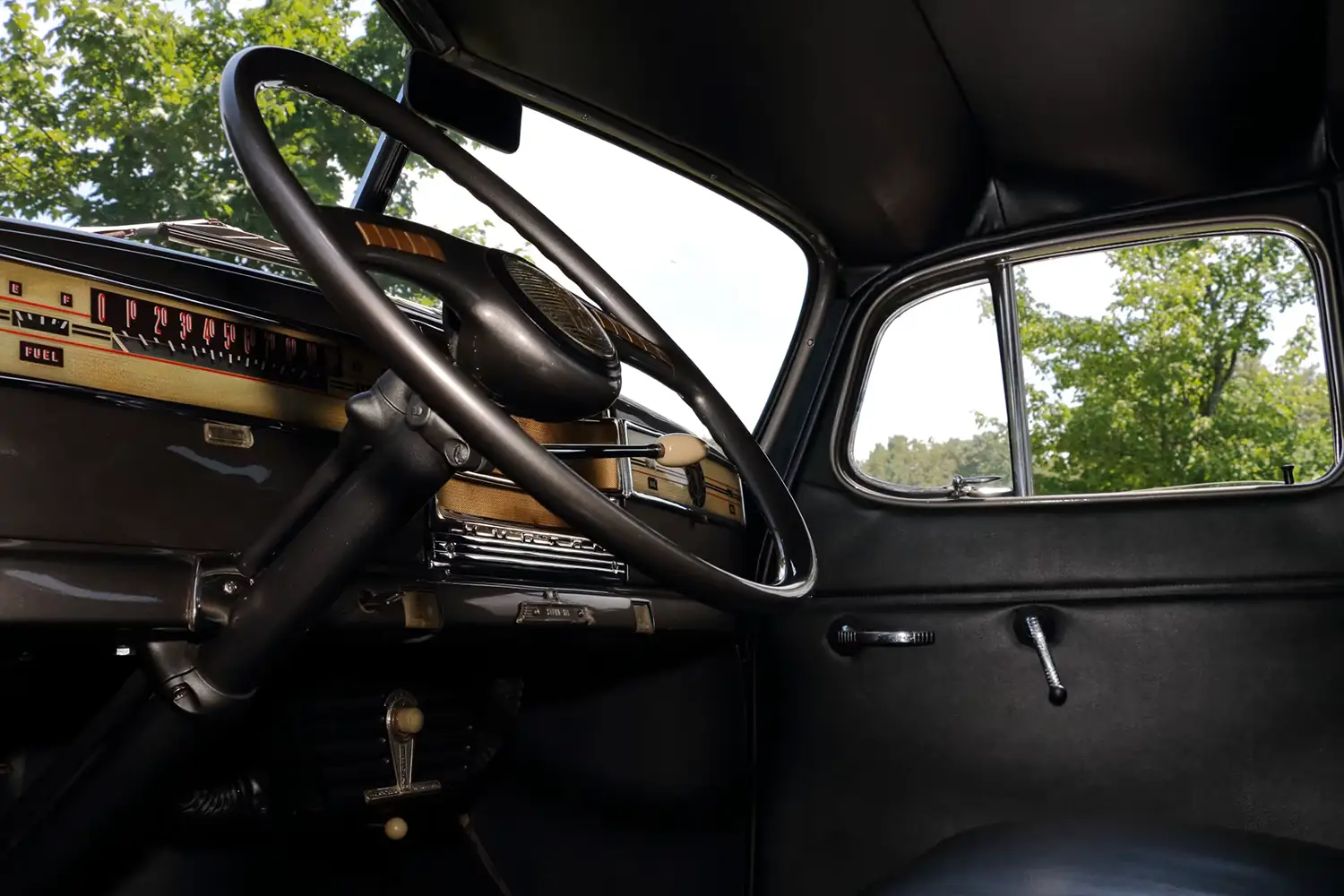
Inside the cabin, the 1947 Hudson 1/2 Ton Pickup offers a straightforward black interior with sophisticated beige dashboard accents. This contrasting color scheme adds a layer of depth to the relatively simple operator environment. Large gauges and well-placed controls ensure that the driver has easy access to all vital information while on the move. The bench seat provides enough room for a passenger while maintaining a focus on ergonomic simplicity for long drives. It feels much more like a premium sedan than a traditional farm vehicle.
Operator Interface and Gears
The 1947 Hudson 1/2 Ton Pickup utilizes a three-speed manual transmission to manage the engine output effectively. Shifting through the gears provides a tactile connection to the mechanical soul of this post-war workhorse. The steering is direct, benefiting from the car-based geometry of the front end during low-speed maneuvers. While it lacks modern power assistance, the mechanical leverage provided by the large steering wheel makes it manageable. This truck offers an authentic and rewarding driving experience for any vintage enthusiast.
Inline-6 Performance and Power
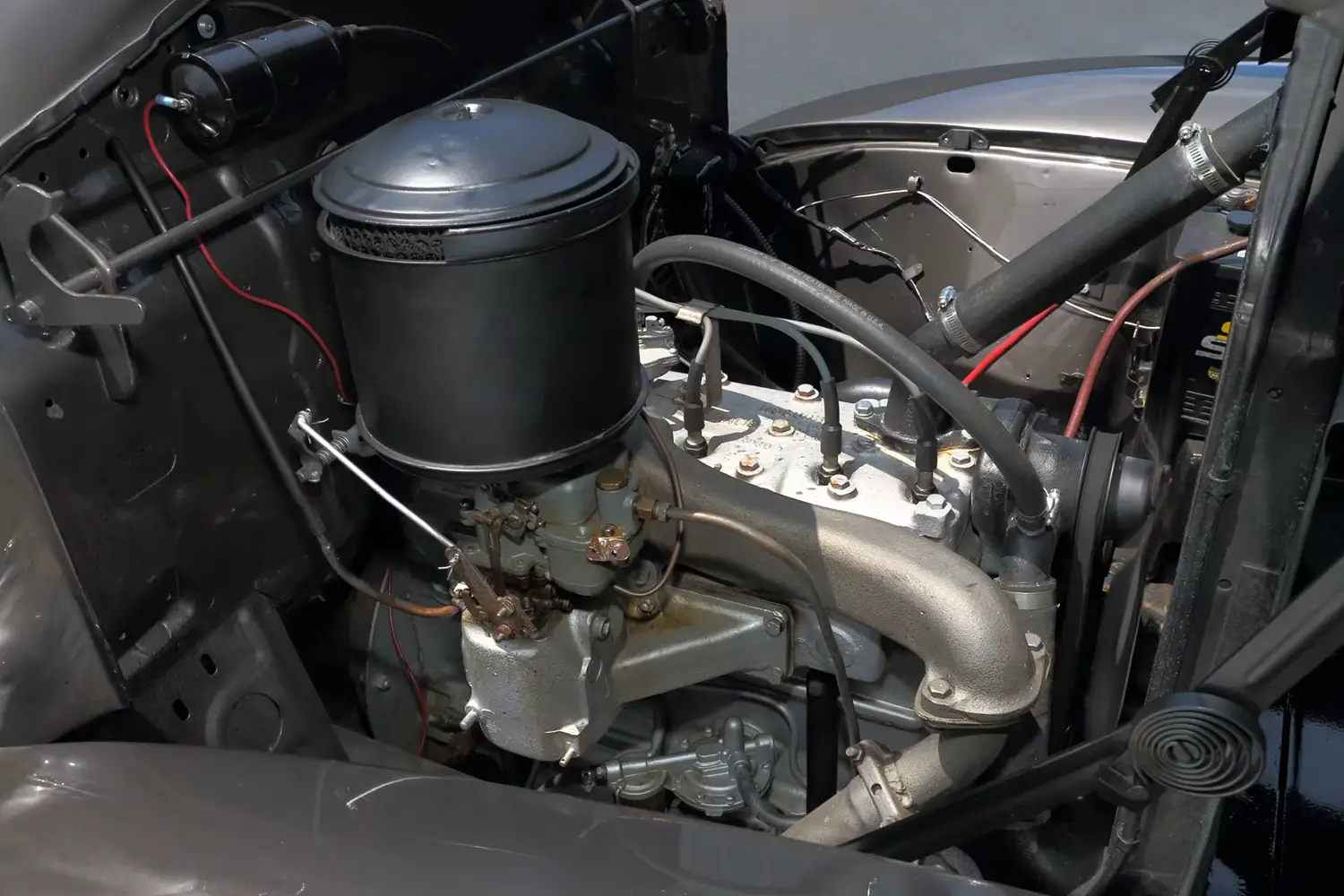
Under the hood of the 1947 Hudson 1/2 Ton Pickup sits a reliable 212 cubic inch inline 6-cylinder engine. This powerplant was known for its smooth operation and steady torque delivery across the entire rev range. It provided enough strength for local hauling duties while maintaining the quiet demeanor expected of a Hudson product. The engine pairs perfectly with the manual gearbox to offer a balanced and rhythmic driving feel on modern secondary roads. This mechanical configuration is highly respected for its simplicity and long-term durability.
Final Summary
The 1947 Hudson 1/2 Ton Pickup is a significant survivor that marks the end of an era for the independent manufacturer. Its rare combination of car-like suspension and truck utility makes it a highlight of the Kissimmee 2026 auction block. This gray example serves as a rolling reminder of a time when pickups could be both rugged and refined. With its limited production history and unique styling, it is a prime candidate for any serious American collection. The Hudson pickup remains a timeless icon of post-war ingenuity.
Disclaimer: Content on this site is for informational and entertainment purposes only. Details, analyses, and opinions reflect current trends and personal views, not professional or financial advice. Always verify information with official sources before making any decisions.
Source: mecum.com