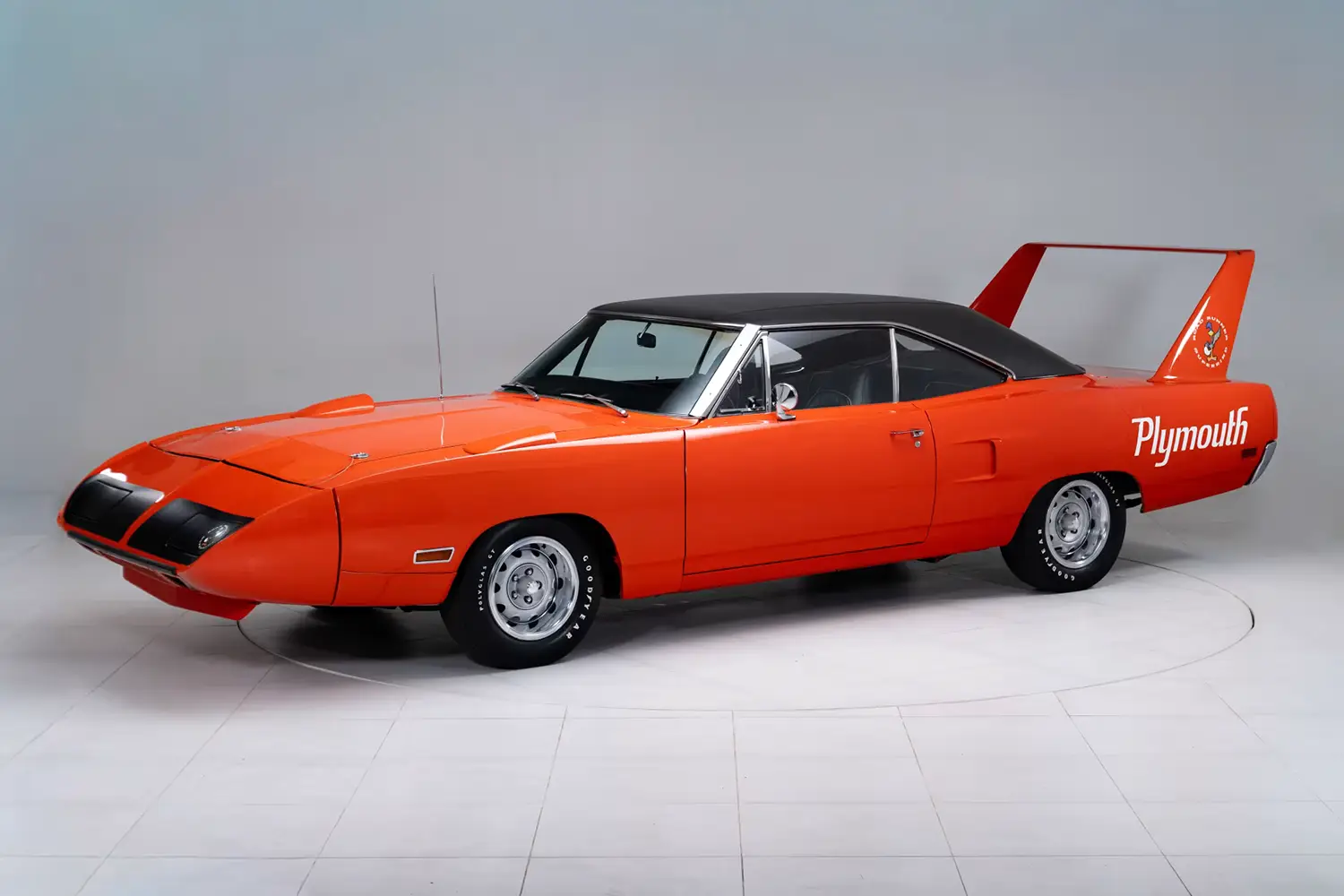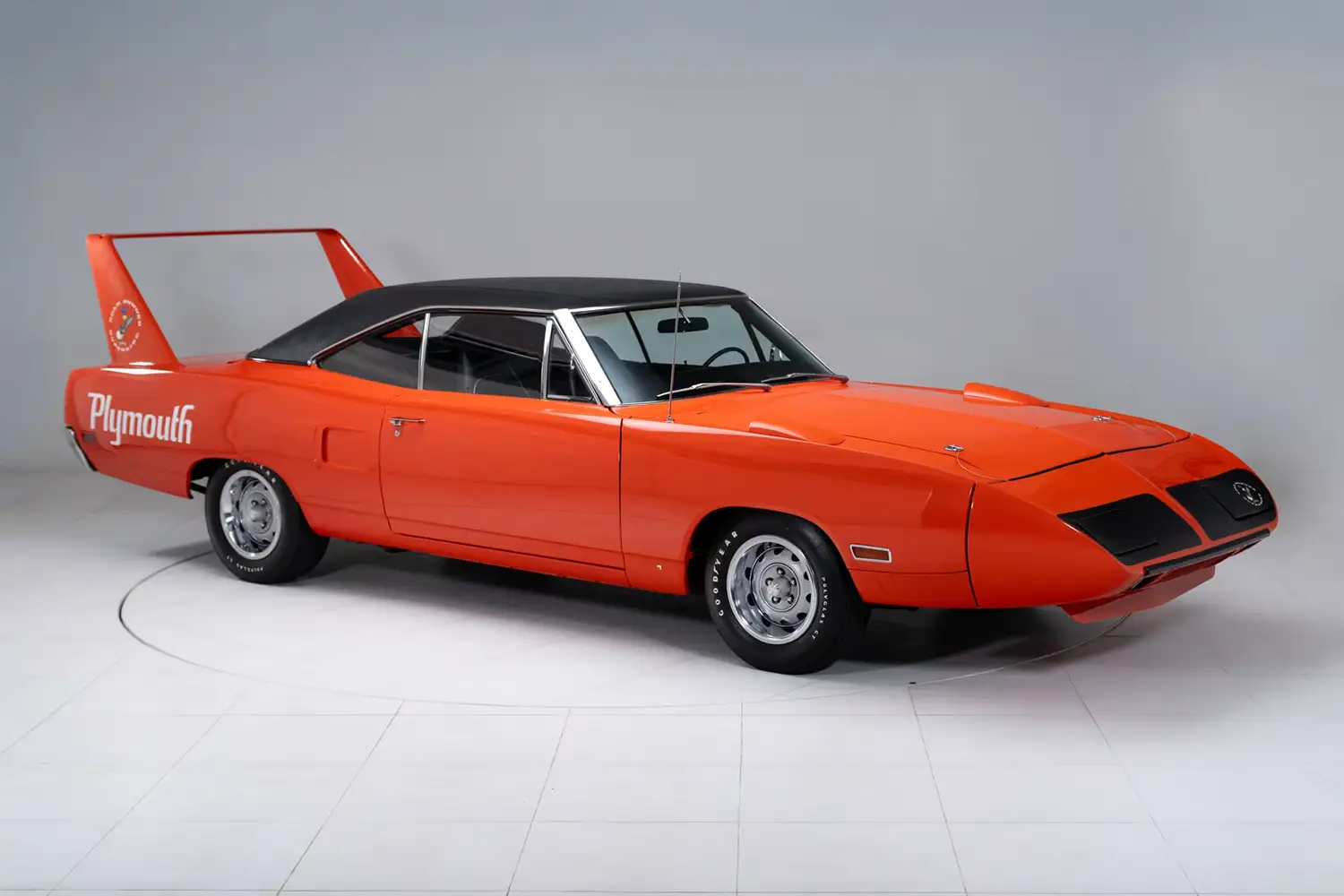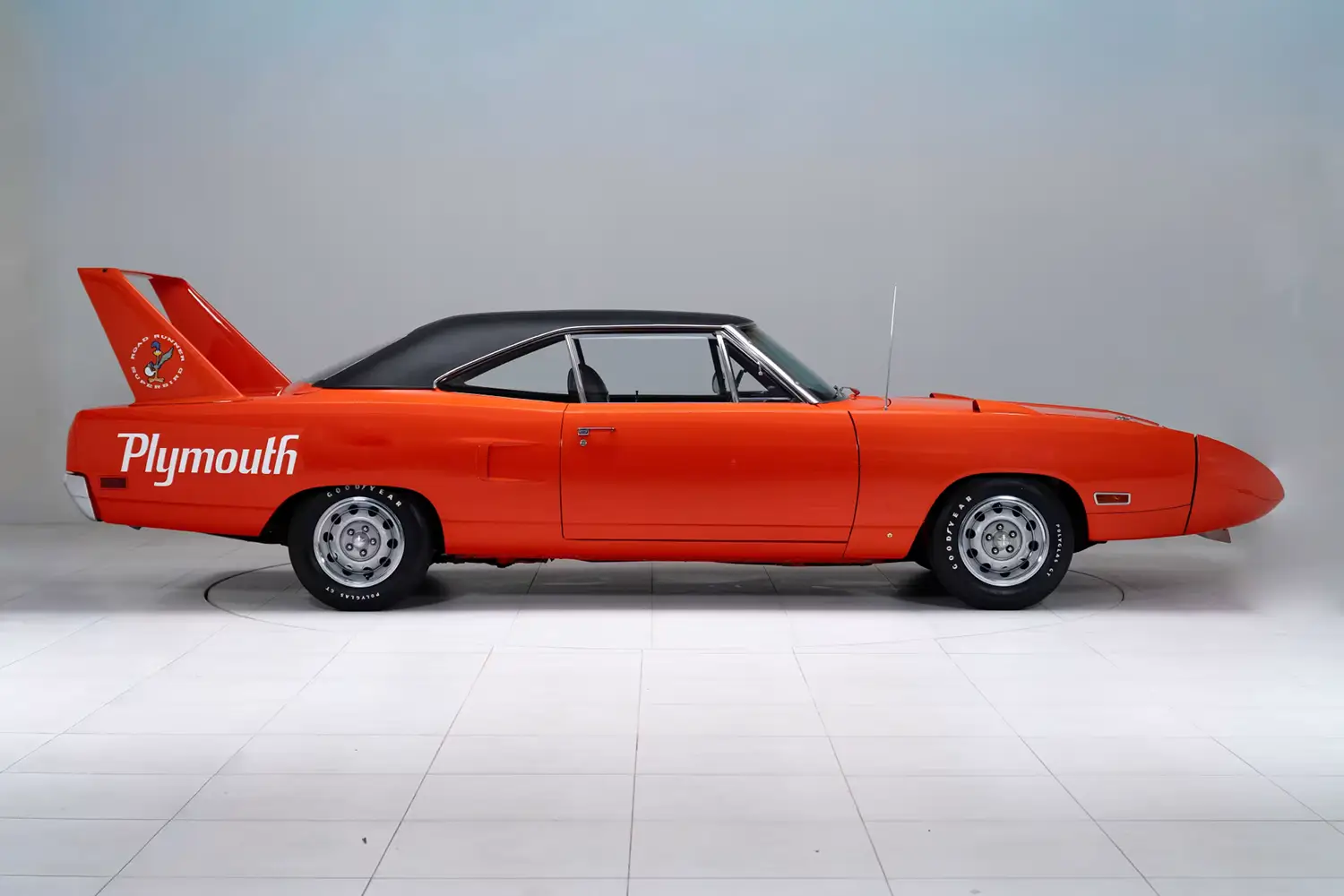
The 1970 Plymouth Superbird is a vehicle that truly needs no introduction among muscle car historians. Originally designed to lure Richard Petty back to Plymouth and dominate NASCAR, its aerodynamic profile changed racing forever. This specific example represents the absolute pinnacle of survivor-grade Mopar collecting. It shows an incredible 21,000 miles from new and remains in a highly rare unrestored state. While many Superbirds have been meticulously rebuilt, this car retains its factory finishes and assembly line markings. It serves as a literal time capsule of the peak of the American muscle era. Documented with its original broadcast sheet and owner’s manual, it carries an unbroken chain of ownership history. For the serious collector, this car is a benchmark example used frequently as a reference by restorers. It captures the raw essence of Detroit’s most ambitious aerodynamic experiment in its purest form. Crossing the block at Kissimmee 2026, it stands as one of the most significant Mopar survivors remaining.
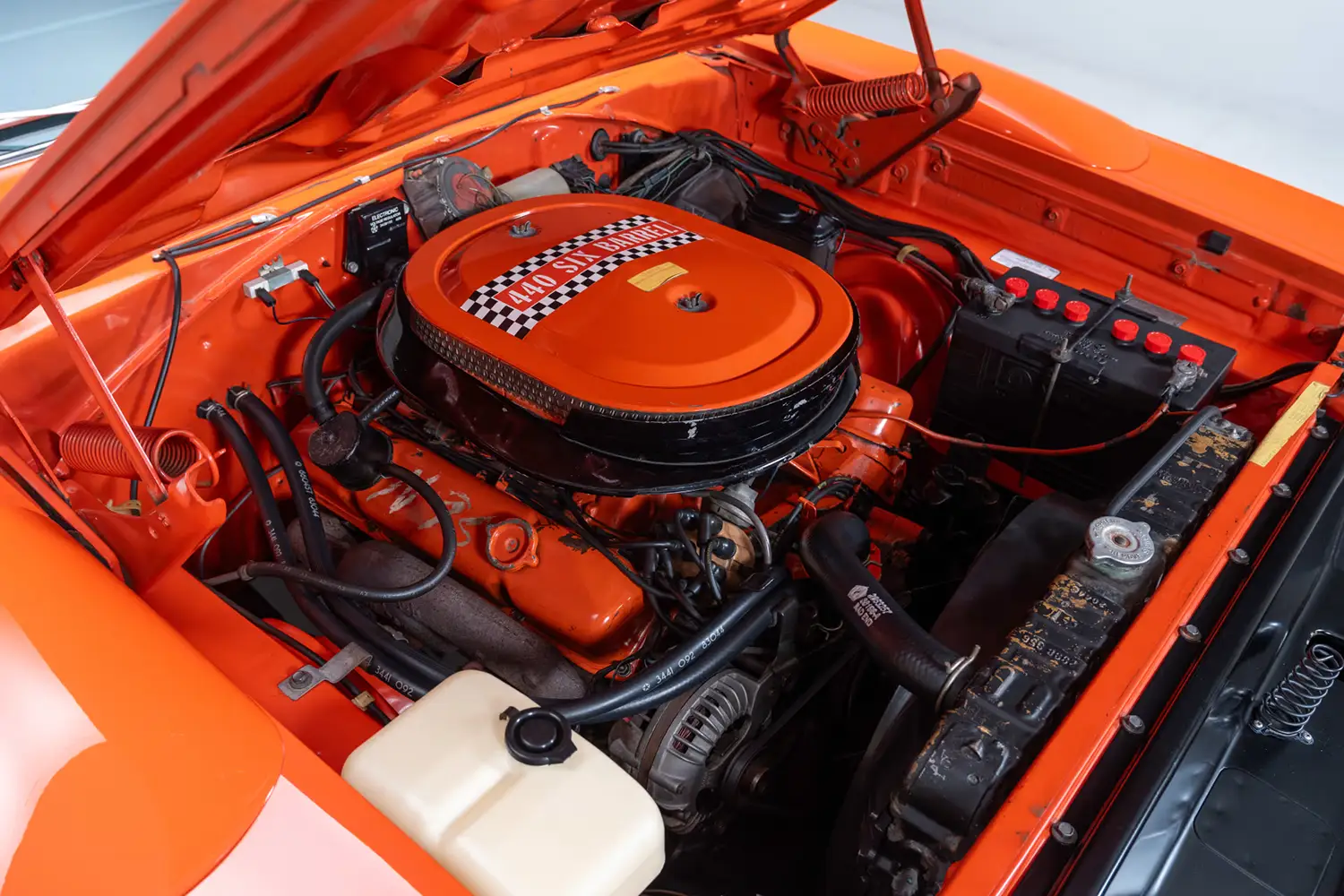
Rare V-Code Drivetrain and Matching Numbers Authenticity
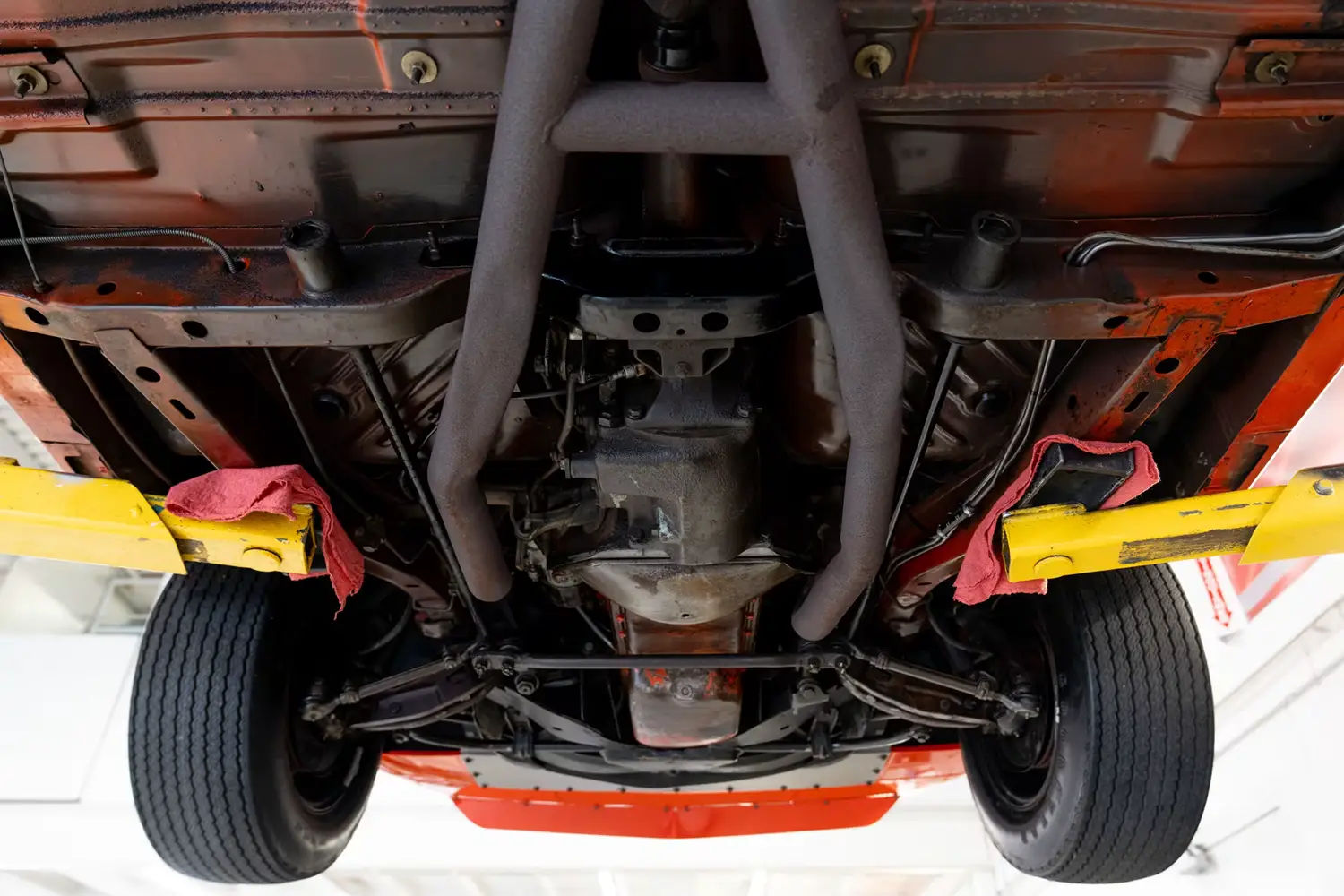
Mechanical rarity is a defining trait of this 1970 Plymouth Superbird. It is one of only 308 examples ever produced with the V-Code 440 6-BBL engine paired with a 4-speed manual. This specific matching-numbers 440 Six Pack engine utilized three 2-barrel carburetors to produce a formidable 390 horsepower. Even more impressive is the matching-numbers Pistol Grip 4-speed transmission that offers a tactile, visceral connection. Every major component under the hood retains the finishes applied at the factory over fifty years ago. Because it remains unrestored, the undercarriage still displays factory-applied inspection markings and original tags. This level of mechanical preservation is nearly impossible to find in a car meant for high-speed competition. Most V-Code cars were driven hard, yet this one was preserved as a reference-quality treasure. The mechanical integrity of this Superbird confirms its status as a top-tier investment-grade vehicle. It provides a rare glimpse into how these cars functioned when they first left the dealership.
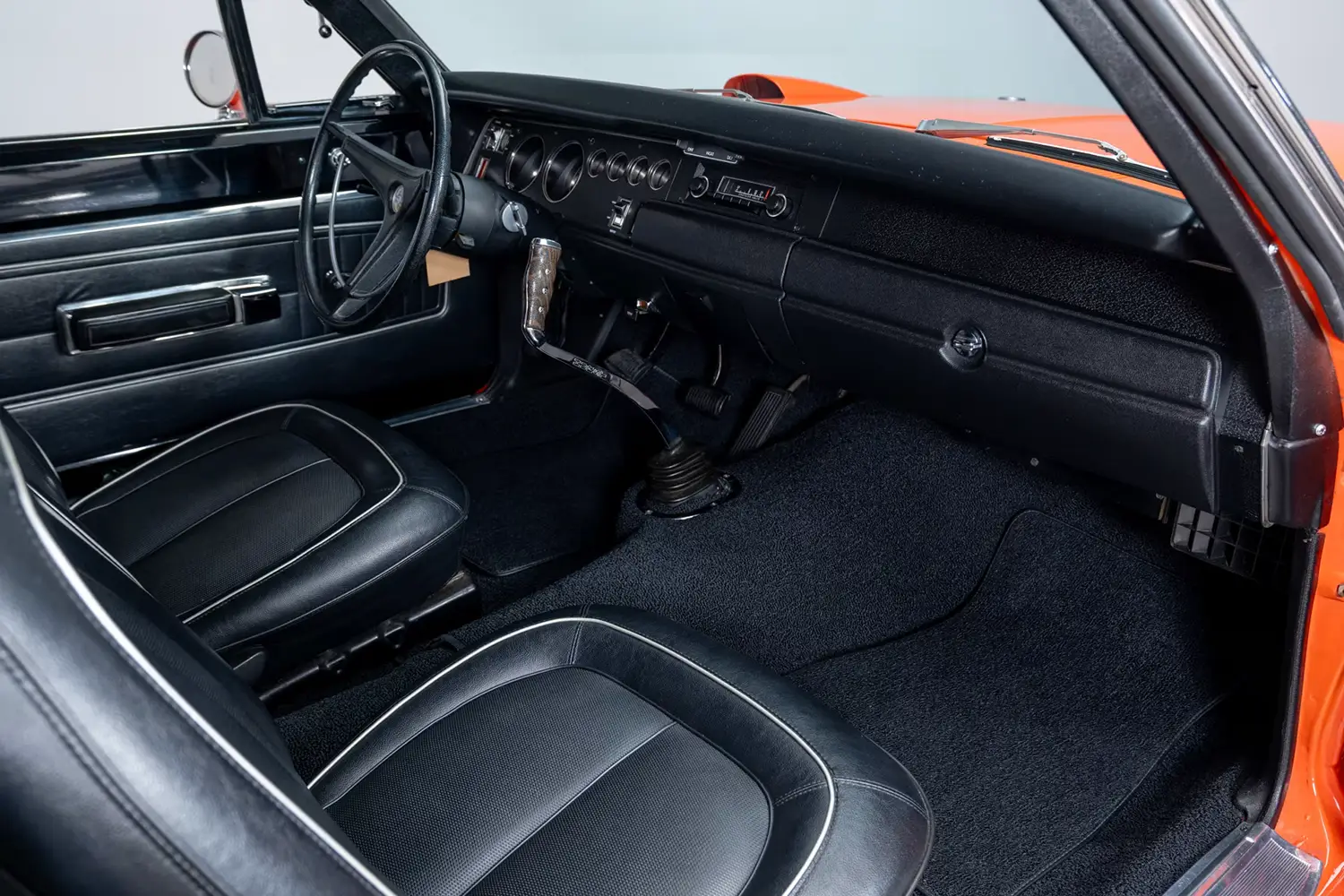
TorRed Exterior Preservation and Factory Interior Details
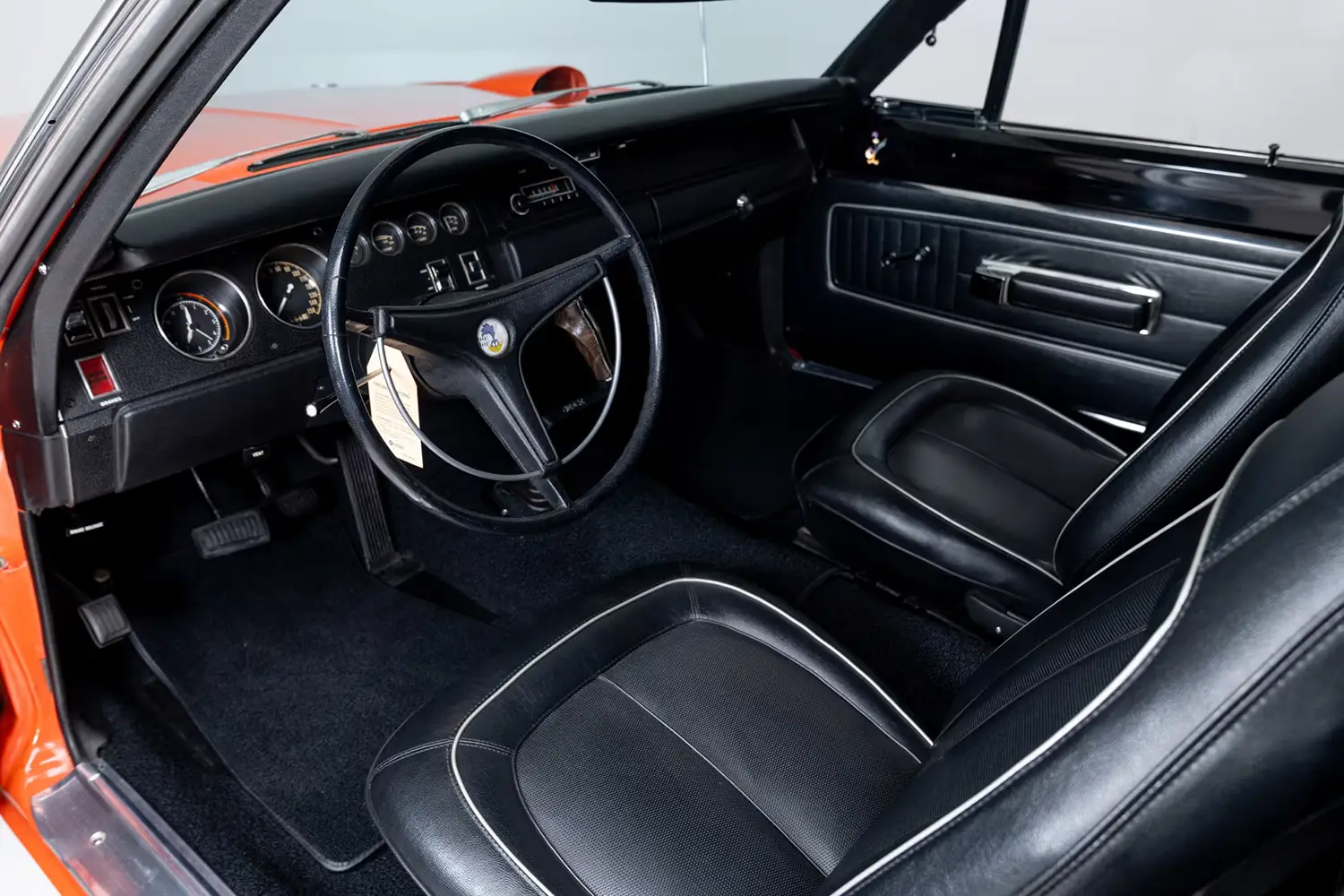
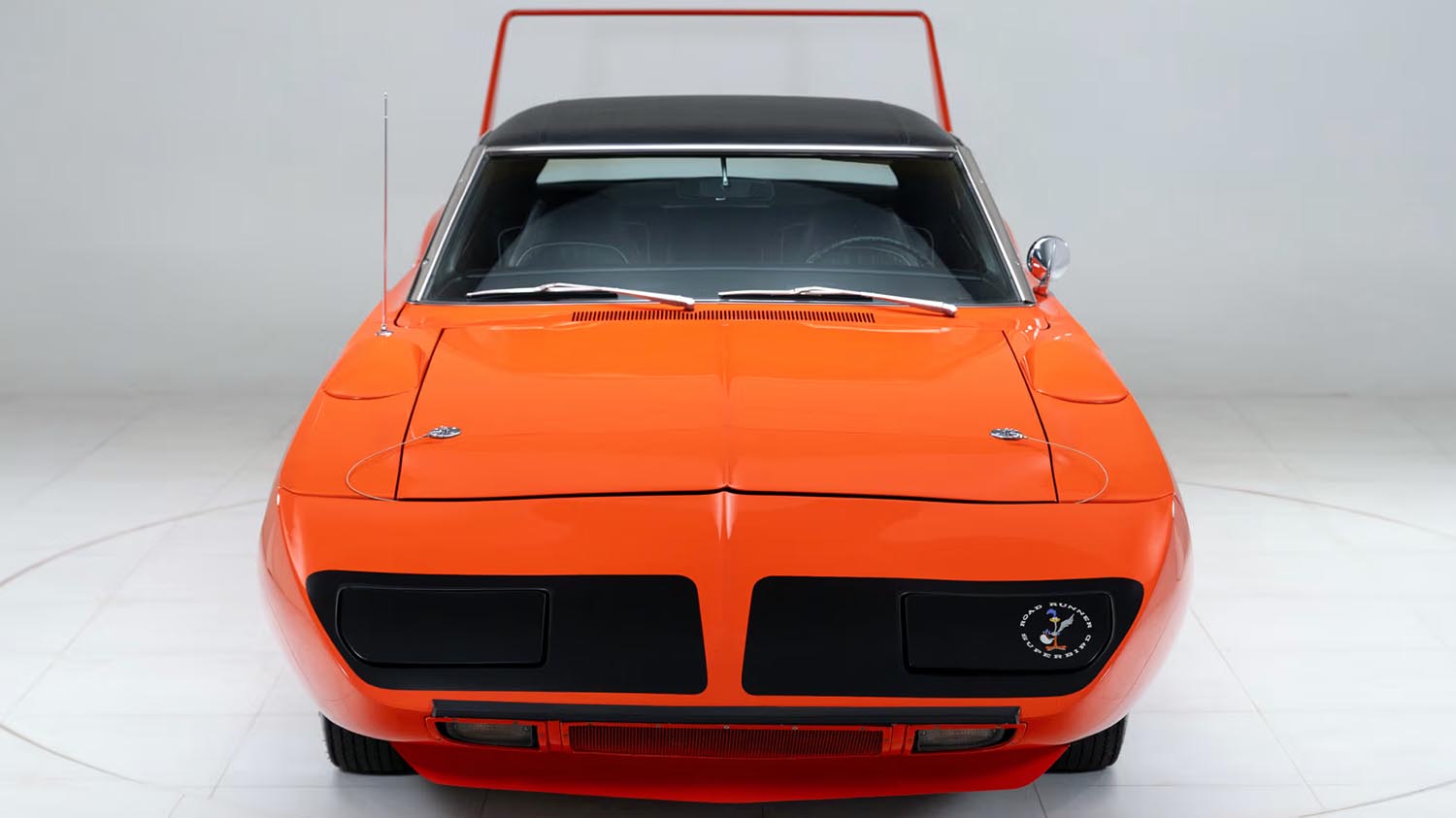
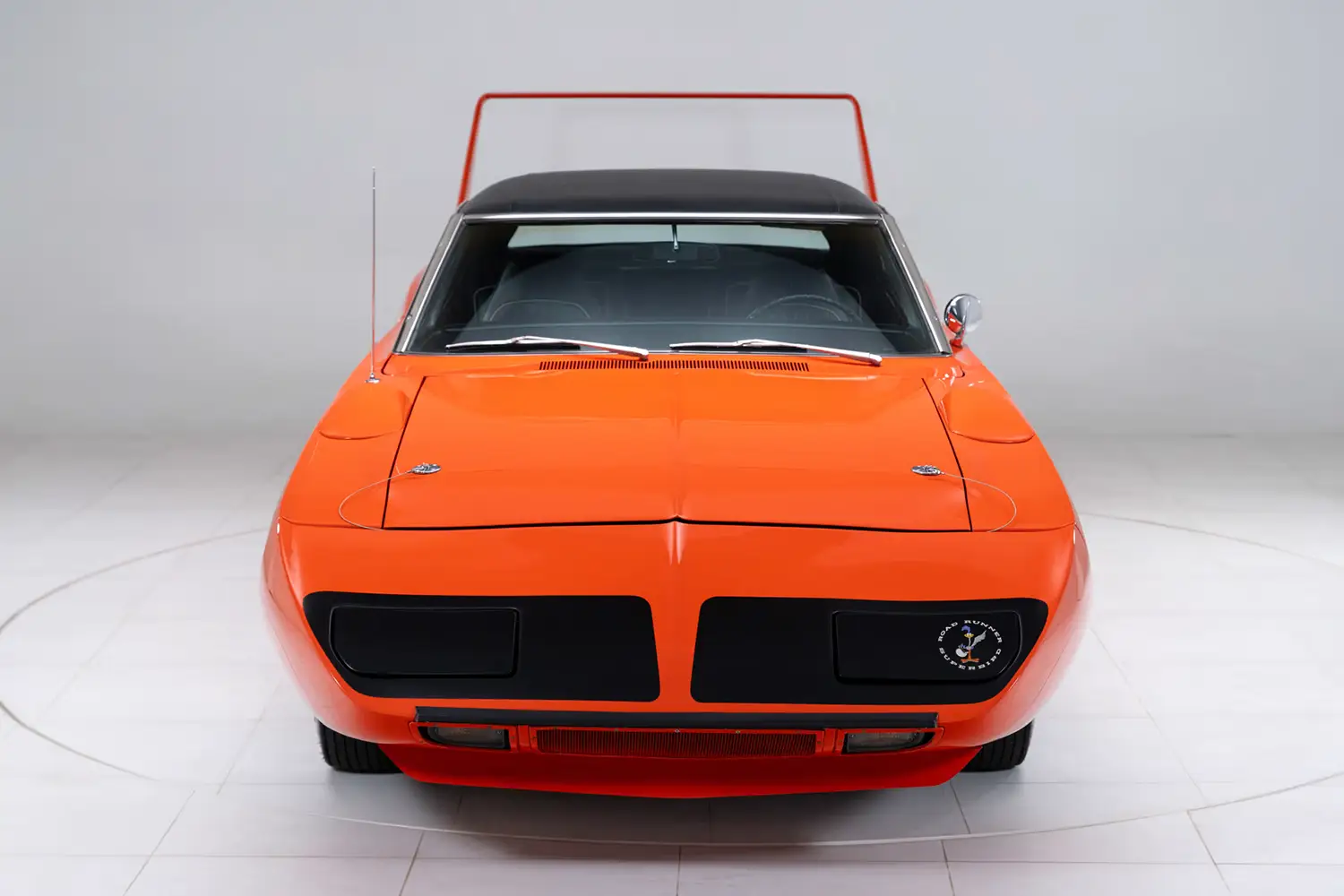
The exterior of this 1970 Plymouth Superbird wears its factory EV2 TorRed paint with immense pride. This high-impact color remains vibrant, highlighting the nose cone and the towering rear wing that define the model. Because it is unrestored, the paint carries a unique patina that modern spray booths simply cannot replicate. The blackout trim and Plymouth decals are original, showing the hand-applied quality of the assembly line. Moving to the interior, the cabin features factory Black vinyl bucket seats that appear remarkably fresh. The legendary Hurst pistol-grip shifter sits prominently in the center, waiting for the next gear change. A Rallye gauge cluster remains clear and functional, documenting the low mileage with total transparency. All interior surfaces, from the headliner to the carpets, are the same ones installed in late 1969. This consistency ensures that the sensory experience of sitting in the car is authentically vintage. It is a cabin that has been sheltered from the elements by astute collectors for decades.
440 Six Pack Power and Manual Transmission Performance Specs
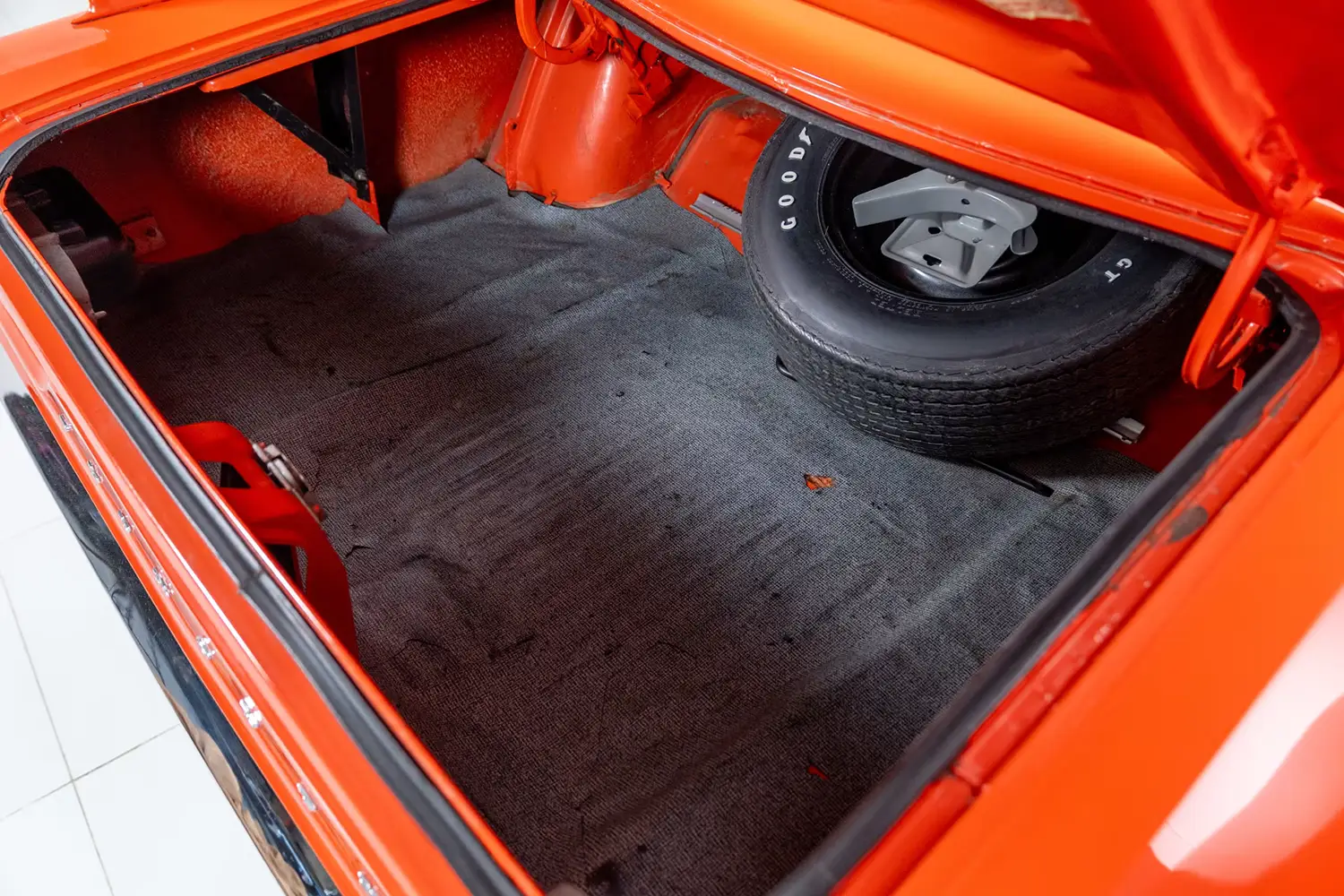
Performance in the 1970 Plymouth Superbird was defined by its ability to cut through the air at high speeds. This model features the 440/390 HP 6-BBL V-8 engine, which was widely considered the most versatile big-block of the era. With a factory rating of 390 horsepower, it delivered explosive acceleration across the entire power band. The Hurst-shifted 4-speed manual transmission allowed drivers to fully exploit the massive torque of the Six Pack. It features a heavy-duty suspension and a braking system designed to handle the speeds required for NASCAR homologation. The aerodynamic nose cone reduced drag significantly, while the high-mount rear wing provided essential downforce at speed. Even the undercarriage reveals the original factory undercoating in the wheel wells and authentic overspray patterns. These performance elements combined to make the Superbird the most technologically advanced Mopar of its generation. Today, its performance is as much about its historical significance as its raw speed. It remains a definitive statement of Chrysler’s engineering dominance.
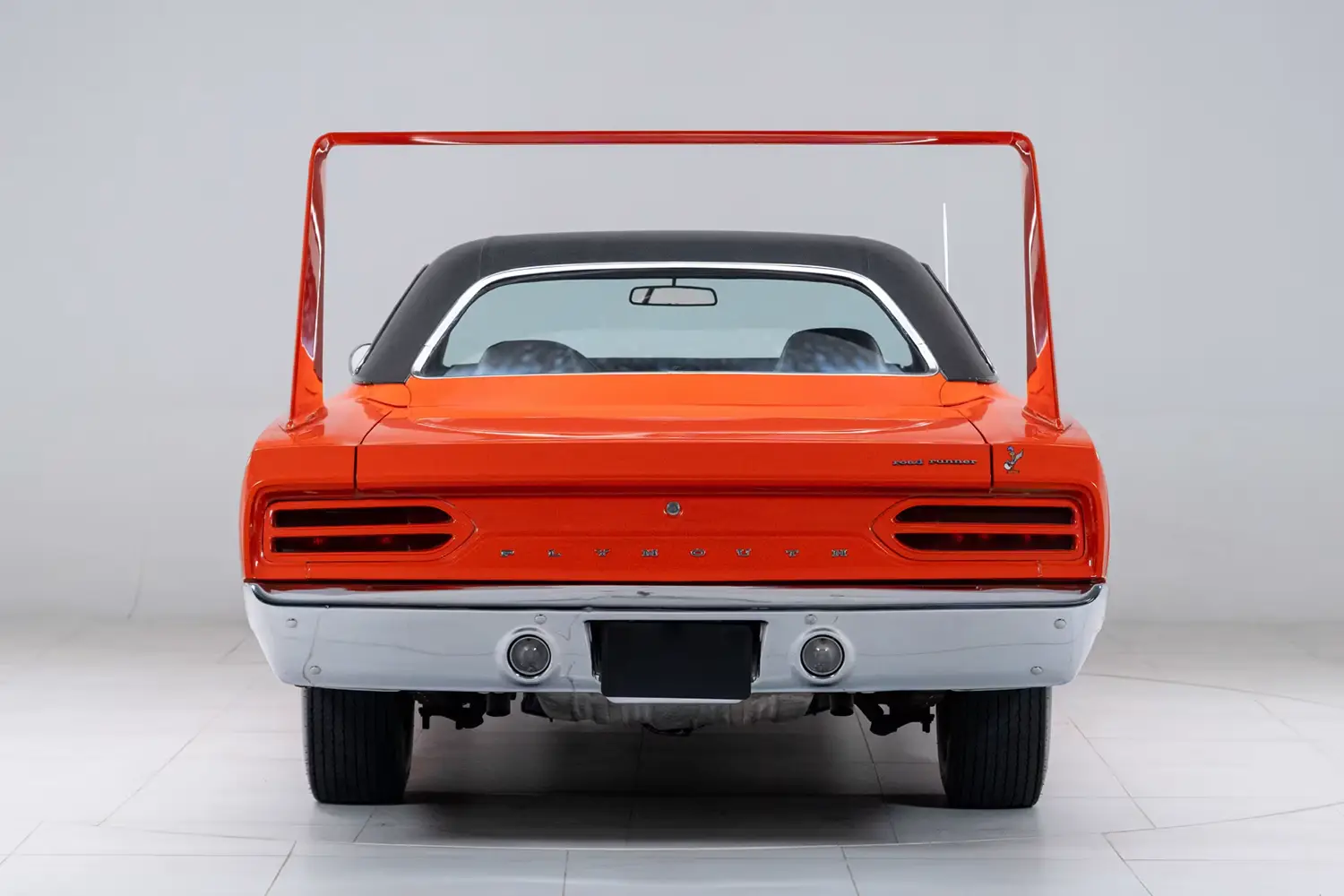
1970 Plymouth Superbird Summary
This 1970 Plymouth Superbird is far more than a collector car; it is a piece of documented industrial history. With just 21,000 miles and an unrestored body, it is a rare survivor that few can match. The inclusion of the original broadcast sheet and a complete ownership history provides absolute confidence to potential bidders. Its status as 1 of 308 manual V-Code examples ensures its long-term value in the global market. The car has been rightfully featured in numerous Mopar magazines as a gold-standard reference specimen. It avoids the loss of character that often occurs during a high-end rotisserie restoration. Every factory marking and original tag serves as a fingerprint of the men who built it. This Superbird is ready to headline any world-class collection or museum display. It represents a once-in-a-decade opportunity to acquire a legendary winged warrior in its original state. As it heads to Kissimmee 2026, it remains a crowning achievement of the American muscle car movement.
Disclaimer: Content on this site is for informational and entertainment purposes only. Details, analyses, and opinions reflect current trends and personal views, not professional or financial advice. Always verify information with official sources before making any decisions.
Source: mecum.com