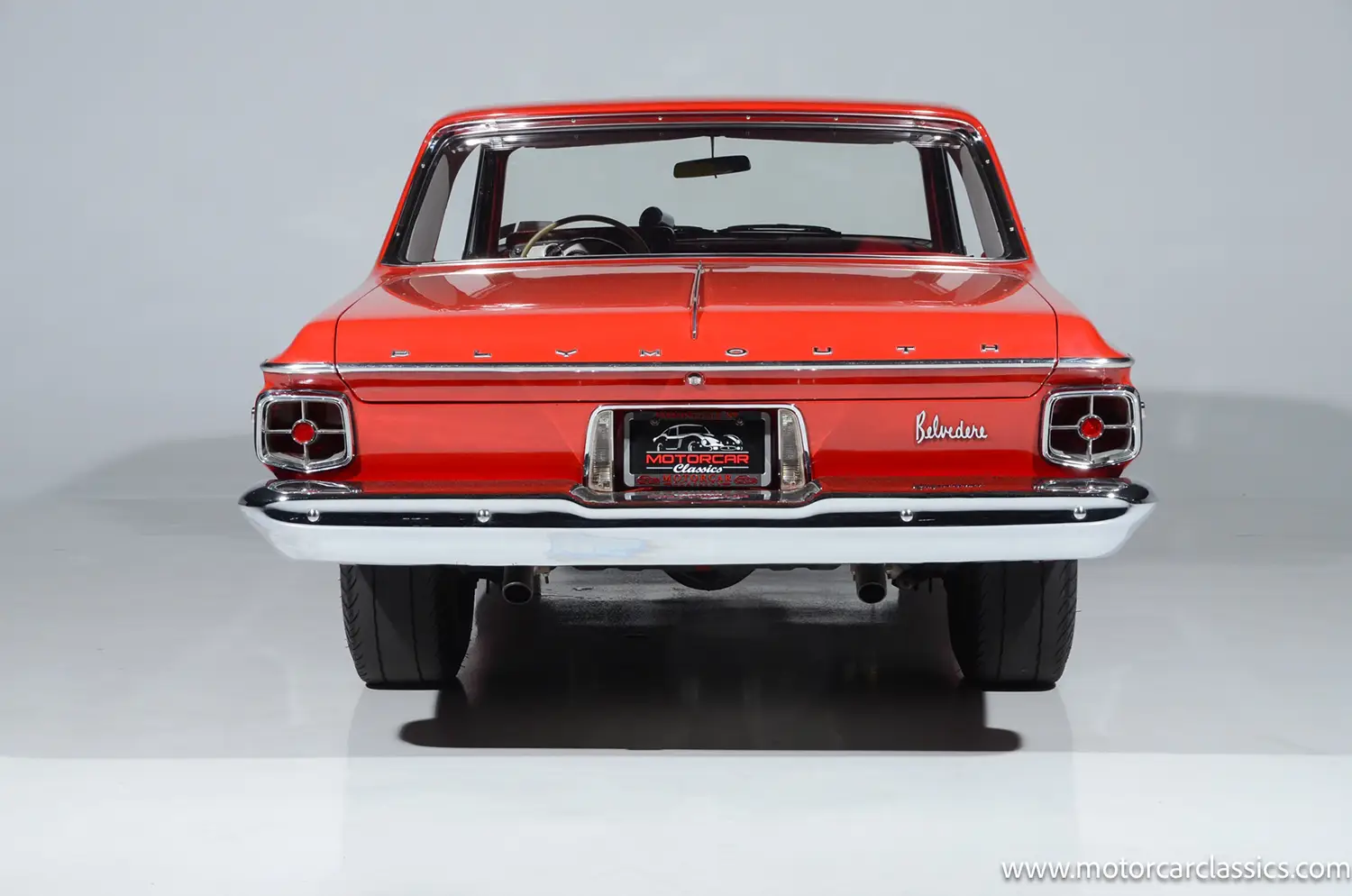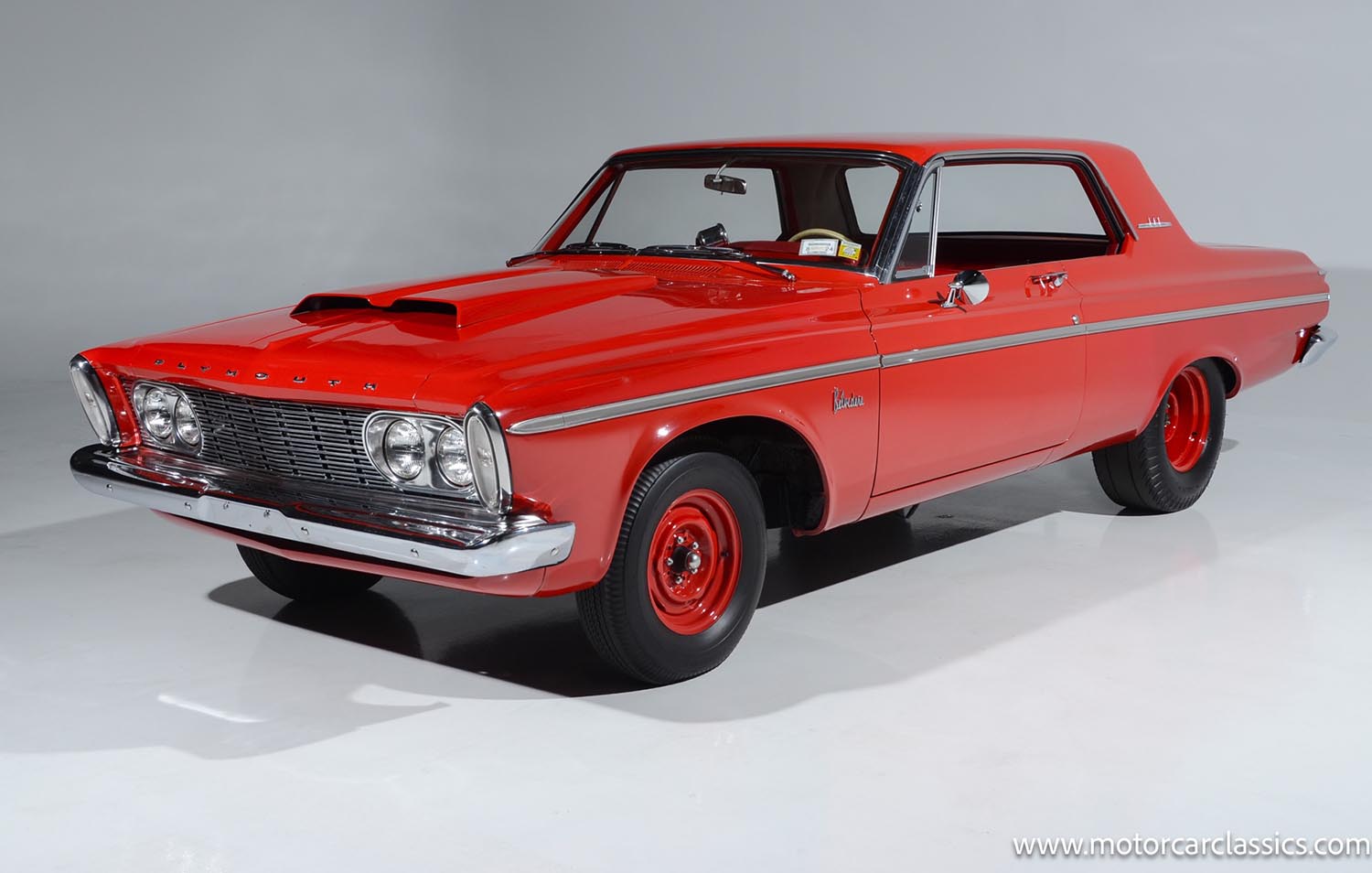
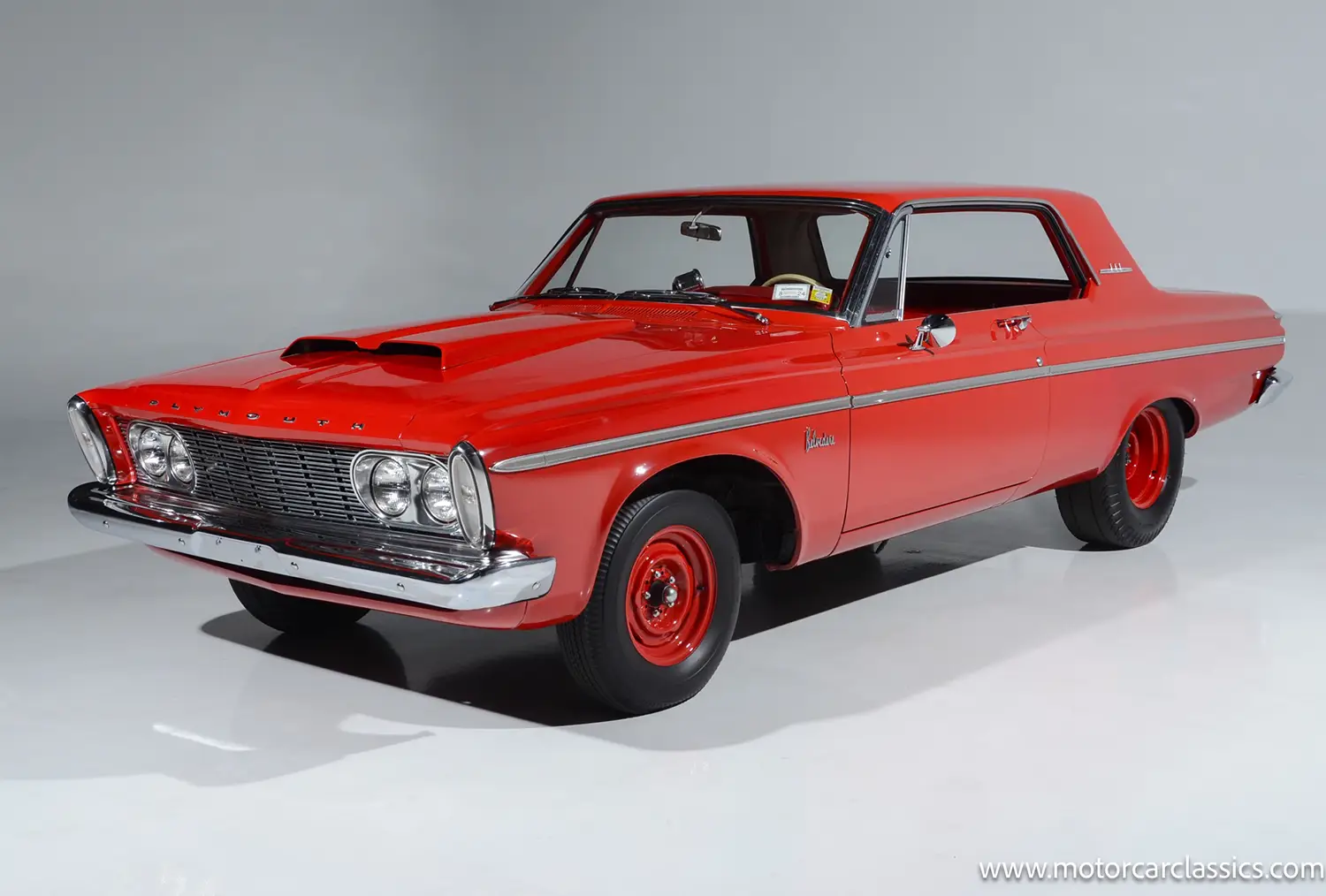
The early 1960s were a pivotal time in American automotive culture. Chrysler, Dodge, and Plymouth were deeply committed to dominating the Super Stock class in drag racing. This focus resulted in the creation of the Max Wedge engine option. The 1963 Plymouth Belvedere 426 Max Wedge 2-Door Hardtop is a prime example of this factory-built speed. These cars, while street legal, were intended for acceleration trials and built for raw, straight-line performance. It is an artifact from a thrilling era where big-block power was strategically packaged into a lighter, intermediate-sized body.
The Max Wedge Legacy in Mopar History
The Max Wedge, formally known as the Maximum Performance Wedge, was an engine option available from 1962 to 1964. It was a precursor to the legendary 426 Hemi engine. Chrysler used the robust RB-block as the foundation for this high-performance mill. The engine debuted at 413 cubic inches, then grew to 426 cubic inches in 1963. Plymouth appropriately named its version the “Super Stock 426”.
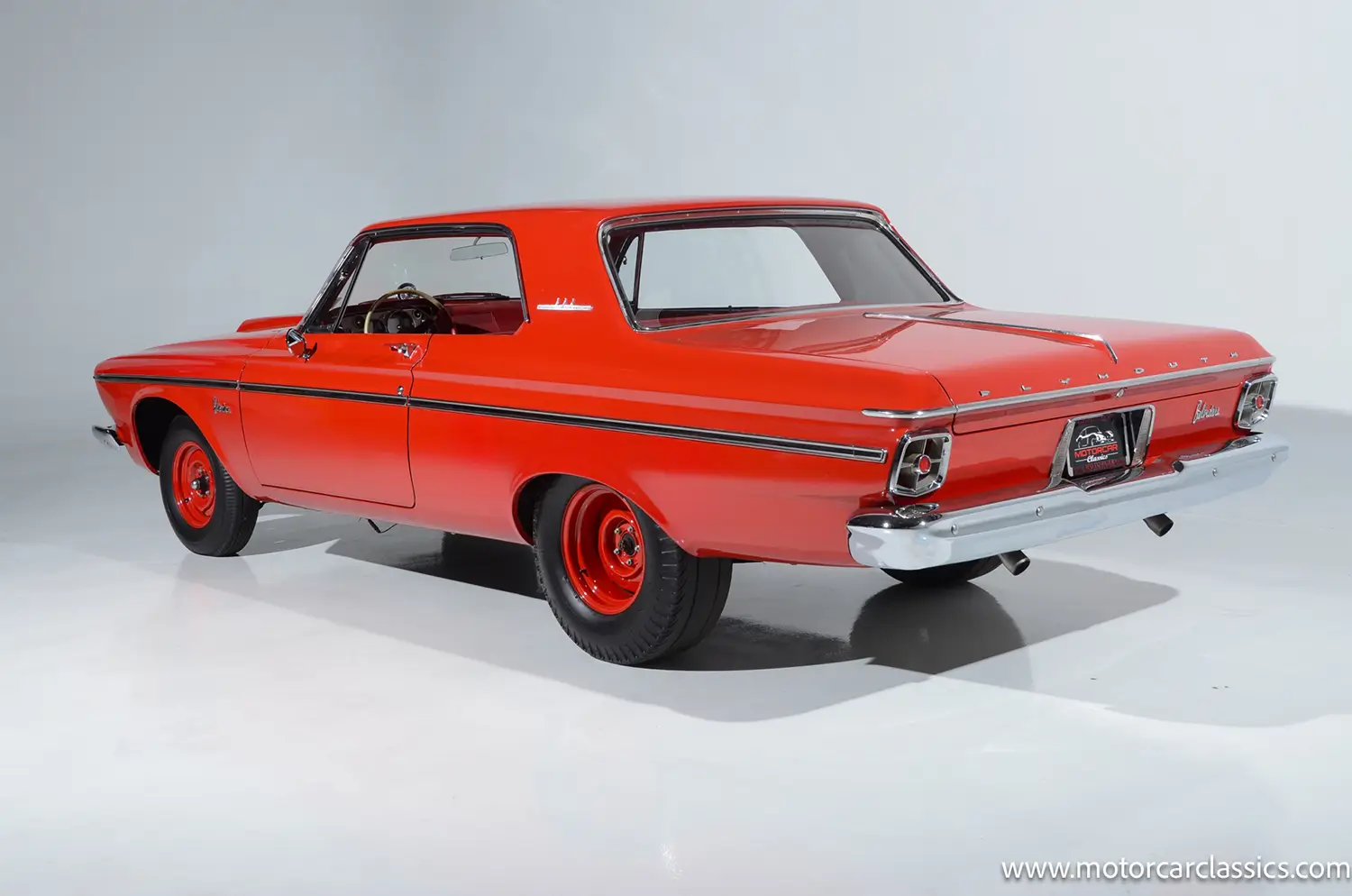
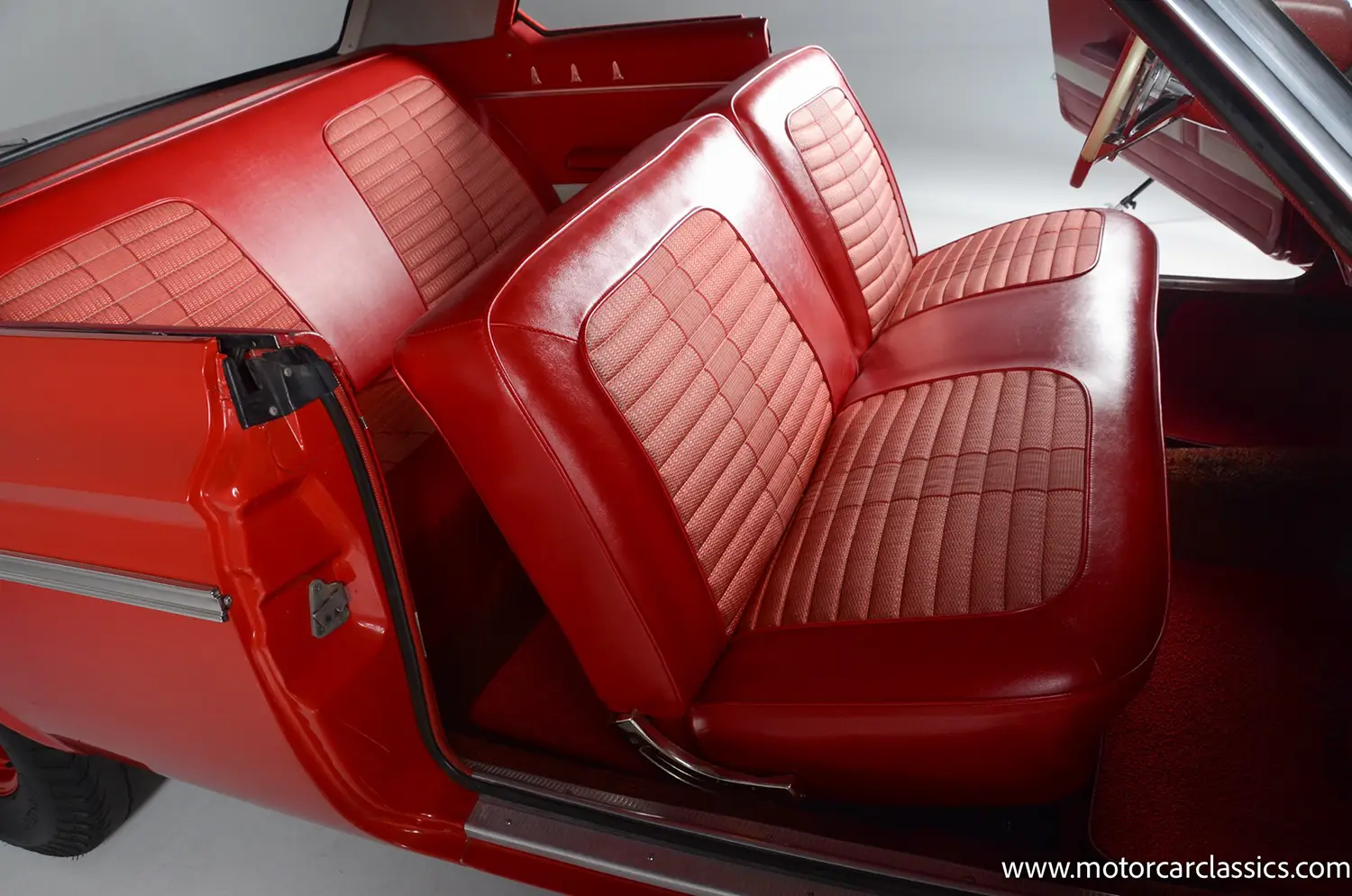
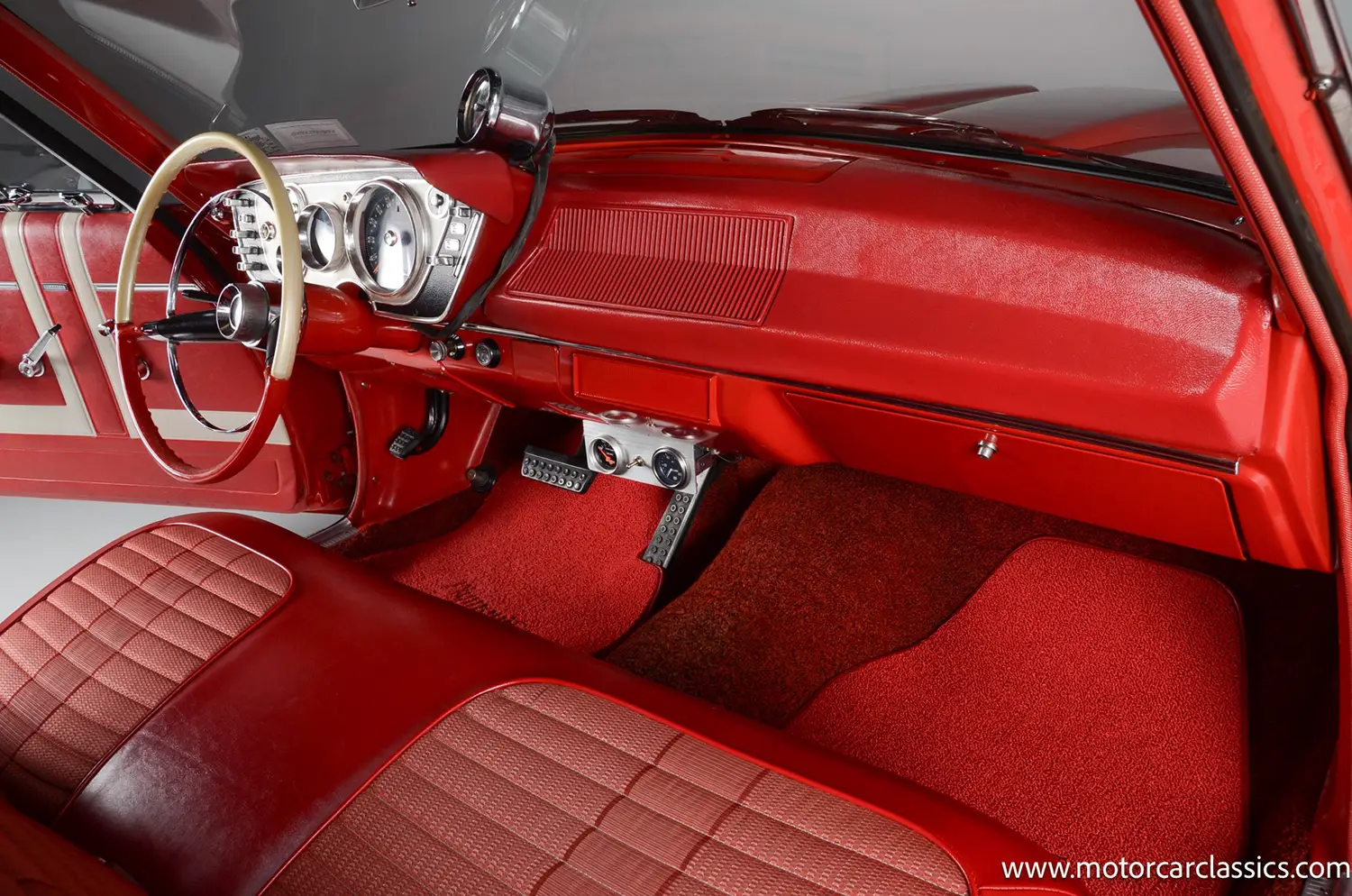
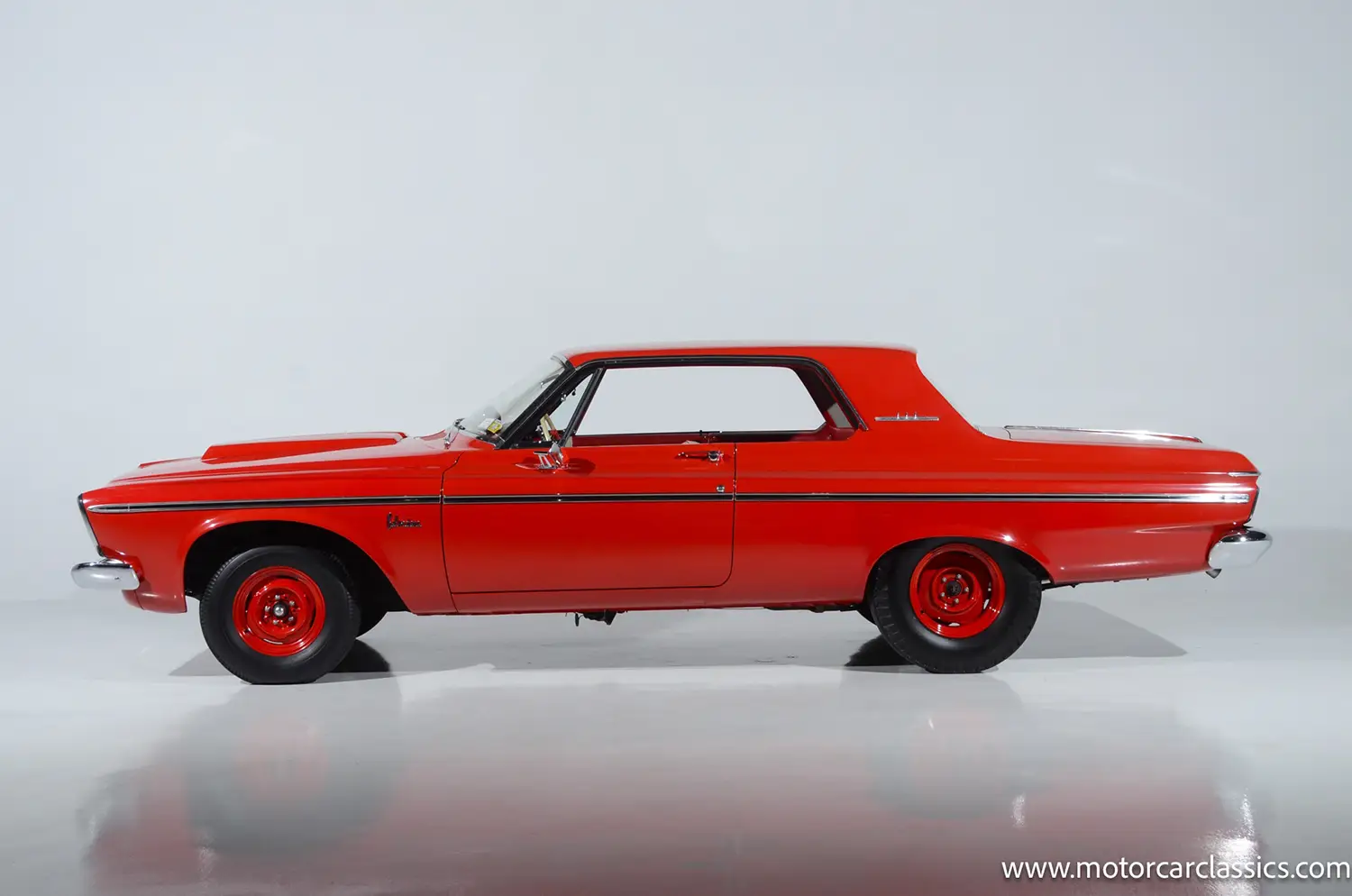
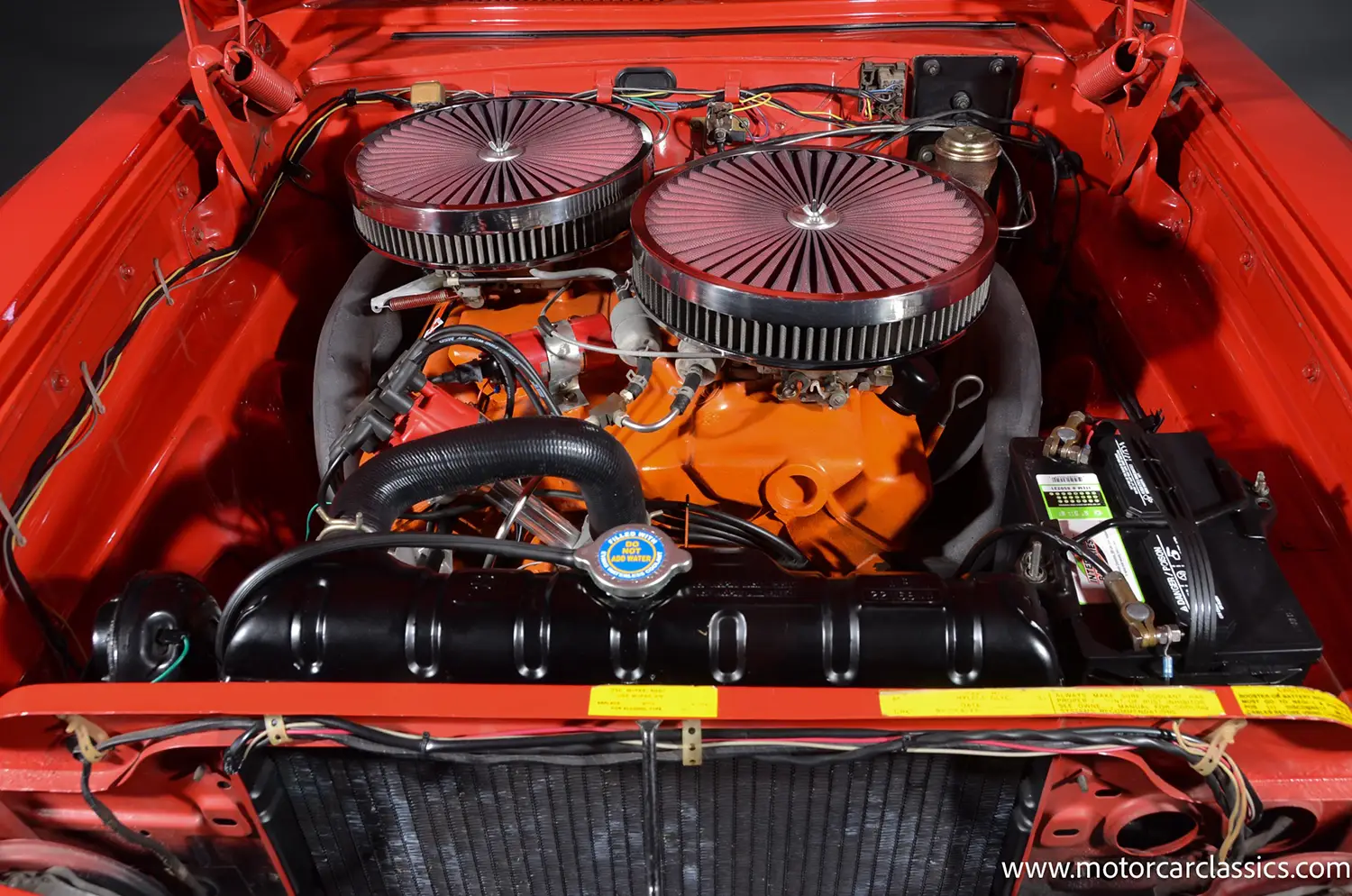
This particular Belvedere features a replacement 426 Max Wedge engine. The car is finished in a vibrant Red exterior with a matching Red vinyl interior. It represents a brief, potent moment when factory race parts defined showroom inventory. The smaller, lighter B-Body platform of the Belvedere was an ideal host for the massive Max Wedge V8. This combination allowed it to post competitive quarter-mile times.
Super Stock Racing and Drag Strip Dominance
The 1963 Plymouth Belvedere 426 Max Wedge cars were specifically designed to win in NHRA Super Stock racing. These factory dragsters immediately began setting records across America. The Max Wedge option was not casual; it was a commitment to high-speed competition. Drivers like Dick Landy thrash these powerful Plymouths at legendary tracks.
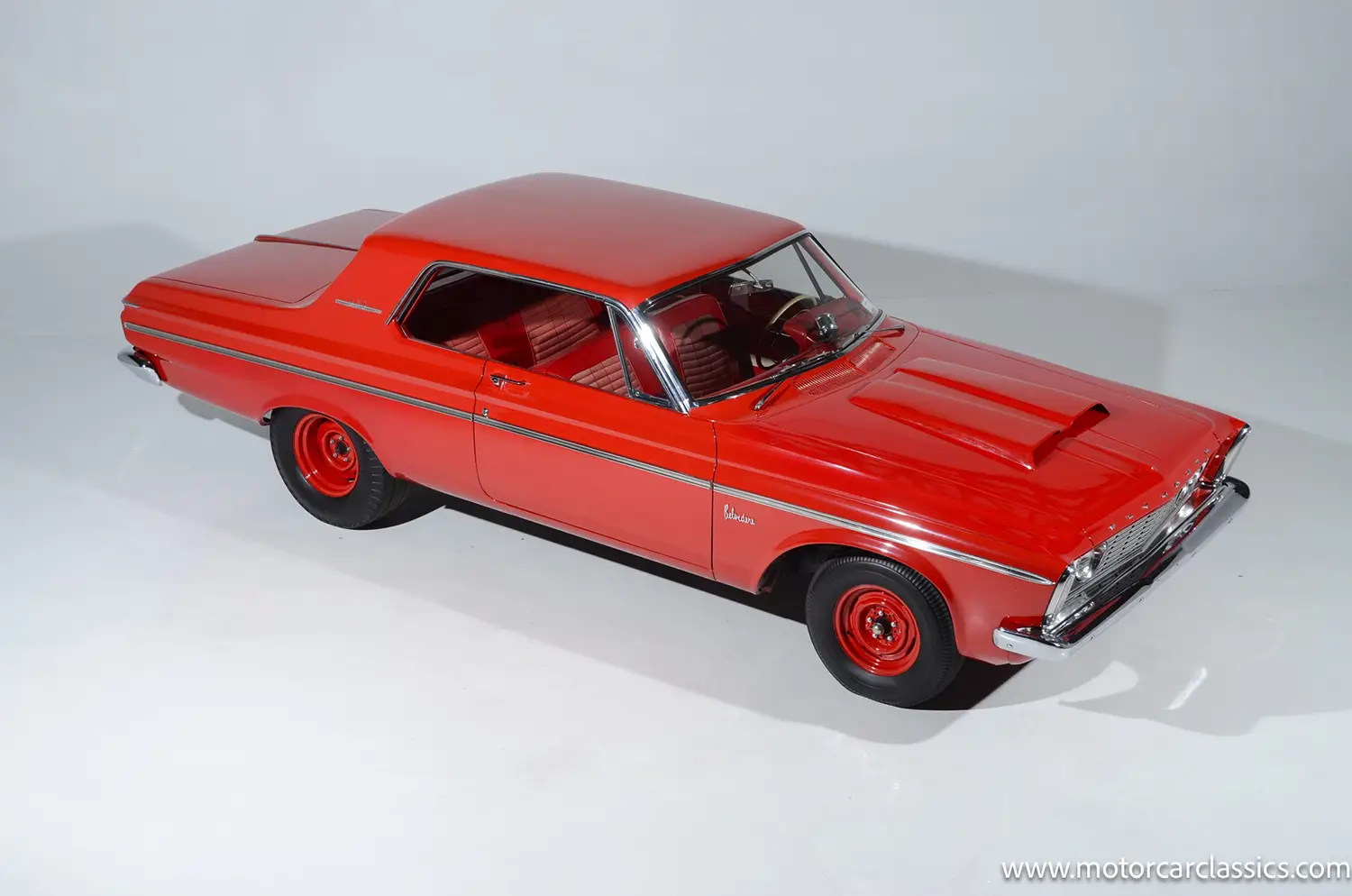
The production numbers for Max Wedge cars were extremely small across all Mopar nameplates. This scarcity ensures they are notably rarer than many later Hemi-powered Mopars. The original Max Wedge cars were often equipped with minimal amenities and lightweight parts to maximize speed. This no-nonsense approach highlights their true purpose.
Engineering Details of the 426 Max Wedge
The 426 Max Wedge V8 was distinct from ordinary 426 engines. It featured unique cylinder heads with significantly larger ports and bigger valves. Key components included a high-lift camshaft and heavy-duty forged connecting rods. A specialized cross-ram intake manifold topped the engine. This manifold was fed by twin Carter AFB four-barrel carburetors for maximum air-fuel delivery.
This performance was channeled through a robust and unique drivetrain. The engine is mated to a push-button 3-speed Transmission. This Torqueflite automatic transmission was vastly improved and near unbreakable for the era. The push-button selector is an iconic feature of these Mopar models, adding to the car’s nostalgic appeal. The drivetrain was factory-spec for heavy-duty racing use.
Documentation and Presentation
This beautifully presented 1963 Plymouth Belvedere 2-Door Hardtop shows its preservation and careful stewardship. The odometer displays 38,663 miles. The car has received a quality restoration a few years ago. It has since been kept in a private collection.
The sale includes valuable documentation that confirms its heritage. The original owner’s manuals are provided, along with the Car production track sheet. This factory paperwork is crucial for verifying the car’s original specification. The combination of its striking Red finish and Max Wedge engine makes it a true enthusiast centerpiece.
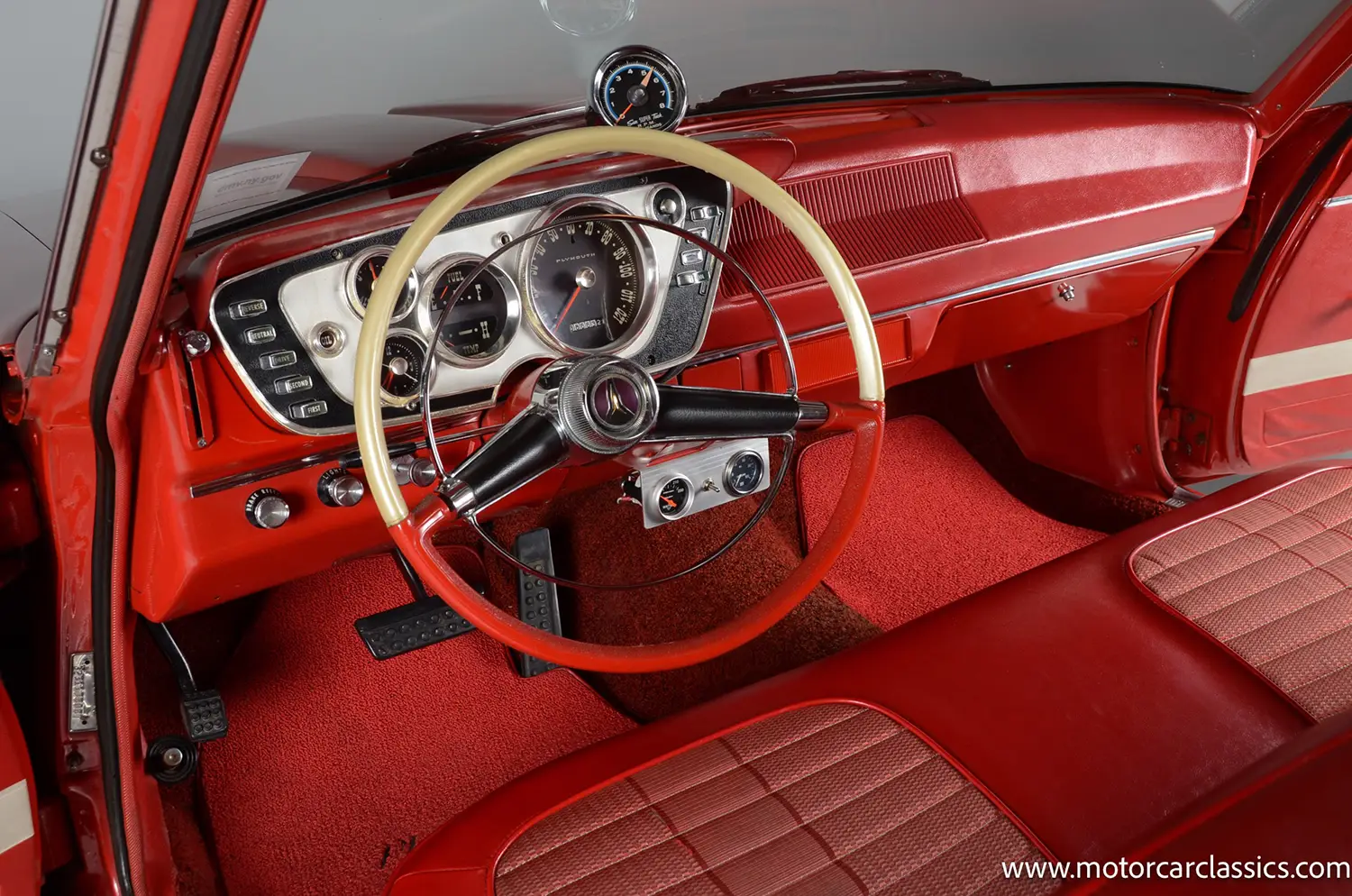
The 1963 Plymouth Belvedere 426 Max Wedge represents Mopar’s pure dedication to drag racing. The 426 cubic inch Max Wedge V8 could be factory-rated as high as 425 horsepower. This engine power output cemented the car’s Super Stock status. The power is managed by an automatic push-button transmission. This restored 2-Door Hardtop is a rare proto-muscle car with documented mileage and a production track sheet. It is a powerful link to the golden age of straight-line performance.
Disclaimer: Content on this site is for informational and entertainment purposes only. Details, analyses, and opinions reflect current trends and personal views, not professional or financial advice. Always verify information with official sources before making any decisions.
Source: motorcarclassics.com