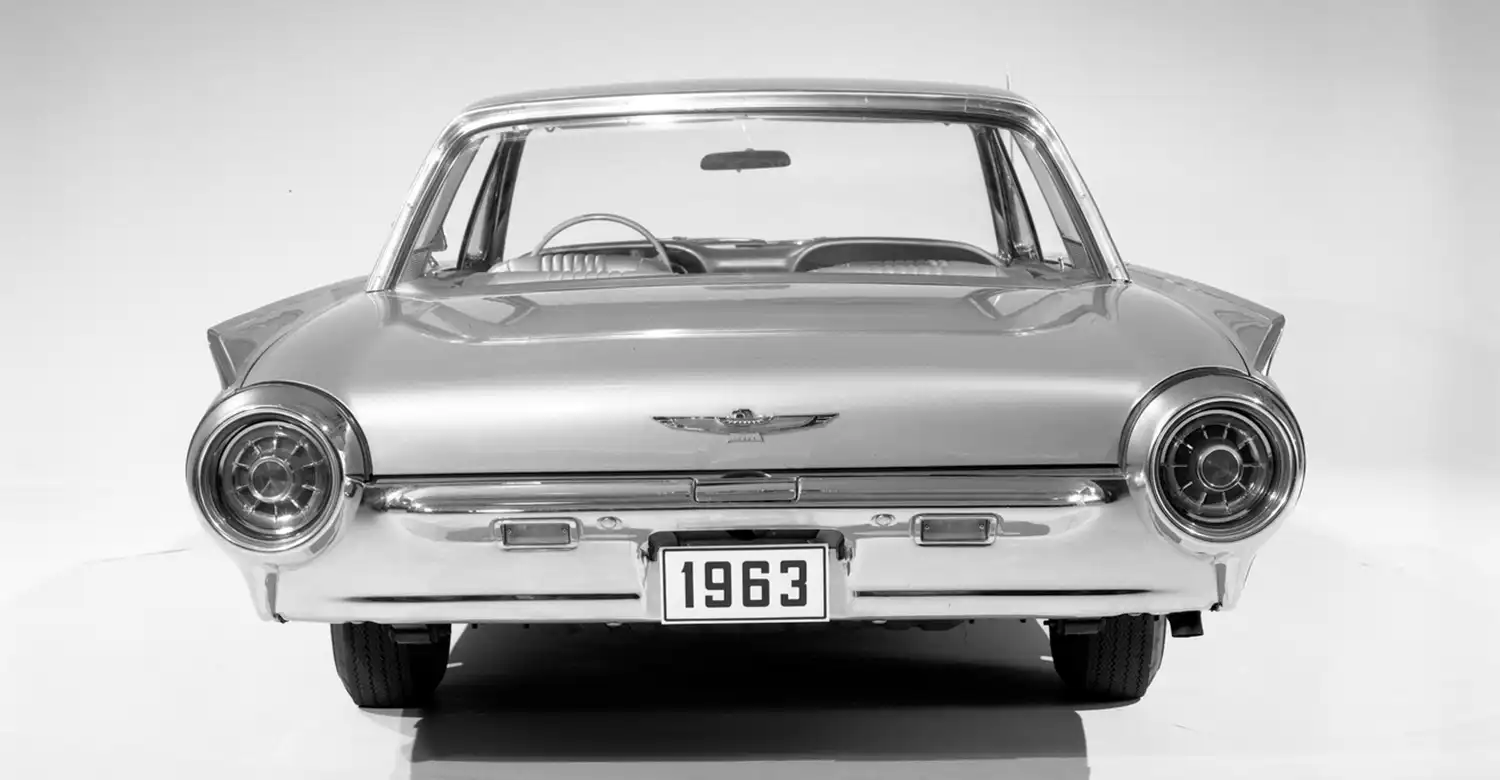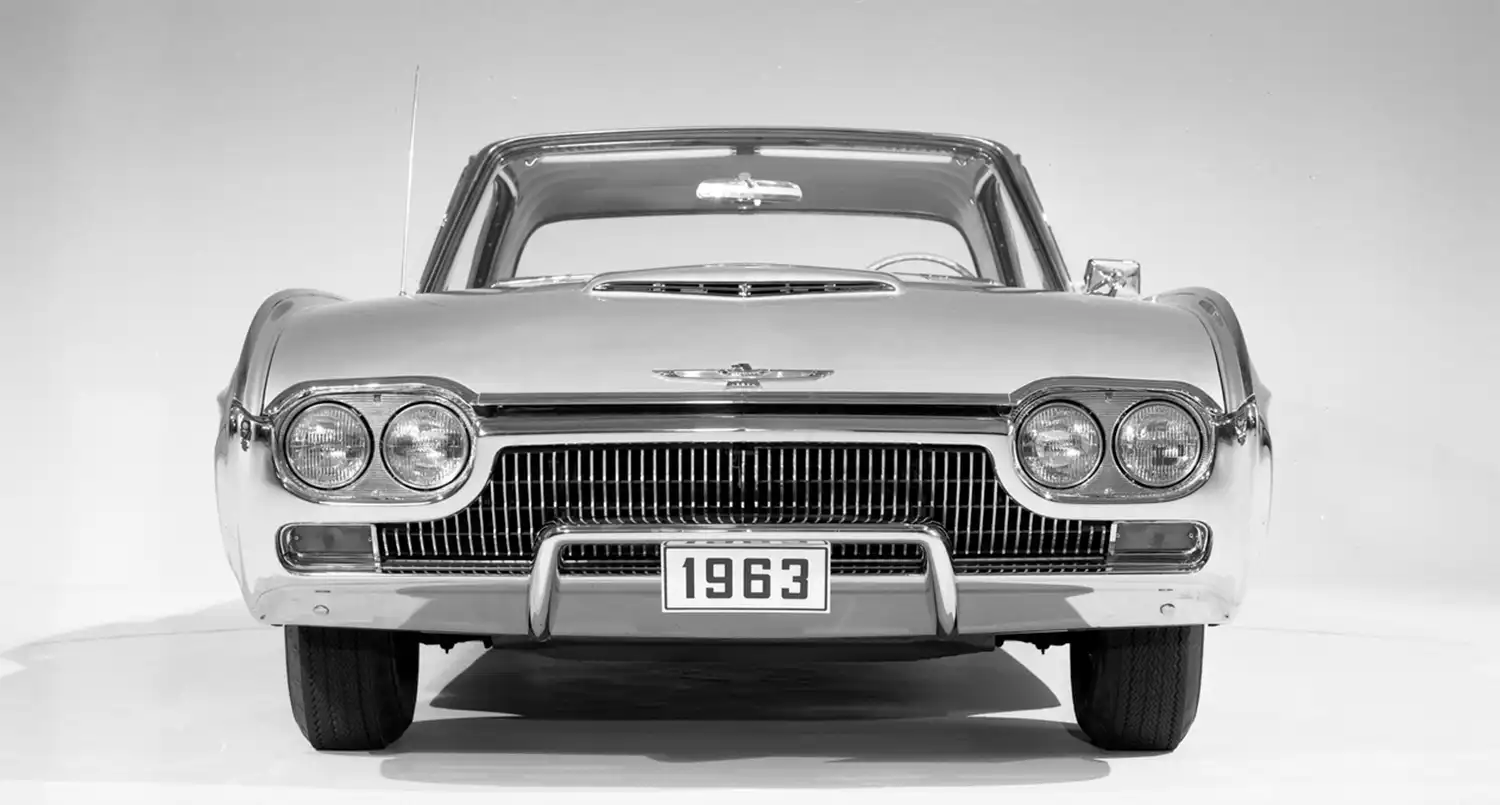
The 1963 Ford Thunderbird Hardtop holds a significant place in history as the definitive mid-century personal luxury car. This model year represented the final iteration of the stylish third generation, often called the Bullet Birds. While it started as a two-seater, the evolution into a larger four-seater cemented its commercial success. The distinctive design features a pointed front end and sleek lines that mimic the aerospace trends of the era. Collectors today prize the hardtop for its blend of elegance and effortless performance. It remains an enduring icon of American automotive sophistication and style.
Jet-Age Design and the Landau Aesthetic
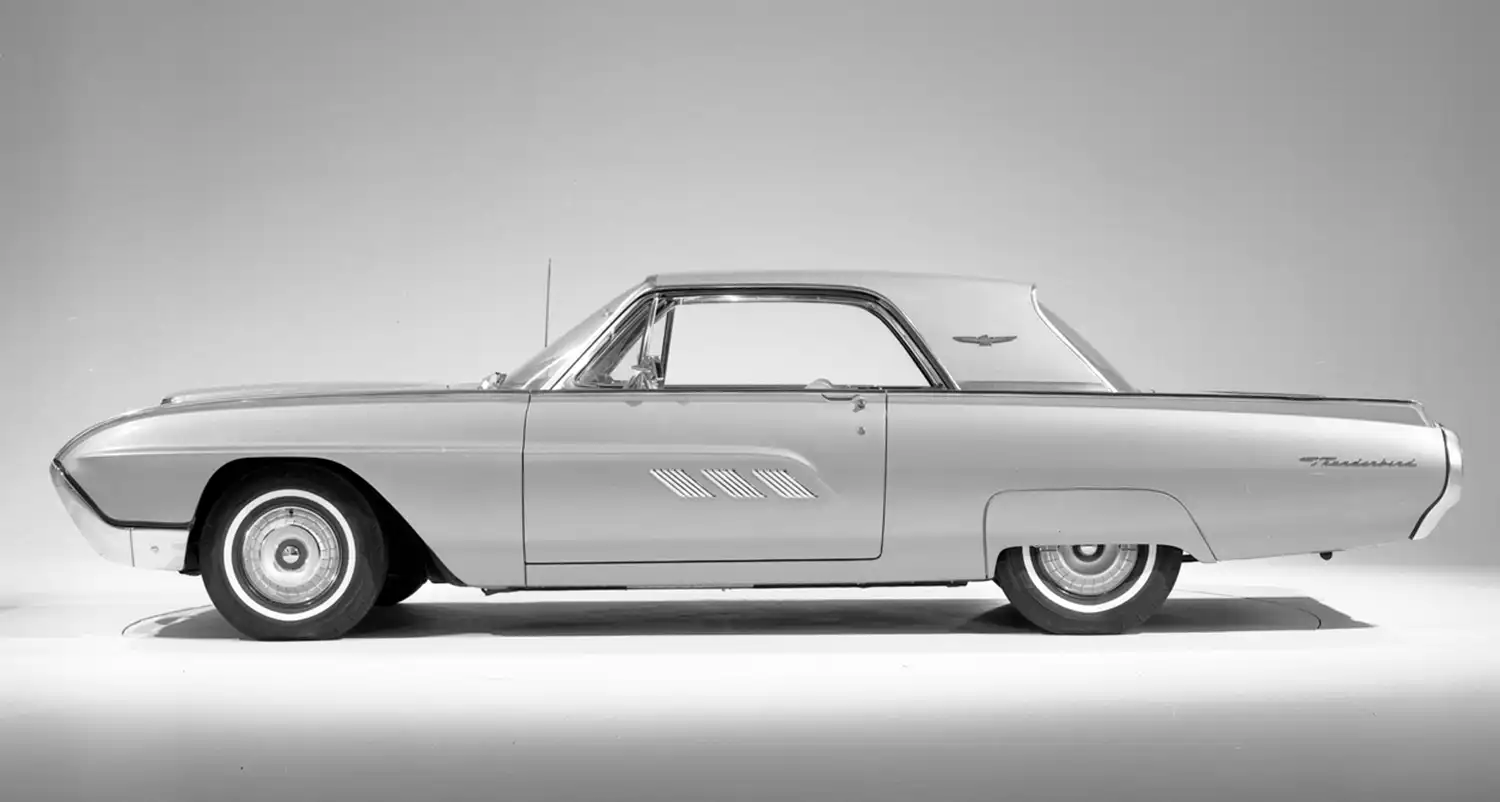
Styling was the primary reason buyers flocked to the 1963 Ford Thunderbird Hardtop during its original release. The sharp, sculptured body sides and wraparound windshield created a profile that looked fast even while standing still. Most famous is the Landau roofline, which featured thick C-pillars adorned with simulated landau bars. This touch added a sense of formality and prestige to the sporty silhouette. Inside, the cabin offered a futuristic environment with high-quality materials and a driver-centric cockpit layout. Innovation was also present in the Swing-Away steering wheel, which moved to facilitate easier entry and exit.
Luxury Amenities and Cabin Innovation
The interior of the 1963 Ford Thunderbird Hardtop provided a well-appointed sanctuary for four passengers. Ford engineers focused on making the driving experience as smooth and silent as possible. Optional features like air conditioning and power windows were common, pushing it into the premium segment. The dashboard design utilized a dual-cowl theme that mirrored the exterior’s symmetrical beauty. Furthermore, the use of chrome accents and bucket seats created an atmosphere of exclusive comfort. Every detail within the cabin reinforced the idea that this was a car for personal enjoyment rather than just utility.
Thunderbird V8 Performance and Road Manners
A personal luxury car requires a powertrain that delivers torque without excessive noise or vibration. The 1963 Ford Thunderbird Hardtop came standard with the 390 cubic inch Thunderbird Special V8 engine. This reliable motor utilized a four-barrel carburetor to provide smooth, linear acceleration on the open highway. While the car weighed nearly two tons, the robust V8 provided enough muscle for confident passing maneuvers. The suspension was tuned primarily for comfort, soaking up road imperfections with ease. Driving this vehicle feels like piloting a cloud, emphasizing grace over raw, unrefined aggression.
Technical Specifications and Engine Output
The 1963 Ford Thunderbird Hardtop featured a standard 390 CI V8 producing 300 horsepower and 427 lb-ft of torque. For enthusiasts seeking more heat, a rare 406 CI V8 was also available with even higher output. Most models used the three-speed Cruise-O-Matic automatic transmission for seamless gear changes. The car utilized a 113-inch wheelbase, providing a stable platform for high-speed cruising. Power steering and power brakes were essential inclusions to manage the vehicle’s substantial weight. These specs allowed the Thunderbird to dominate the personal luxury market with a perfect balance of capability and poise.
Summary of the 1963 Thunderbird
The 1963 Ford Thunderbird Hardtop remains a beloved classic because it captures a specific moment in American history. It demonstrated that style and luxury could coexist without the need for a massive traditional sedan body. Its cultural impact is still felt today through various appearances in film and television media. Owners appreciate the vehicle for its timeless aesthetics and its role in pioneering an entire market segment. As a collector piece, it offers a reliable and stylish entry into the world of vintage motoring. This Thunderbird stands as a lasting monument to Ford’s golden era of design excellence.
Disclaimer:: The information provided in this article is for general knowledge purposes. Accuracy can vary, and readers should consult reliable sources for specific details.
Source: Ford Heritage Vault