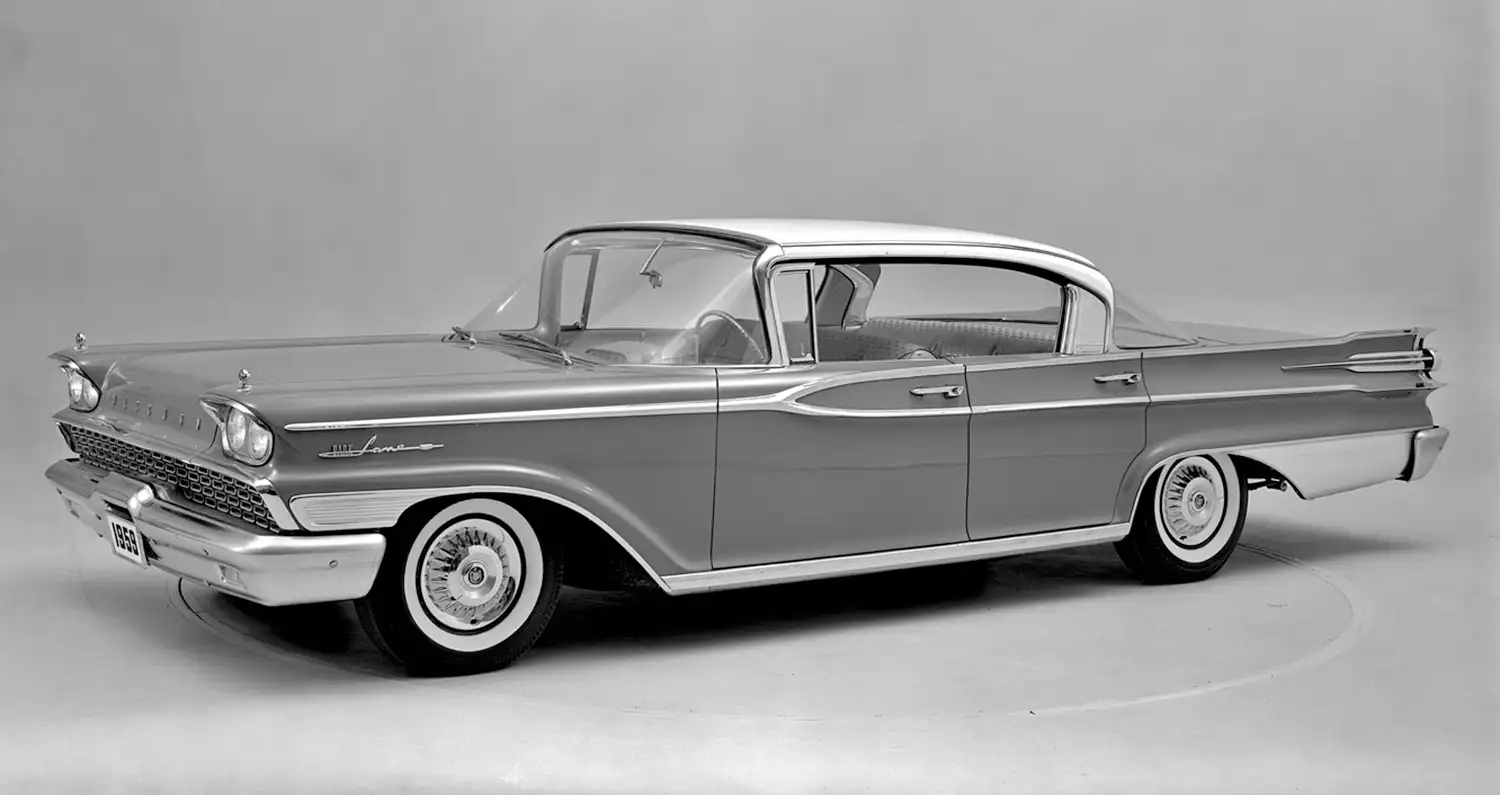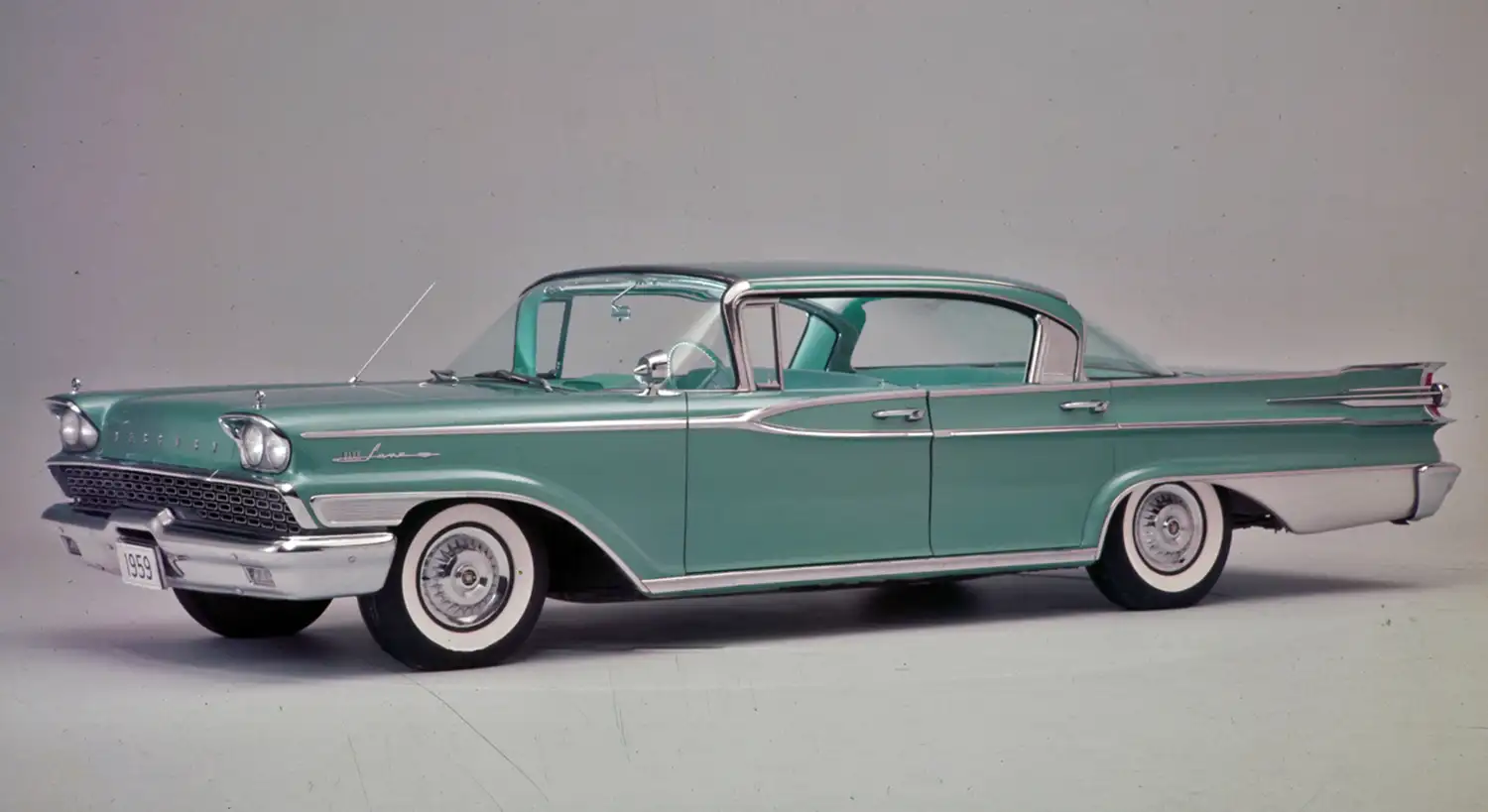
The 1959 Mercury Park Lane stands as a towering testament to American automotive opulence during the transition into the space-age era. Positioned as the division’s absolute flagship, it was engineered to offer a sophisticated alternative to the more flamboyant offerings from Cadillac or Imperial. This hardtop cruiser utilized a specialized 128-inch wheelbase, the longest in the Mercury stable, to provide a ride quality that was as expansive as its visual presence. For the 1959 model year, the Park Lane successfully blended restrained elegance with a massive mechanical footprint, creating a “Super Mercury” that remains a highly sought-after collectible today. It is a rolling lounge that represents the final, glorious flourish of the 1950s luxury mindset.
Clean-Dynamic Styling and the Iconic Breezeway Silhouette
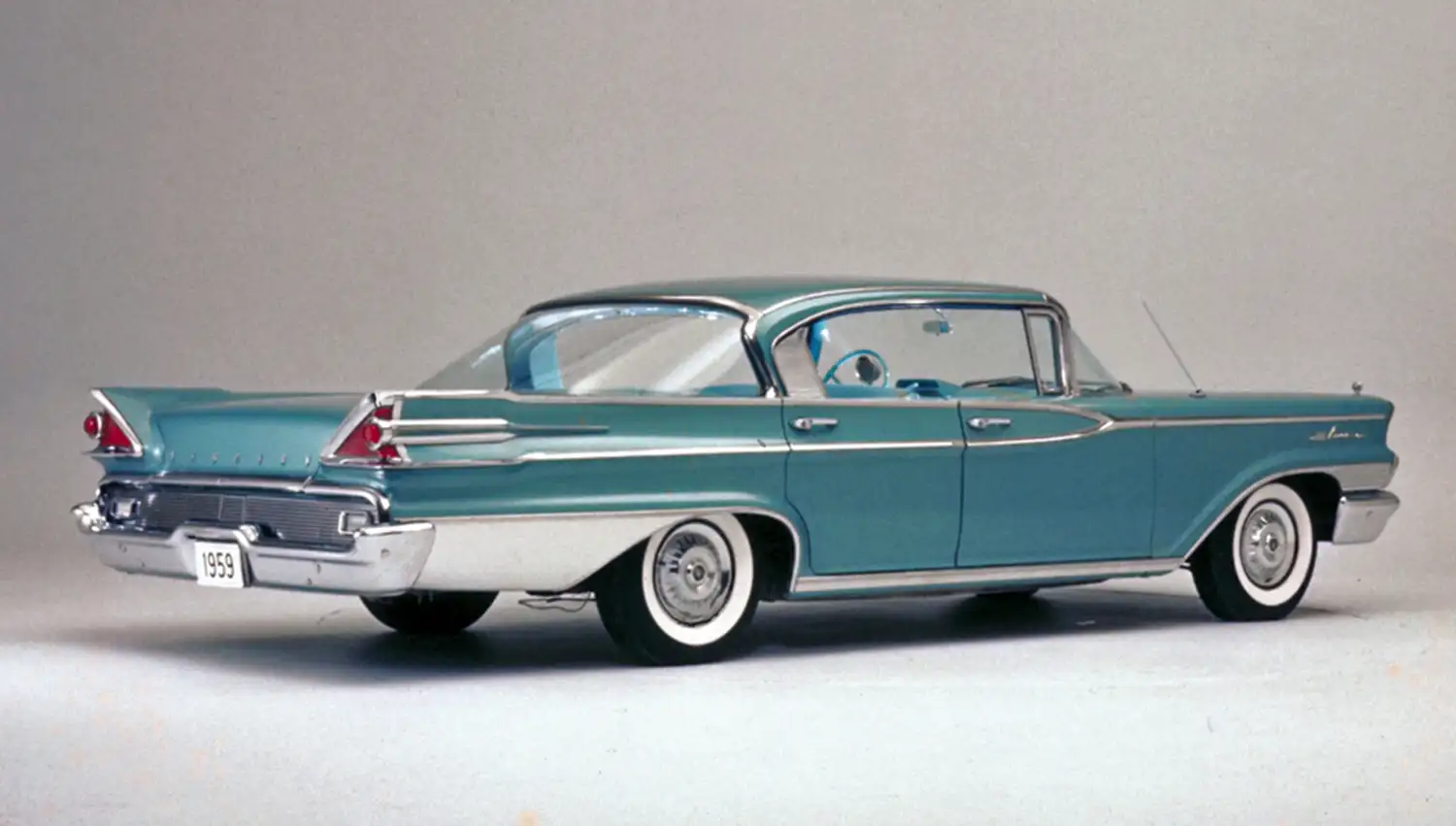
The visual character of the 1959 Park Lane is defined by what Mercury advertisers called “Clean-Dynamic Styling,” featuring sleek lines that prioritized sophisticated length over excessive tailfins. Its silhouette is instantly recognizable by the distinctive “breezeway” rear window, which retracted vertically to provide superior cabin ventilation and a unique aesthetic profile. Anodized aluminum panels and a bumper-integrated honeycomb grille distinguished the Park Lane from lesser Monterey or Montclair models, while nearly 35 square feet of safety glass created a sprawling, panoramic greenhouse. This design prioritized a horizontal sweep of vision, allowing the driver to command the road from behind a massive, jewelry-like chrome bumper. Every exterior detail was crafted to emphasize the car’s 222-inch total length, ensuring it commanded attention at any country club or boulevard.
Private Lounge Comfort and Ergonomic Fingertip Control
Stepping inside the 1959 Park Lane was akin to entering a private retreat, featuring a “cow’s belly” floorpan designed to maximize legroom by nearly halving the transmission hump. The cabin was trimmed in premium brocade cloths and durable vinyl, often accented by a repeated dot pattern on the accelerator pedal and armrests. Technological sophistication was paramount, highlighted by fingertip-accessible control pods that allowed drivers to adjust the power seats or climate settings without shifting their hands. Standard luxury appointments included power windows and a Wonderbar-style radio, while the panoramic windshield swept up into the roofline to offer an airy, open-sky feeling. This interior was specifically marketed for its spaciousness, boasting significantly more entry and exit room than its primary competitors in the premium segment.
Super Marauder V-8 Authority and Smooth Automatic Delivery
Performance for this luxury cruiser was anchored by the potent 430 CI “Super Marauder” V-8 engine, a mechanical giant designed for effortless highway travel. This engine produced 345 hp / 350 PS and 480 lb-ft / 651 Nm, providing the massive torque necessary to move the 4,000 lbs / 1,814 kg chassis with surprising agility. Power was routed through the reliable three-speed Merc-O-Matic transmission, which featured hydraulic valve lifters to maintain a whisper-quiet engine note even at speed. The driving feel was defined by a front independent suspension and a live rear axle, tuned to float over road imperfections while power steering minimized driver effort. It was a powertrain built for the brand-new American interstate system, offering a “scoot” that could reach an estimated top speed of 123 mph.
| Specification | Detail |
|---|---|
| Engine Type | 430 CI “Super Marauder” V-8 |
| Transmission | 3-Speed Merc-O-Matic Automatic |
| Horsepower / Torque | 345 hp / 350 PS and 480 lb-ft / 651 Nm |
| Wheelbase | 128 Inches |
| Braking System | 4-Wheel Drum Brakes |
| Total Length | 222.8 Inches |
Flagship Rarity and the Challenge of Contemporary Rivals
In the 1959 marketplace, the Park Lane was positioned as a direct competitor to the Buick Electra 225 and the Chrysler 300E. While it offered more length and comparable power to the Cadillac Series 62, Mercury’s flagship remained a rarer sight, with only 4,060 two-door hardtops produced that year. This rarity is a primary driver of its modern value, as the Park Lane did not share its body with lower-priced Ford models, making it a unique engineering exercise within the Ford Motor Company. Collectors often seek out unrestored examples that still feature the intricate gold upholstery and original panoramic glass, as these components are notoriously difficult to source. Its status as a “baby Lincoln” provides a more exclusive ownership experience than the more common premium cars of the era.
A Staggering Icon of Mid-Century Executive Luxury
The 1959 Mercury Park Lane Four-Door Hardtop remains a staggering example of how 1950s ambition translated into steel and chrome. From the immense pull of its Super Marauder V-8 to the airy, glass-heavy cabin, it provides a sensory experience that defines a lost era of motoring. The model’s legacy is protected by a dedicated community of enthusiasts who value the functional luxury of its reduced transmission hump and expansive wheelbase. Whether viewed as an investment-grade survivor or a weekend show cruiser, the Park Lane stands ready to dominate any pavement it touches. For the collector who demands the very best of Mercury’s 20th-anniversary lineup, this flagship remains the definitive choice.
Disclaimer: Content on this site is for informational and entertainment purposes only. Details, analyses, and opinions reflect current trends and personal views, not professional or financial advice. Always verify information with official sources before making any decisions.
Source: Ford Heritage Vault