The 1969 Chevrolet Camaro RS Z28 remains the definitive benchmark for the first-generation pony car, representing the final and most refined year of the original body style. This specific example is a rare “pre-X” car, built in December 1968 at the storied Van Nuys assembly plant before the implementation of the famous X-codes on the cowl tag. Retaining its matching-numbers DZ-suffix 302 V8, this Camaro is a pure distillation of the SCCA Trans-Am racing spirit. It serves as a high-fidelity time capsule, complete with its original Protect-O-Plate and factory-correct hardware that has escaped the common modifications seen on most surviving Z28s.

Le Mans Blue Brilliance and Rare Flat Hood Silhouette
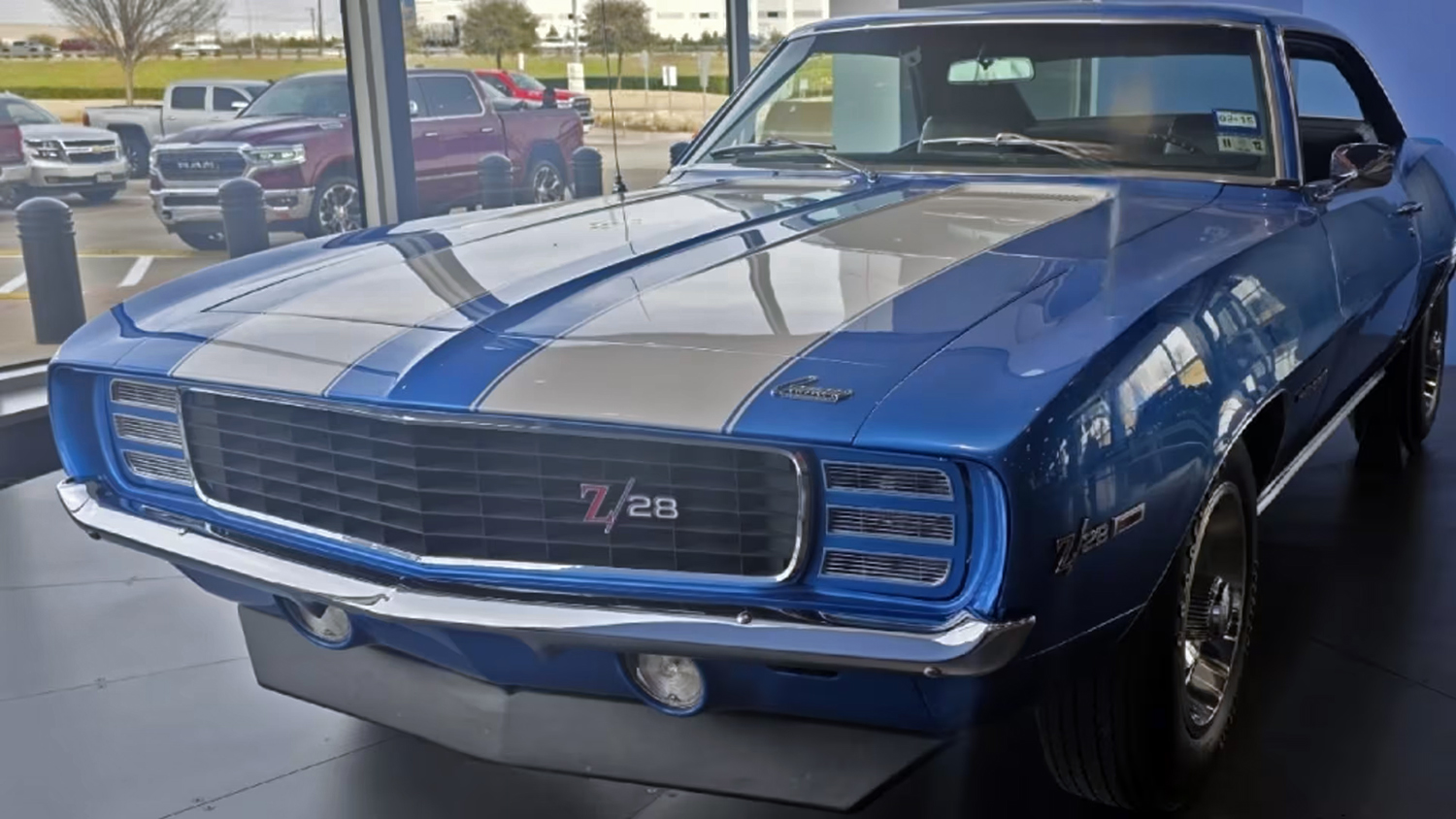
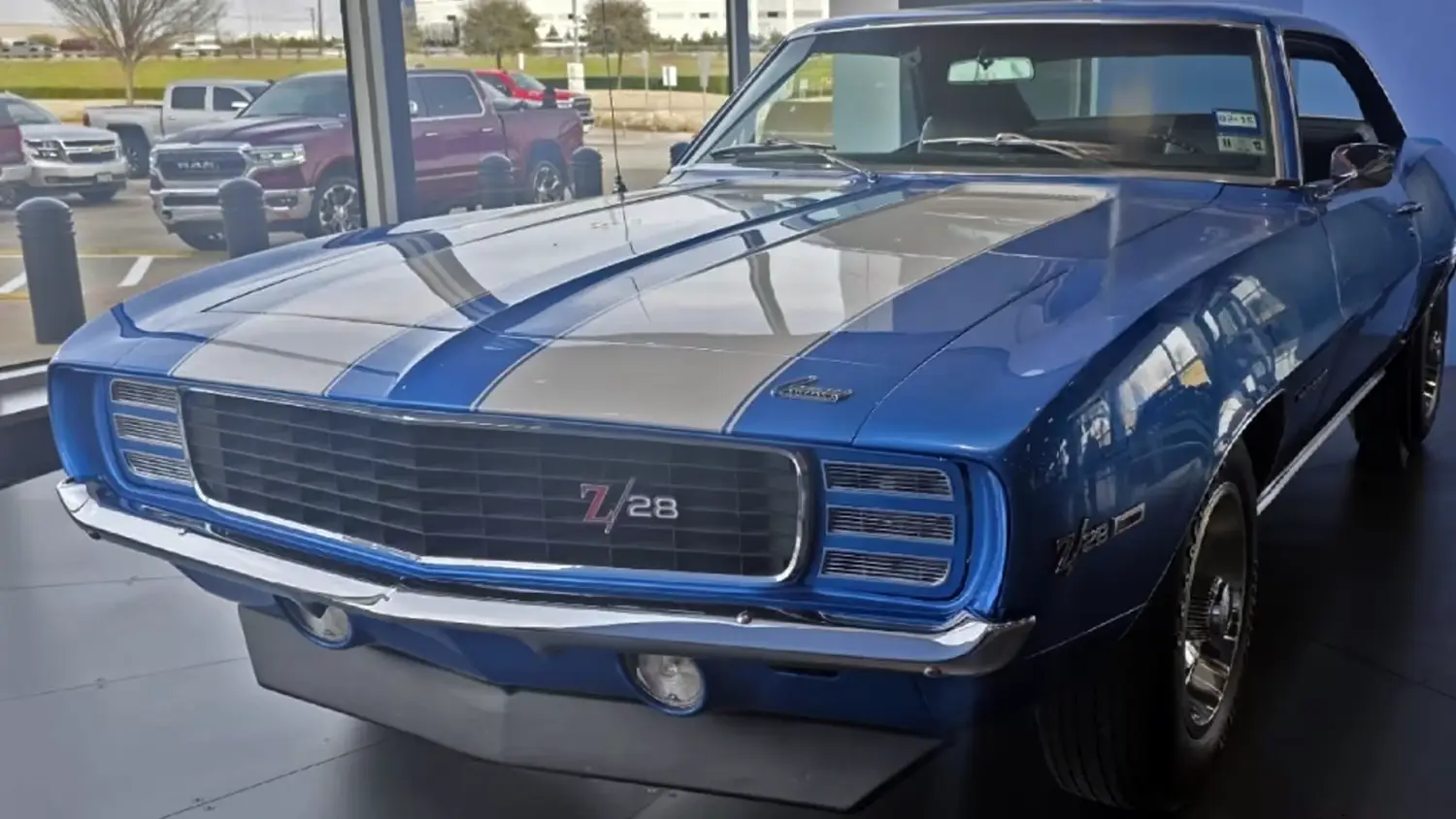
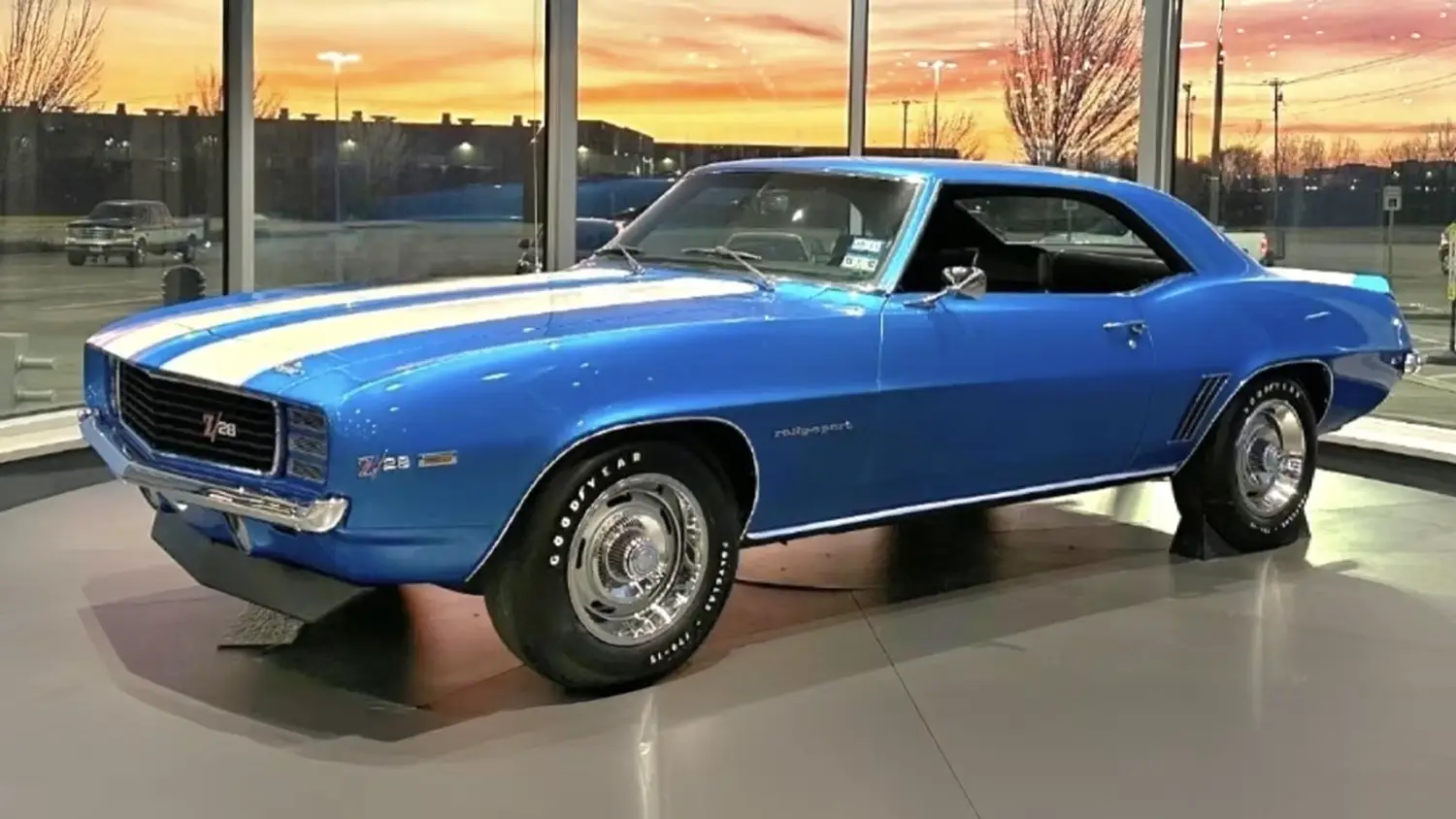
The exterior is finished in iconic Le Mans Blue with contrasting white stripes, a color combination that highlights the 1969 model’s wider, more aggressive sheet metal. As an RS-equipped Z28, it features the highly desirable vacuum-actuated hideaway headlights and specialized trim that define the Rally Sport package. Notably, this car features the rare flat hood rather than the more common cowl-induction unit, staying true to its early production configuration. Front and rear spoilers provide the aerodynamic signature of the Z28, while period-correct Goodyear F70-15 Polyglas white letter tires mounted on Rally wheels ground the car in 1969 performance reality.

Original Black Vinyl Cockpit and Factory Electronics
Inside, the cabin remains remarkably authentic, featuring its original black interior that has been preserved rather than replaced. The bucket seats and center console are complemented by a factory-installed tachometer, essential for monitoring the high-revving 302 engine. In a rare display of preservation, the car still features its functional original AM/FM radio, providing a period-correct soundtrack to the mechanical symphony of the small block. Every element, from the steering wheel to the shift linkage, offers a tactile connection to the Van Nuys assembly line, providing an experience that restored cars often struggle to replicate.

Matching-Numbers DZ 302 and Precision 4-Speed Manual
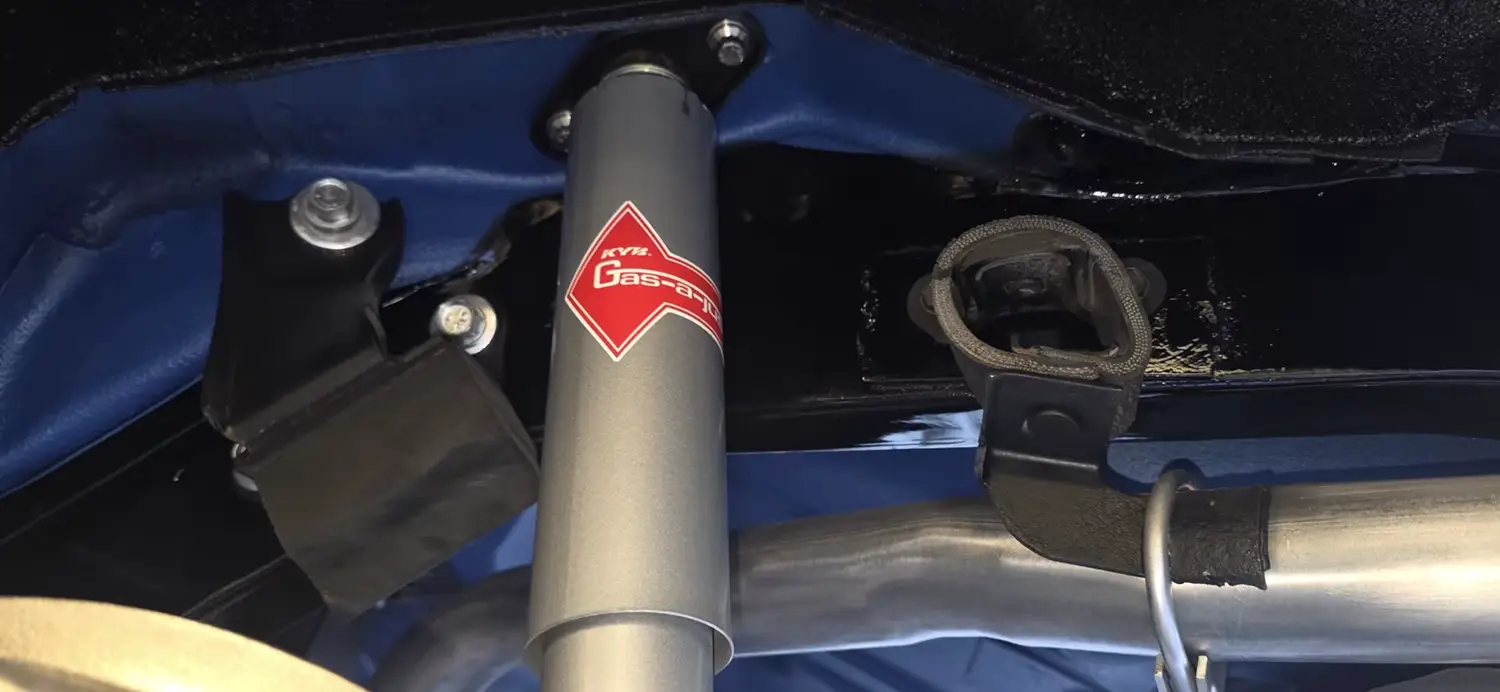
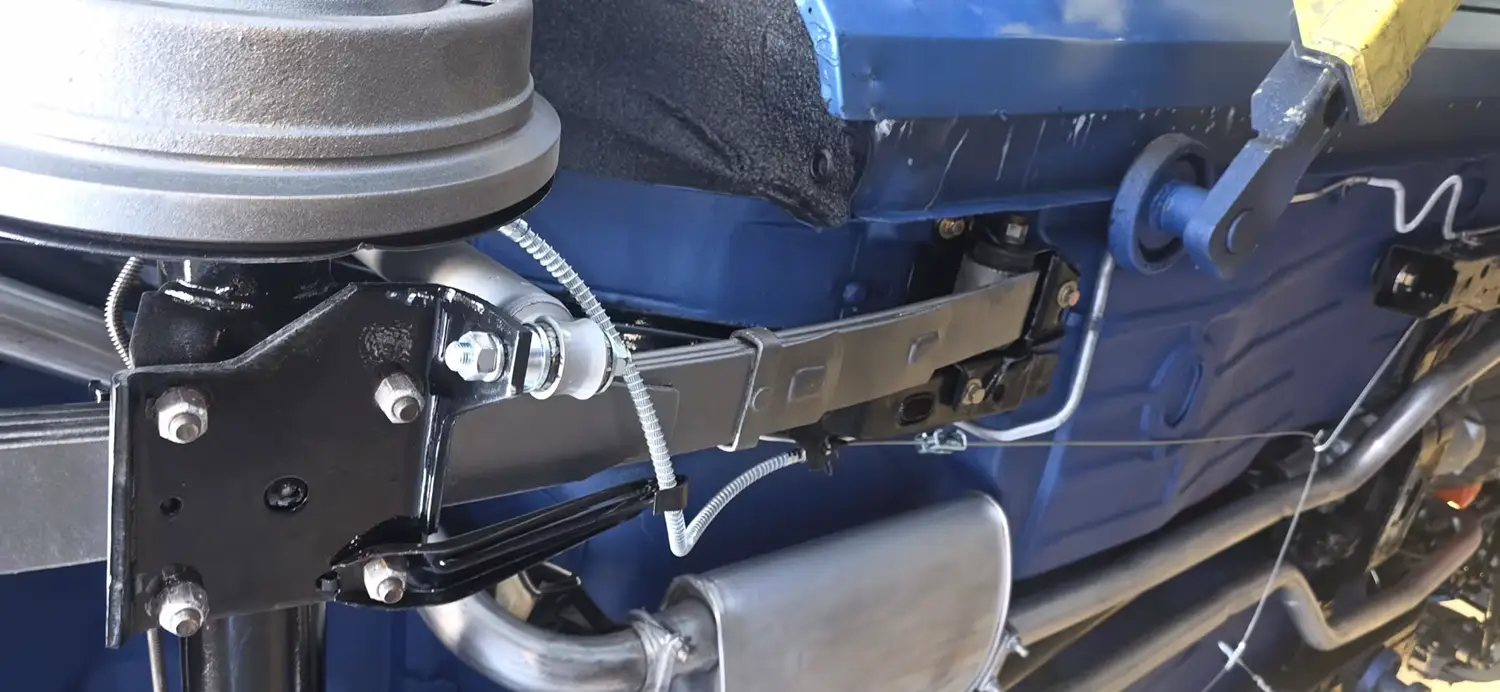
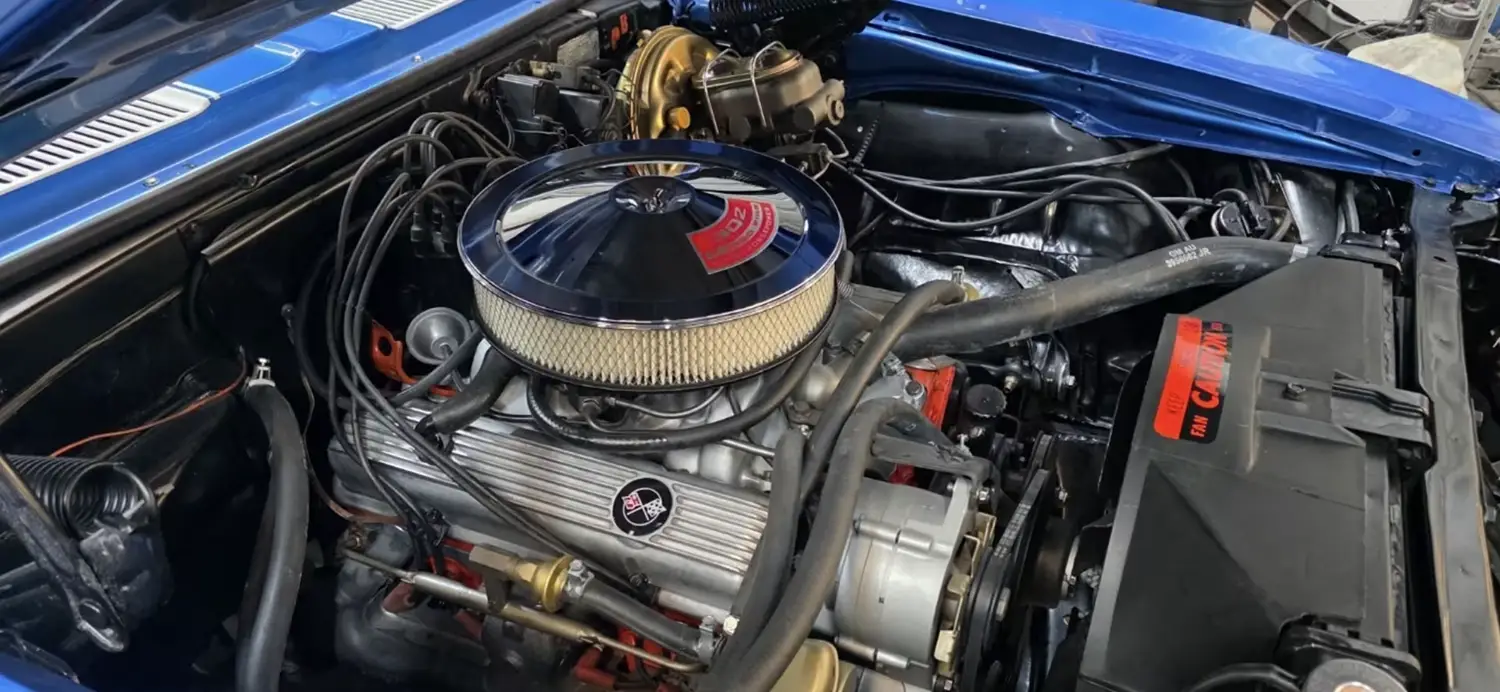
The heart of this Z28 is the matching-numbers DZ-suffix 302 CI V8, an engine engineered specifically for high-RPM durability on the racetrack. This powerplant produces 290 hp/PS and 290 lb-ft/Nm, though these figures were famously underrated by the factory. Power is channeled through a 4-speed manual transmission to a heavy-duty 12-bolt rear end, ensuring the Camaro handles the high-velocity shifts required by its racing pedigree. Unique historical details abound, including the original emissions equipment and a documented 1971 GM recall repair, which consists of a cable and bracket system designed to limit engine movement under high torque loads.
| Technical Specifications | |
|---|---|
| Engine Type | DZ-Suffix 302 CI V-8 (Matching Numbers) |
| Transmission | 4-Speed Manual |
| Rear End | 12-Bolt Positraction |
| Assembly Plant | Van Nuys (Dec 1968) |
| Steering/Brakes | Power Assisted |
| Documentation | Protect-O-Plate Included |
Investment Value of Pre-X Code Authentication
In the nuanced world of Camaro collecting, “pre-X” cars from the Van Nuys plant represent a unique niche that demands significant documentation for authentication. Because Van Nuys did not use the X-codes found on Norwood cars to identify Z28 or SS packages, the presence of the Protect-O-Plate and matching-numbers DZ engine is critical for establishing provenance. This car benchmarks successfully against the highest tier of surviving Z28s, offering the rare combination of the RS appearance package and the raw Z28 drivetrain. Its flat-hood configuration and original interior make it a standout choice for the purist who values assembly-line accuracy over aftermarket upgrades.
A Masterpiece of Trans-Am Heritage in Houston
Crossing the block on Saturday, April 11th, at the Houston 2026 auction, this 1969 Chevrolet Camaro RS Z28 is a rare opportunity to own a verified piece of motorsport history. It captures the very best of the first-generation Camaro, from its high-revving small block to its iconic hideaway headlights. With its matching-numbers hardware and documented California assembly, it stands as a testament to the era when Chevrolet dominated the American pony car market. For the discerning collector, this Le Mans Blue survivor represents the absolute pinnacle of 1969 performance and style.
Disclaimer: Content on this site is for informational and entertainment purposes only. Details, analyses, and opinions reflect current trends and personal views, not professional or financial advice. Always verify information with official sources before making any decisions.
Source: mecum.com