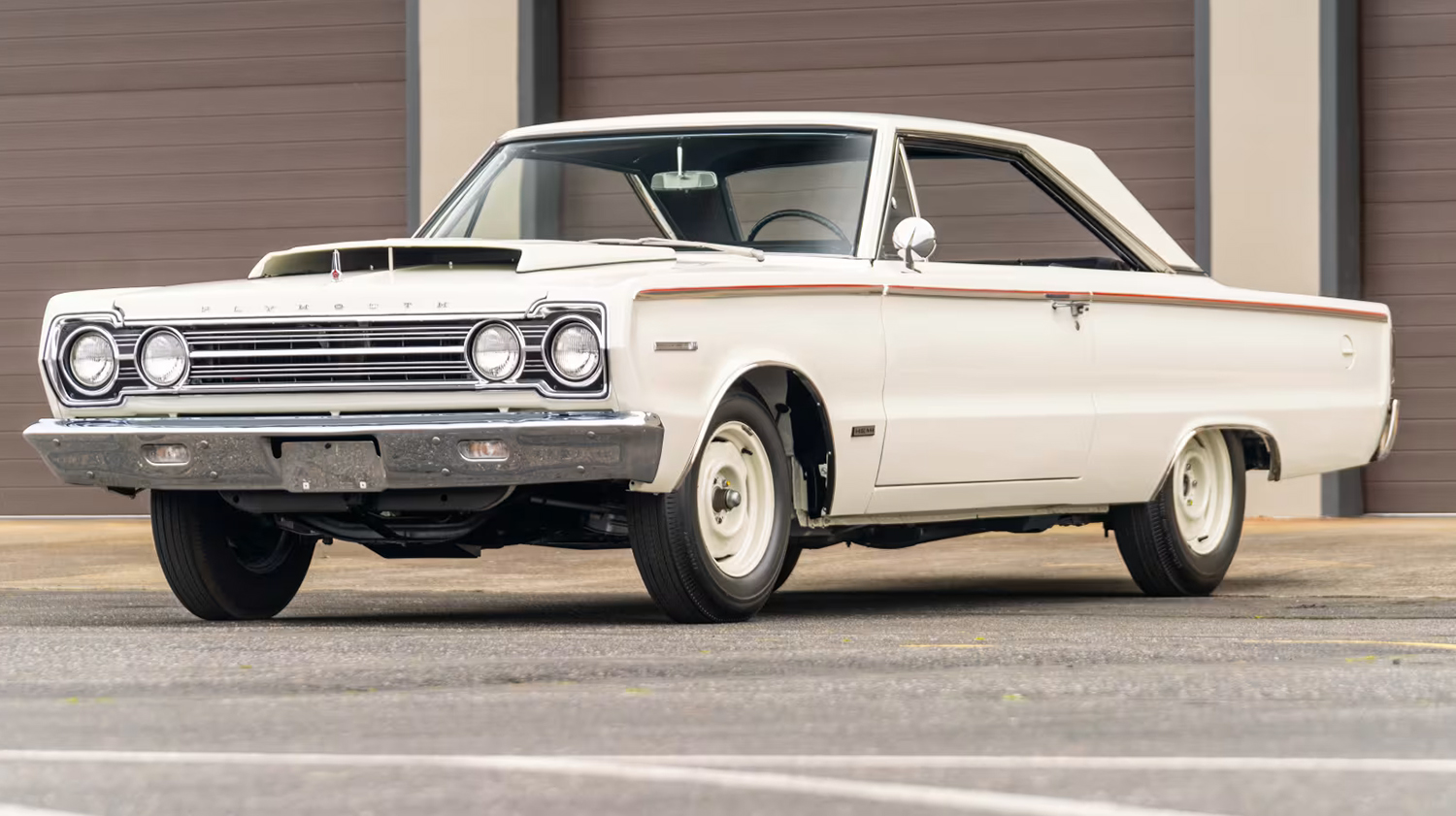
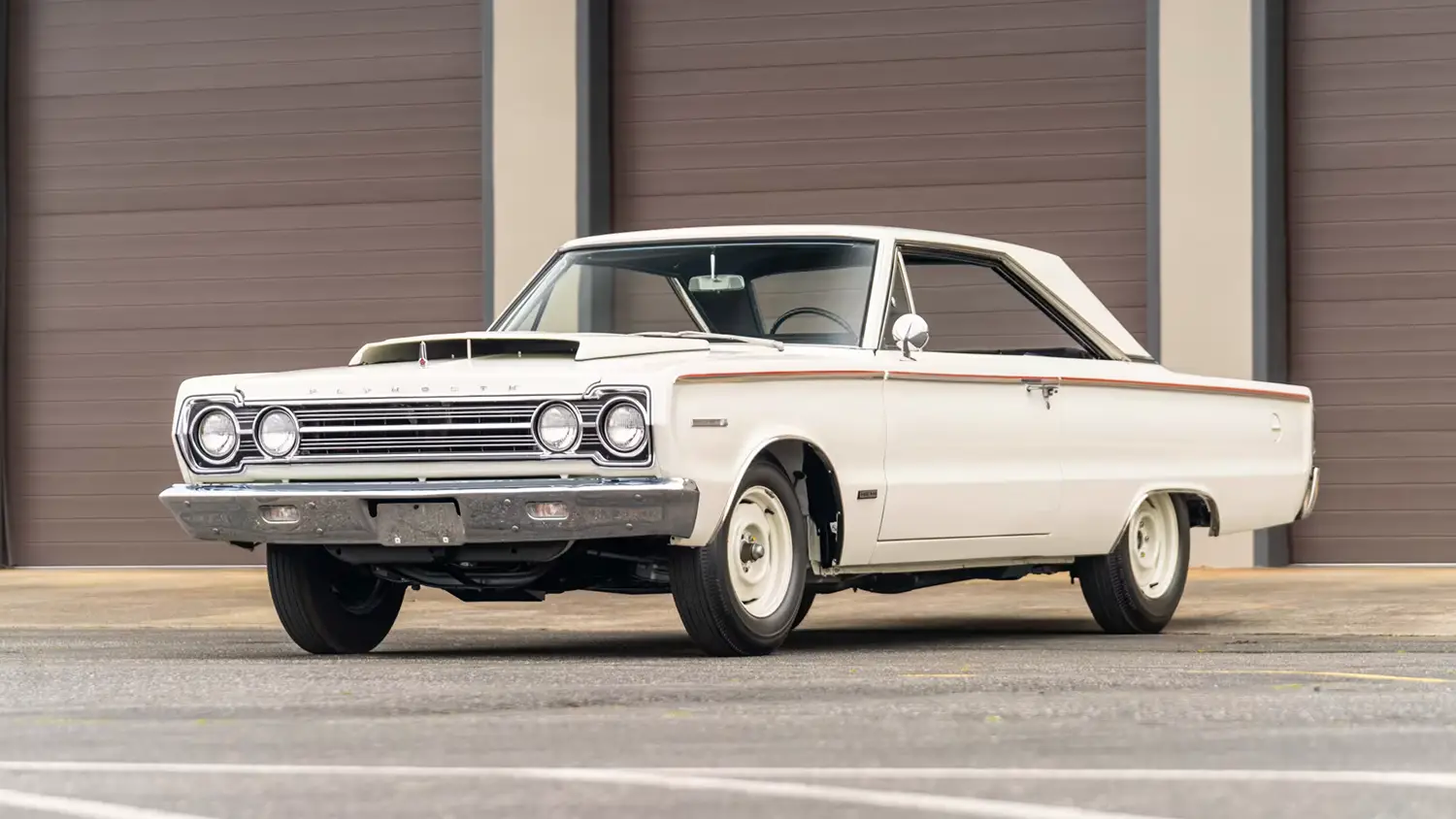
The 1967 Plymouth Hemi Belvedere II Super Stock represents a pinnacle of factory-backed drag racing history, serving as a rare NHRA homologation special. As one of only 55 examples produced at the Lynch Road plant in early 1967, this vehicle was engineered specifically to dominate the quarter-mile. This particular car, formerly campaigned under the fitting name Unreal, arrives at the Indy 2026 auction following an extensive restoration by Muscle Car Restorations. With an odometer reading just 395 miles, it offers a rare glimpse into the uncompromising era of Super Stock racing. Collectors and Mopar enthusiasts will recognize this as a blue-chip opportunity to own a piece of competitive automotive heritage.
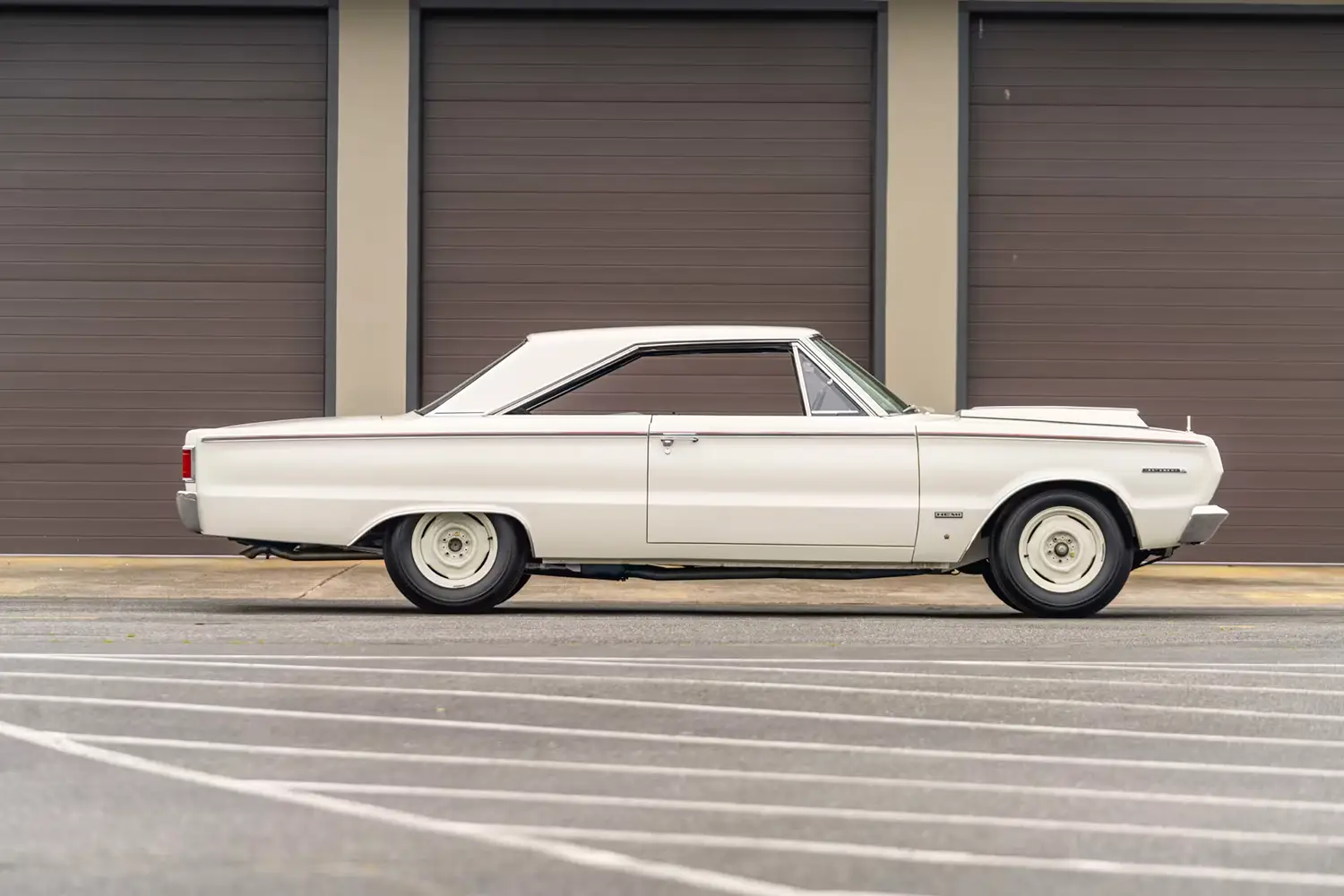
Stark White Steel and Factory Hood Scoop Functionality
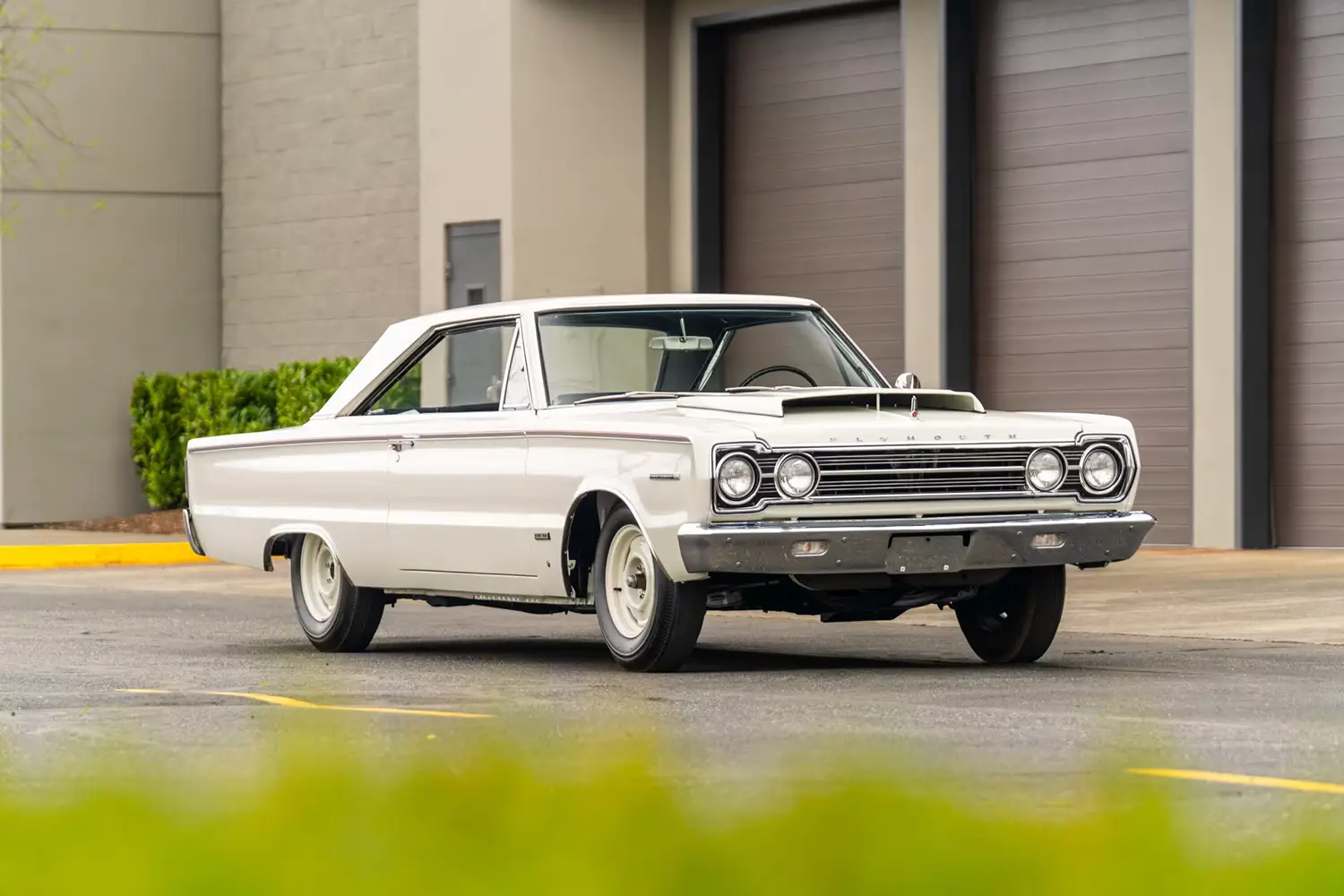
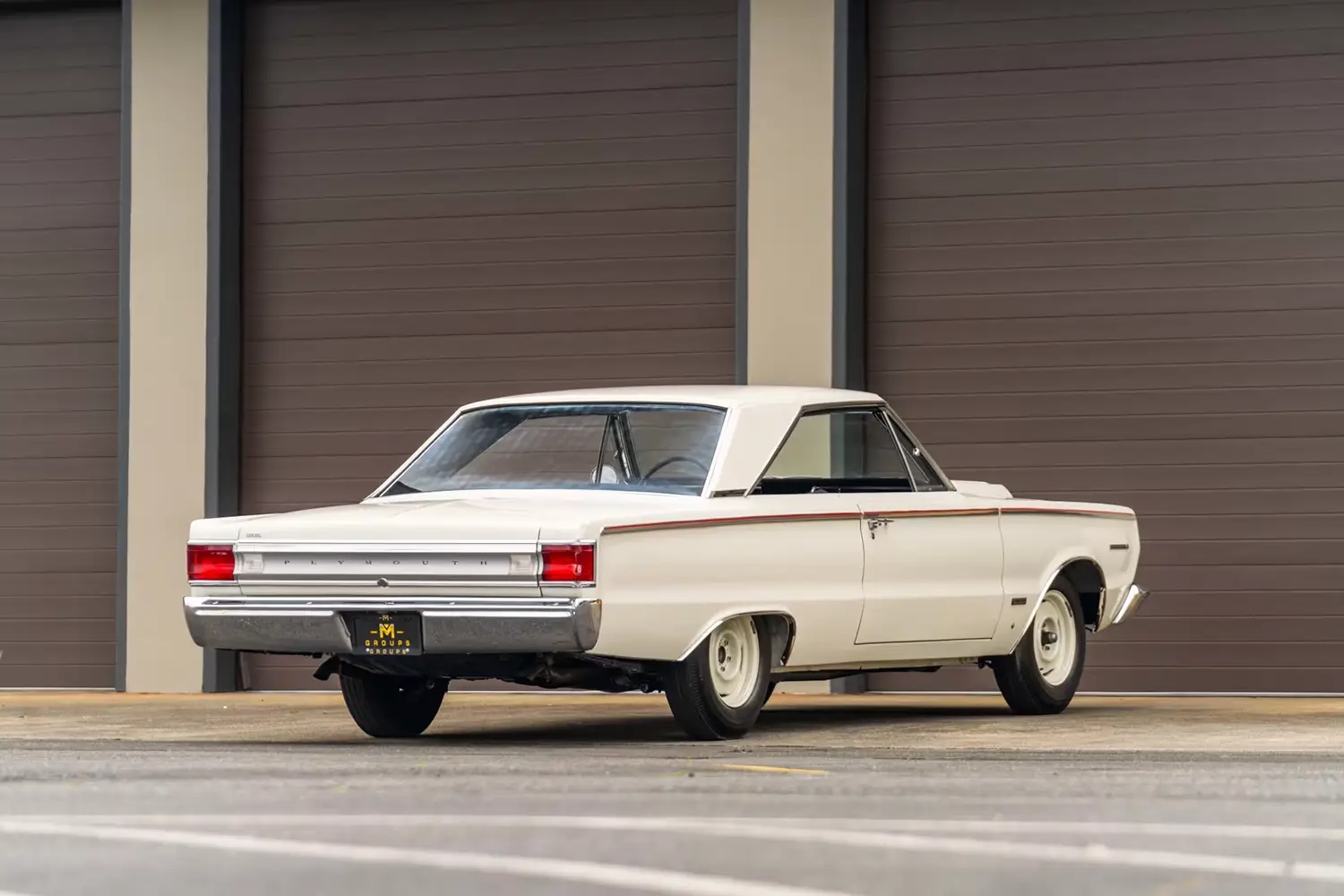
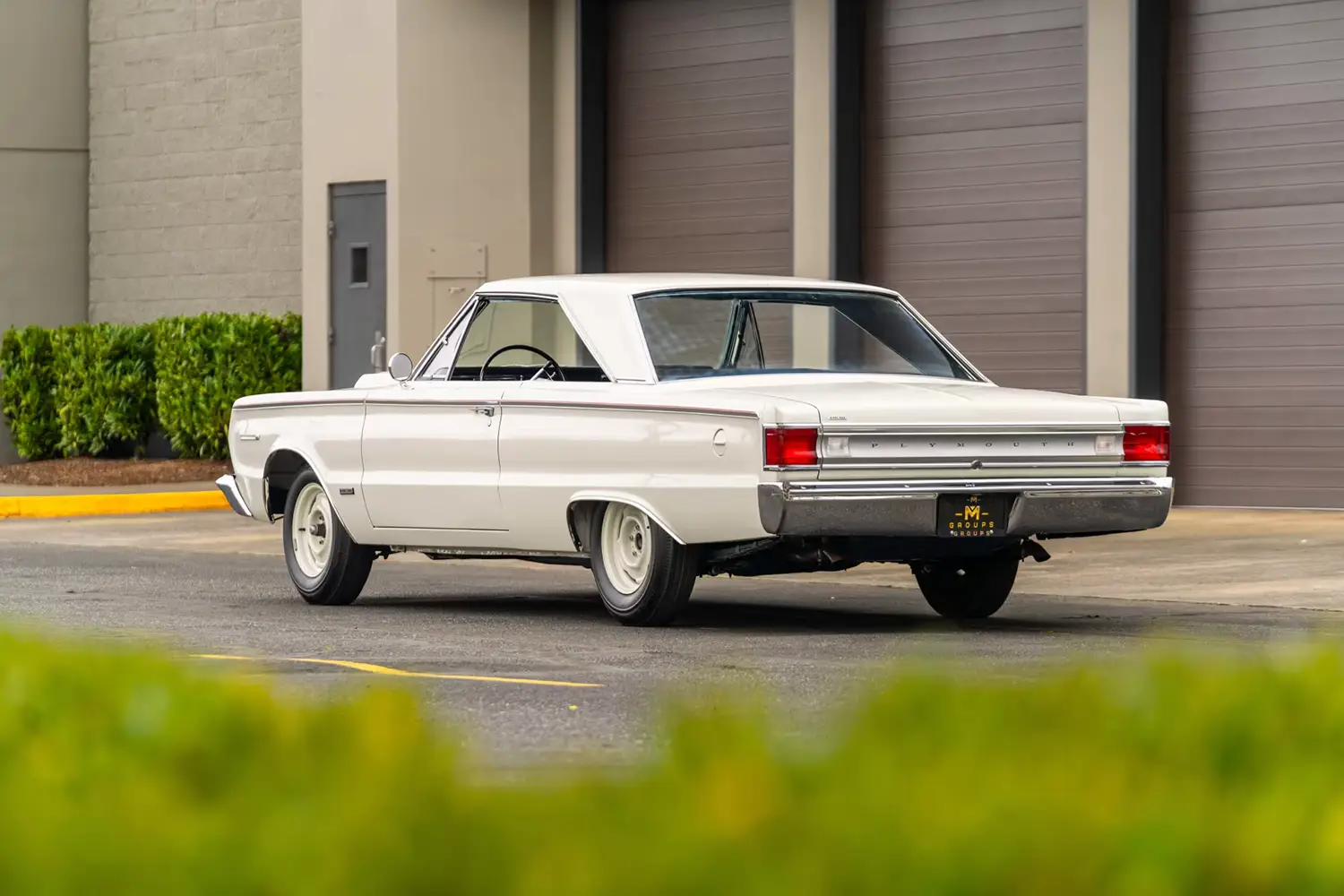
The visual character of this Belvedere II is defined by its purposeful and understated aesthetic, finished in a crisp factory White. Unlike standard coupes of the era, the Super Stock silhouette is interrupted by a massive factory hood scoop designed to feed the thirsty Hemi beneath. The all-steel body remains true to its original February 12, 1967, production date, emphasizing durability over stylistic flair. Blackwall BFGoodrich tires mounted on simple painted steel wheels complete the sleeper look, though the aggressive stance betrays its true intentions. This minimalist approach was essential for weight management and aerodynamics on the drag strip, ensuring that every body line served the singular goal of speed.
Purposeful Black Vinyl and Radio Delete Simplicity
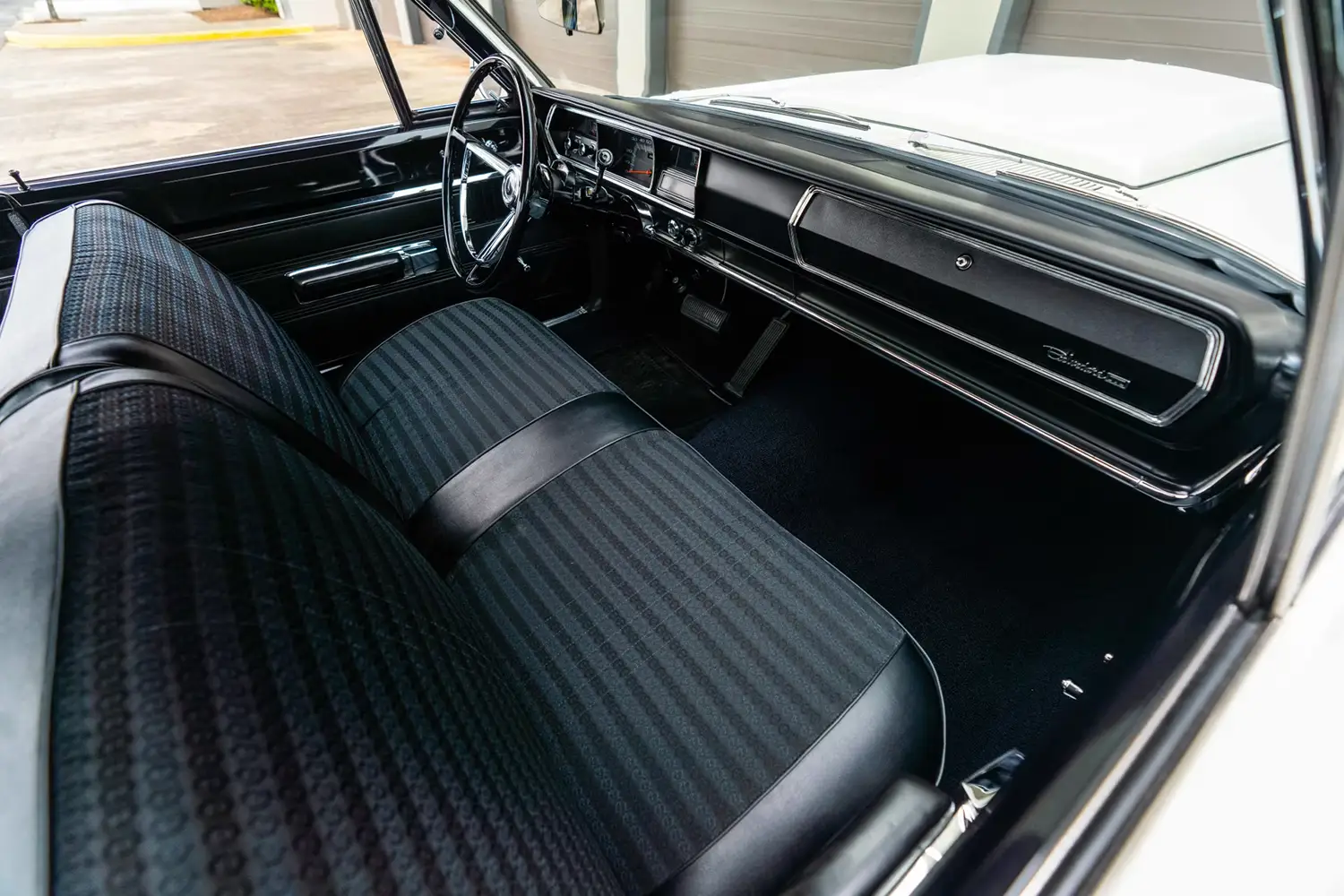
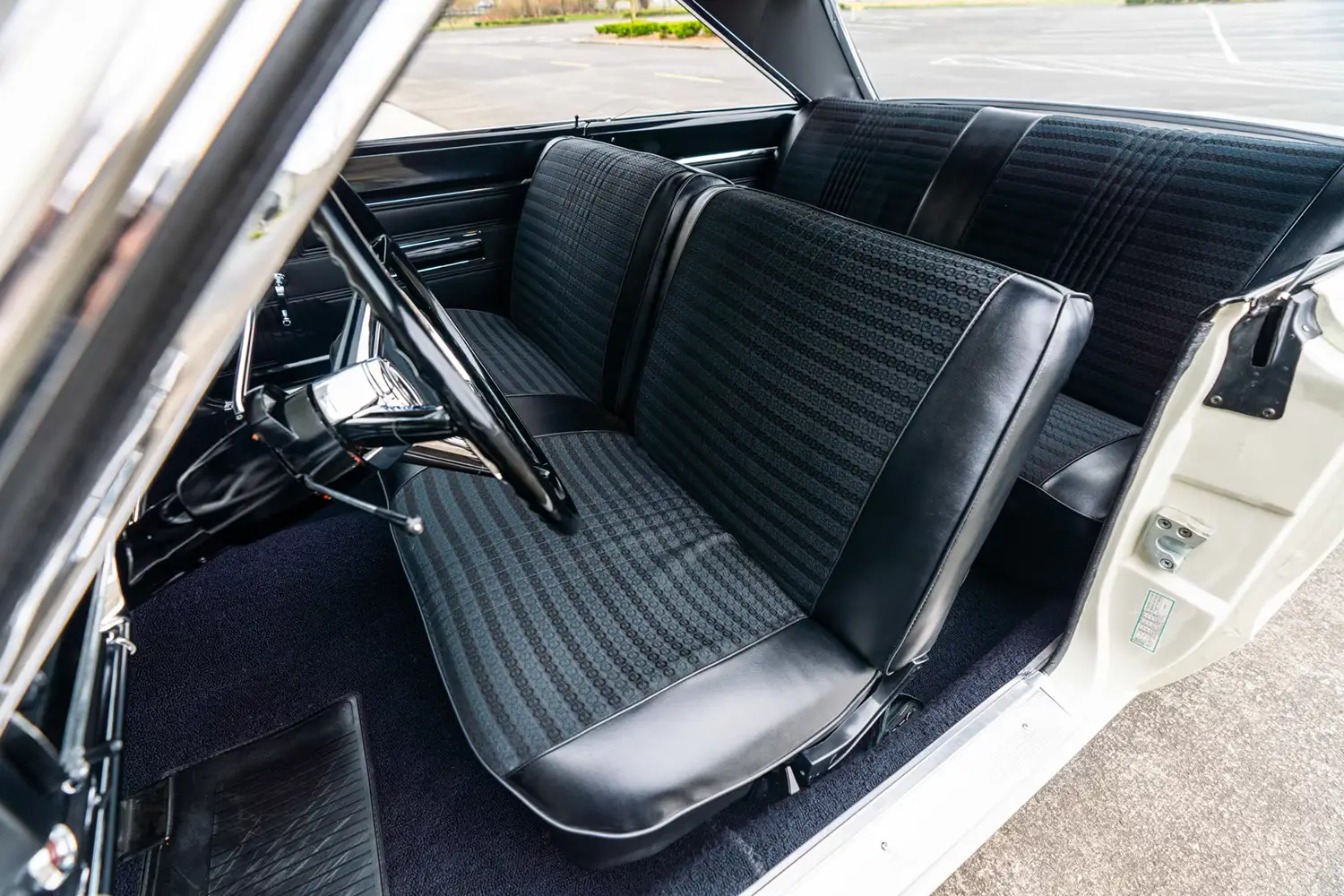
Inside the 1967 Plymouth Hemi Belvedere II Super Stock, the cabin is a lesson in functional minimalism designed to save every possible ounce. A simple Black vinyl bench seat occupies the space, reflecting the car’s origins as a tool for competition rather than a luxury cruiser. To further reduce weight, the factory deleted the heater, radio, sound deadening, and undercoating, leaving a raw environment focused entirely on the driver. Despite this austerity, the quality of the restoration by the Chippewa Falls team is evident in the pristine finishes of the dashboard and upholstery. The interior serves as a cockpit for performance, providing only the essential controls required to manage a high-torque launch.
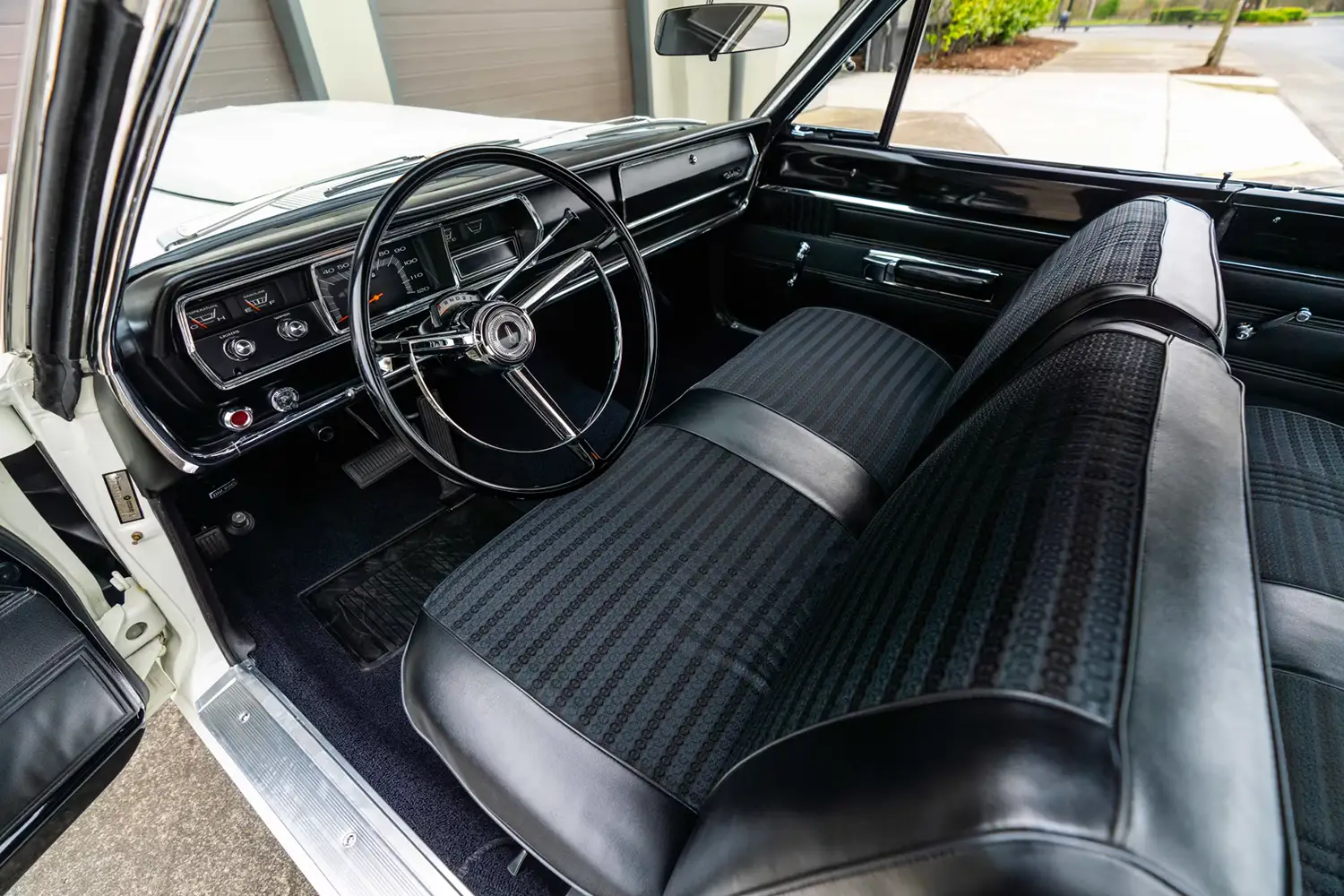
Legendary 426 Hemi Power and Super Stock Mechanicals
At the heart of this machine lies the iconic 1967 SS 426 CI Hemi V-8 engine, a factory benchmark for raw American power. The engine was specifically built with forged pistons, modified manifolds, and special carburetor jetting to meet the demands of the NHRA. Power is managed by a TorqueFlite automatic transmission featuring a reverse manual valvebody, allowing for precise control during high-rpm shifts. This setup feeds a 4.86 rear axle ratio, optimized for explosive off-the-line acceleration. While traditional output figures were often underrated for insurance and racing classes, the combination of transistorized ignition and special wiring ensured reliable performance. Stopping power is handled by 10-inch front drum brakes, a standard setup for dedicated straight-line racers of the period.
| Technical Specifications | |
|---|---|
| Engine | 426 CI Super Stock Hemi V-8 |
| Transmission | TorqueFlite Automatic |
| Valvebody | Reverse Manual |
| Rear Axle Ratio | 4.86 |
| Brakes | 10-inch Front Drums |
| Production | 1 of 55 Belvedere II Super Stocks |
| Interior Features | Heater and Radio Delete |
| Odometer | 395 Miles (Shown) |
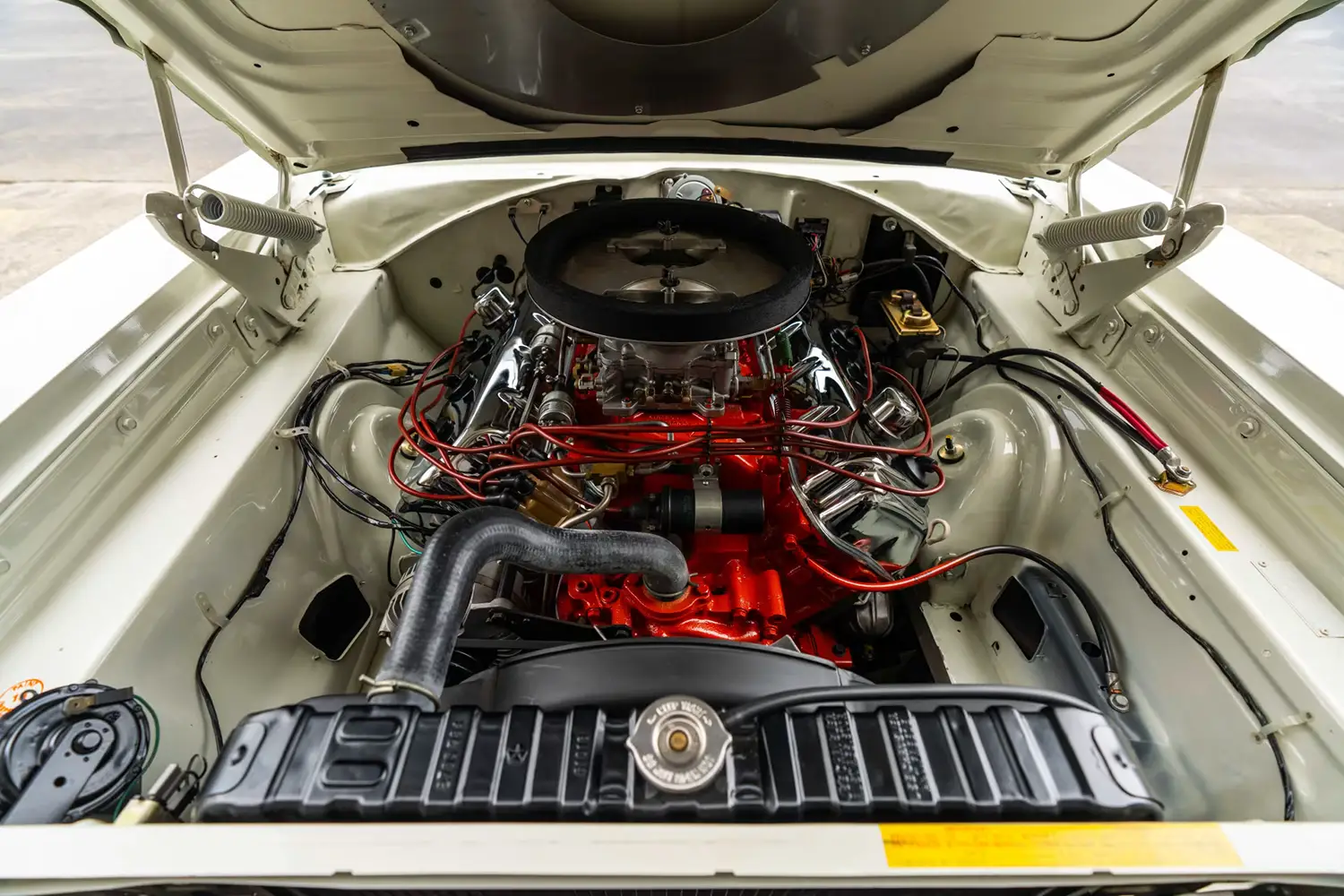
A Rare Homologation Icon in the Current Market
The market for genuine 1960s homologation specials remains exceptionally strong, as these vehicles represent the final era of factory-supported “win on Sunday, sell on Monday” engineering. Compared to the more common Hemi Road Runners or GTX models, the Belvedere II Super Stock is a much rarer find due to its limited 55-unit production run. Its provenance as a campaigned racer adds a layer of authenticity that collectors value over standard survivors. In a market where history and rarity drive value, this Plymouth stands as a primary competitor to the Ford Fairlane Thunderbolts and Chevrolet COPO builds. Its unique selling point remains the documented Lynch Road production and the meticulous restoration that returned it to its competitive glory.
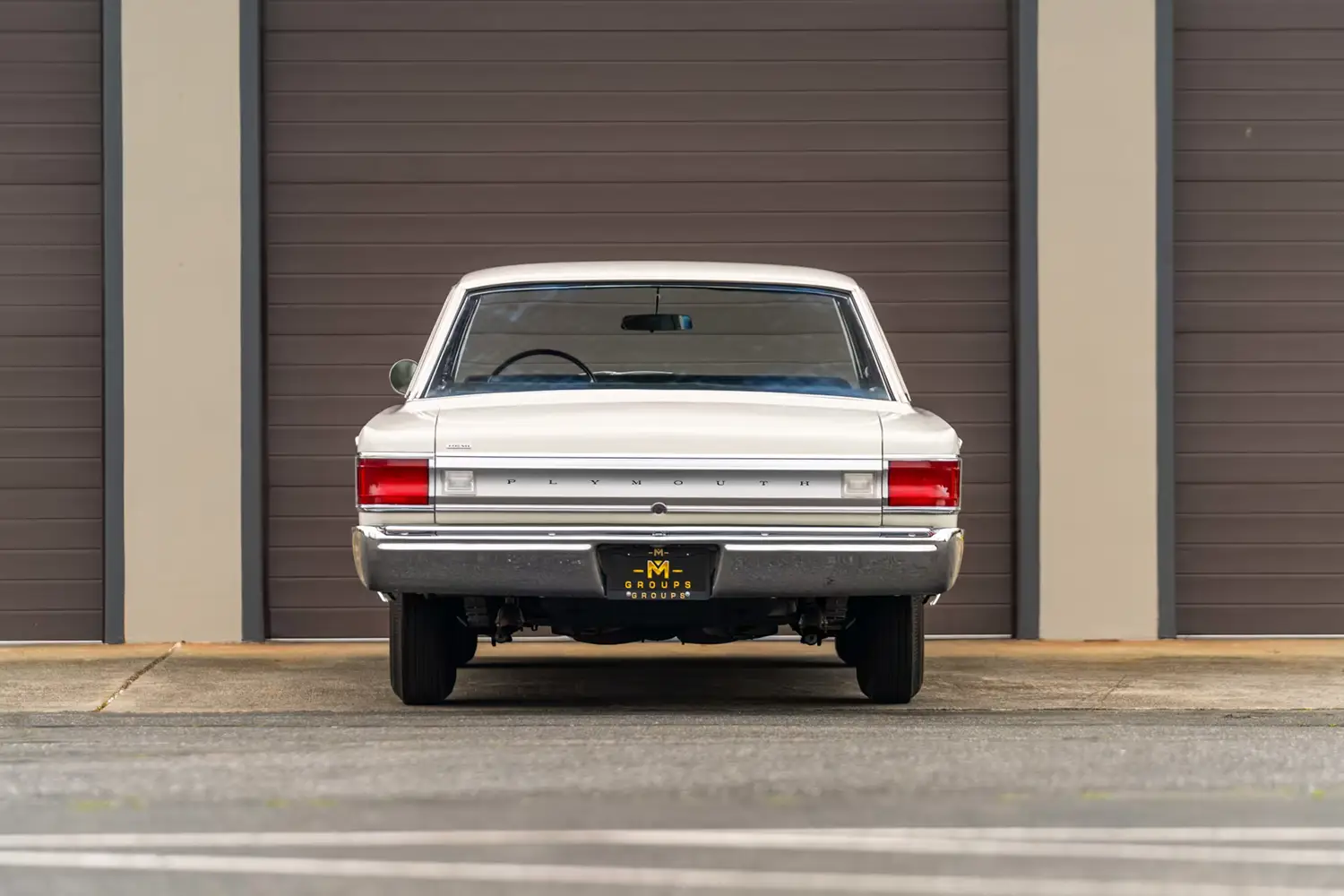
Investment Potential and Racing Heritage Values
Ownership of such a rare Super Stock is as much about stewardship of history as it is about automotive investment. With its extremely low mileage and documented restoration, this Belvedere is positioned as a museum-quality asset that is likely to appreciate among Mopar enthusiasts. The lack of standard amenities like a heater or radio reinforces its status as a dedicated race car, making it a staple for high-end collections or heritage displays. Because it was built for the NHRA, the value of the 1967 Plymouth Hemi Belvedere II Super Stock is intrinsically tied to its mechanical originality and its tie to the Lynch Road plant. As high-quality restorations become harder to find, this example offers a verified benchmark for factory race specifications.
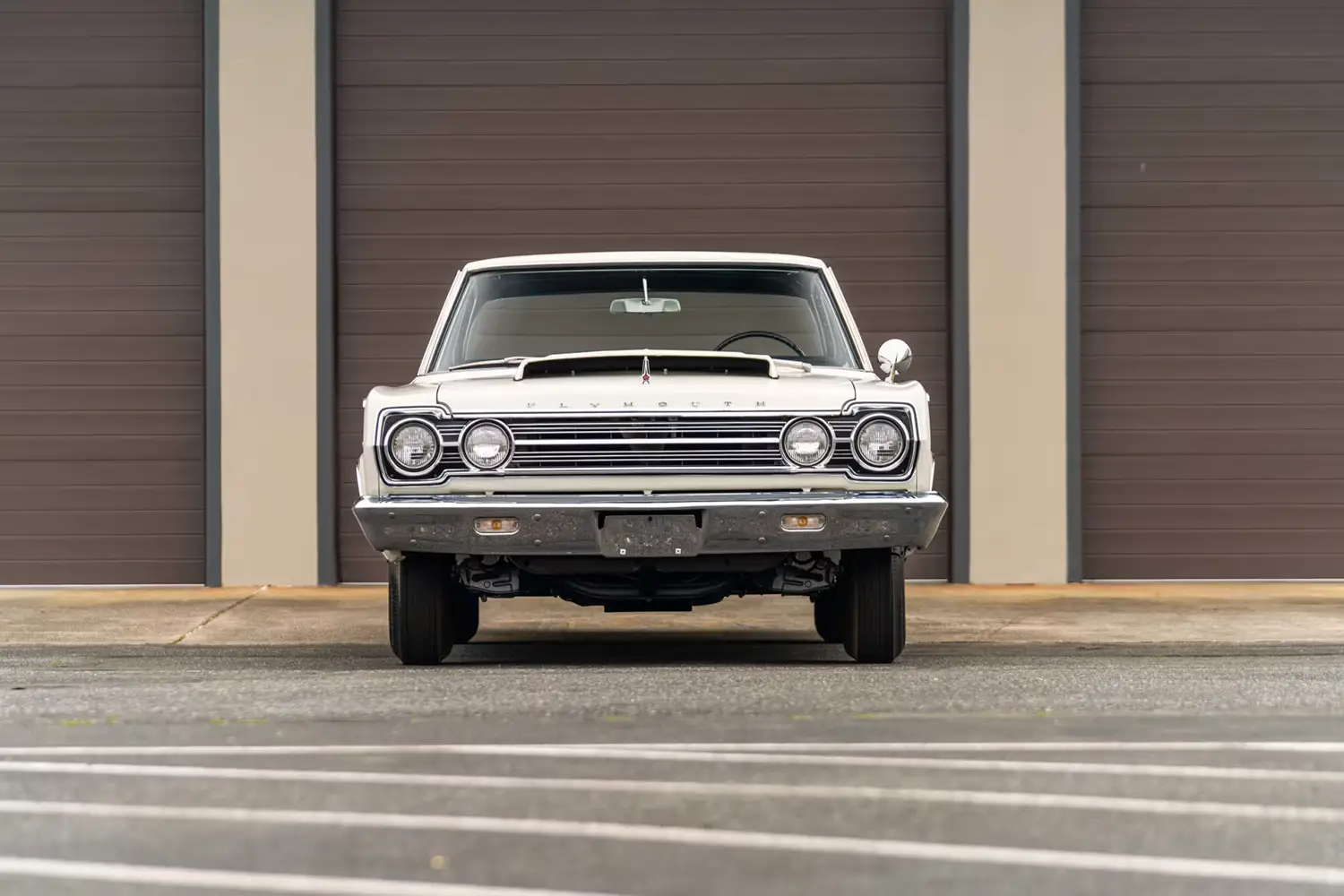
The Definitive Hemi Racing Experience
The 1967 Plymouth Hemi Belvedere II Super Stock is a masterclass in American racing history, blending scarcity with unmatched mechanical aggression. From its gold-standard 426 Hemi to its stripped-down competition interior, every element reflects a singular focus on winning. As it crosses the block at Indy 2026 on Saturday, May 16th, it remains a testament to the brief but glorious window when manufacturers built genuine monsters for the street to win on the track.
Disclaimer: Content on this site is for informational and entertainment purposes only. Details, analyses, and opinions reflect current trends and personal views, not professional or financial advice. Always verify information with official sources before making any decisions.
Source: mecum.com