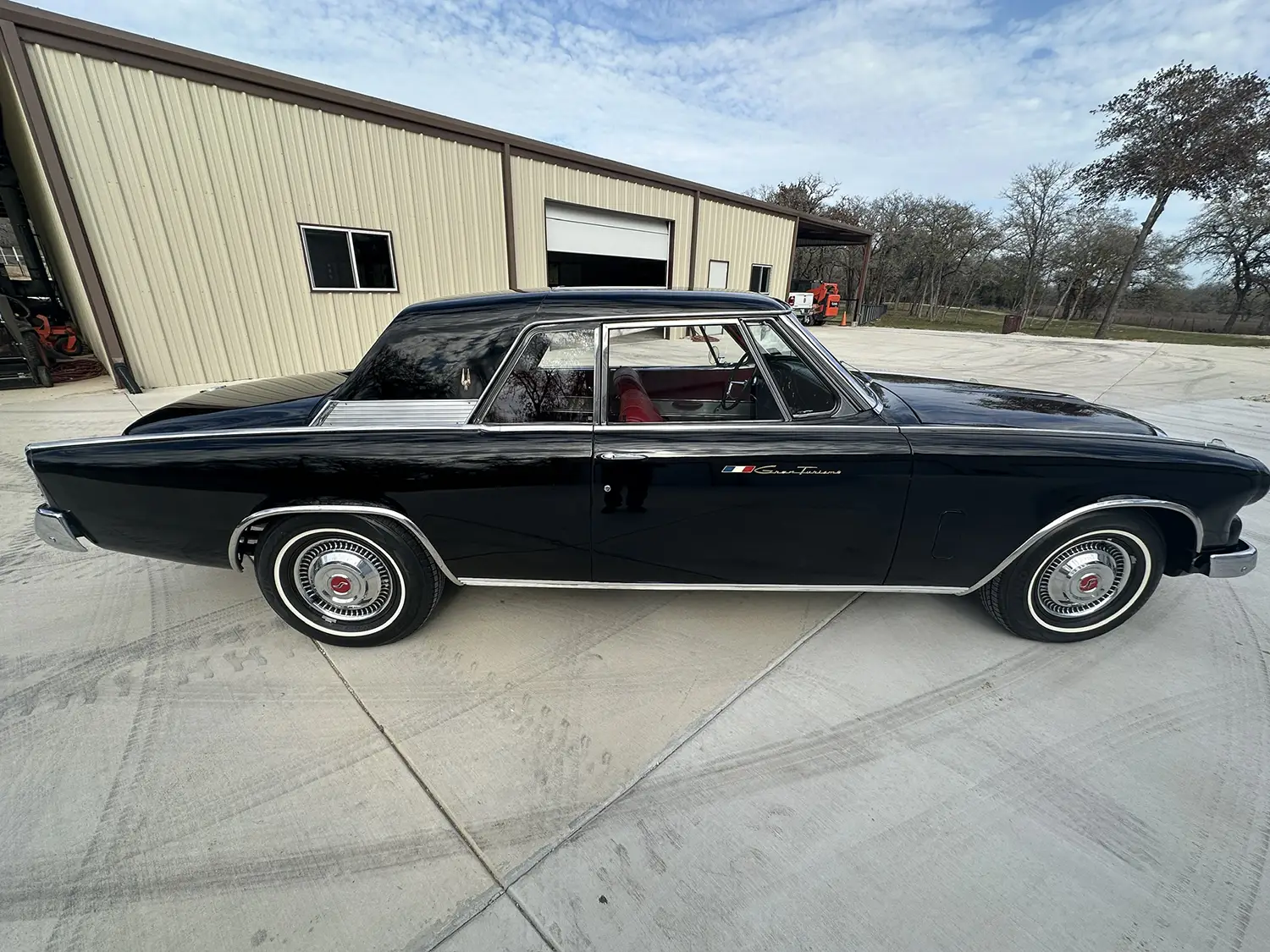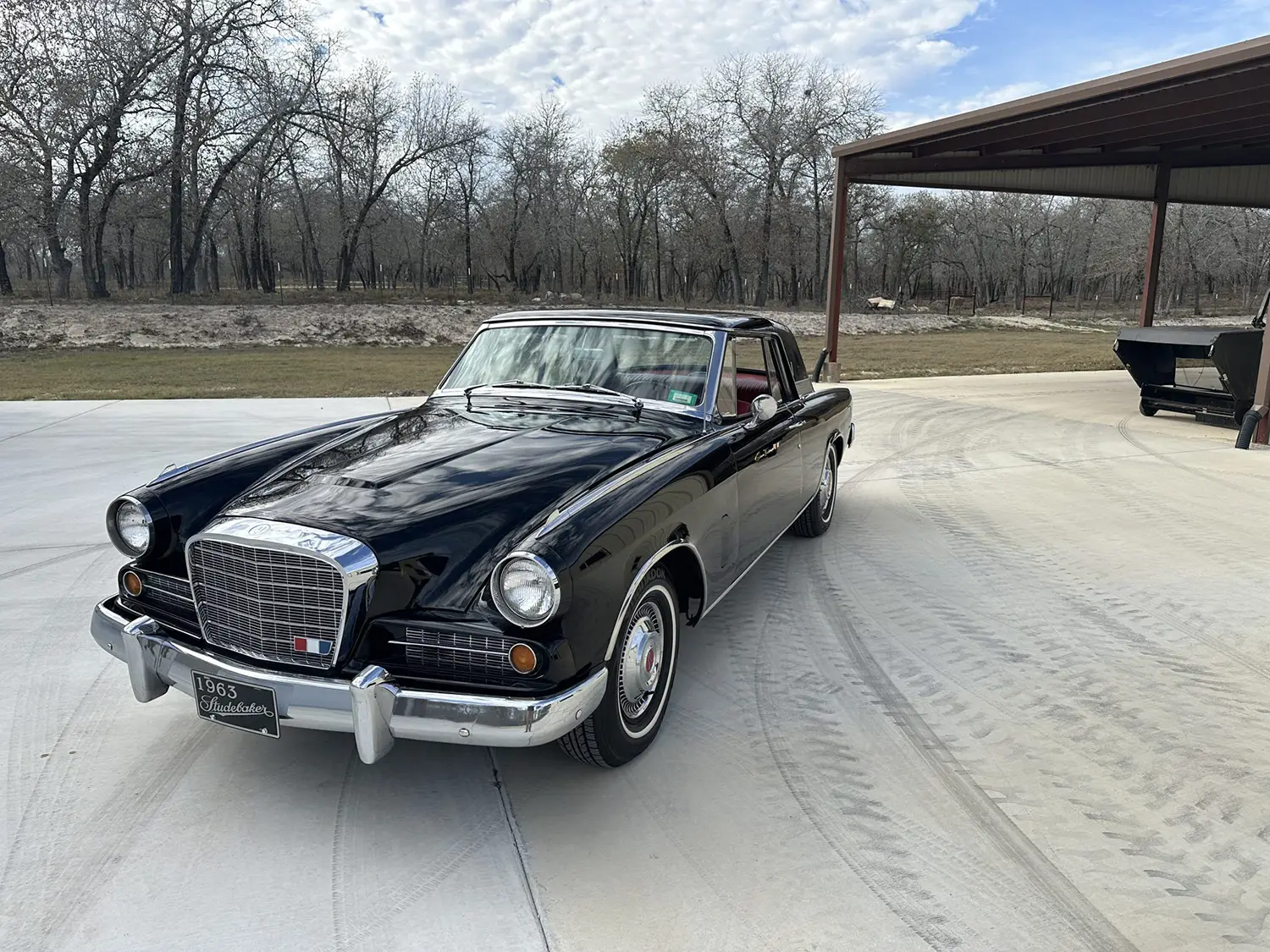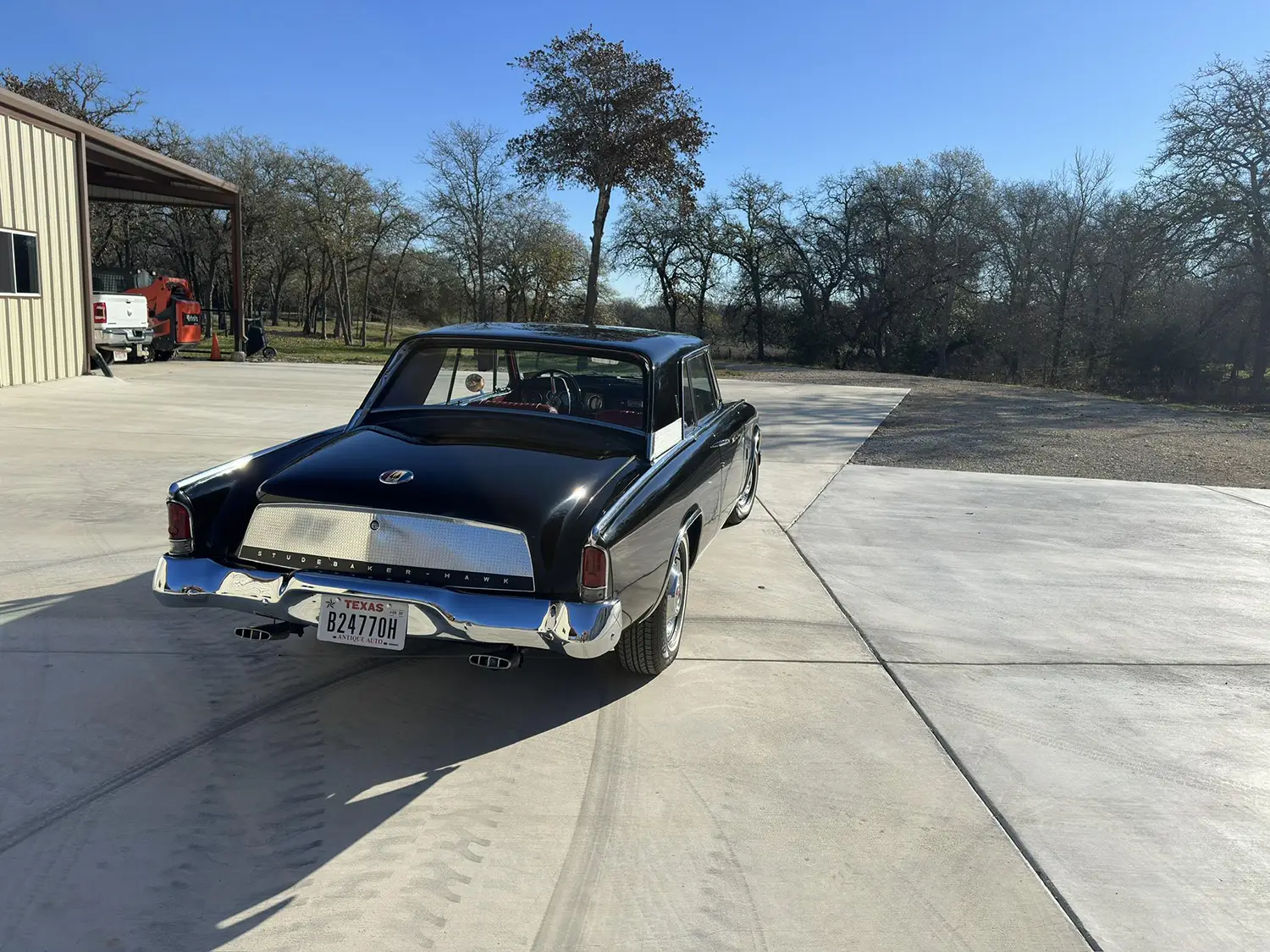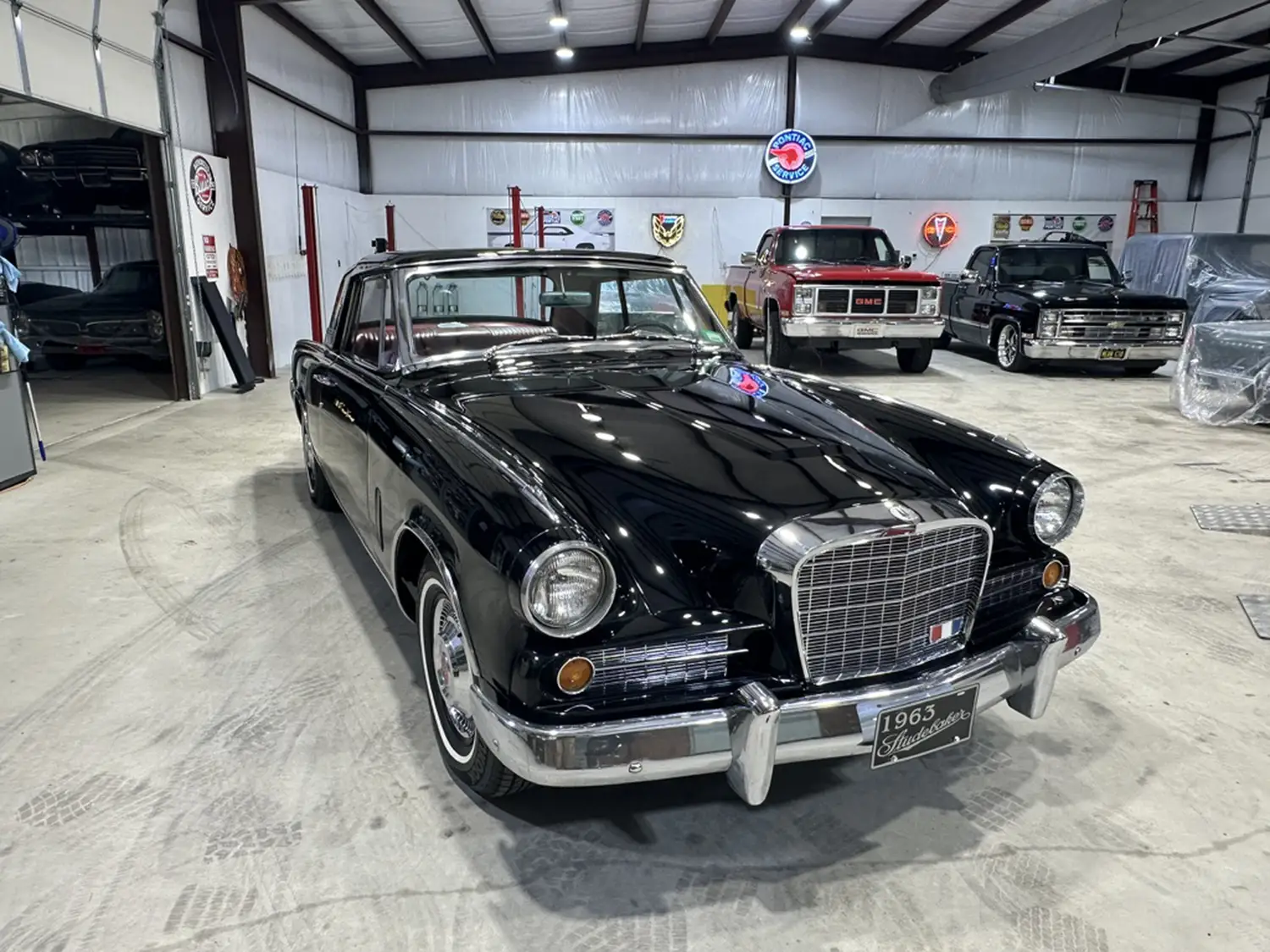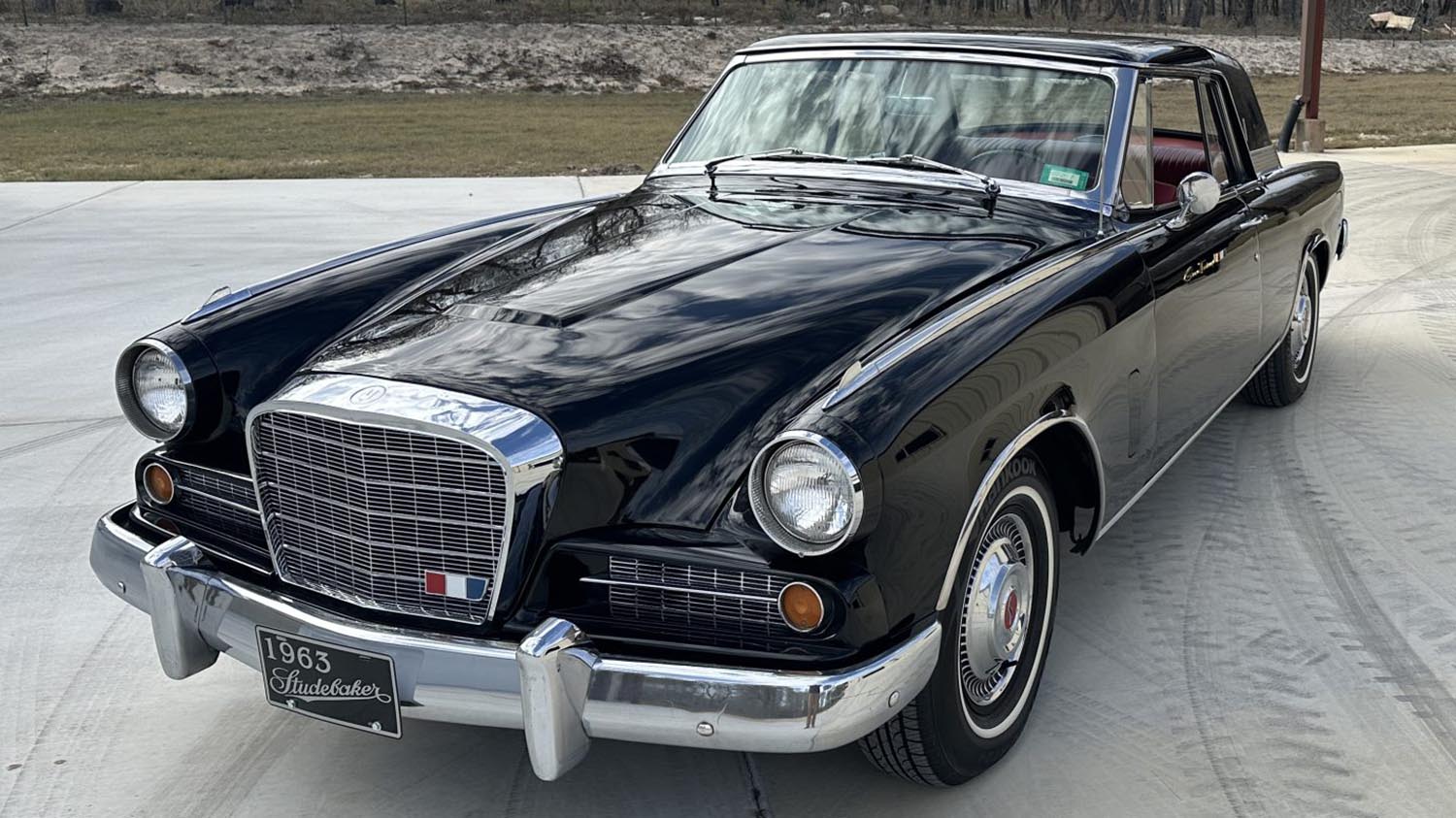
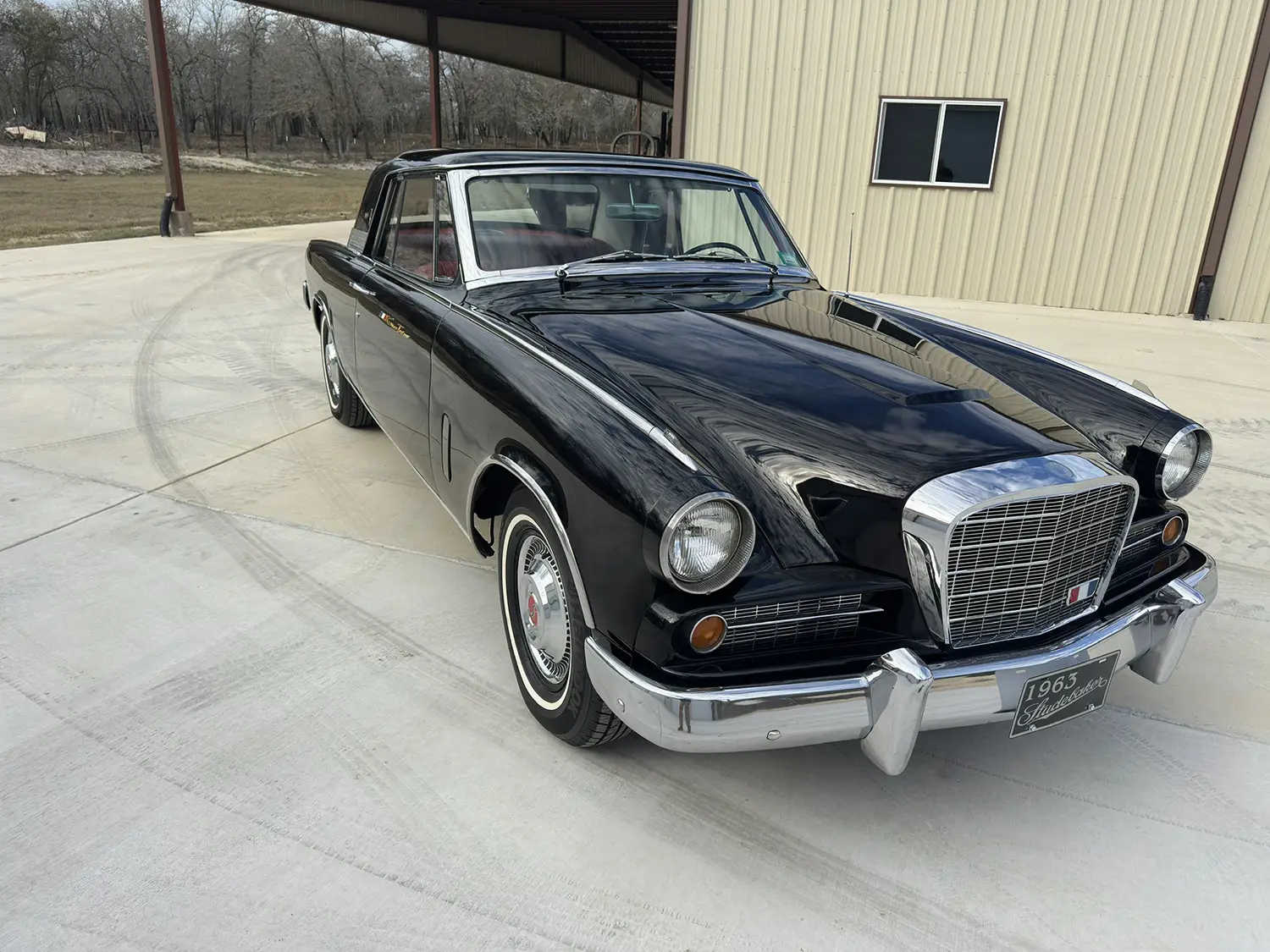
The 1963 Studebaker Gran Turismo Hawk is one of the most sophisticated American coupes of its time, offering a European-inspired silhouette with heavy Indiana muscle. This specific example carries a captivating origin story, having debuted as a display vehicle at the April 1963 New York Auto Show. A resident of Queens was so struck by its Velvet Black finish that she insisted on purchasing the very car on the stand. It remained in her care for nearly thirty years, preserving a legacy that now includes extensive documentation from the Studebaker National Museum. Power comes from the coveted R2 supercharged V-8, a mechanical masterpiece that placed Studebaker at the forefront of the sixties performance race. Today, it stands as a well-documented artifact of a bold independent automaker fighting against the Detroit giants.
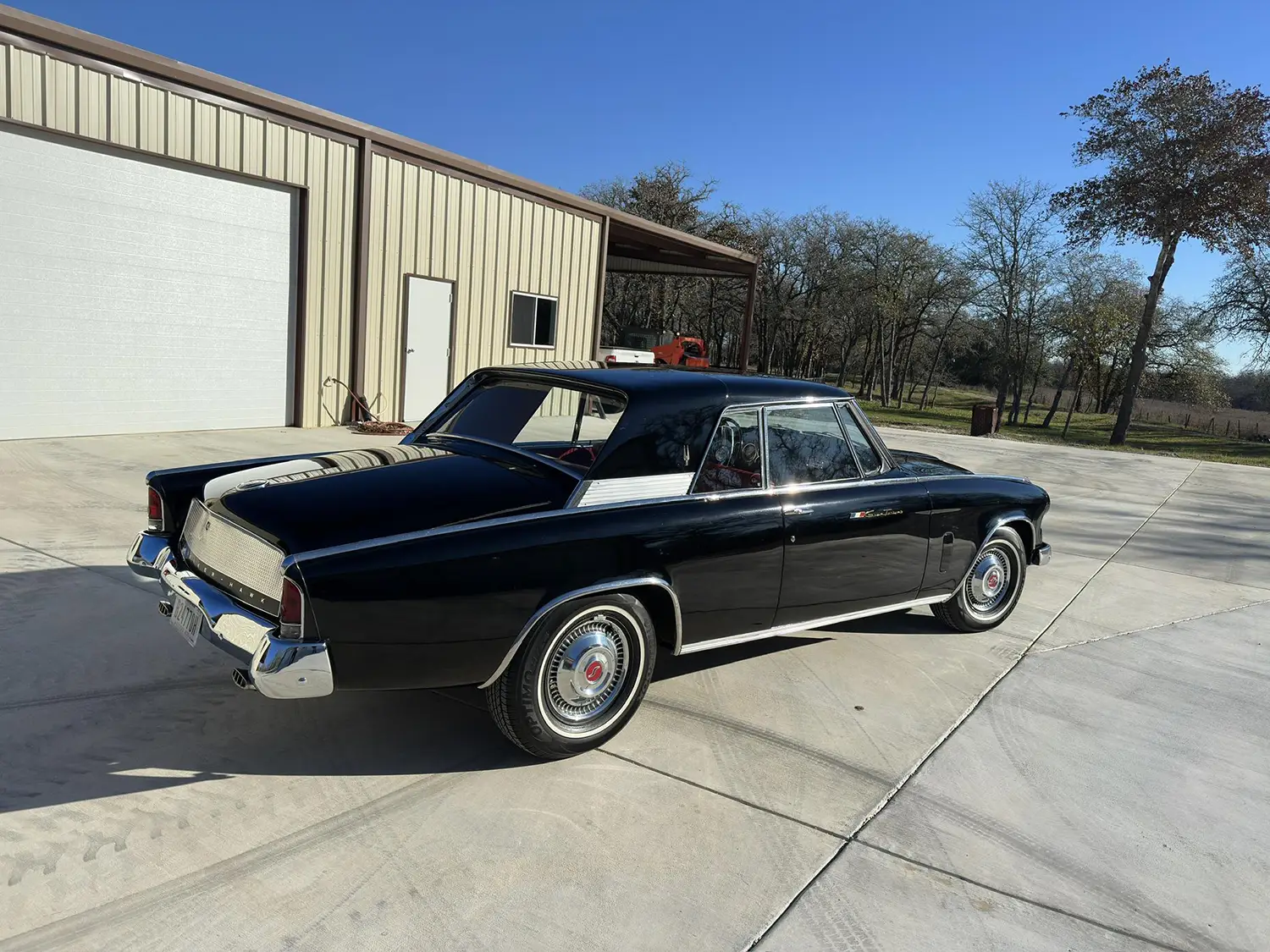
Design Heritage and Brooks Stevens Styling
The lines of the 1963 Studebaker Gran Turismo Hawk are the work of legendary designer Brooks Stevens, who masterfully updated the aging Hawk platform. Stevens introduced the crisp, formal roofline and the elegant mesh grille that gave the car a contemporary, high-end presence. This example features spearhead fender ornaments and bright trim that contrast beautifully against the dark Velvet Black paintwork. While the seller notes minor scratches and pitting consistent with its age, the overall aesthetic remains remarkably dignified and sharp. Chrome bumpers with front overriders frame the body, emphasizing the car’s status as Studebaker’s most expensive offering alongside the Avanti. It represents a final, high-water mark for the brand’s luxury GT segment. Pop-open fender vents add a functional, aerodynamic touch to this sleek mid-century silhouette.
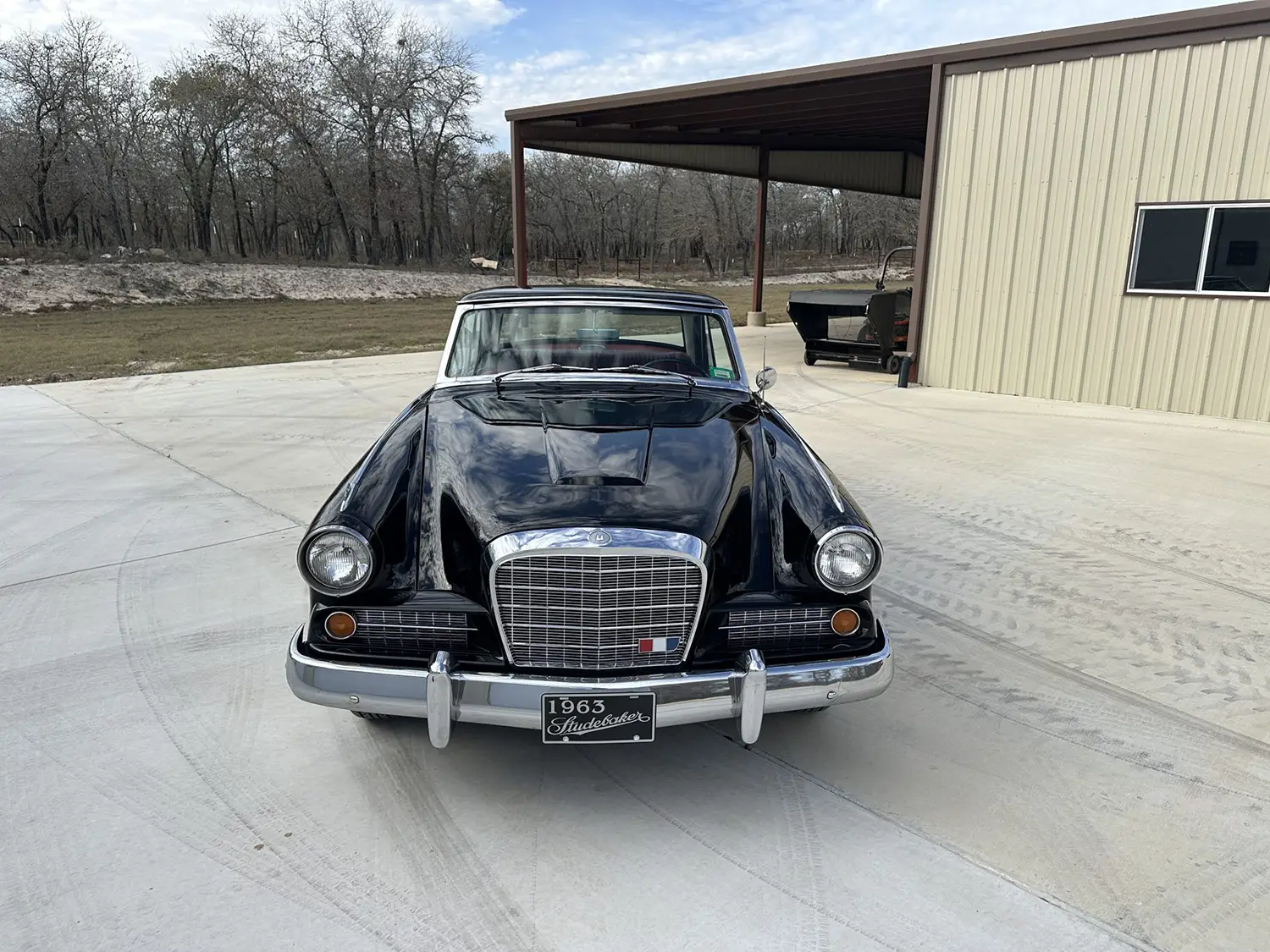
Chassis Dynamics and Mechanical Refinement
Under the body, the 1963 Studebaker Gran Turismo Hawk utilized a refined chassis designed to offer a balanced and confident driving experience. Factory equipment included a front anti-sway bar and telescopic shock absorbers to manage body roll during spirited cornering. For modern road conditions, this car is equipped with power steering and power-assisted front disc brakes for superior stopping capability. The black-painted 15-inch steel wheels wear finned covers and are mounted with classic Hankook whitewall tires. Furthermore, the drivetrain features a Twin-Traction limited-slip differential to ensure power reaches the ground effectively. This combination of hardware allowed the Hawk to compete with contemporary luxury sport coupes on both comfort and agility. It remains a surprisingly capable cruiser that rewards driver engagement.
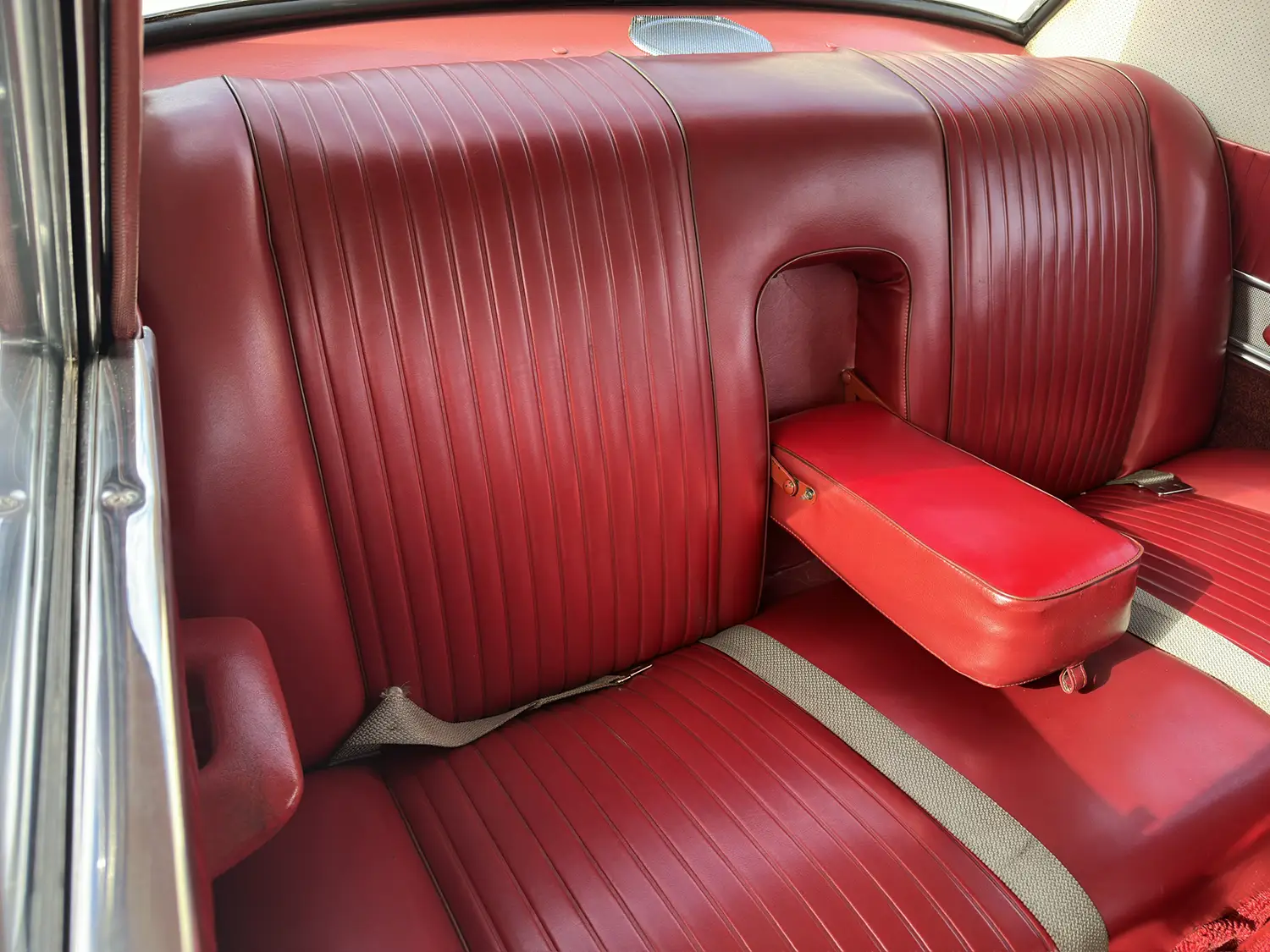
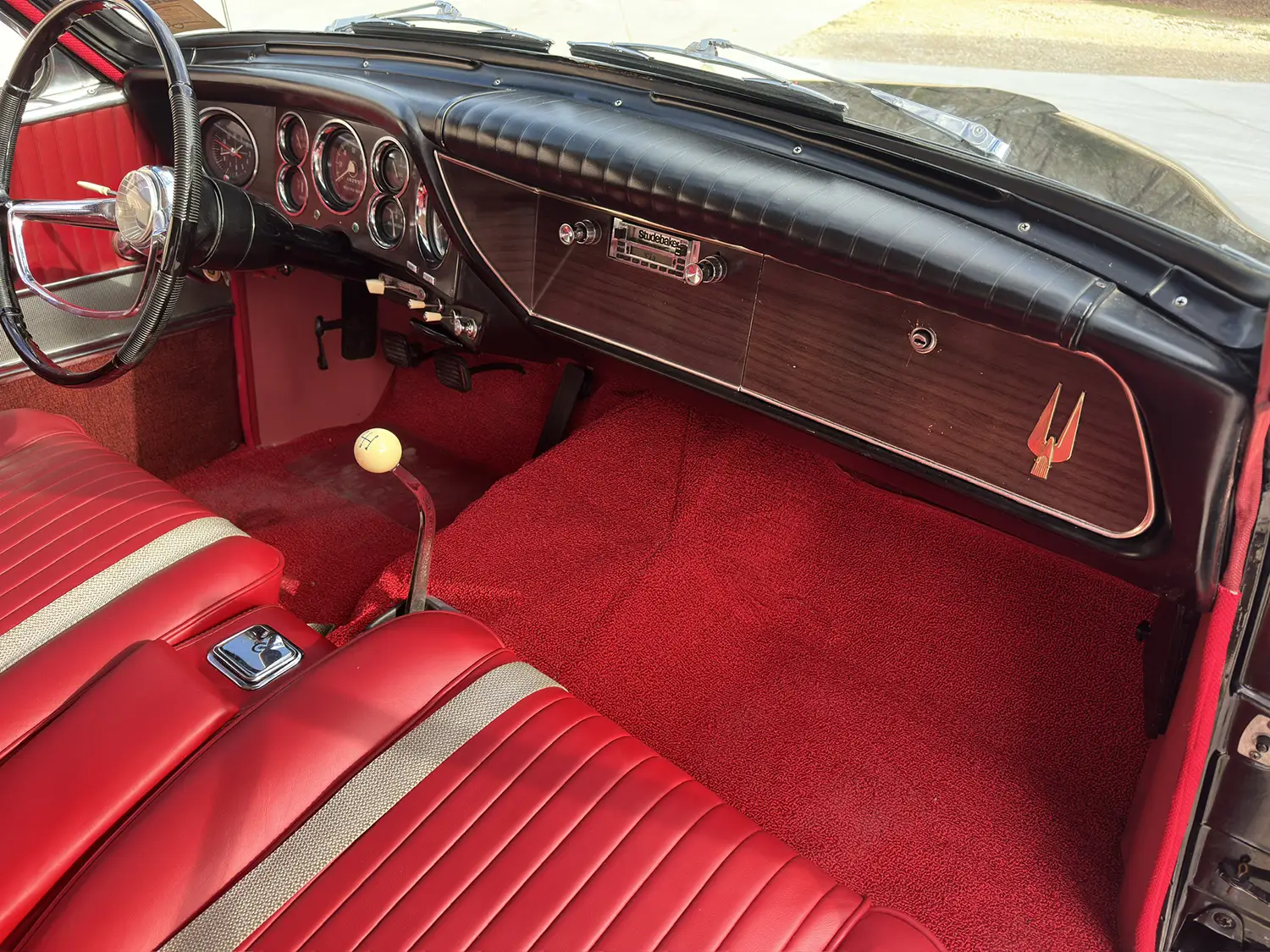
Red Leather Interior and Cockpit Details
The cabin provides a bold contrast to the exterior, featuring front bucket seats that have been expertly redone in vibrant red leather. To enhance the interior’s longevity, the carpeting was also replaced during a previous ownership period in Brooklyn. Woodgrain trim accents the dashboard, which houses a 120-mph speedometer and a 6k-rpm tachometer for the performance-minded driver. A Hurst shifter stands prominently between the seats, providing a tactile and precise interface for the four-speed manual transmission. For entertainment, the car now features an aftermarket Studebaker-branded digital cassette stereo for a more modern listening experience. Center armrests and padded sun visors ensure that long-distance travel remains a comfortable affair. It is a space that perfectly reflects the grand touring intentions of the original designers.
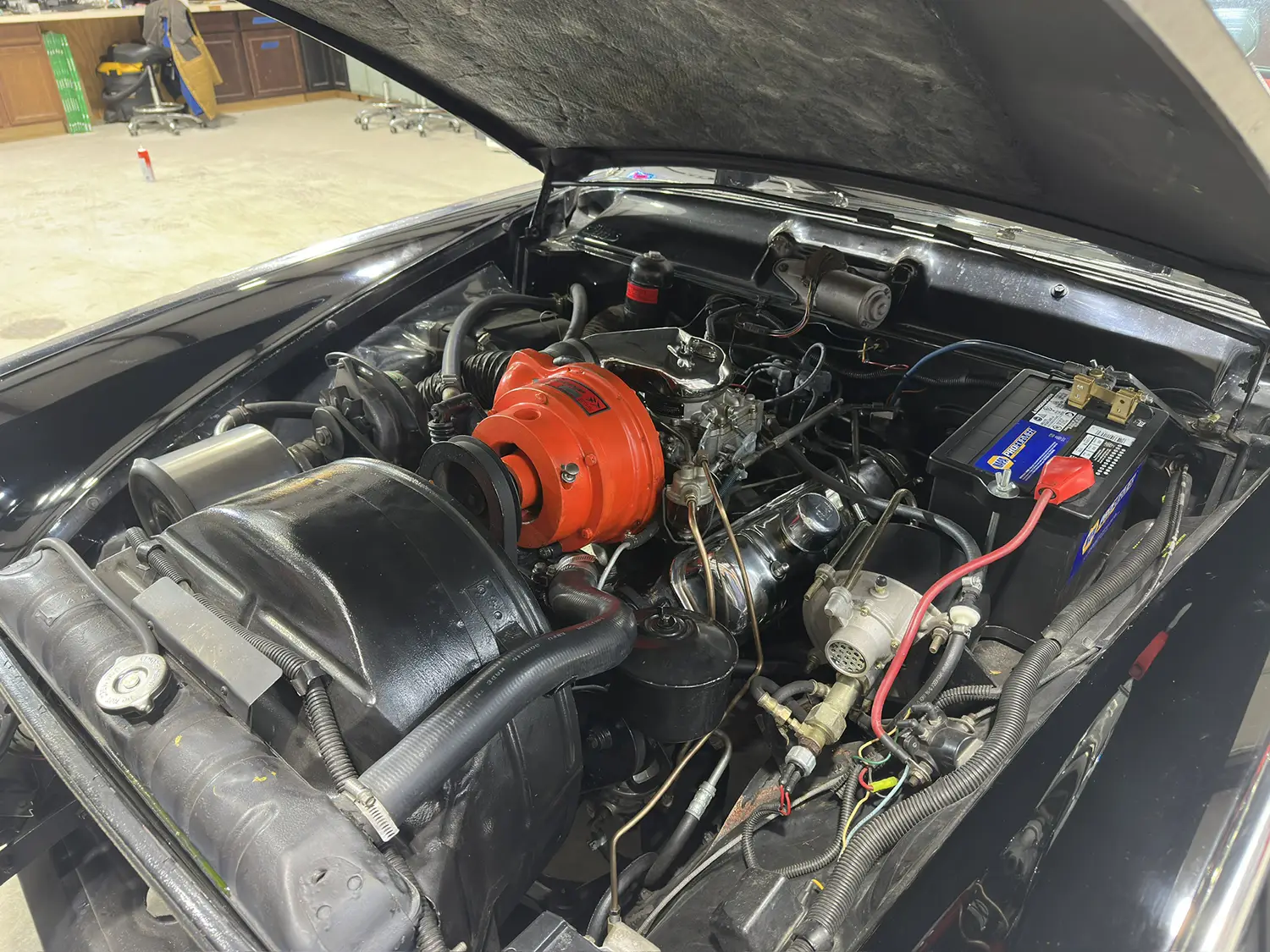
Power Engine Specs and Performance
Performance is anchored by the Jet Thrust 289ci R2 V-8 engine, which was a rare and expensive option in 1963. This engine features a Paxton supercharger that was factory rated at an impressive 290 horsepower, a high figure for the early sixties. The supercharger unit was professionally rebuilt and resealed in 2014 to ensure consistent boost and mechanical reliability. Power is sent to the rear wheels via a four-speed manual transmission, which includes the famous Studebaker Hill Holder feature. This system prevents the car from rolling backward on inclines, a clever piece of engineering for a manual-shift vehicle. Only 278 Hawks were produced with this specific R2 powertrain, making it a highly sought-after configuration for serious Mopar and Studebaker collectors. It delivers a visceral, supercharged whine that defines the car’s aggressive personality.
Summary of the GT Hawk Auction
This 1963 Studebaker Gran Turismo Hawk is a definitive collector piece that combines rare mechanical specs with an airtight provenance. Since it was purchased directly from a major auto show, it possesses a “show-car” heritage that few other survivors can claim. The extensive service records dating back to 1992 and original sales paperwork offer a level of transparency that is rare in the vintage market. With its R2 engine and four-speed gearbox, it is the most desirable mechanical version of the Stevens-styled Hawk. The Velvet Black over red color scheme remains one of the most striking combinations ever offered by the factory. It is a turn-key classic that is equally ready for local concours events or cross-country rallies. This Studebaker is a rare opportunity to own a piece of New York automotive history.
Disclaimer: Content on this site is for informational and entertainment purposes only. Details, analyses, and opinions reflect current trends and personal views, not professional or financial advice. Always verify information with official sources before making any decisions.
Source: bringatrailer.com