The 1963 Oldsmobile Jetfire remains a significant landmark in American automotive history, representing one of the industry’s first serious ventures into factory turbocharging. Originally introduced as a high-performance derivative of the compact F-85 lineup, the Jetfire was designed to challenge the performance norms of the early sixties. For the 1963 model year, the vehicle received a substantial facelift that included fresh sheet metal below the beltline and a four-inch increase in overall length. This engineering experiment was a daring attempt to provide small-displacement efficiency with big-block power. Today, it is remembered as a sophisticated precursor to the turbocharged era that would eventually dominate the global automotive market decades later.
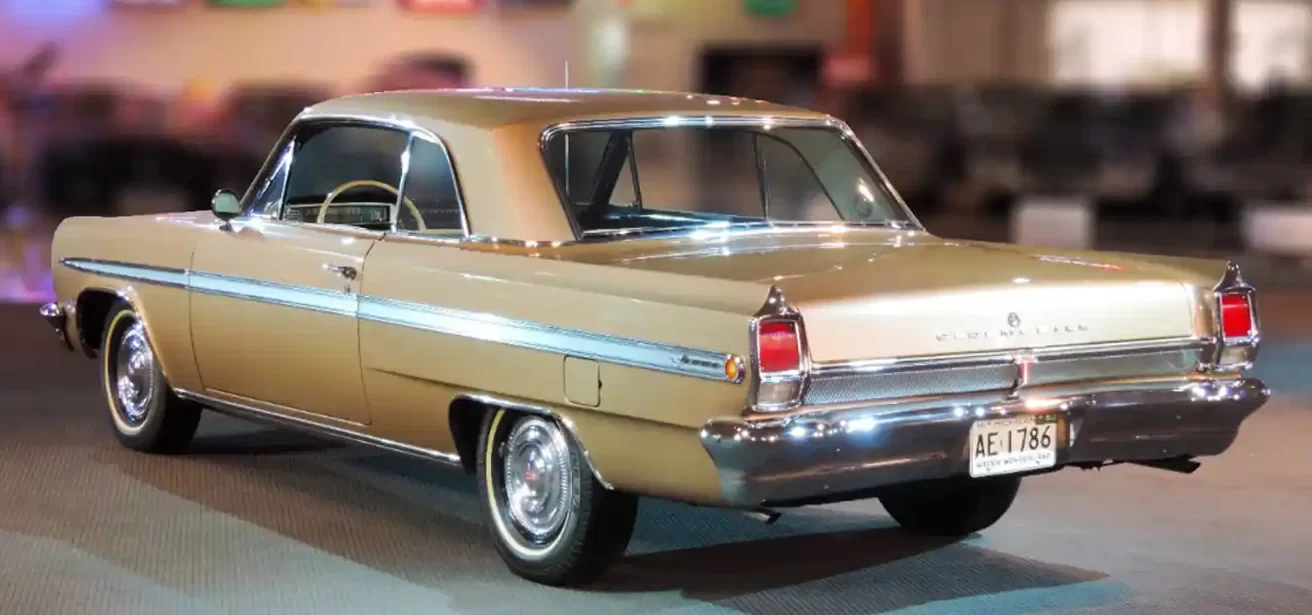
Facelifted F-85 Silhouette and Sporty Hardtop Styling
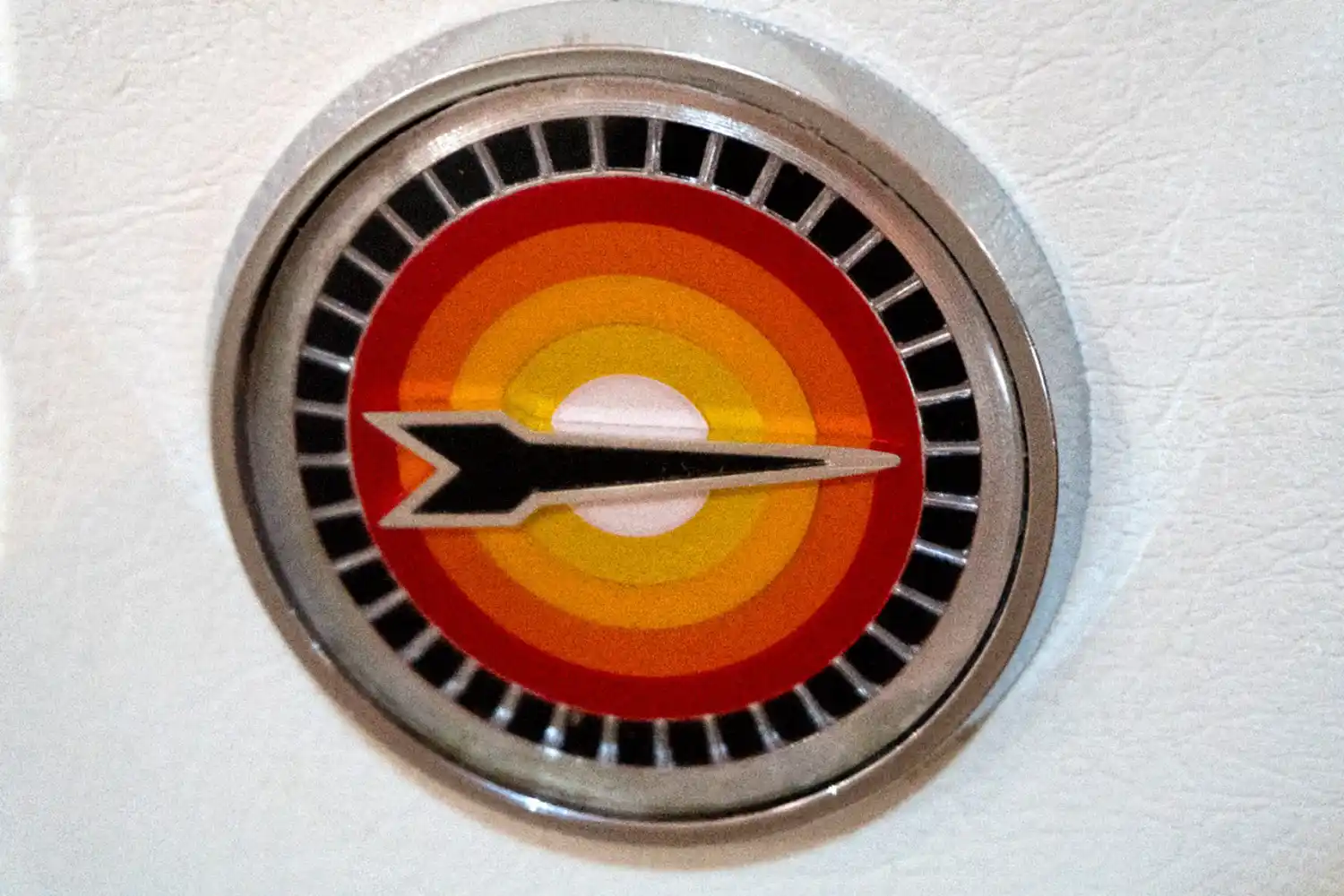
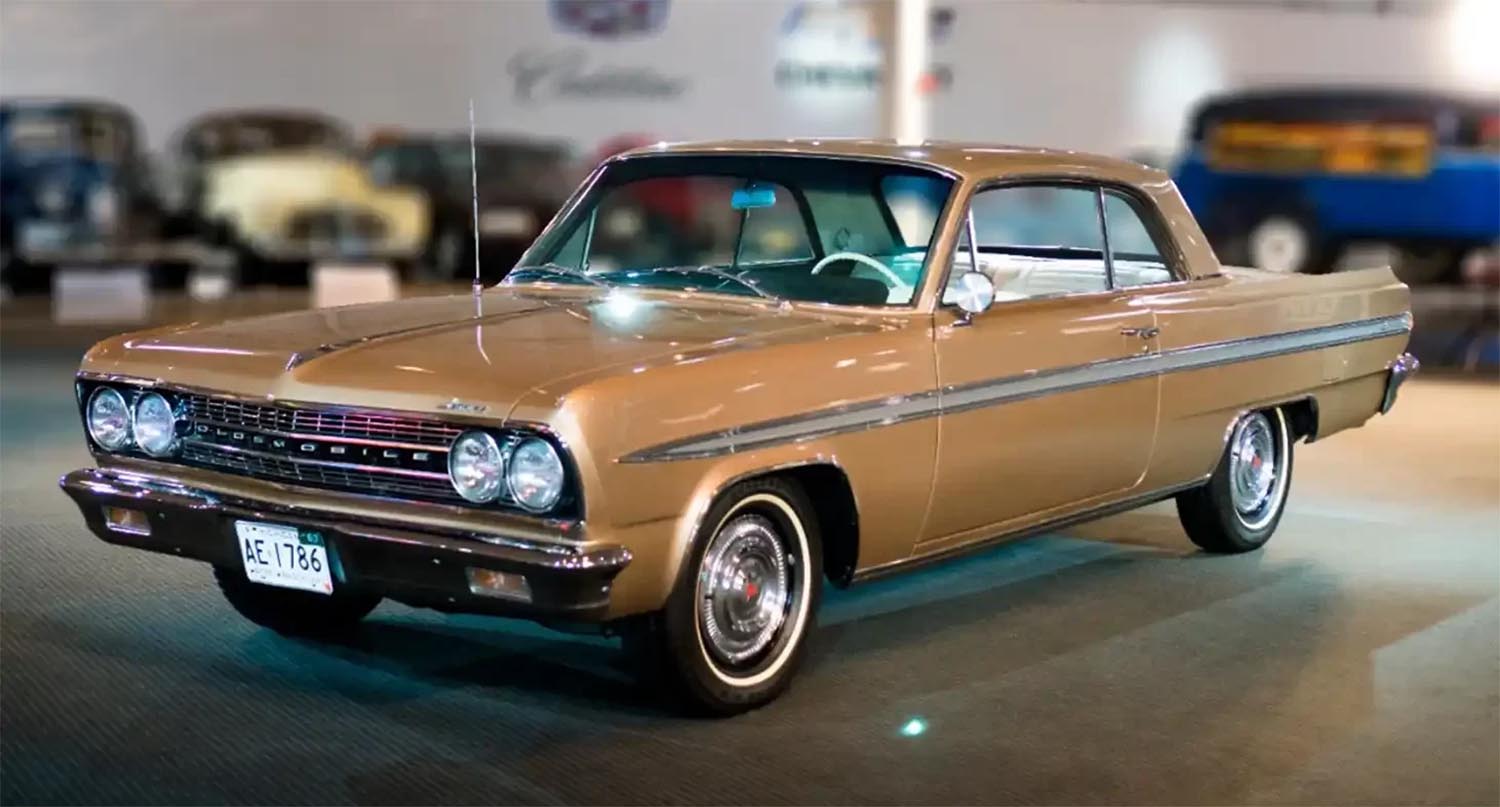
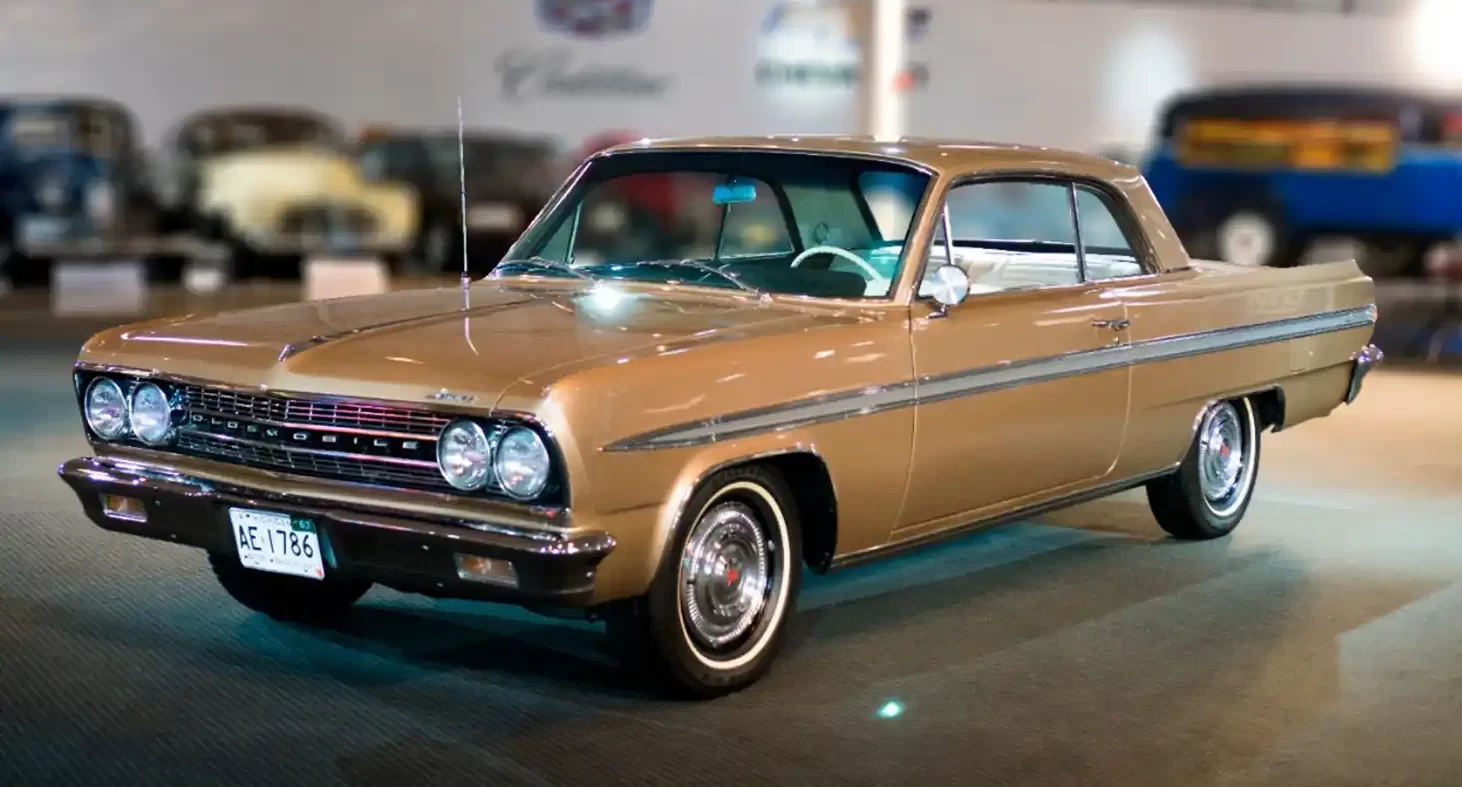
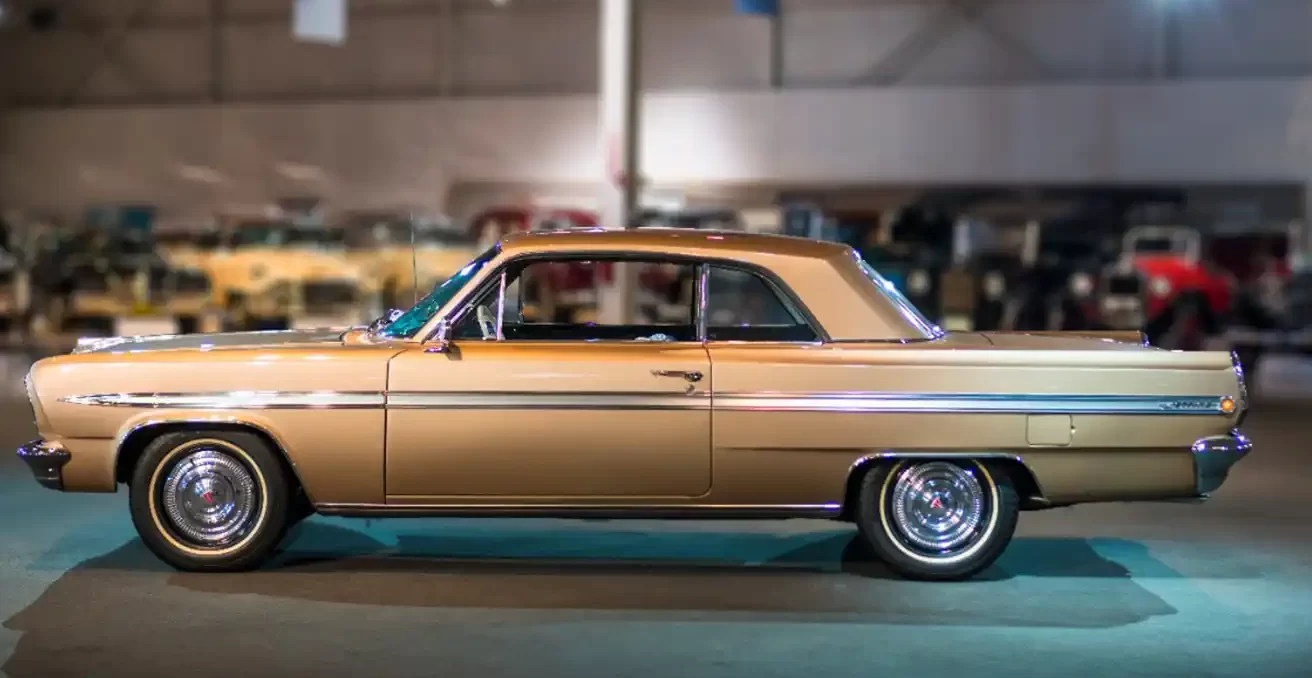
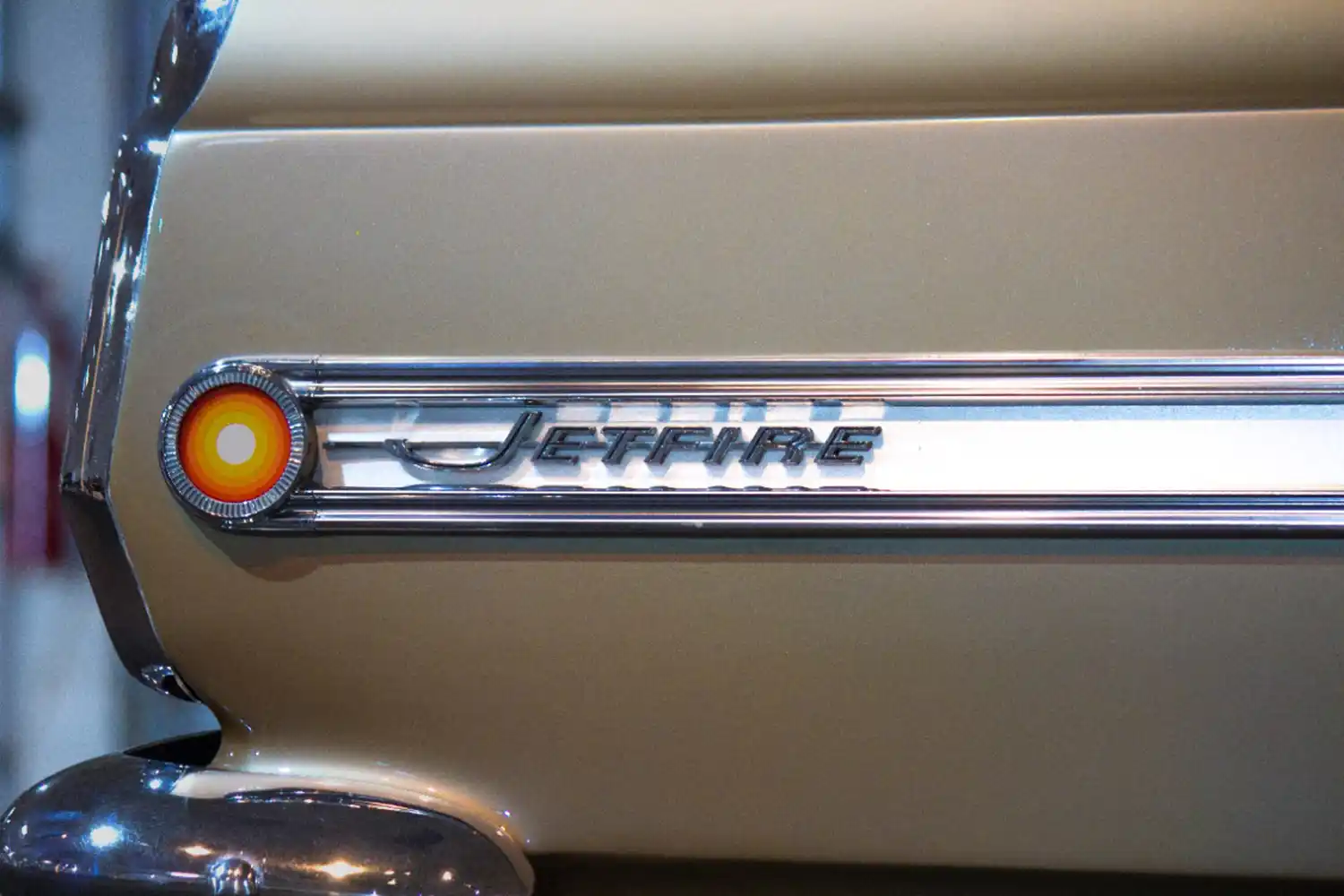
The exterior of the 1963 Oldsmobile Jetfire is characterized by its clean, pillarless two-door hardtop coupe silhouette, which exuded a sense of sporty elegance. Its 1963 facelift distinguished it from earlier models through more refined body lines and a revised front fascia that aligned with Oldsmobile’s broader styling language. Distinctive rear taillights and strategically placed chrome accents emphasized its position as a premium performance model within the compact segment. The increased length provided a more substantial road presence while maintaining the nimble proportions required for a sporty driving experience. Functional trim and unique Jetfire badging served as subtle hints to the revolutionary technology hidden beneath its sculpted hood.
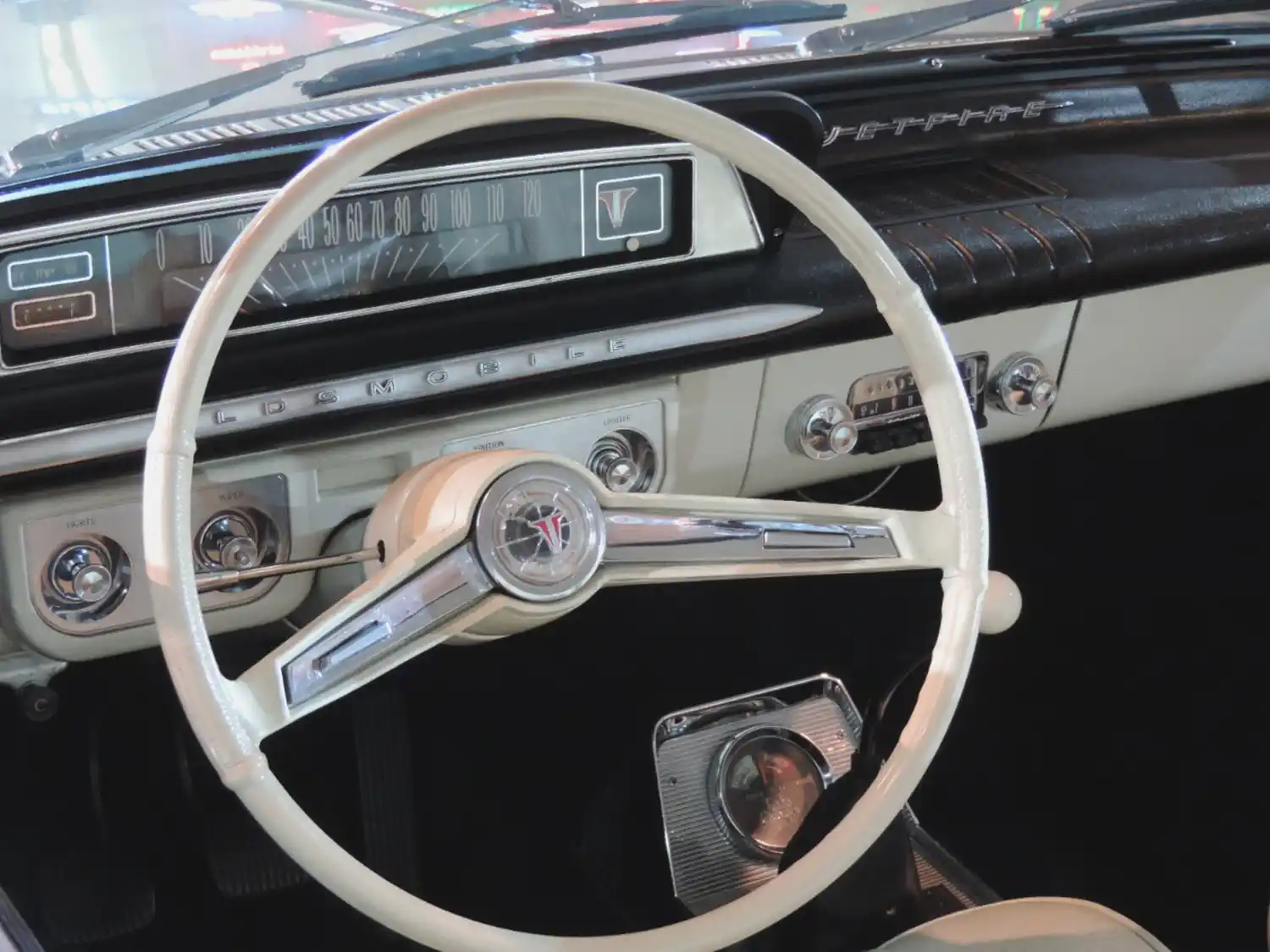
Aluminum Accents and Performance Oriented Cockpit
Inside the Jetfire, the cabin focused on a premium yet functional environment that mirrored the car’s advanced mechanical nature. High-quality materials and metallic trim pieces were used throughout to create a cockpit that felt more sophisticated than the standard F-85 siblings. The interior layout prioritized driver engagement, often featuring bucket seats and a center console that housed the necessary gauges to monitor the unique turbocharged system. While the cabin remained comfortable for passengers, the emphasis was clearly on the pilot’s experience. This dedication to a performance-oriented interior helped justify the Jetfire’s premium price point and solidified its status as a technological flagship for the Oldsmobile brand.
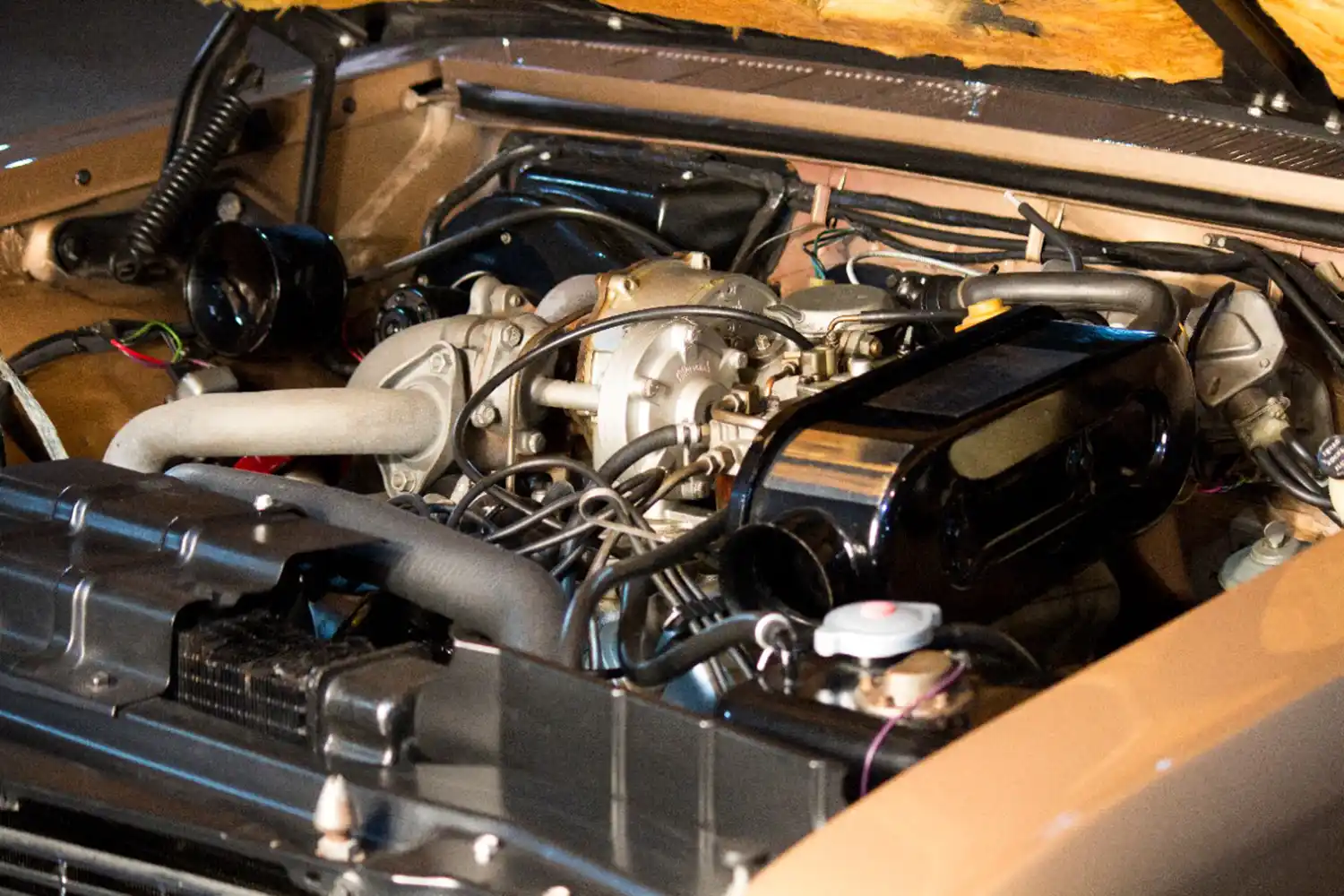
The Revolutionary Turbo-Rocket V-8 Engine
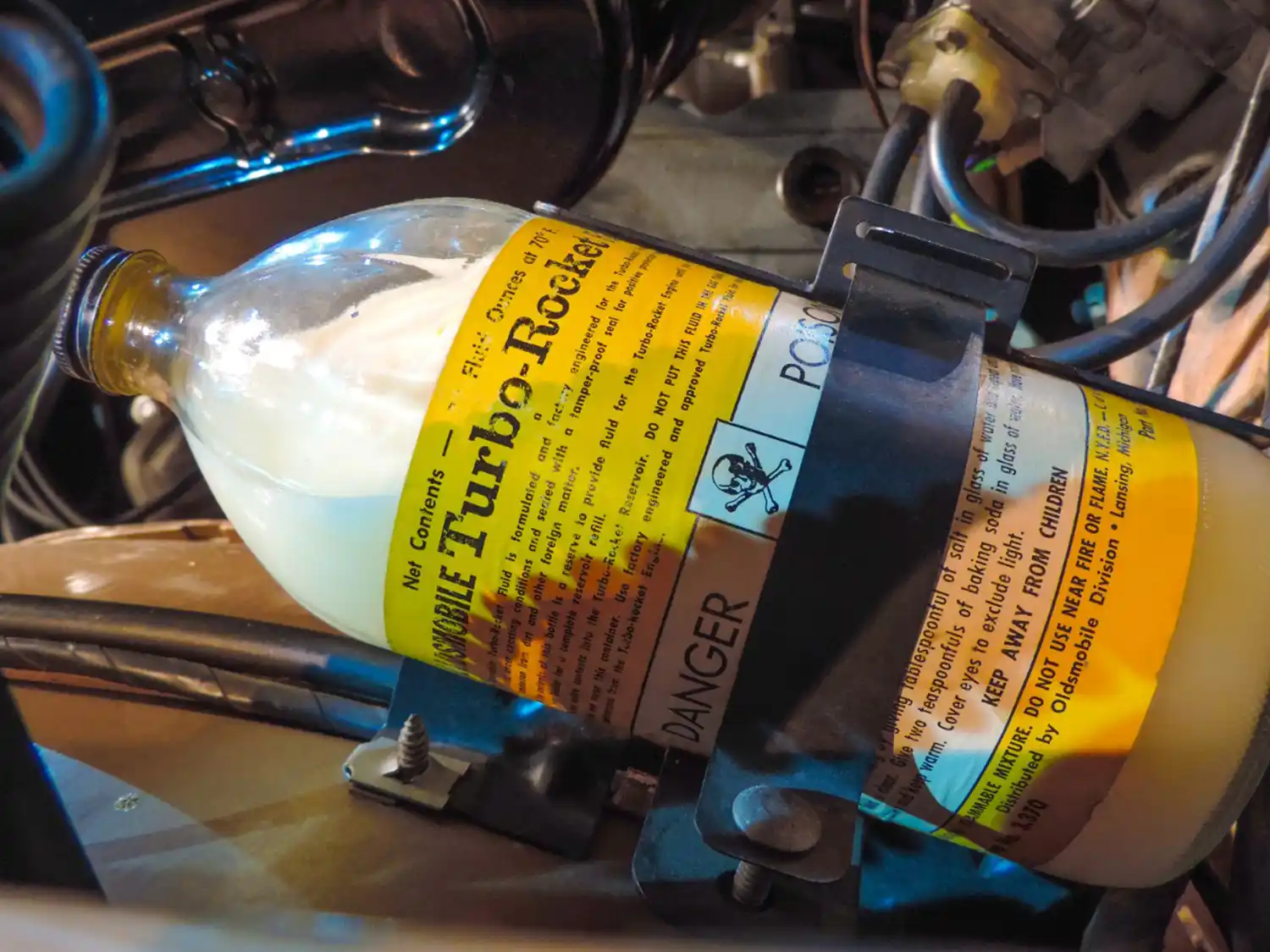
The heart of the Jetfire was its innovative 215 cubic inch “Turbo-Rocket” V-8 engine, which utilized an all-aluminum block for significant weight savings. This engine was force-fed by a Garrett AiResearch turbocharger, allowing the small-displacement mill to achieve a remarkable 215 hp (218 PS) and a factory benchmark of 300 lb-ft (407 Nm) of torque in a single sentence of power. A unique aspect of this system was the requirement for “Turbo-Rocket Fluid,” a mixture of water and methyl alcohol used to prevent detonation under boost. This setup allowed the Jetfire to reach the elusive goal of one horsepower per cubic inch, providing a surge of acceleration that set it apart from its naturally aspirated competitors.
Technical Specifications
| Technical Specifications | |
|---|---|
| Engine Displacement | 215 Cubic Inch V-8 |
| Induction Type | Garrett AiResearch Turbocharger |
| Engine Block Material | Aluminum |
| Horsepower Output | 215 hp (218 PS) |
| Torque Output | 300 lb-ft (407 Nm) |
| Total Production (1962-1963) | 9,607 Units |
| Body Style | Two-Door Hardtop Coupe |
| Coolant System | Turbo-Rocket Fluid Injection |
A Rare Collector Gem in the Compact Segment
The 1963 Oldsmobile Jetfire is a highly sought-after rarity due to its limited two-year production run and its status as a technological pioneer. It competes for attention with other early performance compacts like the Chevrolet Corvair Monza Spyder, which also experimented with turbocharging during the same period. The Jetfire’s unique selling point is its sophisticated aluminum V-8, an engine architecture that was so advanced it was later sold to Rover and used for decades in British off-roaders. Because many original owners replaced the complex turbo systems with standard carburetors, finding a factory-correct, functioning Jetfire today represents the ultimate prize for serious Oldsmobile enthusiasts.
Celebrating a Milestone of American Innovation
The 1963 Oldsmobile Jetfire was a car ahead of its time, pushing the boundaries of what was possible in a production vehicle. Although its complexity and the maintenance requirements of the Turbo-Rocket system led to a short lifespan, its impact on automotive engineering is undeniable. It proved that turbocharging could effectively bridge the gap between compact dimensions and big-block performance. As a symbol of Oldsmobile’s mid-century engineering prowess, it remains a cherished example of American ingenuity. For those who appreciate the “what-if” moments of automotive history, the Jetfire stands as a brilliant, albeit brief, flash of brilliance that paved the way for the turbocharged world we live in today.
Disclaimer: Specifications and production numbers are based on historical records. Actual figures may vary. Consult automotive historical resources for precise information.