The 1963 Dodge 330 Max Wedge Lightweight represents one of the most focused factory drag machines of its era, engineered with a singular goal: domination on the strip. As the third of just nine units built, this example stands as a rare survivor of Dodge’s early 1960s performance escalation, now set to cross the block at Indy 2026.
Purpose-Built Form with Aluminum Intent
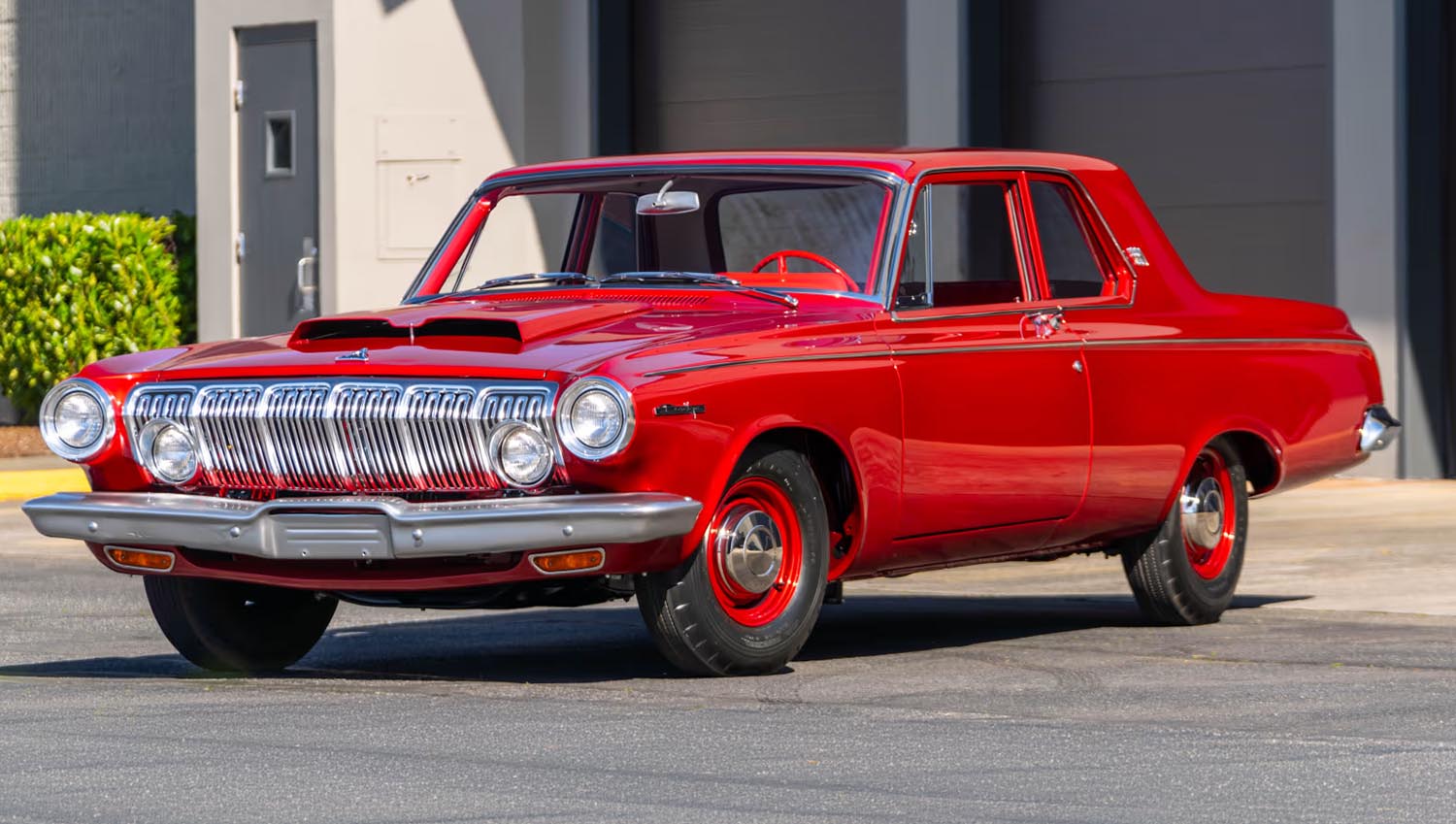
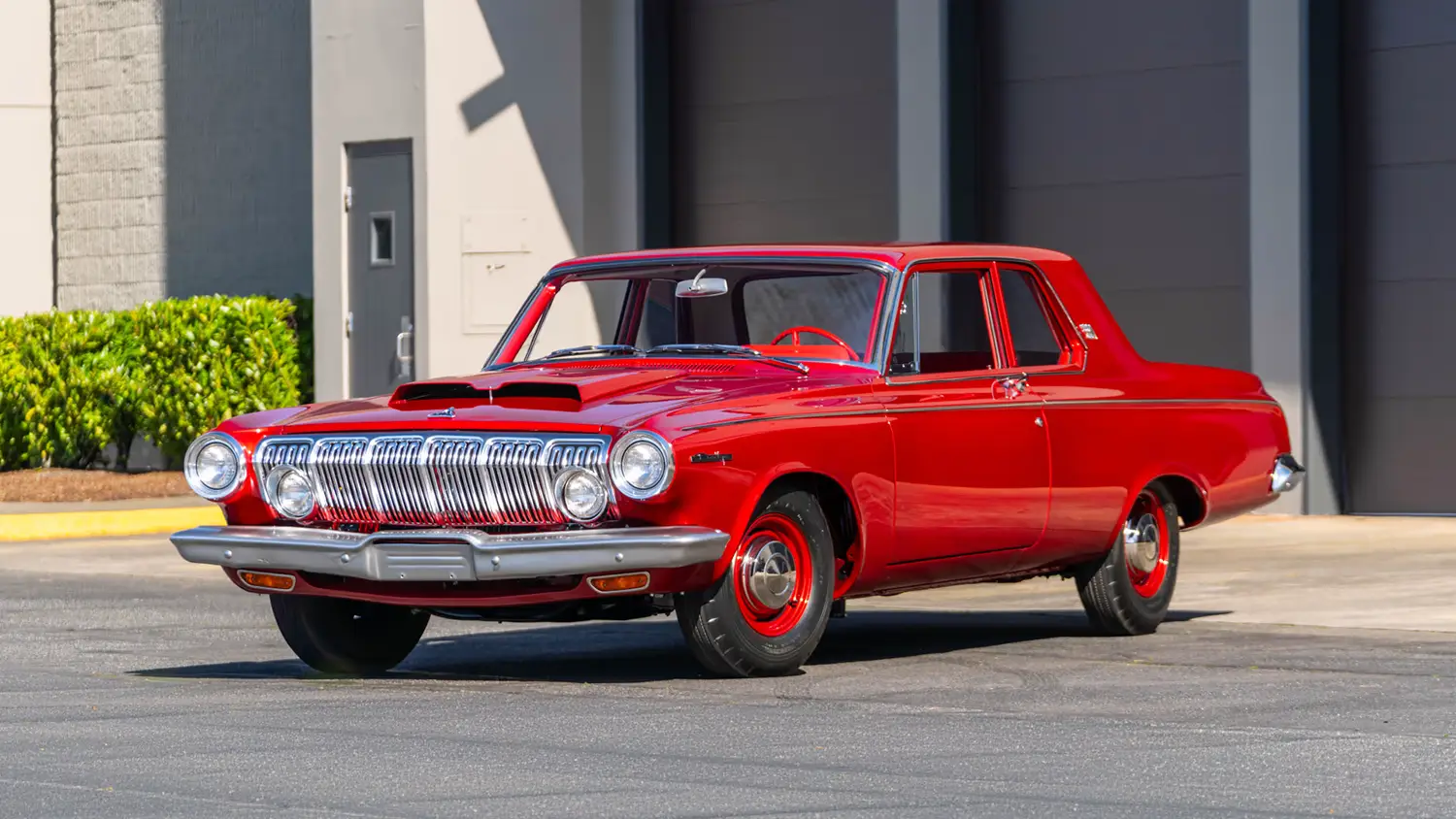
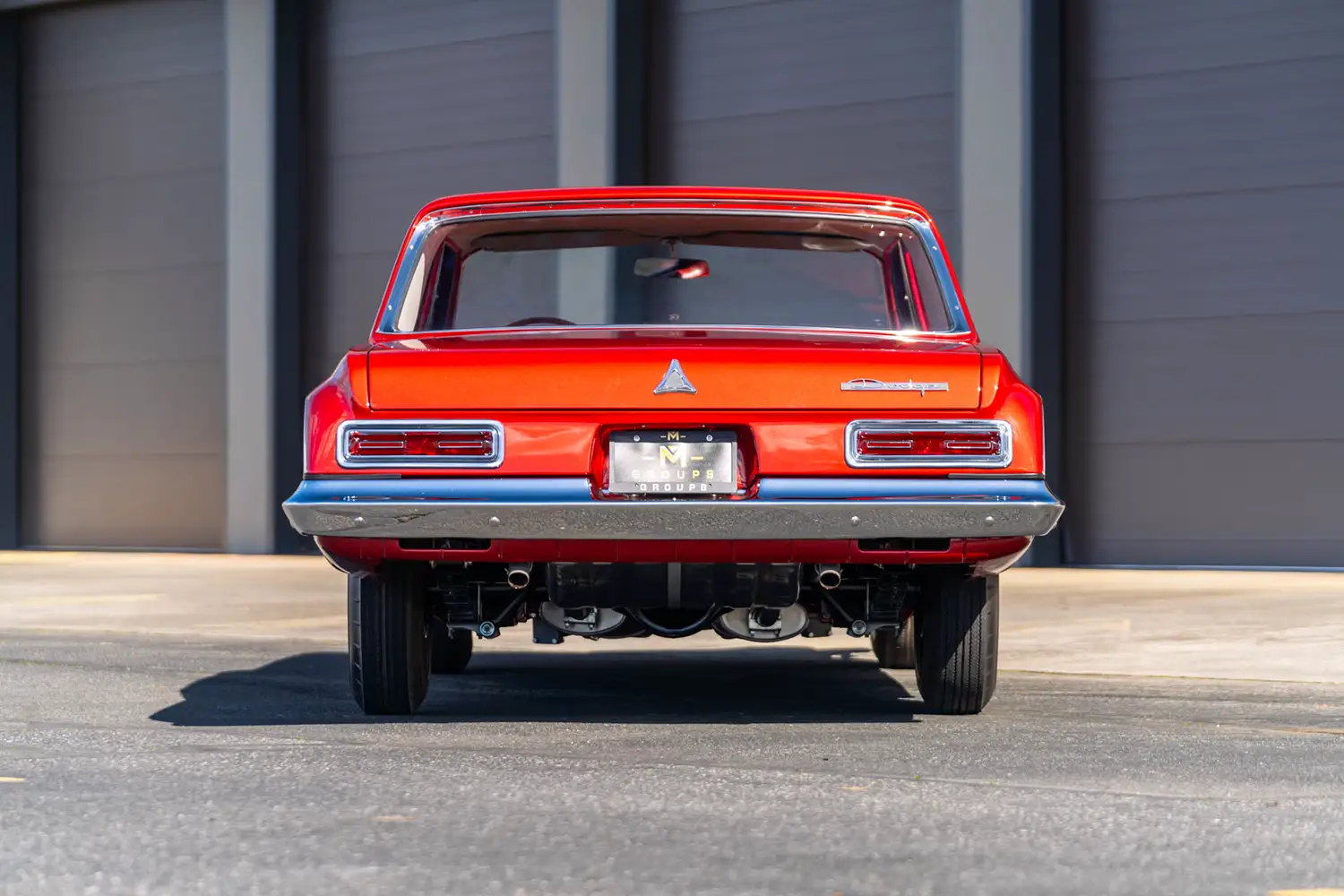
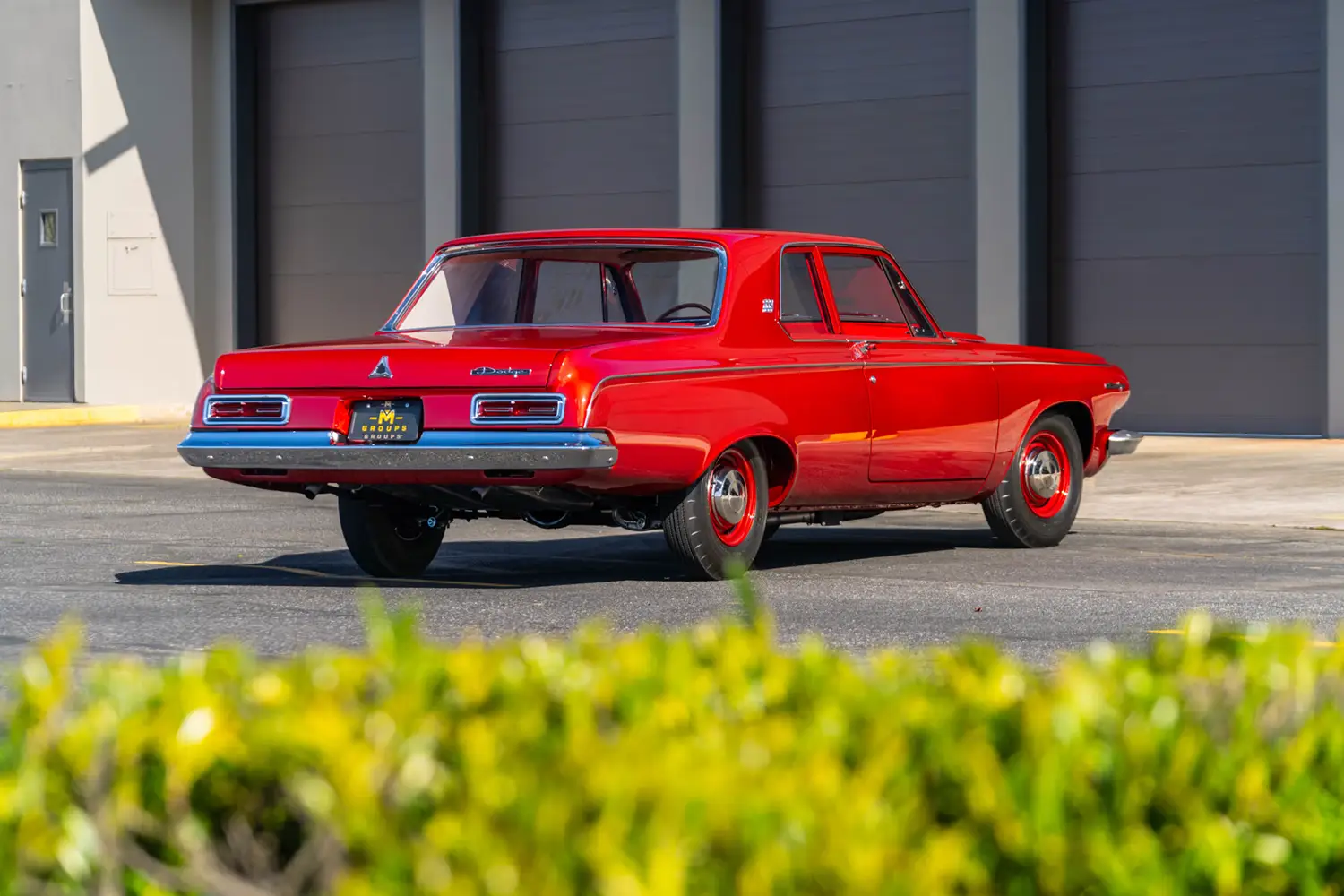
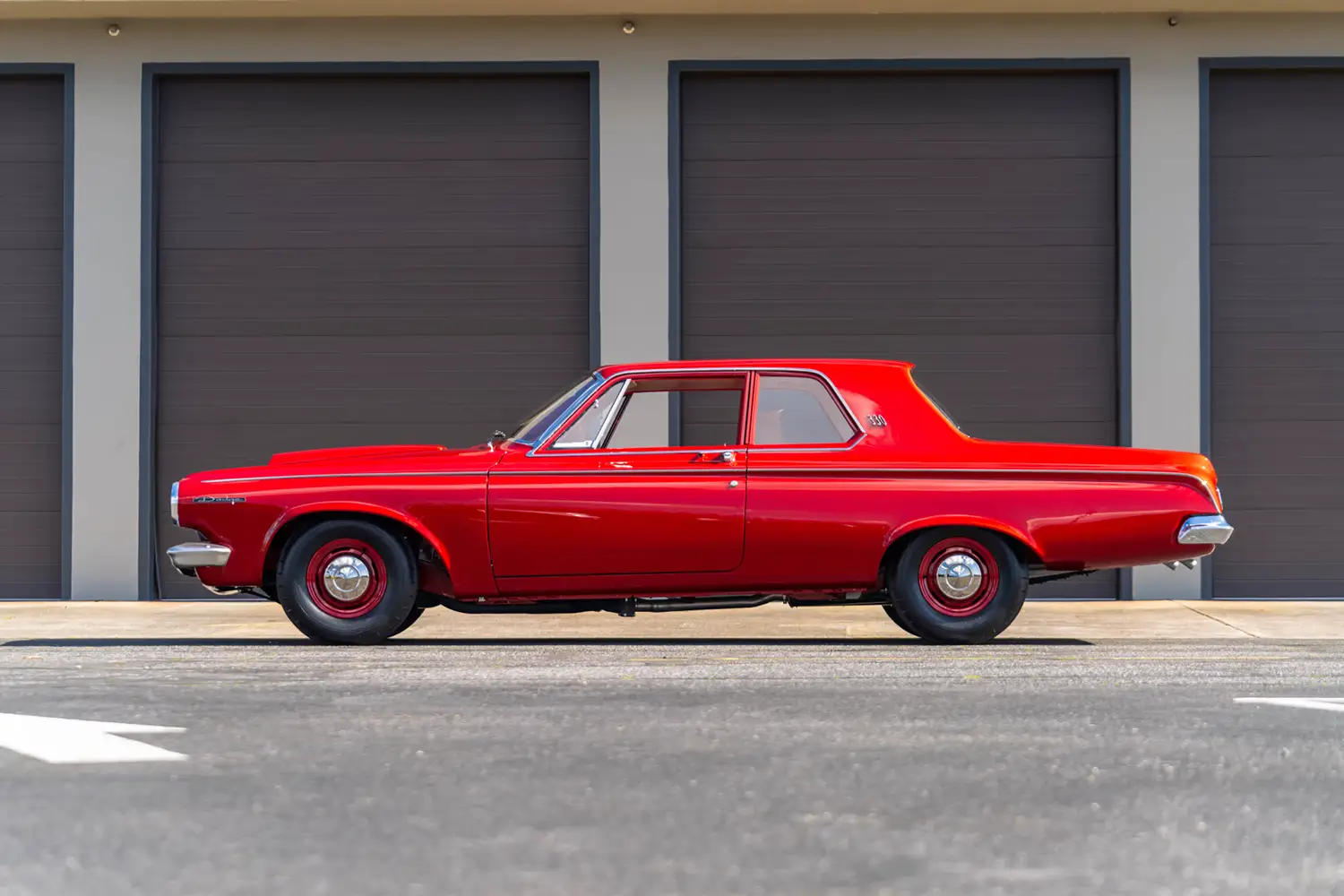
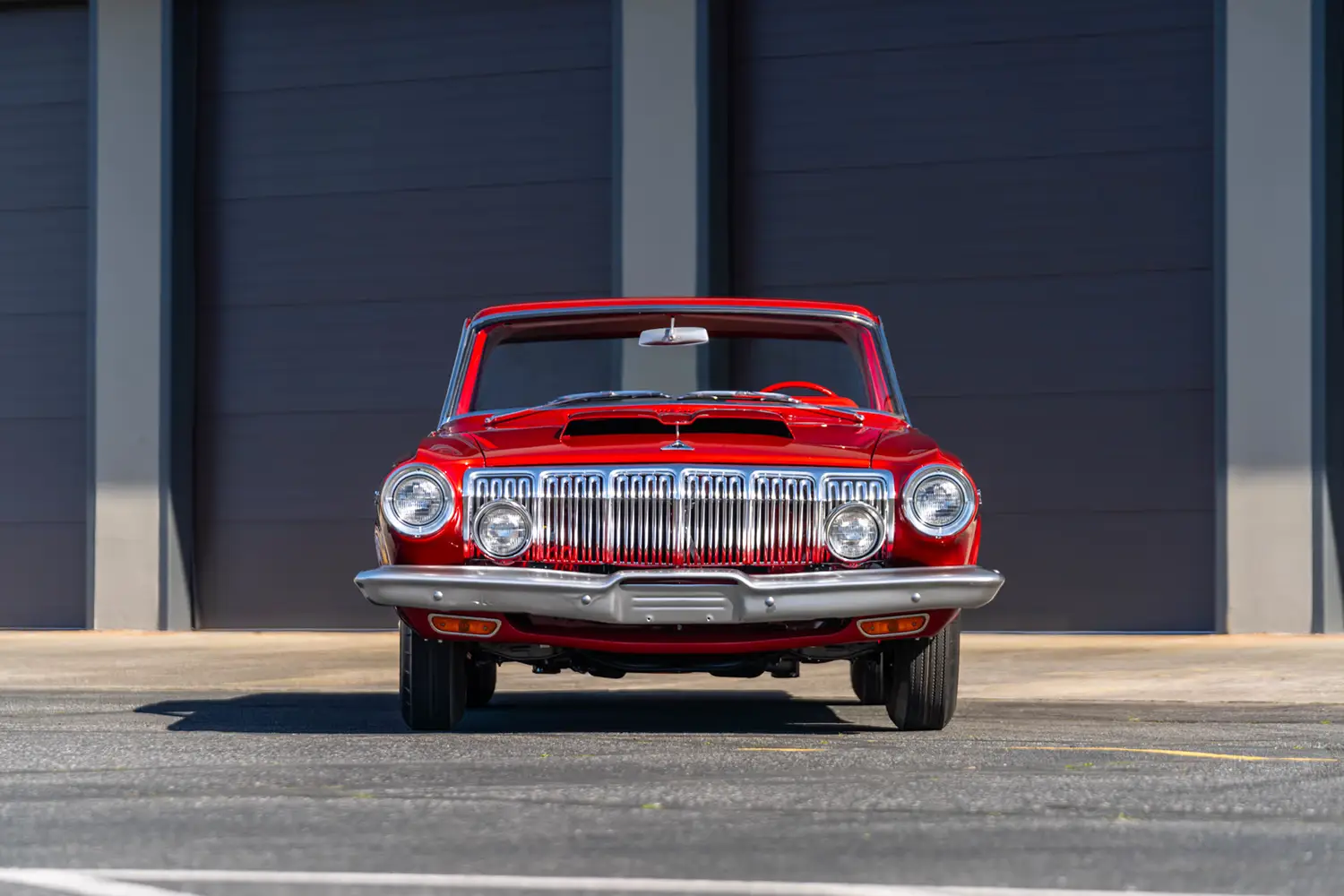
The exterior design reflects a stripped-back approach driven by weight reduction rather than style. Dodge applied its Aluminum Package to key panels, including the front fenders and hood with a functional scoop. The front bumper and supports were also lightened, creating a purposeful stance that emphasized speed over luxury.
Finished in red with matching wheels and bright hubcaps, the car retains a period-correct visual identity. Its simple lines remain true to the 330 platform, yet subtle modifications reveal its racing intent. Every panel and component contributes to a singular mission of shaving weight and improving acceleration.
Minimalist Cabin with Competition Focus
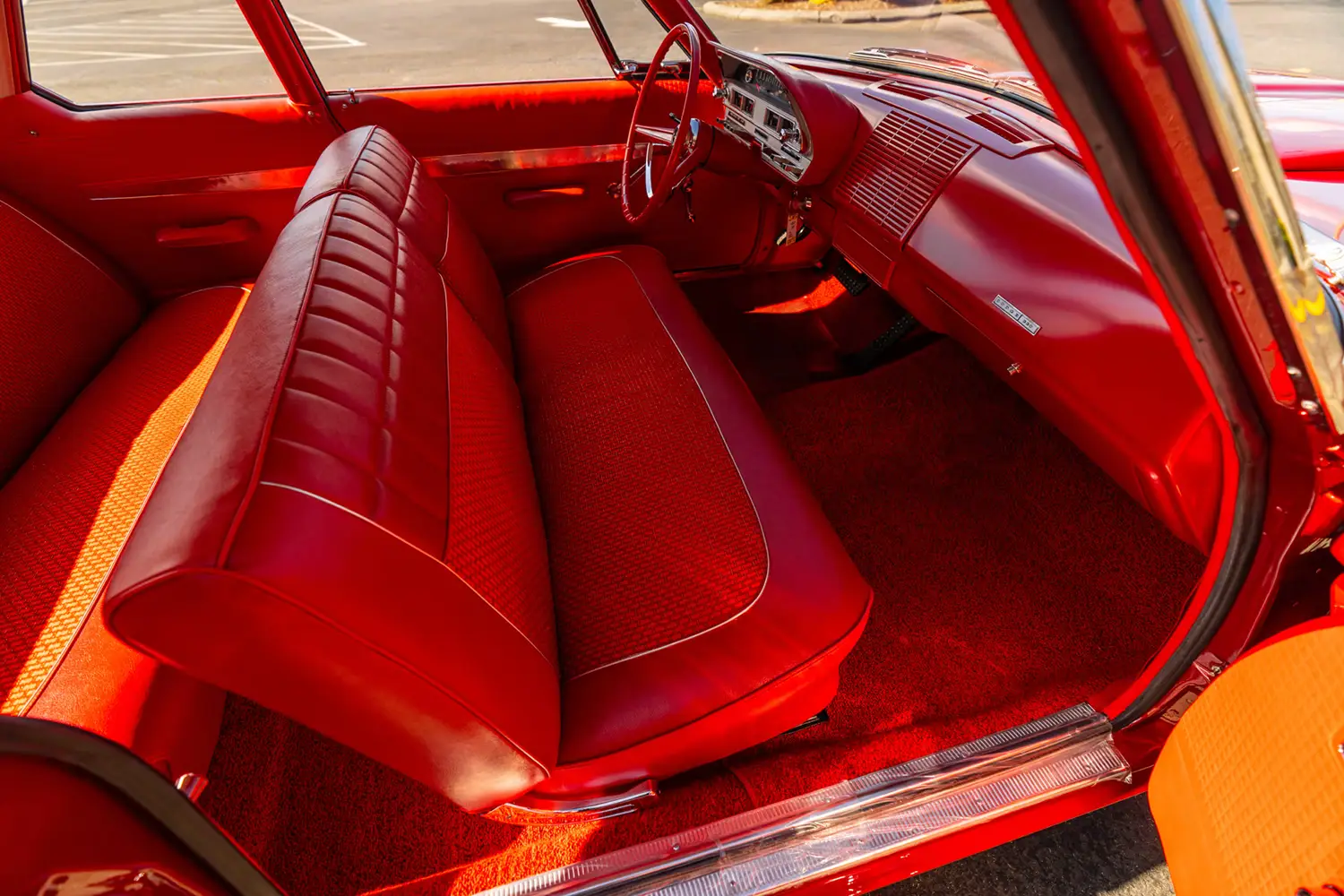
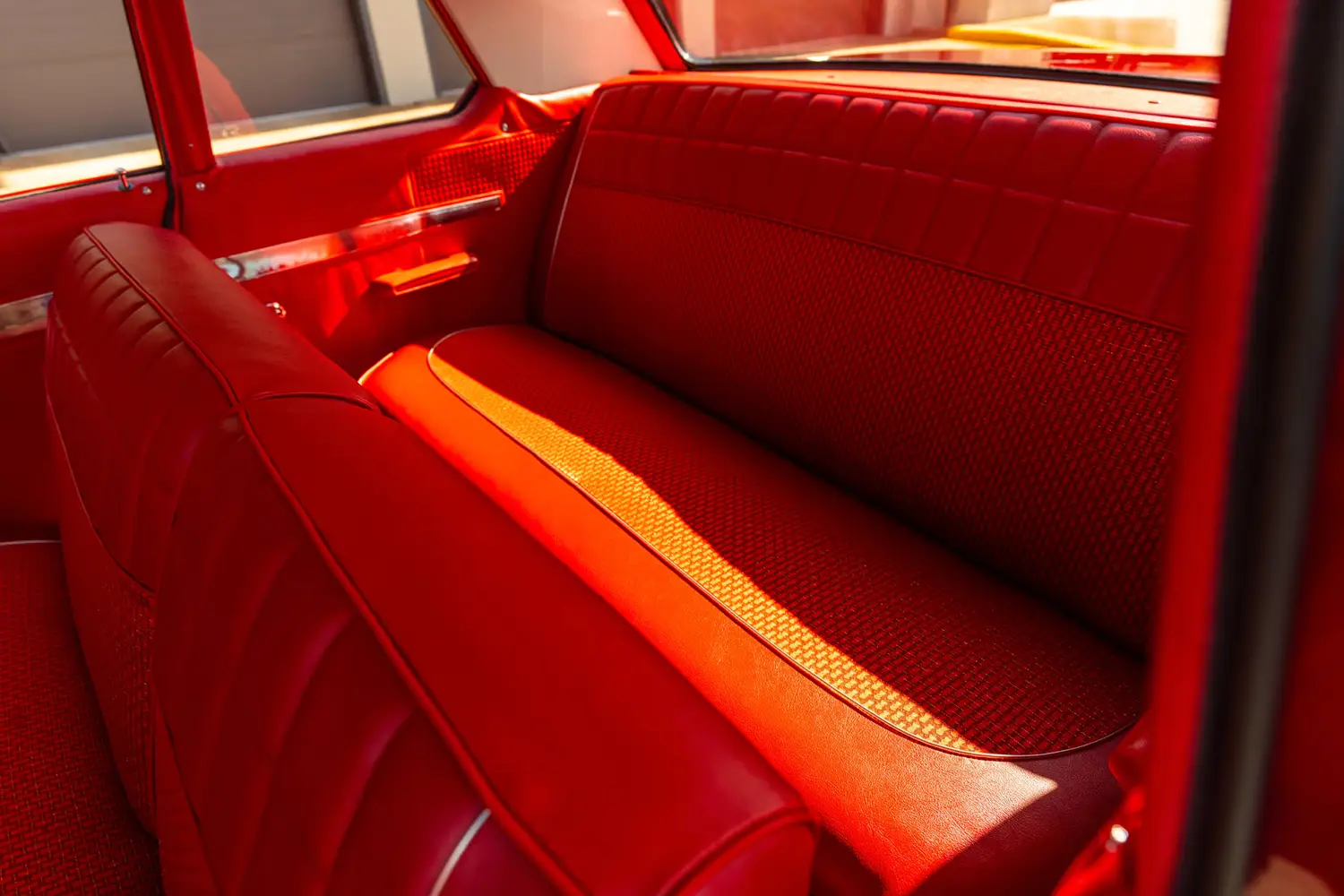
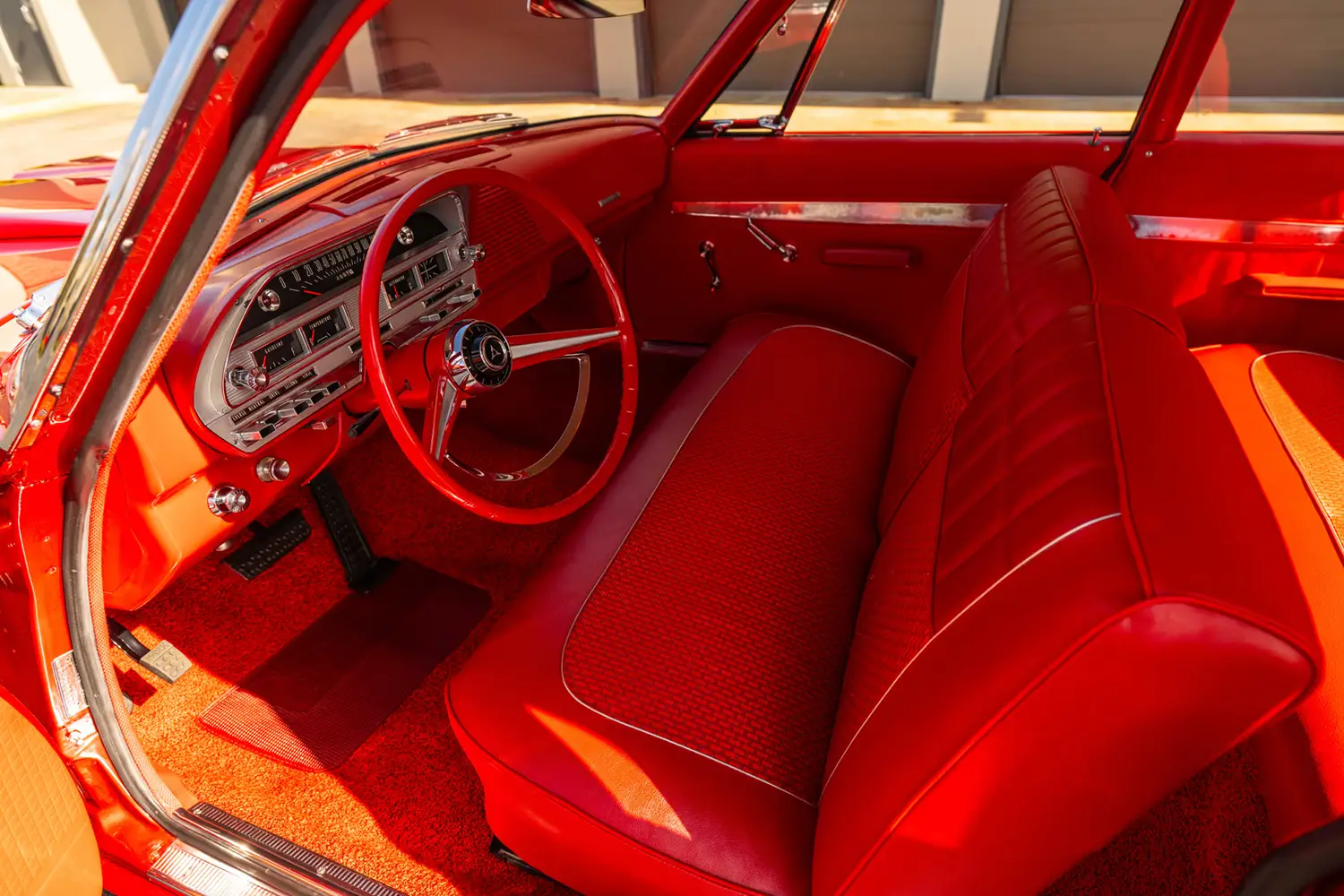
Inside, the cabin continues the lightweight philosophy with a red cloth and vinyl interior that prioritizes function. Dodge removed non-essential features, including the radio and heater, to reduce overall mass. This decision reinforces the car’s identity as a factory-built drag contender rather than a road-focused machine.
The interior layout remains straightforward and driver-oriented, offering only what is necessary for performance driving. Its simplicity highlights the era’s engineering mindset, where every saved pound translated directly into quicker elapsed times on the drag strip.
Max Wedge Power Meets Lightweight Engineering
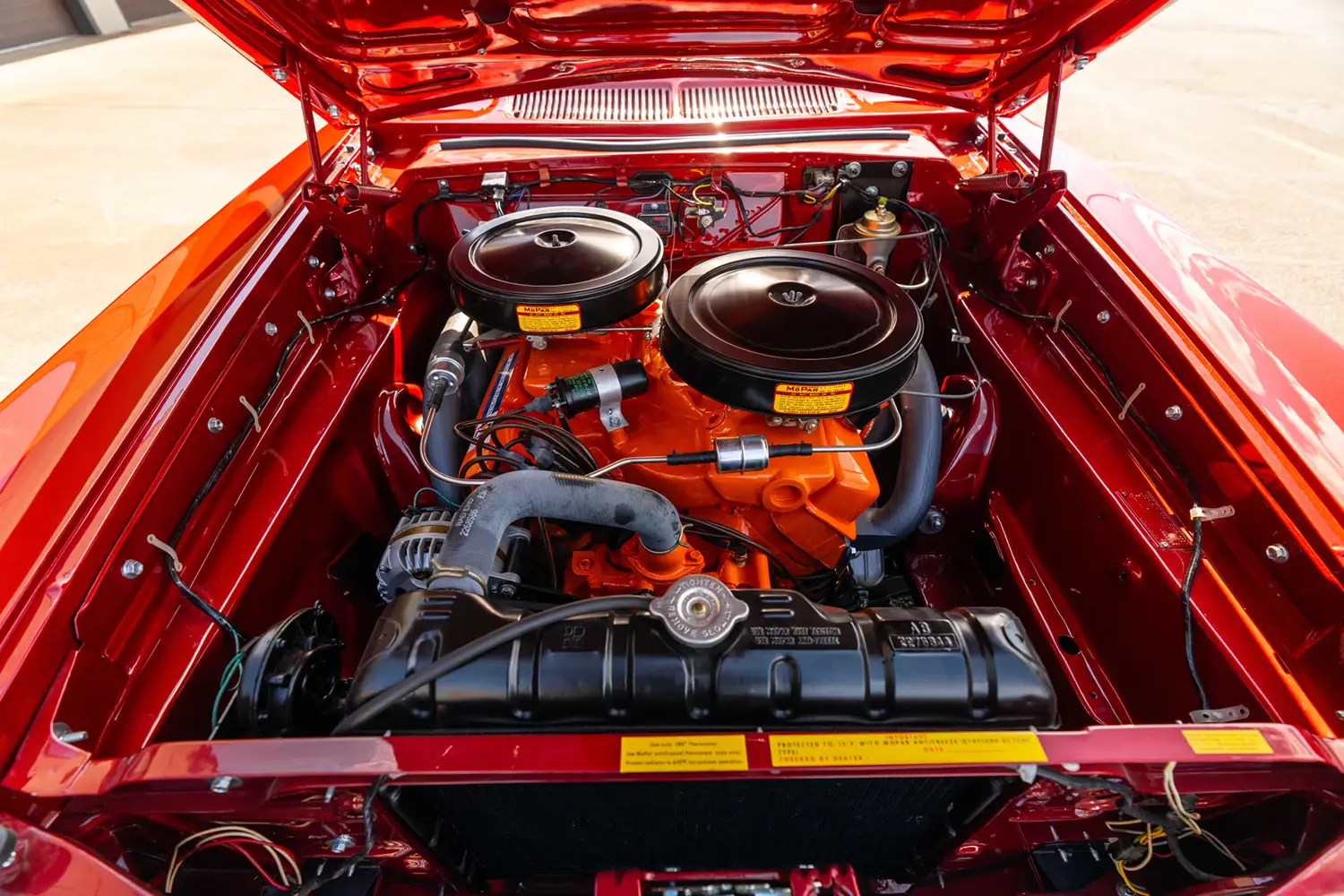
At the heart of the 330 Lightweight sits the legendary 426 Max Wedge V-8, delivering 425 hp and supported by dual 4-barrel carburetors. Power flows through a 727 TorqueFlite 3-speed automatic transmission, paired with a 3.91 rear axle that optimizes acceleration for quarter-mile performance.
The driving experience is defined by immediate throttle response and relentless forward thrust. Combined with its reduced weight and trunk-mounted battery for better balance, the car offers a raw and aggressive feel. This setup exemplifies Dodge’s factory-backed approach to drag racing dominance during the early muscle era.
| Technical Specifications |
|---|
| Engine: 426 OHV V-8 (Max Wedge) |
| Induction: Dual 4-barrel carburetors |
| Transmission: 727 TorqueFlite 3-speed automatic |
| Rear Axle Ratio: 3.91 |
| Construction: Aluminum front fenders and hood |
| Battery Location: Trunk-mounted |
Ultra-Low Production and Collector Significance
With only nine examples produced, the 330 Max Wedge Lightweight occupies a rare space in muscle car history. Its limited production and direct factory racing intent elevate its desirability among collectors. Unlike more common muscle cars, this model represents a specialized homologation effort.
In today’s market, such cars appeal to enthusiasts seeking authenticity and historical relevance. Its documented restoration to original specifications further enhances its value. As it approaches the Indy 2026 auction stage, interest is expected from serious collectors focused on rarity and provenance.
Restoration, Provenance, and Long-Term Value
This example benefits from an extensive restoration completed by Muscle Car Restorations, returning it to like-original condition. Built at the Hamtramck plant and delivered new in California, its documented history adds another layer of authenticity. These factors contribute to its long-term collectibility.
Ownership of a car like this extends beyond driving enjoyment. It represents stewardship of a significant piece of American performance history. Given its rarity and factory pedigree, the 330 Lightweight remains a strong candidate for continued appreciation in the collector market.
A Factory Drag Icon That Still Commands Respect
The 1963 Dodge 330 Max Wedge Lightweight stands as a pure expression of factory drag racing ambition. With its aluminum construction, powerful V-8, and ultra-limited production, it remains one of the most focused muscle cars ever built. Its presence at auction only reinforces its enduring legacy.
Disclaimer: Content on this site is for informational and entertainment purposes only. Details, analyses, and opinions reflect current trends and personal views, not professional or financial advice. Always verify information with official sources before making any decisions.
Source: mecum.com