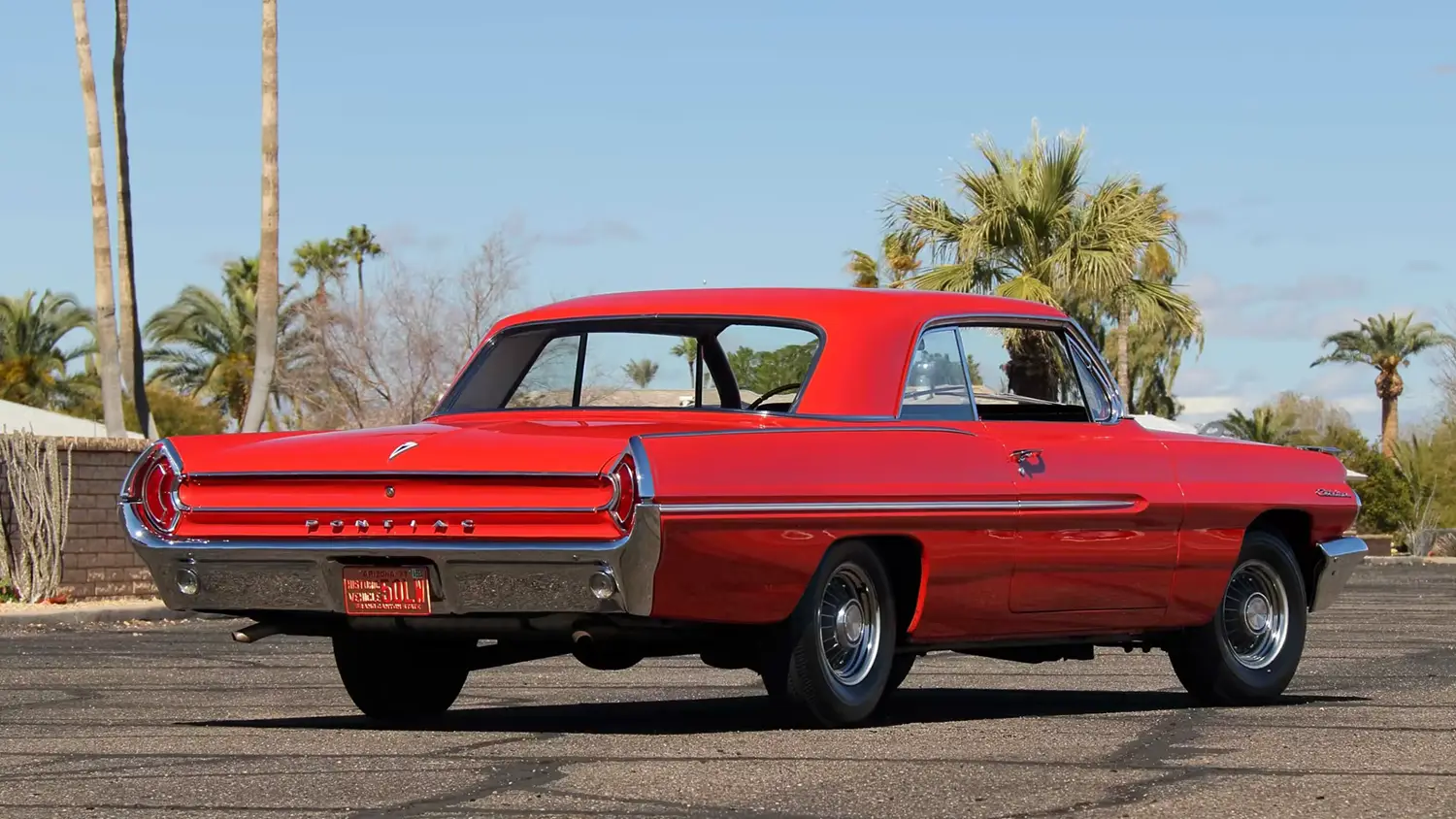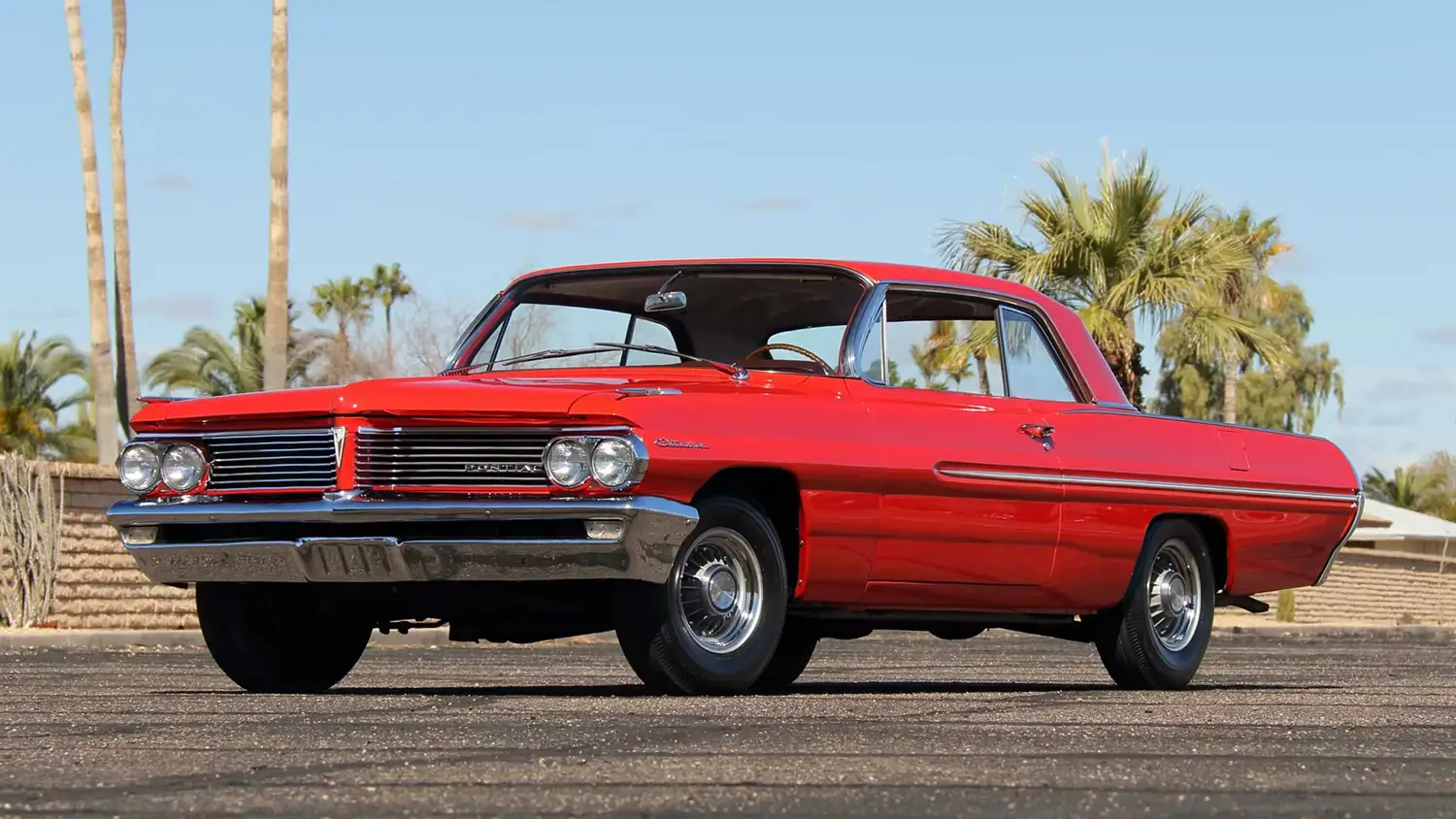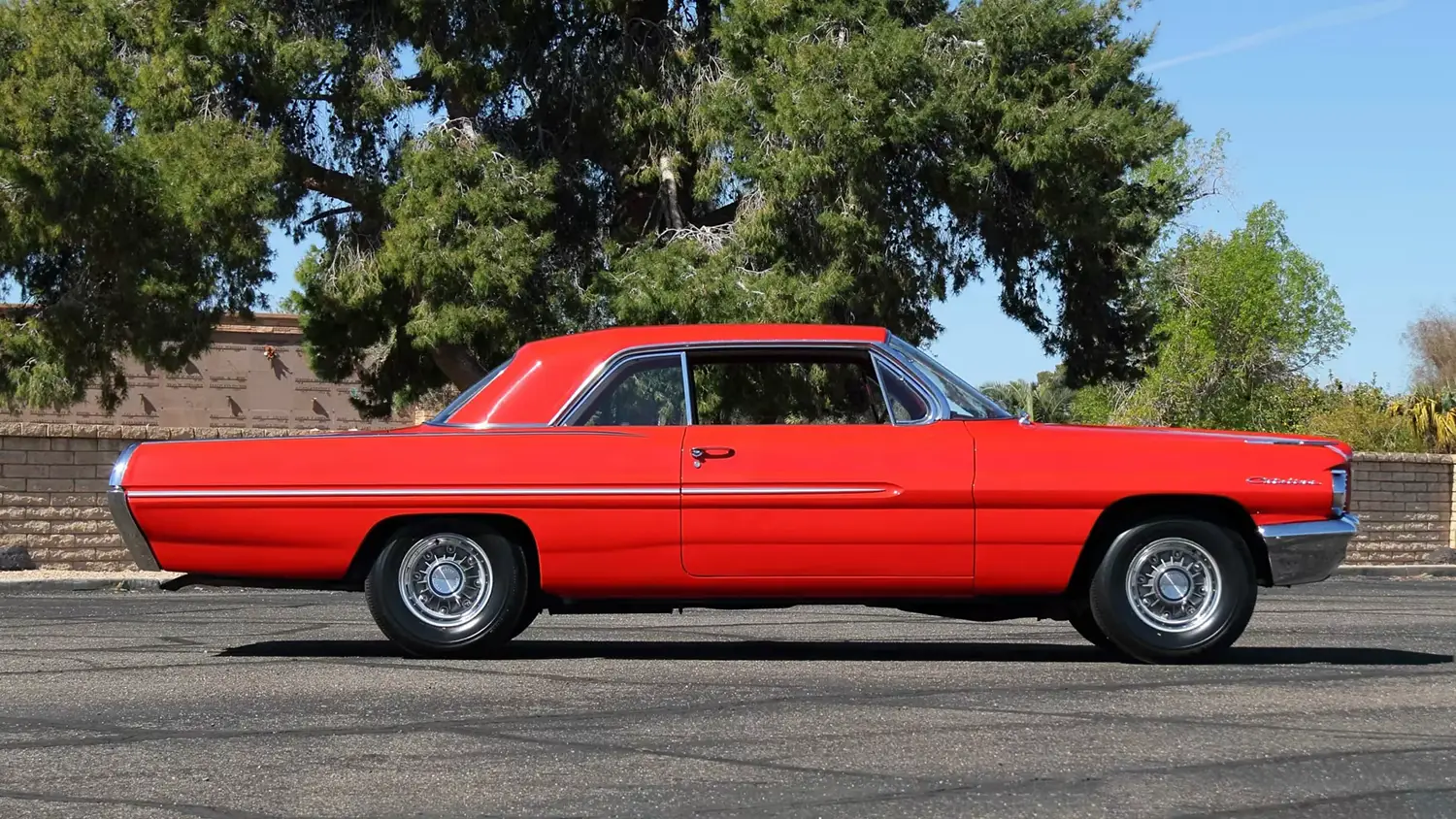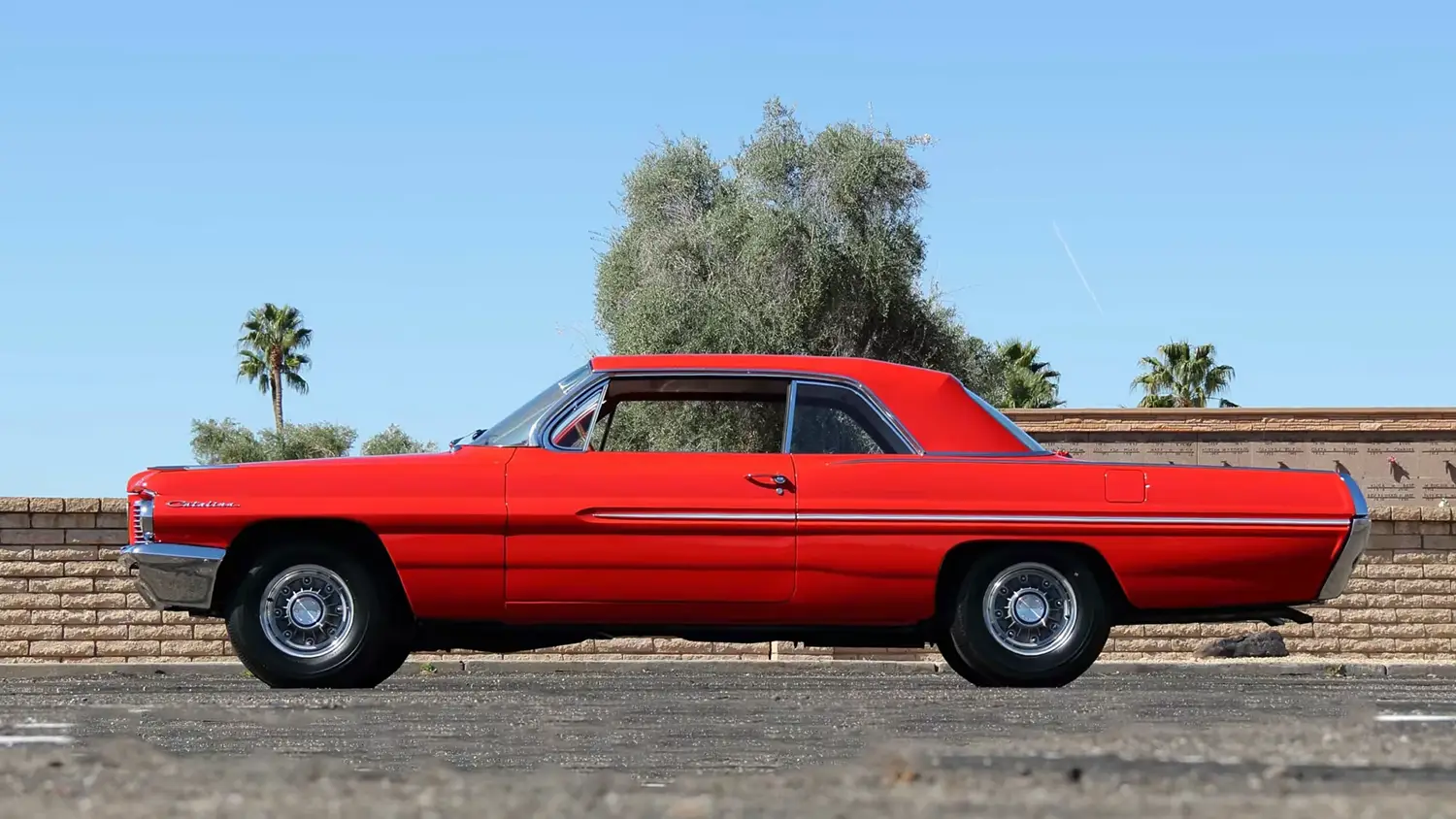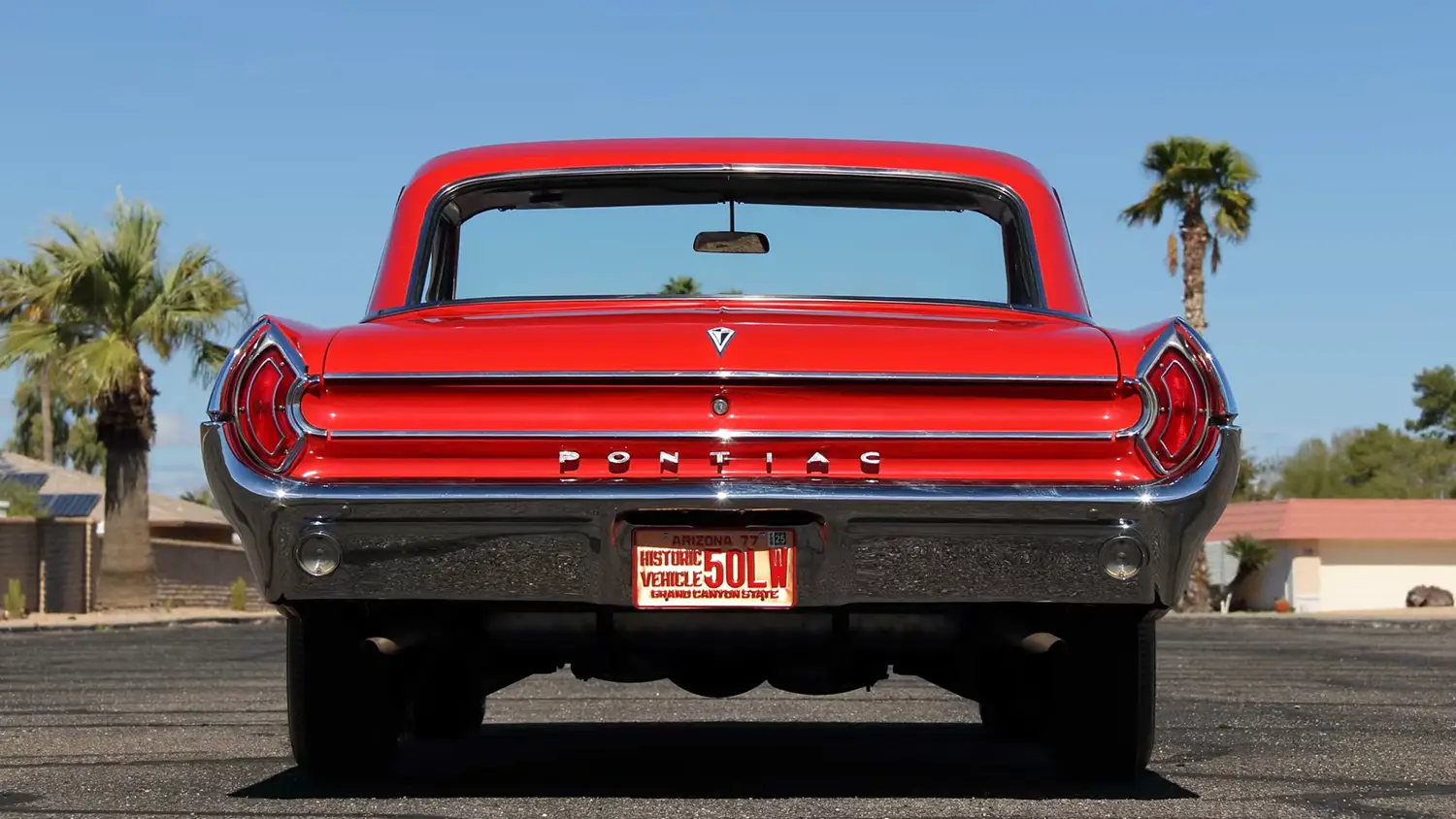
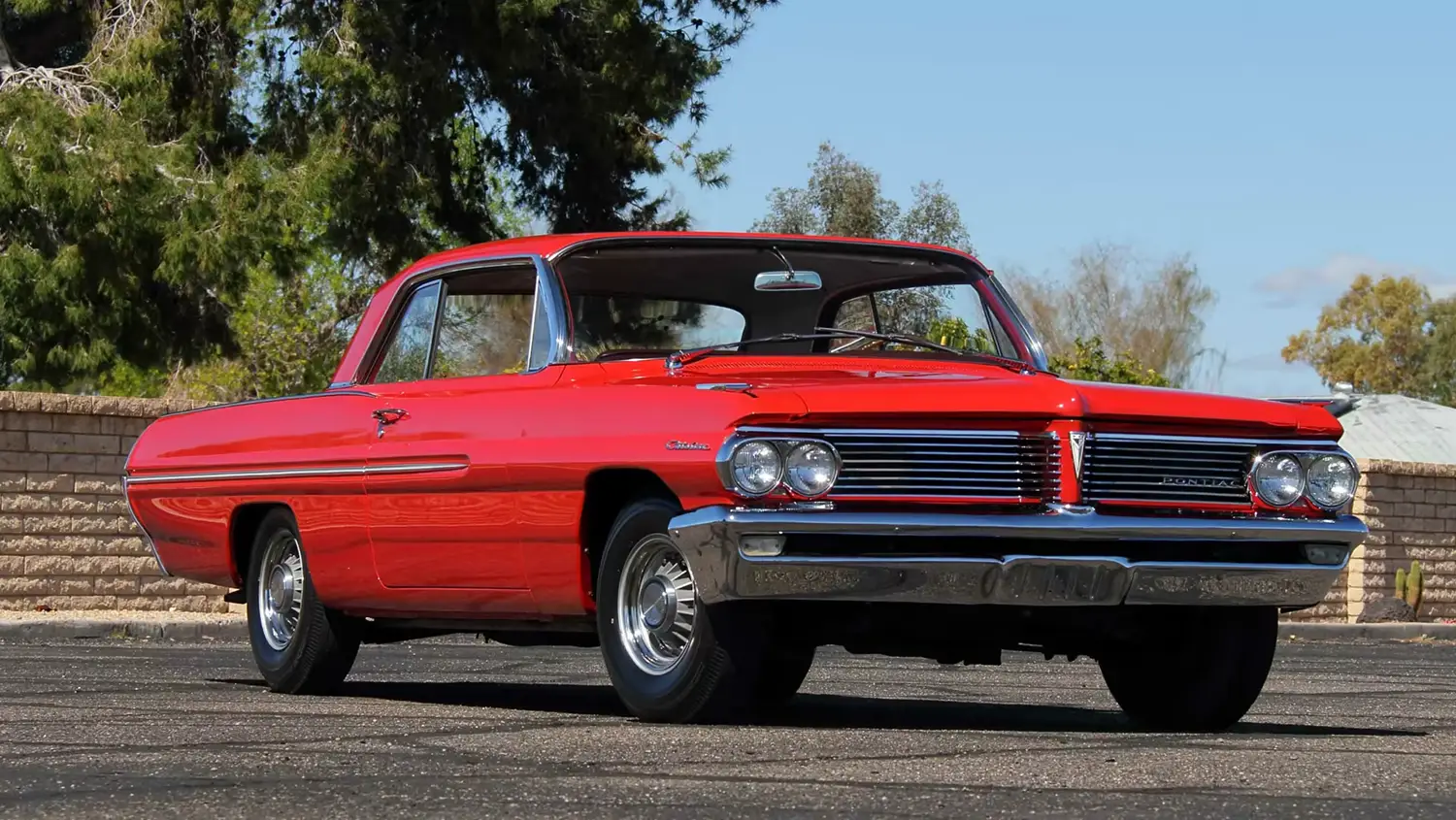
The 1962 Pontiac Catalina Super Duty represents the absolute peak of factory-backed drag racing during the early sixties. Built specifically to dominate the NHRA Super Stock classes, these cars were stripped of weight and packed with massive displacement. This specific example is number 103 of only 162 produced, making it a centerpiece for any serious muscle car collection. It has remained a Western car since new, which explains the incredible preservation of its original sheet metal. Dressed in a striking Red over Red color scheme, the car hides a serious performance intent behind its classic lines. It serves as a mechanical witness to an era when manufacturers were obsessed with winning on Sunday to sell on Monday. Collectors will appreciate the deep level of documentation that accompanies this vehicle, verifying its rare pedigree and historical significance. It is a raw, unadulterated street machine that feels as intimidating today as it did decades ago.
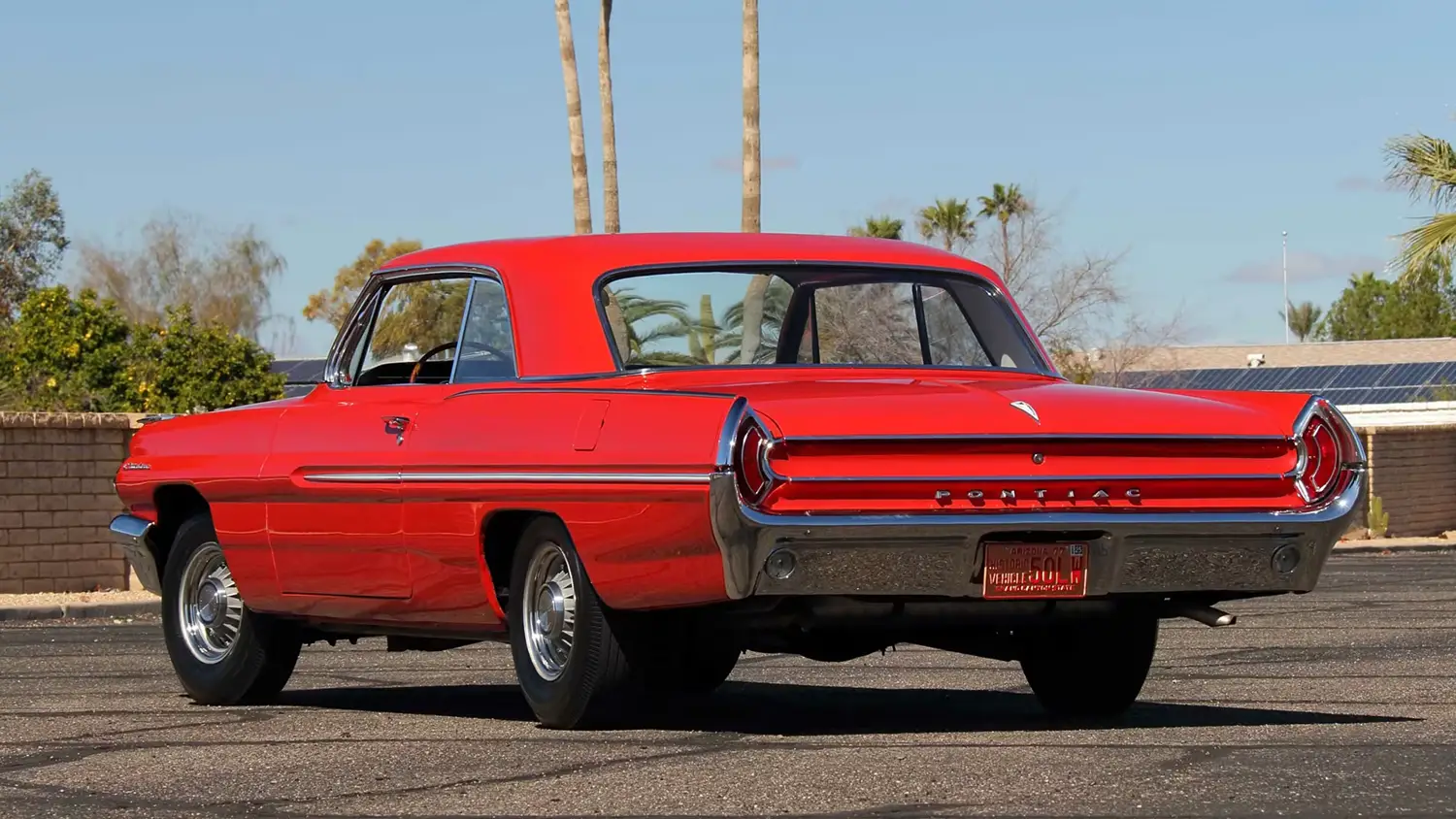
Factory Aluminum Package and Weight Reduction
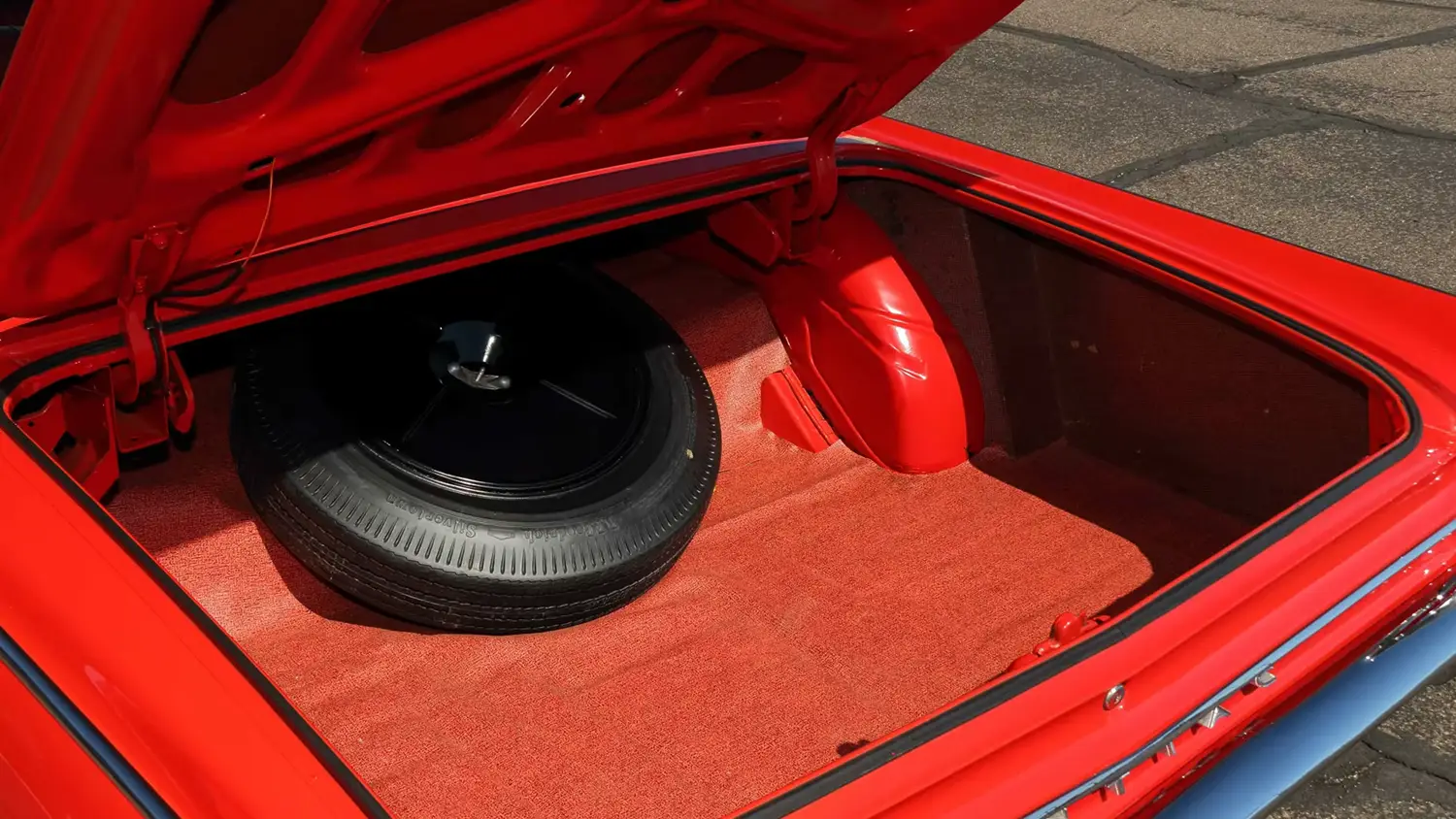
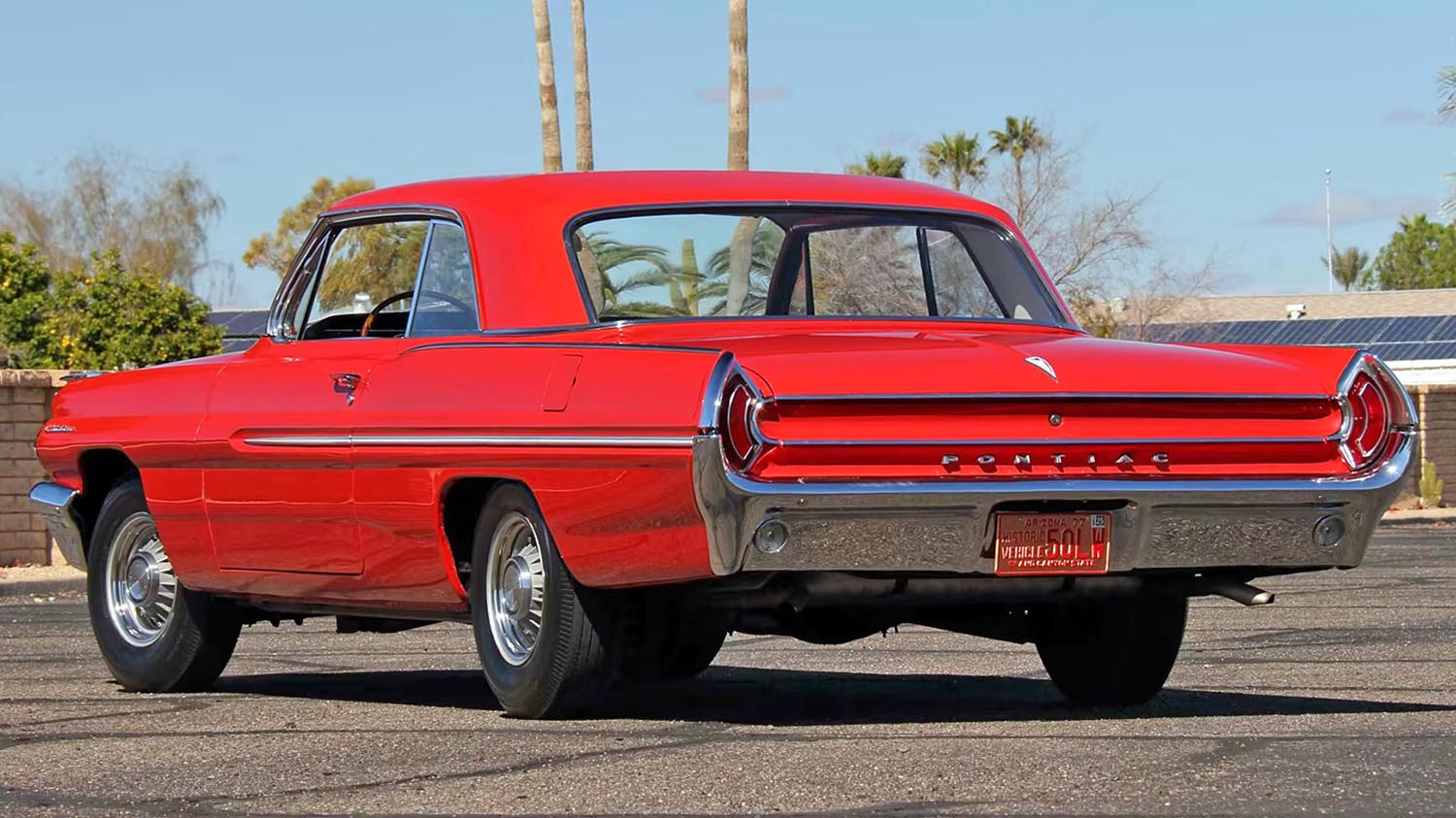
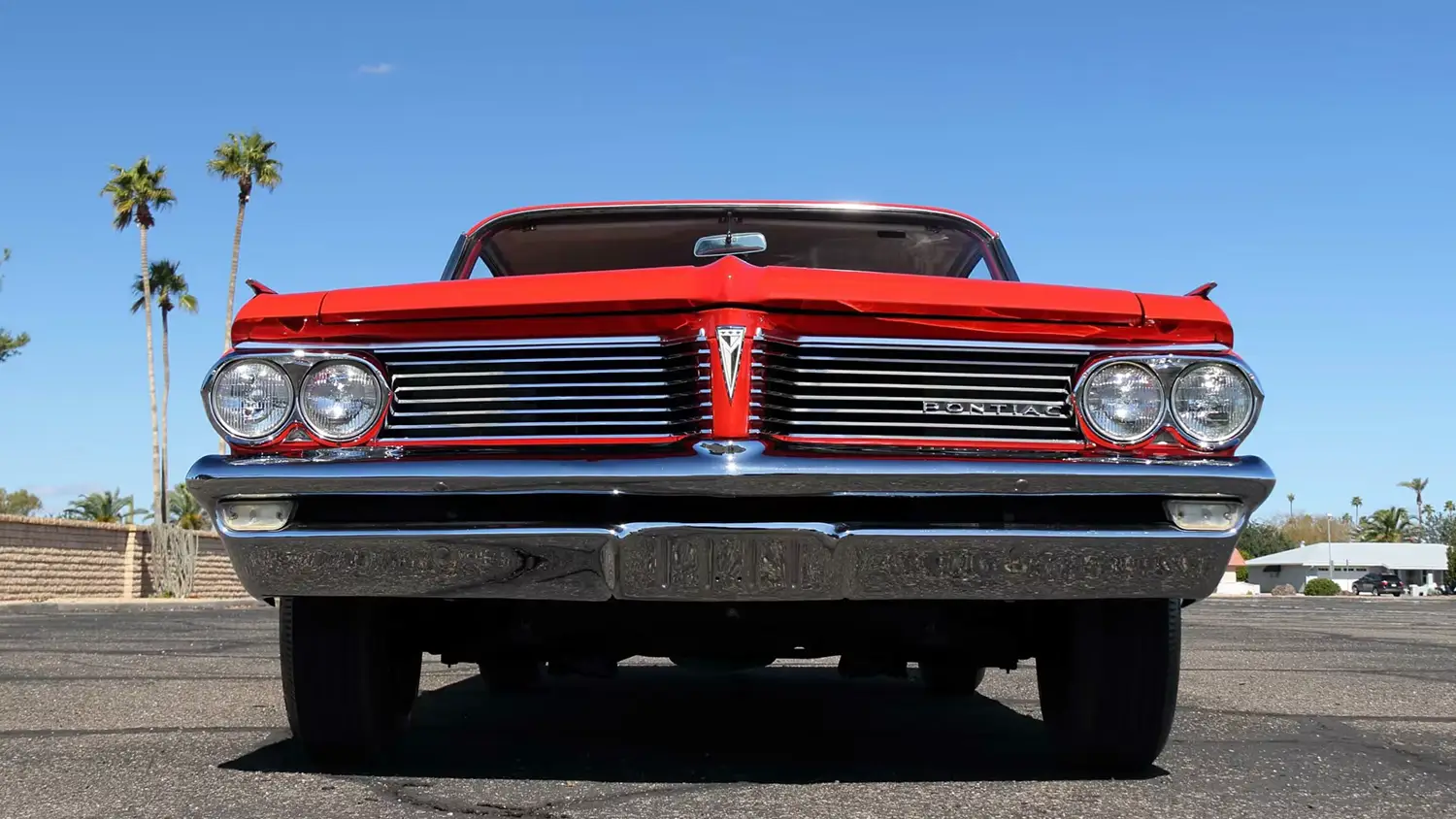
The engineering focus on the 1962 Pontiac Catalina Super Duty was centered around power-to-weight ratios for the quarter-mile. To achieve this, the factory equipped the car with a comprehensive aluminum package that reduced front-end weight significantly. This includes an aluminum hood, front and rear bumpers, and even specialized brackets to shave every possible pound. Both the inner and outer fenders were replaced with lightweight aluminum components to improve the car’s balance during hard launches. These factory modifications were extreme for the time and signaled Pontiac’s total commitment to winning on the track. The body has received one high-quality repaint in its correct Red, which has since been ceramic-coated for lasting protection. Original date-coded glass remains intact, further proving the careful preservation this Western car has enjoyed since its delivery. It sits on original date-coded 8-lug aluminum wheels, a signature styling element that combined cooling and strength flawlessly. These technical choices made the Super Duty a formidable opponent for any rival at the starting line.
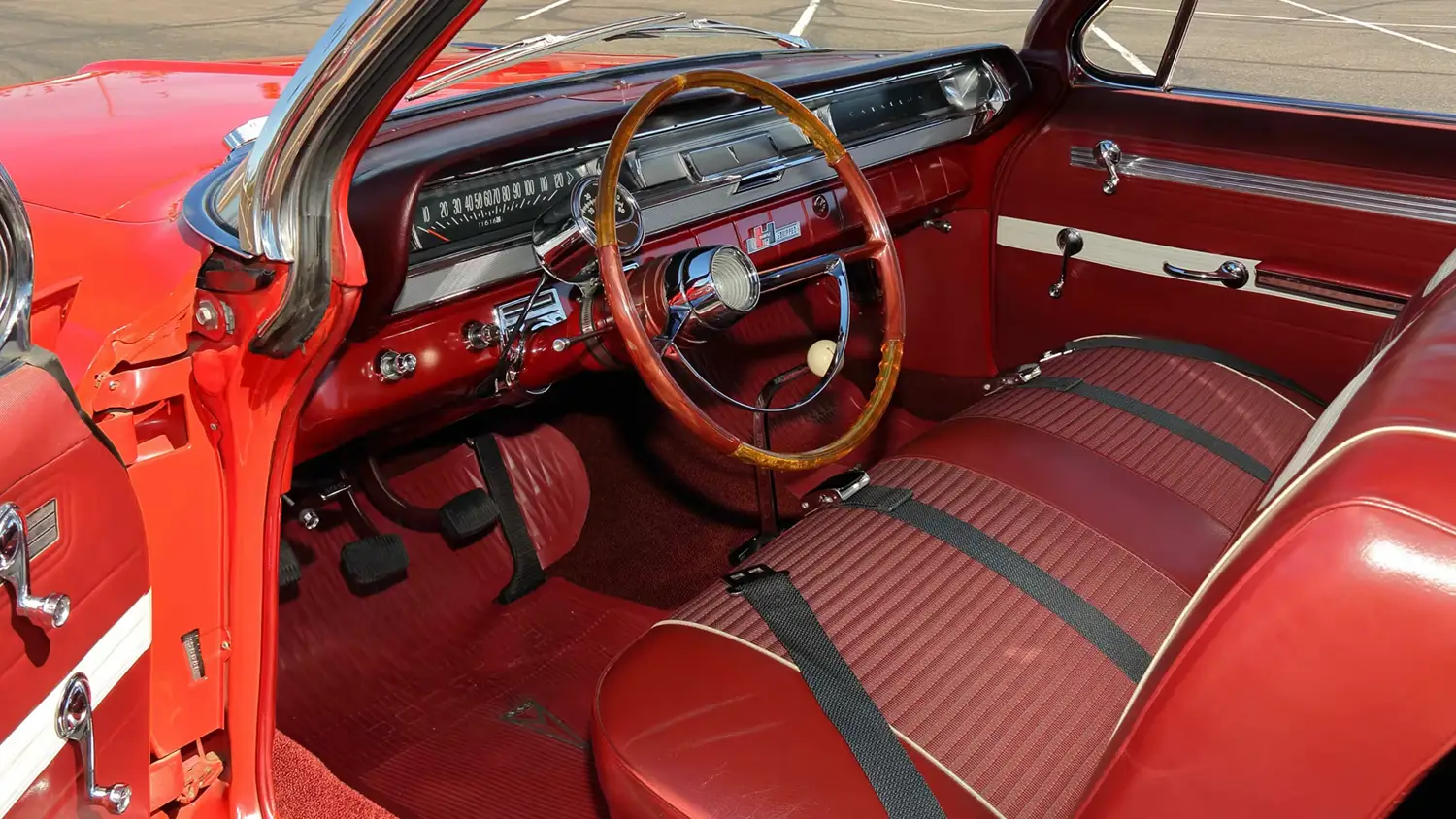
Spartan Interior and Hurst Linkage Precision
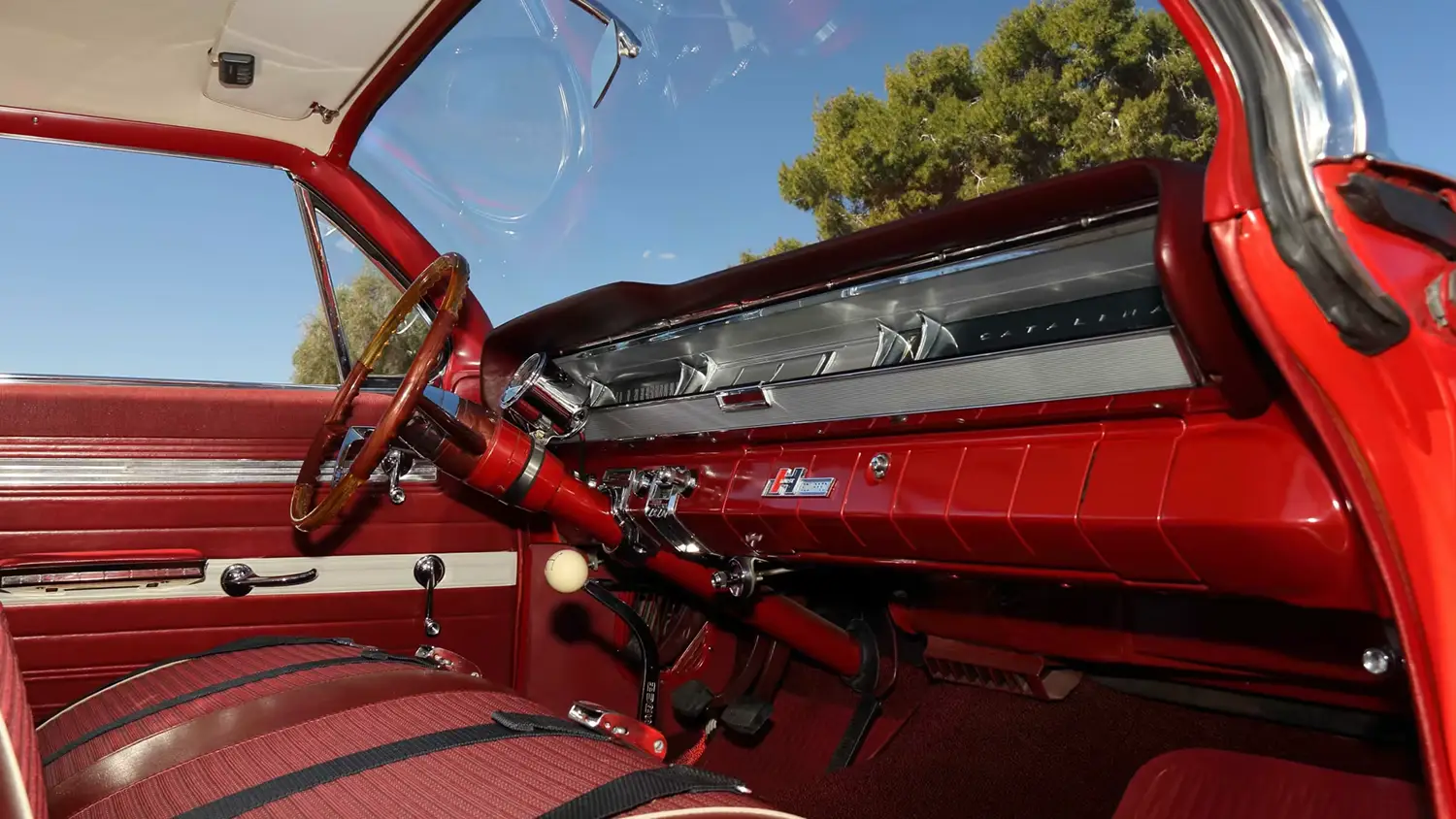
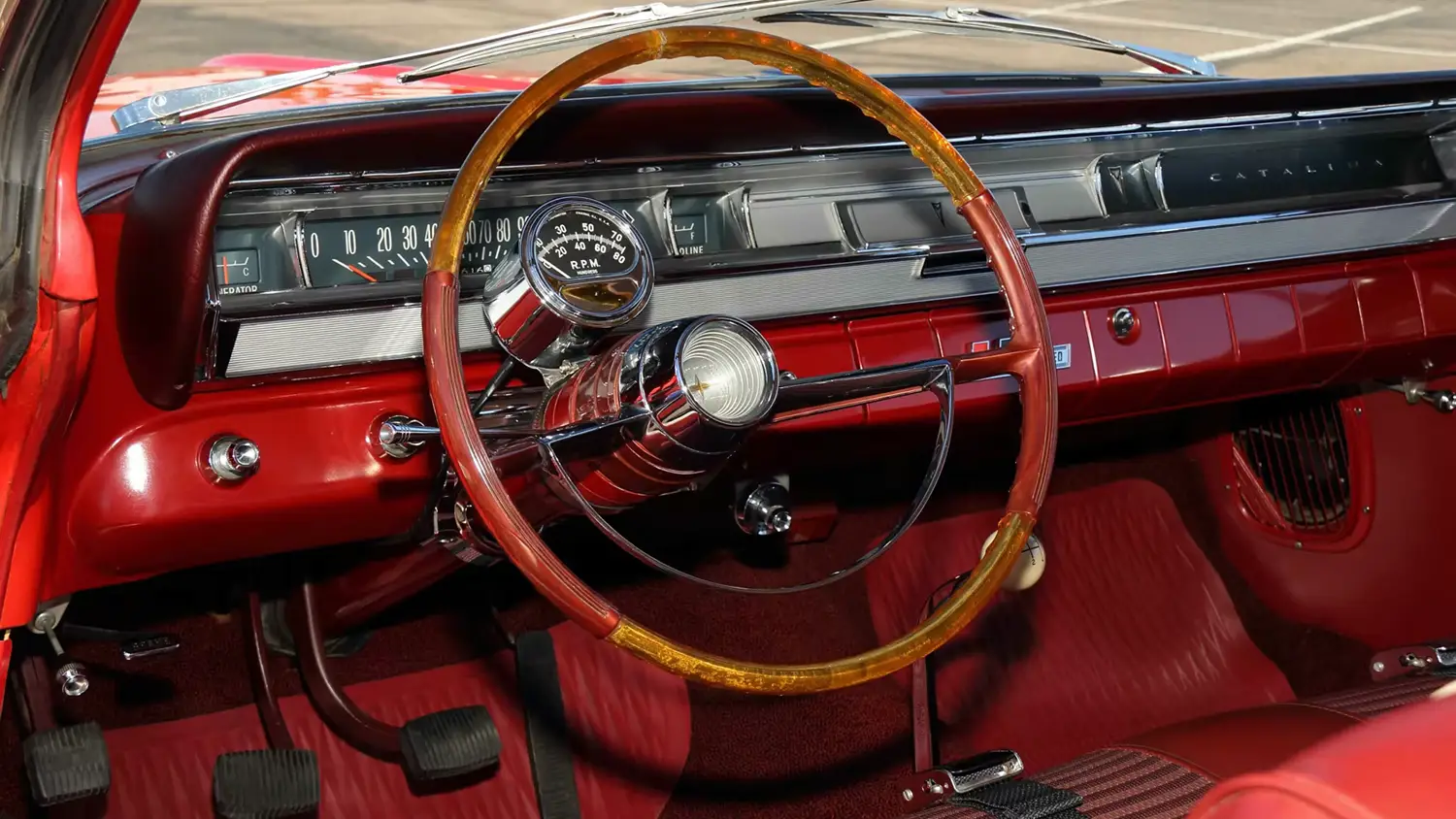
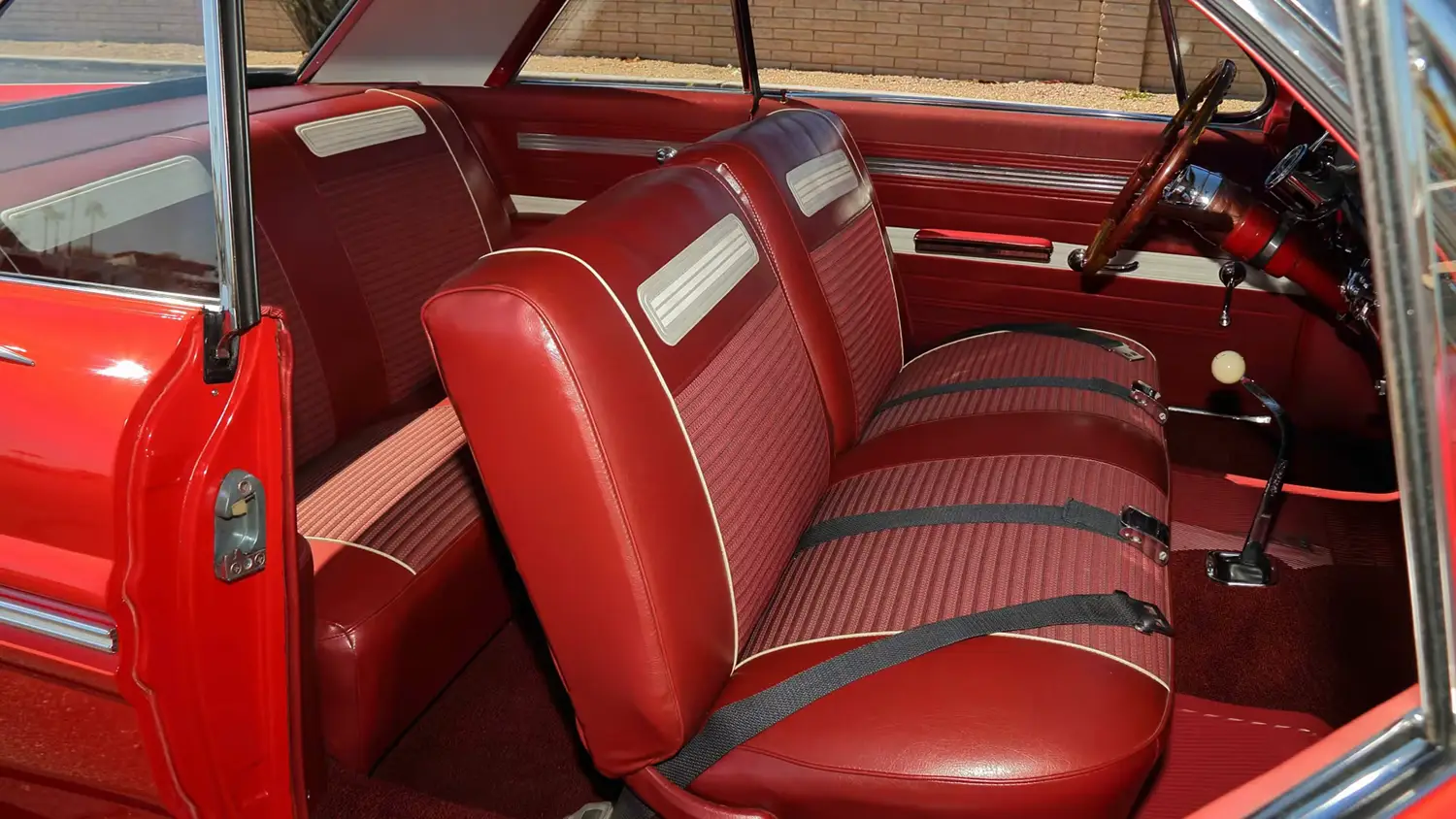
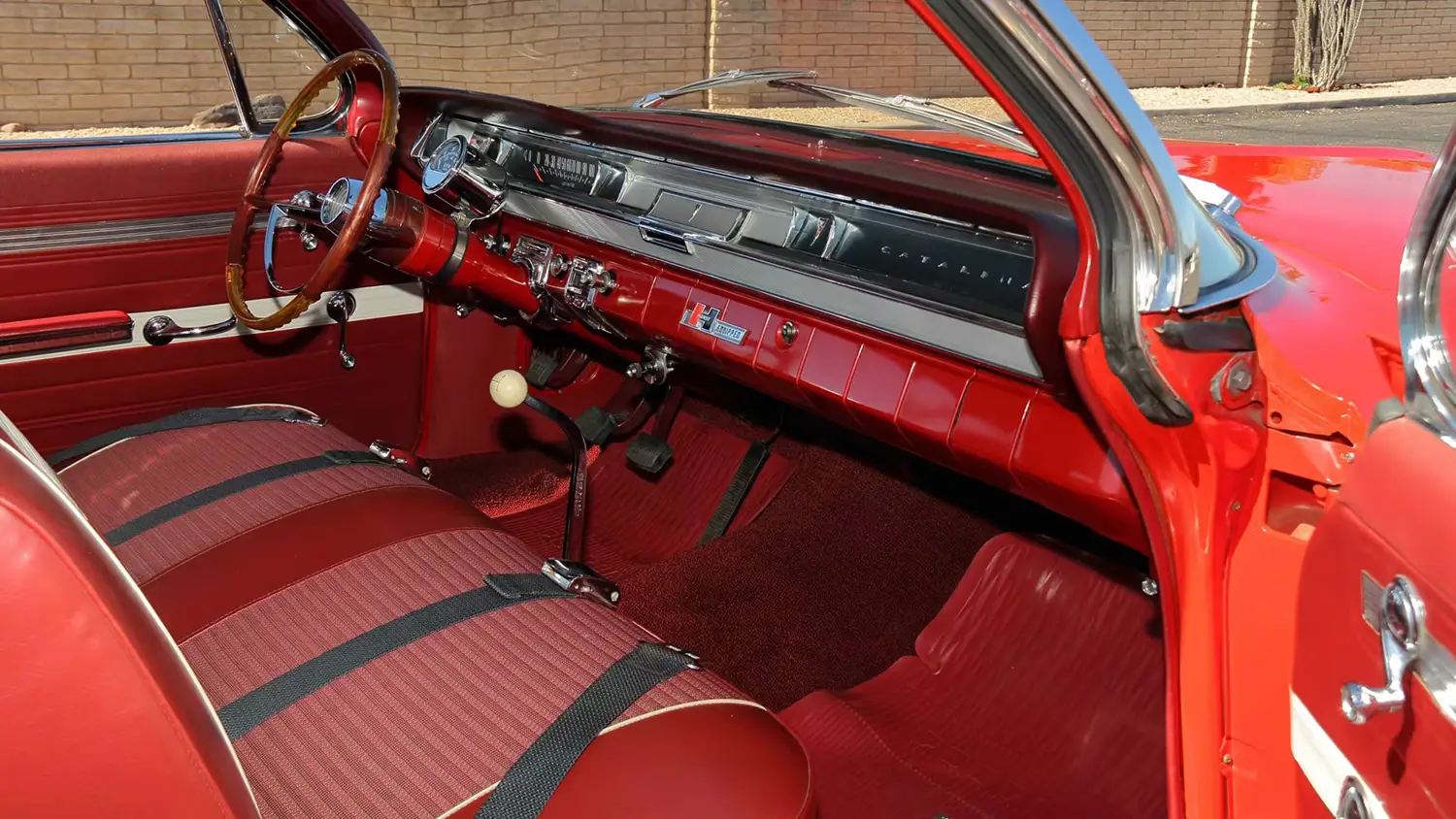
The cabin of the 1962 Pontiac Catalina Super Duty is a study in purposeful, performance-driven minimalism. It features the original Red interior, which remains in remarkable condition considering the car’s racing heritage. To save weight and keep the driver focused, the car was ordered as a radio delete model from the factory. In place of the entertainment unit, a “Shifted by Hurst” plate serves as a reminder of the car’s mechanical nature. A factory Sun tachometer sits prominently on the dash to monitor the high-revving 421 V-8 during gear changes. The Hurst linkage provides a direct and precise connection to the T10 wide-ratio 4-speed manual transmission. Despite its racing intent, the car retains its factory heat, defrost, and windshield washer systems for basic functionality. The decor group adds a touch of style to the dashboard without distracting from the primary task of driving. This interior is a time capsule that puts the pilot in the center of a true motorsport environment.
Super Duty V-8 Power and Drivetrain Performance
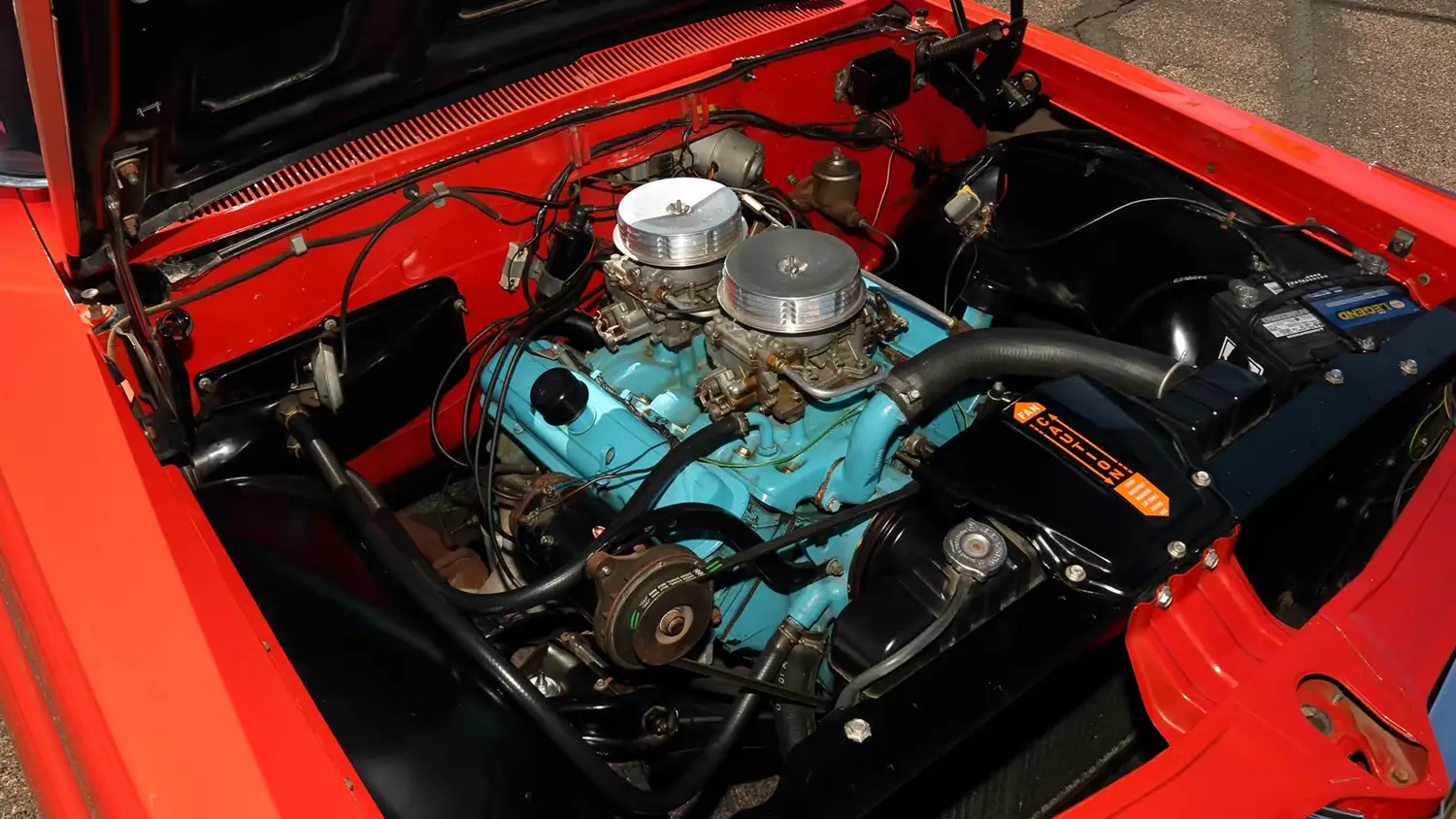
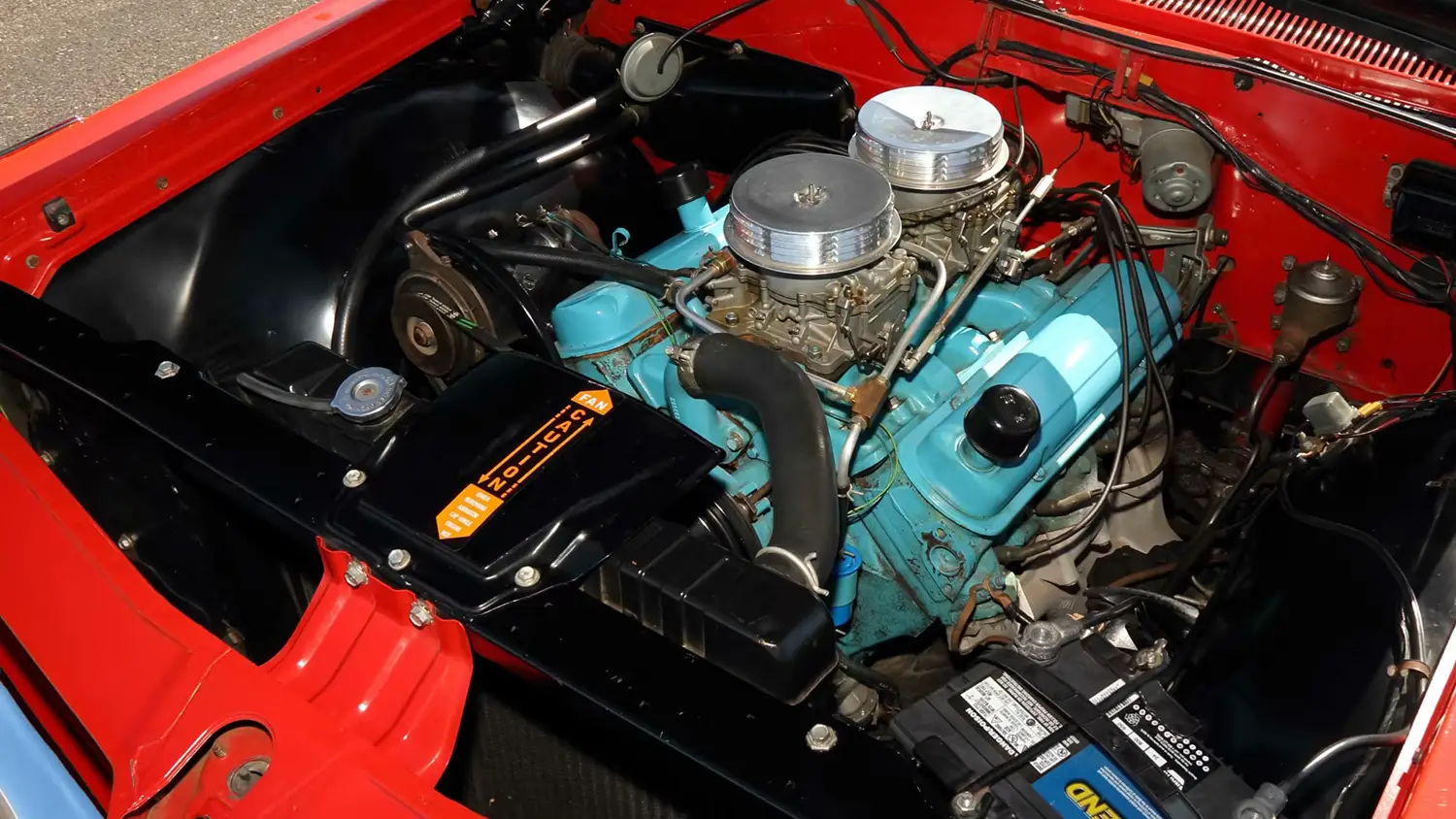
The 1962 Pontiac Catalina Super Duty is powered by its original, matching-numbers 421 CI V-8 engine. This unit was factory rated at an impressive 405 horsepower, though many believe this figure was quite conservative for racing purposes. It features dual Carter 500 CFM four-barrel carburetors sitting atop an aluminum intake manifold for maximum airflow. Internal components include forged aluminum pistons, forged steel rods, and a forged steel crankshaft for ultimate durability under stress. Solid lifters and cast iron headers ensure that the engine breathes effectively while producing a thunderous exhaust note. Power is sent through the T10 manual gearbox to a factory 4.30 Saf-T-Track rear end for explosive acceleration. Manual Saginaw steering and hydraulic drum brakes keep the driver in total control of the 21,616 miles on the odometer. This technical setup was the gold standard for performance in 1962, providing a visceral experience that few modern cars can mimic. It remains a robust and highly engineered powertrain built for the heat of competition.
Summary of the Pontiac Racing Heritage
The 1962 Pontiac Catalina Super Duty stands as a definitive monument to the birth of the American muscle car movement. With its verified status as number 103 of 162, it is one of the rarest Pontiacs ever to cross the block. The extensive documentation, including PHS papers and the original build sheet, provides total peace of mind for the next steward. Every detail, from the date-coded wheels to the Hurst linkage, reinforces the car’s authentic racing identity. Its history as a Western car with original sheet metal makes it a standout survivor in a market full of restorations. This vehicle does not just represent history; it is a functioning piece of the legendary Super Duty program. For the enthusiast who demands both performance and rarity, this Red Catalina is an unmatched opportunity. It is a car that demands respect both on the concours lawn and on the open road. This Glendale 2026 lot is truly a once-in-a-generation offering for the Mopar or GM collector.
Disclaimer: Content on this site is for informational and entertainment purposes only. Details, analyses, and opinions reflect current trends and personal views, not professional or financial advice. Always verify information with official sources before making any decisions.
Source: mecum.com