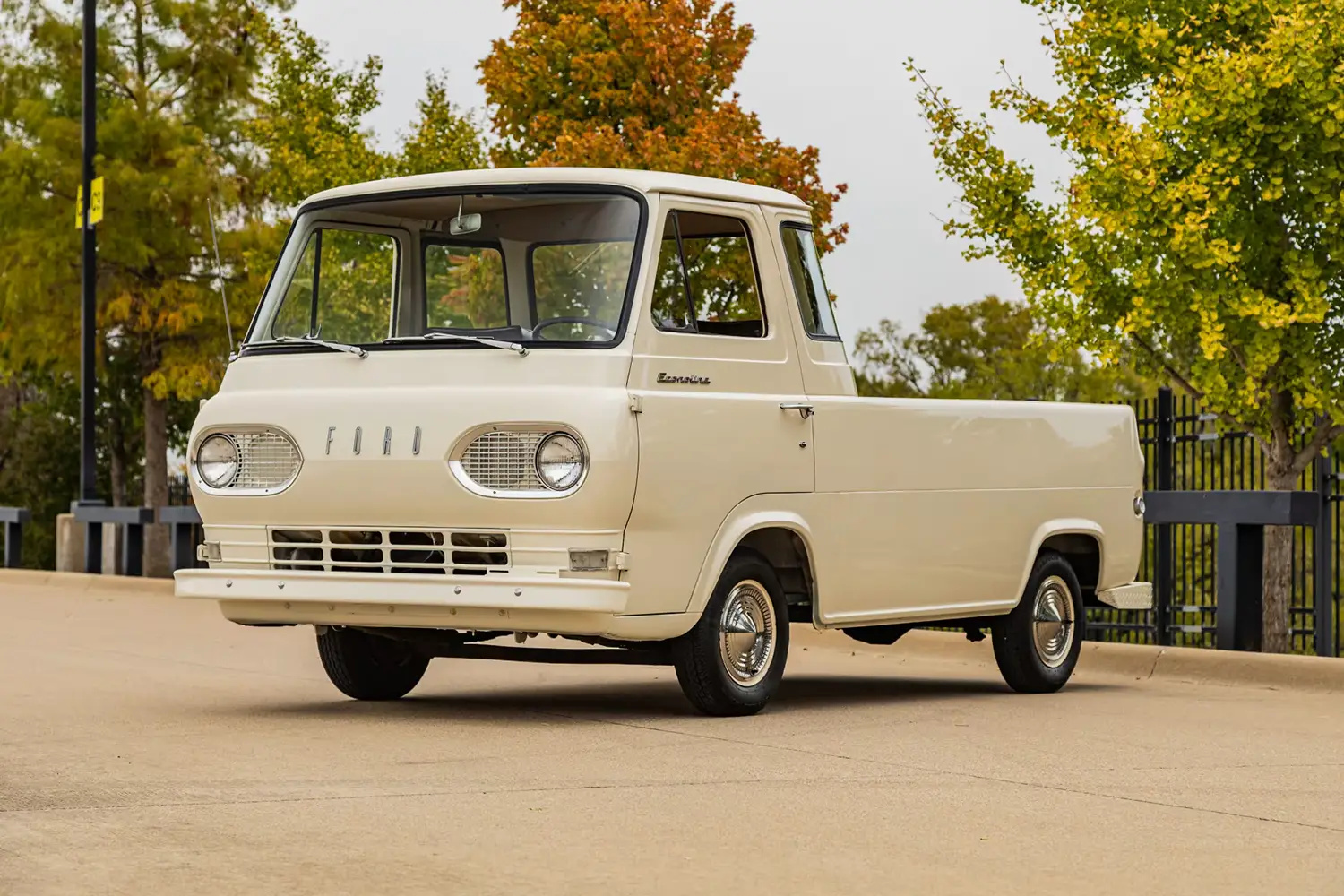
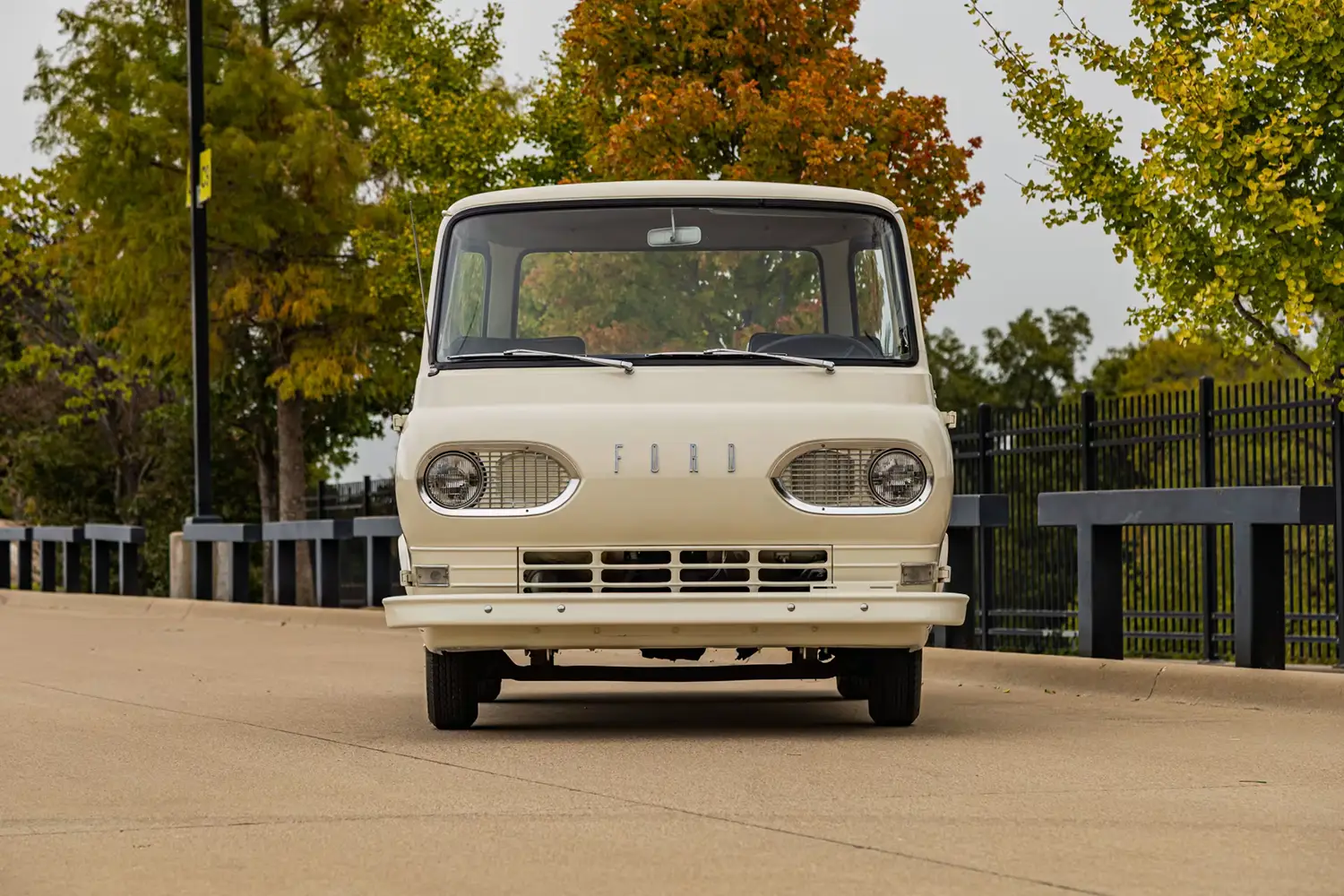
The 1962 Ford Econoline Pickup stands out as a fascinating piece of American automotive design history. Based on the versatile Ford Falcon platform, this cab-over model maximized cargo space within a compact footprint. This specific example features a custom five-window configuration that enhances visibility and style for the driver. Collectors appreciate these trucks for their quirky aesthetics and significant role in early sixties light-duty transport. It remains a conversation starter at every car meet or auction it attends today.
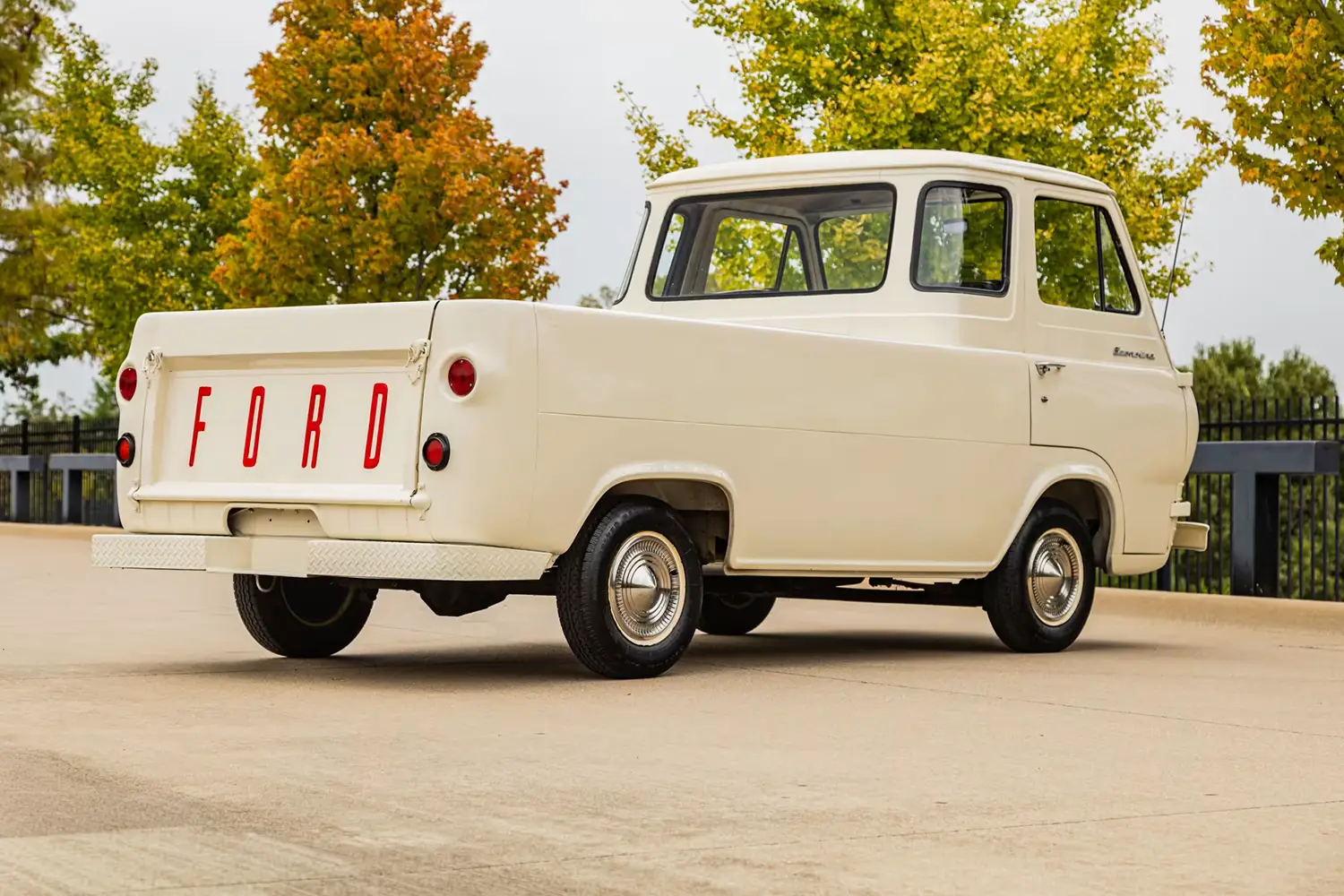
Classic Cab-Over Styling
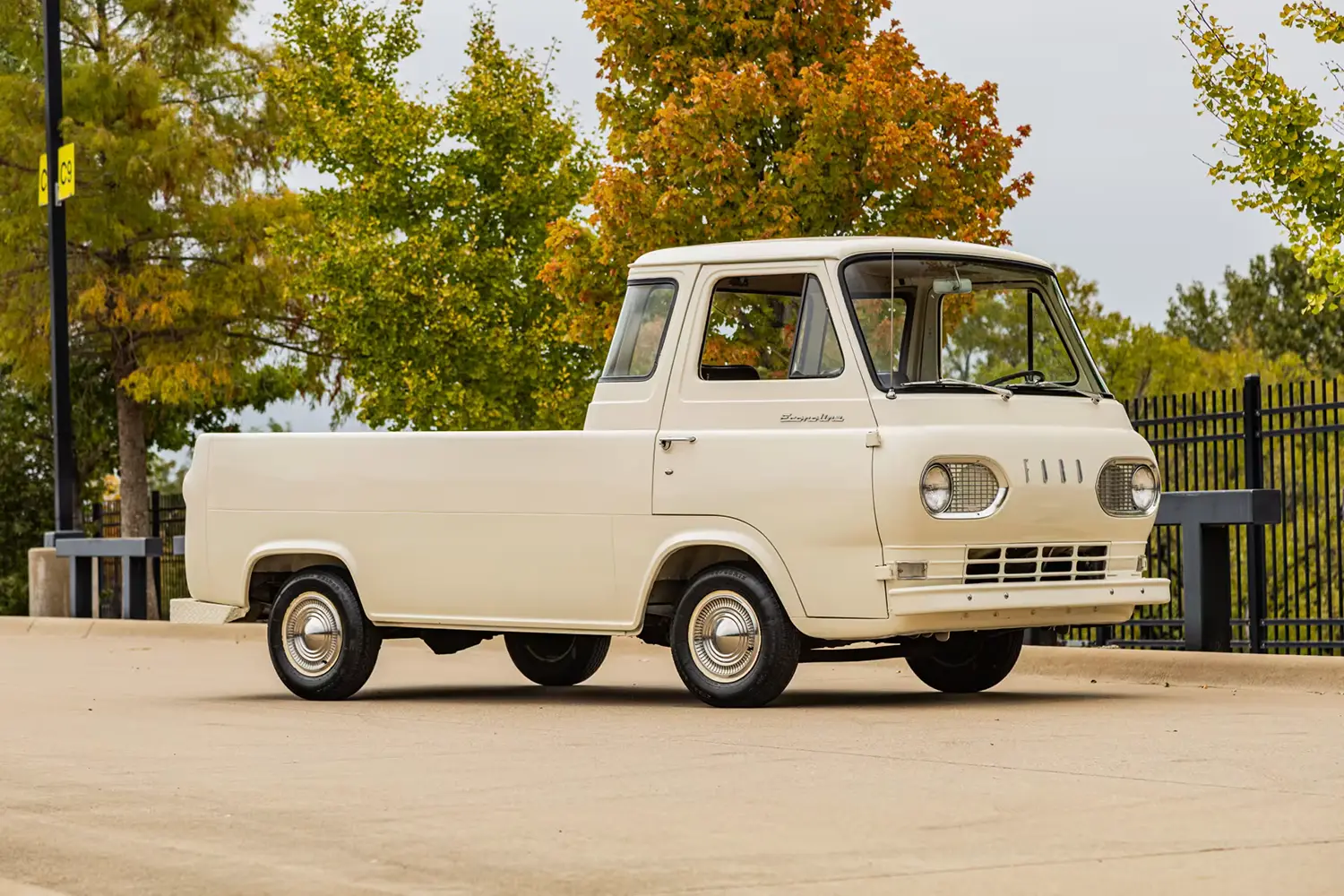
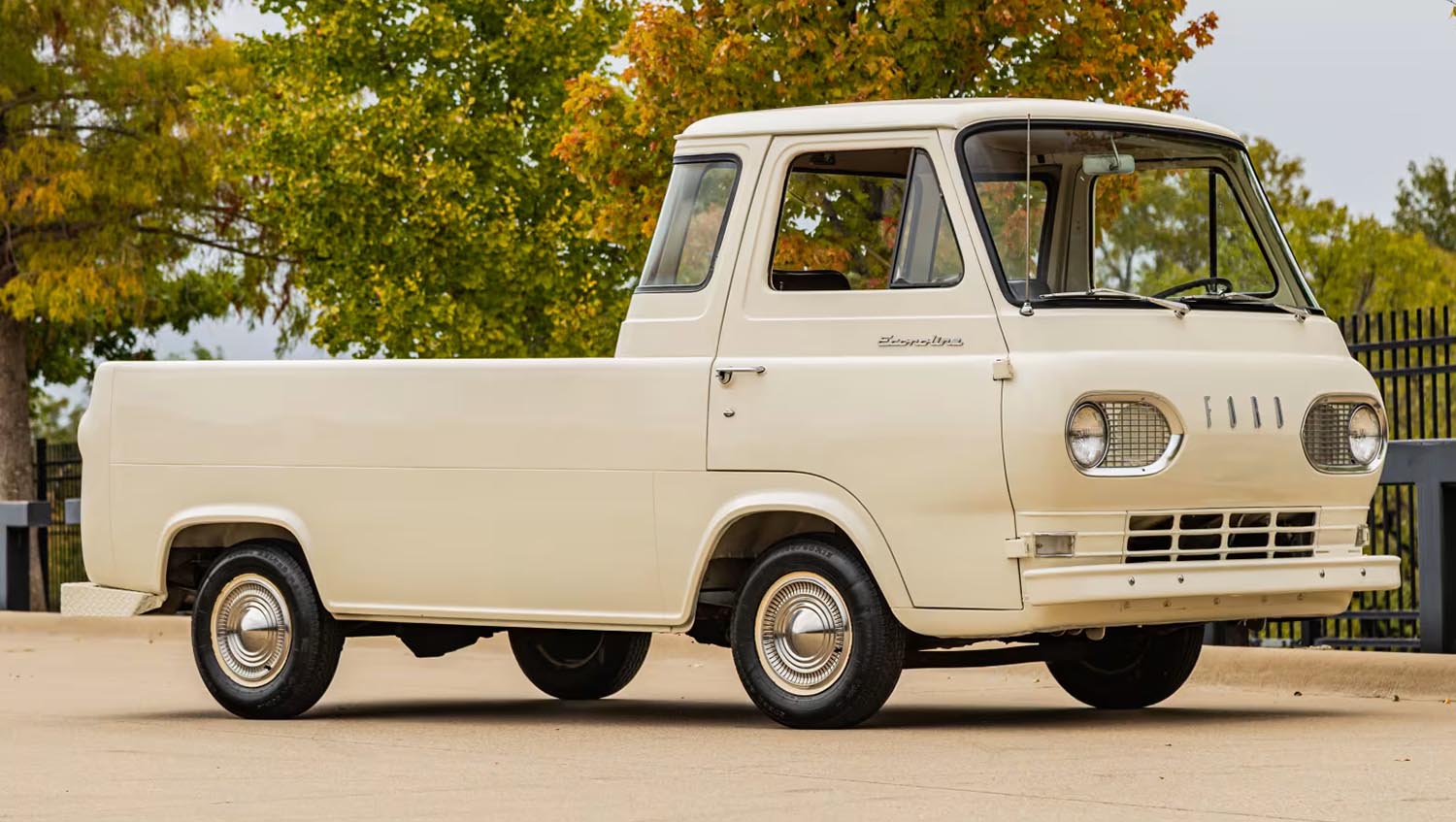
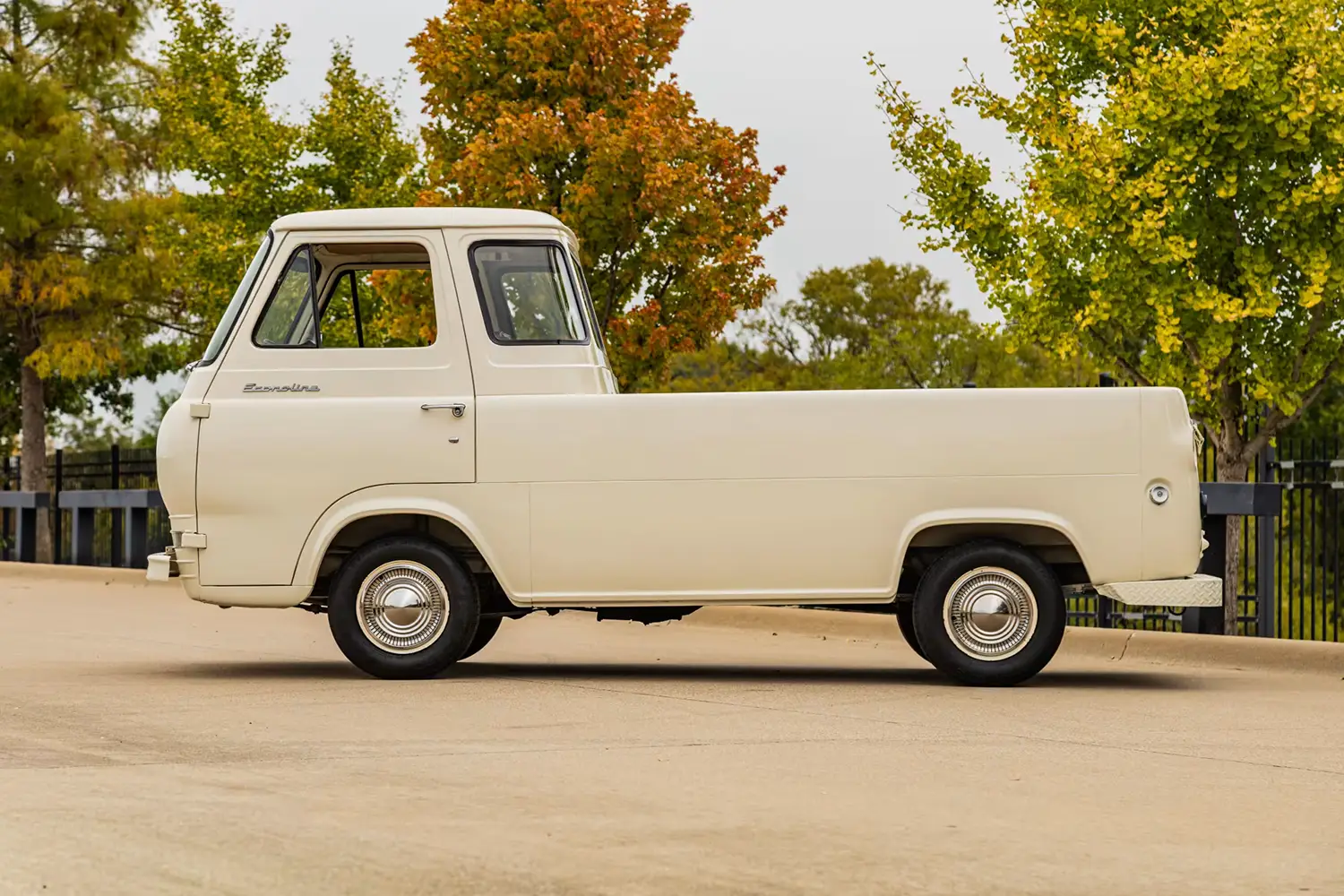
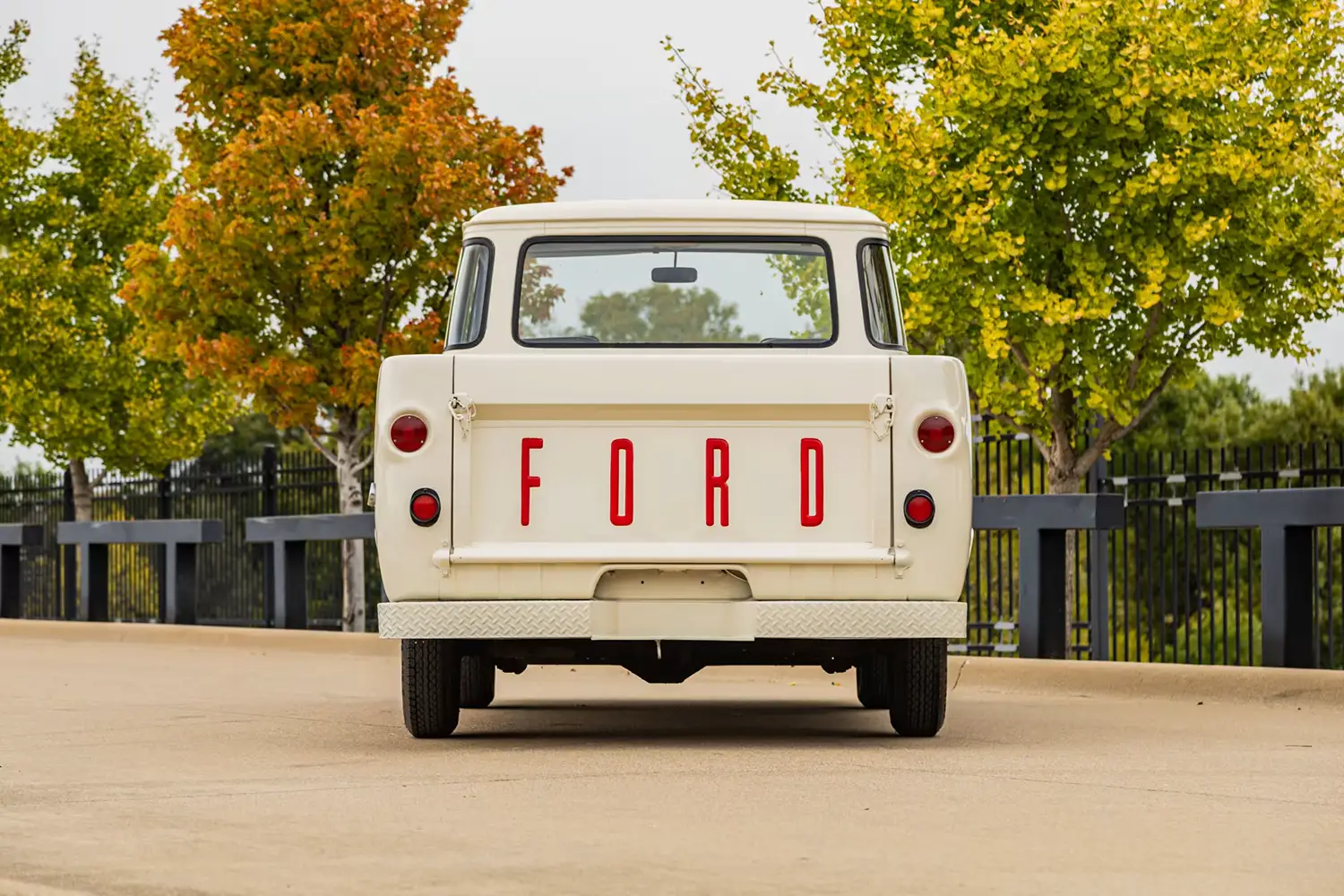
The exterior of the 1962 Ford Econoline Pickup is finished in a timeless Corinthian White paint. This shade emphasizes the boxy, forward-control silhouette that made these trucks so distinct on the road. Painted bumpers and steel wheels with full-size covers maintain the honest, utilitarian look of the original build. The five-window cab design provides a more airy feel than the standard three-window versions found in most catalogs. Every panel reflects the era when function dictated the automotive form.
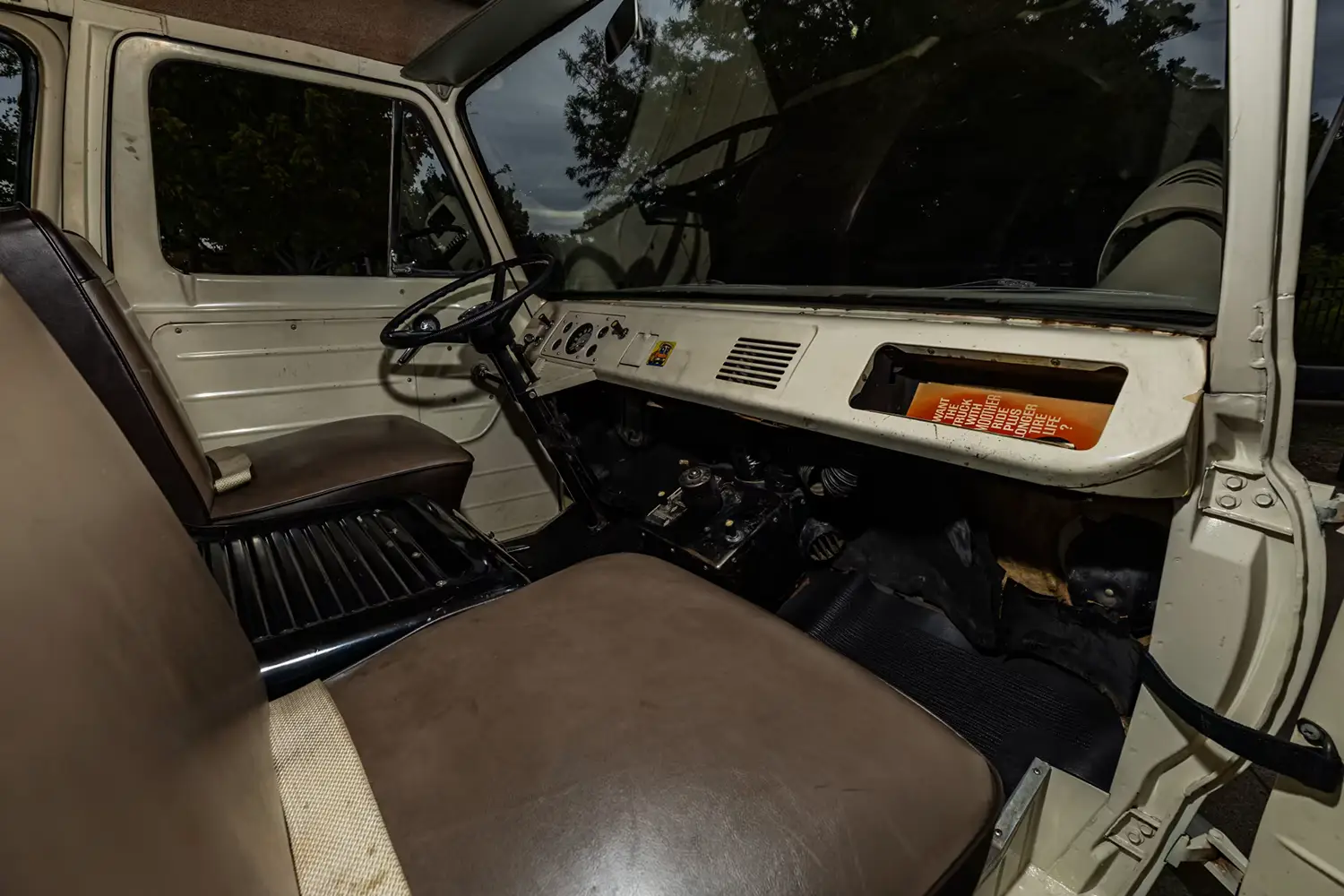
Nostalgic Interior Environment
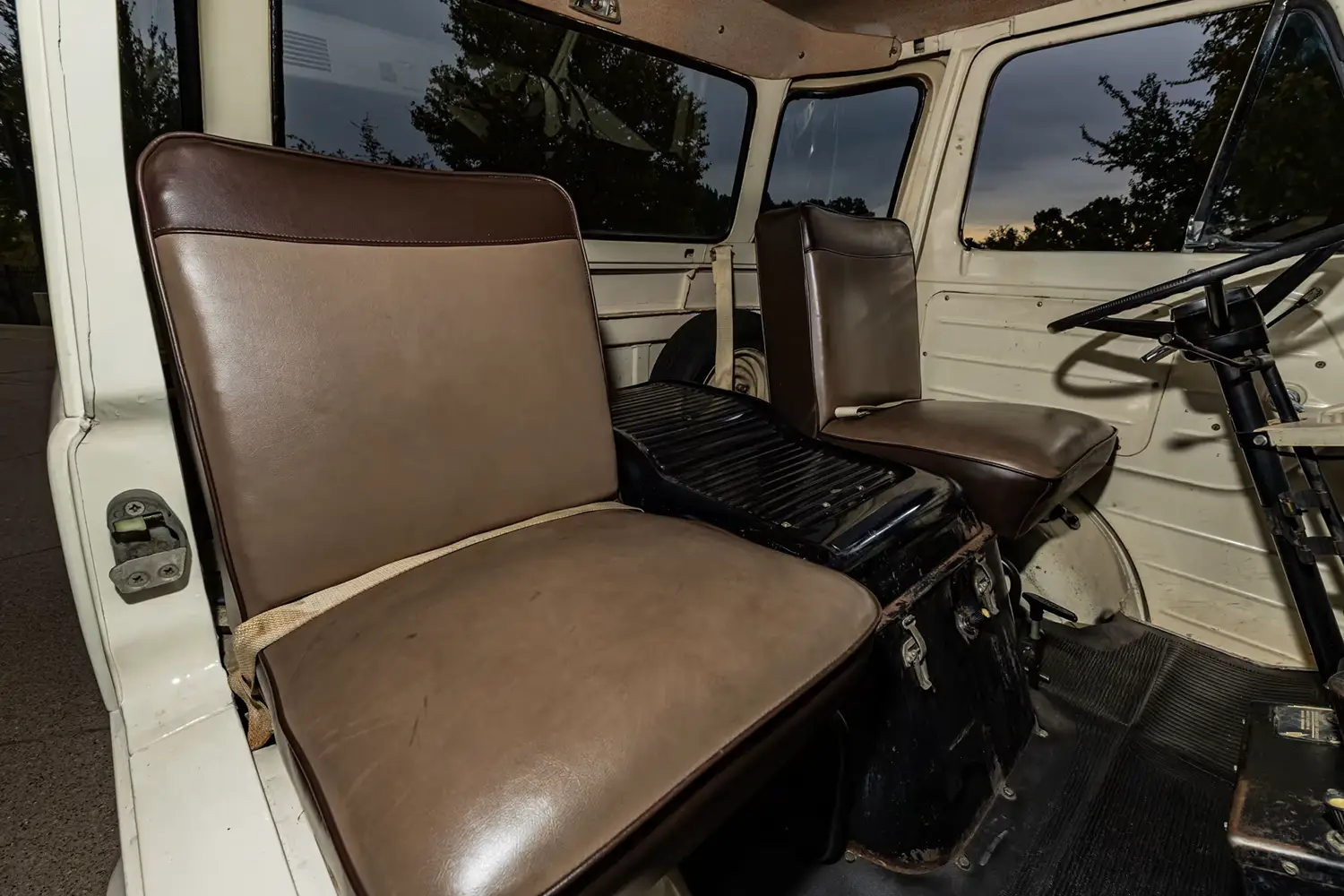
Inside the cabin, the 1962 Ford Econoline Pickup features a simple yet effective Brown and White color scheme. A basic heater provides essential warmth, reminding us of a time when luxury was a secondary consideration. The operator interacts with a portable radio, adding a touch of period-correct charm to the driving experience. Sitting directly over the front axle offers a commanding view of the road through the large glass surfaces. This cockpit provides a raw, mechanical connection that modern vehicles have long since lost.
Practical Engineering Roots
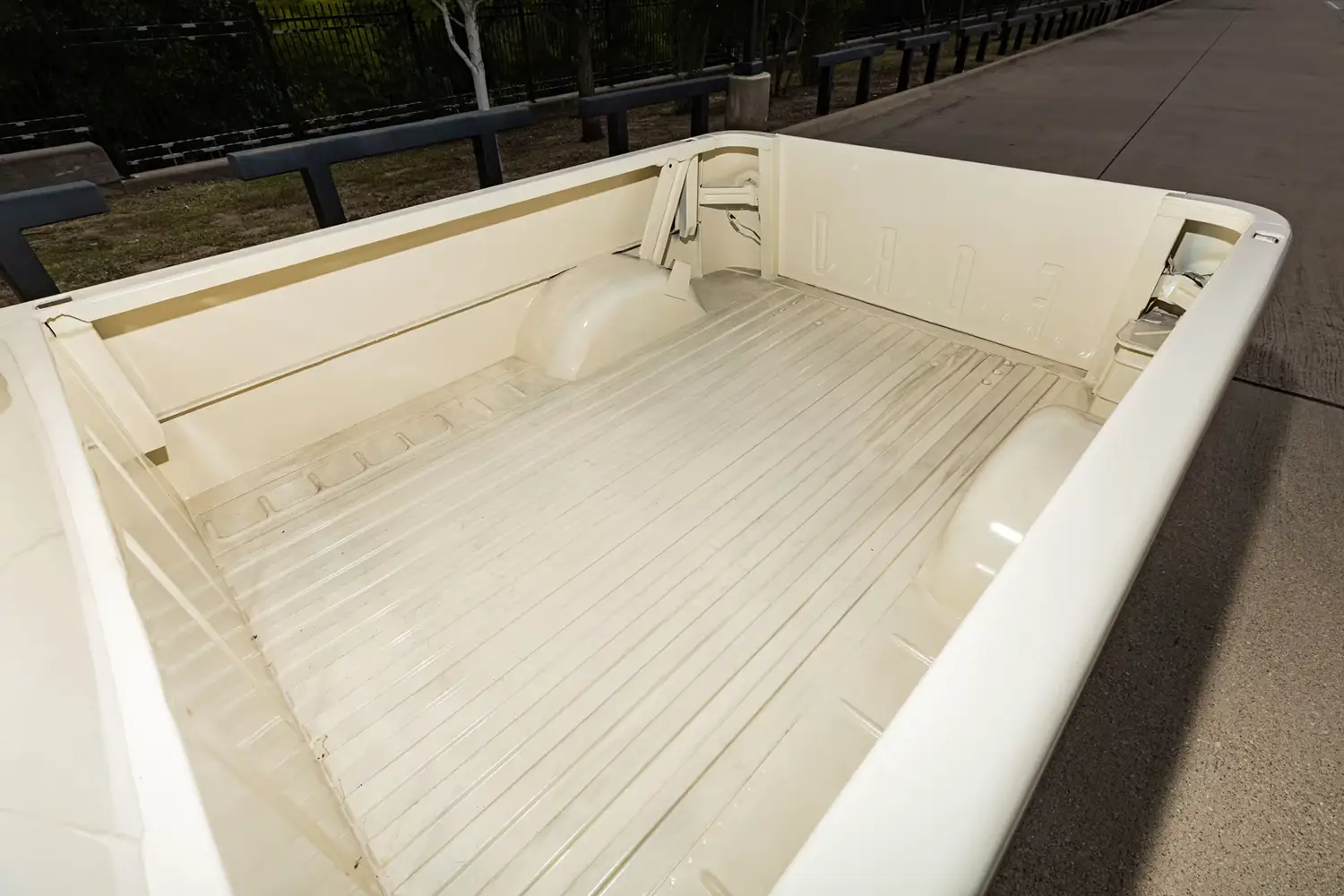
Since the 1962 Ford Econoline Pickup shares its DNA with the Ford Falcon, parts and maintenance remain relatively straightforward. The cab-over layout allows for a surprisingly large bed despite the truck’s overall short length. Its lightweight construction ensures that the modest power available is used efficiently for local hauling tasks. Painted steel wheels offer durability and ease of repair for those who still wish to use the truck. This engineering approach made it a favorite for small businesses in the sixties.
Driver Interaction and Handling
Managing the 1962 Ford Econoline Pickup involves a column-mounted three-speed manual transmission, often called three-on-the-tree. This setup requires a deliberate and rewarding shifting technique that engages the driver with every mile. The steering is direct, though the forward seating position creates a unique handling sensation through tight corners. Drum brakes at all four corners handle stopping duties in a manner consistent with early sixties technology. It offers a slow-paced, rhythmic driving experience that enthusiasts find deeply relaxing.
Inline-6 Power and Performance
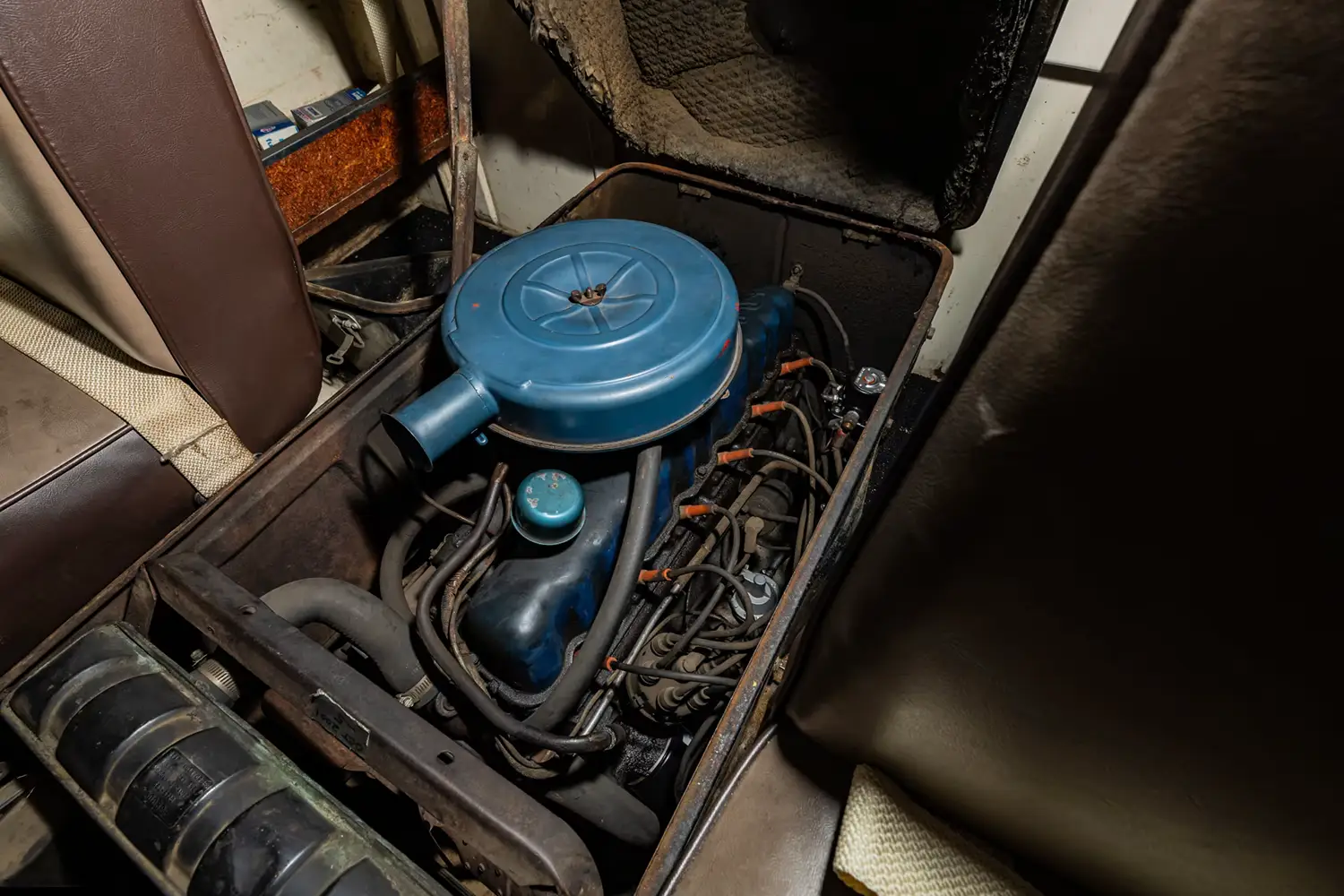
Under the engine doghouse sits a 170 cubic inch inline 6-cylinder engine that produced 101 horsepower when new. This reliable powerplant was known for its longevity and simple overhead-valve design during the Ford Falcon era. It sends power to the rear wheels through the three-speed manual gearbox for a classic mechanical feel. While the odometer shows a high reading, these engines are famous for their ability to run indefinitely with basic care. It provides enough torque for steady cruising and light payload management.
Final Summary
The 1962 Ford Econoline Pickup is a rare survivor that represents a creative period in Ford’s light-truck development. Its five-window cab and Corinthian White finish make it a standout entry for the Kissimmee 2026 auction. This vehicle appeals to collectors who value uniqueness and the history of the Ford Falcon platform. Whether restored to showroom condition or kept as a charming cruiser, it is an essential piece of Americana. The Econoline remains a beloved icon of the forward-control movement.
Disclaimer: Content on this site is for informational and entertainment purposes only. Details, analyses, and opinions reflect current trends and personal views, not professional or financial advice. Always verify information with official sources before making any decisions.
Source: mecum.com