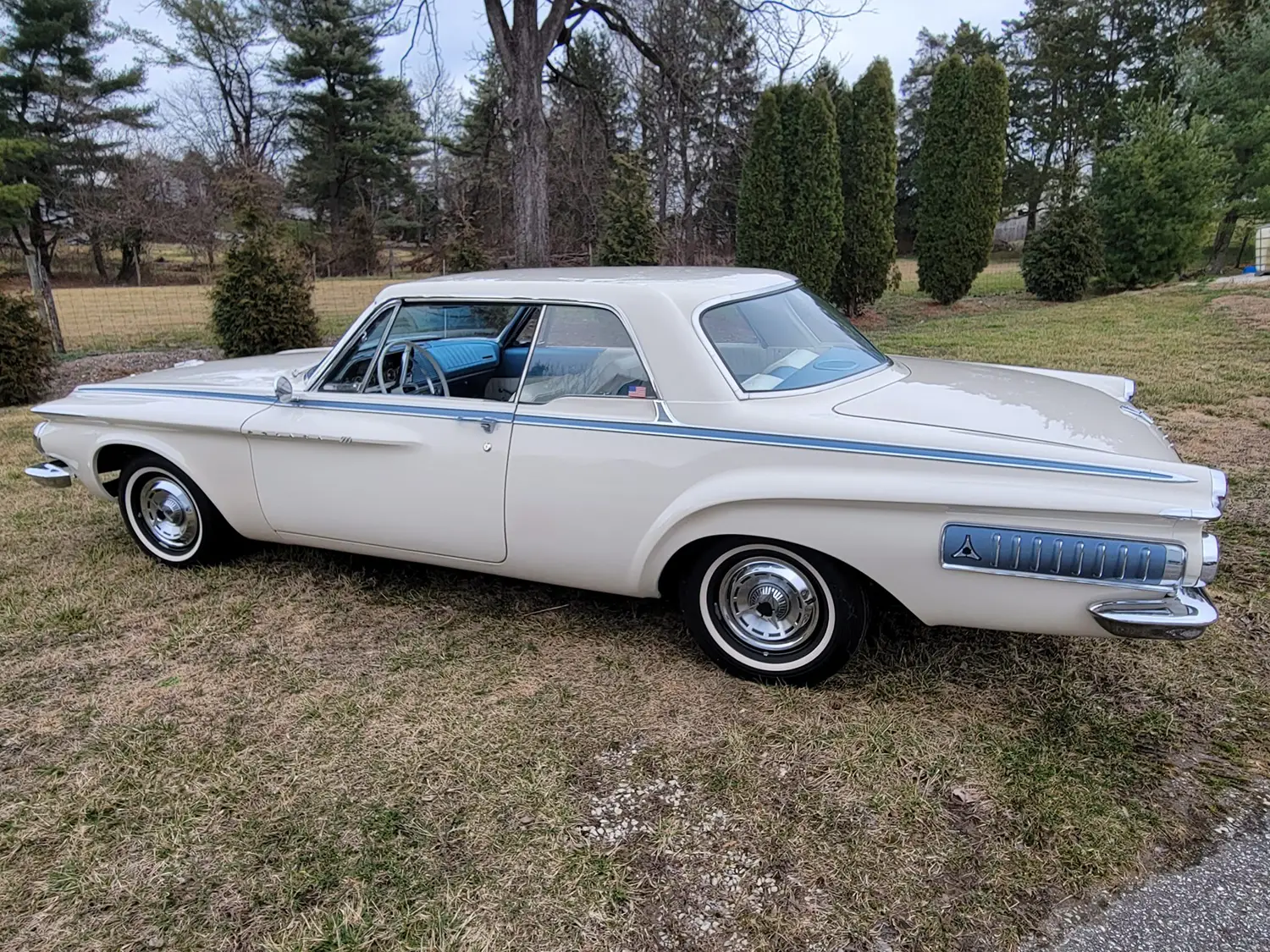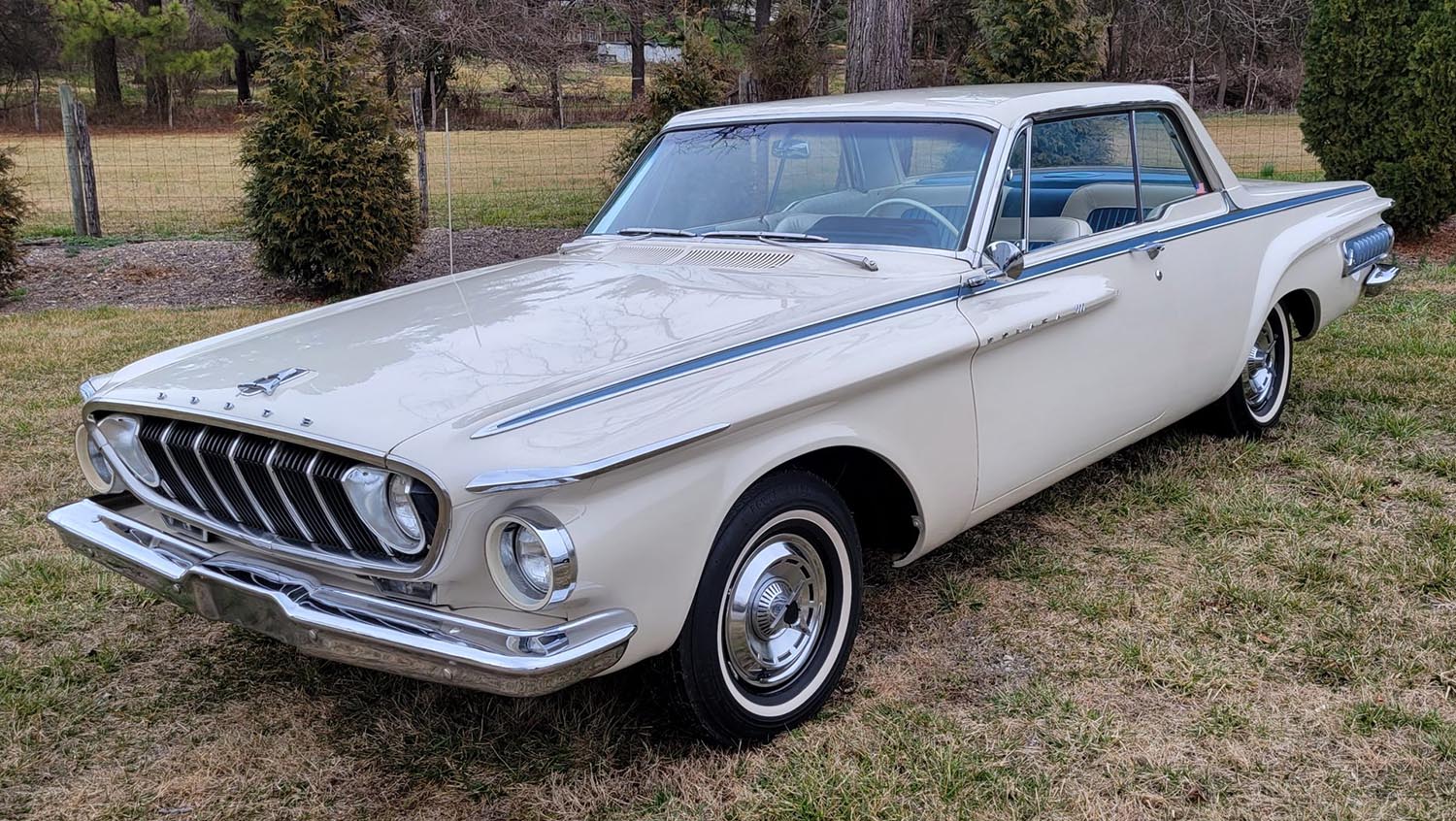
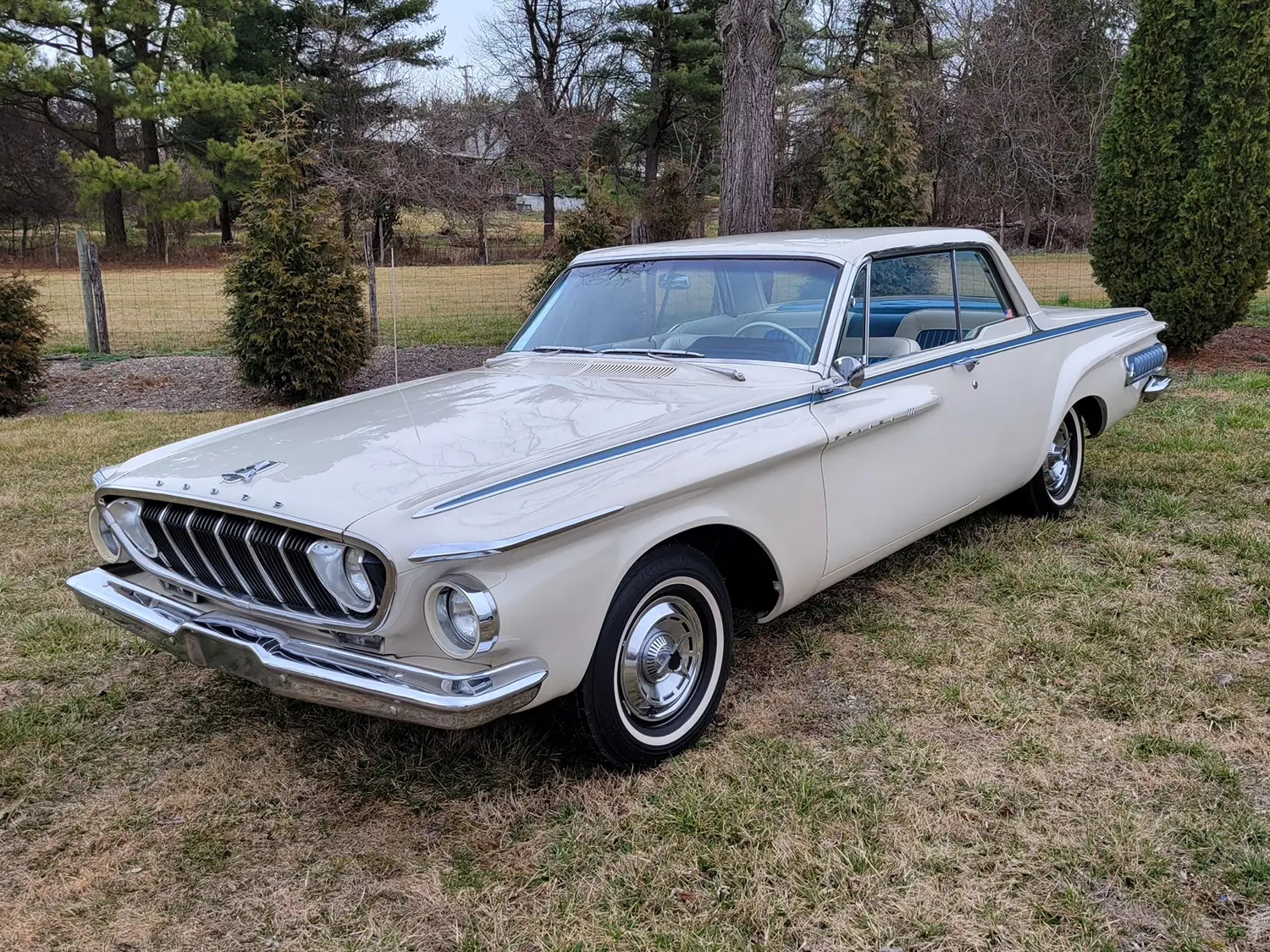
The 1962 Dodge Polara 500 stands as a significant milestone in the history of American drag racing and Mopar performance. This two-door hardtop is reportedly one of only five examples ever equipped from the factory with the low-compression 413ci Max Wedge V8 and a three-speed manual transmission. Its history is deeply rooted in the golden era of the quarter-mile, having been campaigned extensively by its original owner through 1963. While many factory racers were lost to time, this car carries a rich paper trail including 1960s time slips from legendary tracks like Continental Divide Raceways. Such documentation transforms a classic car into a living chronicle of automotive competition.
Design and Aesthetic Refurbishment
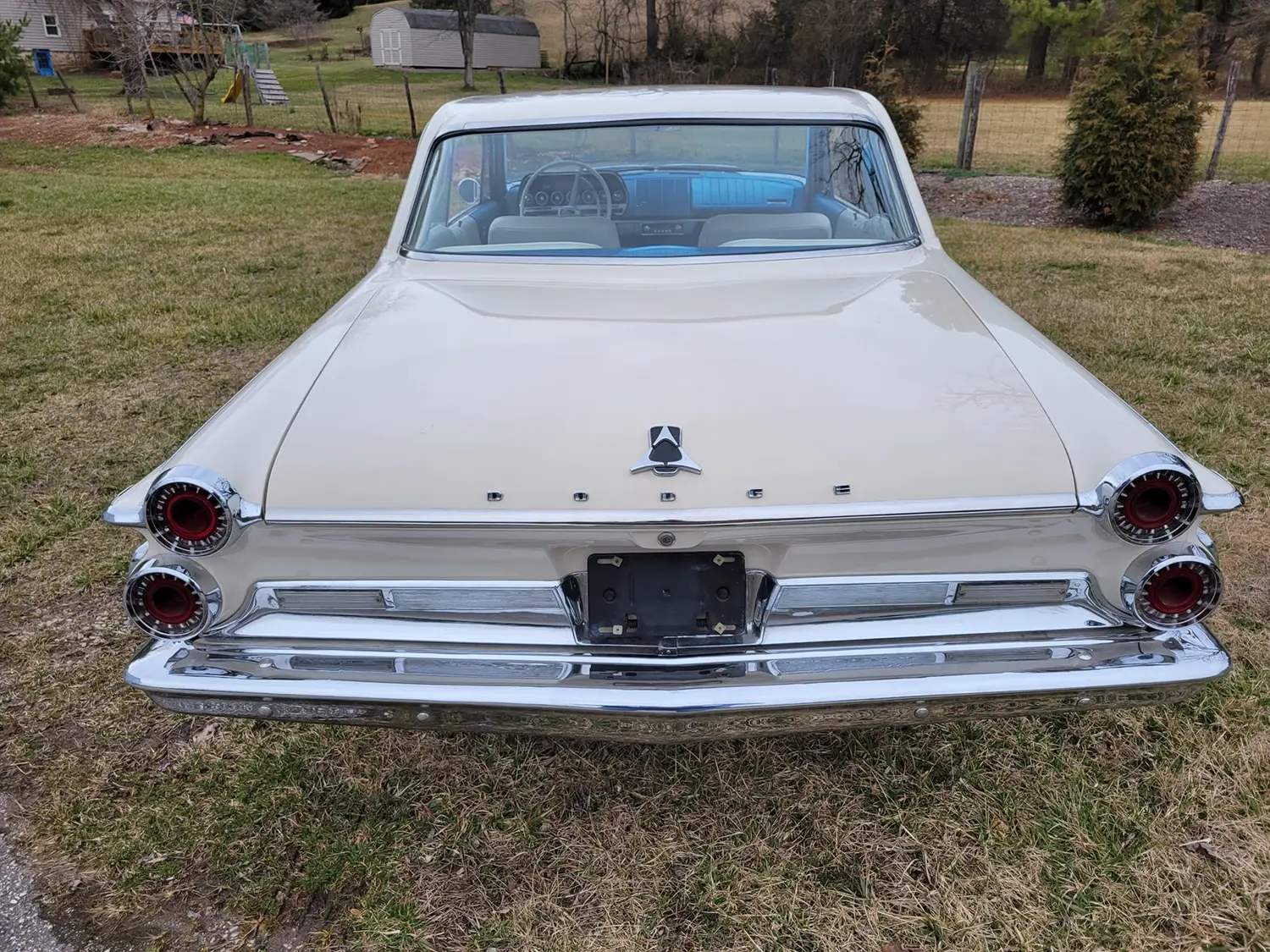
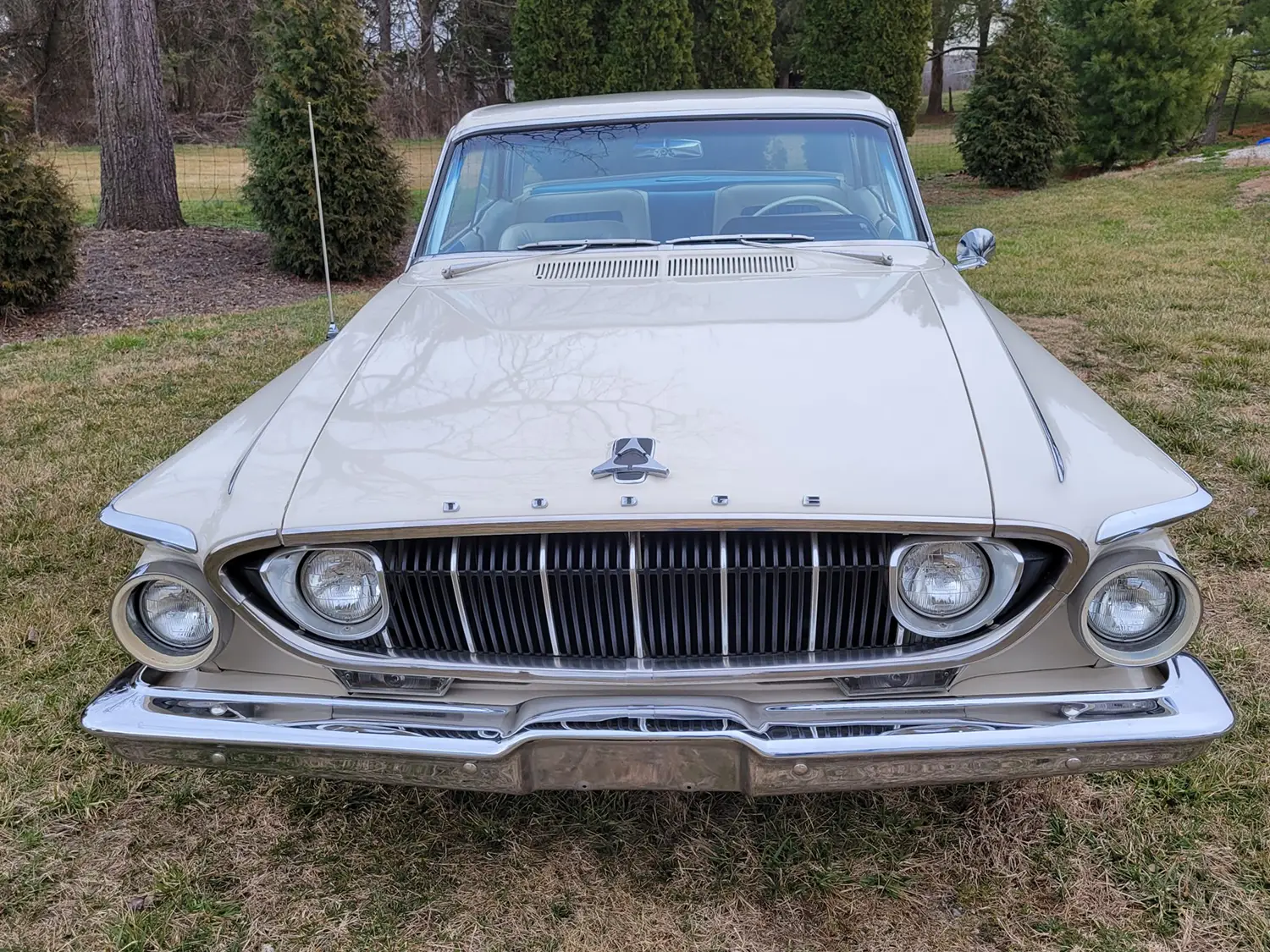
Following a dedicated refurbishment in the late eighties and early nineties, the car now wears a clean coat of Shell Beige paint. This 1962 Dodge Polara 500 features unique blue-accented waistline spears that highlight its sculpted body sides. The design is a textbook example of early sixties boldness, featuring offset quad headlights and stamped vent-style designs on the quarter panels. Chrome bumpers and bright trim remain in excellent condition, reflecting the care given during its long-term ownership. Black 14-inch steel wheels with spinner-style covers provide a period-correct stance. This combination of color and trim makes it a standout at any classic gathering.
A Period-Correct Two-Tone Cabin
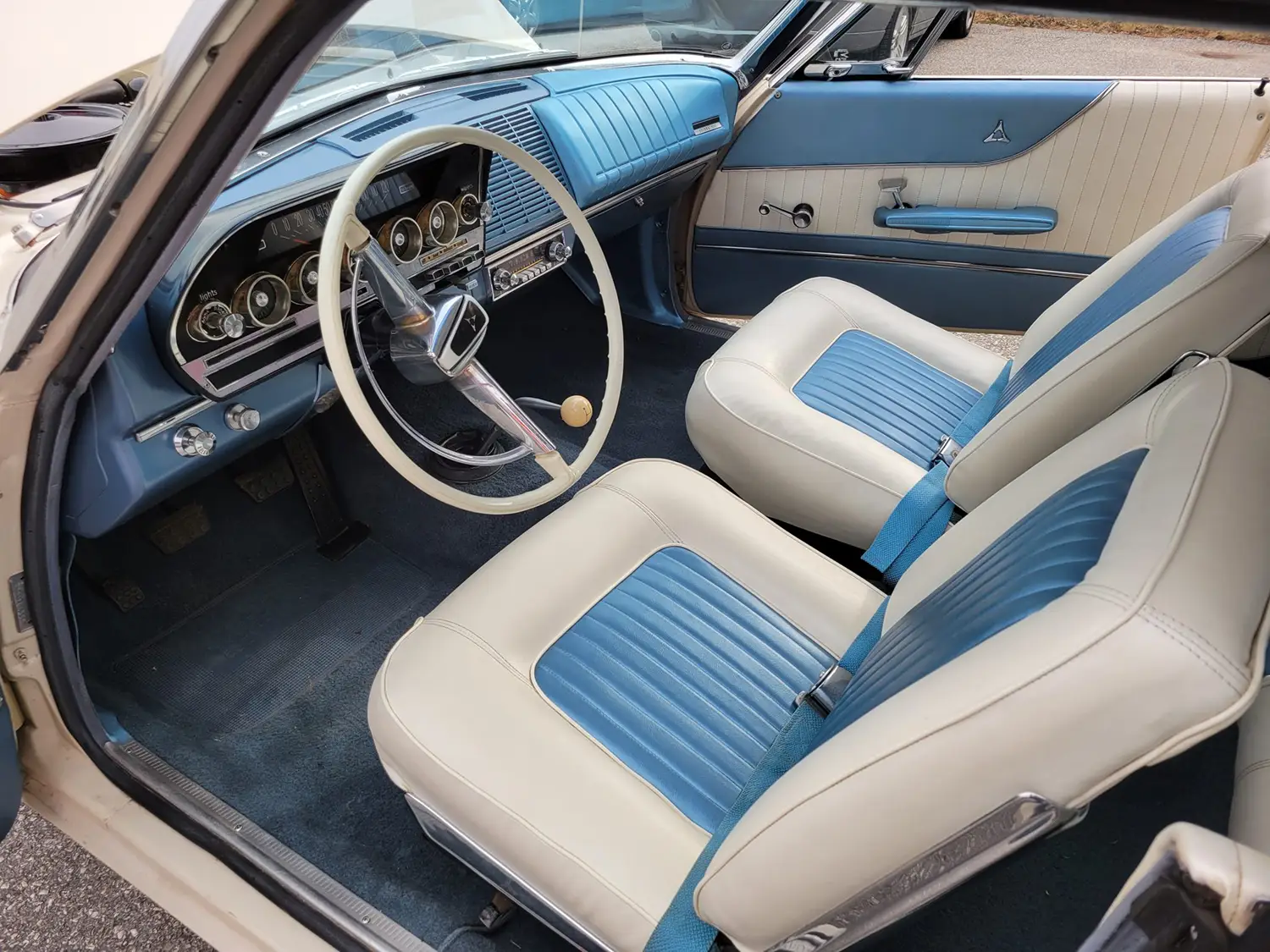
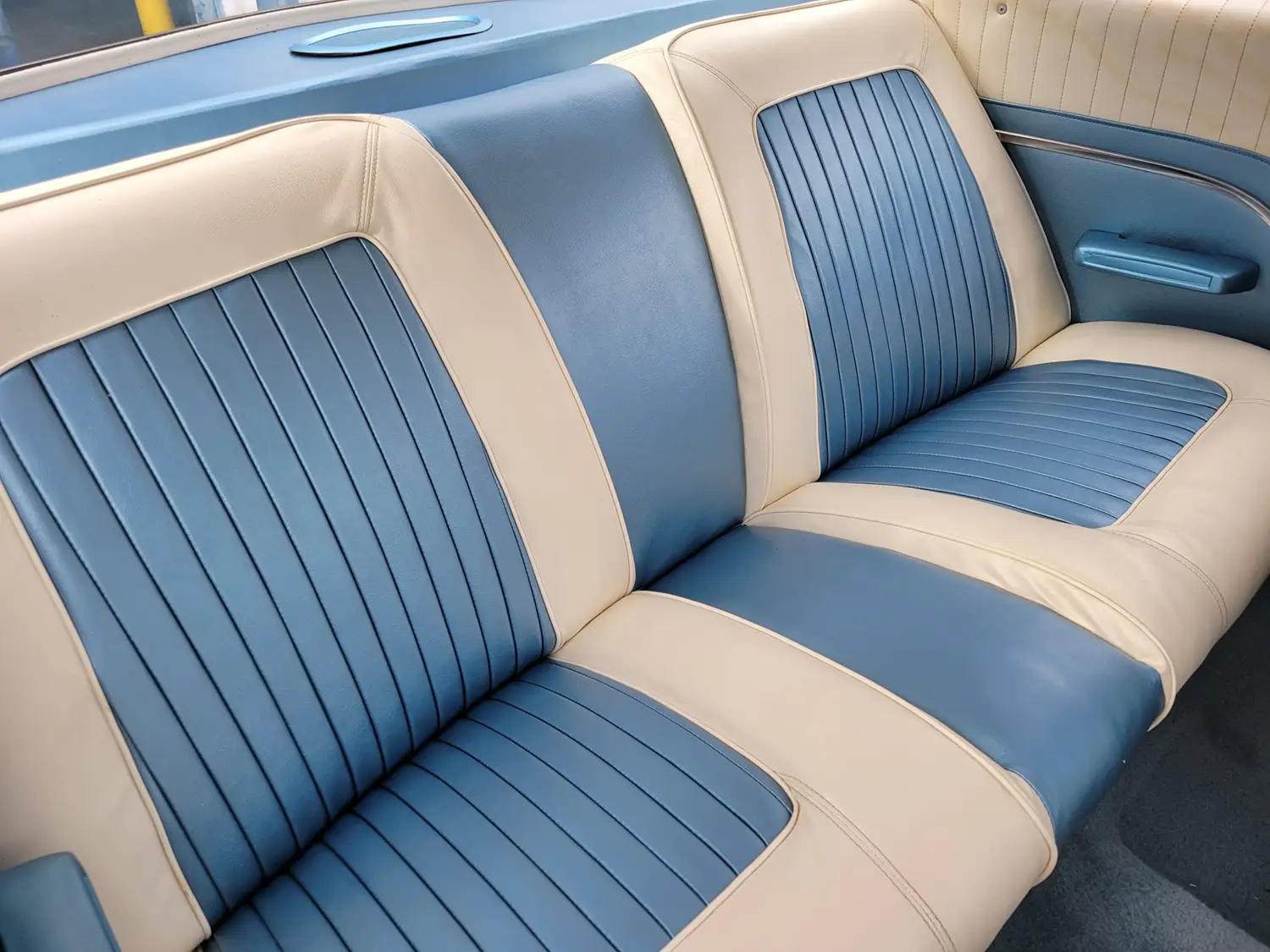
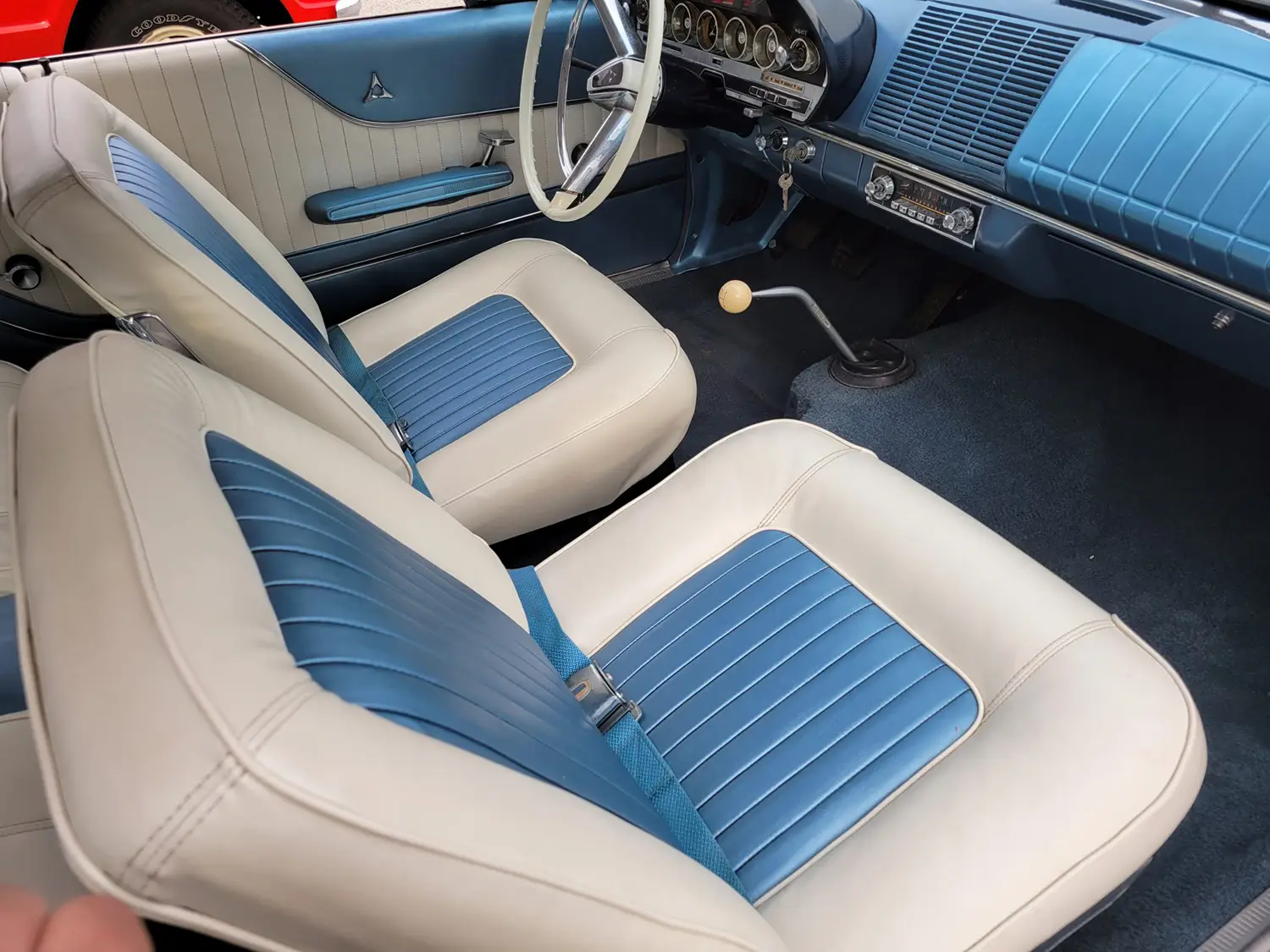
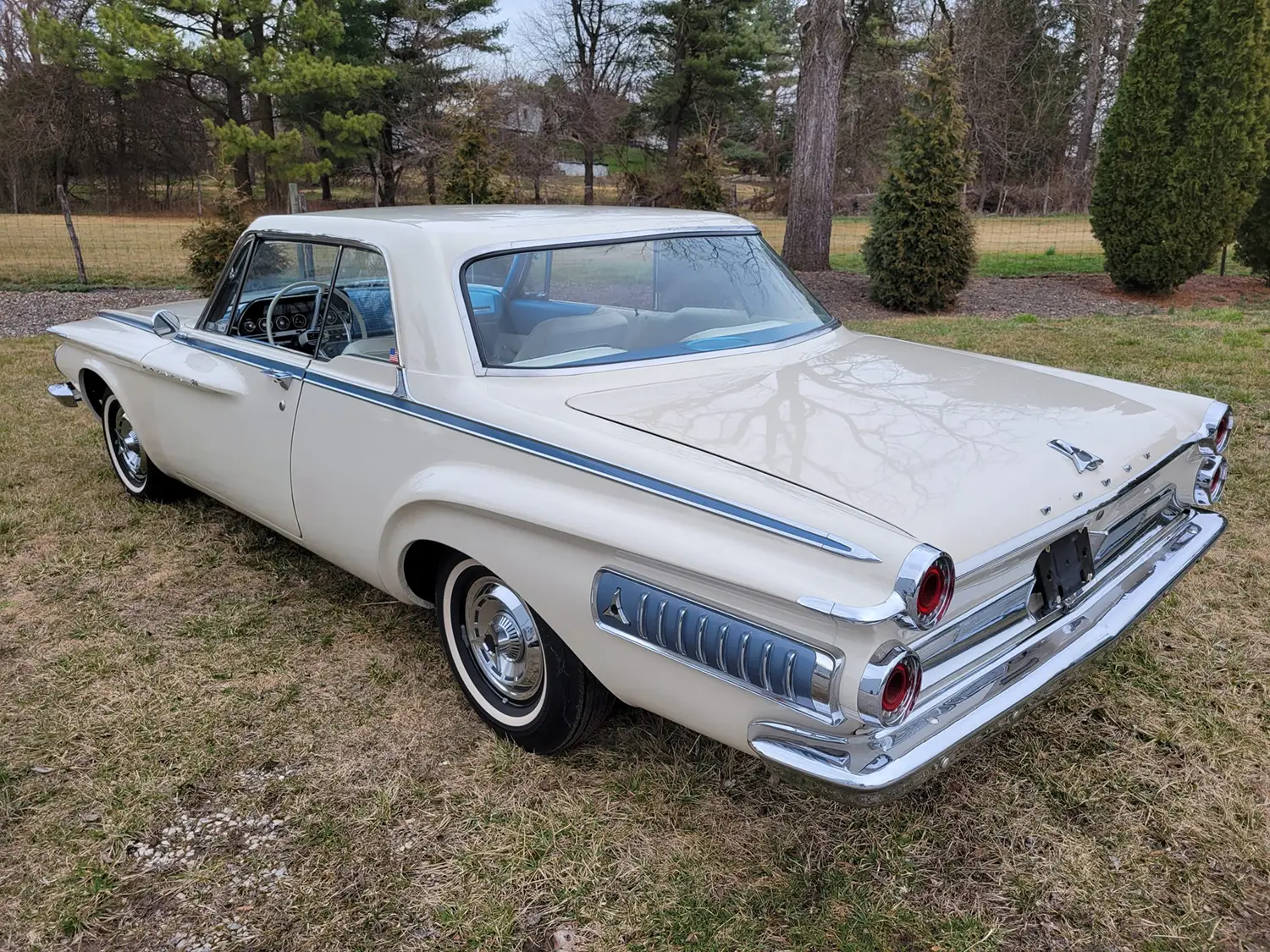
Steering inside reveals a beautifully coordinated white and blue vinyl interior that perfectly matches the exterior accents. The 1962 Dodge Polara 500 offers front bucket seats and a rear bench, a configuration that was quite sporty for its size. High-quality blue carpeting ties the cabin together, while the push-button Astrophonic AM radio remains a centerpiece of the dashboard. Behind the steering wheel with its bright horn ring, a sweeping 120-mph speedometer keeps the driver informed. The interior environment feels focused and purposeful, devoid of unnecessary modern clutter. It provides an authentic space for experiencing the mechanical feedback of a vintage performance machine.
Mechanical Restoration and Maintenance
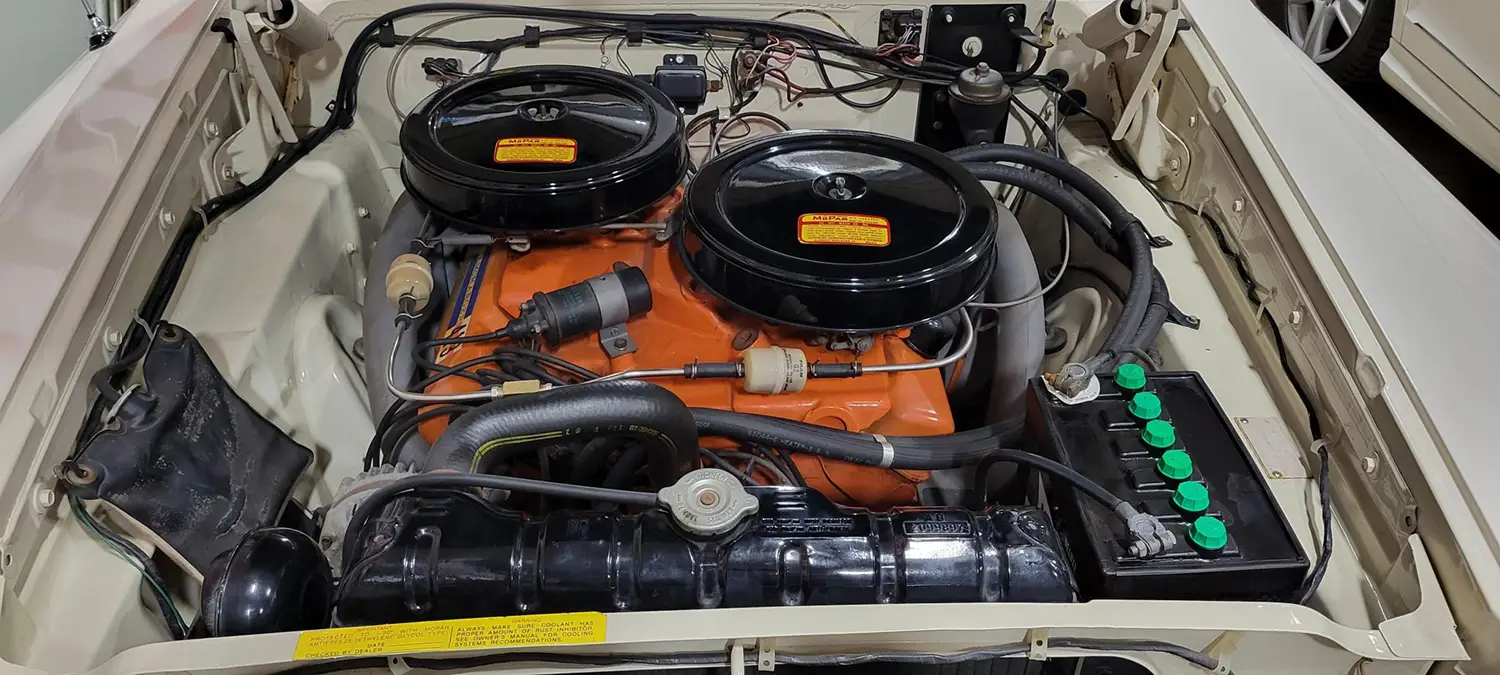
The car underwent a significant mechanical transformation to return it to its former glory. While the original engine and transmission were separated from the chassis in the mid-sixties, a replacement 413 Max Wedge was installed decades ago. Maintenance has remained a priority, with the dual four-barrel carburetors receiving a full overhaul in 2023. At that time, technicians also replaced the fuel filters and installed a reproduction Mopar AGM battery. A replacement three-speed manual transmission handles the shifting duties, staying true to the car’s rare factory configuration. Braking is handled by traditional drums at all four corners, requiring a deliberate and involved driving style.
Max Wedge Power and Performance Specs
The 413ci Max Wedge V8 engine is a legendary powerplant that was factory rated at 410 horsepower and incredible torque. This Ram Charger setup utilizes a 11.0:1 compression ratio and dual four-barrel carburetors for maximum output. When the driver presses the pedal, the two-stage intake manifold provides a visceral and immediate response. The three-speed manual transmission ensures that the engine’s power is delivered directly to the rear wheels without delay. Performance remains impressive even by modern standards, offering the raw acceleration that made it a terror on the drag strip. It represents the pinnacle of Mopar engineering before the Hemi era took over. This drivetrain is a masterpiece of early sixties muscle.
Summary of a Drag Strip Veteran
The 1962 Dodge Polara 500 is much more than a refurbished classic; it is a documented piece of racing lore. Its rarity as a Max Wedge hardtop with a manual gearbox makes it an essential find for Mopar collectors. The inclusion of original trophies, Galen Govier decoding sheets, and vintage correspondence adds layers of provenance. It bridges the gap between a high-performance street car and a purpose-built racing machine. This Polara has been featured in books and magazines, cementing its status in the automotive community. As it moves into the hands of a new caretaker, it carries the spirit of every win it secured in the sixties. It remains a definitive example of Dodge’s performance heritage.
Disclaimer: Content on this site is for informational and entertainment purposes only. Details, analyses, and opinions reflect current trends and personal views, not professional or financial advice. Always verify information with official sources before making any decisions.
Source: bringatrailer.com