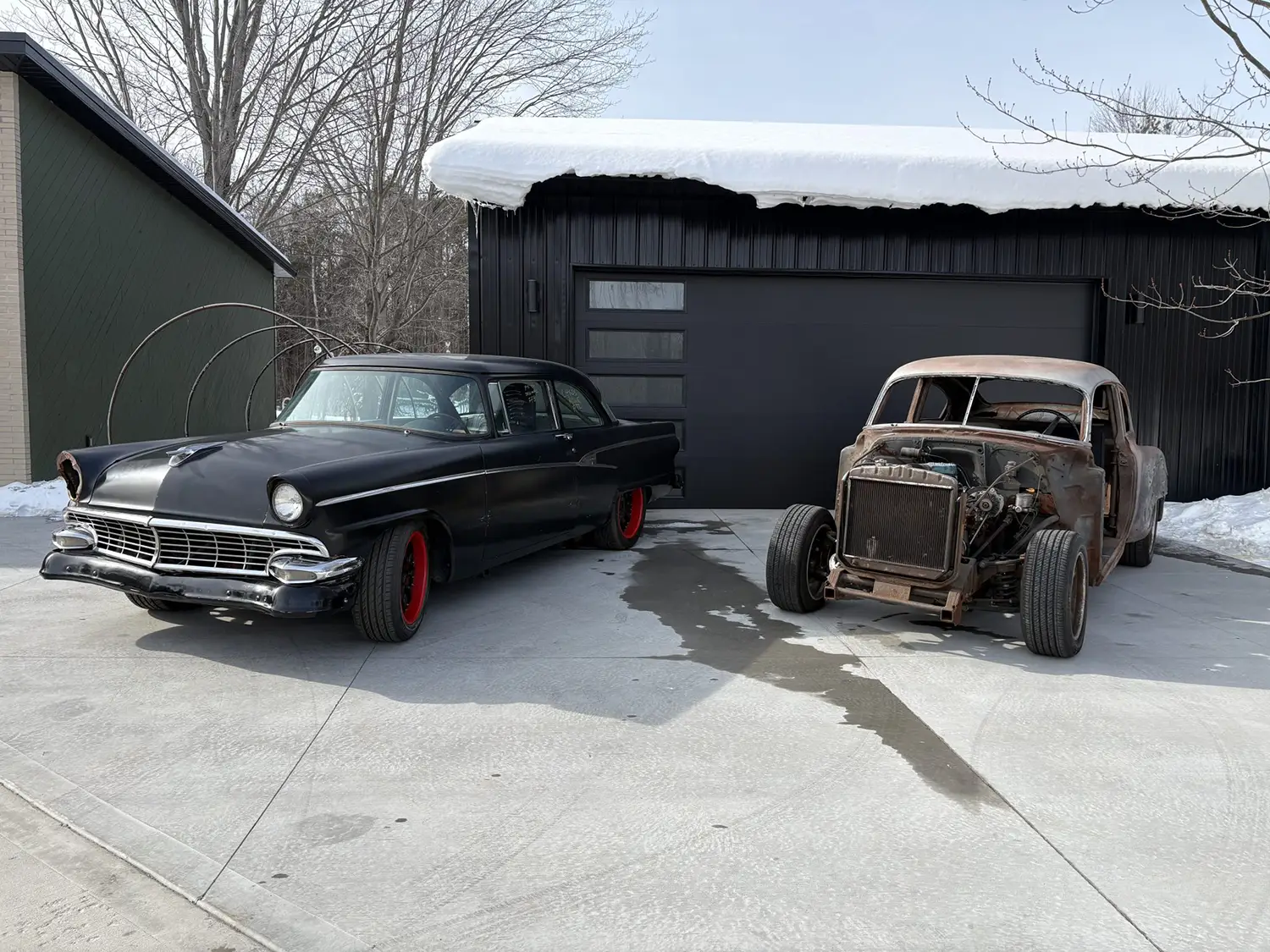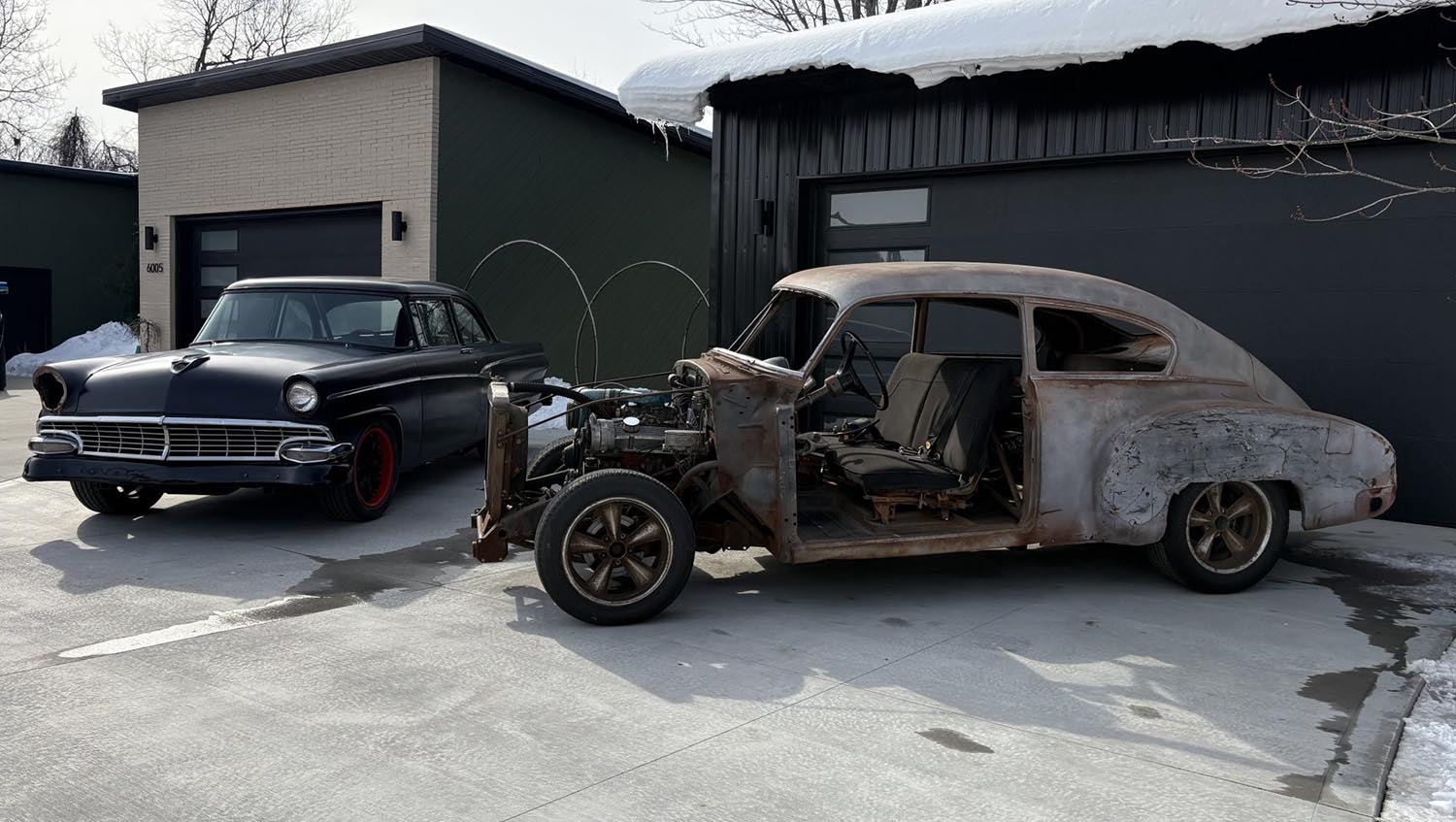
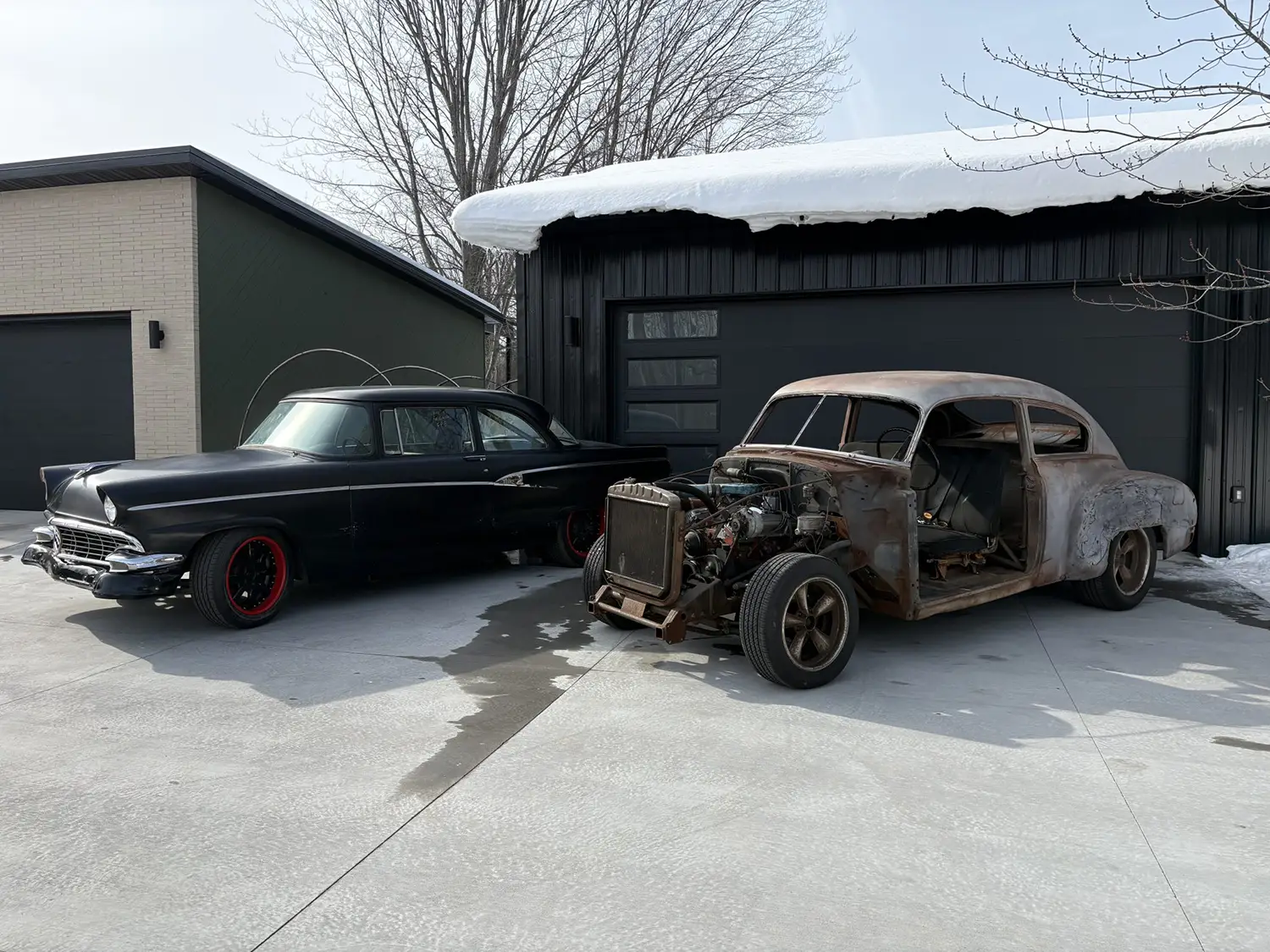
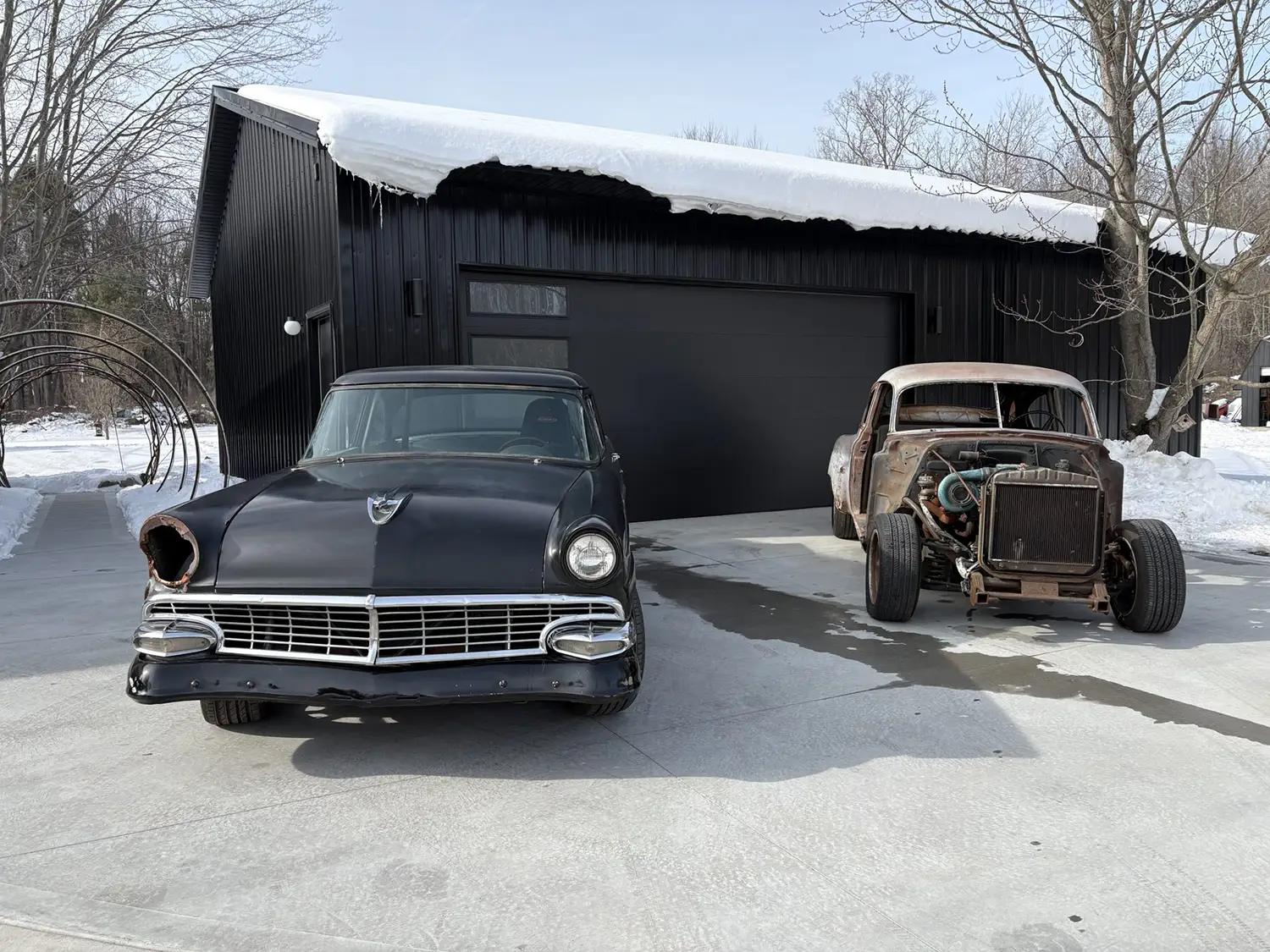
The adrenaline-fueled world of The Fast and The Furious franchise has produced some of the most recognizable cinema cars of the modern era. Among these icons are the 1950 Chevrolet Fleetline and the 1956 Ford Customline Tudor, famously utilized during the high-stakes opening sequence of the eighth film, The Fate of the Furious. Originally sourced and modified by the production team at Universal City Studios, these vehicles were engineered to withstand the rigors of stunt work. Currently offered as a pair, they represent a rare opportunity to own authentic hardware from the Cuban mile race, complete with their cinematic battle scars and purpose-built mechanical upgrades.
Battle-Scarred Aesthetics and Functional Stunt Bodywork
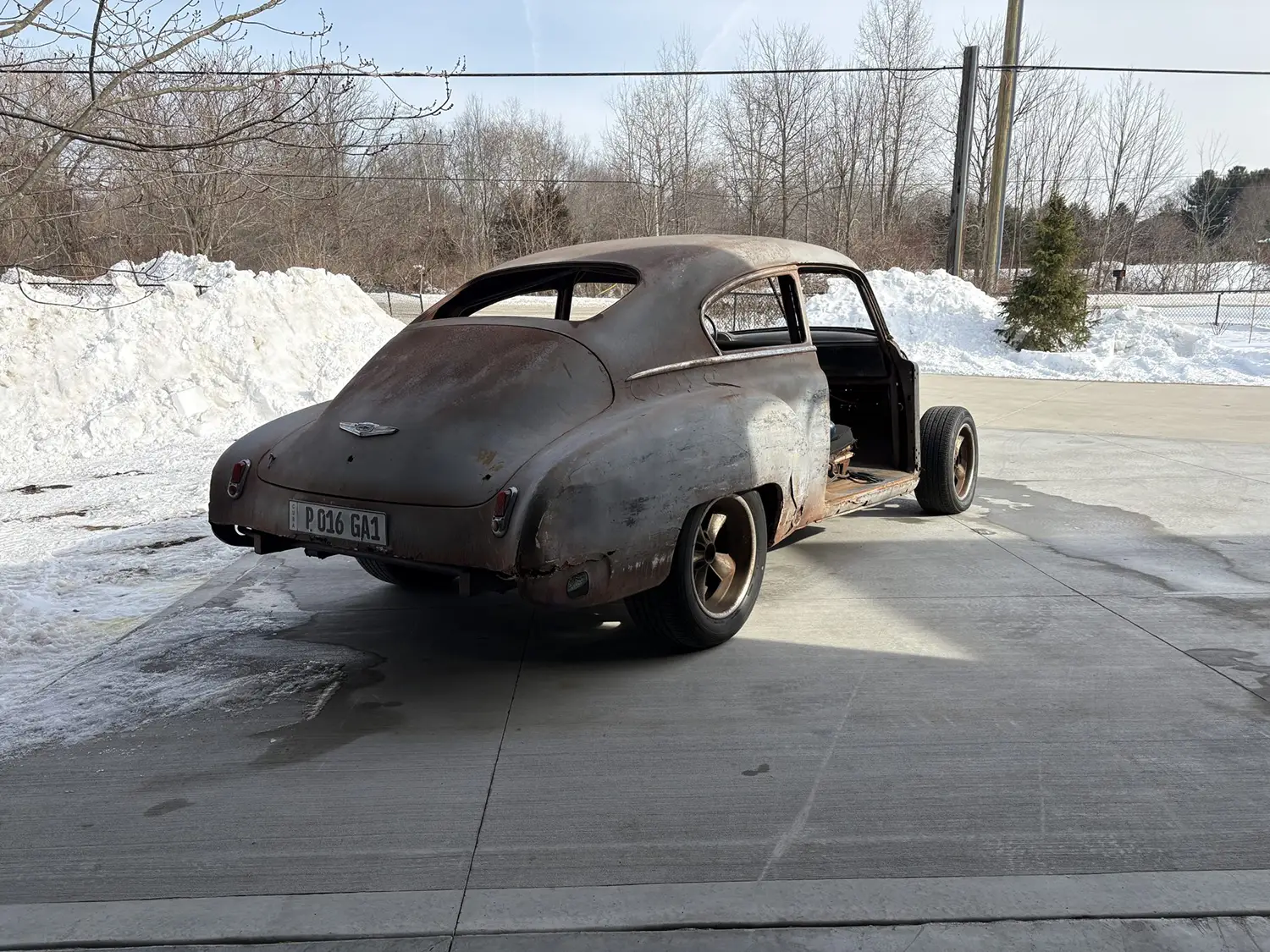
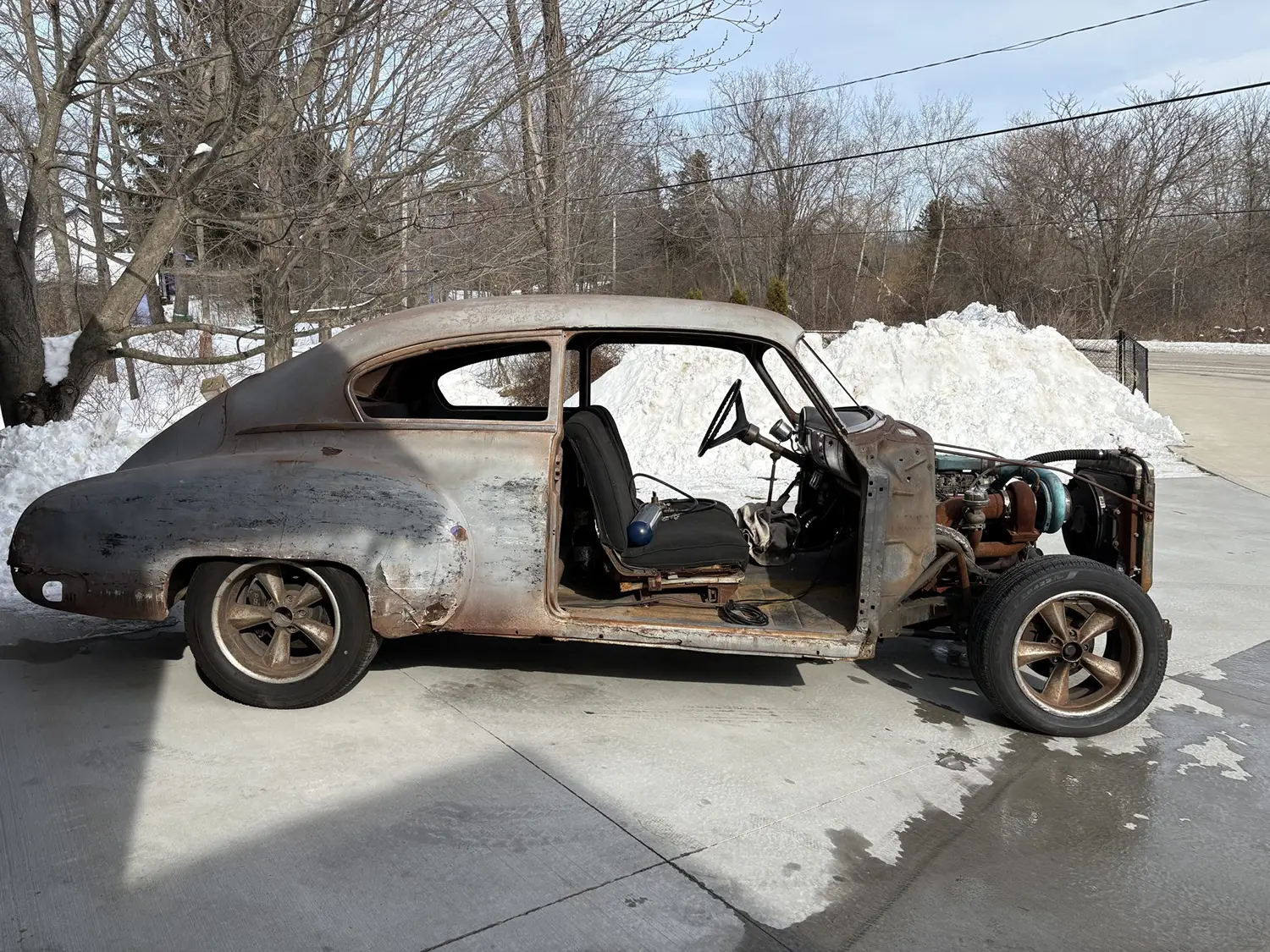
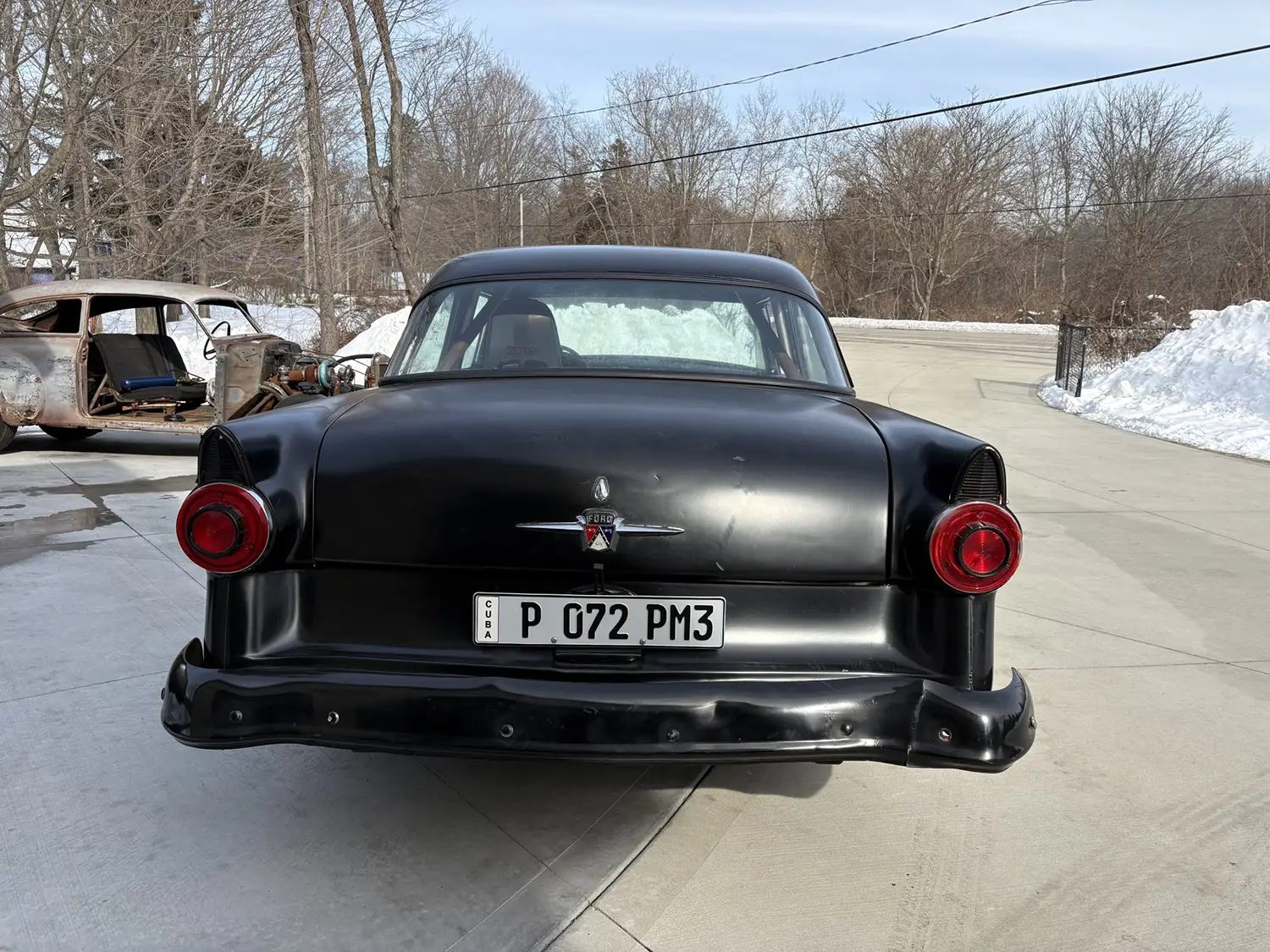
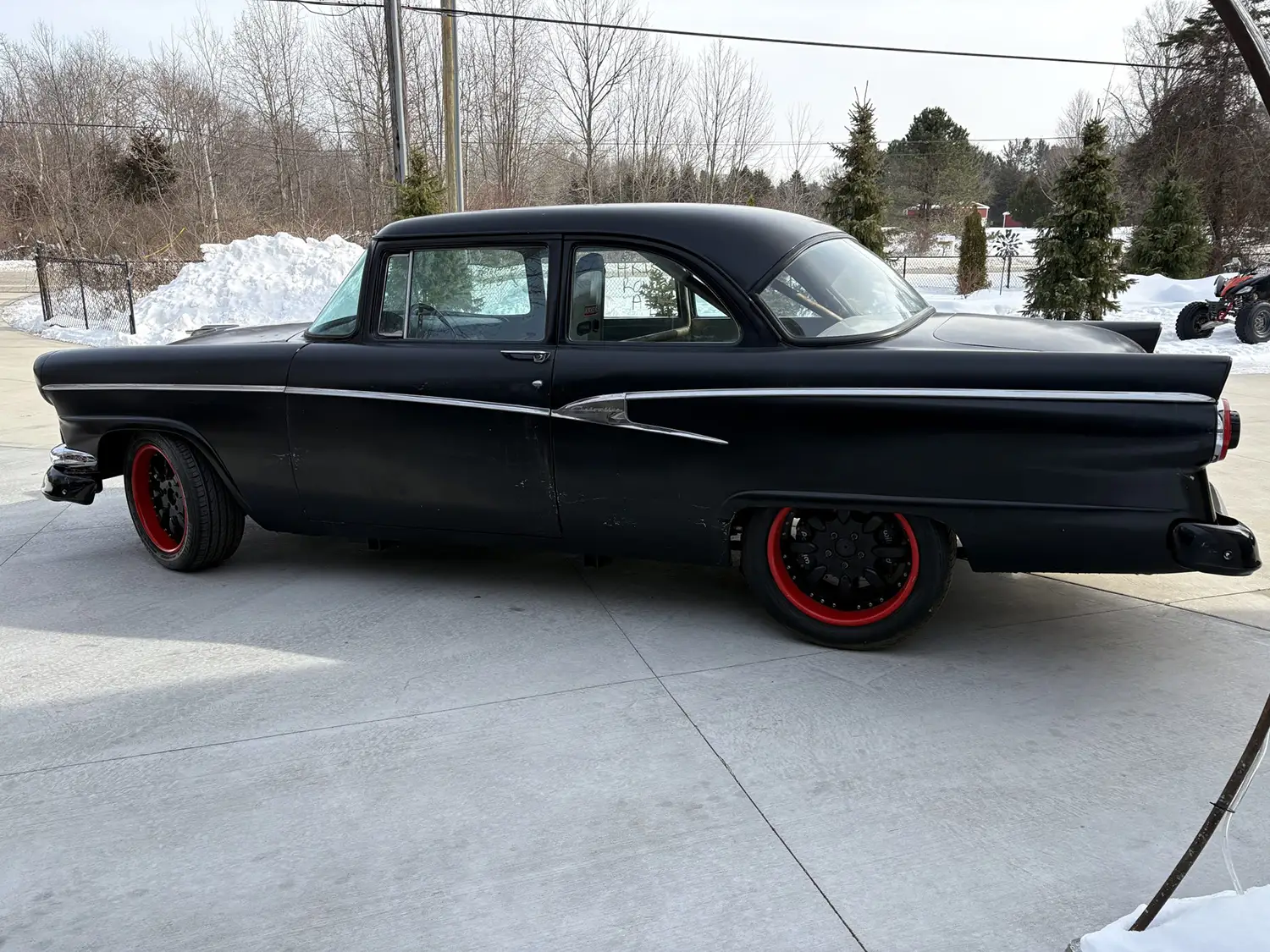
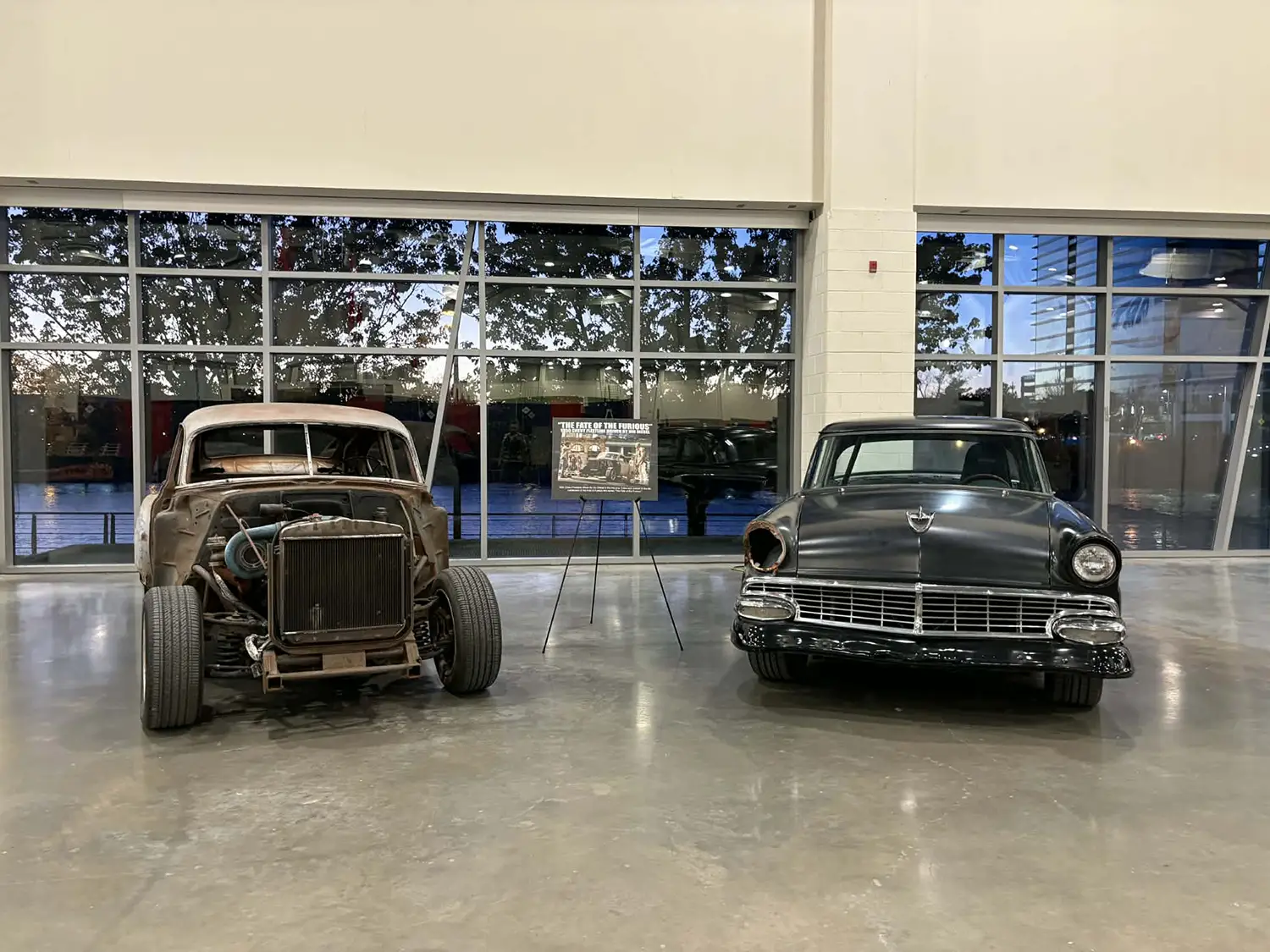
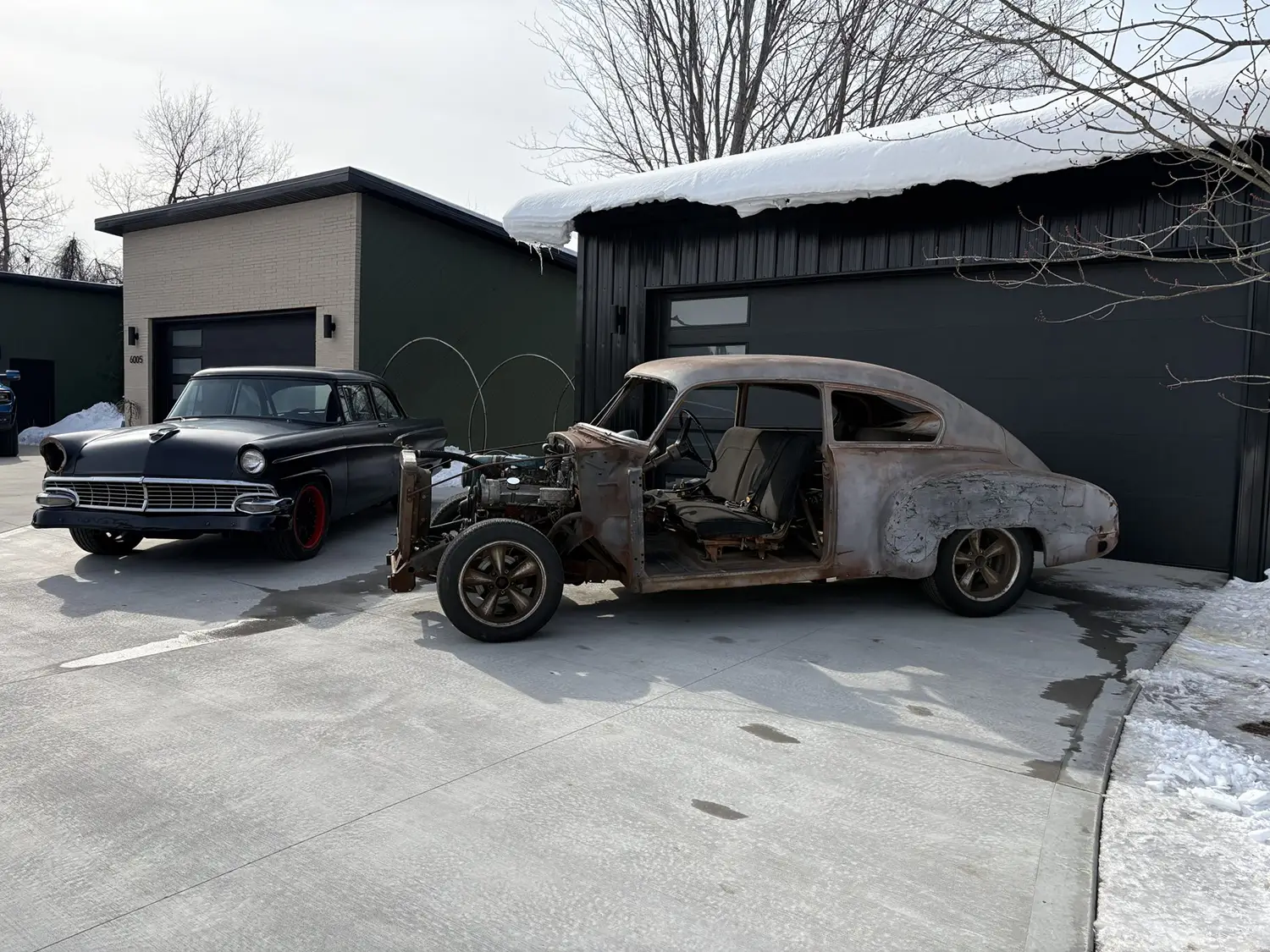
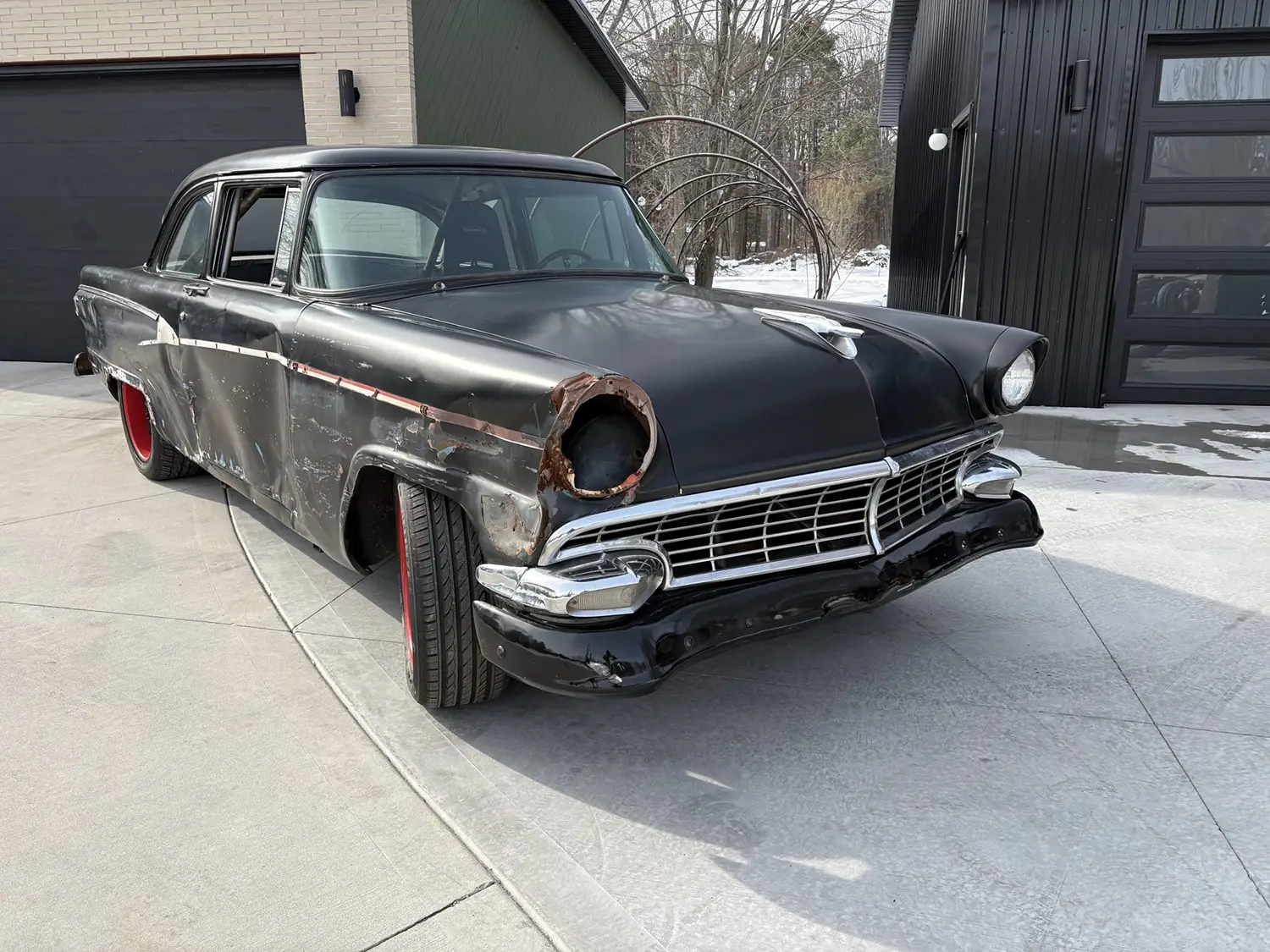
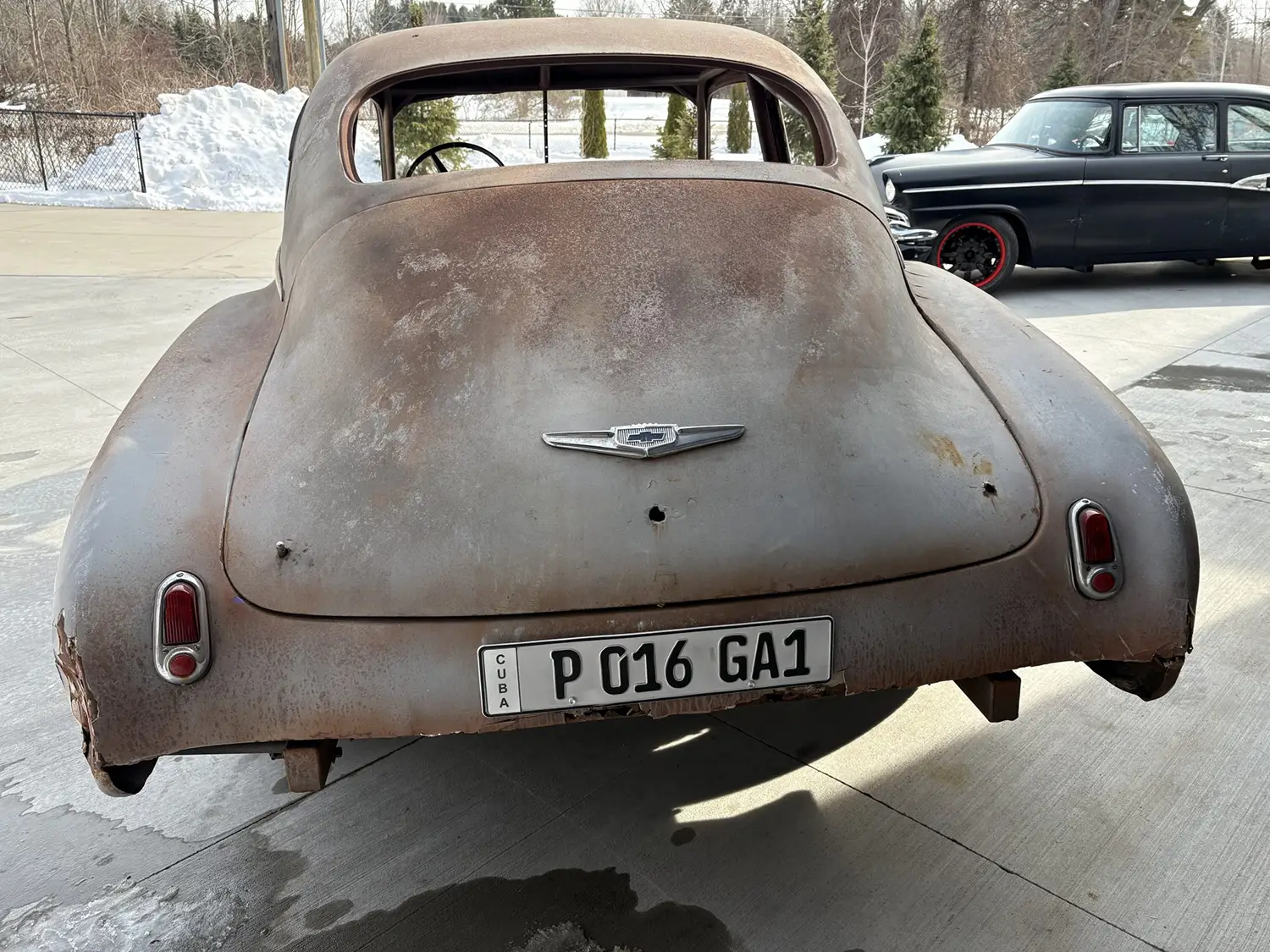
The visual character of these machines reflects their specific roles as high-performance movie props. The 1950 Chevrolet Fleetline serves as a stripped-down racer, missing its hood, doors, and front bodywork to reveal a raw, mechanical soul. It sits on distressed 17-inch alloy wheels that maintain the weathered look required for the film. In contrast, the 1956 Ford Customline Tudor retains more of its original silhouette but wears worn black paint with visible damage from the filming process. Both cars prioritize structural integrity over showroom shine, featuring integrated roll cages and safety glass removal suited for controlled stunt environments.
Functional Cockpits and Special Effects Hardware
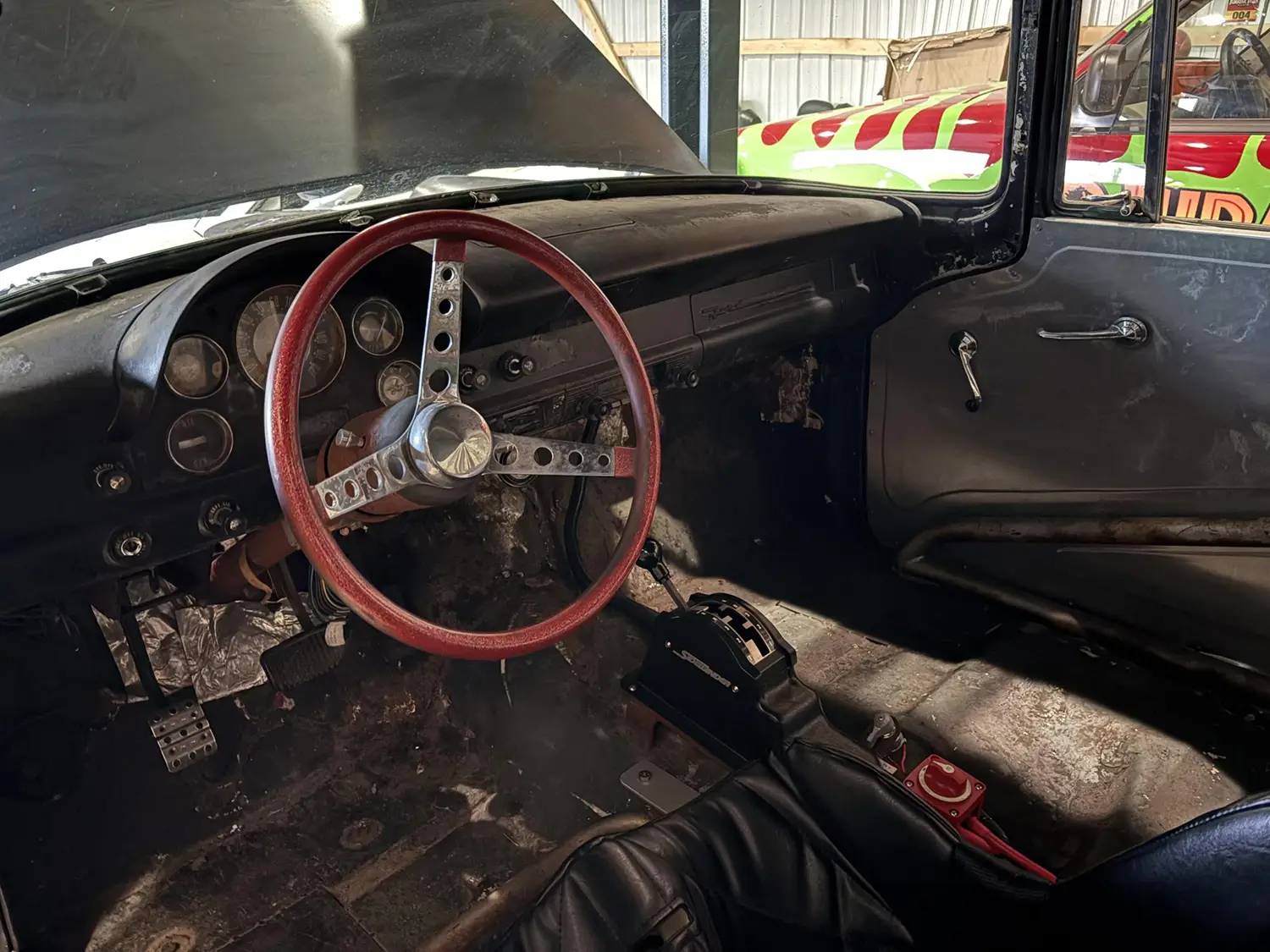
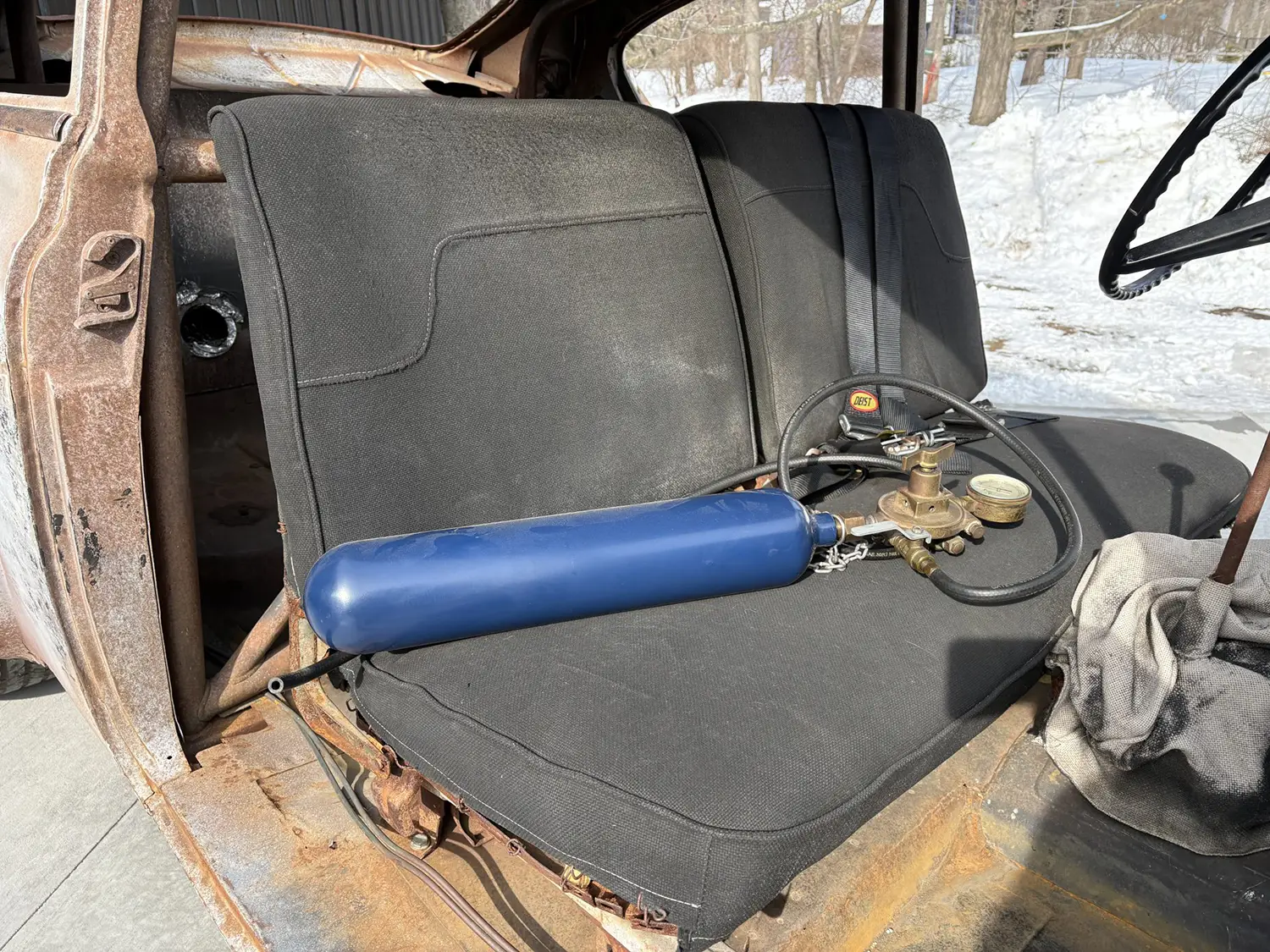
Inside these screen-used veterans, the focus shifts entirely to utility and occupant safety. The Chevrolet features a simple black bench seat and an aftermarket floor shifter, while a specialized blower motor and ducting remain installed to facilitate on-camera special effects. The Ford Tudor is equipped with a Kirkey fixed-back racing seat and a Sidewinder shifter, emphasizing its role as a more traditional race vehicle. Both cabins are dominated by comprehensive roll cages and fabricated panels. While factory speedometers remain in place, they are largely non-operational, bypassed in favor of essential aftermarket gauges for oil pressure and engine vitals.
Small-Block Power and Stunt-Ready Hardware
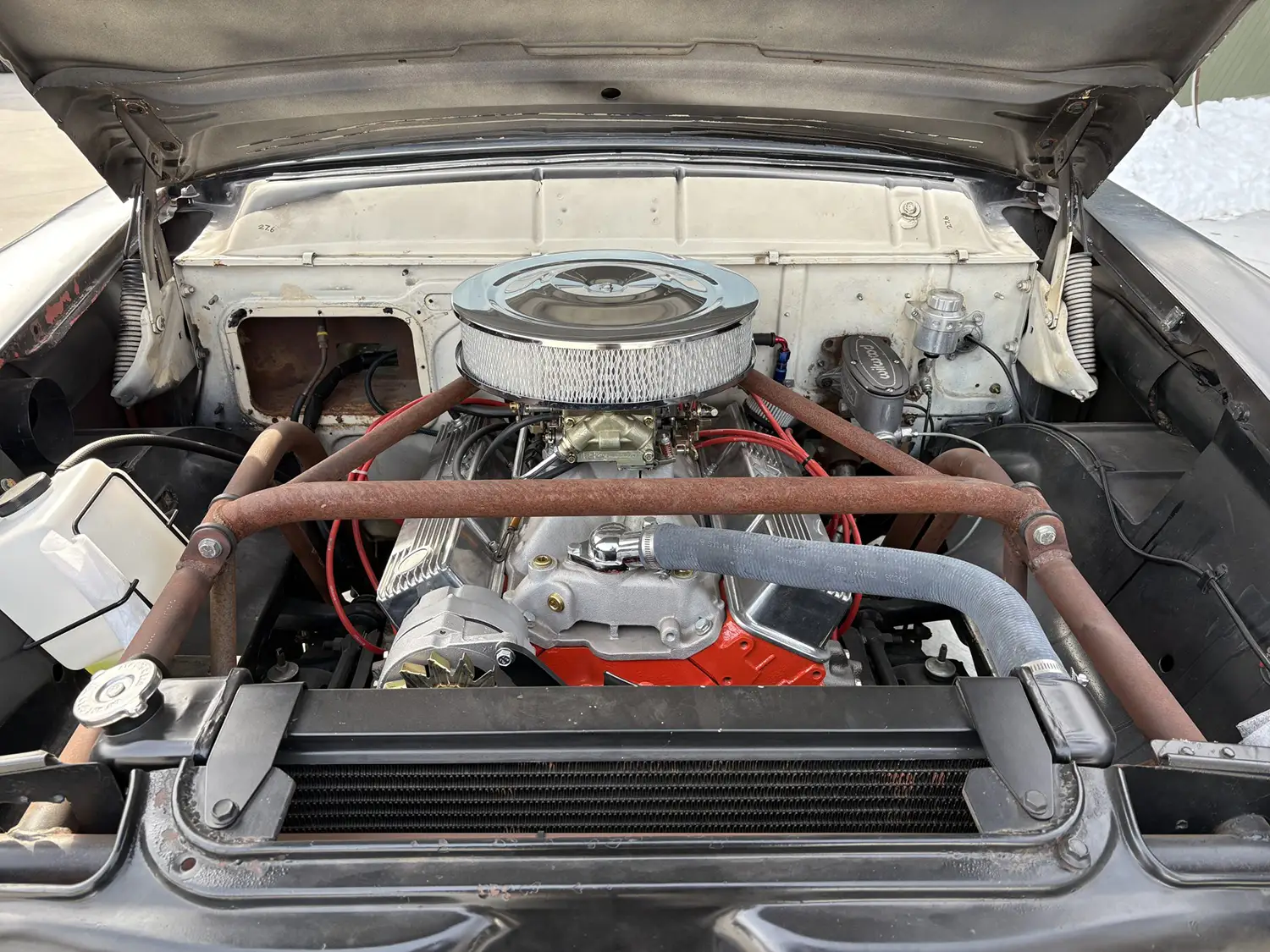
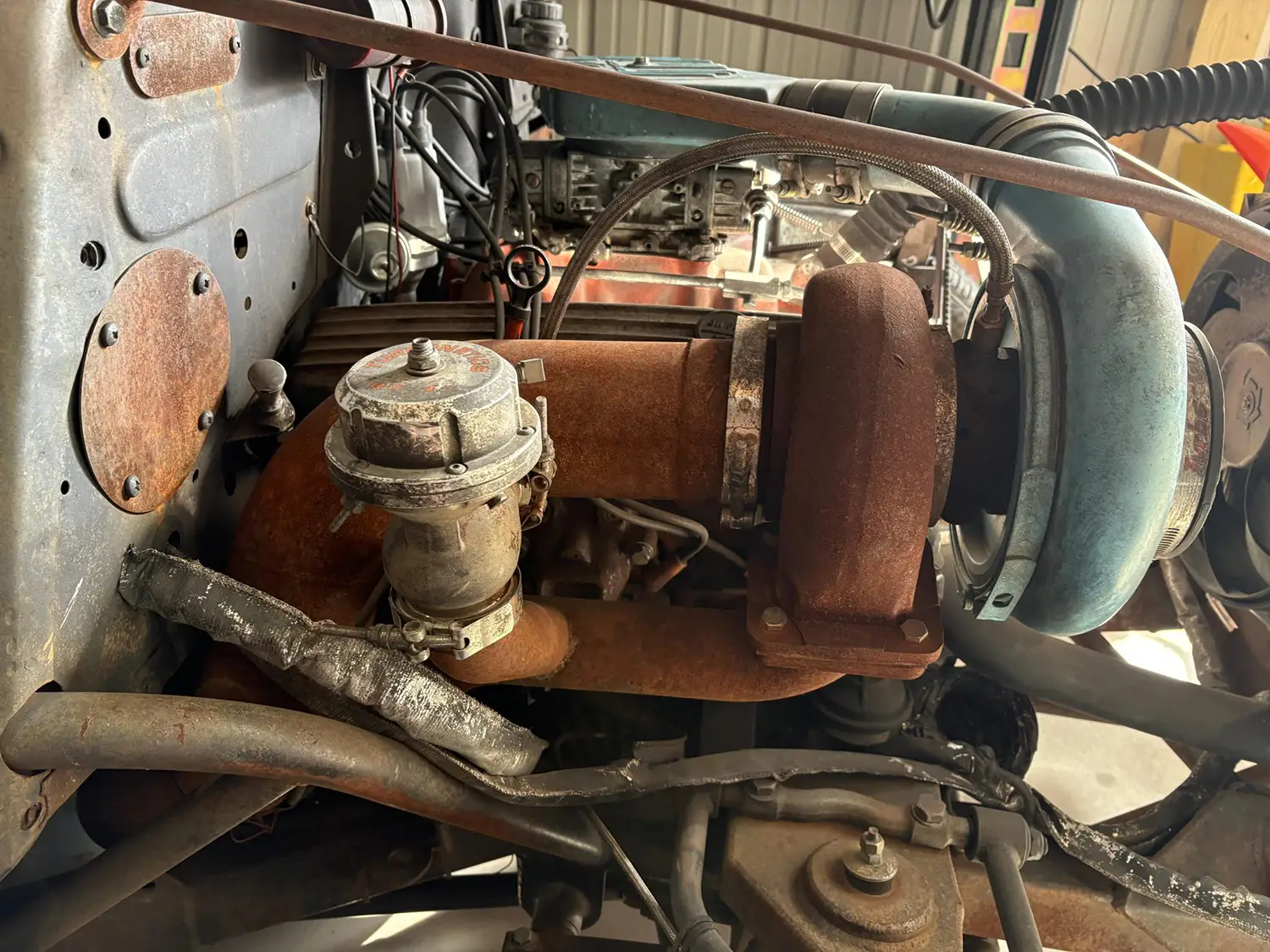
Under the modified hoods, both vehicles have been standardized with Chevrolet small-block V8 crate engines for reliable performance on set. The Fleetline utilizes a prop turbocharger assembly to mimic high-boost performance, though air actually enters through a functional Holley carburetor setup. Meanwhile, the Ford features a 350ci V8 equipped with a high-rise intake manifold and Mickey Thompson valve covers. Each car utilizes a three-speed automatic transmission to send power to a Currie 9-inch rear axle. To handle the stresses of precision driving, they are fitted with Wilwood disc brakes featuring drilled and slotted rotors at all four corners and dual rear calipers at the rear.
| Technical Specifications | |
|---|---|
| Engine Type | Small-Block Chevrolet V8 |
| Induction | Holley Four-Barrel Carburetor |
| Transmission | 3-Speed Automatic |
| Braking System | Wilwood 4-Wheel Disc / Dual Rear Calipers |
| Rear End | 9-Inch (Currie/Aftermarket) |
| Fuel System | Fuel Safe Fuel Cells |
| Wheels | 17-Inch (Chevy) / 18-Inch (Ford) Alloy |
Cinematic Pedigree and Collector Appeal
In the niche market of film memorabilia, cars with direct ties to a major franchise like The Fast Saga occupy a unique space. Unlike standard 1950 Chevrolet Fleetline or 1956 Ford models, these units are valued for their provenance rather than their restoration quality. Their unique selling point is the historical documentation, including California titles listing Universal City Studios LLC as the previous owner. They compete with other screen-used hero and stunt cars, where the primary value lies in their ability to be displayed as functional pieces of pop culture history.
Ownership Logistics and Movie Memorabilia
Prospective owners should note that these vehicles are currently offered as running props on a bill of sale and are not registered for street use. The inclusion of scale models and Hot Wheels toys depicting these specific cars adds an extra layer of collectability to the package. While the mechanical components are straightforward Chevrolet V8 hardware, the structural modifications and film-used patina make them ideal for museum display or private collections. They represent a tangible link to a multi-billion dollar movie franchise and a pivotal moment in the 2017 film.
Final Verdict on the Fate of the Furious Duo
The 1950 Chevrolet Fleetline and 1956 Ford Customline stand as rugged survivors from one of the most famous racing sequences in recent memory. These cars are not merely shells; they are mechanically functional stunt tools built to the specific requirements of Hollywood’s elite. For the collector who prizes cinematic history and aggressive, purpose-built engineering, this no-reserve offering provides an entry point into the legendary automotive legacy of the Fast and Furious series.
Disclaimer: Content on this site is for informational and entertainment purposes only. Details, analyses, and opinions reflect current trends and personal views, not professional or financial advice. Always verify information with official sources before making any decisions.
Source: bringatrailer.com