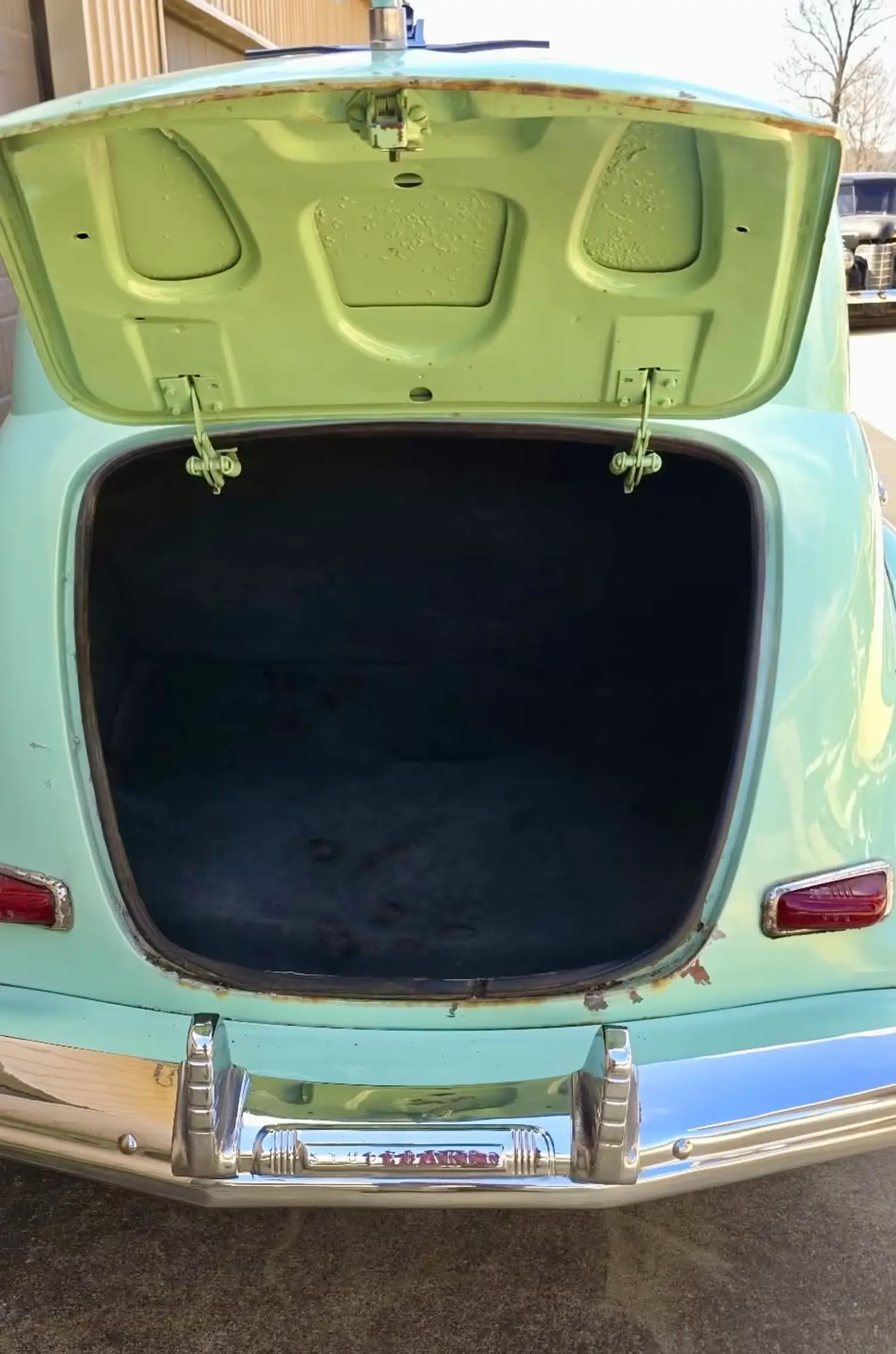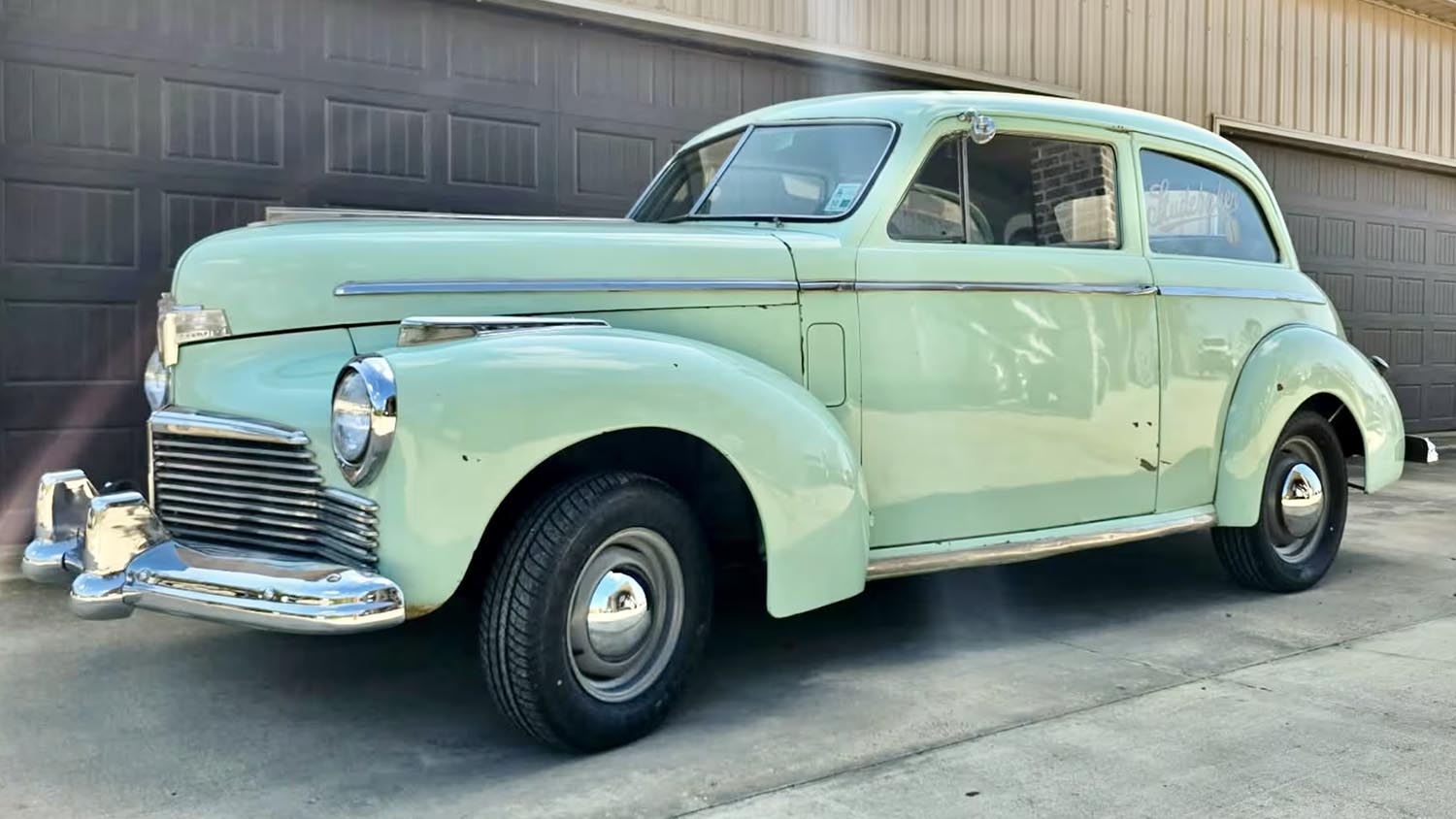
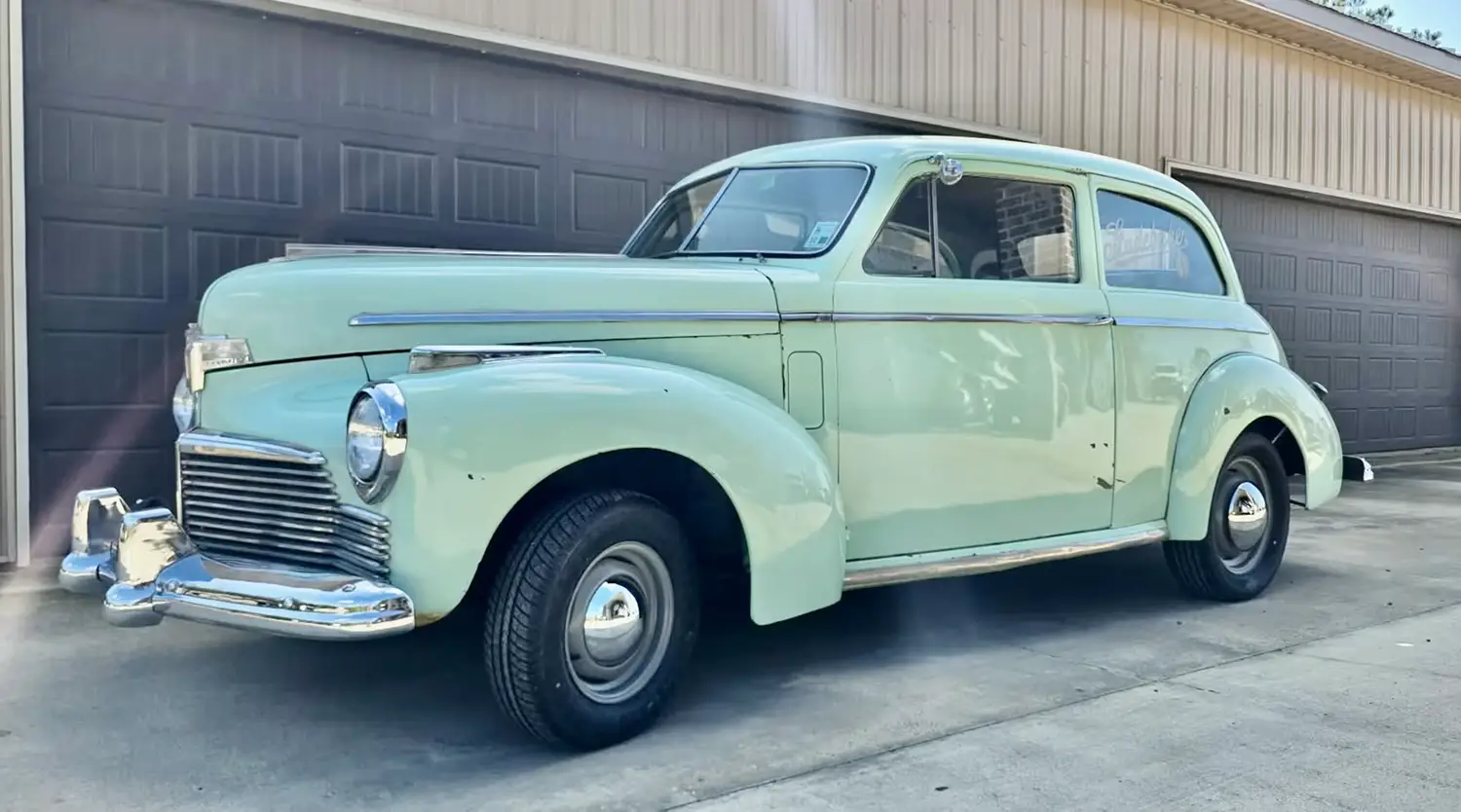
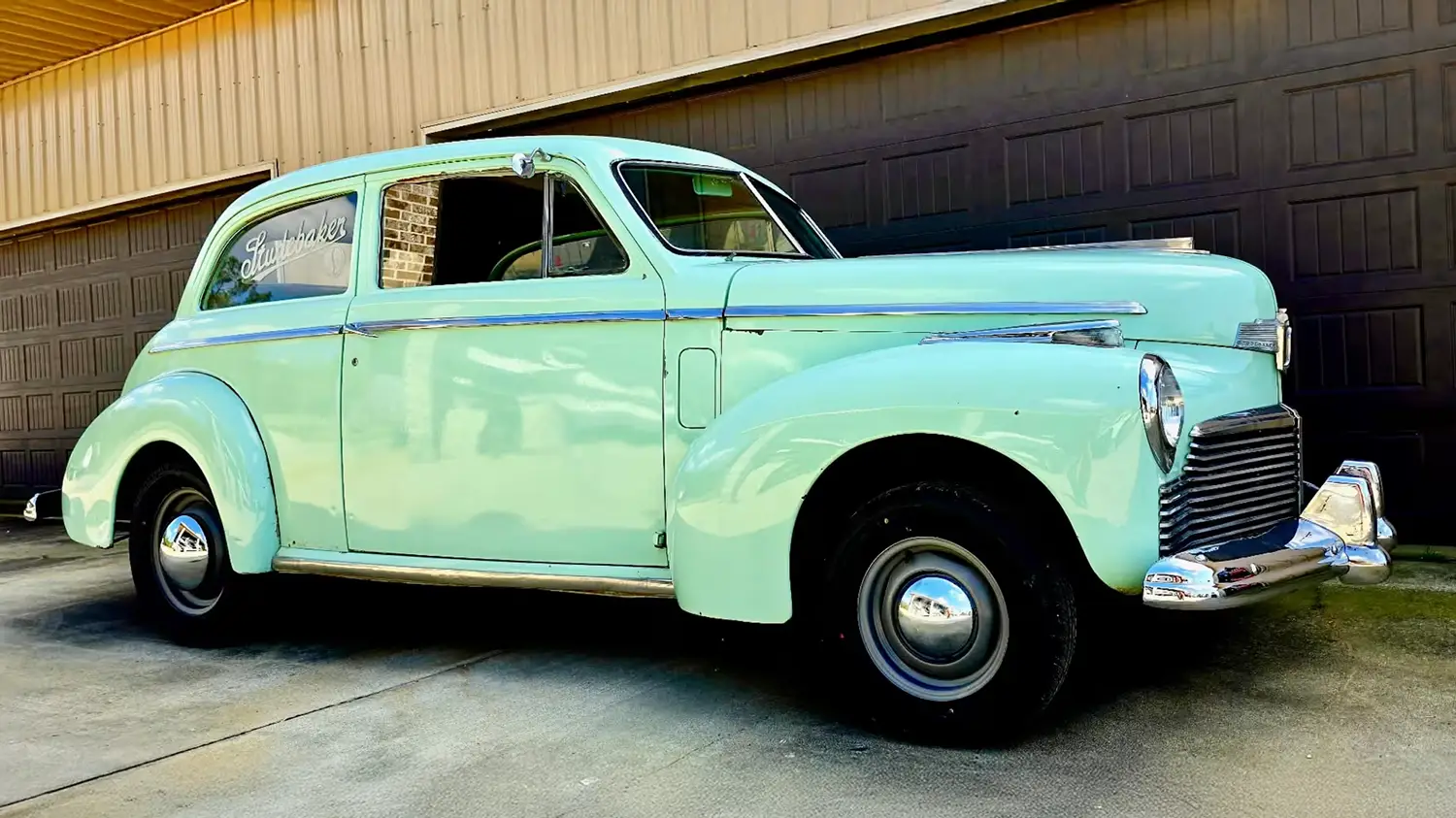
The 1942 Studebaker Champion occupies a unique position in American automotive chronicles as one of the final civilian vehicles produced before the industry shifted to wartime efforts. This Green example, crossing the block at Houston 2026, showcases the fuel-efficient design that saved the South Bend manufacturer during the late thirties. Unlike the massive land yachts of the era, the Champion was engineered for lightness and economy without sacrificing the streamlined Raymond Loewy aesthetic. It stands today as a resilient survivor, benefitting from a recent mechanical service to preserve its roadgoing integrity.
Streamlined Efficiency and Visual Presence
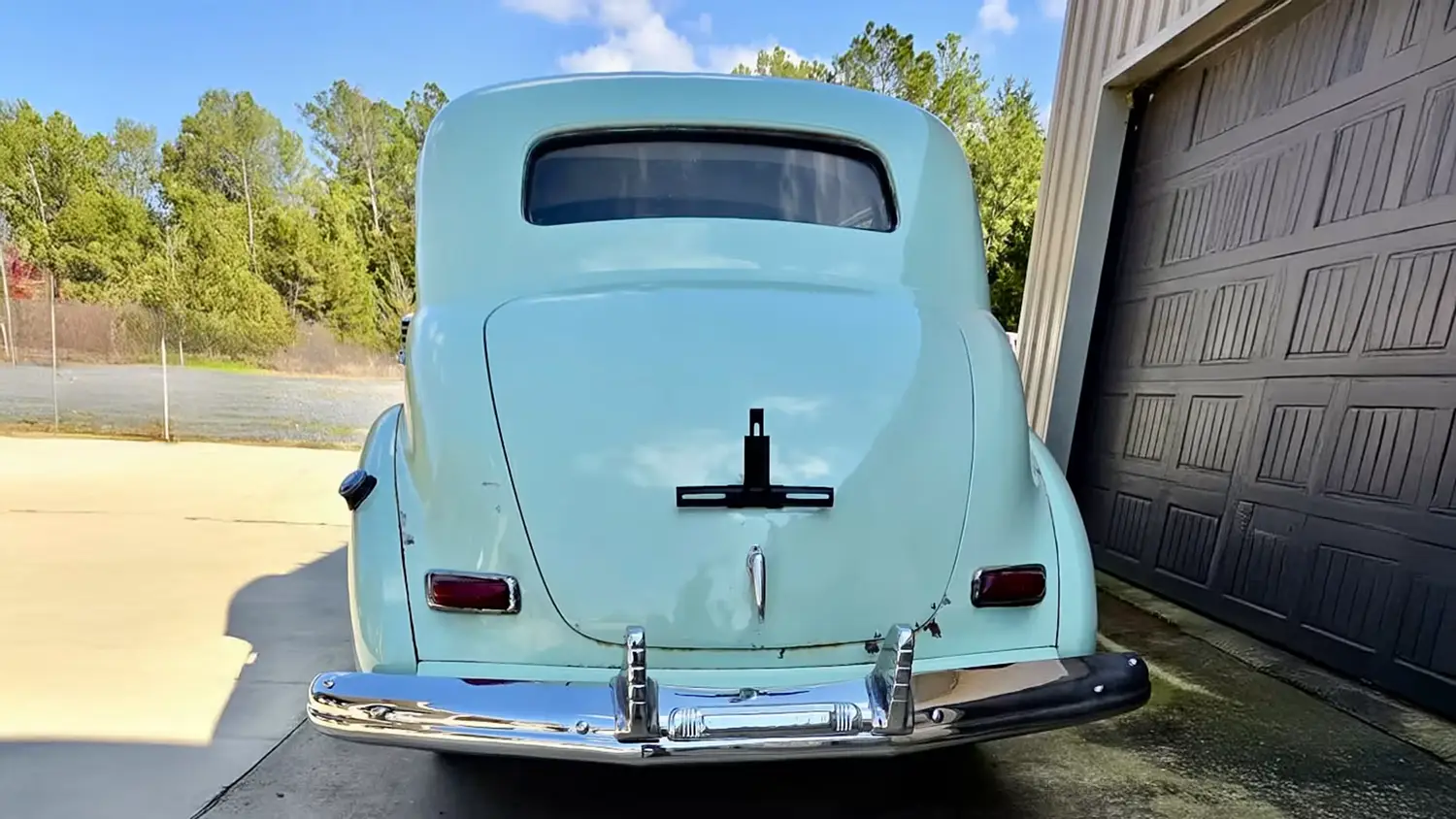
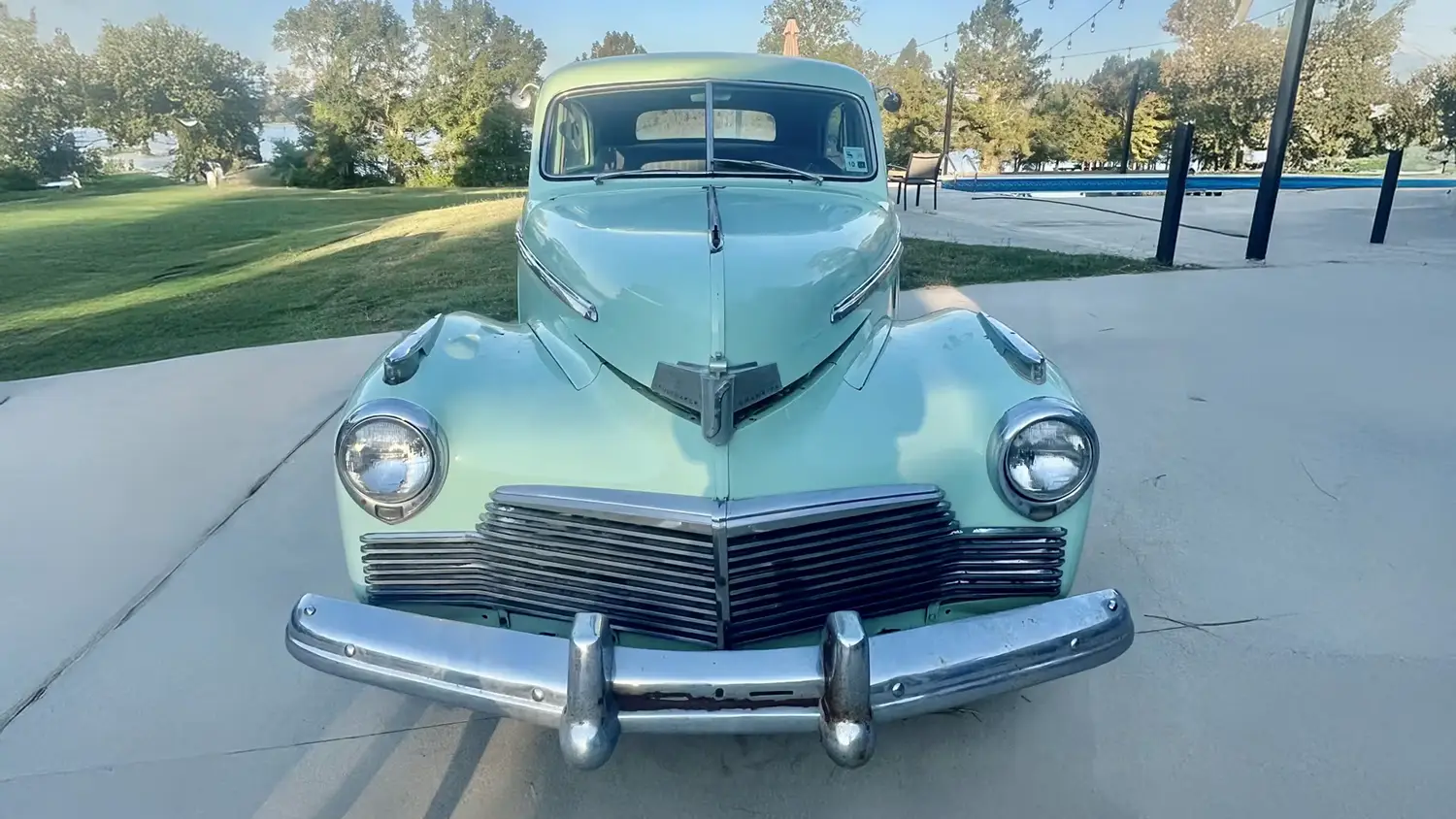
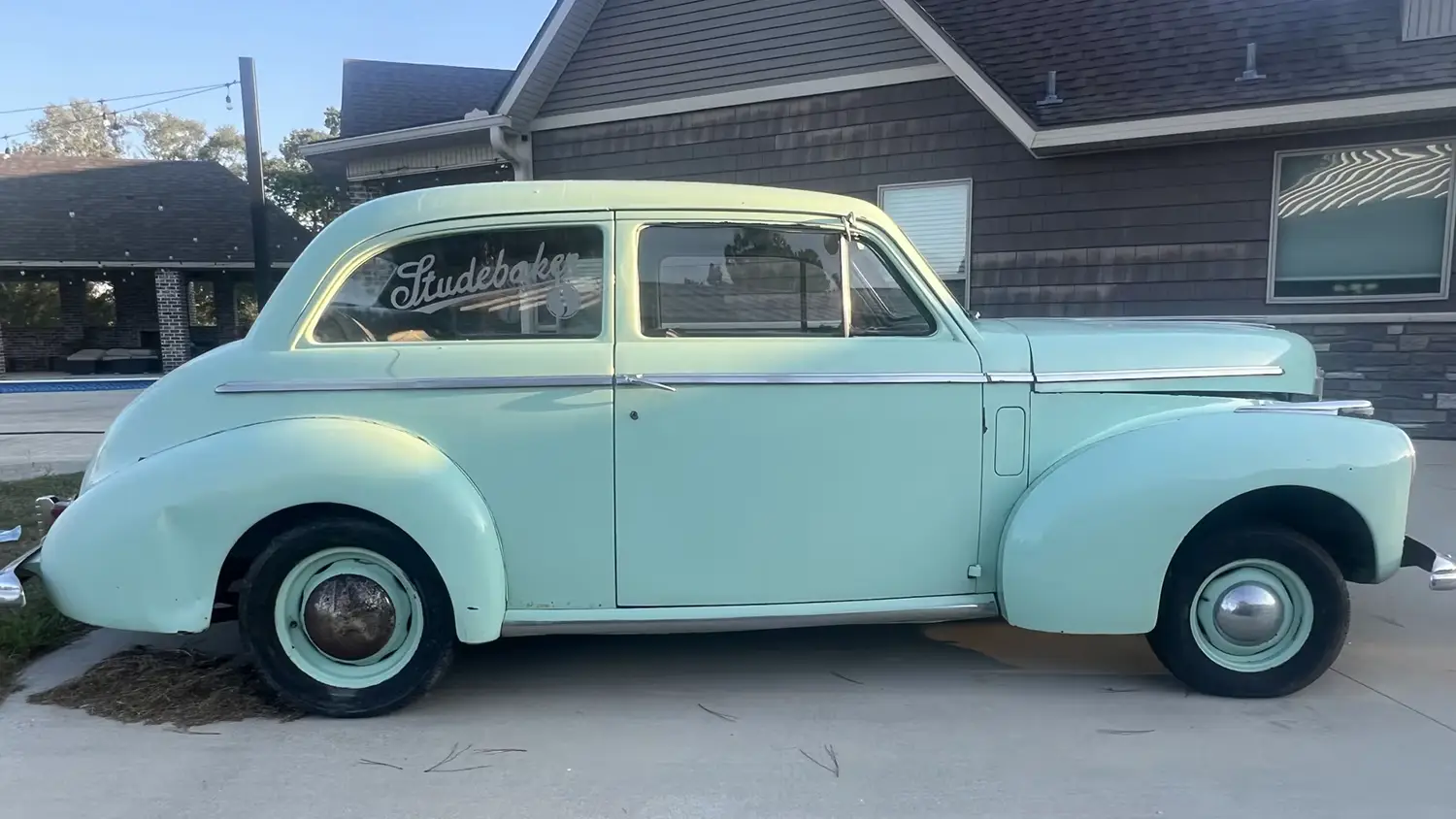
The exterior of this Champion is finished in a period-appropriate Green, accentuating the sleek, aerodynamic lines that were revolutionary for the entry-level market. Studebaker utilized a weight-saving design philosophy that resulted in a distinctive silhouette characterized by integrated fenders and a horizontal grille. This specific car features improved road presence thanks to the addition of rear wheel spacers and a fresh set of tires. While many pre-war cars feel cumbersome, the compact dimensions of the 1942 model year reflect a forward-thinking approach to urban mobility and resource conservation.
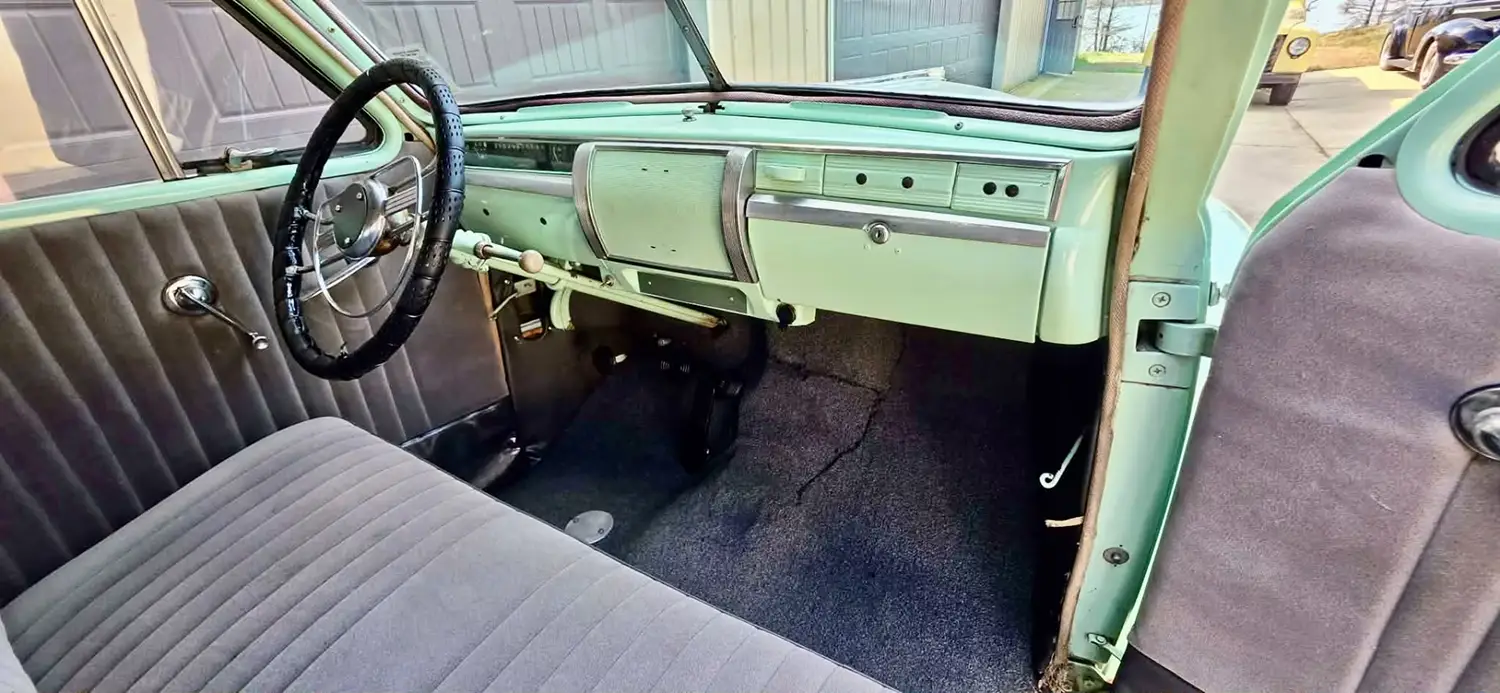
Functional Cabin and Gray Appointments
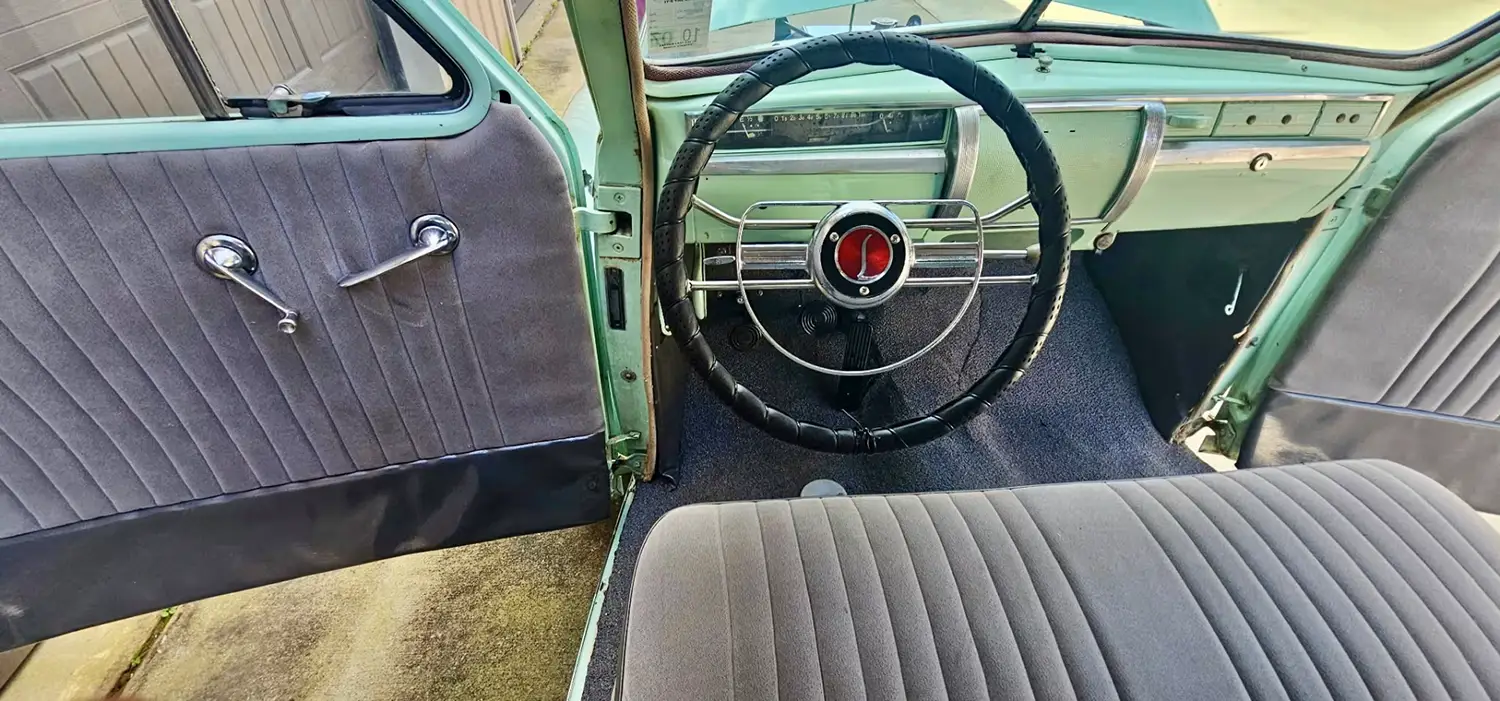
Inside, the cabin is trimmed in simple Gray materials that prioritize durability and utilitarian elegance. The dashboard retains its original layout, offering a nostalgic glimpse into the era of Art Deco instrumentation and manual controls. Despite its compact classification, the interior was designed to maximize passenger space through clever packaging of the drivetrain and seating positions. Recent attention to the electrical system, including new plugs and wires, ensures that the vital components behind the dash function reliably for the next custodian of this pre-war machine.
Flathead Six Performance and Mechanical Updates
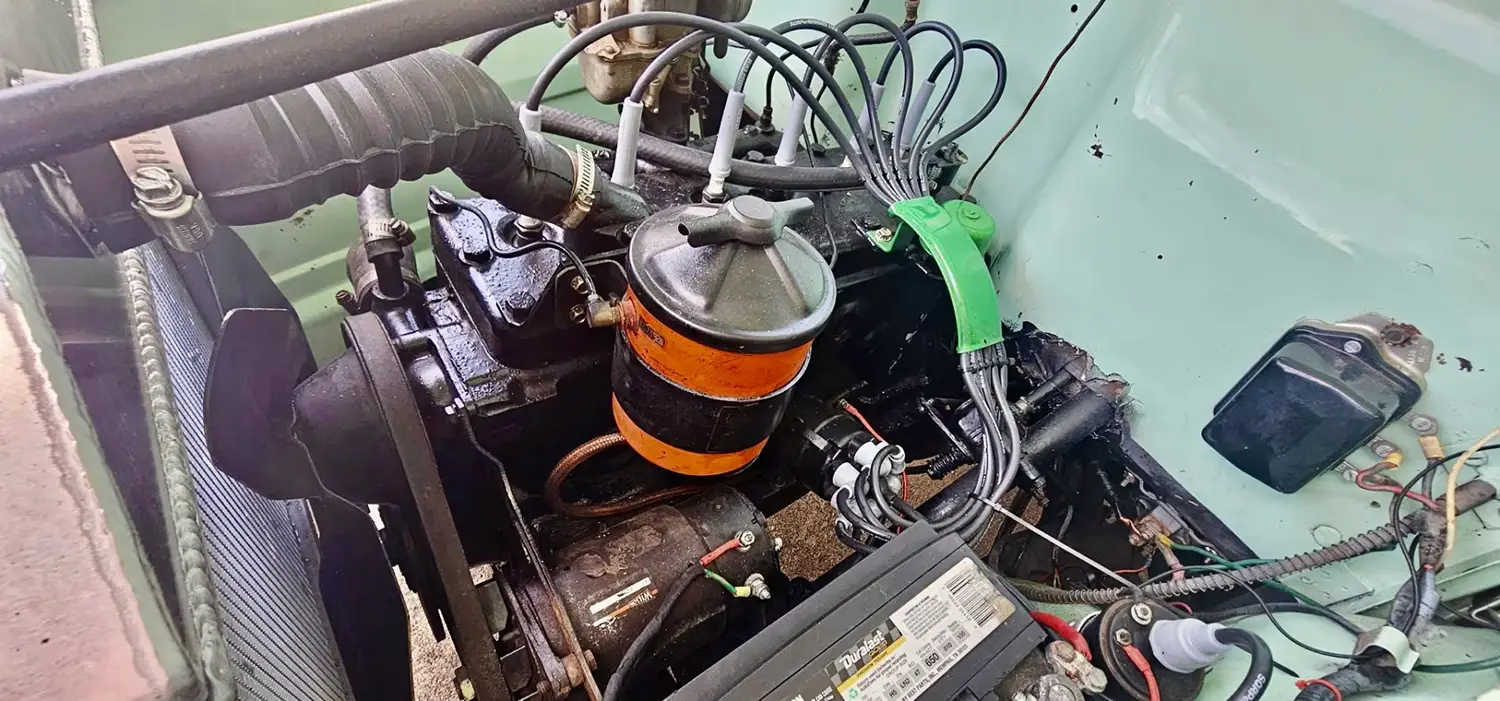
The heart of this Champion is the legendary 169 cubic inch flathead inline 6-cylinder engine, renowned for its simplicity and remarkable fuel economy. Because no specific dynamometer figures were provided in the lot highlights, the performance remains characterized by the smooth, low-end torque delivery typical of these pre-war straight-six units. Mechanical reliability is bolstered by a series of recent upgrades, including a new radiator and a completely refreshed braking system with a new master cylinder. These updates address common weak points in vintage cooling and safety, allowing the three-speed manual transmission to manage power with renewed confidence.
| Technical Specifications | |
|---|---|
| Engine | 169.6 CI Flathead Inline-6 |
| Transmission | 3-Speed Manual |
| Chassis Code | Model G (4G) |
| Serial Number | G183045 |
Market Context and Pre-War Rarity
In the early 1940s, the Studebaker Champion competed directly with the Big Three entry-level models like the Chevrolet Special Deluxe and Ford Super Deluxe. Its unique selling point was its significantly lower curb weight, which allowed it to achieve superior fuel economy during a time of impending gas rationing. Because civilian production was halted in early 1942 for military tank and truck manufacturing, these mid-year survivors are significantly rarer than their 1941 counterparts. This rarity makes the Champion a prized acquisition for collectors focusing on the transition into the war years.
Ownership and Maintenance Value
Owning a 1942 Studebaker Champion is made easier by the robust nature of the Studebaker flathead engine and a strong network of enthusiasts. Parts availability for mechanical components remains steady, especially given the recent service history of the brakes and master cylinder on this specific lot. The investment potential is reinforced by the car’s status as a final-year civilian production model, which traditionally commands a premium over earlier versions. For the collector, this Champion offers a blend of historical significance and mechanical readiness that is rare in the pre-war market.
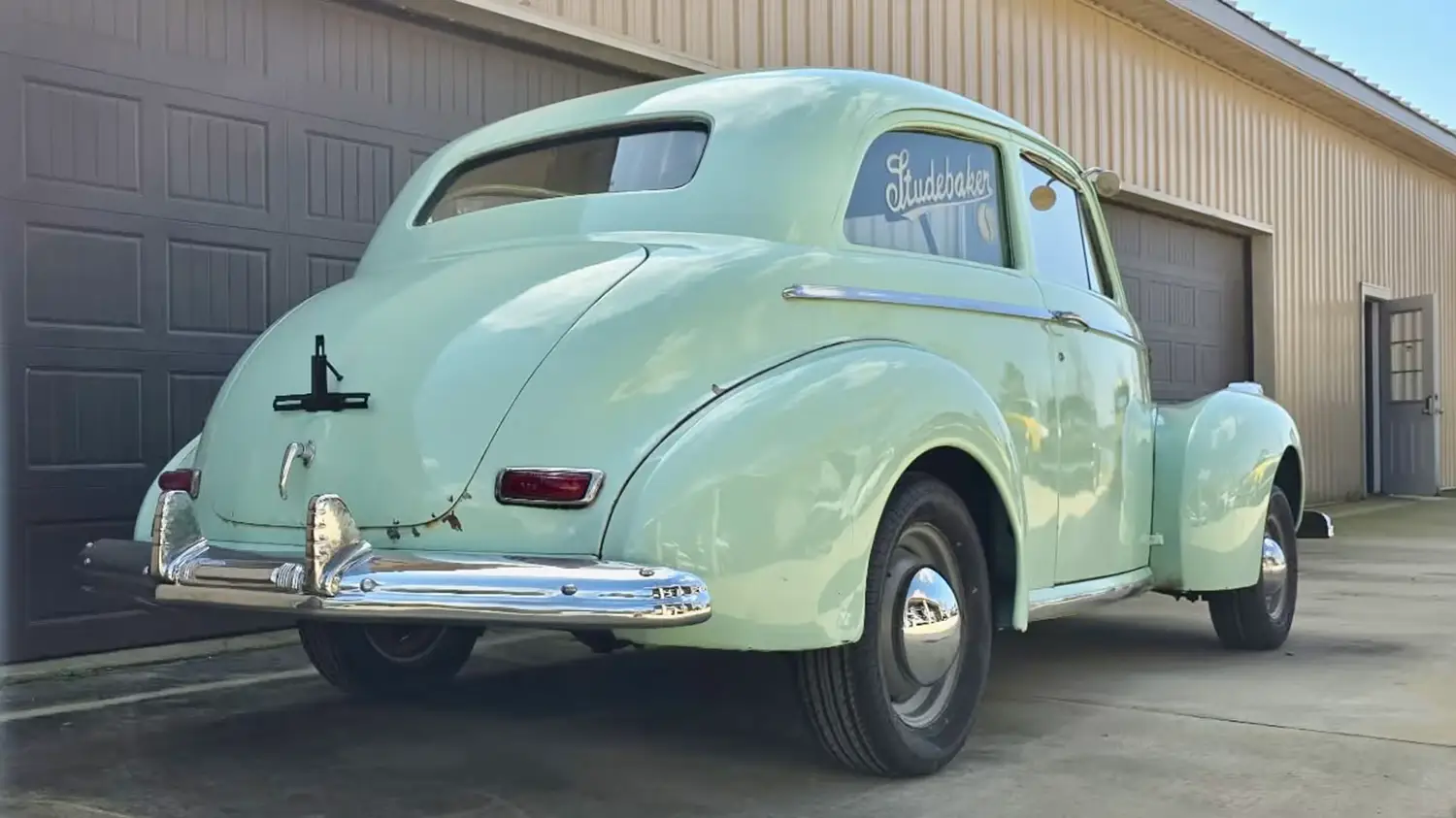
This 1942 Studebaker Champion represents a fleeting moment of American design before the shift to global conflict. With its refreshed mechanicals and iconic Loewy-designed body, it serves as a turn-key entry point into the world of pre-war collecting.
Disclaimer: Content on this site is for informational and entertainment purposes only. Details, analyses, and opinions reflect current trends and personal views, not professional or financial advice. Always verify information with official sources before making any decisions.
Source: mecum.com