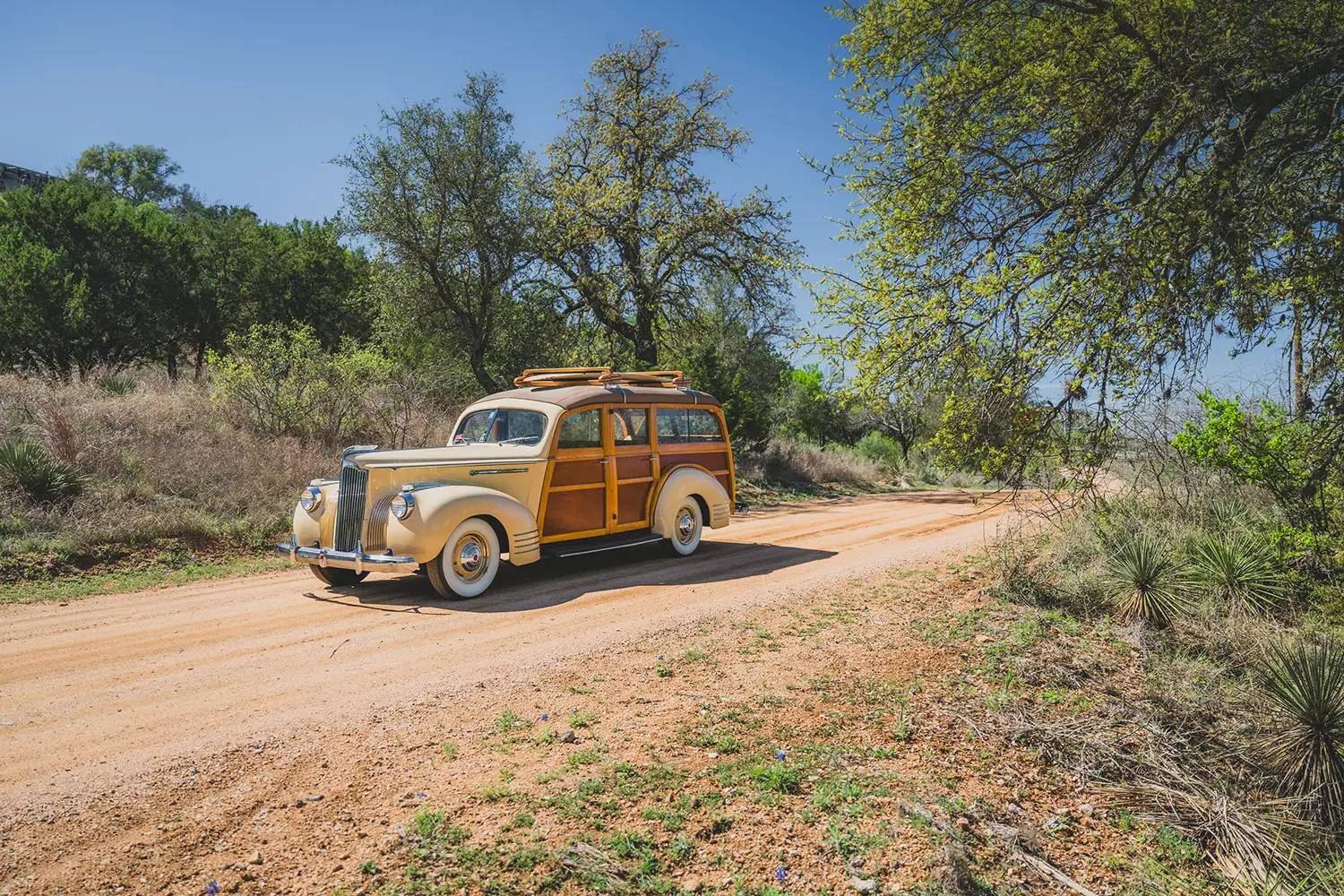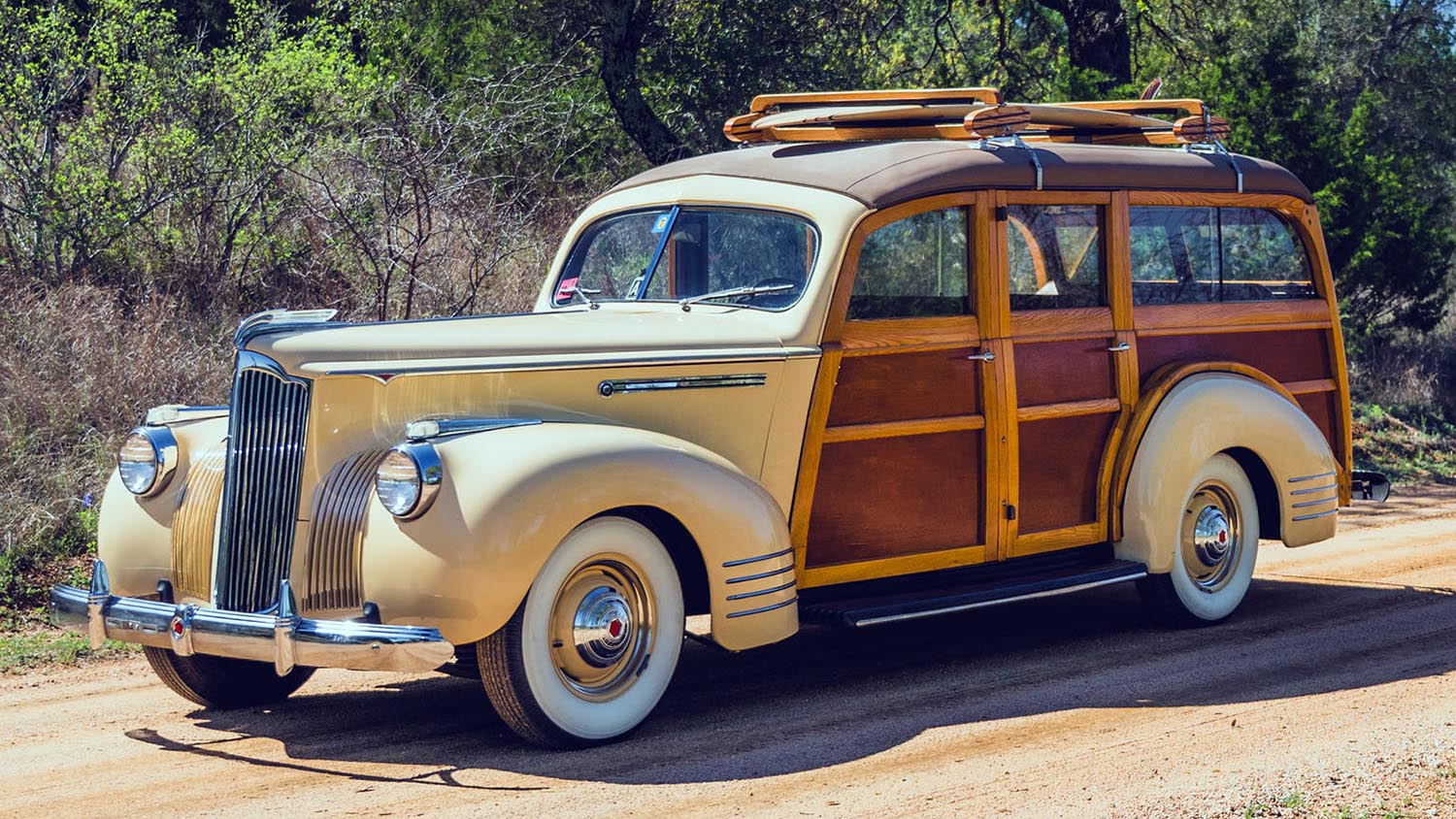
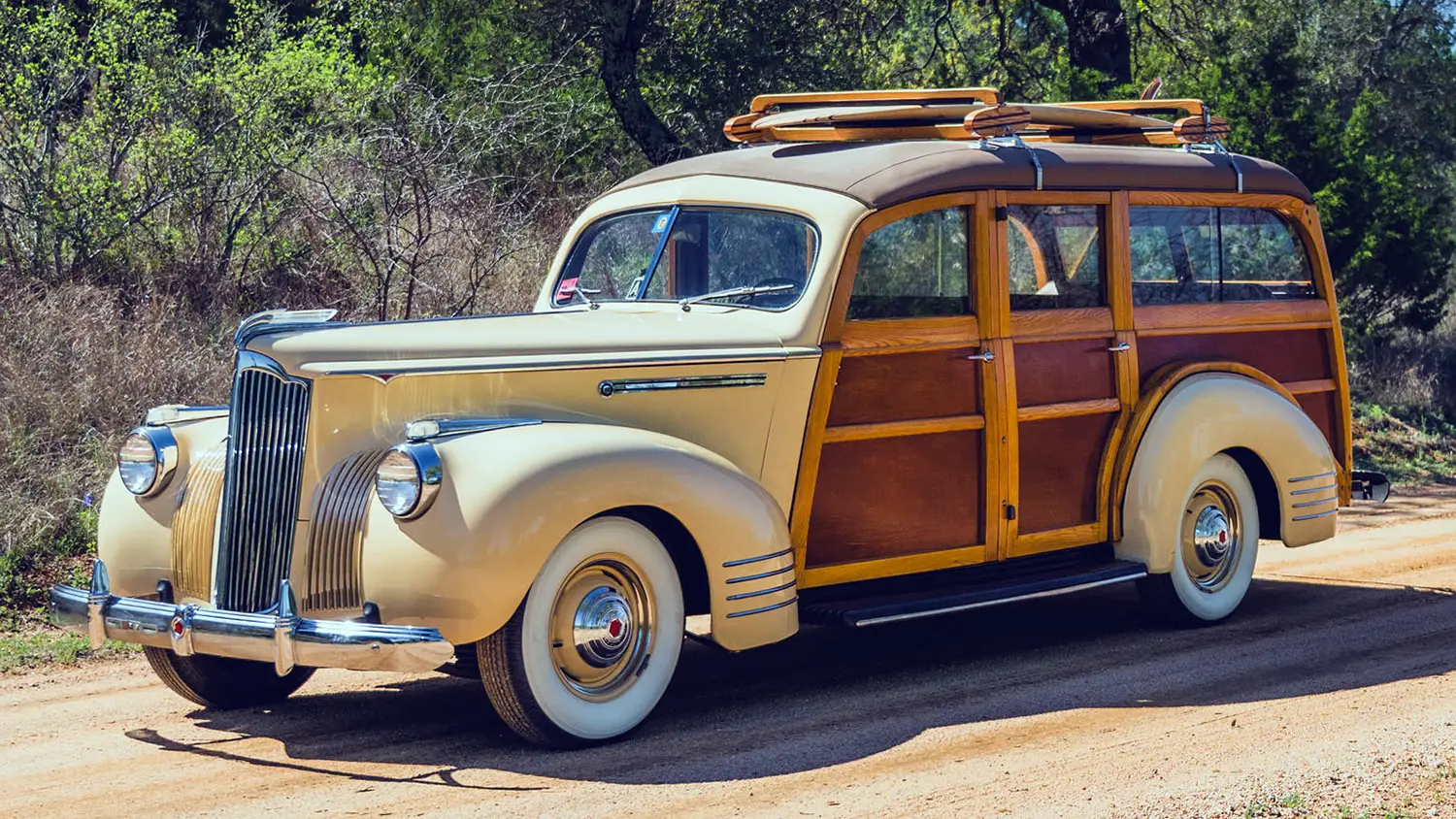
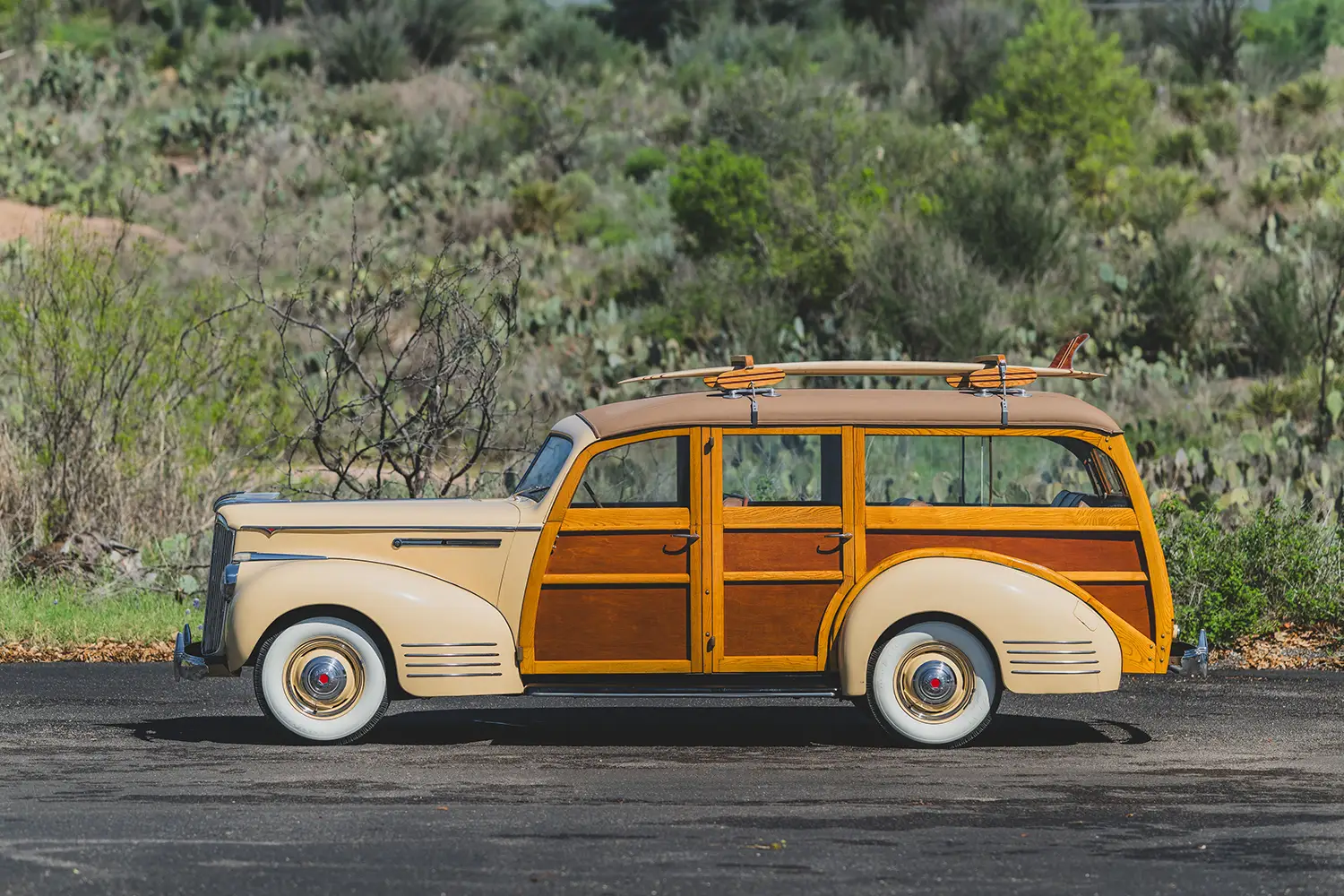
The 1941 Packard 1900 One-Ten Station Wagon stands as a testament to an era when utility was synonymous with high-end luxury and artisanal craftsmanship. As part of Packard’s much-improved Nineteenth Series, this “woodie” is one of only 358 station wagon bodies supplied by Hercules of Evansville, Indiana, for that production year. Originally sold in New York City, it spent decades at a coastal vacation home before joining the prestigious Ray and Bonnie Kinney Collection. Its survival with much of its original body wood intact makes it a significant survivor in the world of pre-war American collectibles.
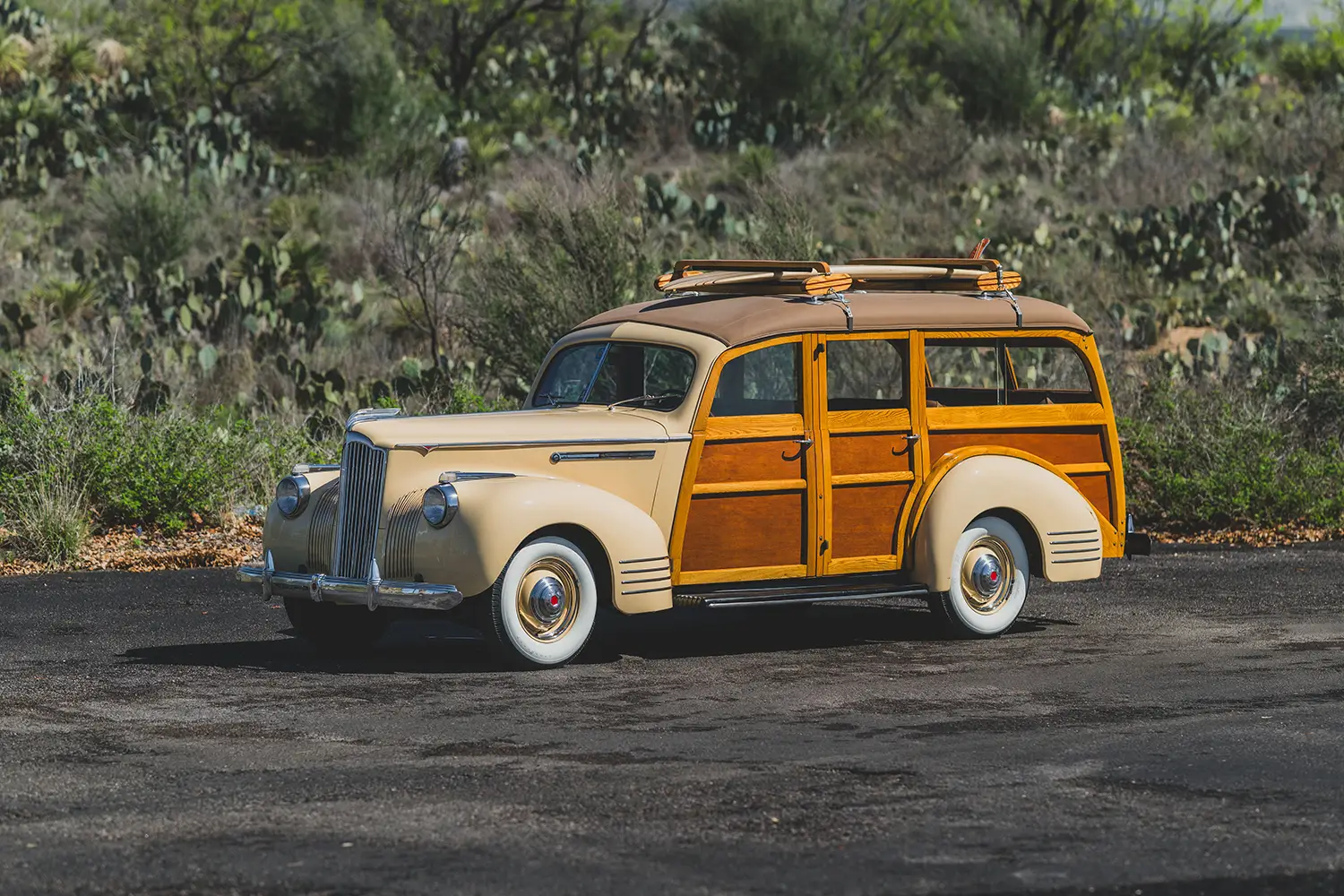
Miami Sand Finish and Hercules Wood Craftsmanship
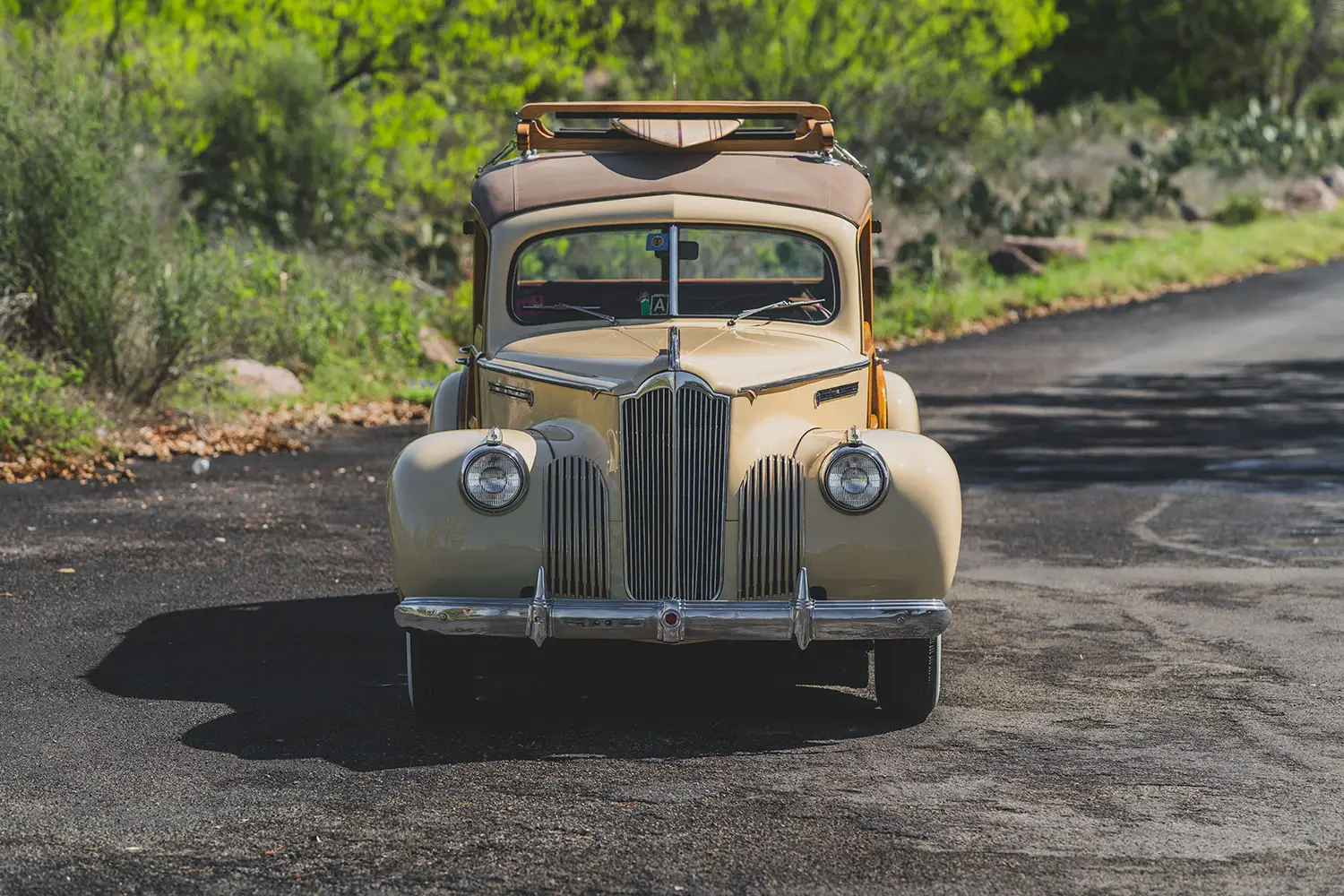
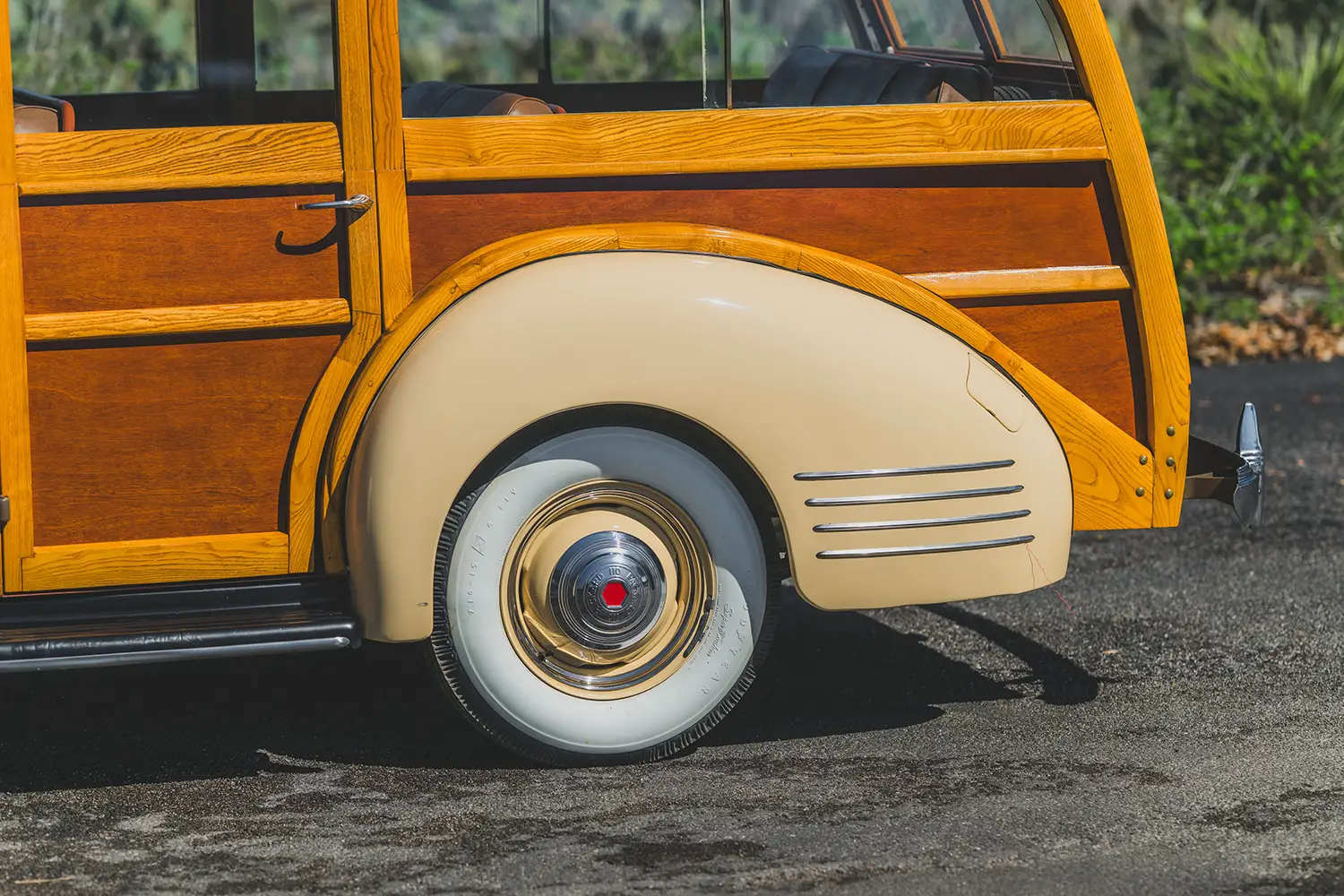
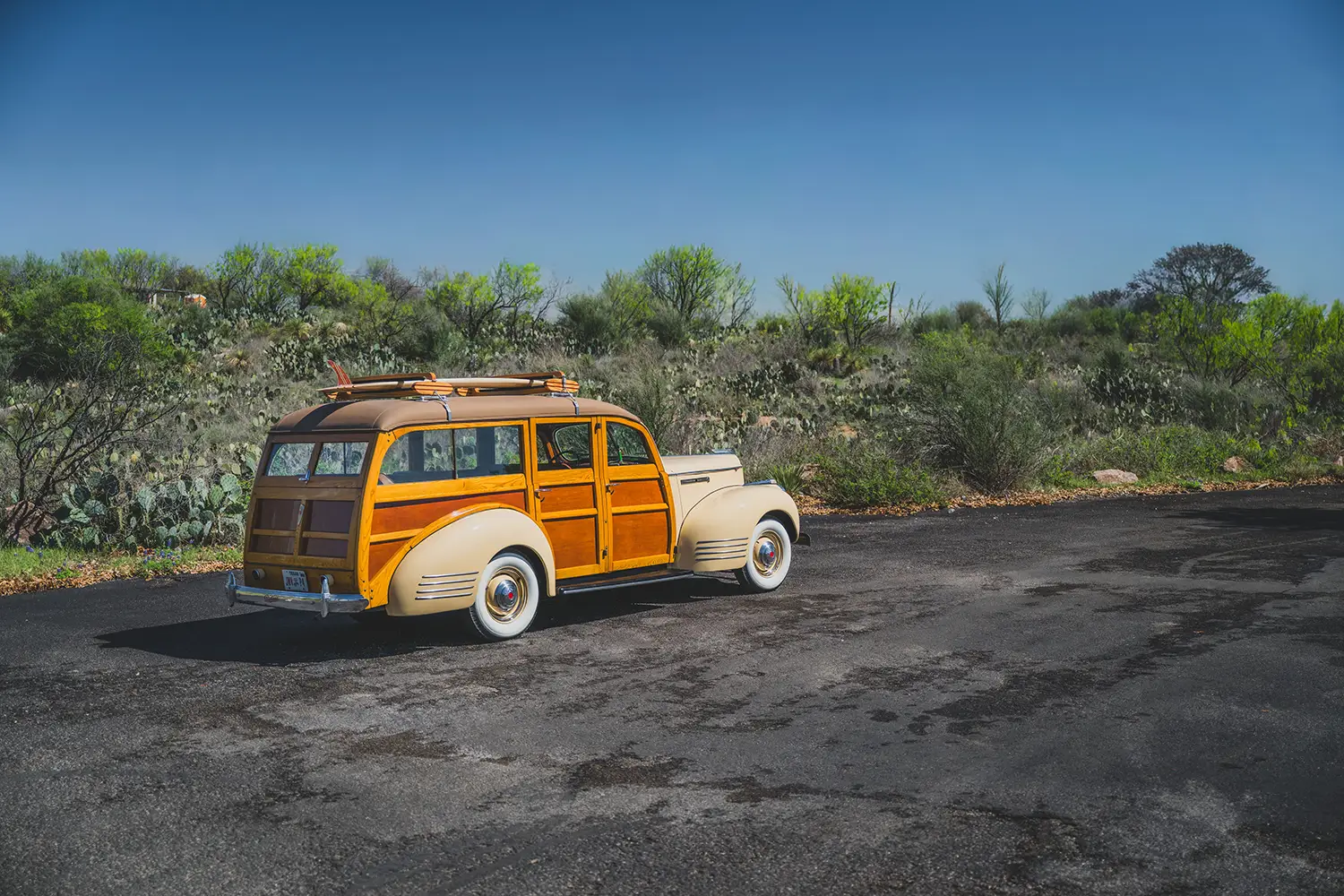
The exterior of this One-Ten Station Wagon is finished in an evocative Miami Sand, a color that perfectly harmonizes with the rich, deep luster of its wooden bodywork. Unlike many restored woodies, a significant portion of the timber on this example is original, showing only minor repairs near the rear tailgate hinges. The silhouette is defined by the flowing lines of the Nineteenth Series front end, featuring the classic Packard radiator shell and integrated headlights. It retains the dignified presence required of a vehicle that was once among America’s costliest wagons, designed to look as at home at a yacht club as it would on a private estate.
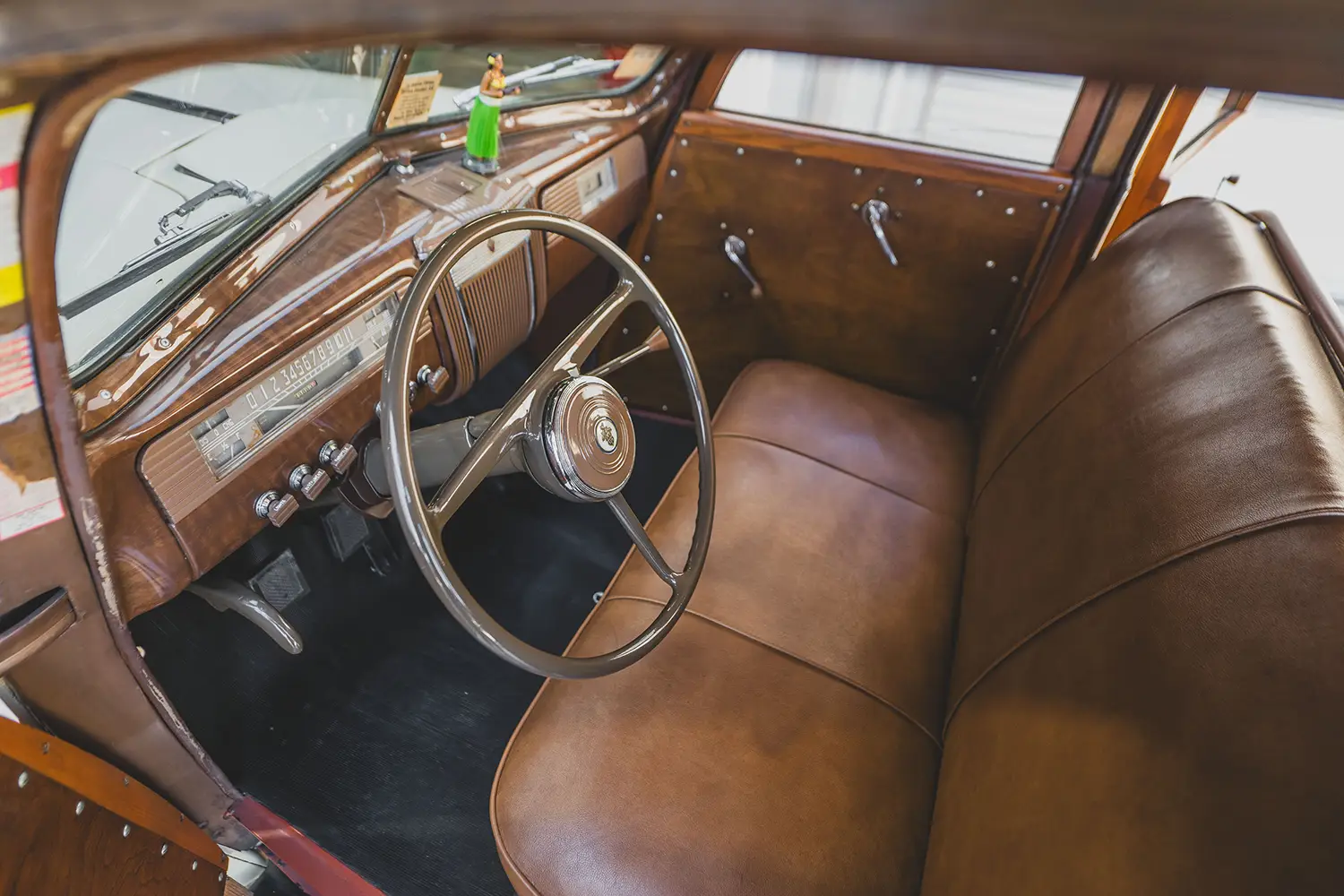
Original Materials and Nautical Appointments
Inside the cabin, the Packard offers an environment of period-correct preservation that is increasingly difficult to find. Much of the interior remains original, with selective repairs performed over the last 80 years to maintain its integrity without sacrificing its soul. The woodwork continues throughout the interior structure, creating a nautical atmosphere that once complemented a collection of vintage boats under previous ownership. With its simple but elegant instrumentation and durable yet luxurious seating, the cabin reflects the dual-purpose nature of a vehicle intended for both high-society transportation and practical vacation utility.
Six-Cylinder Refinement and Chassis Maintenance
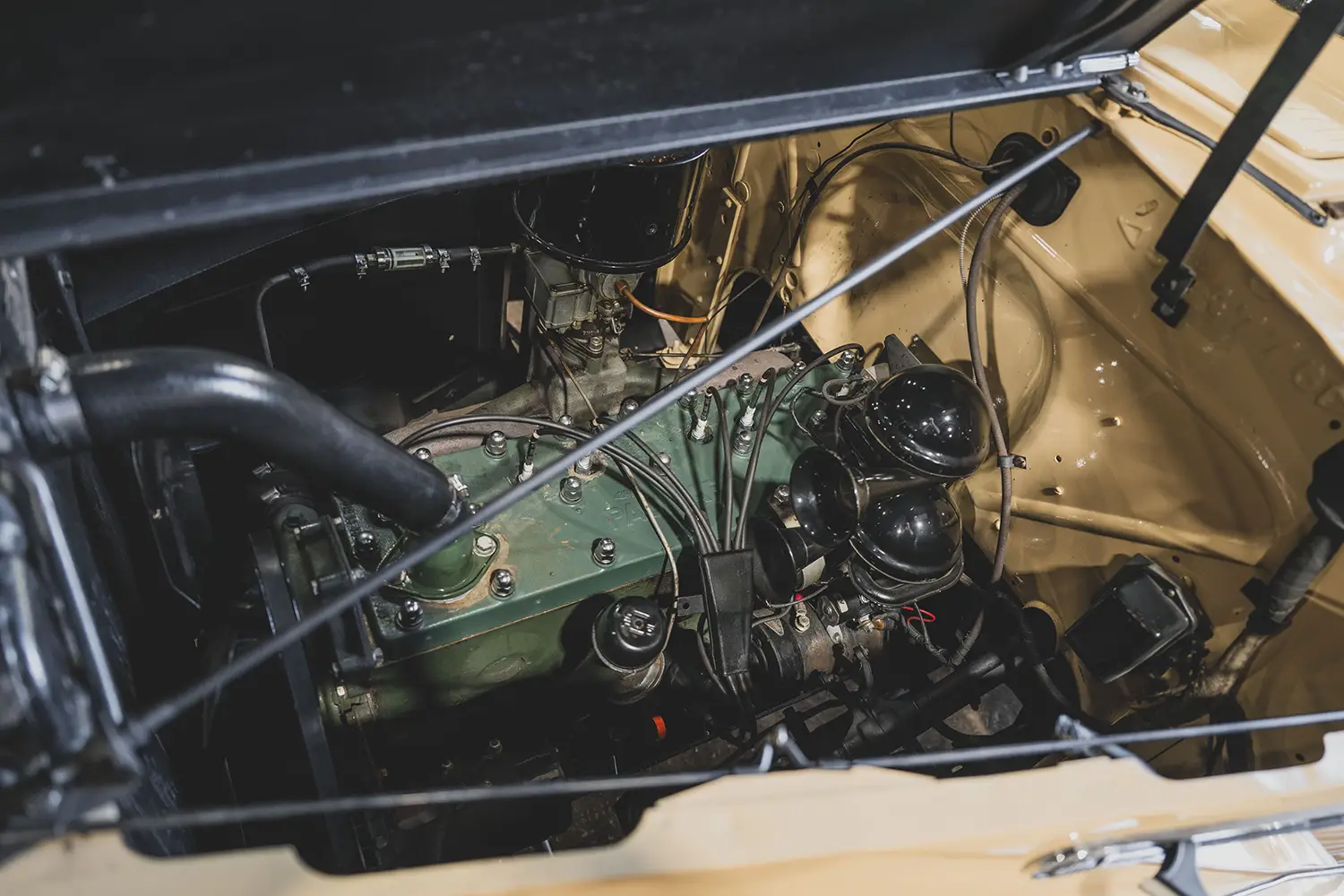
Mechanical performance is delivered by Packard’s smooth six-cylinder engine, which provided a reliable and quiet alternative to the larger eight-cylinder models of the time. While specific output figures are factory benchmarks, the engine is known for the effortless torque required to move the substantial Hercules-bodied frame. The drivetrain has been kept in good order under the Kinneys’ care, with records showing a rebuilt starter and a head gasket replacement in 2015. Maintenance to the front suspension in 2017 and 2019 ensures that the wagon retains the composed, stately ride quality that Packard owners expected during the pre-war era.
| Technical Specifications | |
|---|---|
| Engine | L-Head Inline Six-Cylinder |
| Body Manufacturer | Hercules (Evansville, Indiana) |
| Production | One of 358 Hercules Wagons (1941) |
| Exterior Color | Miami Sand |
| Chassis Series | Nineteenth Series |
Woodie Rarity and Collection Provenance
The market for pre-war station wagons is driven by two factors: the condition of the wood and the rarity of the coachbuilder. The 1941 Packard 1900 One-Ten Station Wagon excels in both, featuring the desirable Hercules body that replaced the earlier Cantrell designs. In a market where many woodies have been over-restored or suffered from rot, this example’s high degree of originality provides a unique selling point. Its history in noted collections, including those of Ken McBride and Ray Kinney, adds a layer of pedigree that appeals to serious Mopar and American luxury enthusiasts seeking a “no-reserve” opportunity in Monterey.
A Timeless Icon of Vacation Luxury
This 1941 Packard 1900 One-Ten Station Wagon is a masterpiece of functional art, representing the peak of the wood-bodied era. Between its rare Hercules craftsmanship and its well-documented maintenance history, it remains a turn-key classic ready for its next coastal retreat. It is not merely a car but a symbol of a bygone lifestyle, offering its next owner the chance to preserve a piece of American history that is as beautiful as it is rare. Whether as a centerpiece of a collection or a functional estate wagon, it remains a definitive Packard icon.
Disclaimer: Content on this site is for informational and entertainment purposes only. Details, analyses, and opinions reflect current trends and personal views, not professional or financial advice. Always verify information with official sources before making any decisions.
Source: rmsothebys.com